BOOK: Slavery in Medieval and Early Modern Iberia
BOOK: Slavery in Medieval and Early Modern Iberia
Medieval Hunting
By Richard Almond
The History Press 2011
ISBN: 9780752474625 (E-book)
ISBN: 9780752459493
Hunting was a major economic and leisure activity throughout the European Middle Ages, and while aristocratic practices have featured in studies of romantic and narrative literature, hunting in its wider sense, across the social spectrum with attendant male and female roles, has larged been ignored by modern medieval historians. Richard Almond’s study brings vividly to life the universality and centrality of hunting to medieval societies, both as an economic necessity and as an expression of medieval humanity’s amost atavistic sense of oneness with nature. Medieval Hunting dispels some of the myths and misunderstandings about hunting, including the persistent view that it was exclusively an aristocratic pursuit and a male one at that. Using a wide variety of contemporary textual and art historical evidence, Richard Almond demonstrates convincingly that hunting, including fishing and all manner of poaching, was enjoyed by all classes, and by women as well as men.
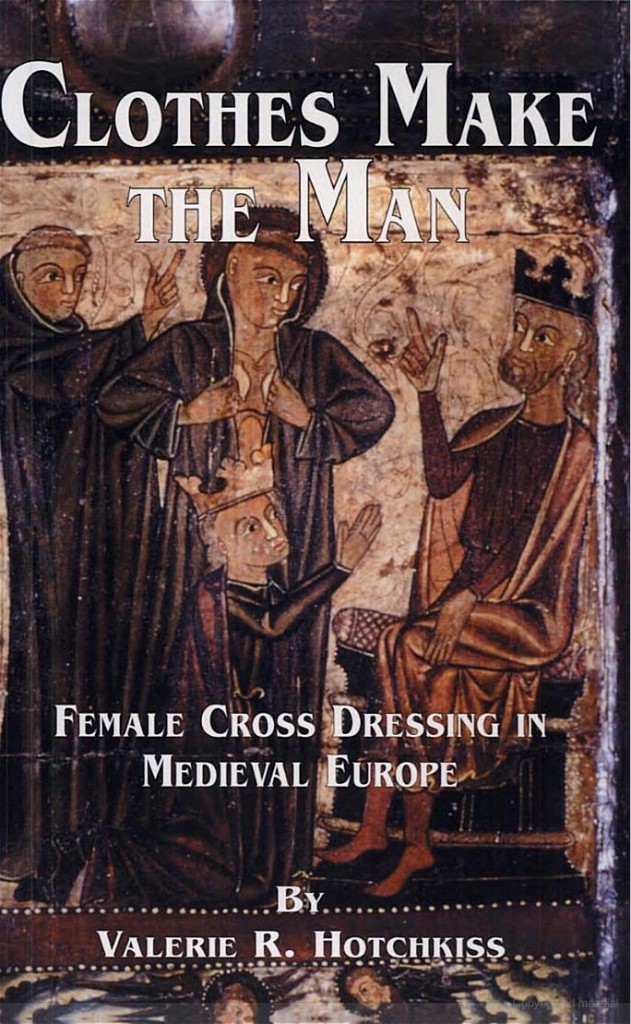
Clothes Make the Man: Female Cross Dressing in Medieval Europe
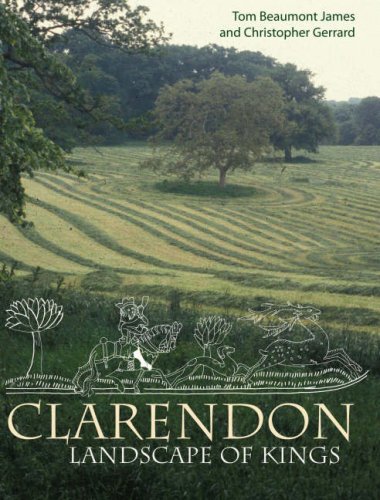
Clarendon: Landscape of Kings
By Tom Beaumont-James and Christopher Gerrard
Windgather Press 2007
ISBN-10: 1905119119
ISBN-13: 978-1905119110
ABSTRACT:
Soon after the Norman conquest, a particular place in Wiltshire became the country retreat of the kings and queens of England. Clarendon was large enough for business meetings of up to 2000 people, but it also had intimate suites for private life: Royalty could govern and relax, while indulging their passion for hunting. Here in 1164 Henry II confronted Thomas Becket and frames the “Constitutions of Clarendon”; here the Plantagenets sustained their grandest palace outside London and the largest deer park in the kingdom. The visitor to the park today will find this medieval landscape still recognizable and more or less intact. Yet until recently, it remained secret and undiscovered.
In this book Tom Beaumont-James and Christopher Gerrard tell the story of this great royal landscape from the Neolithic through to the present. The park is rich in Prehistoric remains, but unusually , it is the historic period, which excites the creates archaeological attention. The authors explore Saxon Clarendon and chart the Norman creation of the deer park and the building of the palace. They bring the royal hunt to life – a time when royalty and their guests hunted fallow deer in the park, when gyrfalcons sought prey from high above and kings and queens dispensed bounty to huntsmen, who brought cranes and wolves killed in the nearby royal marshes and forest. In 1660 Clarendon passed to Edward Hyde, earl of Clarendon, chronicler of the English Civil War. After that the landscape subsequently went through a further transformation, into a private county estate and an expression of Protestant, Tory and military values.
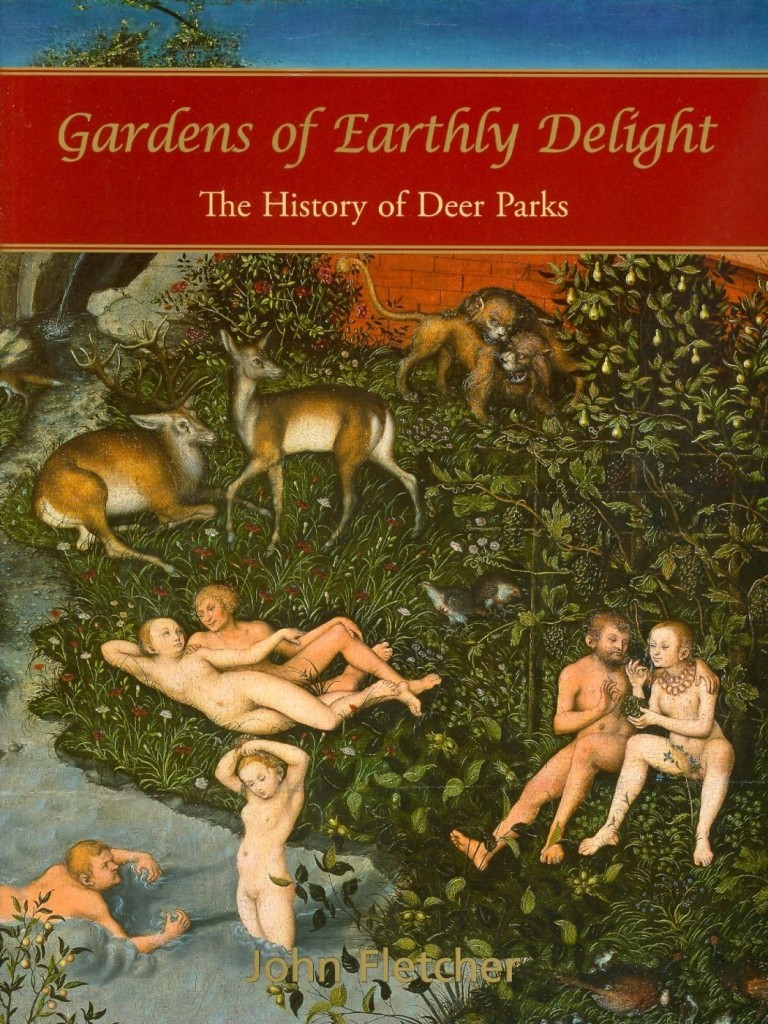
Gardens of Earthly Delight: The History of Deer Parks
By John Fletcher
Windgather Press 2011
ISBN-10: 1905119364
ISBN-13: 978-1905119363
This is a highly original, profusely illustrated, and well-researched account of deer parks. With humility and respect Fletcher touches on errors commonly made by archaeologists and historians, taking issue with long held theories while drawing on his lifetime working with deer to formulate plausible explanations as to, for example, why they were not domesticated until the 20th century, how parks evolved from haga and elricks , why deer parks were created throughout Eurasia, why fallow so rapidly ousted red deer from medieval British parks, and much more.
He ranges from meat sharing amongst chimpanzees to the symbolism of venison as the elite product of hunting, ensconced within seven centuries of the English Royal Warrant, through the 300 year long prohibition on its sale within England and the continuing illegality of selling hunted venison within the USA, the aristocratic pursuit of park breaking, and the imposition of the Black Act.
He stresses the cross-cultural importance of rulers being seen to hunt, compares ancient Chinese parks, the colossal Asian ring hunts, and the water hunts of Germany as expressions of man’s urge to contain deer.
Within Britain, which has for a thousand years held more deer parks than any other part of the world, he describes how deer were fed, transported, enclosed, captured, castrated and housed, and how they were hunted in the confines of parks. The recent theory as to the use of trenches for handling deer in medieval Scotland is explored. The international symbolism of white deer, collared deer and enclosed deer is discussed.
Recently, parks provided deer for English carted hunts and Scottish sporting estates; now we recognise their ecological and recreational value. We learn how parklands may be our spiritual home – the environment in which we are most content – and that parks have always been, in a fashion, designed landscapes.
CONTENT:
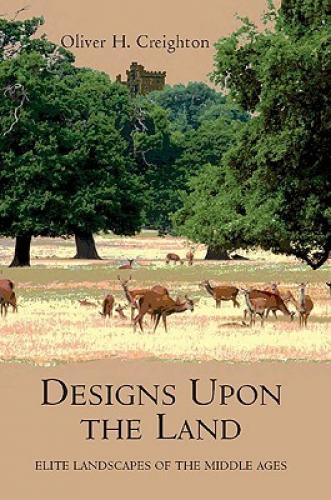
Designs Upon the Land. Elite Landscapes of the Middle Ages
By Oliver H. Creighton, Associate Professor in Archaeology, University of Exeter
Boydell & Brewer 2009 (2014)
The phrase “designed landscape” is generally associated with the great parks and gardens of the post-medieval period, with grand country houses surrounded by parkland, such as Chatsworth and Longleat. However, recent research has made it clear that its origins lie much further back than that, in the middle ages, and numerous examples have been identified.
This book offers the first full-length survey of designed medieval landscapes, not just the settings for castles, but for palaces, manor houses and monastic institutions.
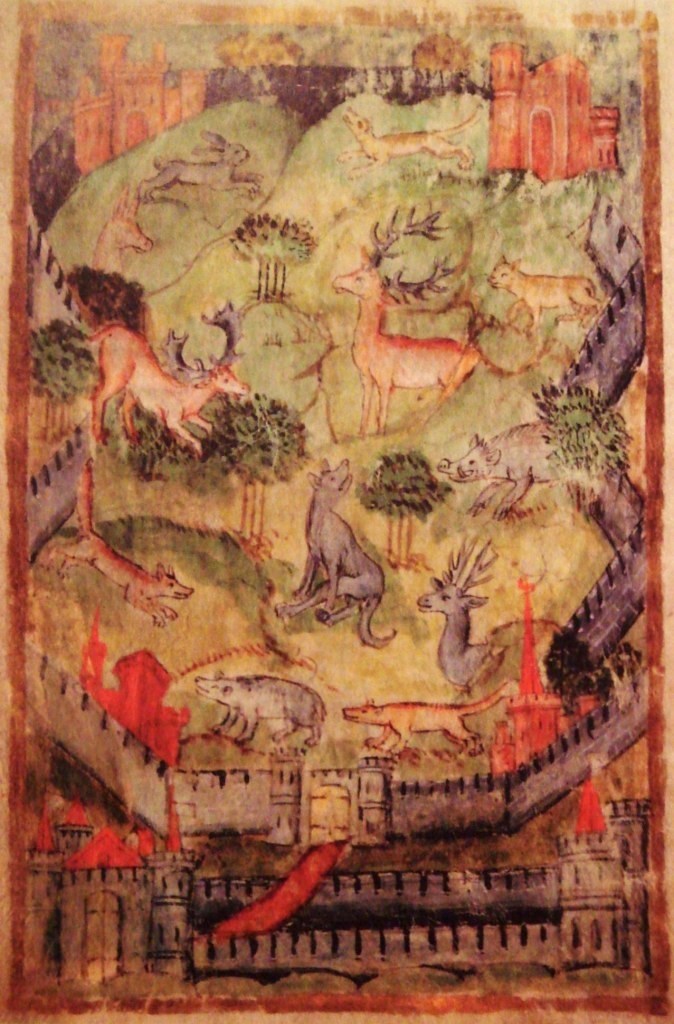 Gardens and pleasure grounds gave their owners sensory enjoyment; lakes, ponds and walkways created routes of approach that displayed residences to best effect; deer parks were stunning backdrops and venues for aristocratic enjoyment; and peacocks, swans, rabbits and doves were some of the many species which lent these landscapes their elite appearance.
The book is richly illustrated with plans, maps, and photographs of key sites showing what can still be seen today and offers a richly rewarding introduction to the elite landscapes of Medieval Britain, demonstrating that these landscapes were just as open and impressive as later on. Having read the book, the reader is no longer able to entertain the idea, that medieval people thought of their habitations as something which had to be fenced of, walled and moated inside seas of uncontrollable wilderness.
Literally, the book opens vast vistas!
http://www.boydellandbrewer.com/store/viewItem.asp?idProduct=14183
Series: Garden and Landscape History

A dictionary presents a very important introduction to the scholarly and artistic field of the Nibelungen Tradition
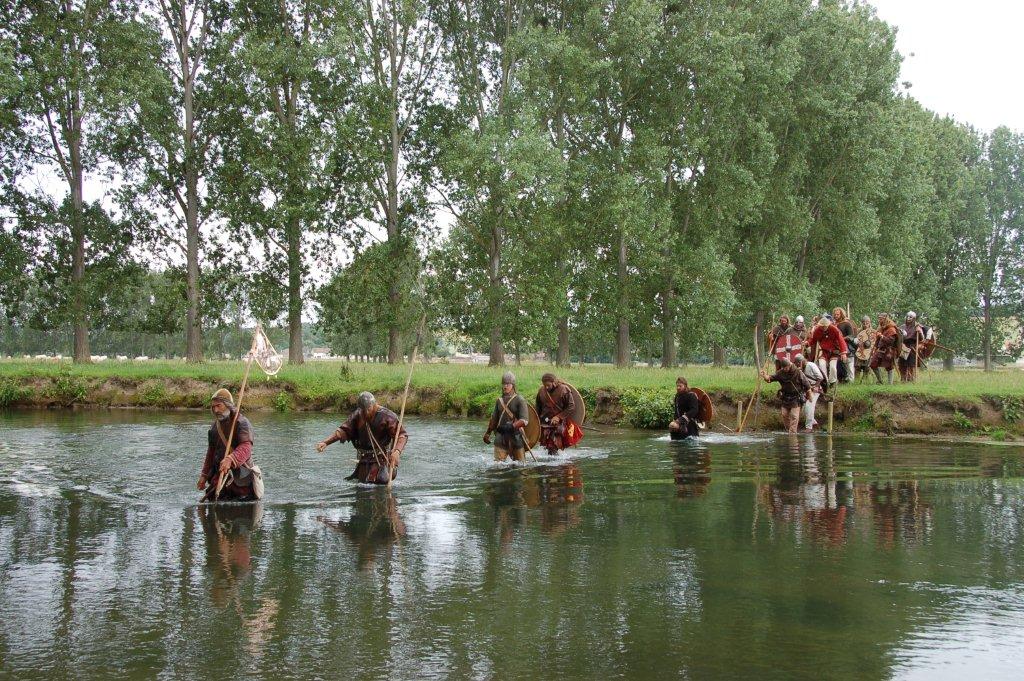
BOOK REVIEW: In 2011 Normandy celebrated the treatise brokered between the French King and Rollo, in 911..
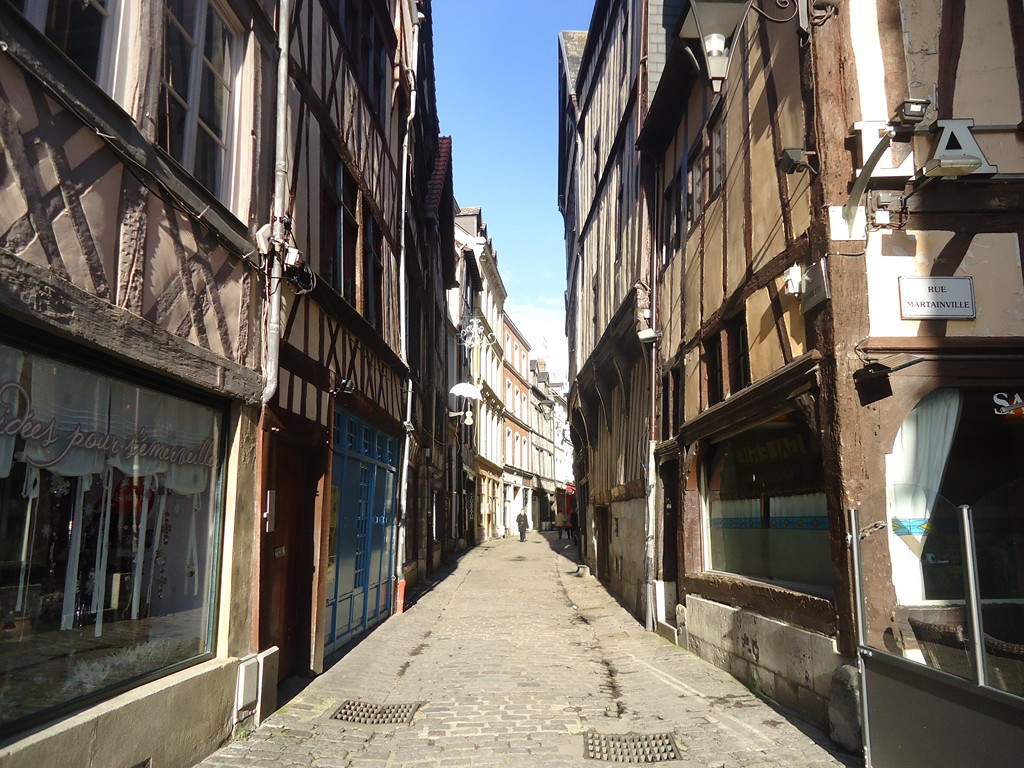
BOOK REVIEW: New book sheds light on the geography, society and culture in Medieval Rouen 911 -1300...
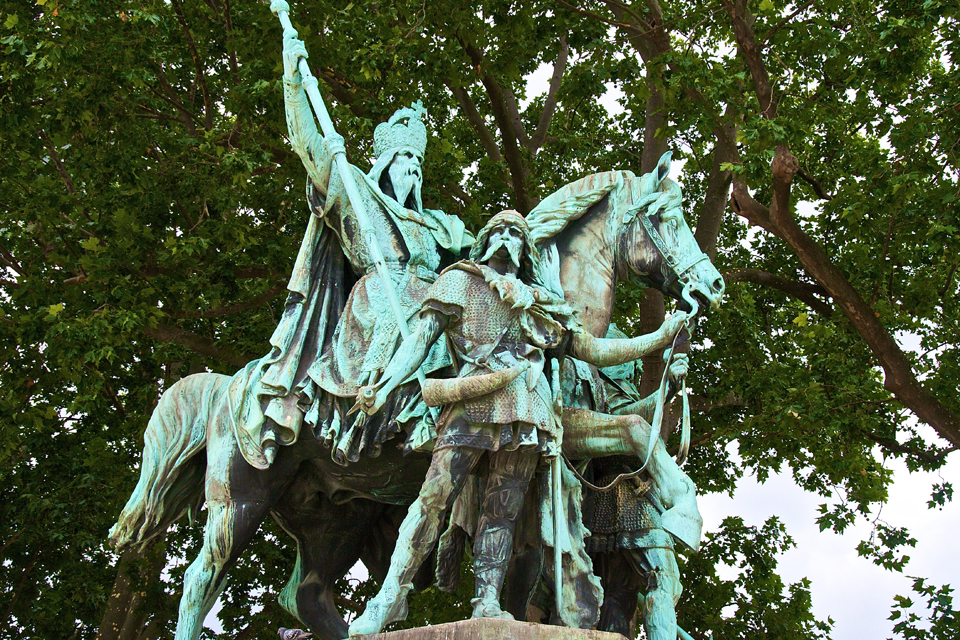
Where to start? Here is a list of recent biographies of Charlemagne, each supplementing the other
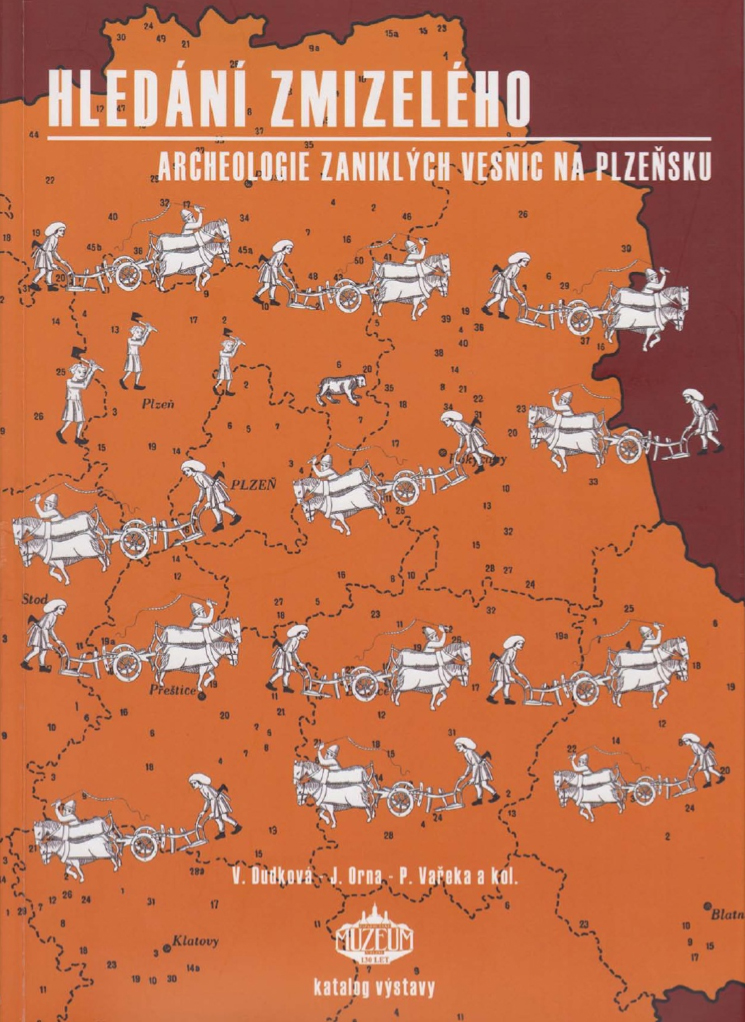
Deserted Medieval Villages in the Pilsen Region: Catalogue from an exhibition 2008 realised by the Museum of West Bohemia
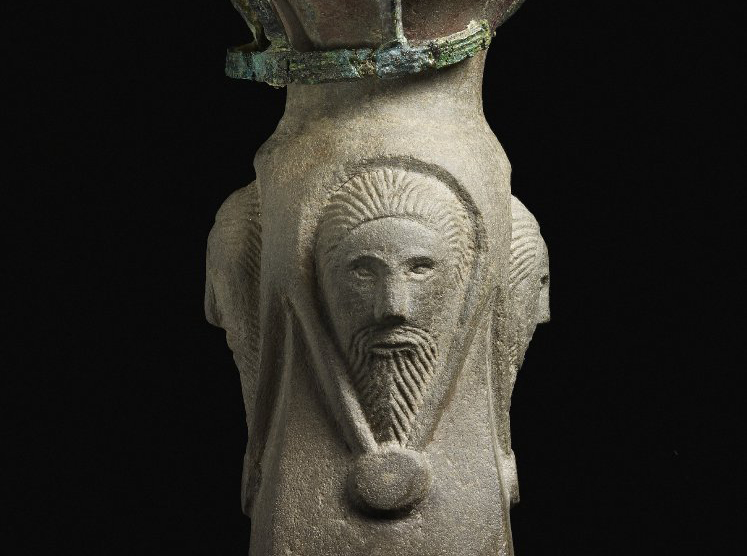
REVIEW: A reconstruction of the whetstone or scepter from Sutton Hoo has yielded new information…
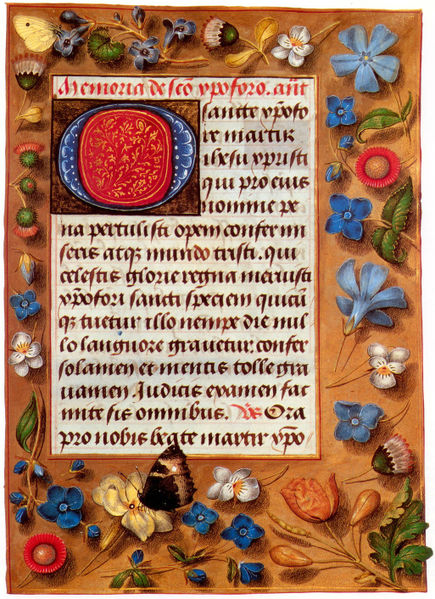
NEW BOOK provides essential studies on the production, use, and evolution of Book of Hours...
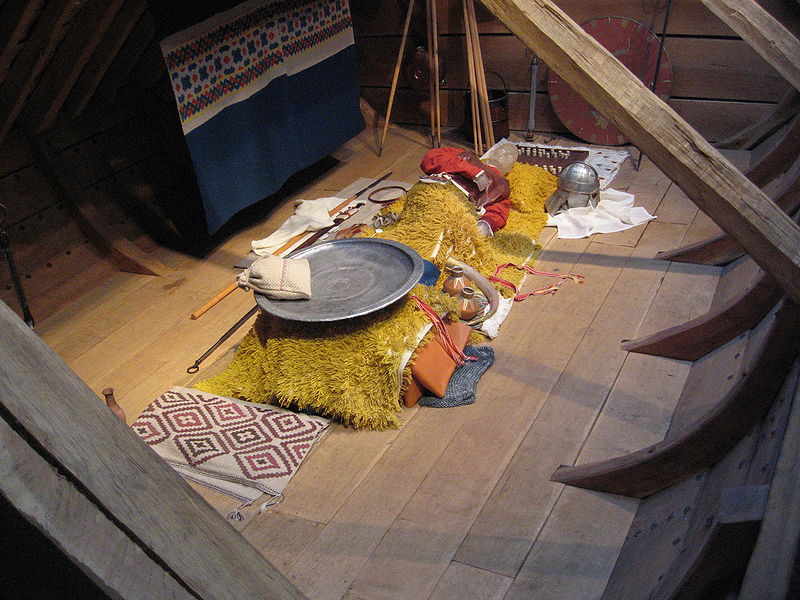
NEW BOOK: Anglo-Saxon Graves and Grave Goods of the Sixth and Seventh Centuries AD...

NEW BOOK: Religious War and the Relic Landscape of Tours, Blois and Vendôme, 1550-1750...

BOOK REVIEW: The surviving evidence for the life of Francis is sifted using modern historical methods...