How did a collection of marshy islands on the northern Adriatic coast become one of medieval Europe's most remarkable cities? A new study challenges the familiar story of Venice's origins
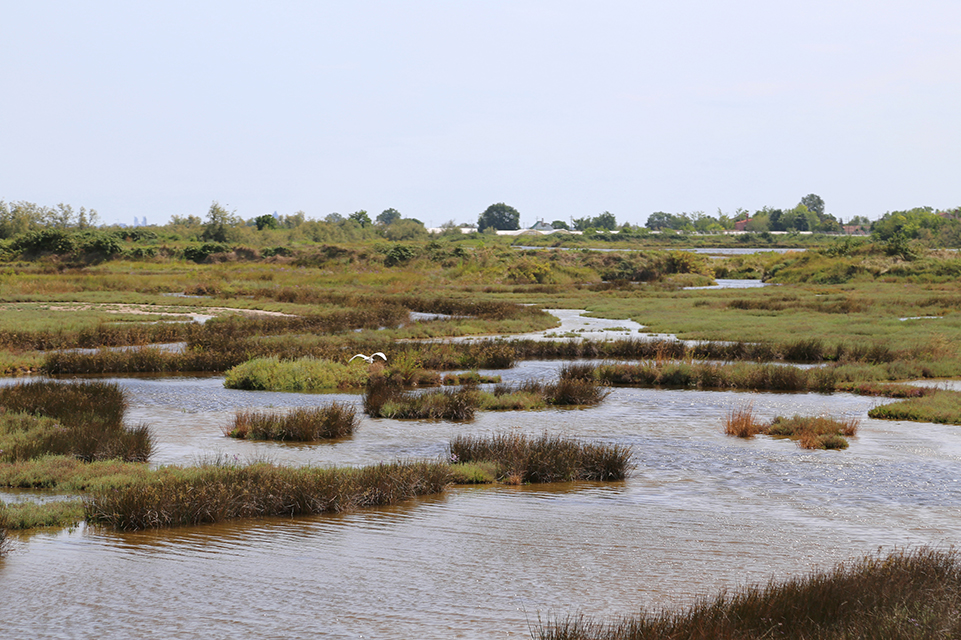
How did a collection of marshy islands on the northern Adriatic coast become one of medieval Europe's most remarkable cities? A new study challenges the familiar story of Venice's origins
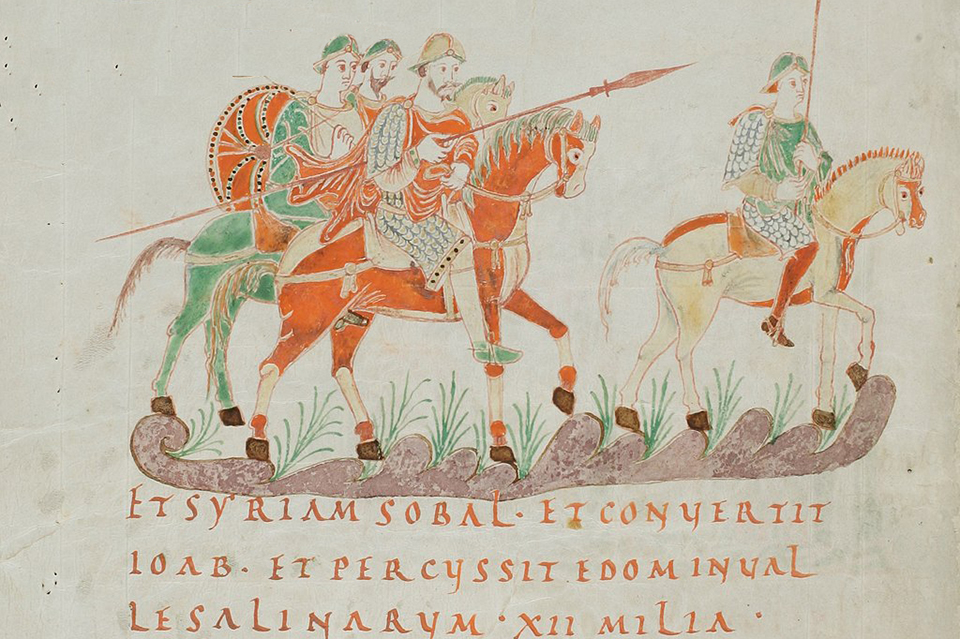
The conflict between the Saxons and the Franks during the late 700s and early 800s wasn’t just a random clash. Inflamed by a missionary zeal, it resonates in the 21st century
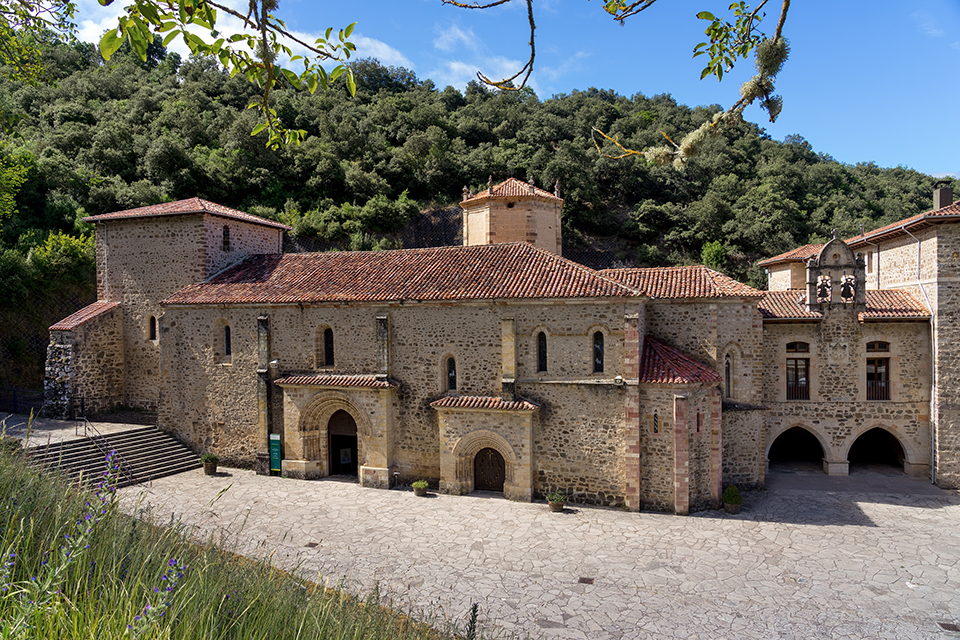
The monastery of Santo Toribio de Liébana, dating back to the 6th century, stands as one of the most significant religious sites in Northern Spain, nestled within the dramatic landscape of the Picos de Europa mountains.
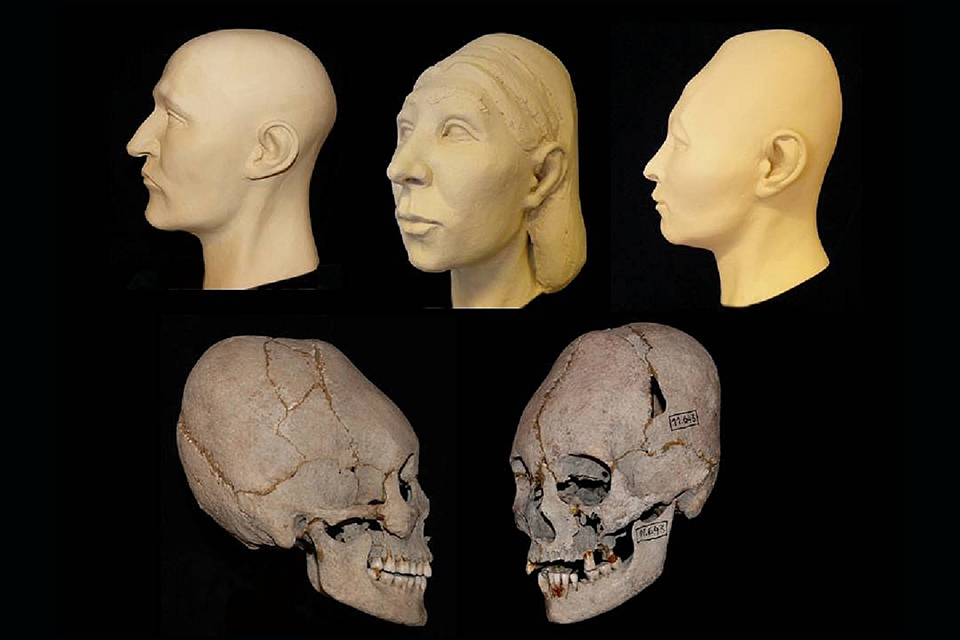
Who were the Huns? The Avars? And the conquering Hungarians? New studies of aDNA tell the story of a series of nomadic peoples, who may have kept themselves apart when migrating across the Eurasian Steppe.
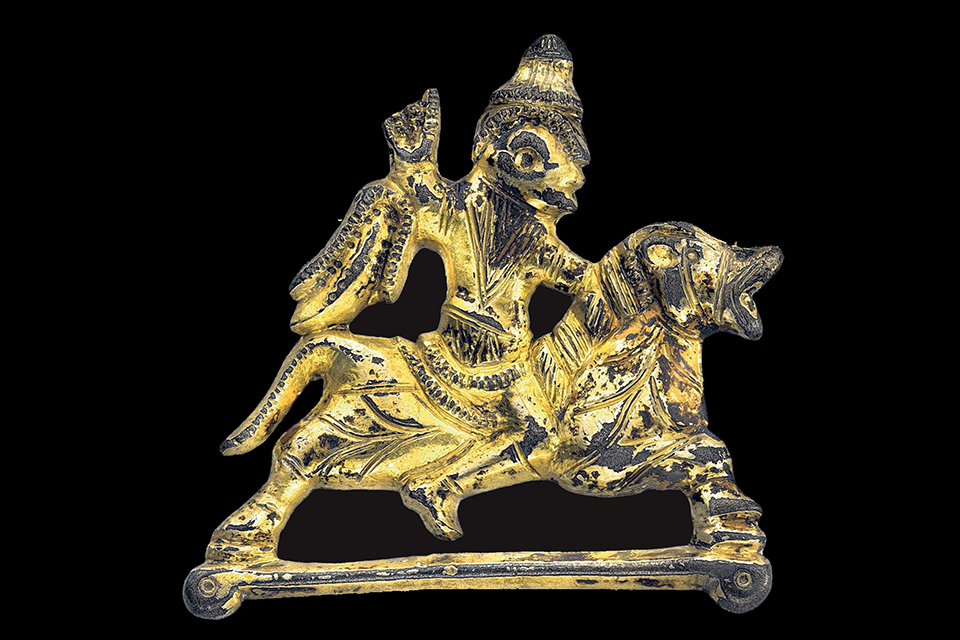
The Franks were an amalgamation of people active in the region around the lower Rhine surfacing in Late Antiquity as a significant player in Gaul.
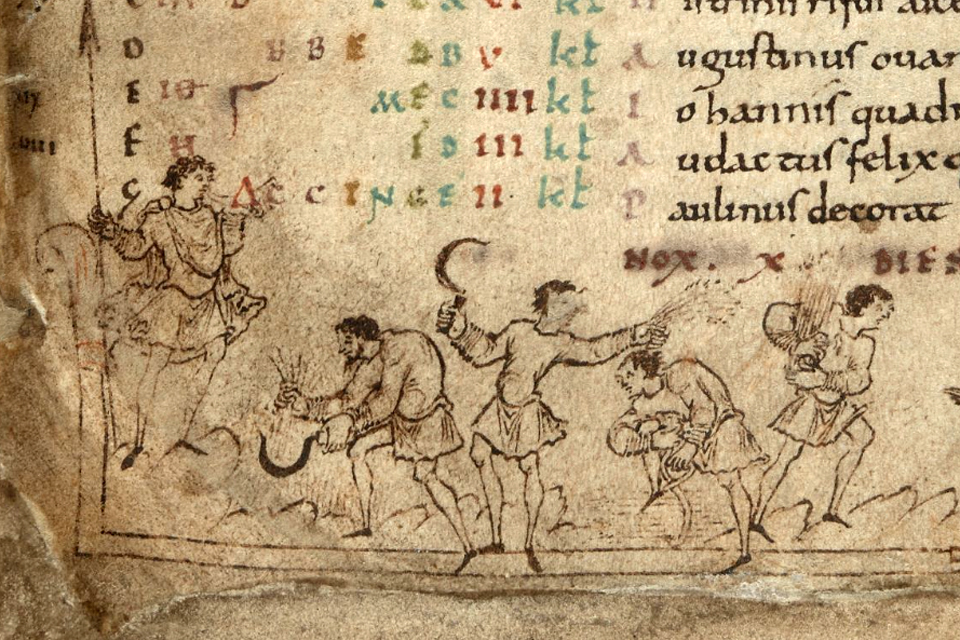
During the 4th-8th century, vast stretches of Europe shifted from growing wheat to rye. Careful studies indicate the shift was a reflection towards a new, more balanced peasant economy.
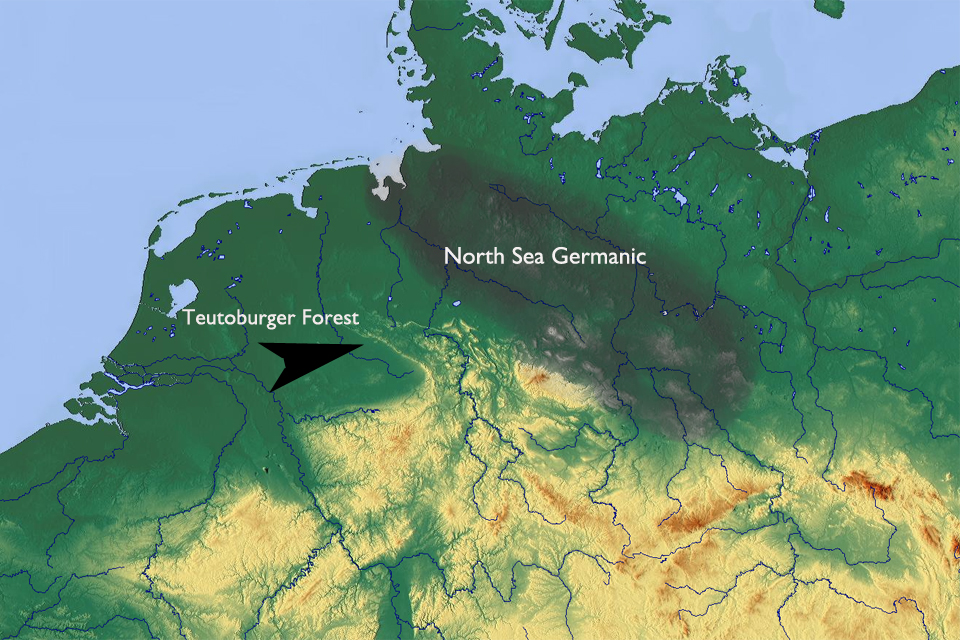
From the fourth to the seventh century, the Germanic Languages underwent a series of rapid shifts, when the language split into a number of dialects. A new study maps the geographical routes along which these dialects spread.