New exhibition at the Musée de Cluny this spring focus on the artists and forms og art in France during the reign of Charles VII
New exhibition at the Musée de Cluny this spring focus on the artists and forms og art in France during the reign of Charles VII
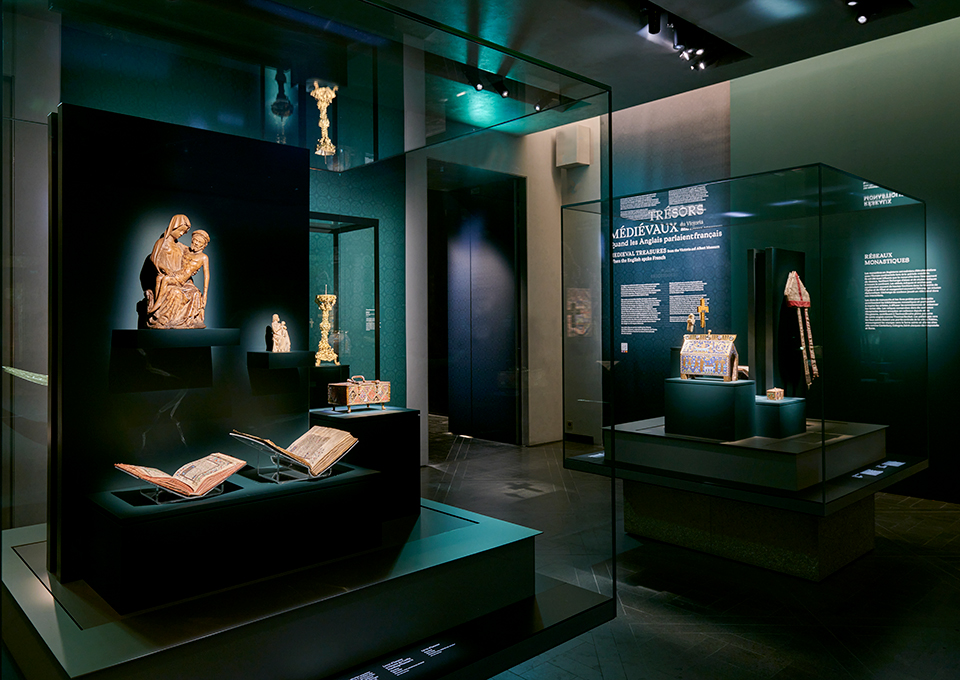
This autumn, a fine collection of Medieval Art can be seen at the Hôtel de la Marine in Paris telling the artistic story of the period "When the English Spoke French…"
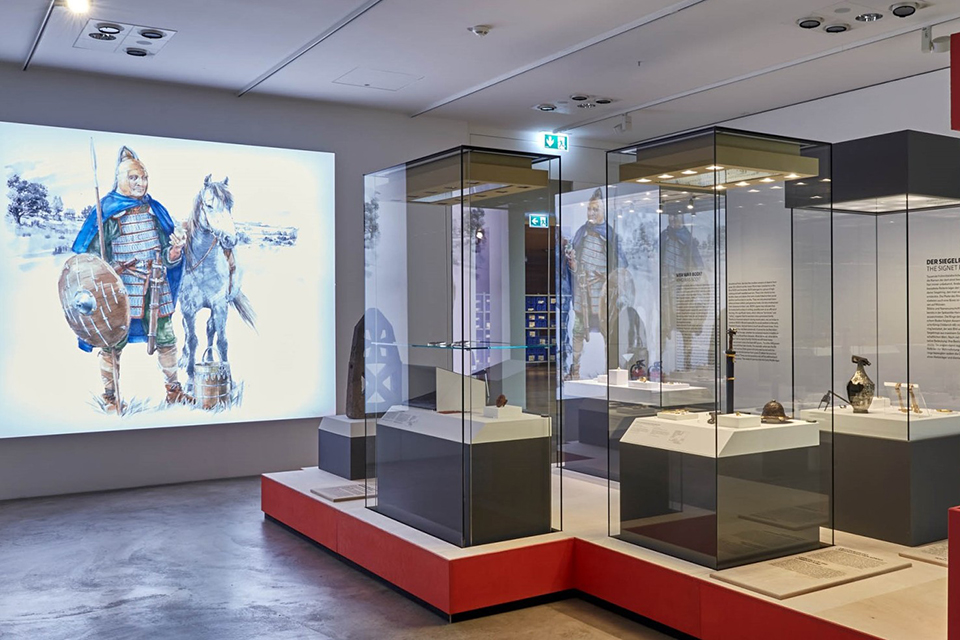
Fifty years ago, archaeologists discovered Bodi’s burial near the river Rhine. This summer, we are invited to explore his life at an exhibition in Bonn.
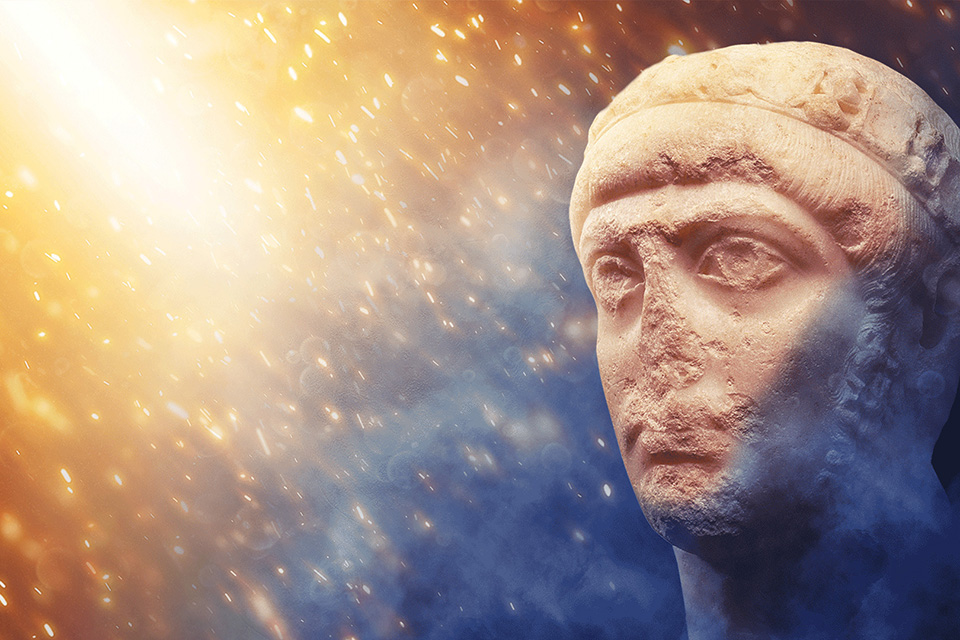
Why did the Western Roman Empire collapse in the 5th century? A major exhibition in Trier offers a handful of explanations at three separate locations.
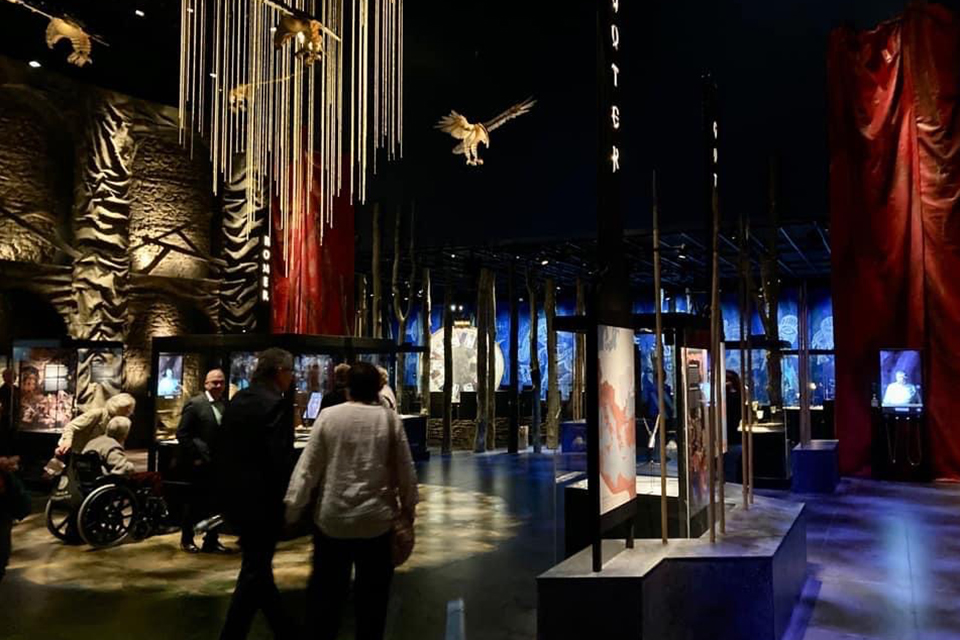
A new special Exhibition - Out of Chaos - at Moesgaard Museum in Århus spotlights the Dark Ages between AD 300-600.
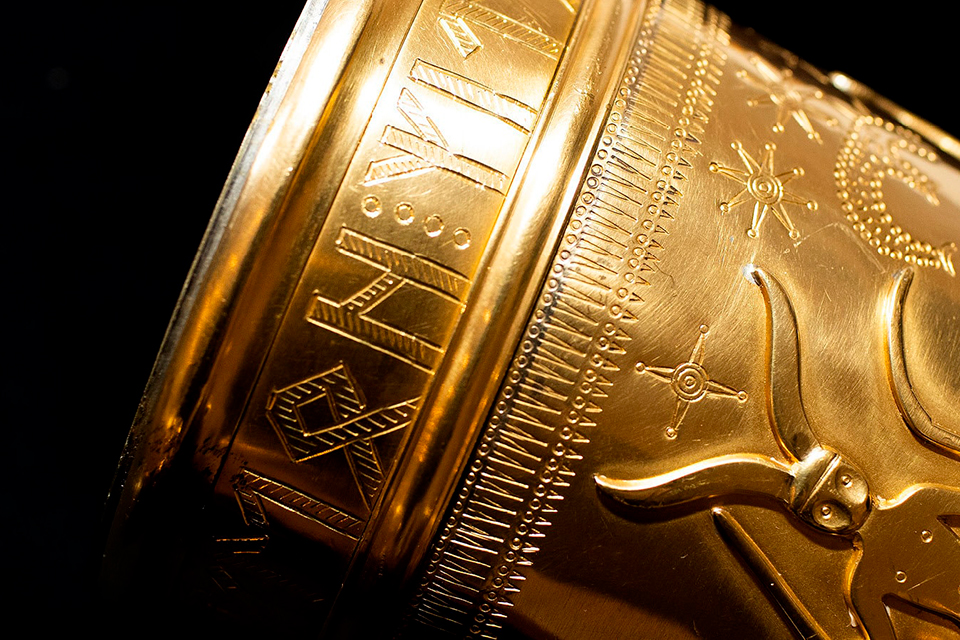
The largest ever golden treasure from The Migration Period was found in Renaissance Denmark. A new exhibition at the Museum in Tønder near the border between Denmark and Germany tells the story.
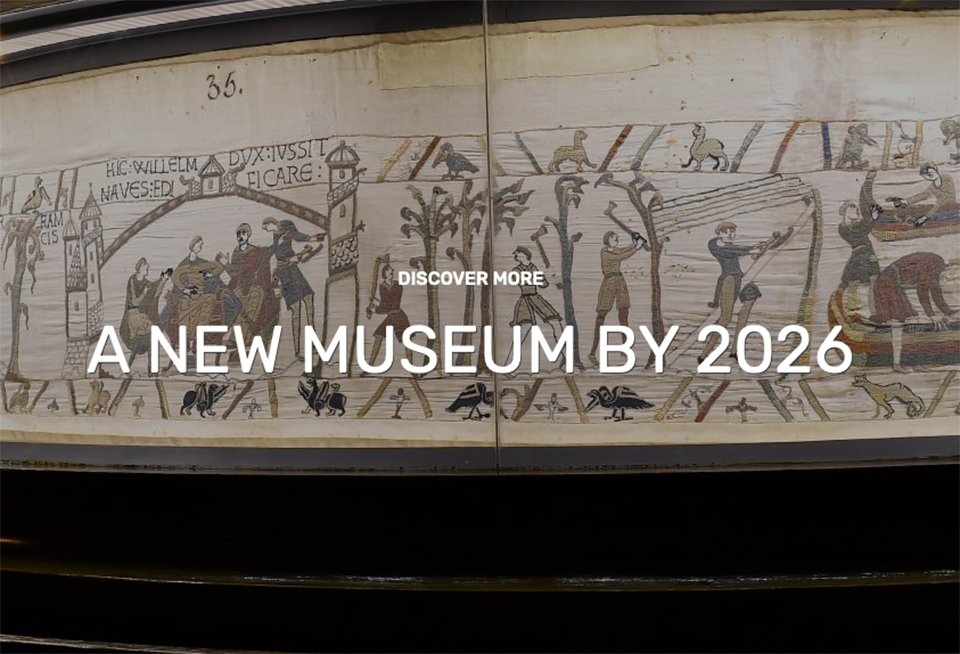
Will the future for the exhibition of the Bayeux Tapestry look like the Grotte de Lascaux? With access to the authentic tapestry closed off for the wider public?
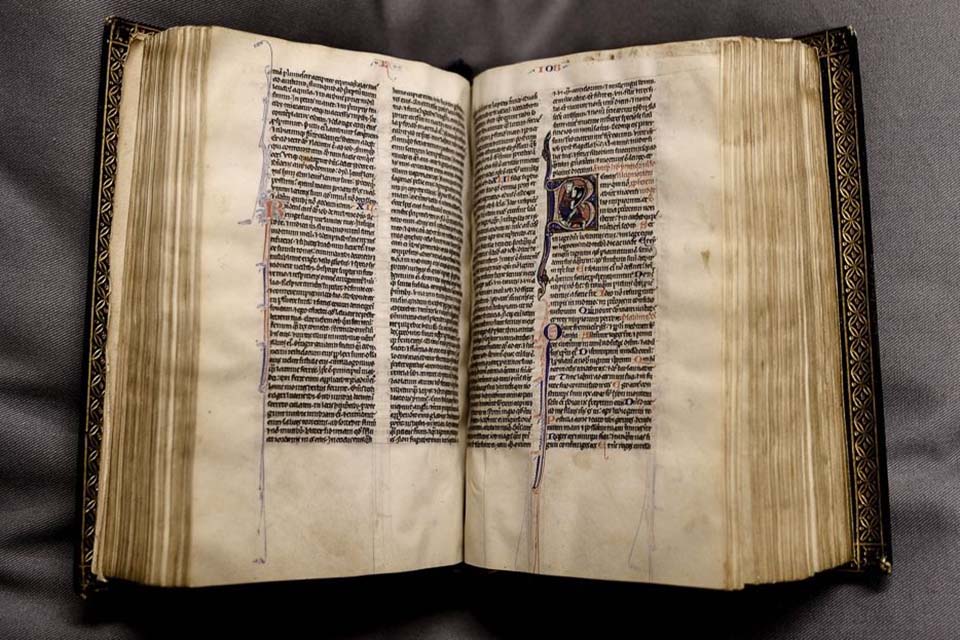
A major new exhibition in Canterbury Cathedral’s Crypt allows visitors to explore up close, for the first time, a unique collection of artefacts – including the battle shield, gauntlets and jupon of medieval The Black Prince
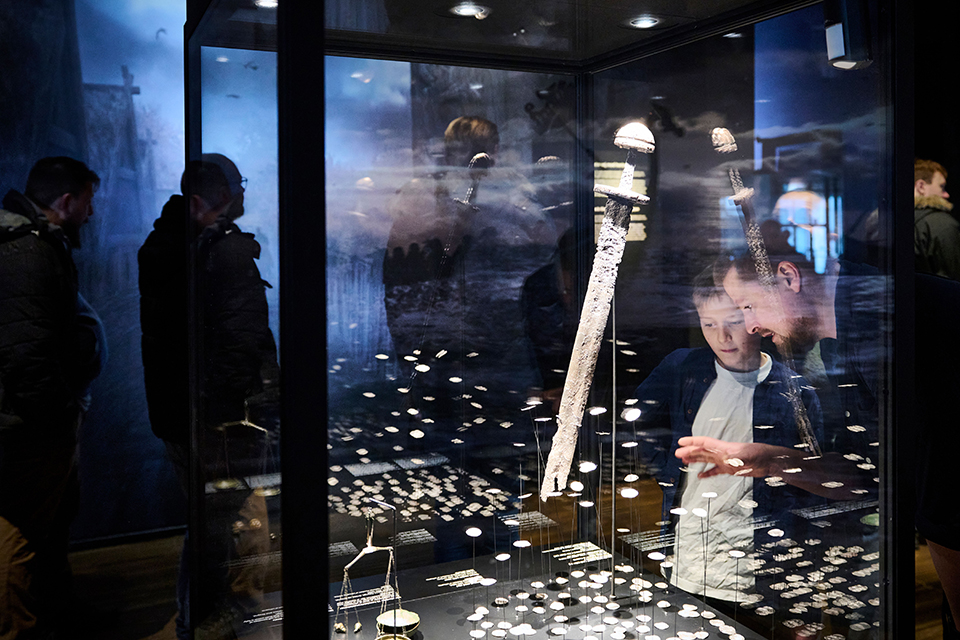
Spectacular exhibition showcasing the history of Medieval Ukraine, the Kyivan Rus' is currently on show in Århus, Denmark
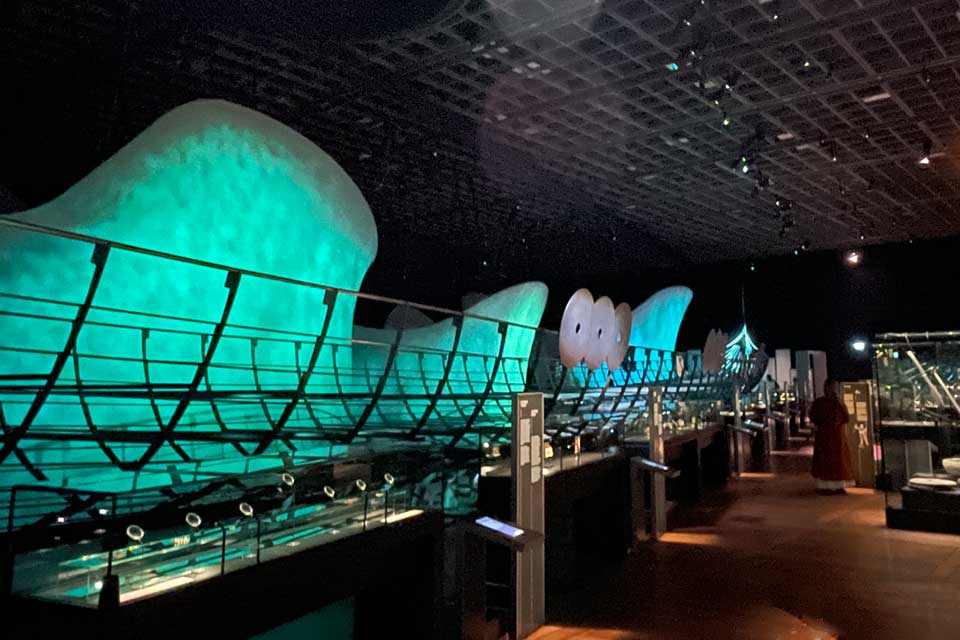
REVIEW: Last year, Oslo opened its doors to a new permanent Viking exhibition. June 2021, Stockholm and Copenhagen followed.
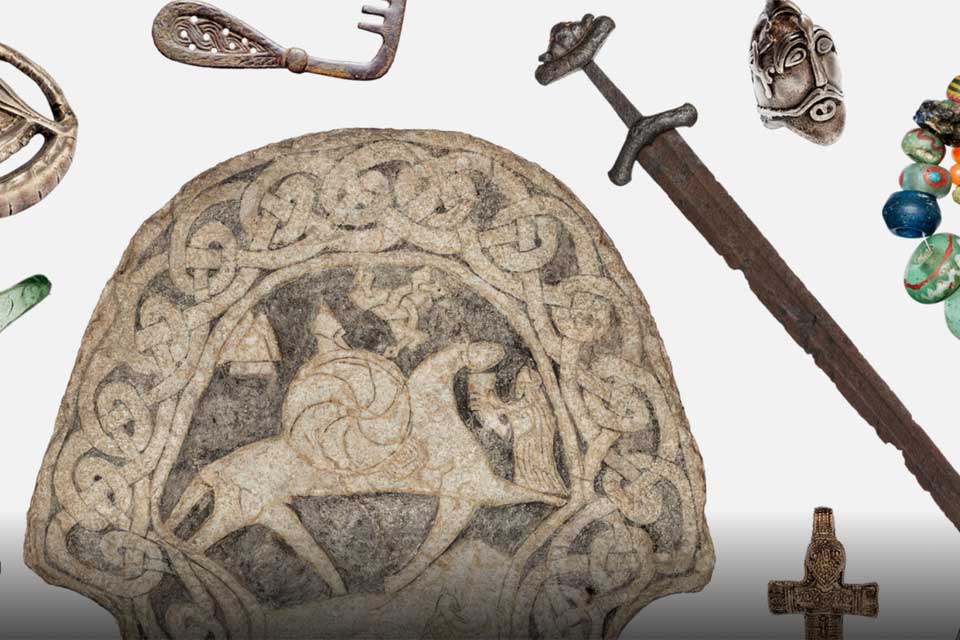
A new exhibition in Stockholm called the Viking World boasts of being the world’s largest. Opening its doors in June, the jury is still out. But the preview seems impressive.
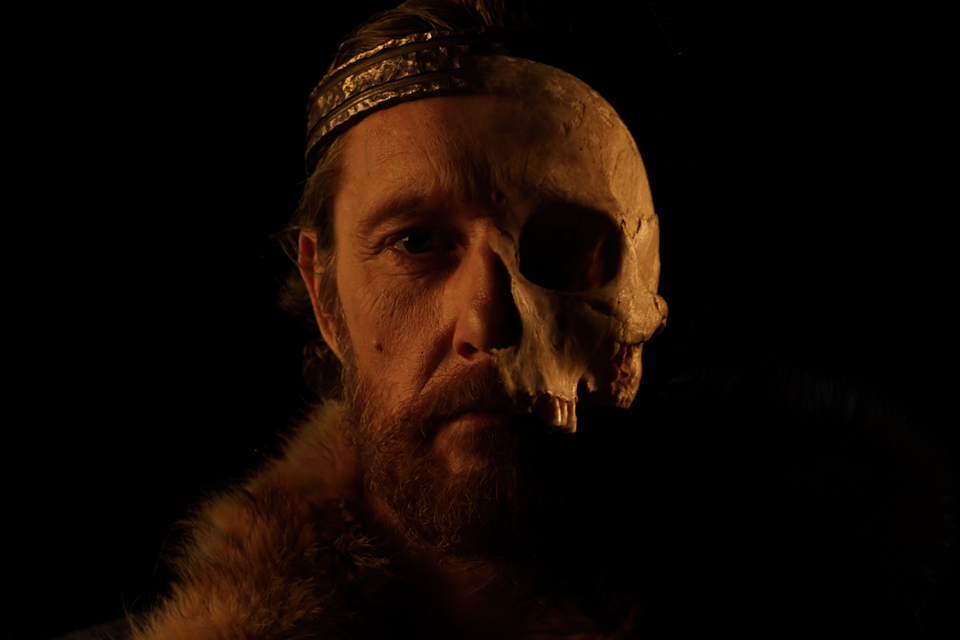
In a few weeks time, The National Museum of Denmark opens its doors to a whole new "take" of the Viking Experience.
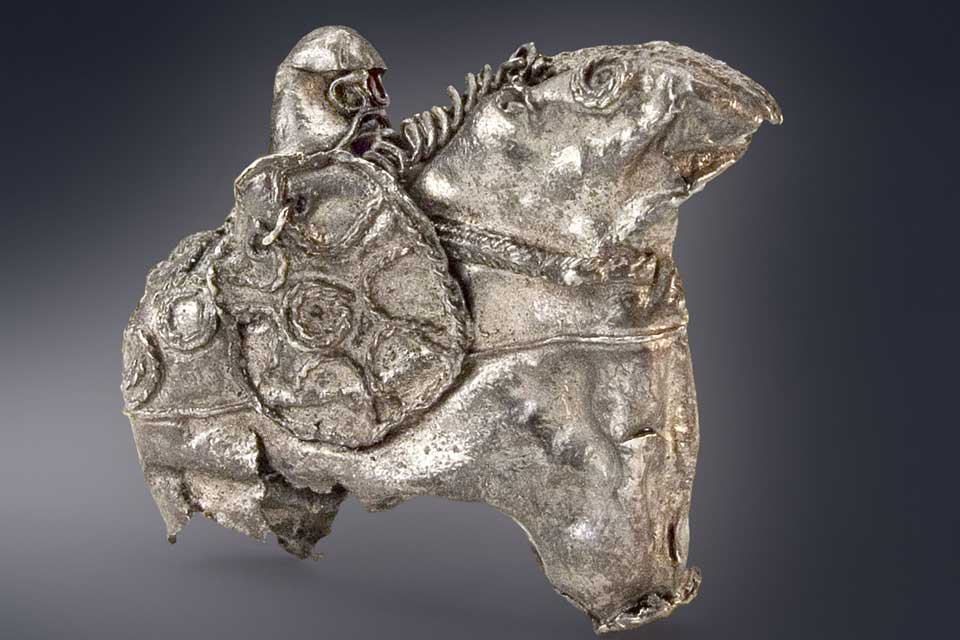
In January 2022, the Museum at Moesgaard in Århus plans to open a new exhibition telling how the Vikings - the Rus - conquered the East while sailing, trading, raiding and settling from Novgorod to Kiev.
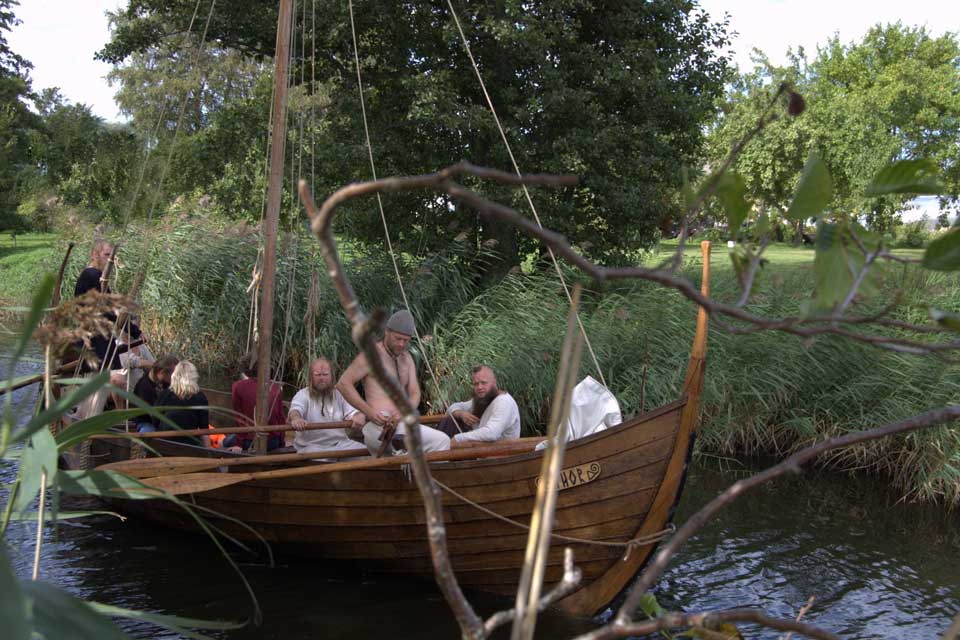
When the two Viking ships holding the remains of 41 dead warriors were dated to ca. AD 750, the sensation rippled through academic circles. Now, the finds are exhibited at Salme in Estonia.
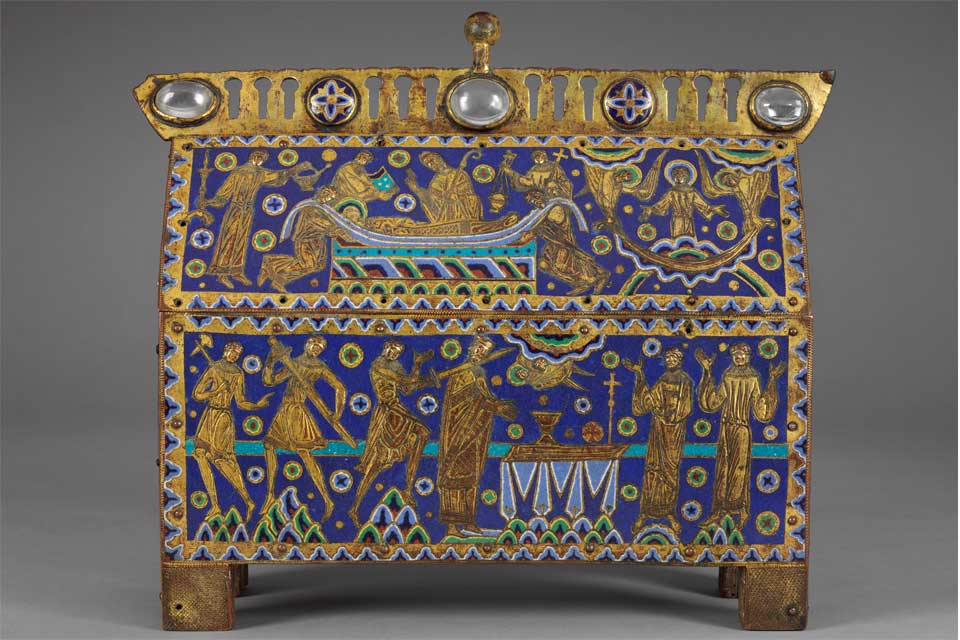
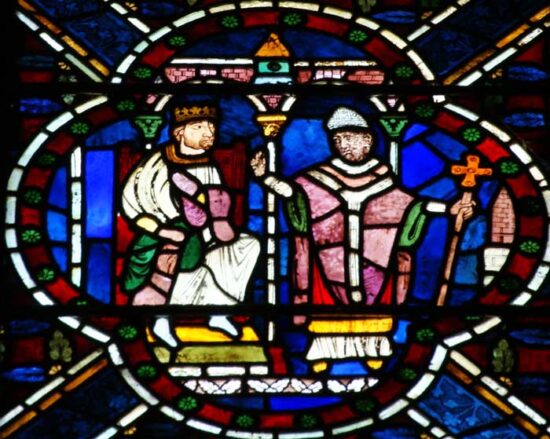
Thomas Becket is a fascinating historical person. As the son of a mediocre London merchant, he made an astounding career as a secretary and legal advisor to the Archbishop of Canterbury. From this position, he was headhunted as chancellor to Henry II. A few years later, the latter – believing he would acquire a faithful ally – chose him to be the future Archbishop of Canterbury. As such, Becket, unfortunately for Henry II, turned into a troublesome priest whose loyalty shifted away from the crown and towards the church. After years in exile, Becket ended his life as a murdered victim of the King’s wrath to rise from his death as a venerated saint. The story is known from numerous chronicles, letters, biographies as well as iconography. Also, we are somewhat well informed about his lifestyle and the material objects with which he surrounded himself. And yet, we don’t know him well. Even to some of his closest friends and collaborators, he was an enigmatic person – adored, vilified and criticised by friend and foe – he continues to set his mark upon our understanding of the high middle ages.
Last year, in 2020, a panoply of conferences, pilgrimages, and exhibitions were planned to celebrate the man, his life and his martyrdom. Unfortunately, the pandemic put a spoke in this wheel. However, the planned exhibition at the British Museum has only been postponed and will open in April.
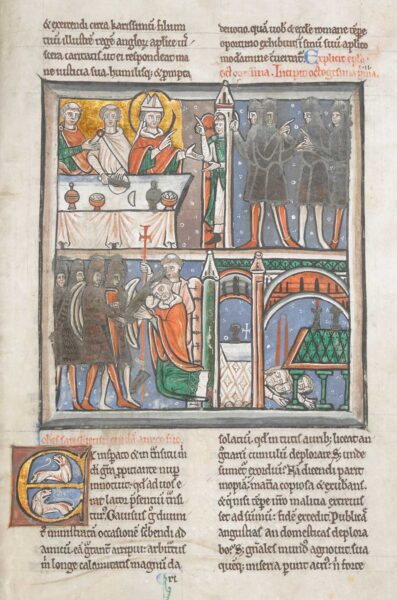
Thomas Becket was born in Cheapside in 1120 as the son of a London merchant, Gilbert Beket and Matilda. Both parents were of Norman descent and came from Thierville. At the age of ten, he was sent as a student to Merton Priory in Surrey, from where he returned to enter a Grammar school in London. During his youth, his father came into hard times. Becket had to take up a position as a clerk in the business of a relative, Osbert Huitdeniers. From here, he entered the household of Theobald of Bec, the Archbishop of Canterbury.
Later, he was sent to Auxerre, Bologna, and Rome to study canon law leading to his appointment as Archdeacon of Canterbury in 1154. Finally, in 1155, Thomas was recommended for the Lord Chancellor’s vacant post at the court of Henry II. Apparently, he fulfilled this job to the utmost satisfaction of the King. Also, a friendship grew up between the two men. Both appear to have loved the free life of the mighty and plentiful –hunting, gaming and travelling through Europe.
In 1162, Becket was chosen by the King to become the next Archbishop of Canterbury.Come June, he was ordained priest. Probably, the King expected Becket to accommodate his policies and place the continued development of the centralised royal government first. Soon after, however, the new Archbishop resigned his chancellorship. Instead, Becket sought to serve the church and not the King, who wished to expand secular jurisdiction at the expense of the clerical courts.
In January 1164, the matter turned into a full-blown conflict, when Thomas Becket declined to support the King in the matter of the”criminous clerks” and whether they (after having been defrocked) could be liable to harsher sentencing in the secular system. In the end, Becket agreed to accept the so-called Constitutions of Clarendon, but he refused to sign the parchment. Henry II now summoned Becket to Northampton Castle, where he was accused of contempt of the royal authority and malfeasance. Convicted – and perhaps denied free pass – Becket fled to the continent, where he was offered protection by Henry’s arch-enemy, Louis VII of France. During his sojourn in France, Becket became part of a network of like-minded clerics, monks and scholars circling the Cistercians, the exiled Pope, and the Gregorian idealists, who worked to “free the Church from the vile bondage into which princes of this world had forced her”. Nevertheless, Becket appeared to be caught between a hard rock – Henry II – and a stone, the Curia and Pope Alexander III struggling with the Emperor Frederick Barbarossa.
Finally, a sort of compromise was reached, paving the way for Becket to return to England in 1170. Following renewed hostilities, Henry II finally had enough, exclaiming something like “Will no one rid me of this turbulent priest”? Whatever words he used, the outburst had momentous results. Four knights set out to bring the Archbishop to heel, ending in the murder in front of the Altar of St. Benedict inside the Cathedral. During the actual killing, one Knight ended up shattering his sword while cutting off the crown of Thomas’ head.
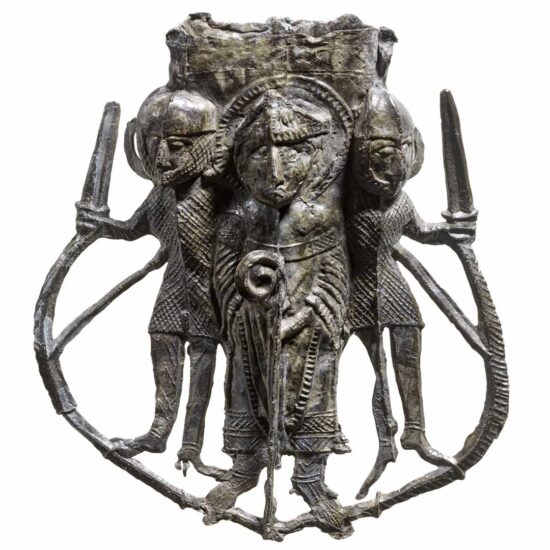
The next morning, the monks discovered that Thomas Becket had worn a hair-shirt beneath his episcopal attire. Also, miracles were soon attested as part of what was later to became a major industry. People were simply healed by imbibing some of his water-diluted blood and brain, which had been scraped from the floor and collected in a chalice; or bits and pieces of his blood-stained clothes became widely dispersed.
At what point and to what extent the pleasure-loving son of a textile merchant turned into a religious ascetic has been furiously debated. Even today, it is unknown to what extent the monks at Canterbury “invented” his saintliness. However, the public uproar was such that sanctification was carried forth by popular sentiment. Becket’s reputation quickly spread. People soon flocked to Canterbury, visiting the shrine and purchasing the mixture of his blood and water, called St. Thomas’ Water. Less than two years after his murder – and after heavy lobbying of John of Salisbury and others – Becket was formally canonised by Alexander III. Finally, in July 1174, Henry II was absolved from his participation in the crime following a public chastise at the tomb of the saint in Canterbury. However, it was not until 1220 that Becket’s body was translated to the Cathedral altar. In the autumn of 1174, the church had burnt, and a substantial reconstruction took place before the man could be laid to his rest in the Trinity Chapel, where his blood and brain had been splattered across the tiles that fateful evening.
Such was the international uproar that the veneration of Thomas Becket rapidly spread across Europe from Nidaros in Norway to Soria in Spain. On the one hand, Thomas became one of the great thaumaturgical saints of the later Middle Ages. However, the saint also continued to play a special role in the continued challenge of how to balance the interests of the secular and the sacred spheres in the Middle Ages.
No wonder Henry VIIII later forcefully destroyed Becket’s shrine, while private prayer-books in the post-reformation period were heavily censored for remembrances of his particular remembrances. Thomas Becket was, in the eyes of Henry VIII and Cromwell, the ultimate rebel and traitor against the idea that a king might be the inviolate head of the church of his nation.
Even today, the vignette of the murder of Thomas Becket may resurface in politics. Thus, the former director of FBI, James Comey, who in 2016 was fired summarily by yet another red-haired despot, Donald Trump, explained the “indirect order” to drop the Michael Flynn investigation as a firm directive. “Did you take Trump’s question as a directive?” Angus King asked Comey at the hearings. “Yes, yes,” Comey replied. “It rings in my ears as kind of ‘Will no one rid me of this meddlesome priest?'”
Spring 2021, British Museum will (hopefully) open its doors to a large exhibition on the man, the murder and the legends. Exhibits will range from sacred relics and reliquaries over the jewellery to illuminated manuscripts, some of which include eyewitness accounts of the murder as well as biographies. The exhibition features objects from the British Museum collection, including important loans from significant collections across the UK and Europe. The showstopper will be an entire medieval stained glass window on loan for the first time from Canterbury Cathedral.
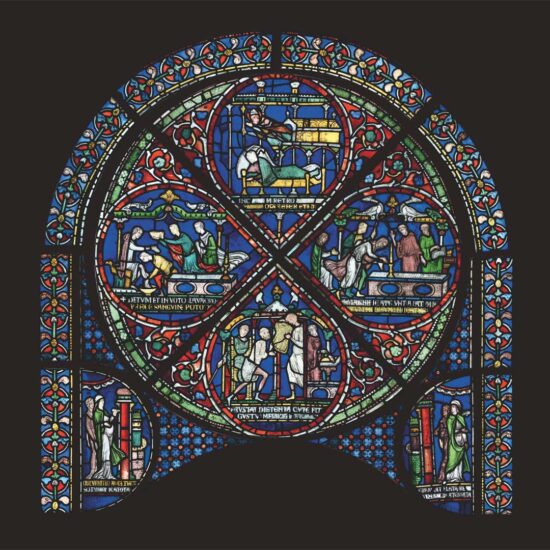
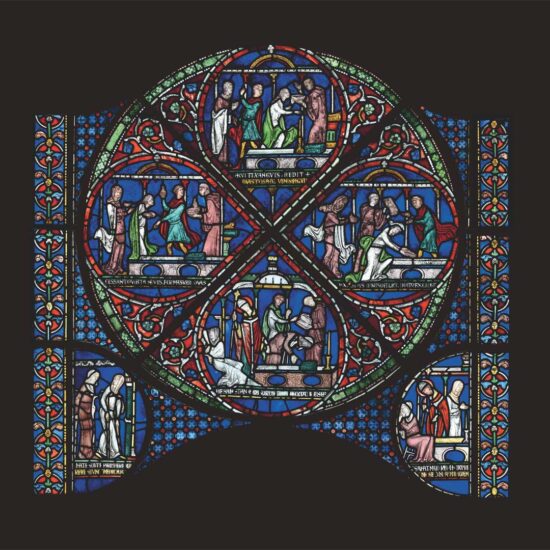
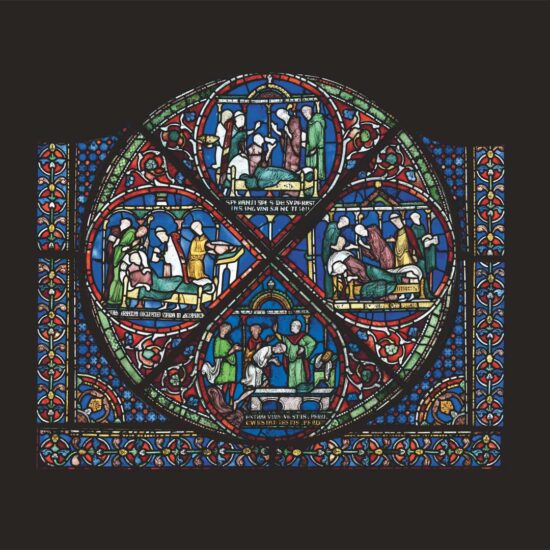
Reliquary casket showing the murder of Thomas Becket. Limoges, France, about 1180-1190. © Victoria and Albert Museum, London.
Thomas Becket: murder and the making of a saint
British Museum, London
End of April. Dates will be announced.
Thomas Becket – Life, Death, and Legacy
Conference organised in Canterbury, Spring 2021
The Becket Story
The life, death and influence of St. Thomas Becket
The literature about Thomas Becket is vast. Apart from modern scholarly books, the main edition of the sources concerning his life and martyrdom fills 7 volumes in an edition from the 19th century. Modern editions of his letters are available. However, the ten vita and biographies preserved have never been translated in full, but exists purely in a selection published
Introductions


Sources
Art History


Biographies


Nobles and nobility in medieval Europe. Concepts, origins, transformations
Duggan, Anne J. [Publ.]. – Woodbridge (2000)
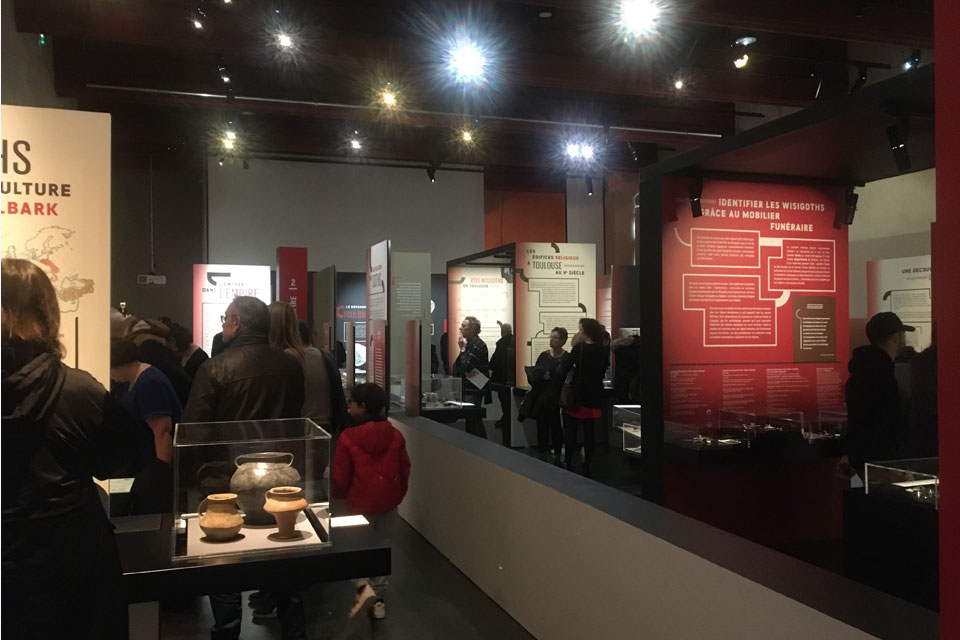
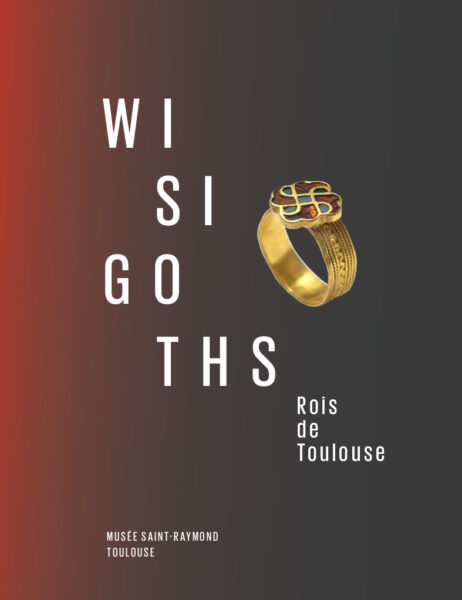
This summer a major exhibition focusing on the Visigothic kingdom in Toulouse 420 – 507 has been organised by the local archaeological museum, Saint-Raymond, Inrap , and the local association, Toulouse wisigothique.
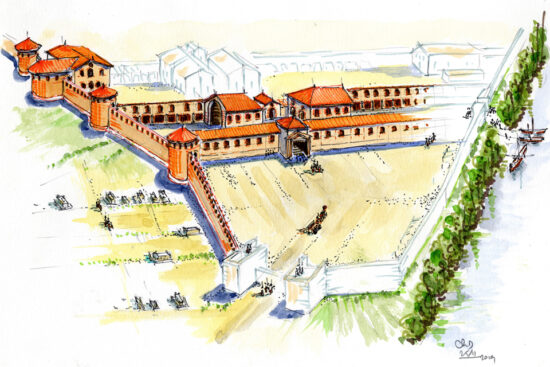
In AD 376, a large group of barbarian warriors and panic-stricken refugees begged the Romans for admission to cross the Danube and enter the Roman territory. Due to Roman bungling of the famished hordes, the people banded together, to meet a Roman army at Adrianople in 378. Here, they mustered 30-40.000 warriors against a corresponding number of imperial troops. Based on this calculation, the size of the hordes of refugees is estimated to have reached an influx of ca. 200.000, a fourth or fifth of which must have been armed soldiers. Known as the Battle of Adrianople 378, the events concluded in a devastating defeat of the Roman Army and the death of the emperor, Valens. Some historians consider these events as the watershed of the Western Roman Empire.
Out of these people – Goths – a distinctive ethnicity, the Visigoths, was gradually forged. Under the leadership of king Alaric they invaded Italy and sacked Rome in 410. Later – now lead by Alaric’s brother-in-law, Athaulf – they were accepted as foederati in the Roman army. In this capacity, the Visigoths were recruited in AD 416 to fight the Sueves in Iberia, which had been invaded by another large group of Alans, Sueves and Vandals. Later, in AD 417 the Visigoths were granted right to settle in Aquitaine, when another leader or king, Vallia, was able to negotiate a proper treaty securing his followers the legal status of veterans, whereby they received the right to settle more permanently. These events laid the groundwork for the rule of Theoderic I (418-451, his sons, Theoderic II, Thorismund, and Euric, as well as his grandson, Alaric II. For nearly a century, the Visigoths played a pivotal role in the shift from Roman Antiquity to the Middle Ages.
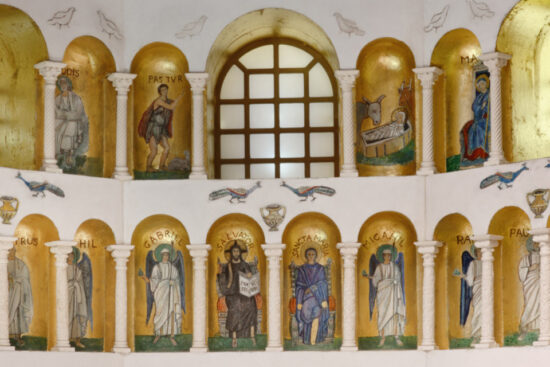
It stands to reason, the details thereof have been endlessly debated. Who were the Goths? Or rather: to what extent did they identify themselves as “Goths”? Were they just “Romanised” Barbarians? And how did they forge their new polity in the ashes of the demise of the Western Roman Empire? The sources are many and varied and offer the possibility of nearly endless pondering. On the other hand, they do not invite to firm conclusions.
The sources also differ as to the exact date, when the pax was concluded between AD 415–420, (and it seems somewhat peculiar that 2020 has been chosen as the year for the anniversary). Also, the “Kingdom of Toulouse” as such did not receive official recognition before 439, when a decisive battle was fought between a Roman army and the Visigoths near Toulouse. At this point, the Romans had de facto lost the political if not cultural influence inside Aquitania. Finally, in connection with the Huns’ invasion of Gaul in 451, the Romans had formally to acknowledge the near sovereignty of the Visigothic kings. Probably, this was part of the price the Romans had to pay to recruit the Visigothic warriors before the Battle of the Catalaunian Plains in AD 451.
Thus, although the Romans continued to pretend to act as overlords, the following period presented the kings at Toulouse with a powerful bastion covering most of present-day southern France and the majority of present-day Spain. In 507, however, the Visigothic rule in Toulouse came to an end at the Battle of Vouillé near Poitiers. Here, a pitched battle between the Franks led by Clovis and the Visigoths commanded by Alaric II led to the death of the latter and the ultimate retraction to Iberia.
The exhibition at Toulouse this summer has been set up for two reasons. First of all, it has been decades since the Goths were at the centre of an exhibition aiming to tell the full story from the migration out of Scandinavia and the formation of the “People of the Goths”. Secondly, the people of Toulouse have been gradually more interested in this part of their heritage. Central has been the organisation of a local historical association, Toulouse wisigothique , which has been active in hosting seminars, conferences, and now the exhibition. Finally, several archaeological excavations in and around Toulouse have provided new and exciting information about the royal palace, the settlements and the burial rituals.
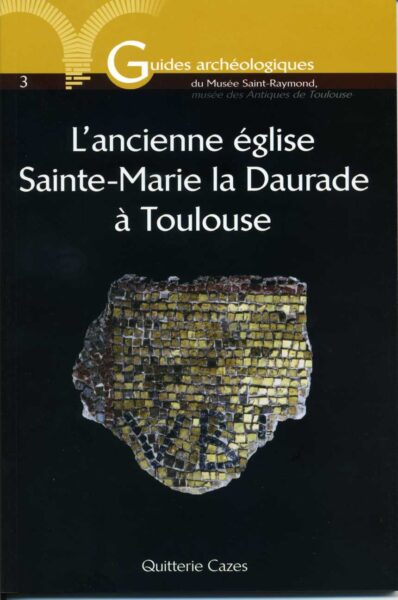
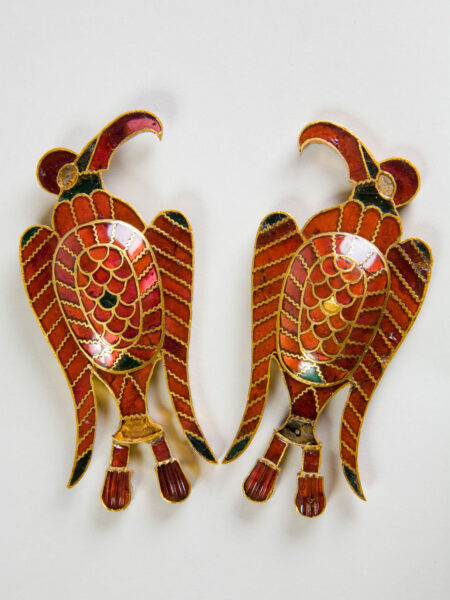
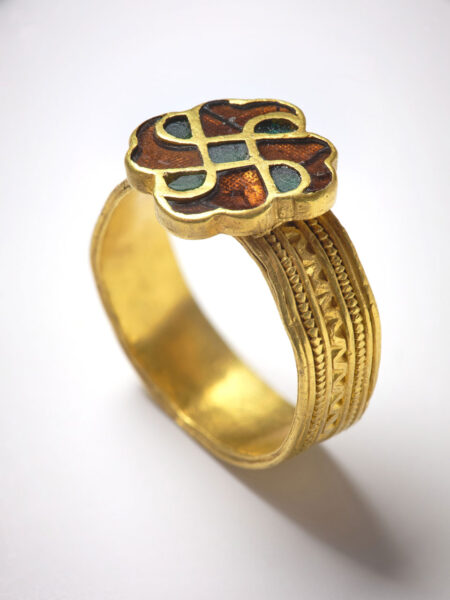
Thus, until recently, it was believed that the Visigoths left few traces inside the city of Toulouse. Numerous excavations inside Roman villas and of their burial grounds have uncovered a plethora of artefacts – deformed skeletons and jewellery – reminiscent of the same objects found in graves in present-day Romania and Bulgaria. Also, excavations inside Toulouse have uncovered the magnificent palace, which the Visigothic kings made their headquarter.
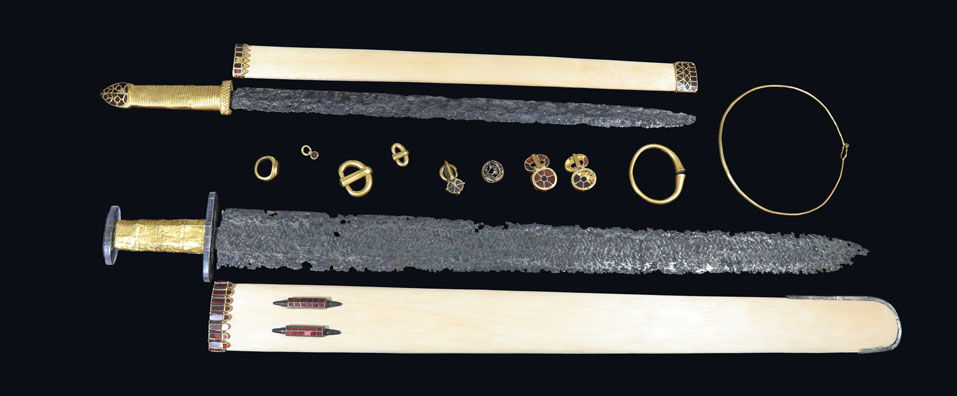
The exhibition is divided into two parts. The first shows the Goths as they migrated out of Scandinavia and until they ended up at the shores of the Blacks Sea. This part covers the period from the 2nd to the 4th centuries. The next part covers the period of settlement in Southern Gaul in the 5th century. Thus, the exhibition shows the different cultural settings of the Goths, while they traversed most of Europe in Late Antiquity. During this period, they naturally shifted as to the artefacts, with which they surrounded themselves. However, the exhibition also shows a marked continuity, for instance between the combs found at the Black Sea and those found in graves in Aquitaine. Another common feature is the elongated deformed skulls Hunnic and Gothic women paraded north of the Danube as well as near Toulouse. Recent excavations at Seysses at Haute-Garonne have not only documented this feature, but also the parallel character of the brooches, buckles, and earrings.
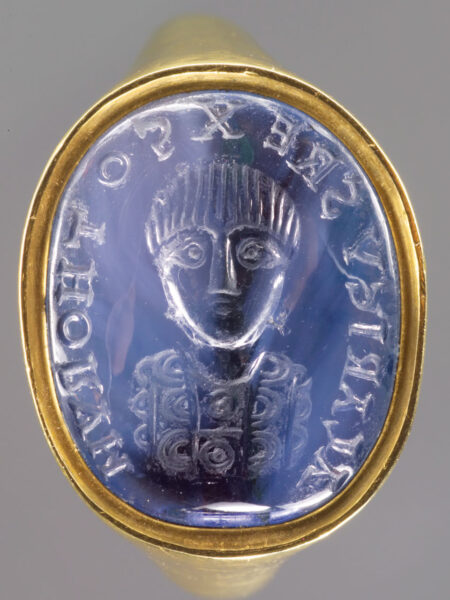
At the centre of the exhibition are more than 200 outstanding loans from numerous French and European museums and collections. This exhibition is a unique opportunity to see together such treasures as the signet ring of Alaric II, the weapons, which may have belonged to Theoderic II, parts of the treasure from Pietroasa, the burial stele of Sidonius Appolinaris, and a reconstruction of the cathedral in Toulouse. However, guests are also invited to enjoy more humble objects such as pottery and a string of amber and glass pearls from Poland.
Luckily, the exhibition has been prolonged until the end of December, and visitors to Southern France are highly recommended to make a detour to Toulouse.
The exhibition has been curated by: Laure Barthet, director of the Musée Saint-Raymond, Claudine Jacquet, Musée Saint-Raymond, Emmanuelle Boube, maître de Conférence à l’université Toulouse, Jean-Luc Boudartchouk, archaeologist at l’Inrap, laboratoire TRACES, Emmanuelle Sapet, Direction de la Communication in Toulouse, and design: Teddy Bélier Design
Saint-Raymond Musee
27.02.2020 – 27.12.2020
Pour en savoir-plus sur l’exposition “Wisigoths Rois de Toulouse”
Dossiers d’Archaéologie no. 398: Wisigoths, des barbares au cœur de l’Empire