Norway is known for its 28 magnificent stave churches from the 12th – 13th century. New technique provides new and earlier dating of these precious medieval monuments
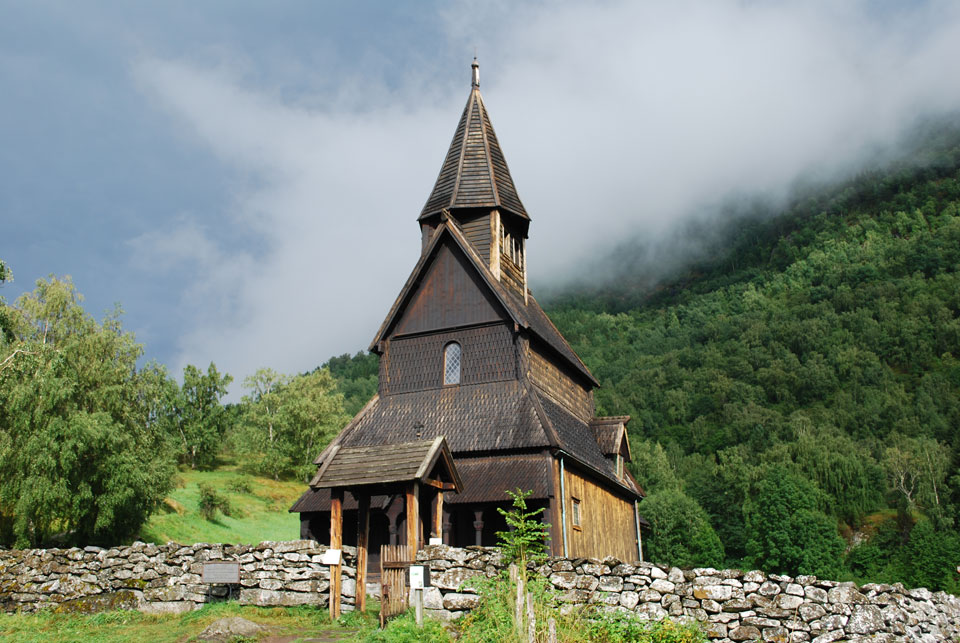
Norway is known for its 28 magnificent stave churches from the 12th – 13th century. New technique provides new and earlier dating of these precious medieval monuments
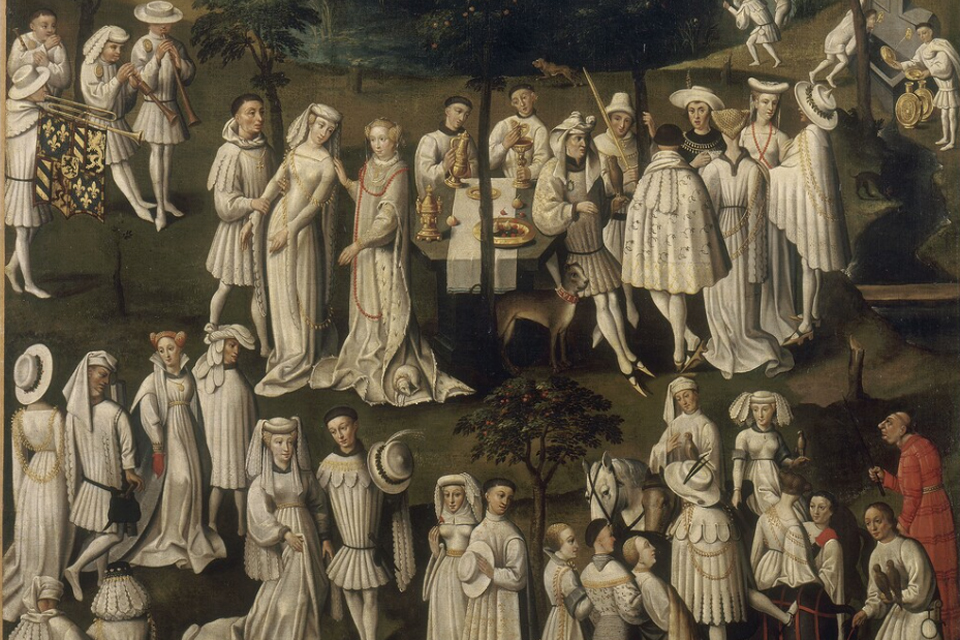
Huizinga published The Autumn of the Middle Ages in 1919. Daring, colourful and controversial, the book has continued to inspire scholars.
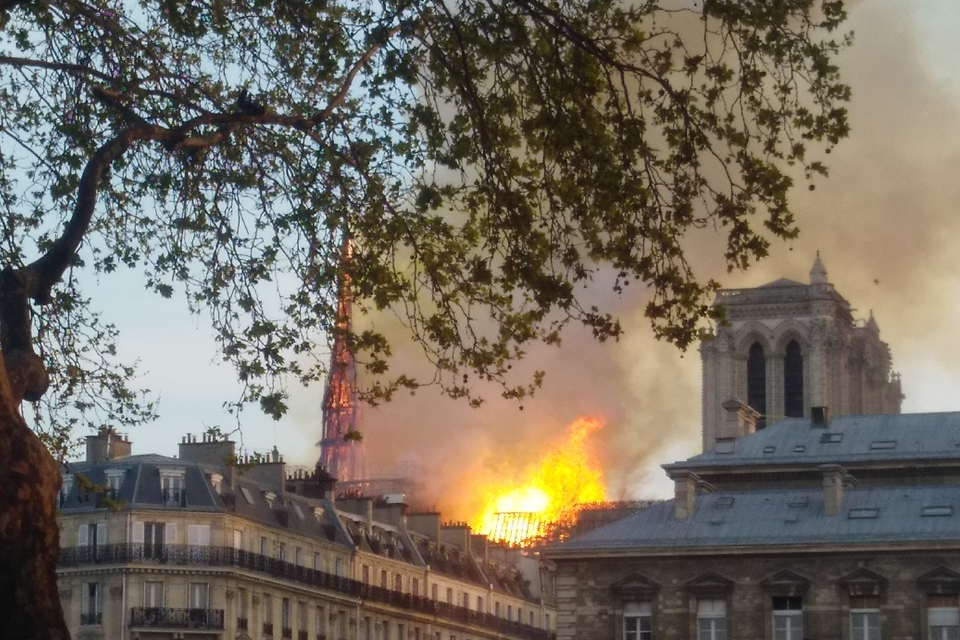
Last night an incendiary firestorm swept through the roof of the cathedral of Notre-Dame in Paris. What is the history of this iconic building? And how do we move on?
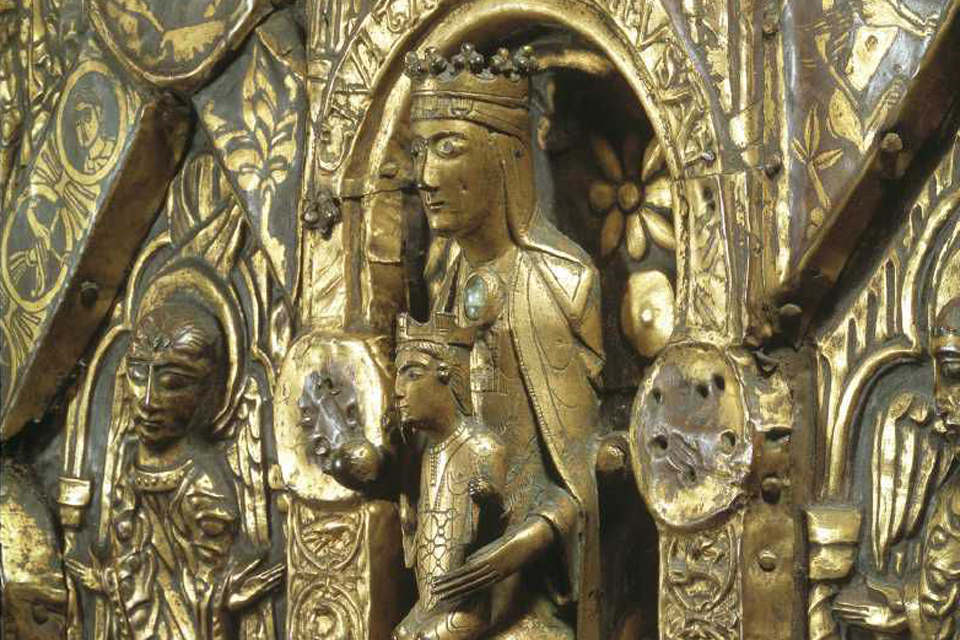
The Lisbjerg Altar belongs to a group of eleven golden altars from c. 1100 – 1200 Scandinavia. Two remain in their original surroundings, while five are kept in the National Museum in Copenhagen, and four more abroad.
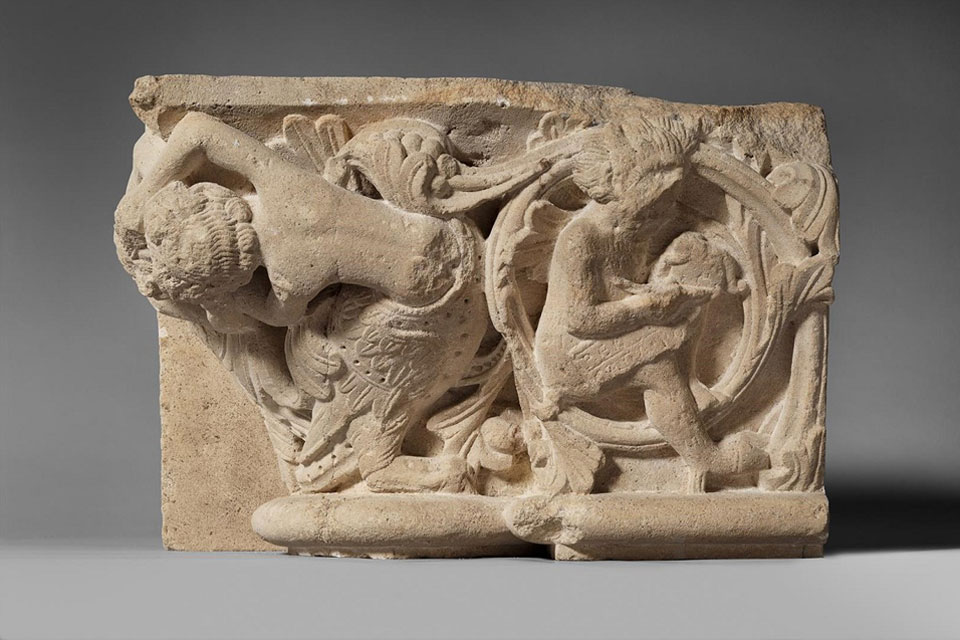
The Samson-Master was one of the most outstanding Romanesque sculptors of the Rhineland during the early 13th century.
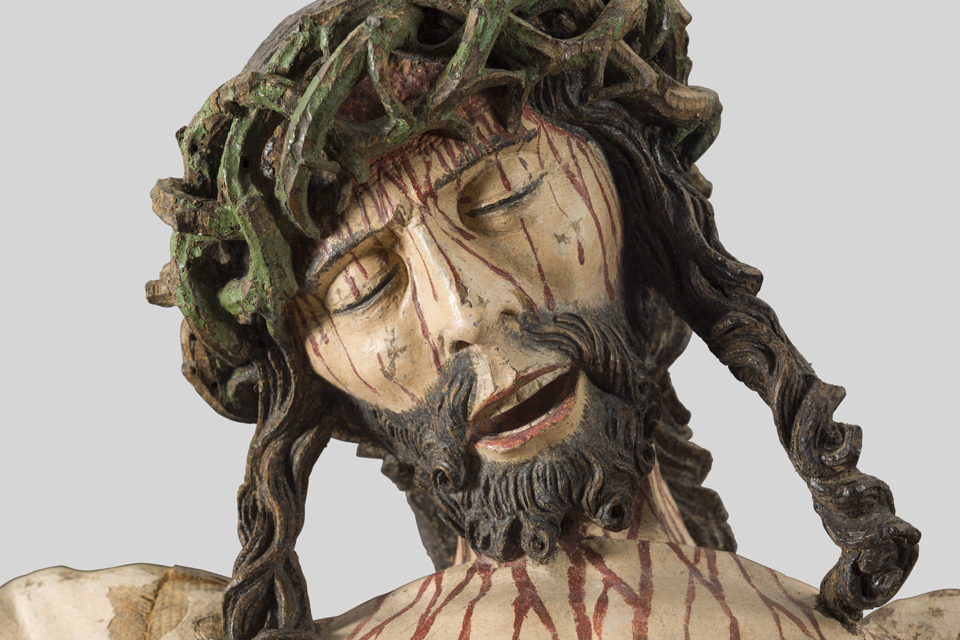
Towards the end of the Middle Ages, woodcarving was a thriving industry in most of Northwestern Europe. In the Meuse region, the work of the Master of Elsloo was particularly important. But who was he? Or they?
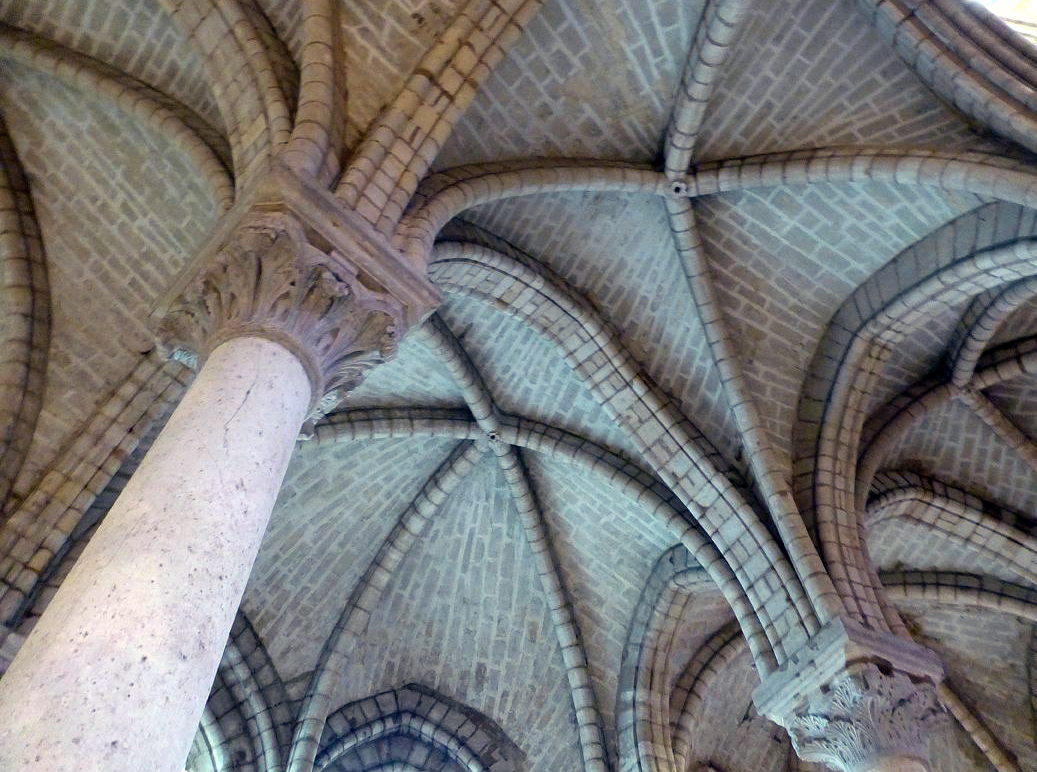
Gothic Style is primarily identified with architecture – breath-taking cathedrals, mounting pillars, soaring vaults. It pays, though, to think of it as the physical expression of a special theological motive, the transgressing soul climbing through the Heavens. As such, it marked a plethora of other art forms.
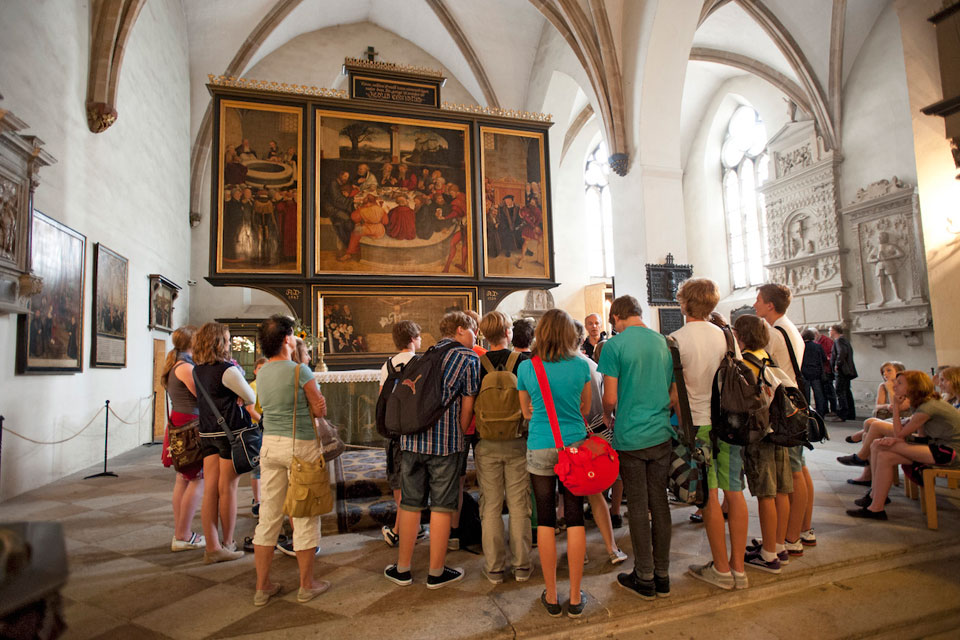
Martin Luther ignited the Reformation in 1517. 2017 Lutherans celebrate the 500-year anniversary with numerous exhibitions, books and other festive commemorations.
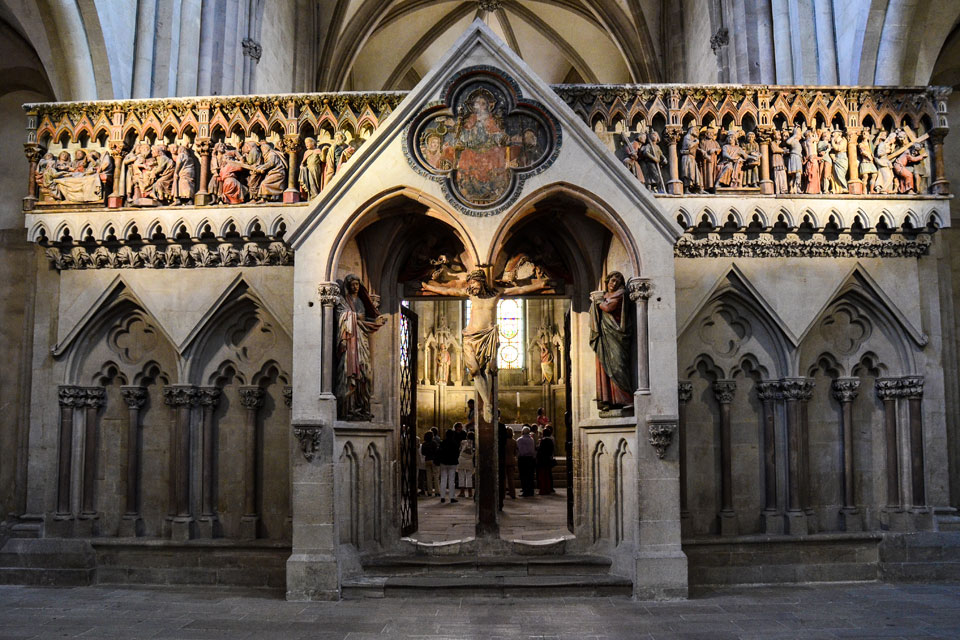
In an unusually dramatic way, a Crucifixus Dolorosus or forked crucifix depicts the suffering and dying Christ hung on a living tree
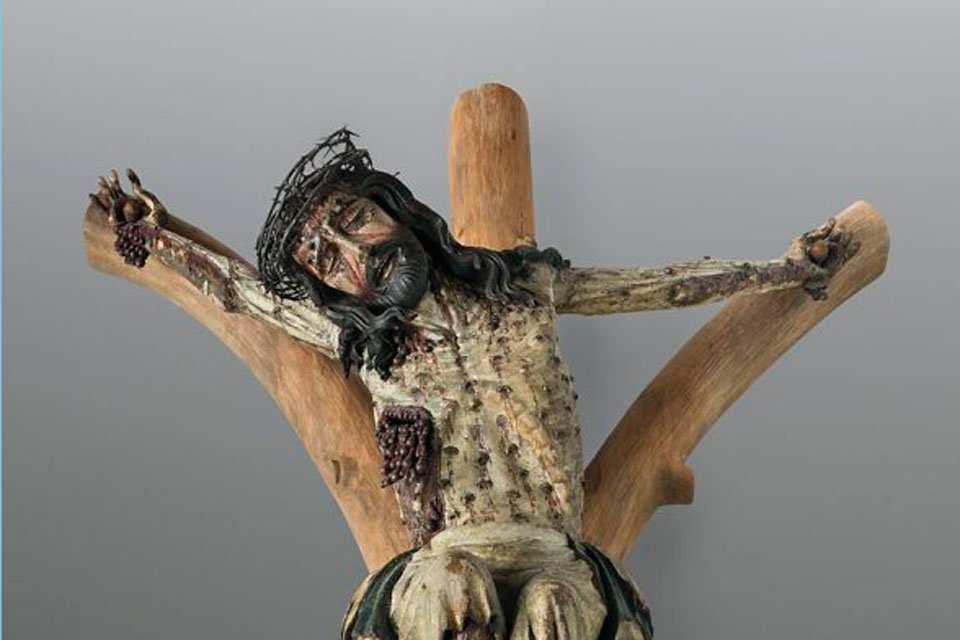
In the Late Middle Ages, the immersion into the corporeall horrors of the crucifixion led to a new devotional practice, the sensual contemplation of the wounds. Arnulf of Leuven led the way
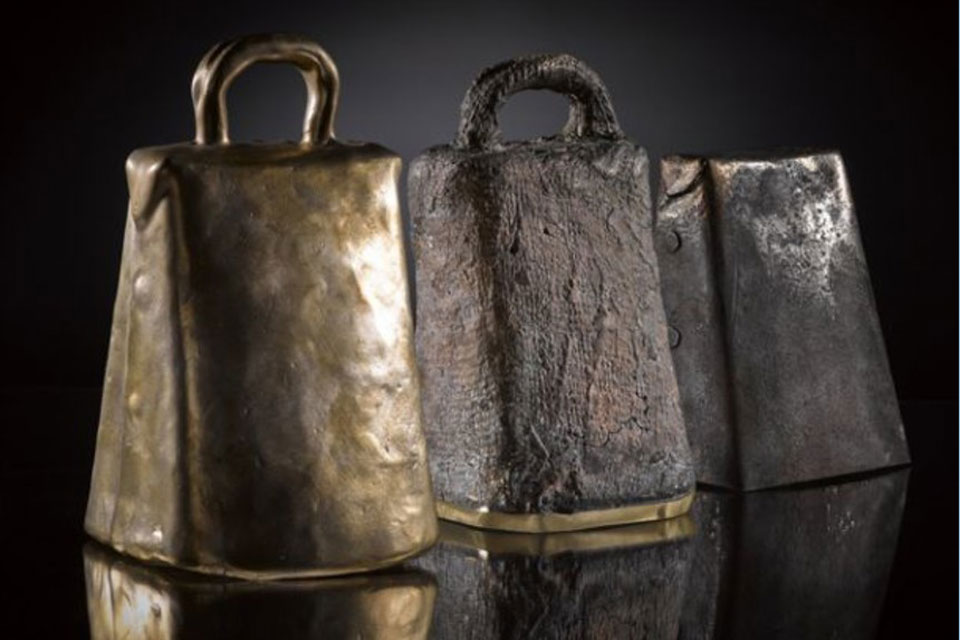
Hand-bells belong to a group of liturgical objects connected with the early Irish Church. Was Ireland the primary production centre? Or did Irish hand-bells just play aparticular role as significant relics?
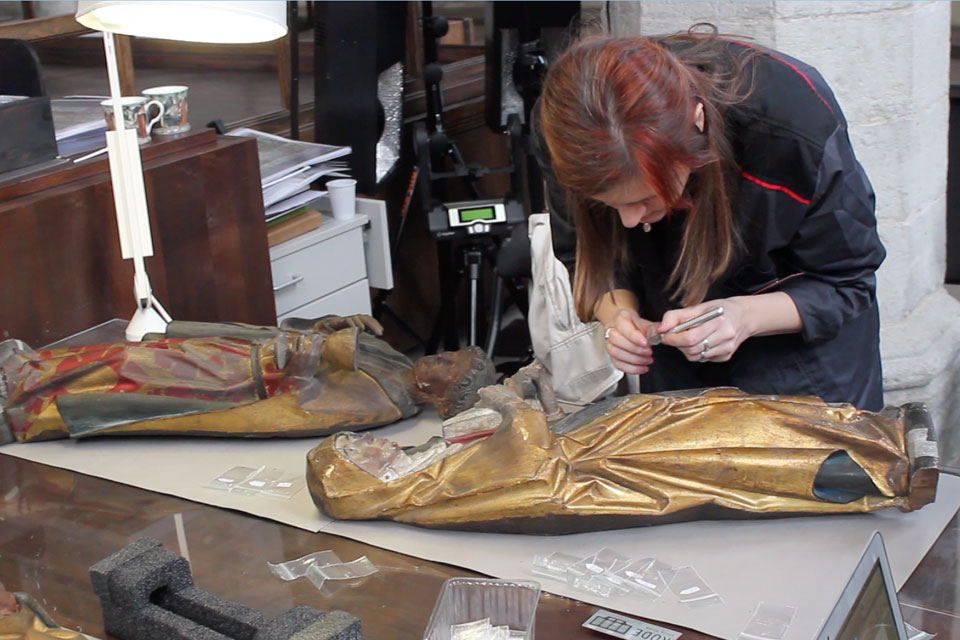
The Gothic Rode Altarpiece in Tallinn is renowned. Recent Research and Conservation Project received the Europa Nostra prize 2017
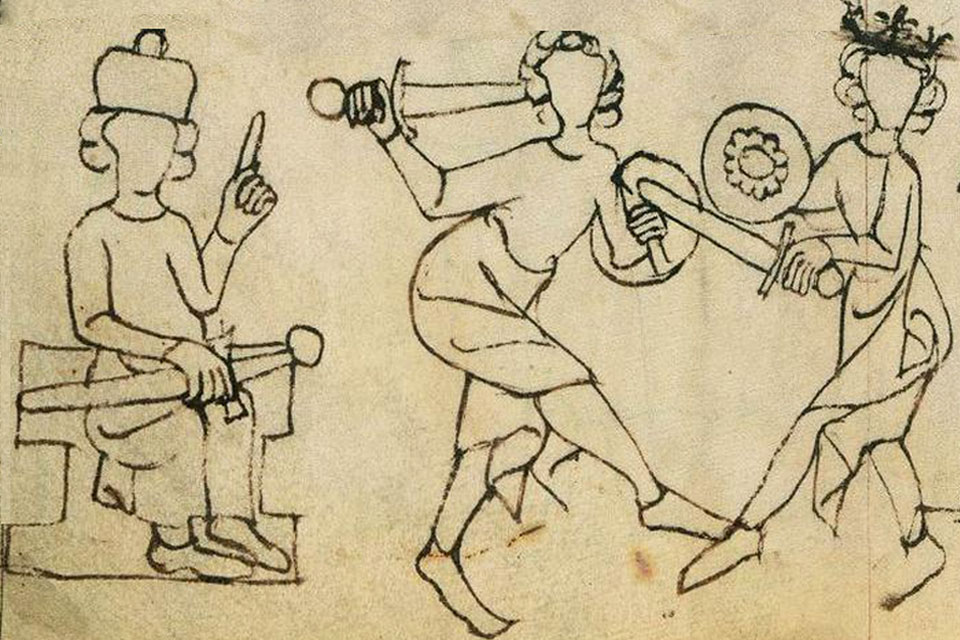
Henry III may be remembered as a pious emperor. But he was also eganged in medieval feuds, such as with the Billungs, the Saxon dukes
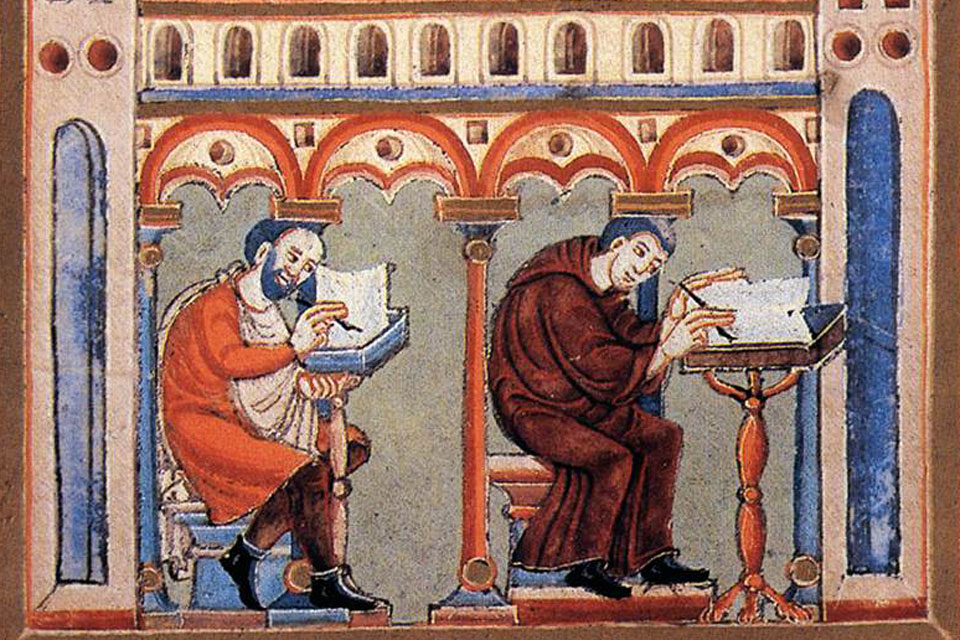
Henry III (1016 - 1056), Holy Roman Emperor, recieved a very fine education. This prompted him to commission several remarkable Golden Gospels at Echternach
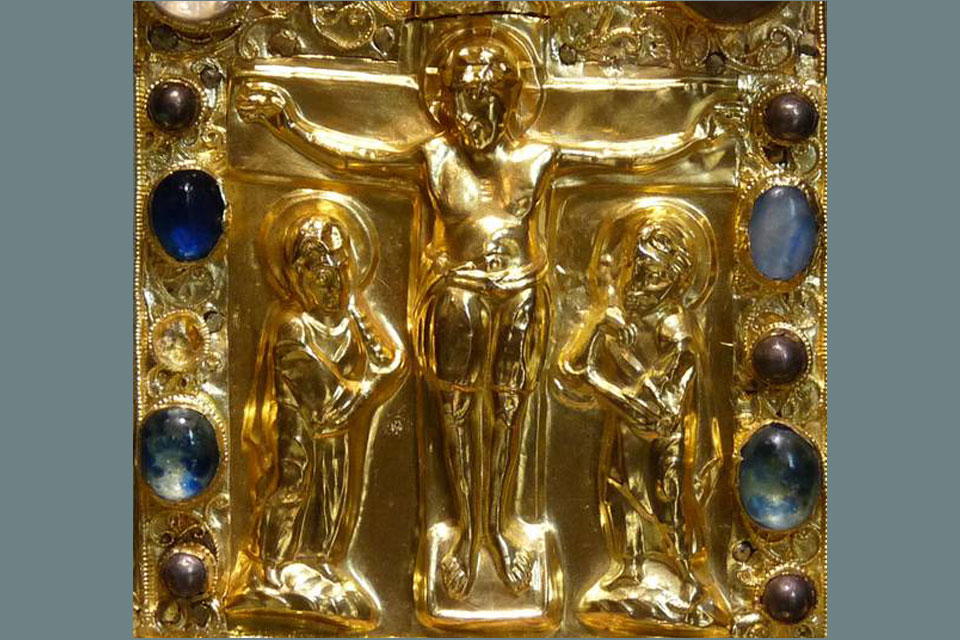
Stolen in 2013 from a local church in Borghorst, the invaluable reliquary cross from c. 1050 is back in the hands of the Diocese of Münster
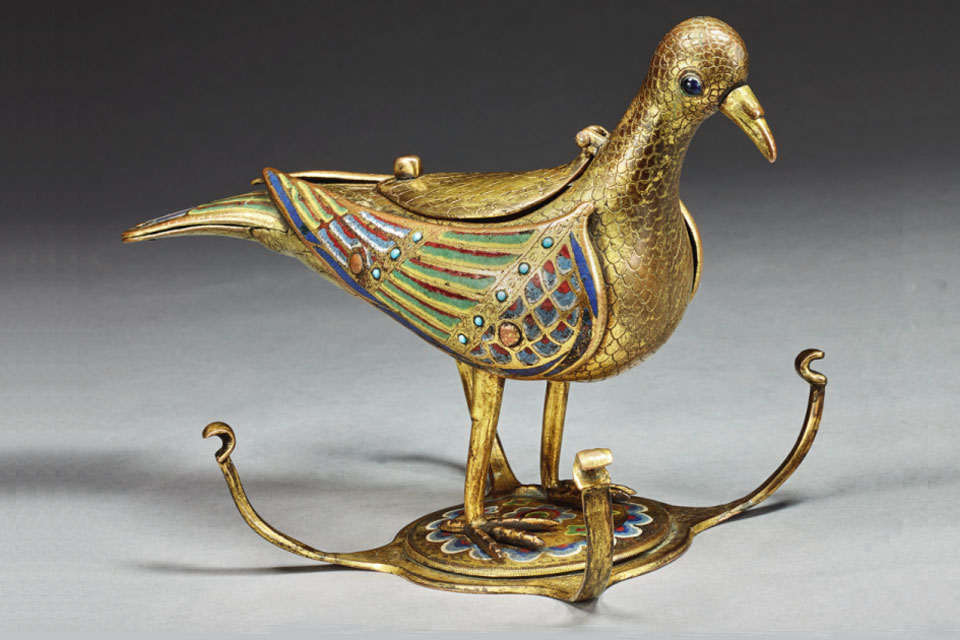
The price went soaring when Sotheby’s sold a eucharistic dove from 13th century Limoges