Salmon declined severely after 1400. New study demonstrates that the culprit was the explosion in vertical water mills and not overfishing or contamination
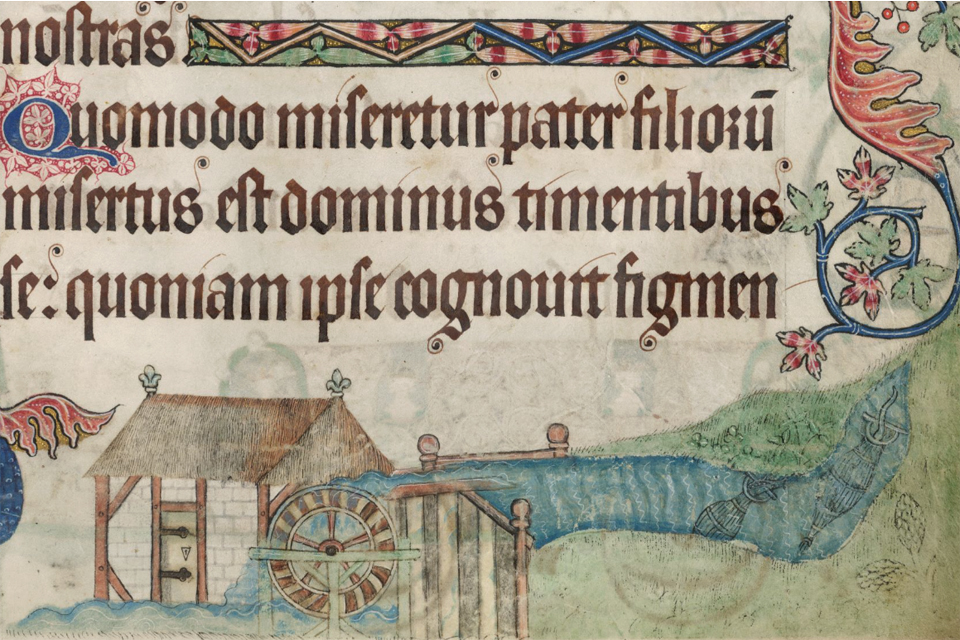
Salmon declined severely after 1400. New study demonstrates that the culprit was the explosion in vertical water mills and not overfishing or contamination
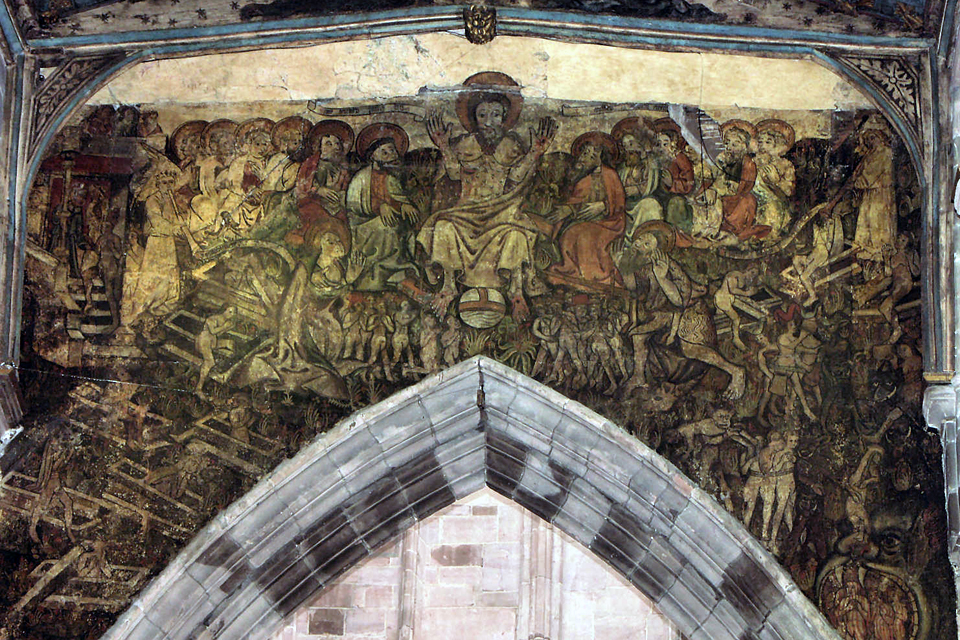
Puzzled by the Later Middle Ages? New book offers help to under-graduates studying late medieval history, its institutions and way of life
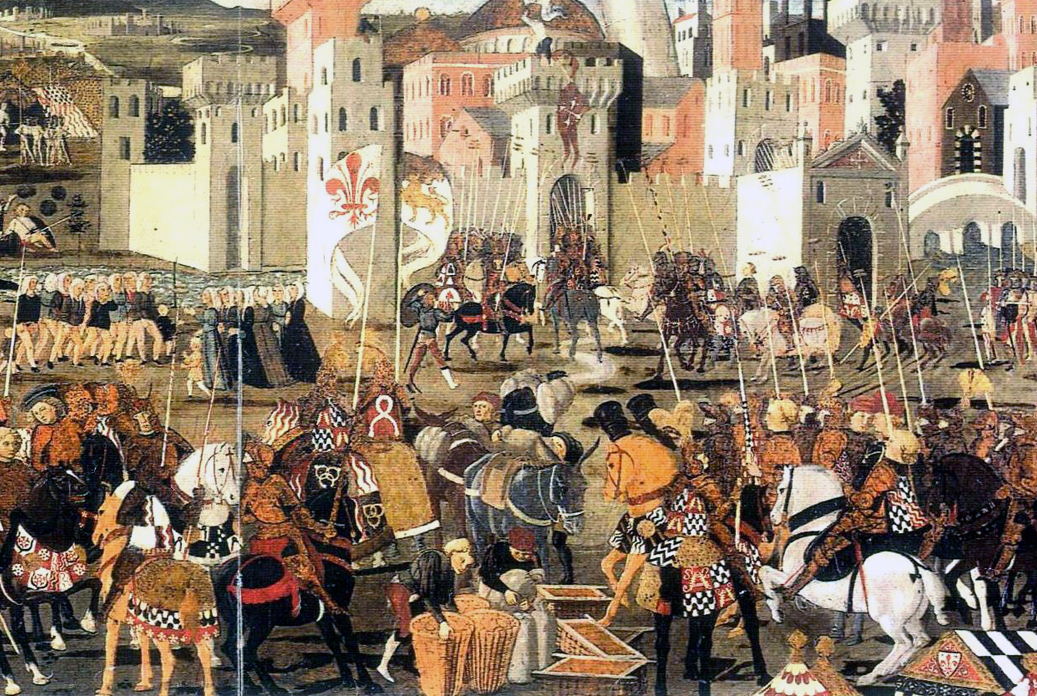
This book offers a new approach to the study of urban political conflict and revolt in six cities in Italy and the Southern Low Countries
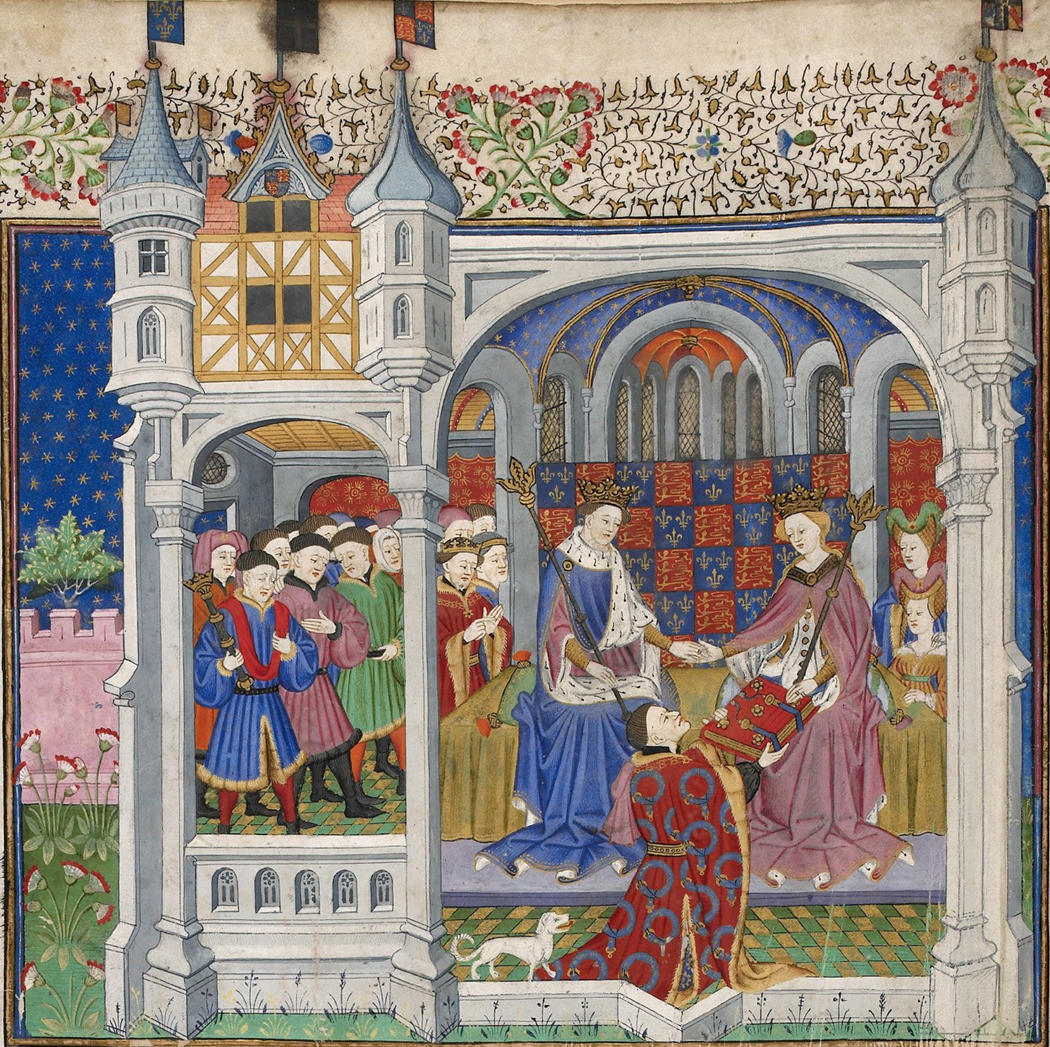
Royal Manuscripts: The Genius of Illumination was the title of an exhibition hosted at the British Library in 2011. Now selected papers have been published
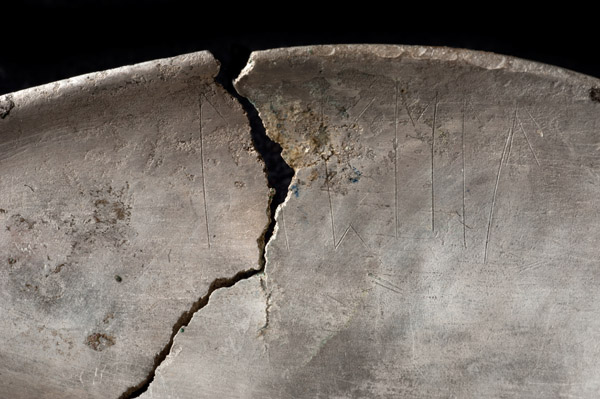
RESEARCH: A silver-spoon from the early Merovingian period with both Latin and Runic inscriptions ...
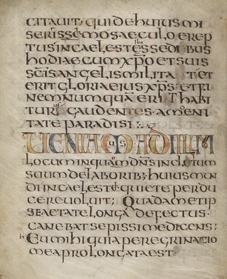
RESEARCH: 'Autopsies and Philosophies of a Merovingian Life' explores changing ideas...

The textiles necessary to outfit a Viking boat carrying a 100 man required nearly 30 times more "girl-power" than "man-power". Further it created a whole new Scandinavian landscape characterized by heath grazed by sheep.
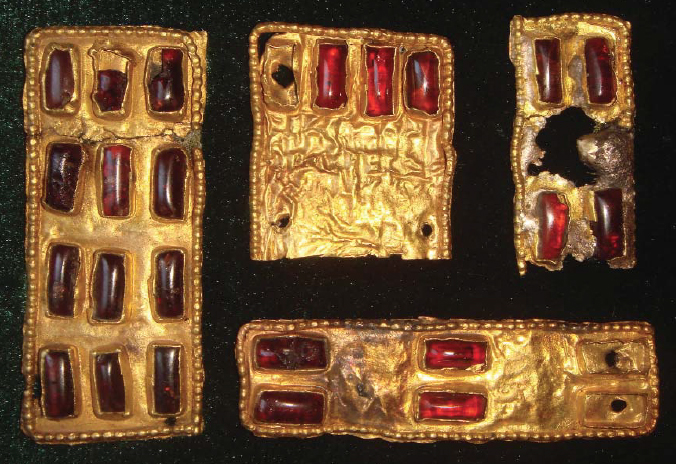
RESEARCH: Gold used in the treasure from Nagyszéksós witness the widespread perambulations of the Huns...
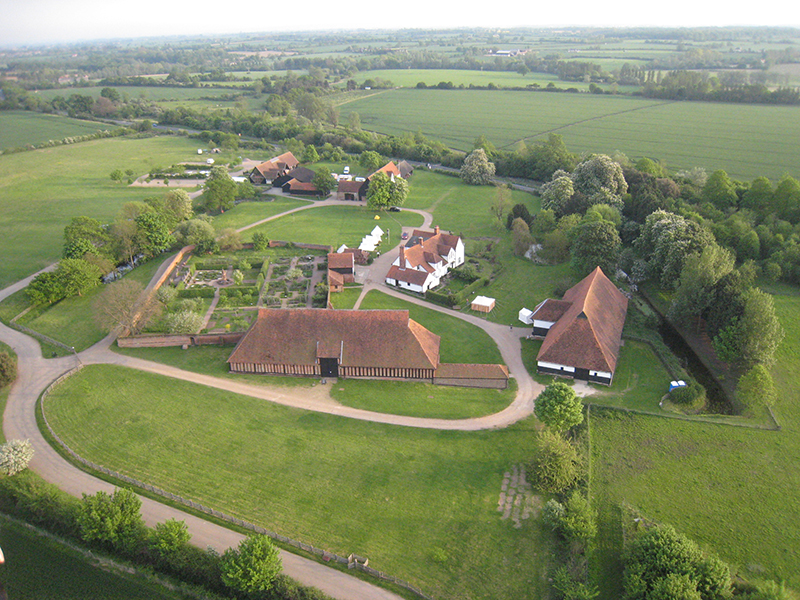
RESEARCH: The Knights Templars were efficient land-owners. But after 1308 new managers maltreated the land...

The Cult of St. Ladislas flourished in Medieval Croatia in the late Middle Ages
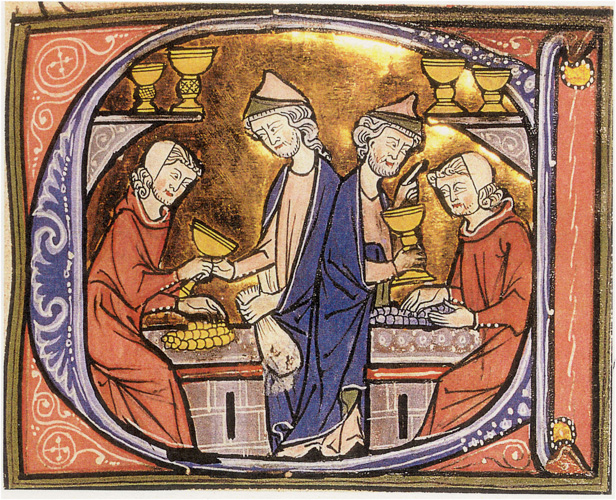
RESEARCH: Guidatica - or safe-conducts - were important instruments in letting commerce in Medieval Spain run smoothly...

RESEARCH: In the century after 1450, thirteen women incurred the ire of London’s governors by cross-dressing as men

NEW RESEARCH: Perceptions of Danishness in Normandy can be found in the literature of the Abbey of Bec as late as 1030 -1080...
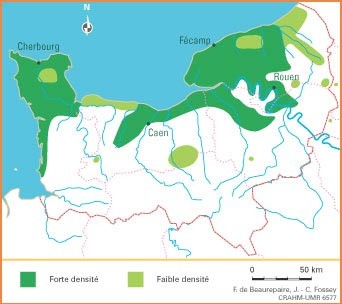
RESEARCH: Studies of modern dialects in Normandy show a marked affinity to current Danish...

RESEARCH: Splendid overview of the history of Early Normandy and its cultural formation in Anglo-Norman Studies...
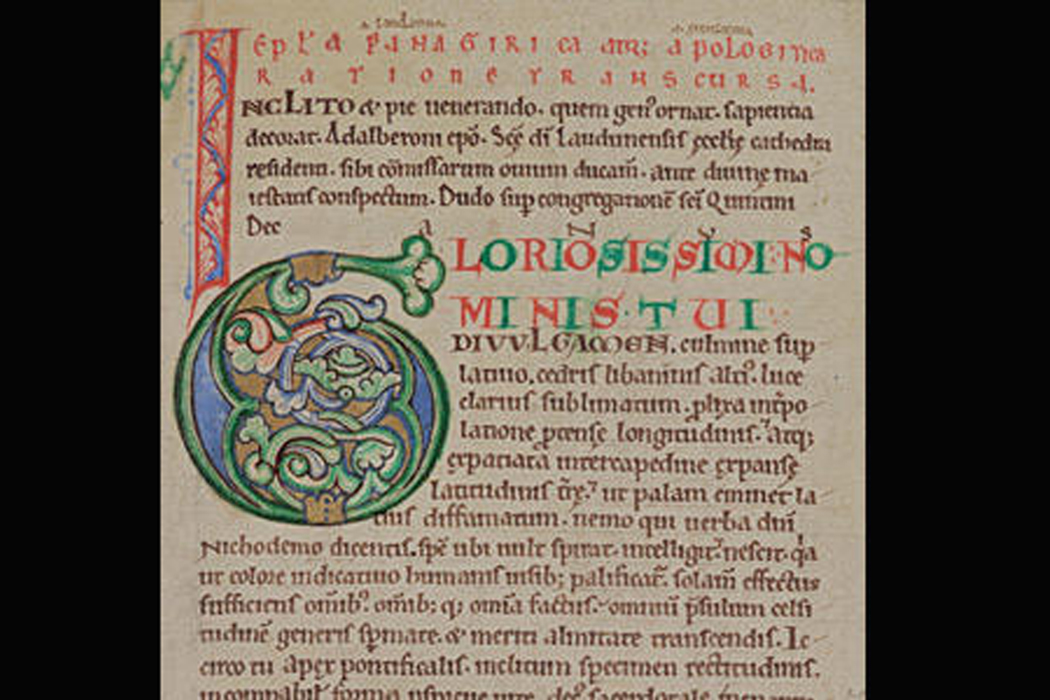
RESEARCH: Dudo's chronicle from the 11th century was essentially a didactic text, meant to teach courtly values...