IMC at Leeds 2013 was a pleasurable experience. Well organised it lived up to its reputation.

IMC at Leeds 2013 was a pleasurable experience. Well organised it lived up to its reputation.
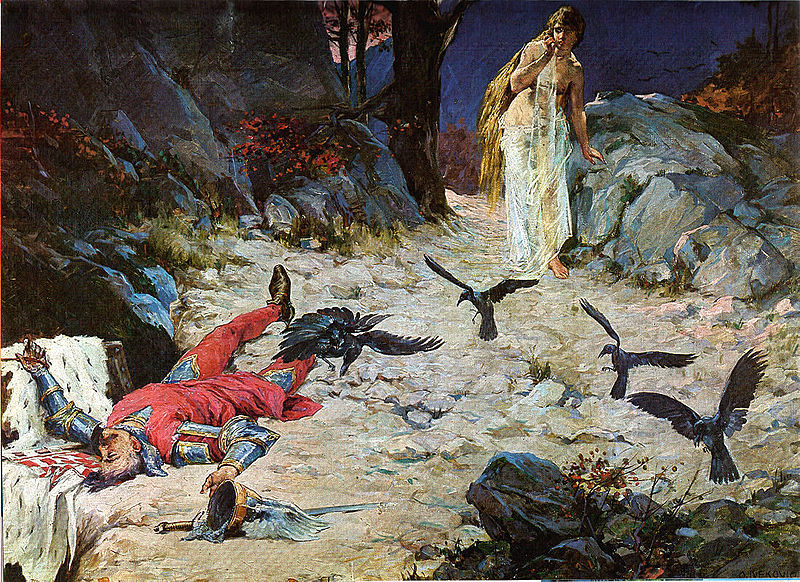
Croatia joined the EU July 2013. But from where does the idea of a separate Croat identity stem?
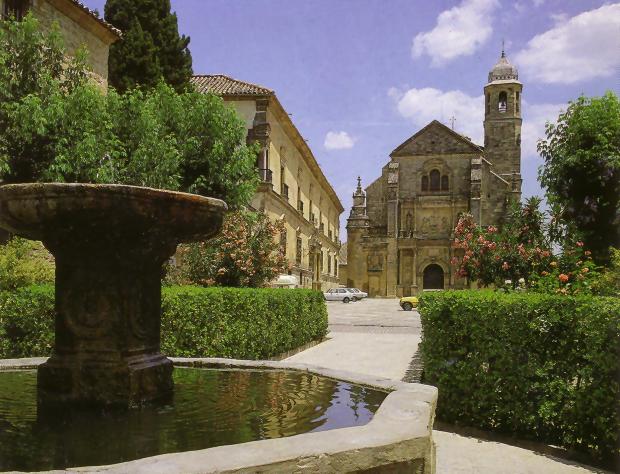
Baeza and Úbeda are twin renaissance cities. Come July the famous patios open their doors…
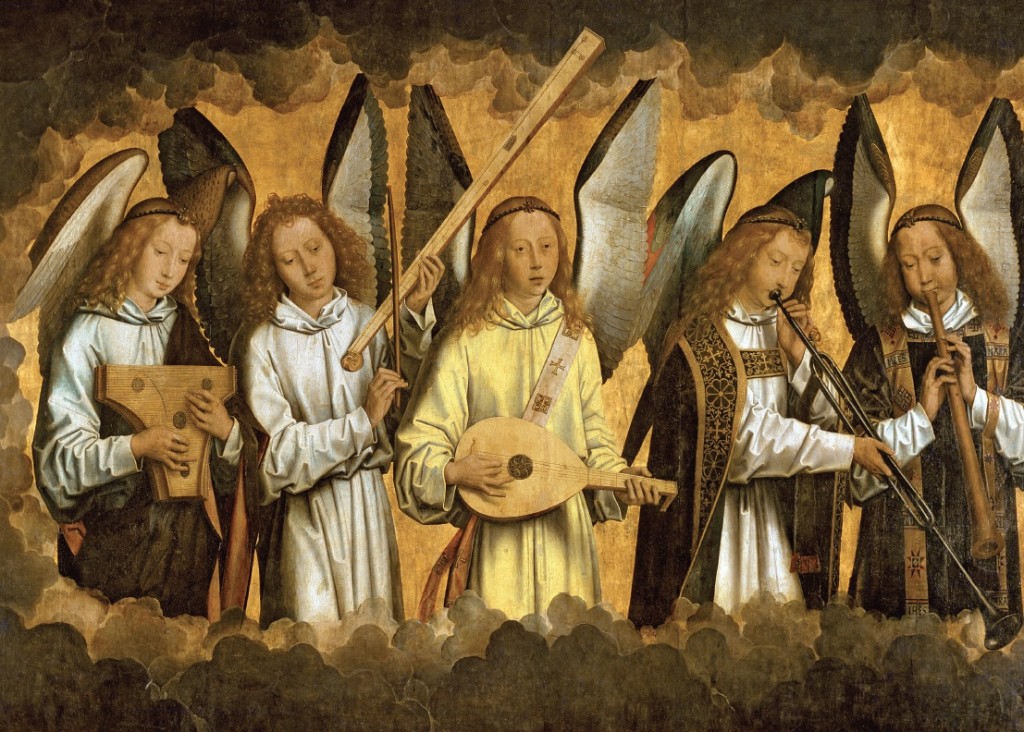
NEW RESEARCH: Early Music – the leading scholarly journal – celebrates its 40th birthday...
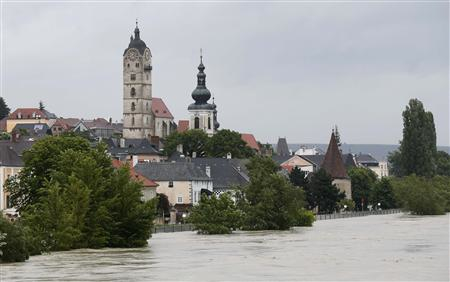
NEW RESEARCH: Once again the rivers Danube and Elbe have destroyed homes and livelihood...
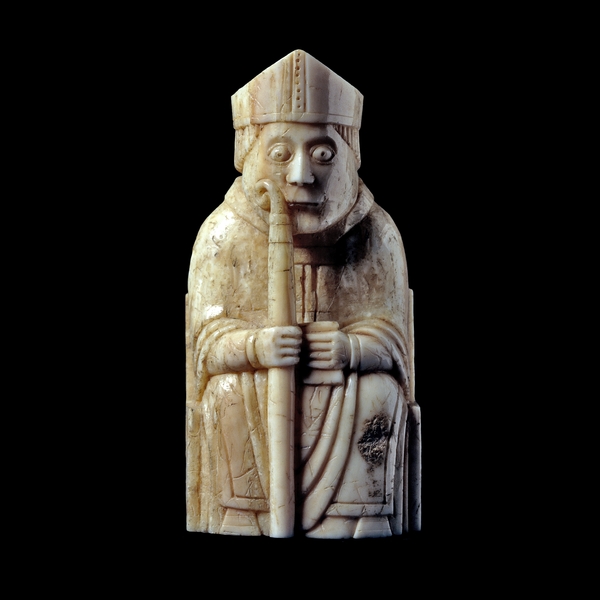
The article compares and contrasts late medieval models of episcopal identity in ‘local’ and ‘national’ chronicles. In the ‘national’ chronicles of Henry Knighton and Thomas Walsingham, bishops were constructed as models (both good and bad) of the exercise of sacral power as martyr saints, martial figures, and learned combatants of heresy. By contrast in the York Minster chronicle the model is much more based on the twelfth century “deeds of the bishop” tradition and is focussed on the relationship between the bishop and his mother church, so that the specifically ecclesiastical good lordship of the bishop looms large. However, both kinds of chronicle saw bishops as both peacemakers and defenders of the rights of the church.
Patricia H. Cullum is head of Department of History and Politics at Huddersfield University since 2003. She is primarily interested in female lay piety, but have more recently been working on masculinity and especially secular clerical masculinity in the later middle ages.
My Lord Bishop: Chronicles and the Construction of Episcopal Identity in Late Medieval England
By Patricia H. Cullum
In: International Journal of Regional and Local History, Volume 8, Number 1, May 2013 , pp. 40-53(14)
Publisher: Maney Publishing
DOI: http://dx.doi.org.ep.fjernadgang.kb.dk/10.1179/2051453013Z.0000000005

Fragments of Women’s Costumes from the Viking Age in the Museum of Bergen is currently undergoing renewed investigations