In January 2025, a major programme of conservation and research began on the tomb of Otto the Great in Magdeburg Cathedral as serious deterioration had been discovered
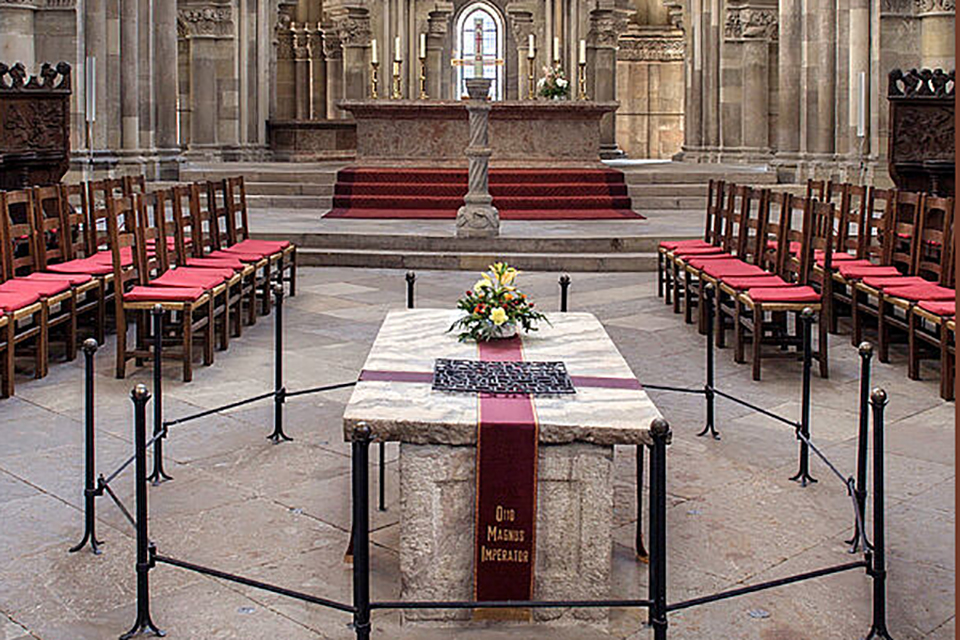
In January 2025, a major programme of conservation and research began on the tomb of Otto the Great in Magdeburg Cathedral as serious deterioration had been discovered

Not only do we possess what is likely an eyewitness account from AD 973 of the death of Emperor Otto the Great, but recent studies of his remains might fit the description.

Was the great antique marble slab covering Otto the Great’s tomb brought from Ravenna as imperial spolia – and chosen to evoke the world of Charlemagne?
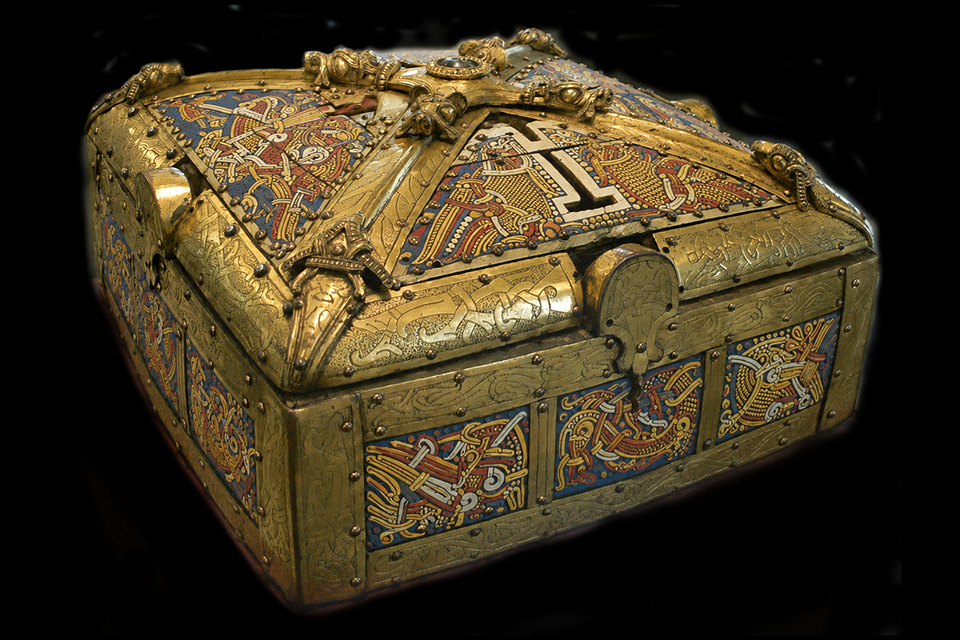
Could the Bamberg Shrine have been a diplomatic gift presented to Otto the Great by the emissaries of the Danish king at Quedlinburg in AD 973?

German historians of the 19th and early 20th centuries claimed that Otto the Great (912–973) was responsible for consolidating Germany as a nation. Modern historians tell a more nuanced story.
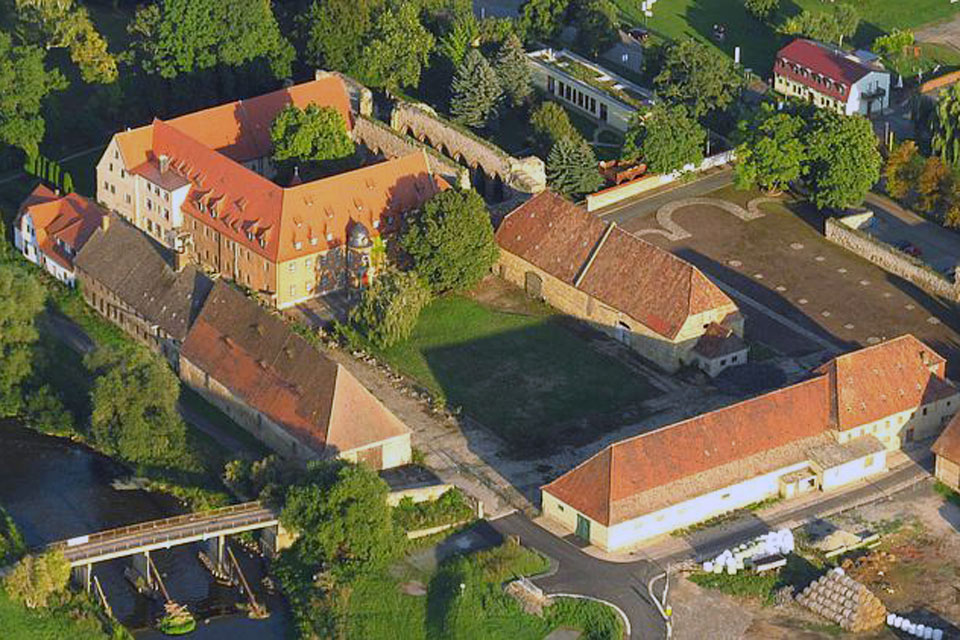
Memleben, one of the royal centres in Ottonian Germany is located at the river Unstrut. Founded in the 8th century, its heyday fell in the late 10th century, when the last Ottonians briefly planned to turn the place into a memorial shrine for their dynasty