During the 4th-8th century, vast stretches of Europe shifted from growing wheat to rye. Careful studies indicate the shift was a reflection towards a new, more balanced peasant economy.
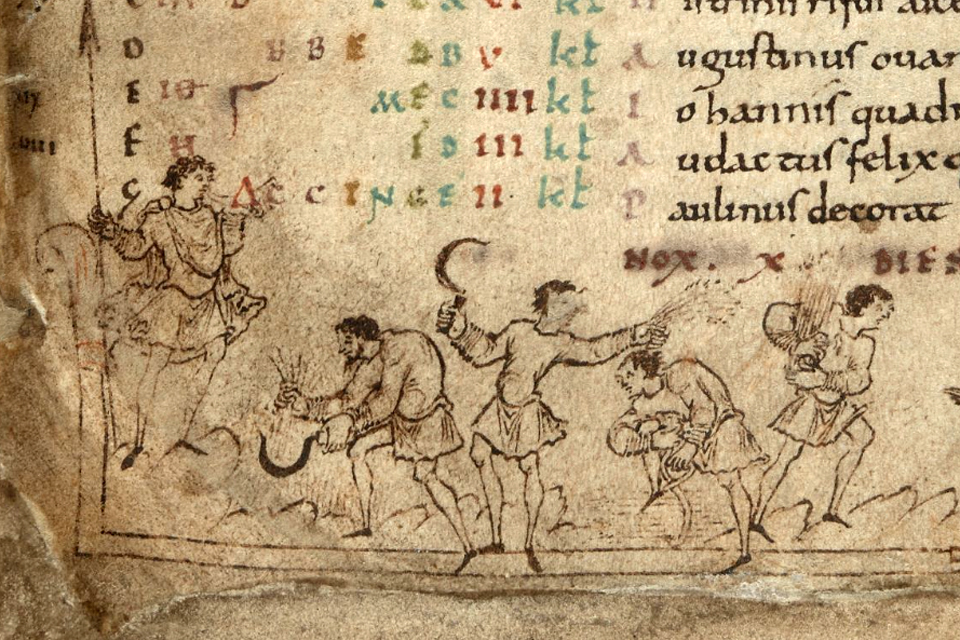
During the 4th-8th century, vast stretches of Europe shifted from growing wheat to rye. Careful studies indicate the shift was a reflection towards a new, more balanced peasant economy.
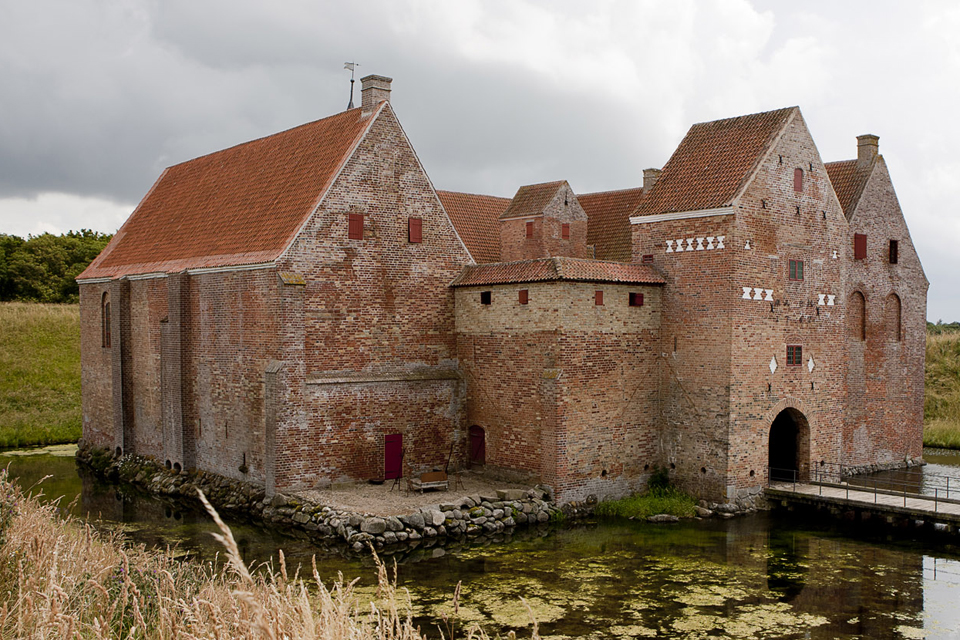
Today, Aagaard is an insignificant farm located down to the Limfjord. Its history, though, reaches back into the Viking Age and the fortress at Aggersborg. In 1496 it was home to a famous Christmas party
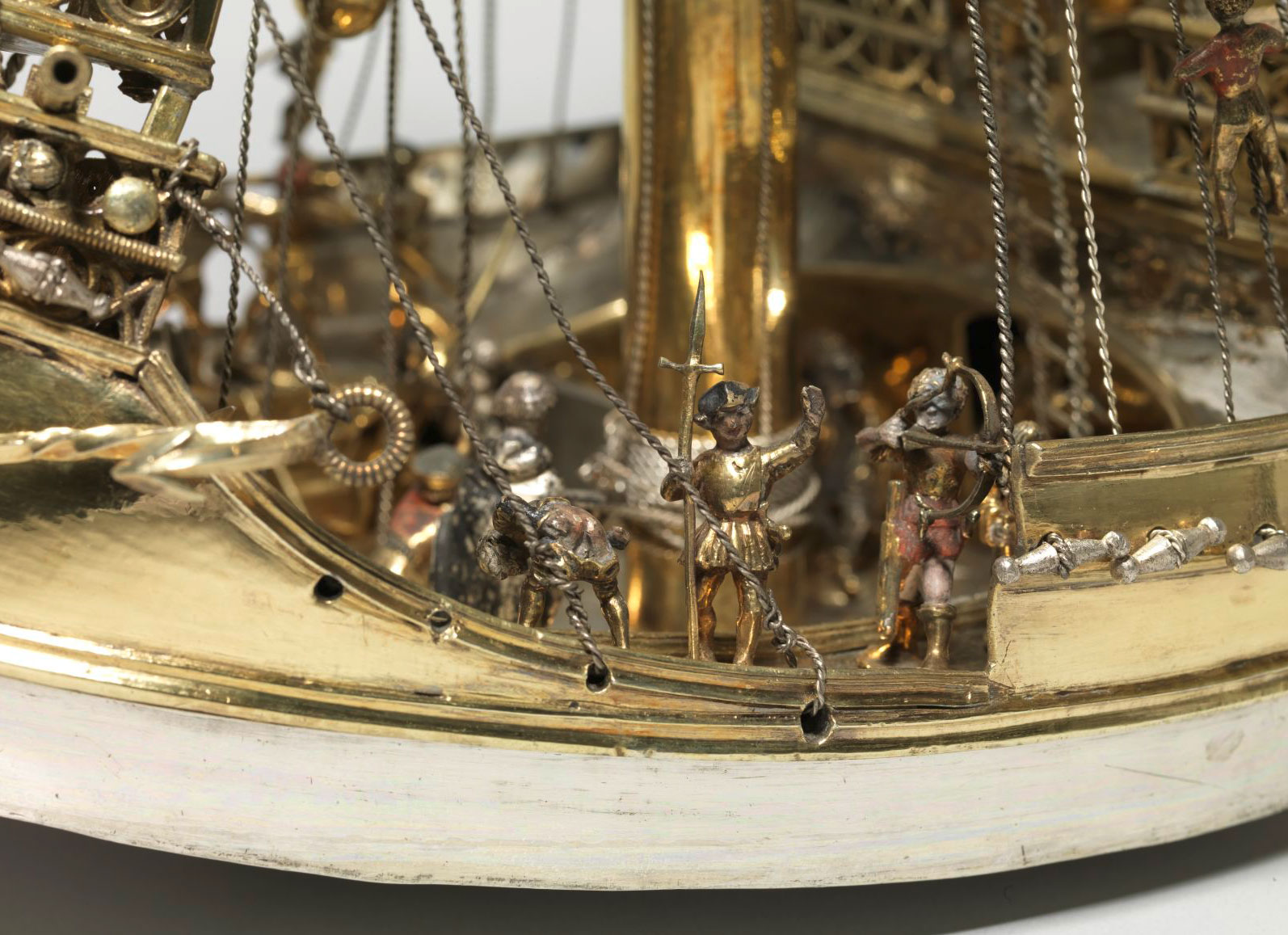
In the 14th century, it became fashionable to decorate tables at noble or royal banquets with models of ships, symbolising “Good Luck” and “Fair Wind”. Later, the wealthy merchants in the cities picked up this fashion. The Schlüsselfeld ship is one of the more famous.
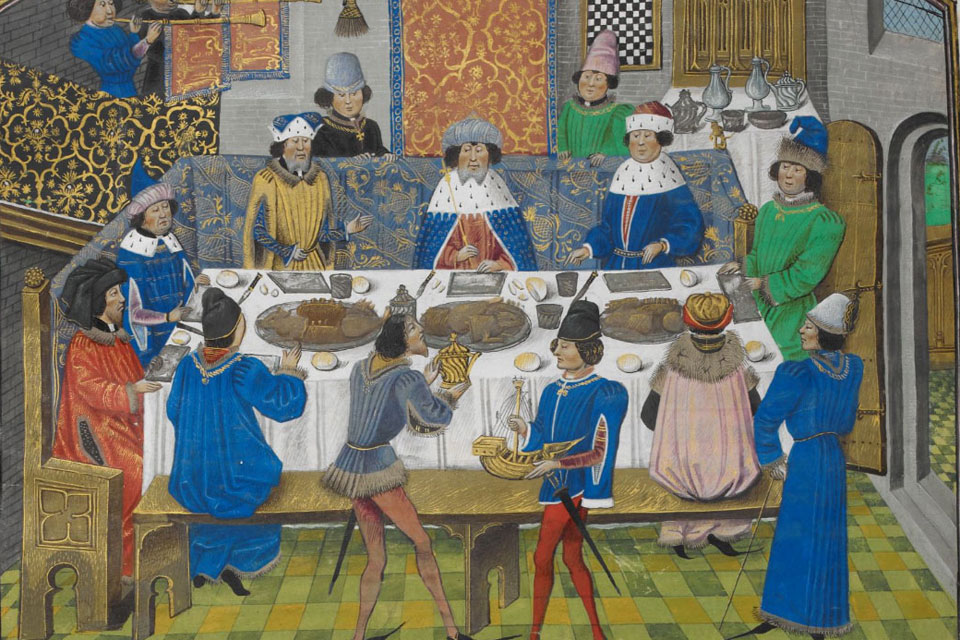
Ships were prized ornaments decorating the tables of kings and lords into the 16th and 17th century.

Grettir's Saga is perhaps of the lesser known. Nevertheless, the story of this bellicose adventurer is great fun to read aloud to children at Halloween. Not least, because Grettir was renowed as "better able than any other to deal with spectres and goblins" such as Glam.

This year, no guising and souling. Most children will be kept at home. So how to keep the poor sweet things occupied? Try telling them medieval ghost stories!

The Byland Abbey Ghost stories from c. 1400 offer us precious glimpses of local life in Yorkshire in and around one of the great abbeys.
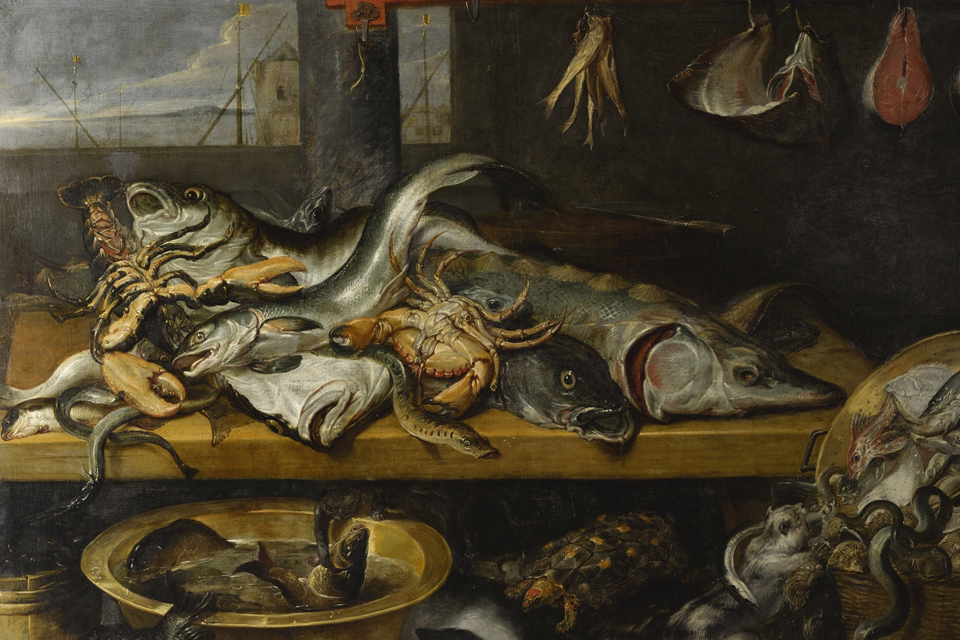
Recently, archaeologists from Lund University succeeded in identifying a massive specimen of an Atlantic sturgeon in the womb of a capsized royal ship off the Baltic coast
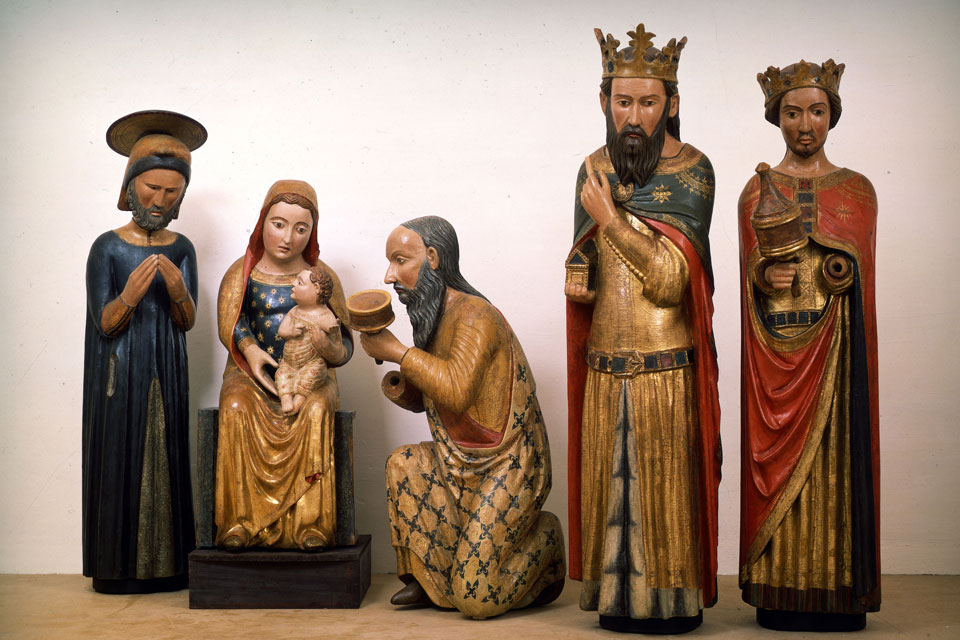
Sometime in the 10th–11th centuries the tradition evolved to turn part of the Christmas celebrations into a drama. Out of this grew the tradition of building a manger scene
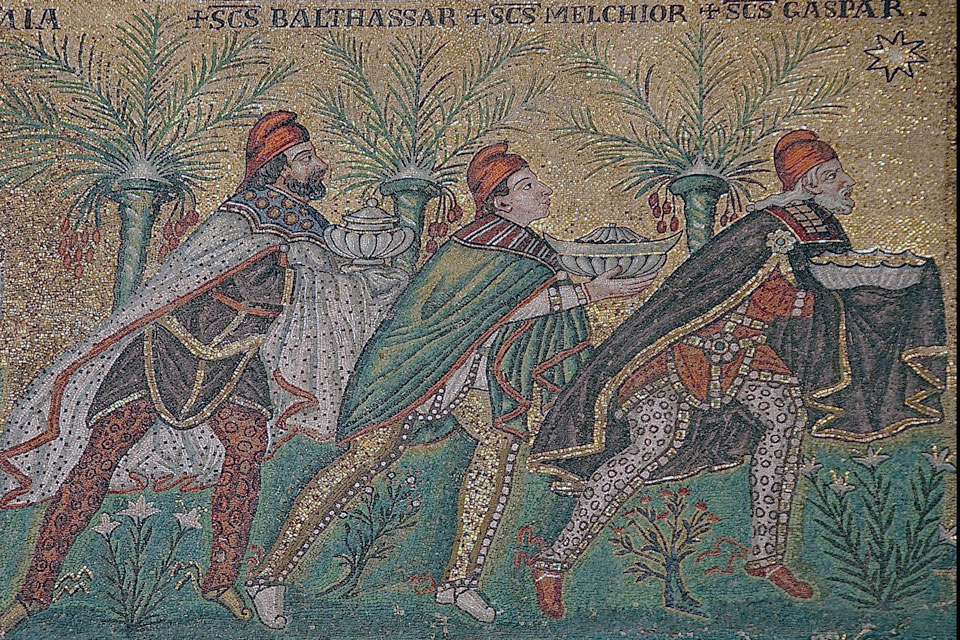
The story of the Magi – also called the Three Wise Men or the Three Kings – visiting and adoring the child in the house of Mary in Bethlehem is unique. Peculiar to Matthew, the story positions Christ in society.
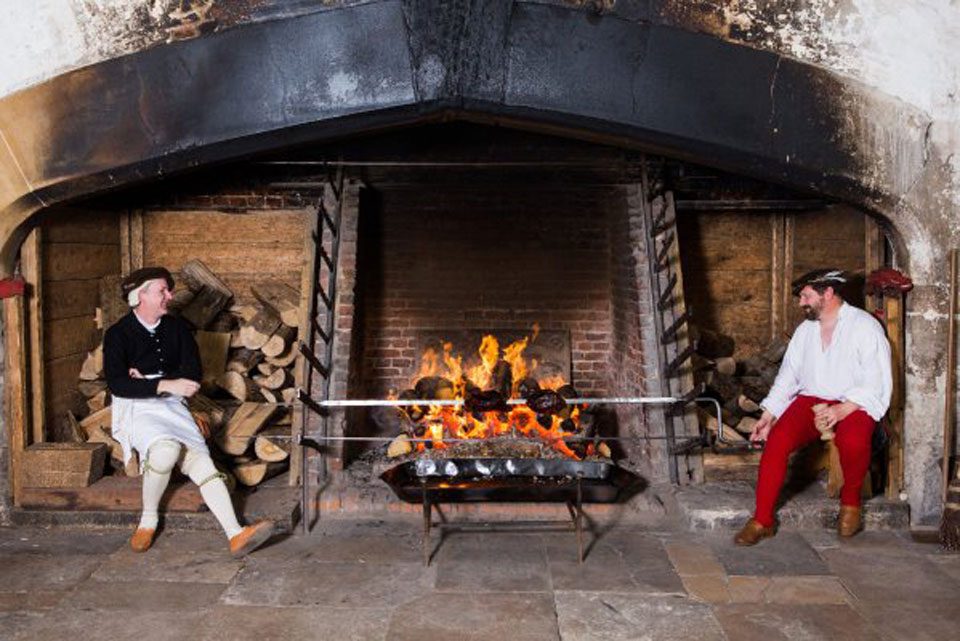
Any medieval household with a surplus of small children might use them to guard flocks of geese. Eating off grass during summer, they might be fattened in the autumn supplying the household with either an extra bit of cash or a delicious treat. In the Middle Ages, they would have been cooked, stuffed with fruit.
Medieval Music, Legend, and the Cult of St Martin: The Local Foundations of a Universal Saint
By Yossi Maurey
Cambridge University Press, 2. okt. 2014

Communities of Saint Martin: Legend and Ritual in Medieval Tours
By Sharon Farmer
Cornell University Press 2019 (1991)
 Sharon Farmer here investigates the ways in which three medieval communities—the town of Tours, the basilica of Saint-Martin there, and the abbey of Marmoutier nearby—all defined themselves through the cult of Saint Martin. She demonstrates how in the early Middle Ages the bishops of Tours used the cult of Martin, their fourthcentury predecessor, to shape an idealized image of Tours as Martin’s town. As the heirs to Martin’s see, the bishops projected themselves as the rightful leaders of the community. However, in the late eleventh century, she shows, the canons of Saint-Martin (where the saint’s relics resided) and the monks of Marmoutier (which Martin had founded) took control of the cult and produced new legends and rituals to strengthen their corporate interests. Since the basilica and the abbey differed in their spiritualities, structures, and external ties, the canons and monks elaborated and manipulated Martin’s cult in quite different ways. Farmer shows how one saint’s cult lent itself to these varying uses, and analyzes the strikingly dissimilar Martins that emerged. Her skillful inquiry into the relationship between group identity and cultural expression illuminates the degree to which culture is contested territory. Farmer’s rich blend of social history and hagiography will appeal to a wide range of medievalists, cultural anthropologists, religious historians, and urban historians.
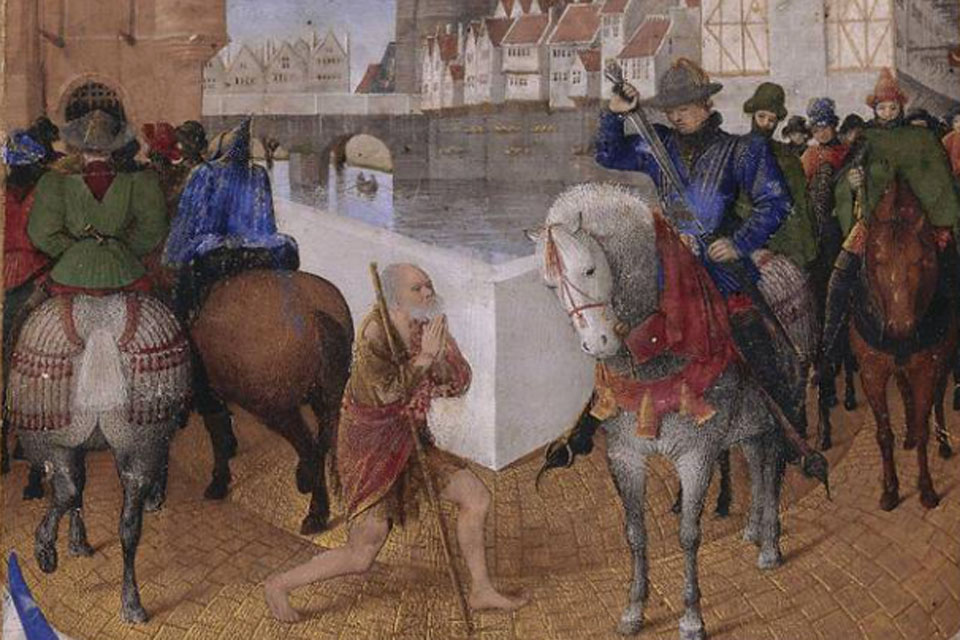
Tours 1500. Capitale des Arts
de Béatrice de Chancel-Bardelot, Pascale Charron, Pierre-Gilles Girault and Jean-Marie Guillouët
Somogy 2012

The Old English Lives of St Martin of Tours
Edition and Study
By Mertens, Andre
Universitätsverlag Göttingen 2017
Open Source
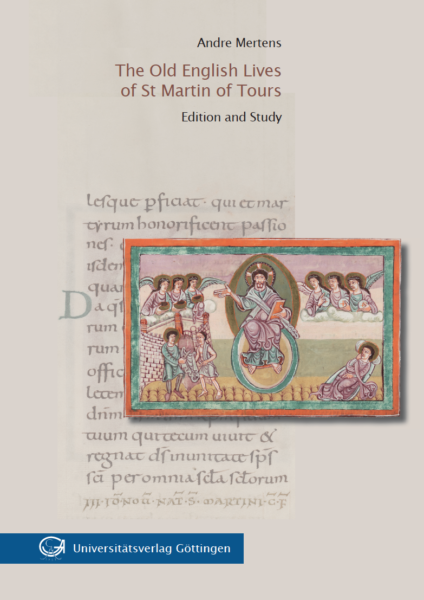 St Martin of Tours is one of Christianity’s major saints and his significance reaches far beyond the powerful radiance of his iconic act of charity. While the saint and his cult have been researched comprehensively in Germany and France, his cult in the British Isles proves to be fairly unexplored. Andre Mertens closes this gap for Anglo-Saxon England by editing all the age’s surviving texts on the saint, including a commentary and translations. Moreover, Mertens looks beyond the horizon of the surviving body of literary relics and dedicates an introductory study to an analysis of the saint’s cult in Anglo-Saxon England and his significance for Anglo-Saxon cultur
Soldiers of Christ: Saints and Saints’ Lives from Late Antiquity and the Early Middle Ages
By Thomas F. X. Noble and Thomas Head
The Pennsylvania State University Press 1995

The St. Martin Embroideries: A Fifteenth-century Series Illustrating the Life and Legend of St. Martin of Tours
By Margaret B. Freeman
Metropolotan Museum of Art
 In the Middle Ages pictorial embroidery was considered one of the fine arts, and those who made pictures with needle and thread were often as highly skilled and highly valued as those who made pictures with brush and pigment. Franco-Flemish and Flemish pictorial embroideries of the first half of the fifteenth century are rare today, and a series as extensive and fascinating as the one analyzed here can hardly be equaled. The thirty-seven individual works have been known to scholars and connoisseurs for eighty years or so, and during this time speculation has accumulated as to their origin, purpose, and iconography. The present study resolves at least part of the mystery.
These embroideries celebrate the life and achievements of one of Christendom’s most beloved saints. Admired for his heroism in successful confrontations with emperors, devils, brigands, and pagans, St. Martin, bishop of Tours, is remembered also for his power over nature and his restoration of the dead to life. In this most readable treatise each subject is integrated in the storytelling scheme, the styles of the several artists who made the designs are differentiated, the particular embroidery techniques are discussed, the name of the Burgundian nobleman who may have commissioned the set is sifted out of the historical and artistic evidence, and what is known of the embroideries’ recent history is reported. The discussion is such that it greatly enlarges one’s own knowledge not only of Medieval French, Franco-Flemish, and Flemish embroidery but of painting and manuscript illumination in these regions.
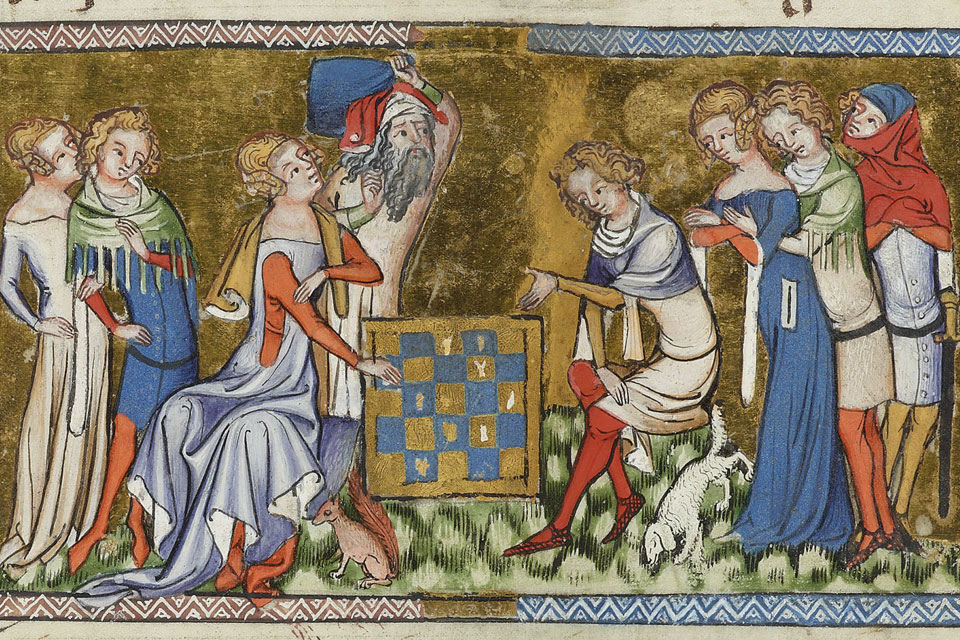
Suddenly, in the 1340s young Italian men began to wear cropped tunics, drooping hoods, and large purses hanging from elaborate metallic belts. This new silhouette was both mysterious and daring.
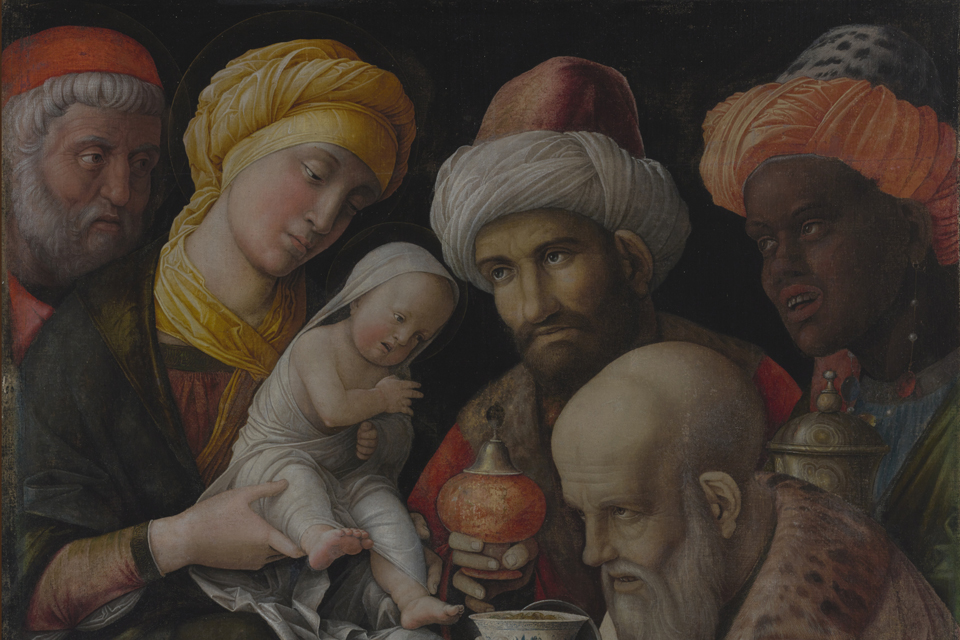
Exploring prejudice and persecution in the Medieval World, the Getty Center last year mounted an exhibition on Outcasts. Late autumn 2019, this initiative will be followed by another exhibition on the topoi of the Black King, Balthazar, in Medieval and Renaissance Art.
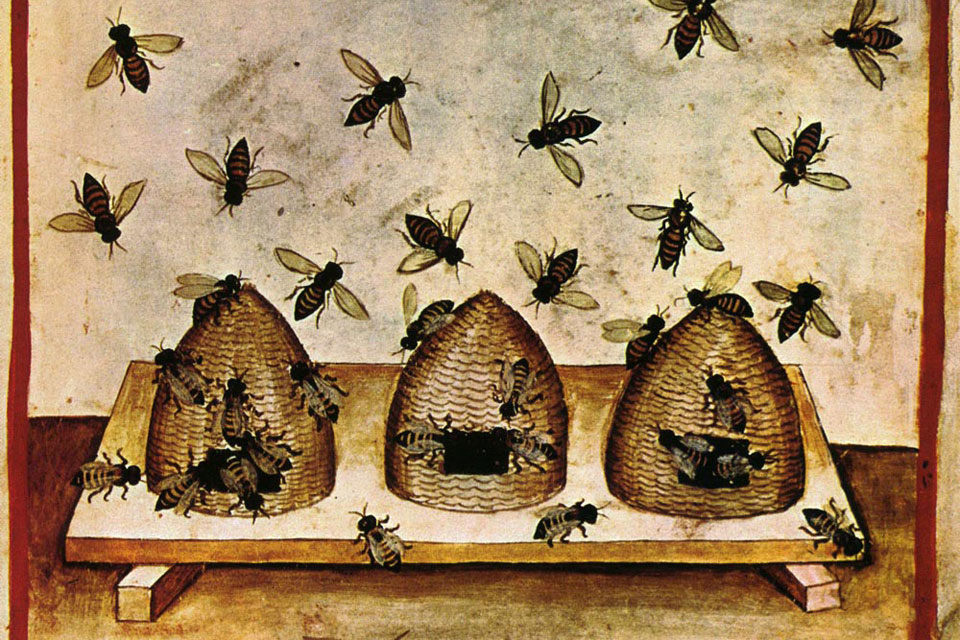
Endless seals imprinted on wax! Countless pieces of parchment, neatly stacked. We tend to value these leftovers from the Middle Ages for their content. Matthew Collins sees aDNA.
Read the stories about St Martin of Tours, one of the most popular saints in medieval and modern Europe
