St. Martin was a Roman soldier, who turned into a Christian ascetic. Later he was adopted as a national saint for France, as well as a soldier of Christ. His final disguise, though, was as a popular saint
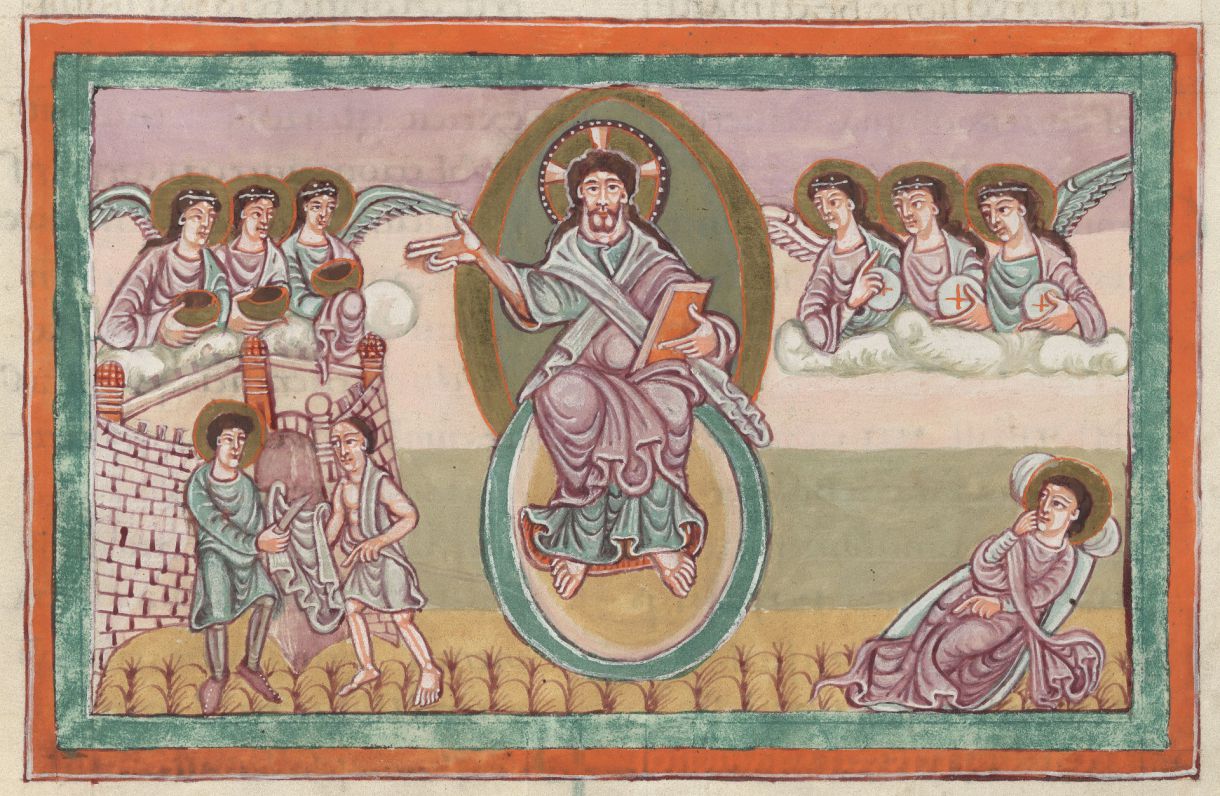
St. Martin was a Roman soldier, who turned into a Christian ascetic. Later he was adopted as a national saint for France, as well as a soldier of Christ. His final disguise, though, was as a popular saint
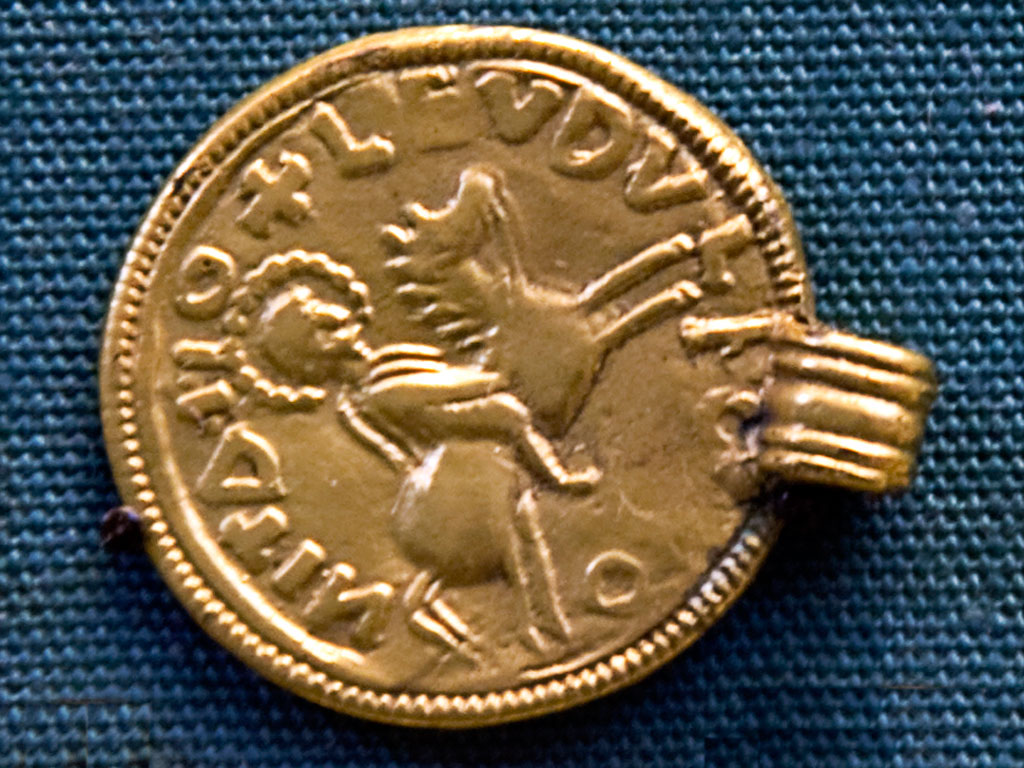
The “Martin” of the 7th to 10th centuries was not the ascetic bishop of the 5th century. The leopard changed its spots and became a National Frankish saint and a budding Christian Knight
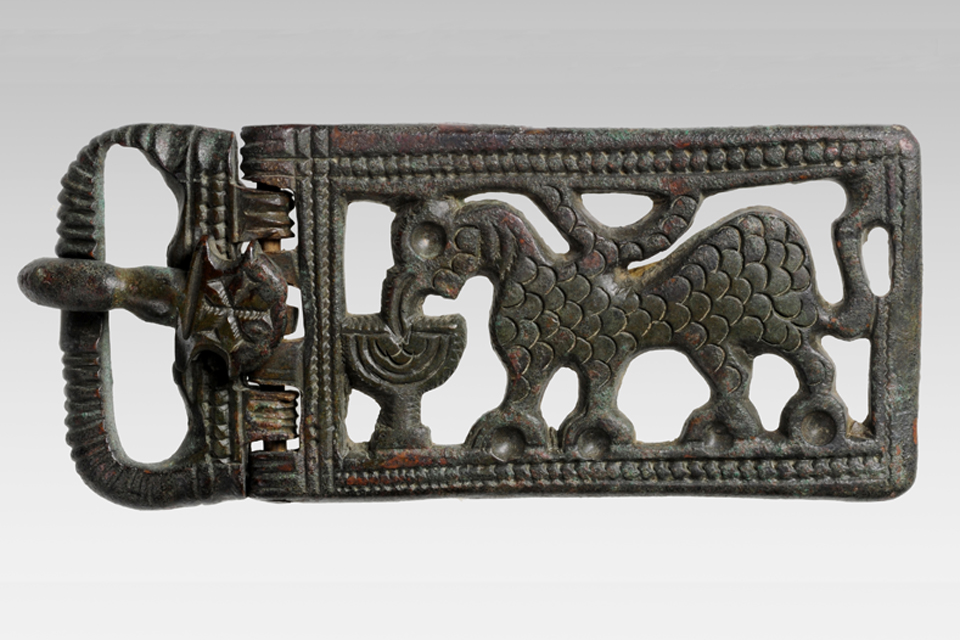
"Fara" is an enigmatic term. Traditionally meant to designate an Germanic agnatic clan or lineage as well as a band of brothers, the meaning still eludes us.
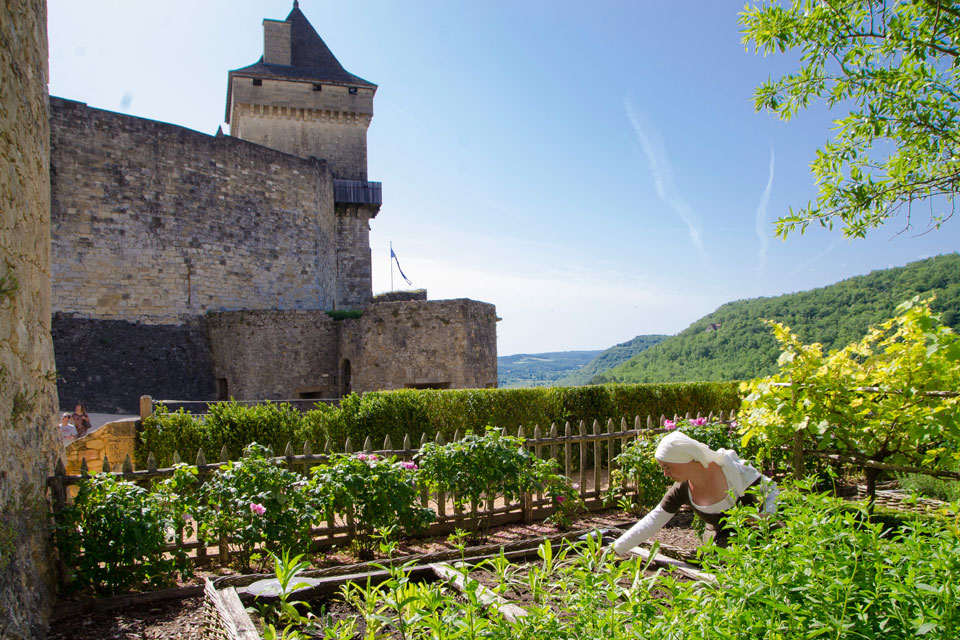
Some may think that medieval gardens were all about cabbages, beans and medicinal herbs. But gardens also came to be intended for lush and frivolous play
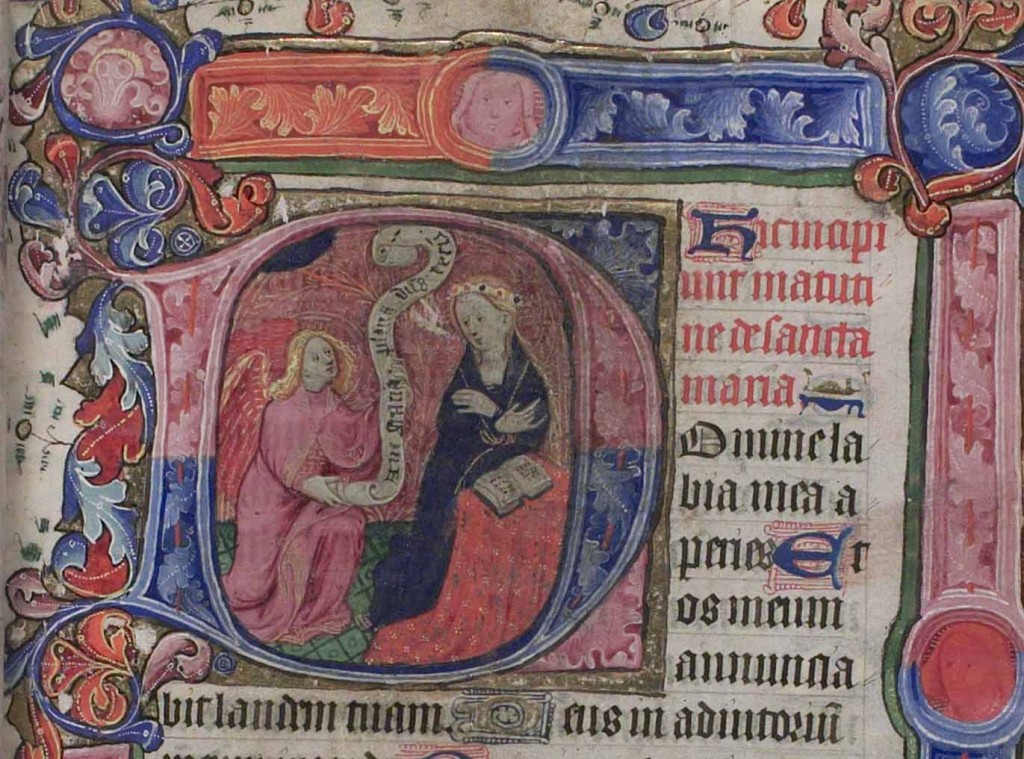
Rumour has it this Book of Hours accompanied Richard III to the Battle of Bosworth. Later impaired by the mother of Henry VII, it has now been digitised.

Late medieval manuscripts are filled with lovely interiors. New book delights in showing off the decorative details and explain the stories behind
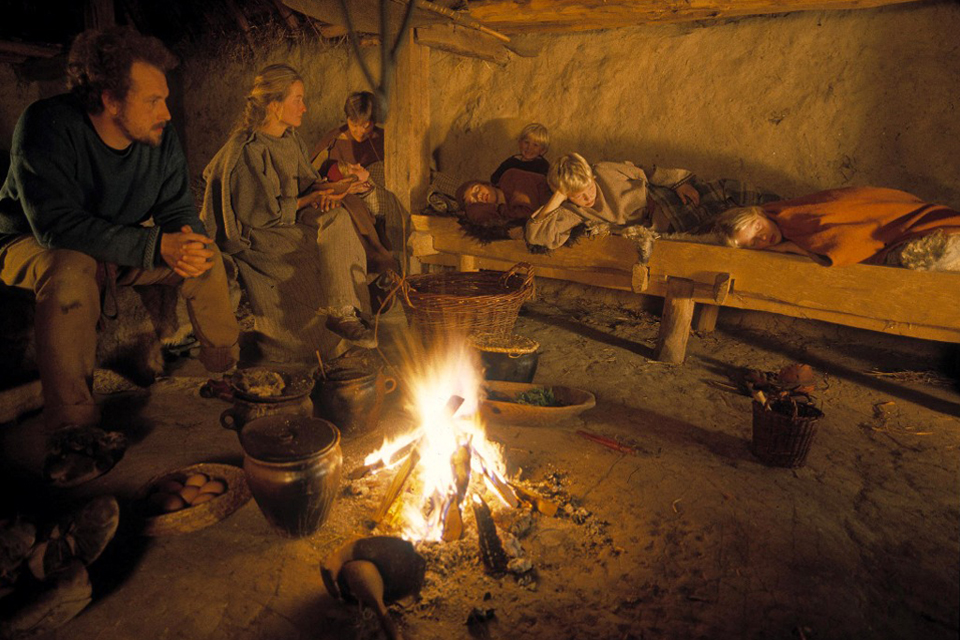
Medieval creativity: While Vikings huddled around long fires, the French sat with their backs to chimneys and the Germans invented tiled ovens.
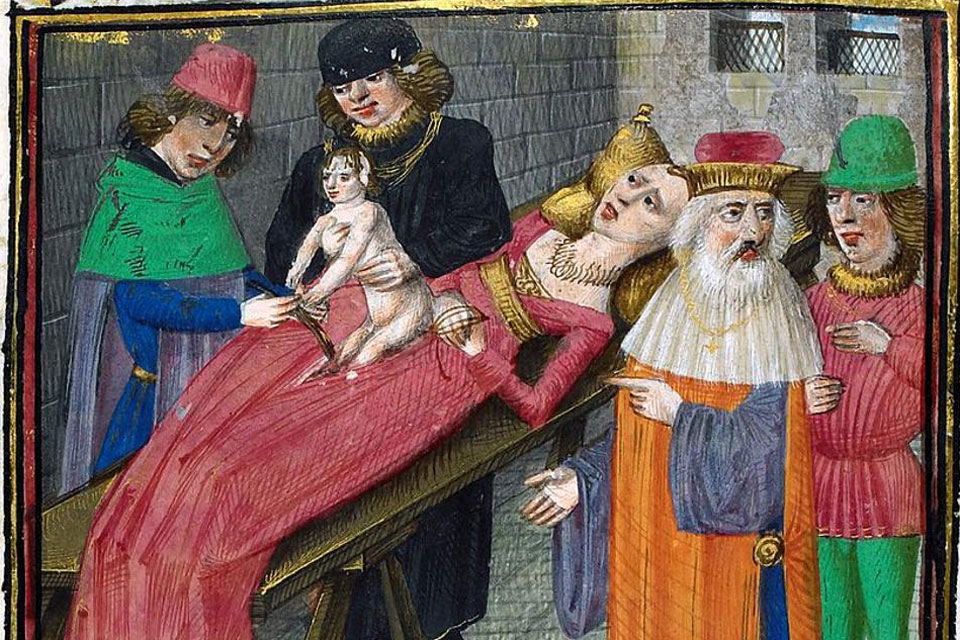
New Czech study raises the question whether a caesarean section was successfully carried out in Prague in the 14th century.
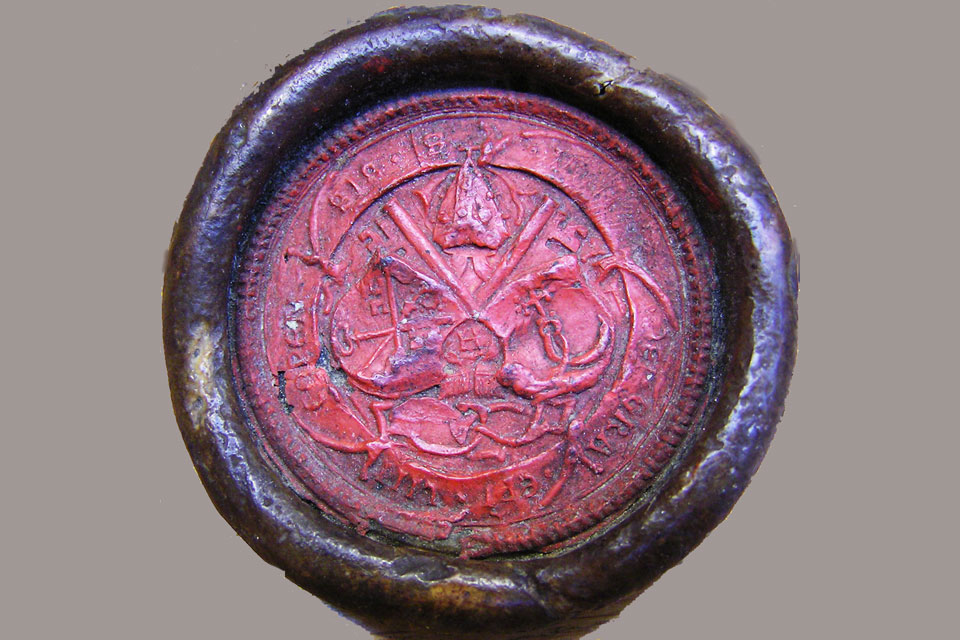
Hans Brask was bishop of Linköping in Östergötland from 1513 – 1527. He is primarily known for his household book with calendar, menus and regulations
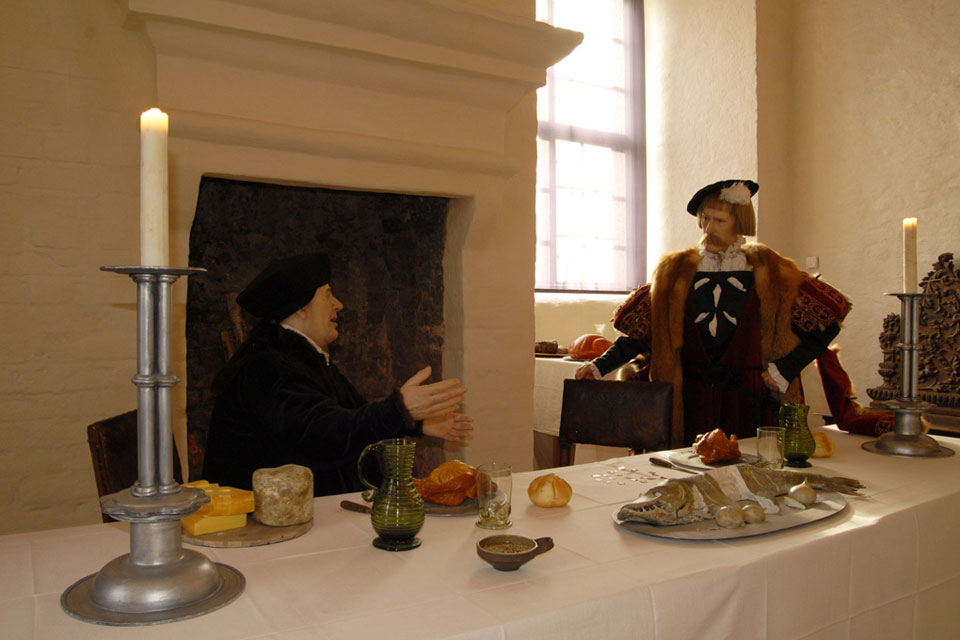
From Sweden comes an old bishop’s manual dating from c. 1520. It tells the story of how Christmas was celebrated in Linköping in Östergötland.
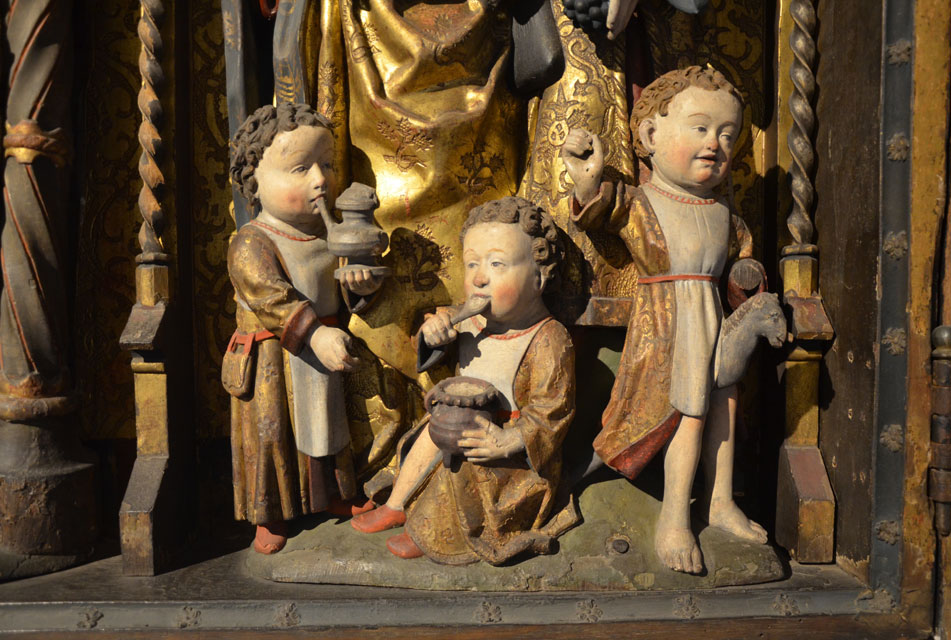
In Late Medieval Germany, Christmas turned into a family event. How did this come about and why?
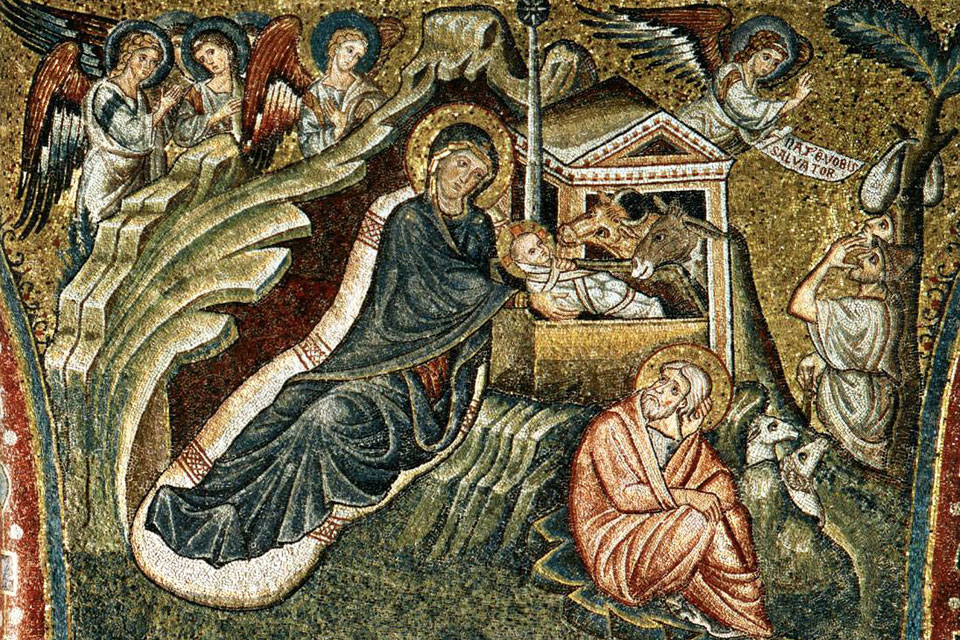
Was the medieval Christmas primarily a religious feast? Or a boisterous folk-festival? The answer is probably both!
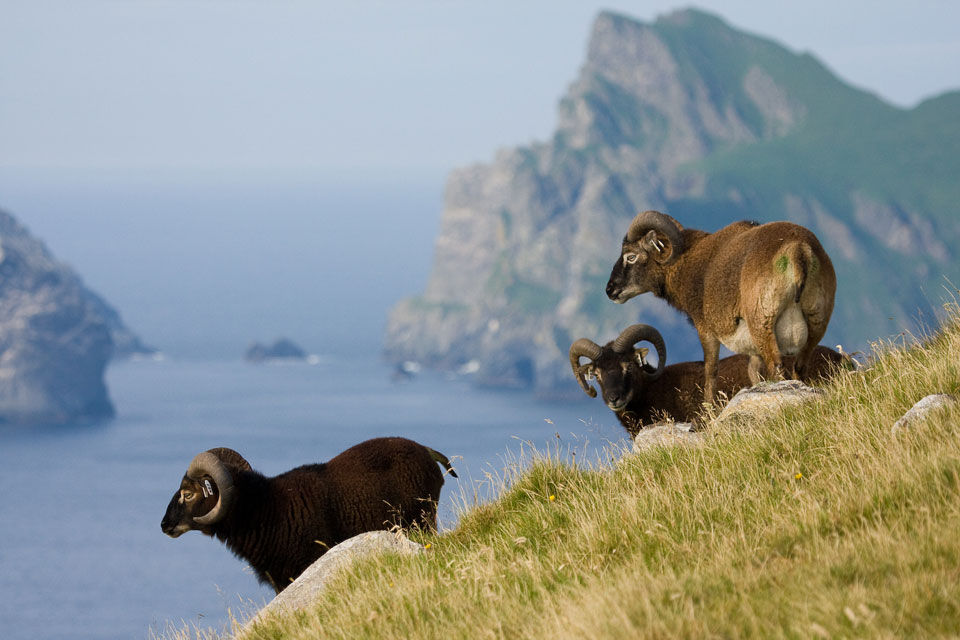
St. Kilda is a small group of islands far off the West Coast of the Outer Hebrides. Inhabited for at least four millennia it has a rich medieval past.
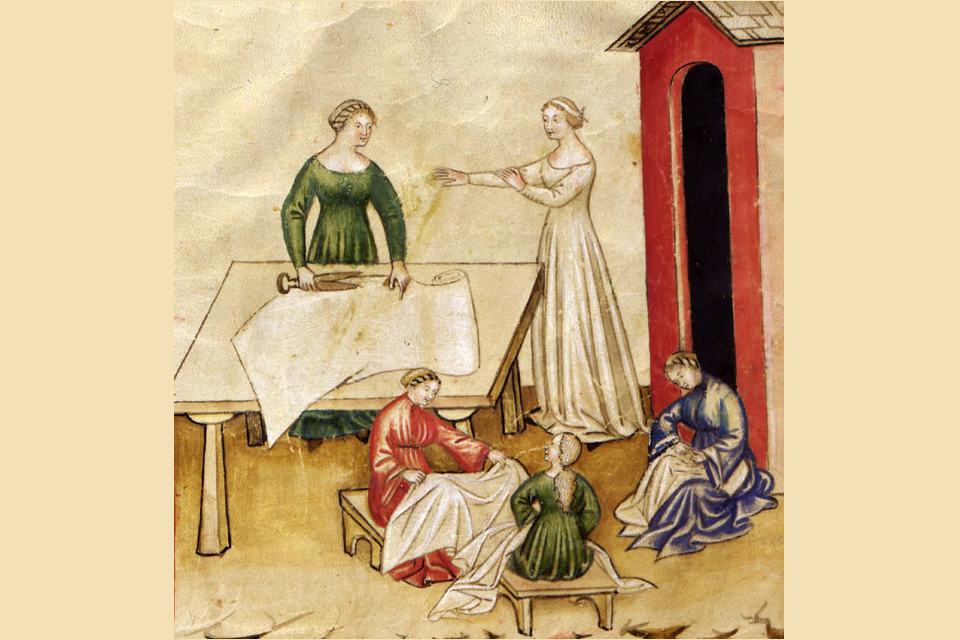
At some point at the end of the 13th century luxury silk industries emerged in Paris. Sharon Farmer tells the story in a new book out in November 2016
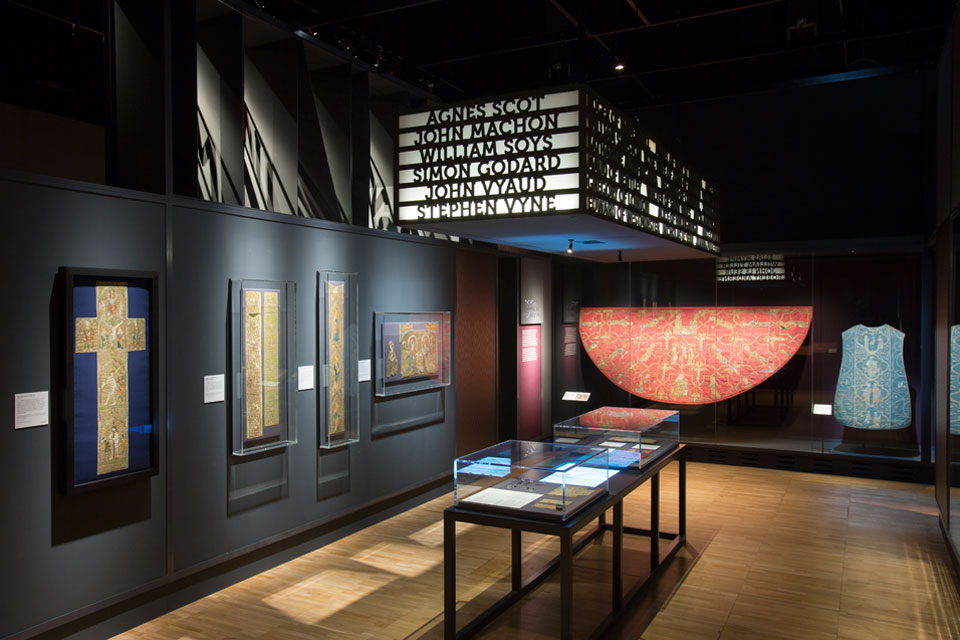
Popes, Bishops, Abbots, Kings and Queens! All were willing to do anything to lay their hands on the sumptuous English embroideries - Opus Anglicanum
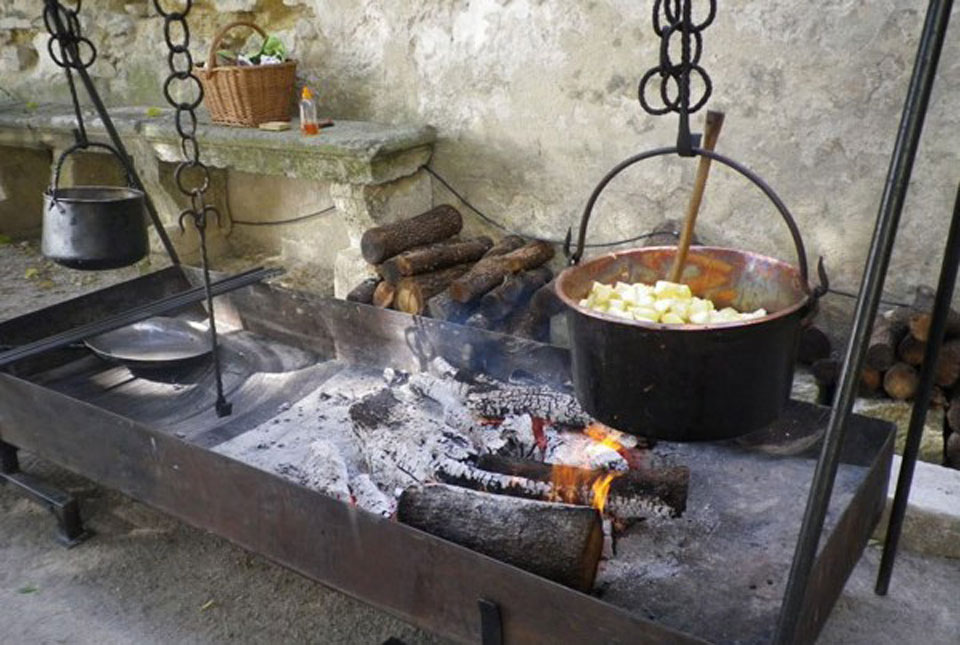
In the Early Middle Ages eels were abundant and served as comfort food for hungry peasants. Later it turned into a very expensive delicatessen.