Of all the barbarians entering the Roman Empire in Late Antiquity, the Visigoths were the first to forge a successor-kingdom
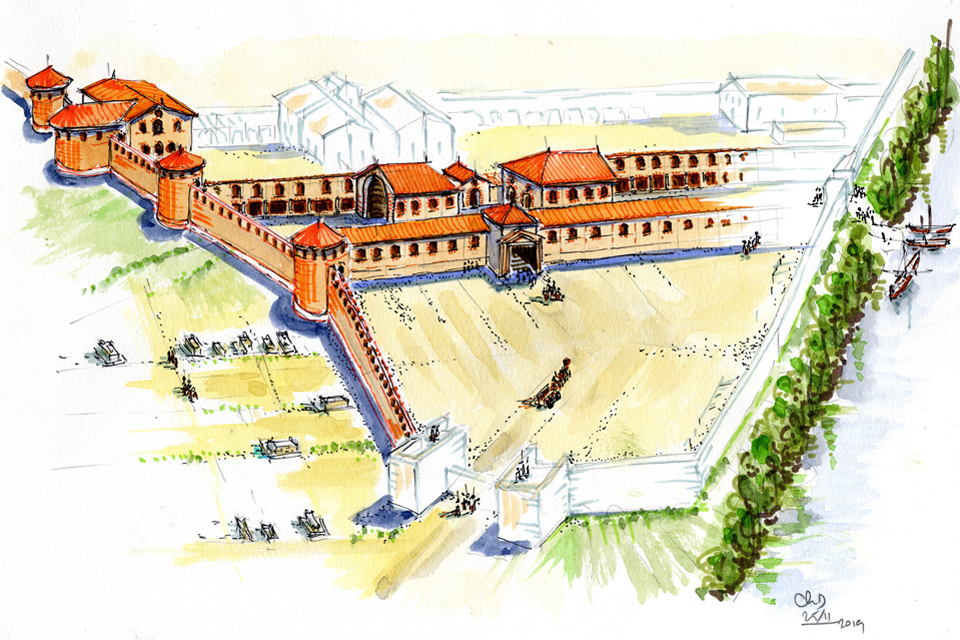
Of all the barbarians entering the Roman Empire in Late Antiquity, the Visigoths were the first to forge a successor-kingdom
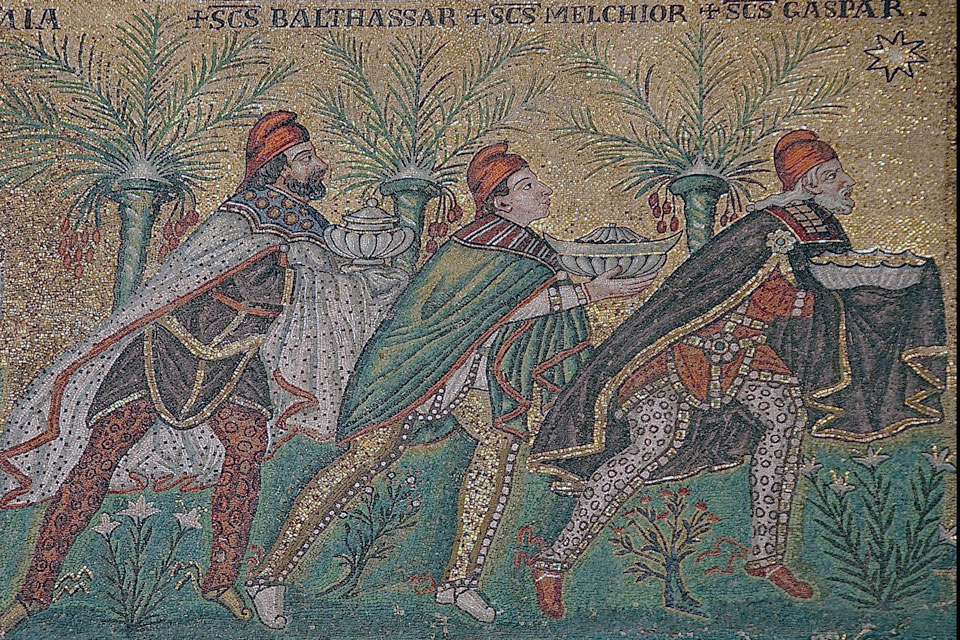
The story of the Magi – also called the Three Wise Men or the Three Kings – visiting and adoring the child in the house of Mary in Bethlehem is unique. Peculiar to Matthew, the story positions Christ in society.
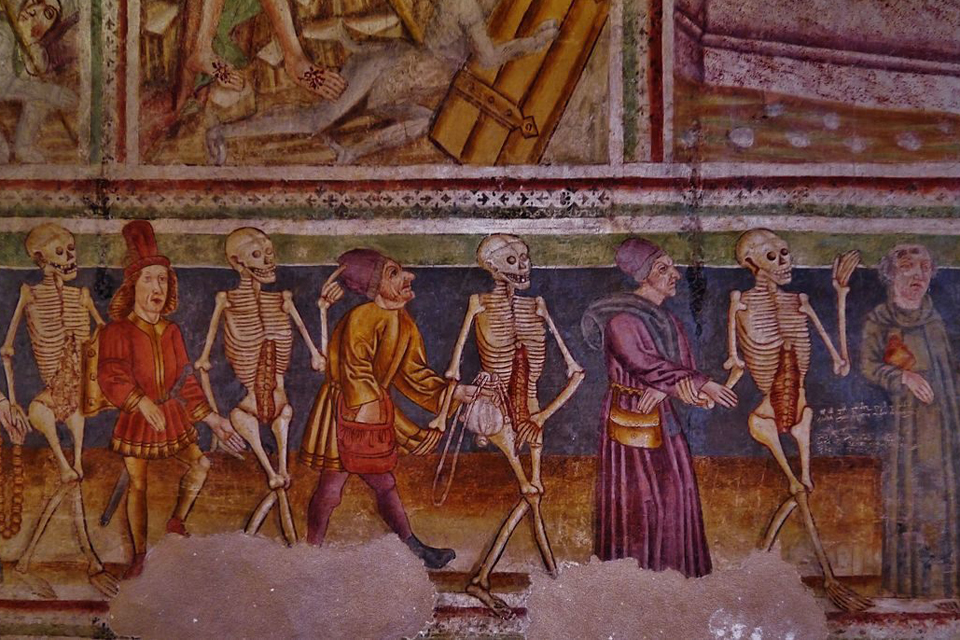
Ghosts appeared in different forms under different circumstances. At first they were pale harbingers of dire warnings. Later, they turned into scary and macabre beings
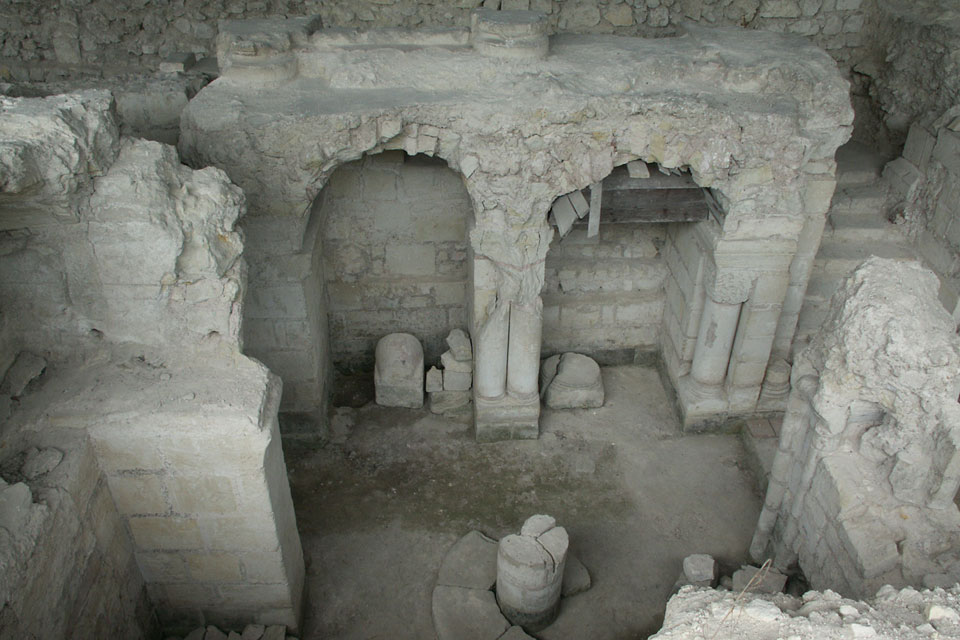

Born at Sabari in Pannonia, now Szombathely, in Hungary, St Martin was brought up in Italy. He chose Christianity at the age of ten and began his career as a cathecumen. Nevertheless, at the age of fifteen, he was forced into the Roman Army of Julian the Apostate (361 – 363), the last pagan emperor of Rome. It is while serving in Gaul, we meet up with him when he during a cold night encountered a poor and freezing beggar. Resolutely, he slashed his cloak in two, sharing one half with the poor man. That night, he had a vision of Jesus wrapped in the torn cloak. This led to his baptism. Somewhat later, he sought to extricate himself from military service at a time when his fellowmen were preparing for battle. This led to a charge of cowardice. In response, he promised to stand in front of the battle line, only armed with the sign of a cross. As the enemy surrendered, this brave feat was never carried out. Instead, he was allowed to leave military service.
Later, he settled at Poitiers under the supervision of bishop Hilary, the so-called “Hammer of the Arians” (210 – 367). From there, he started out as a missionary to Pannonia and Illyricum, facing the Arians. Further, he went to Milan, and later the island of Gallinari, off Albinga, seeking the life of a hermit. In 360, however, he once more joined Hilary at Poitiers, from where he went on to found the first monastery at Ligugé, taking over a deserted Roman Villa, donated by Hilary. Here St Martin of Tours lived together with his disciples as the desert fathers of Egypt, each in their own small hut (locaciacum).
In 371, he was called as bishop of Tours. It is from a much later retelling of these events, the vignette heralds Martin taking refuge among the geese; which of course cackled revealing the reticent saint, who had to yield to the demands of the faithful. Sulpicius only tells us the election was controversial. While the people were keen to elect him, the other bishops had reservations based on his ascetic lifestyle, which they deemed unfit for someone in charge of a bishopric. Probably, due to his asceticism, he was also believed to have heretic (Priscillianist) leanings.
As the bishop at Tours, Martin later built the huge monastic complex of Marmutiers on the north bank of the Loire. Soon, the Abbey attracted numerous disciples from elite milieus in and out of Gaul, together with whom he continued his active missionary work. During his lifetime, he also became known for his miracles. His fame, though, was said to rest on his humility, his asceticism, and his lack of duplicity. Eventually, this led to his status as one of the first saint, who had not been martyred.
After the death of St Martin, Sulpicius amended this life by adding a postscript in the form of three letters, to Eusebius, Aurelius, and Bassula. These letters expand upon the miracles ascribed to St Martin and present him as an exemplary saint. Finally, they record his death at Candes, where he admonished his disciples to be less greedy than the birds catching fish along the river. Later in the 12th century, the legend was spread that flowers and birds paid this gesture back, heralding his dead body when it was sailed back on a barge towards Tours. Although the month was November, the birds and flowers made it feel like a “ St Martin Summer” (also called Halloween Summer).
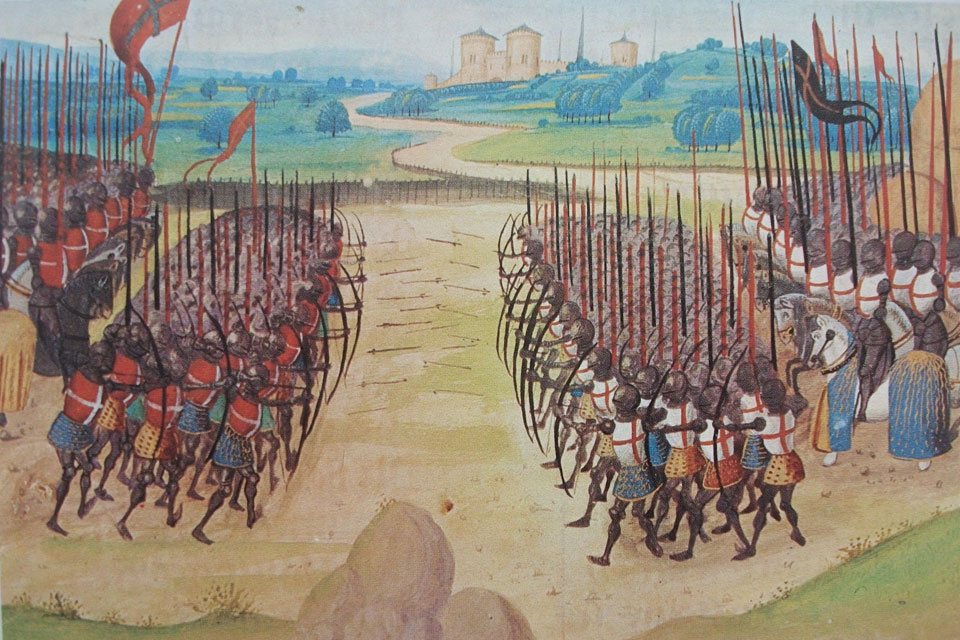
The continued demographic crisis of 14thand 15thcentury plague-ridden Europe did not calm the political waters. Arguably, the majority of people got wealthier when they began to pluck off the clothes of the backs of their dead neighbours while stuffing themselves with the fat gees running wild on the abandoned fields. One should have thought that just to have survived might have calmed the waters. Instead, the wars ravaged the continent.
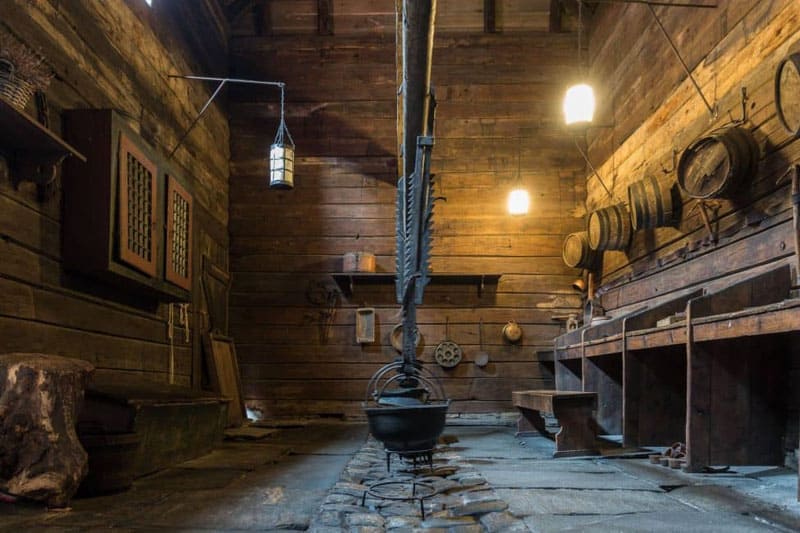
Expansion and exploration was the order of the day in 13th century Europe. Led by powerful popes, anointed kings, sworn knights and crafty merchants, demographic and economic expansion resulted in a vibrant Christendom reaching further and further out.
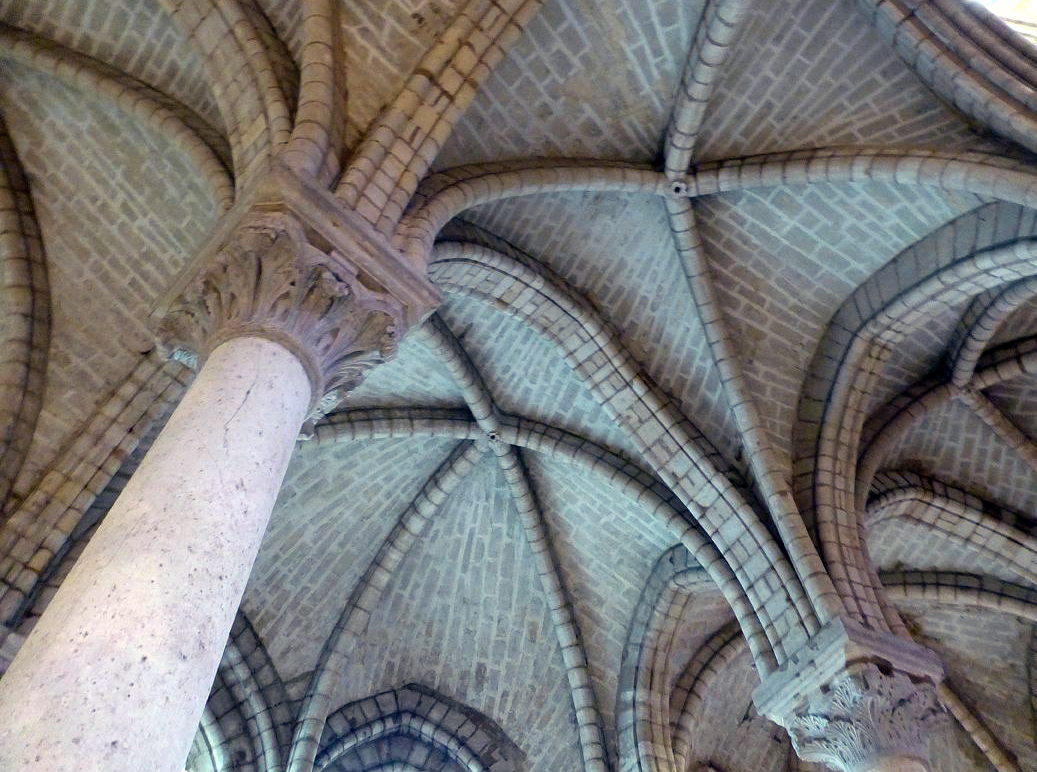
Gothic Style is primarily identified with architecture – breath-taking cathedrals, mounting pillars, soaring vaults. It pays, though, to think of it as the physical expression of a special theological motive, the transgressing soul climbing through the Heavens. As such, it marked a plethora of other art forms.
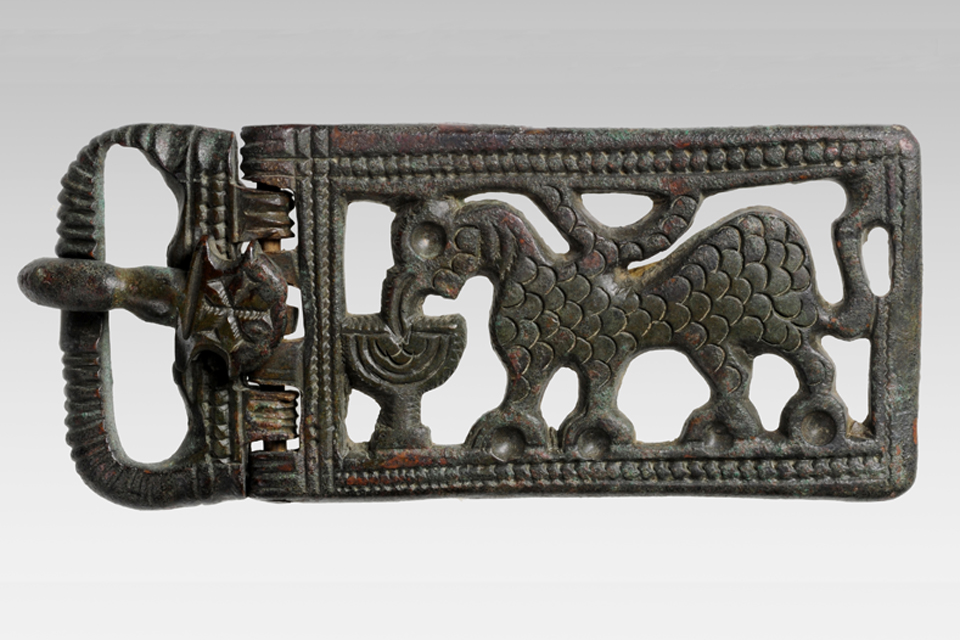
"Fara" is an enigmatic term. Traditionally meant to designate an Germanic agnatic clan or lineage as well as a band of brothers, the meaning still eludes us.
Europe is constituted by an impressive number of separate states and inhabited by numerous people separated by any number of distinct languages, traditions and histories. A gift of the Middle Ages, we still live in the aftermath of these strange fragmented times
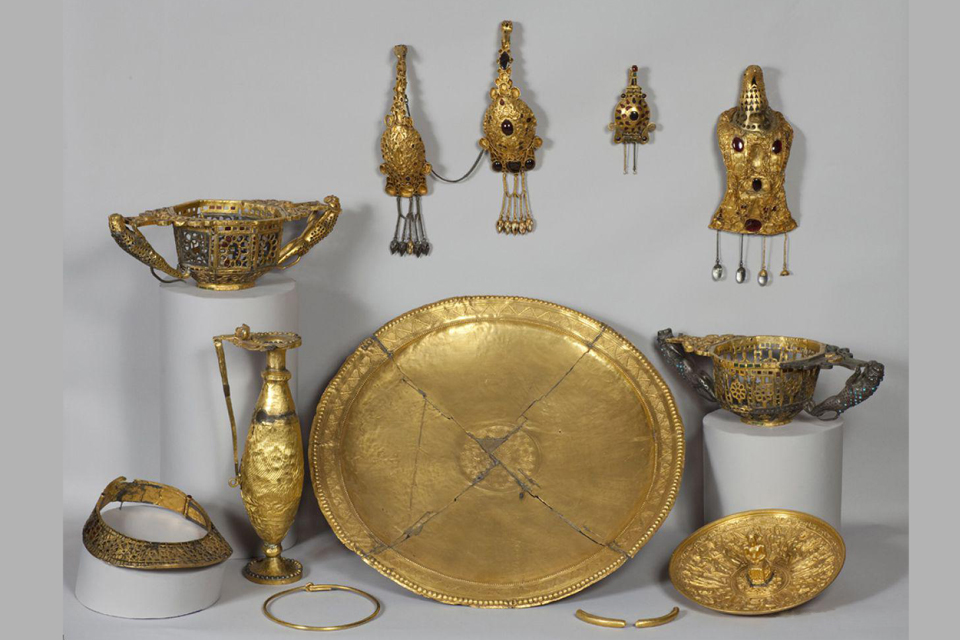
The famous gold hoard from Pietroasa in Romania was found in 1838. Although only 12 of the 22 original pieces still exist, it remains one of the most impressive witnesses to the Goths in the migration period.
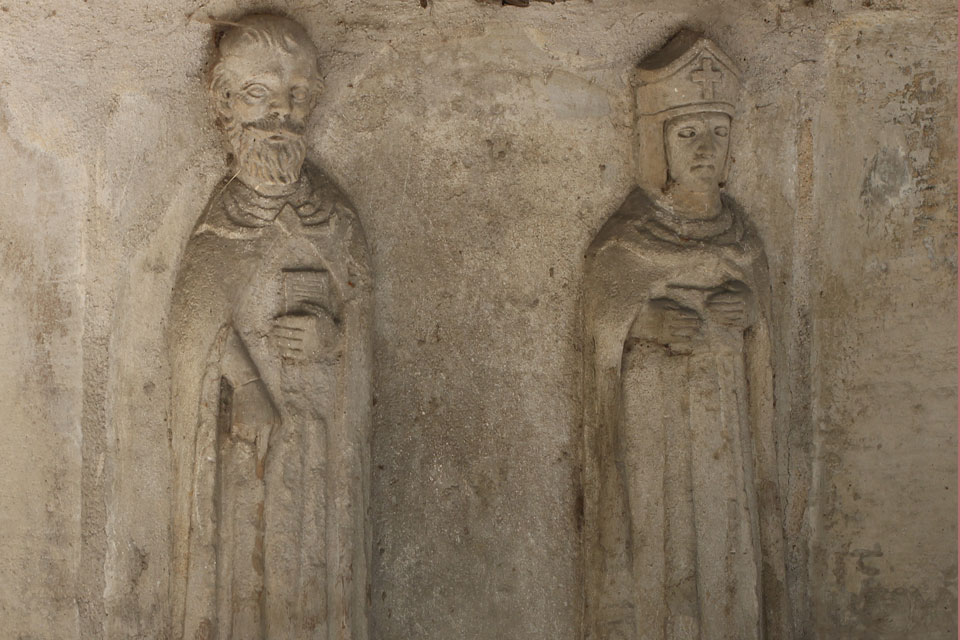
Abelard and Heloise loved each other. Their love affair, though, was so much more than just an act of carnal lust. It was also a relationship filled with charity and friendship. By delving into their love story, we may learn of a faraway world
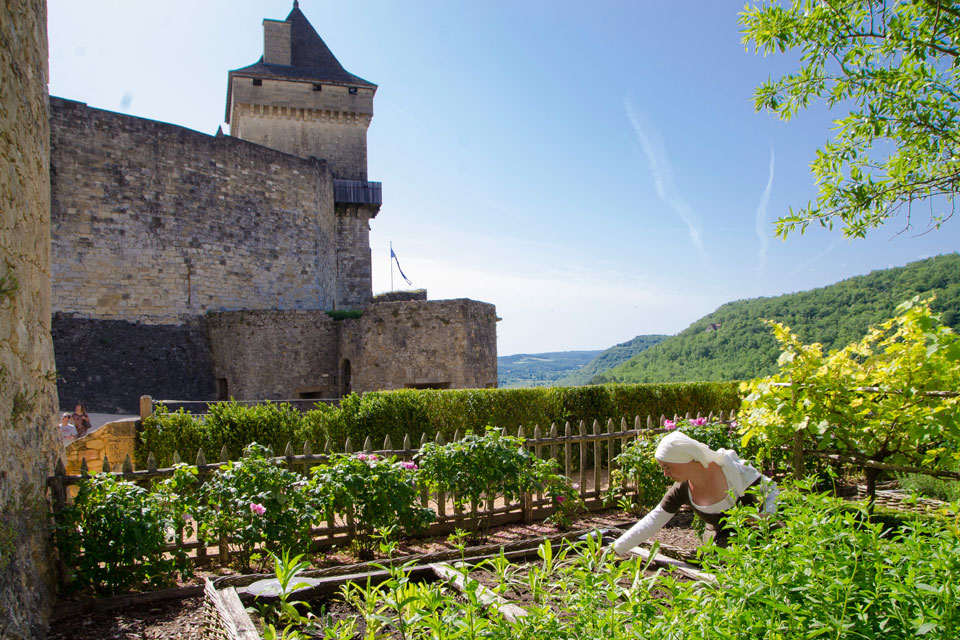
Some may think that medieval gardens were all about cabbages, beans and medicinal herbs. But gardens also came to be intended for lush and frivolous play
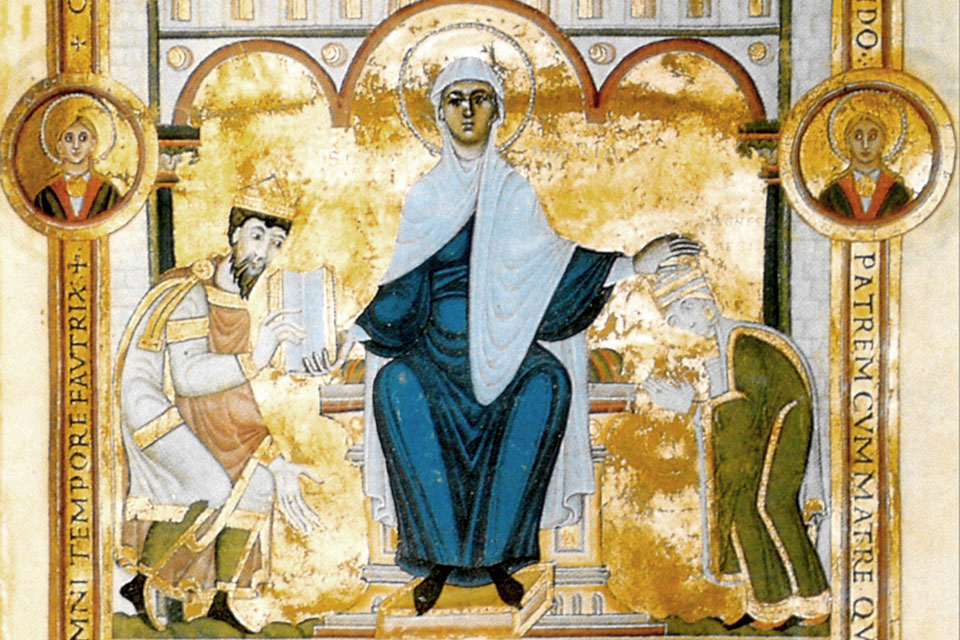
The Holy Roman Emperor, Henry III, was called a pious king by some of his contemporaries; others, however, claimed he was hypocrite
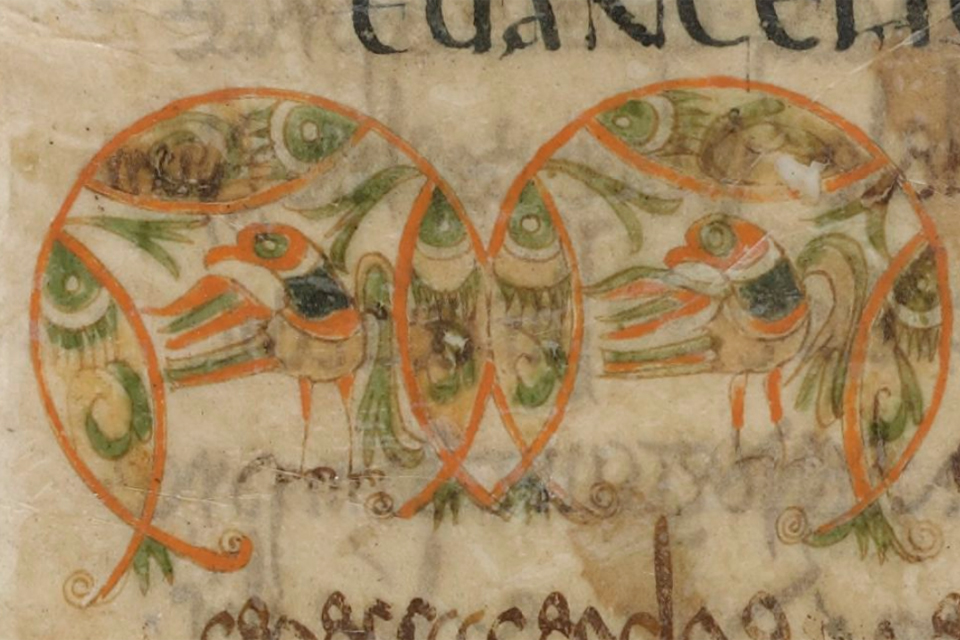
The Merovingians was the name of the warlords and later royal family, which led the Post-Roman Frankish kingdom from c. 480 CE to 751 CE
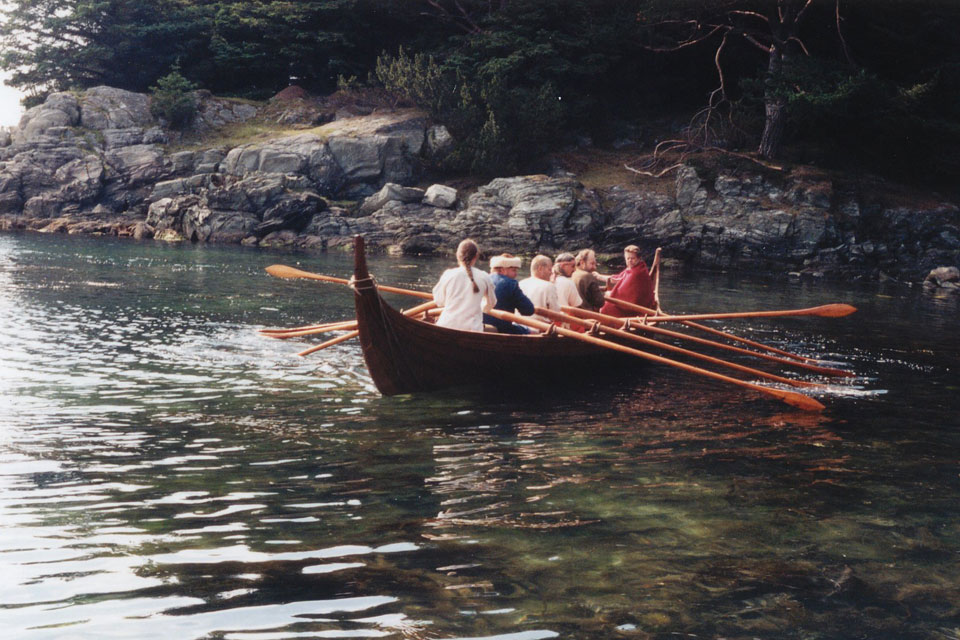
We all know what a Viking is: a heathen, gruesome and wild Scandinavian, who sailed, raided and traded throughout Europe from c. 799 – 1066.
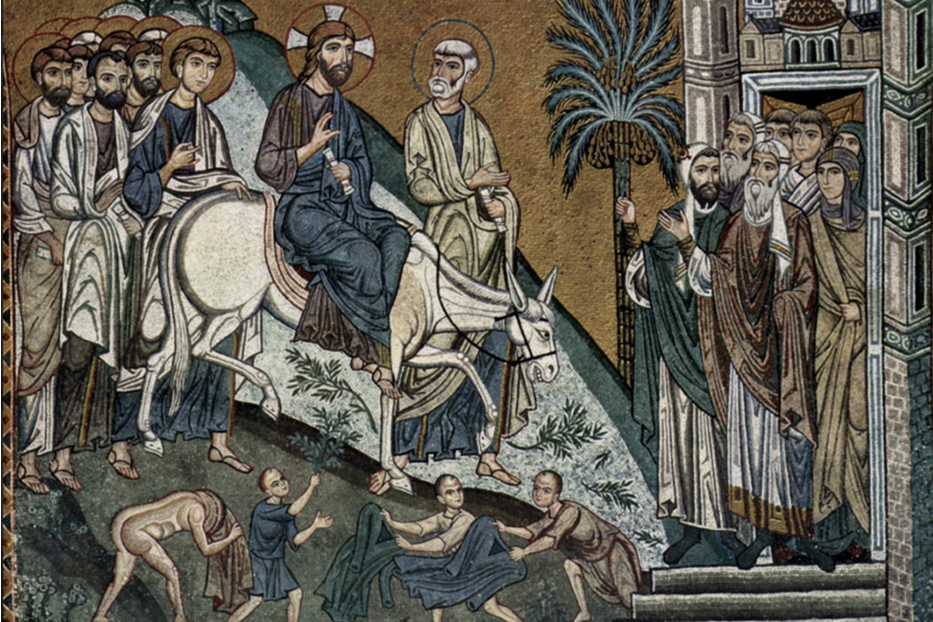
Originally Advent was a period of Parousia with Christmas signalling the Second Coming of Christ. Later it became a period set aside for peace when warring and feuding was strictly prohibited. Signalled by the Triumphant Coming of Christ and his earthly representative, the King heralded a new worldly peace