Purses in the Middle Ages were not just practical devices for carrying or storing things. They were symbols of both status and sinful behaviour. And played a part in marriage rituals.
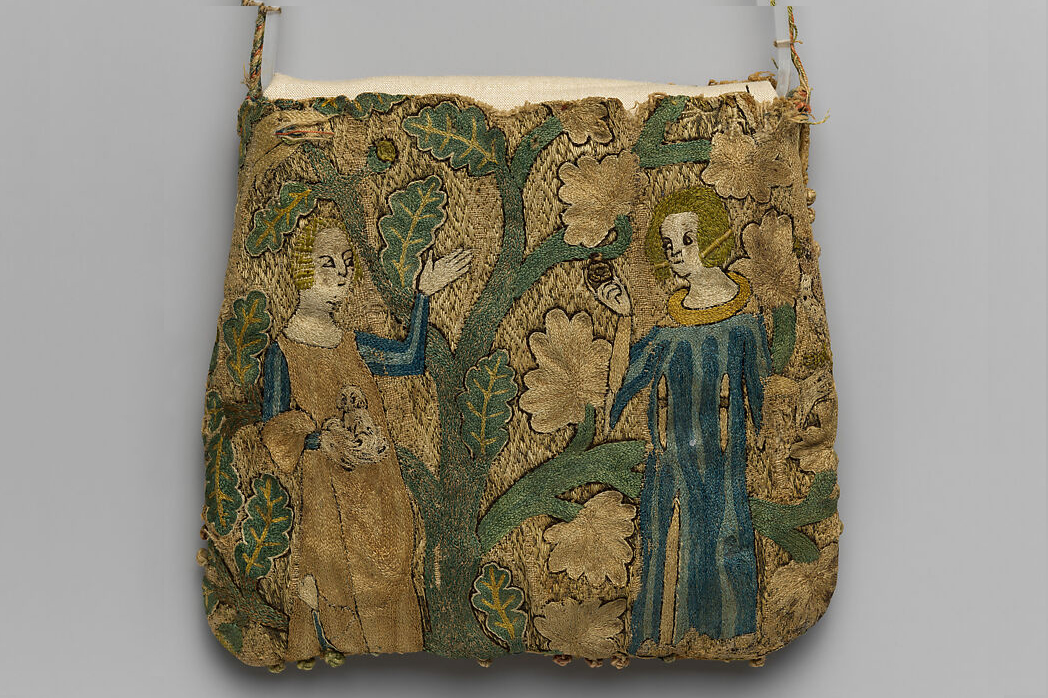
Purses in the Middle Ages were not just practical devices for carrying or storing things. They were symbols of both status and sinful behaviour. And played a part in marriage rituals.
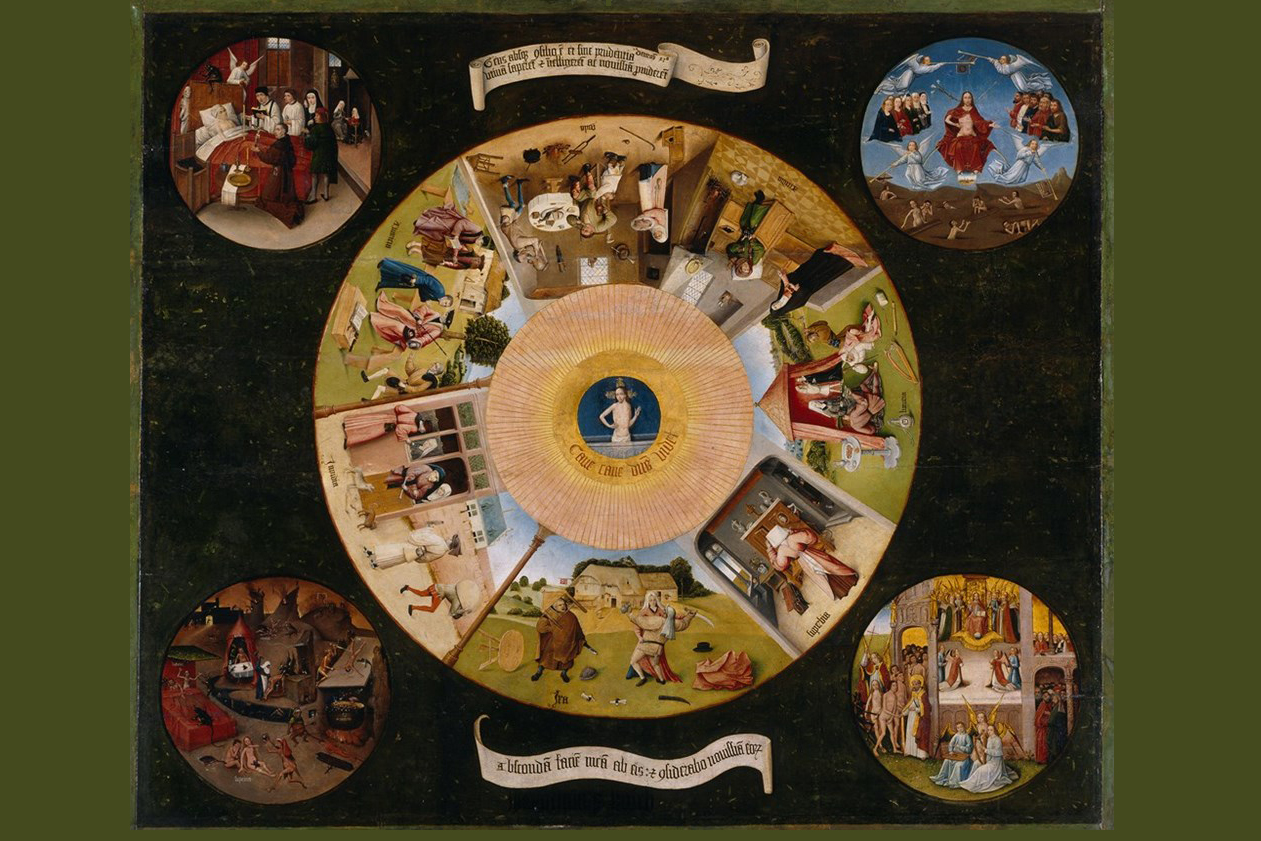
Doom-scrolling is the modern version of the medieval murals, tapestries, and liturgies, which acted as backdrops for the Church’s staging of the apocalyptic horrors of the end of times.

Medieval women were considered weak, soft, sensual, and fickle if not frivolous. Even today, we hear an echo in the disparagement of Kamela Harris
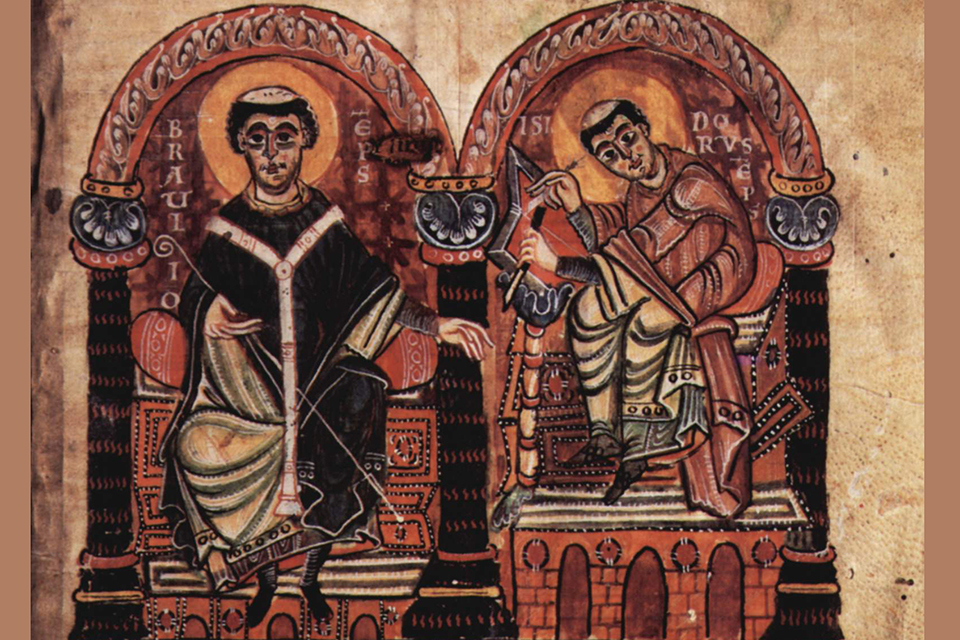
Isidore of Seville was a renowned scholar, theologian, and archbishop who lived in Visigothic Iberia from around AD 560 to 636. He had a profound influence on education and scholarship in Medieval Europe.
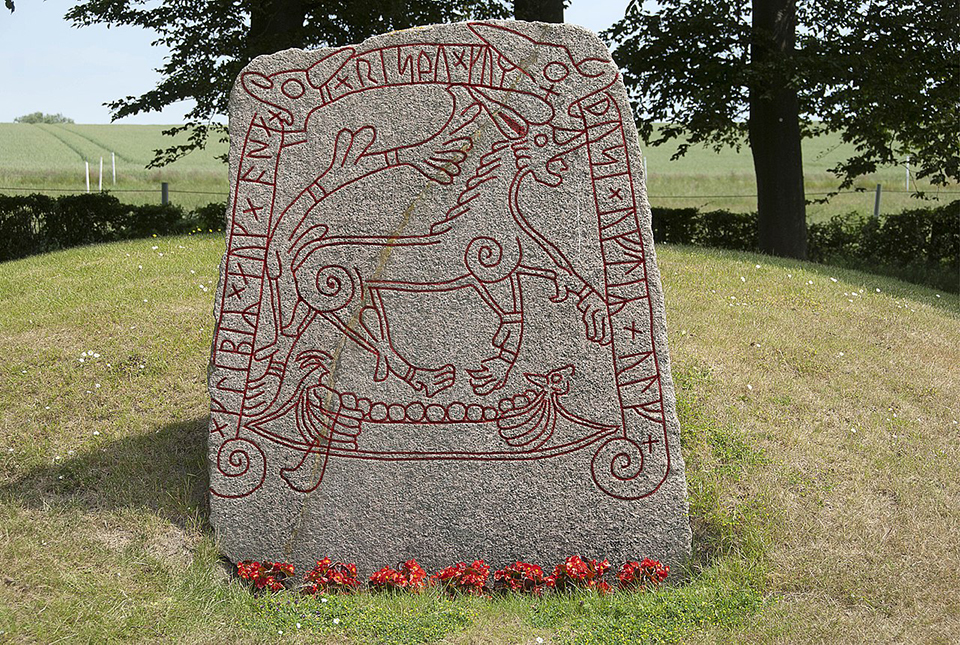
When did the war on wolves commence? Only in the later Middle Ages it appears. On the contrary, poetry, sagas, onomastics, and pictorial art were rich in the motif of the wolf and the man and their myriad metamorphoses.
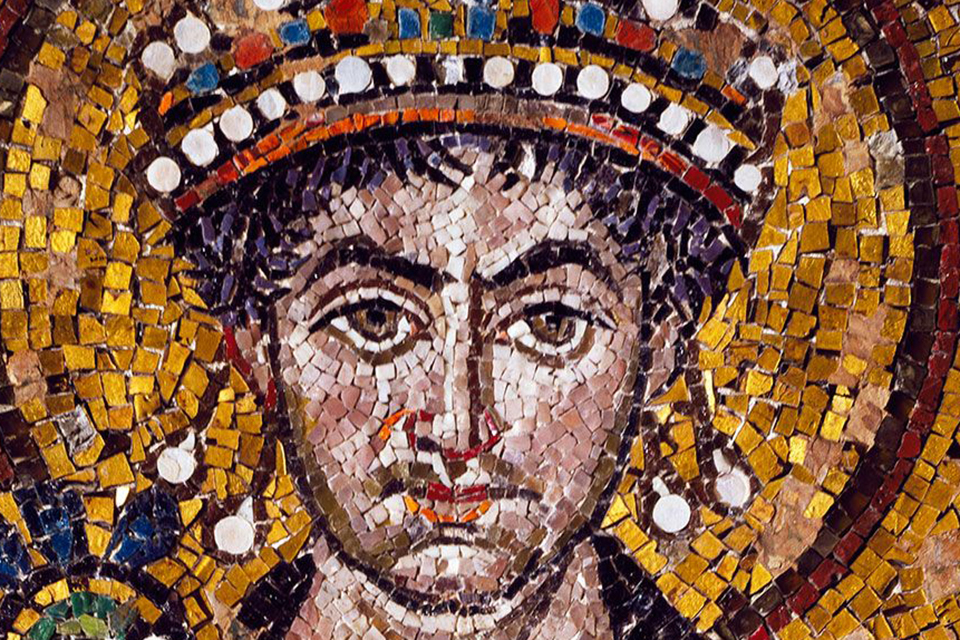
Charismatic Kingship
By Weber, Max.
From: Wirtschaft und Gesellschaft: Grundriss der verstehenden Soziologie. Mohr: Tübingen. 1922
Economy and Society. An Outline of Interpretive Sociology
By Max Weber. Engl. Translation ed bye Guenther Roth and Claus Wittich. California University Press 1968, p. 1141-43.
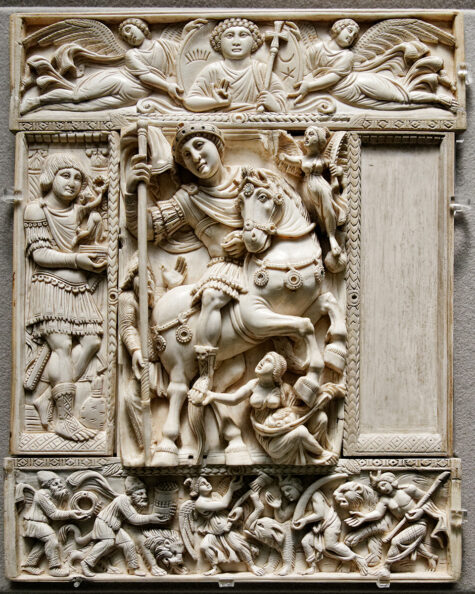
“A particularly important case of the charismatic legitimation of institutions is political charisma, as it appears with the rise of kingship.
Everywhere the king is primarily a warlord. Kingship originates in charismatic heroism. In the history of civilized peoples, kingship is not the oldest form of political domination, that is, a power transcending patriarchal authority and differing from it because it does not primarily direct the peaceful struggle of man with nature but the violent struggle of one community against another.
Kingship is preceded by all those charismatic forms that assure relief in the face of extraordinary external or internal distress or promise success in risky undertakings. In early history, the precursor of the king, the chieftain, often has a double function: He is the patriarch of the family or siblings but also the charismatic leader in hunt and war, the magician, rainmaker, medicine man—hence priest and doctor, and finally, the judge.
Frequently each of these kinds of charisma has a particular bearer. Next to the peacetime chieftain (the head of the kin), whose power originates in the household and has mainly economic functions, stands the hunting and war leader, who proves his heroism in successful raids undertaken for the sake of victory and booty.
Even in historical times, in Assyrian royal inscriptions, hunting booty and cedars from Lebanon—dragged along for construction purposes—are enumerated alongside the number of slain enemies and the size of walls of conquered cities covered with their skins. In such cases, charisma is acquired irrespective of its bearer’s position in the kin or household, indeed, of any rules. This dualism between charisma and everyday life is often found among the American Indians, for instance, among the Confederacy of the Iroquois, tribes in Africa, and elsewhere.
Wherever war and big game hunting do not occur, we do not find the charismatic chieftain or rather the “warlord,” as we want to call him, to avoid the usual confusion with the peacetime chieftain. If natural calamities—drought or epidemics—are frequent, a charismatic sorcerer may have an essentially similar power and become a “priestly ruler.”
The charisma of the warlord rises and falls with its efficacy and the demand for it; the warlord becomes a permanent figure when there is a chronic state of war. It is mainly a terminological question of whether kingship and the state are said to begin with the annexation and incorporation of foreign subjects into the community. For our purposes, using the term “state” in a much narrower way remains expedient. As a rule, the warlord phenomenon is not linked to tribal domination over another tribe and to the existence of individual slaves but only to a chronic state of war and a comprehensive military organization.
However, kingship frequently develops into a regular royal administration only when the military following controls the working or paying masses. But the subjection of foreign tribes is not a necessary intermediate step. The internal stratification resulting from the development of charismatic warriors into a ruling caste may have the same differentiating effect. At any rate, as soon as their domination has been established, the royal power and those with vested interests in it, the royal following, search for legitimacy, that is for the mark of the charismatically qualified ruler.”
Charisma, Medieval and Modern
A special issue of Religions 2012
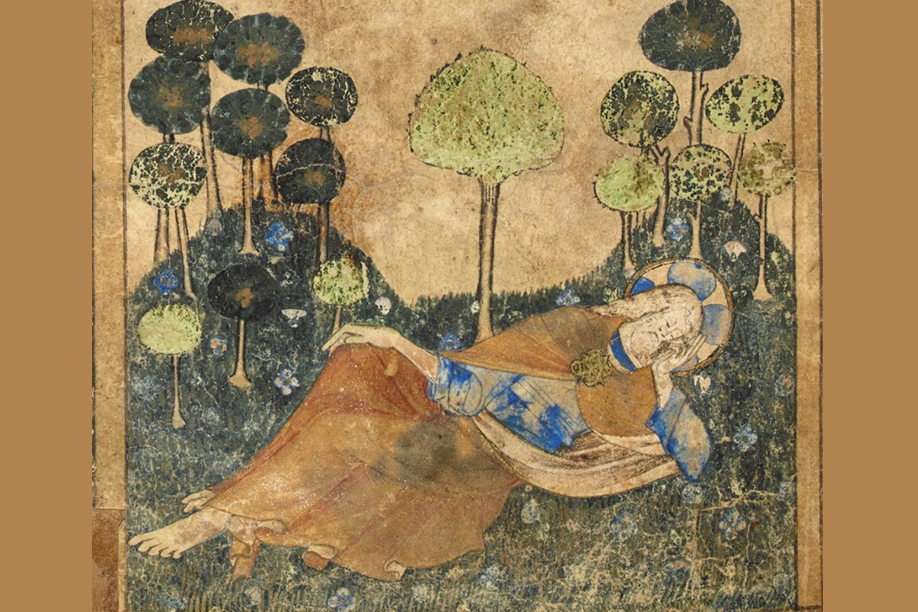
The essence of the medieval Christian landscape was encapsulated in the idea of the beloved place of pleasure, Paradise

How did people in the Middle Ages view their surroundings? What was their idea of a livable world? Which part was sacred? What profane? And what was wilderness? Did they even think of their world inside these dichotomies?
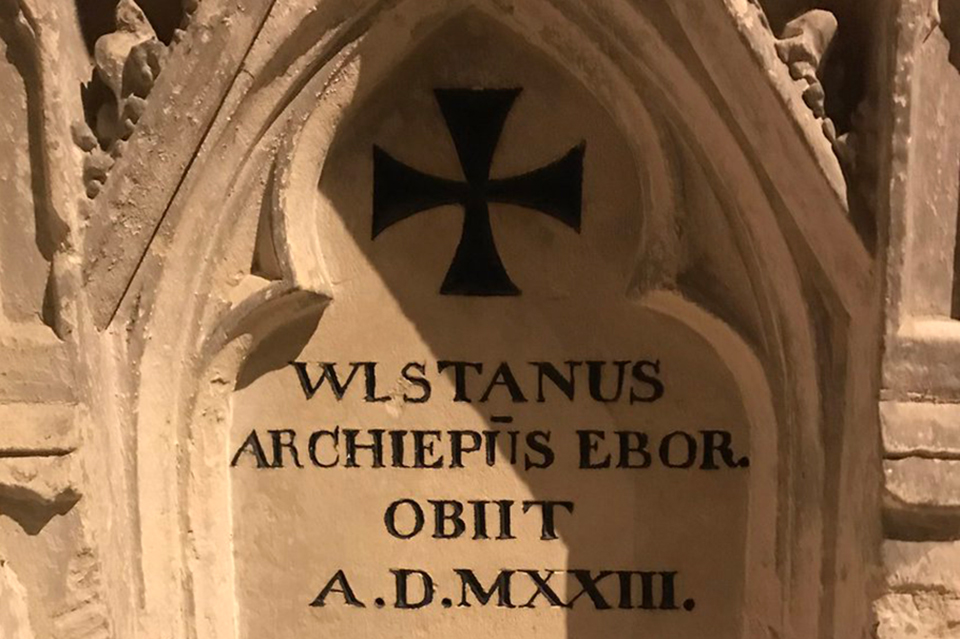
Wulfstan played a significant political role in Anglo-Saxon England at the turn of the first millennium and the events surrounding the political and personal demise of King Æthelred, and the conquest of Sweyn Forkbeard and Cnut the Great

The heroic poem about Beowulf is often considered the most accomplished example of Old English poetic literature. Based on an oral transmission of a Scandinavian epic from the 6th century, it presents a convoluted history
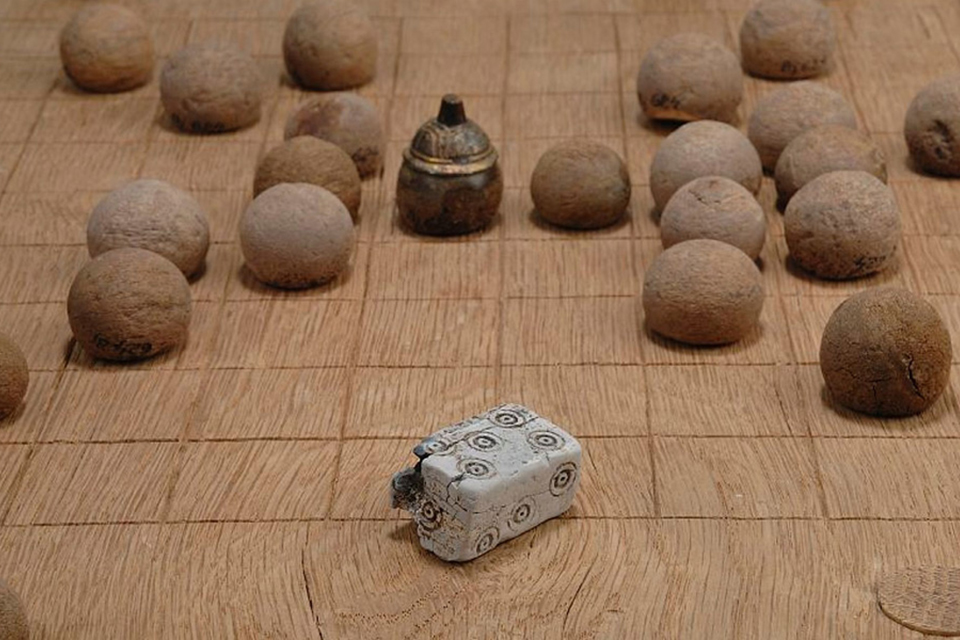
In the 7th century, Norwegians on the west coast of Norway exported game pieces made of whalebone to the royal court at Uppsala in East Sweden. Likely, the game they played was a version of Hnefetafl
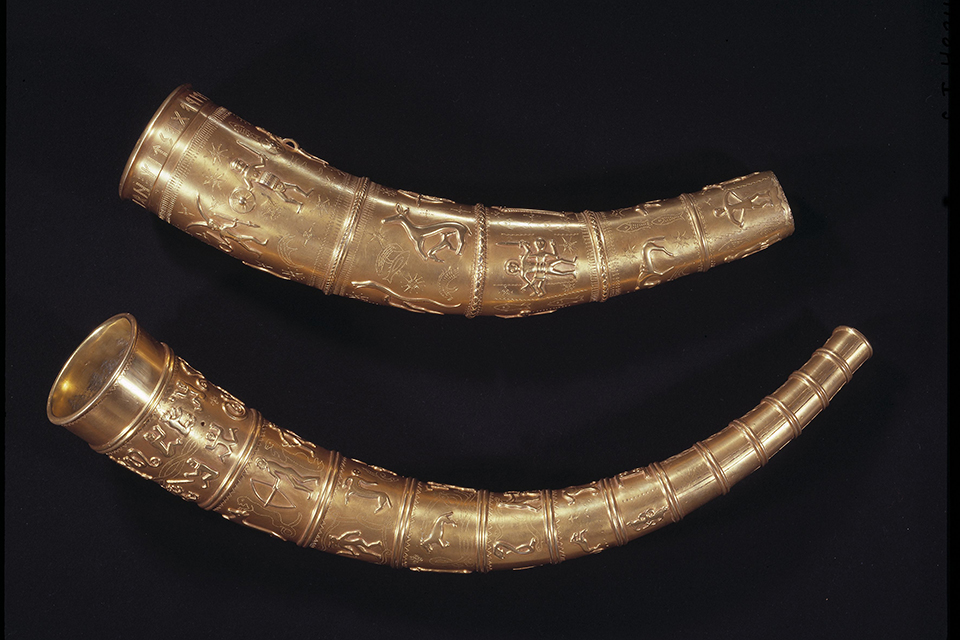
In 1639 and 1734, two impressive horns from c. AD 400 and made of gold were discovered at Gallehus near the present border between Denmark and Germany
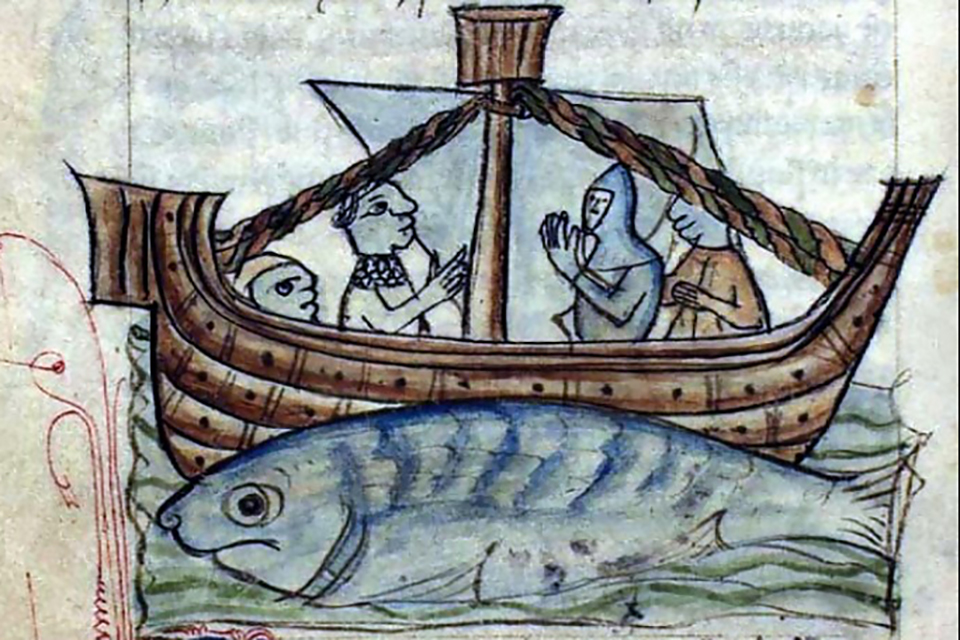
In the Middle Ages, the main catch was the small harbour porpoises and the pilot whales. Most other whales were only subject to occasional scavenging.
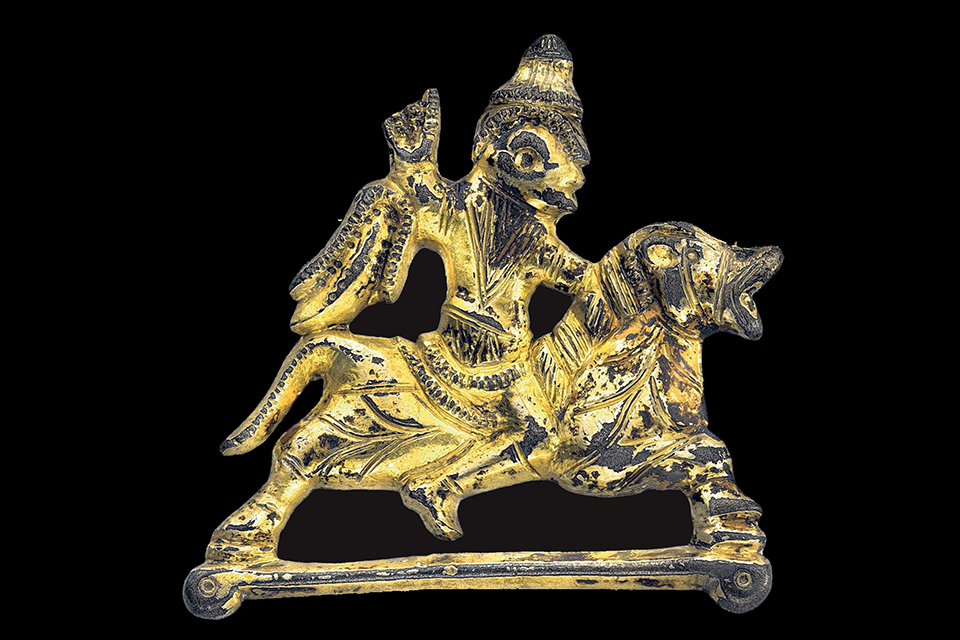
The Franks were an amalgamation of people active in the region around the lower Rhine surfacing in Late Antiquity as a significant player in Gaul.
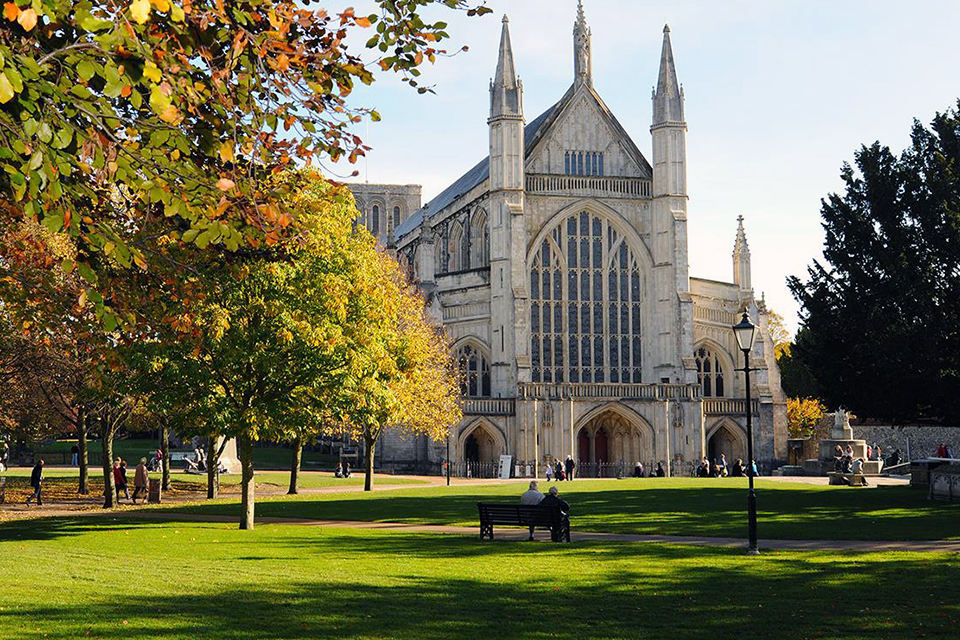
The history of Winchester reaches back into prehistory. From an Iron Age oppidum, it changed into the Roman town. Later, it turned into one of the most important cities in Anglo Saxon and Early Medieval England
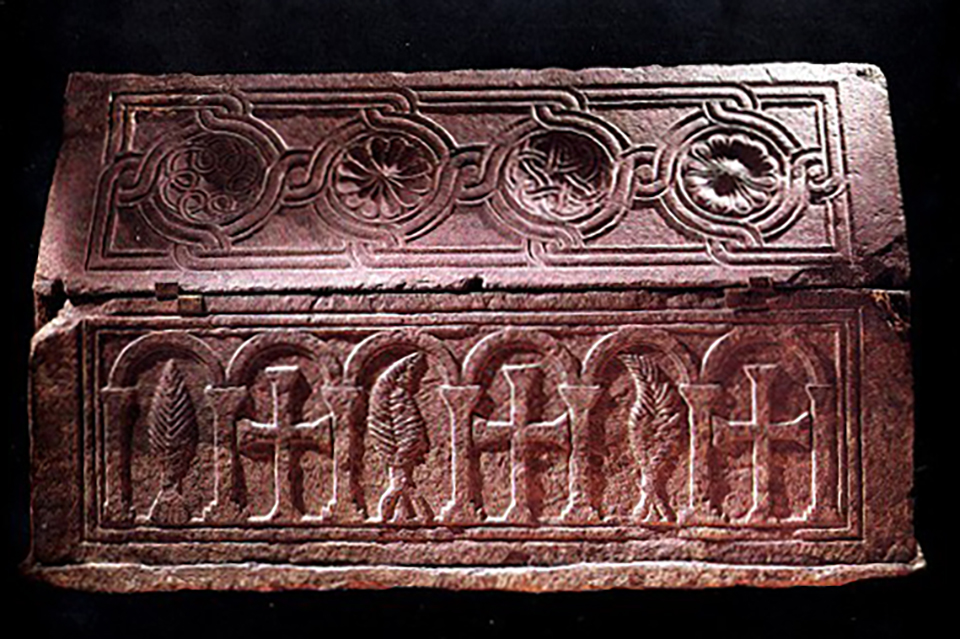
Vladimir the Great is remembered as the founding father of the Kievan Rus'. a succesful viking warrior, he lost his barbarian aura in later chronicles.