Medieval parchment tells a story of how murrains among sheep must have been recurring scourges, threatening the livelihoods of peasants and lords alike.
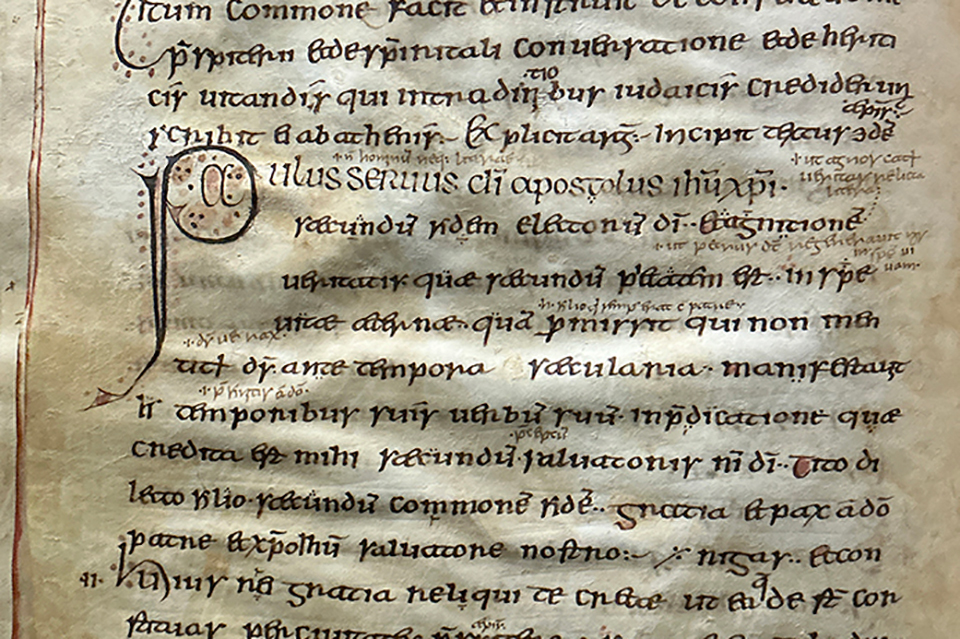
Medieval parchment tells a story of how murrains among sheep must have been recurring scourges, threatening the livelihoods of peasants and lords alike.

Since 2012, archaeologists and scientists have been poking through 1300 bones, the remains of kings, queens and bishops laid to rest in the mortuary chests in Winchester Cathedral.
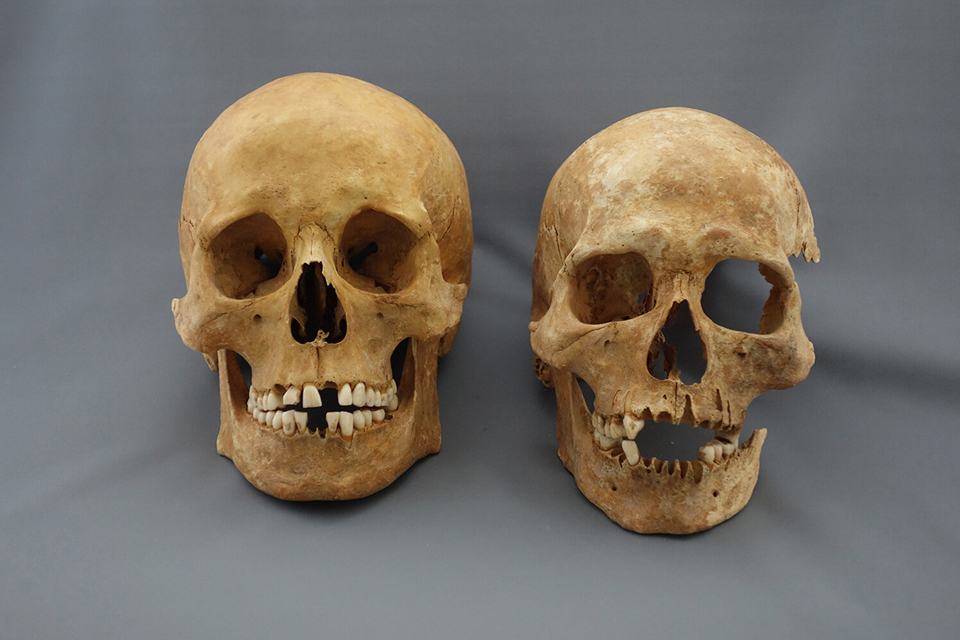
How widespread was the Justinian Plague in the 6th century? And how devastating? New research indicates a situation much like that of the Later Middle Ages.
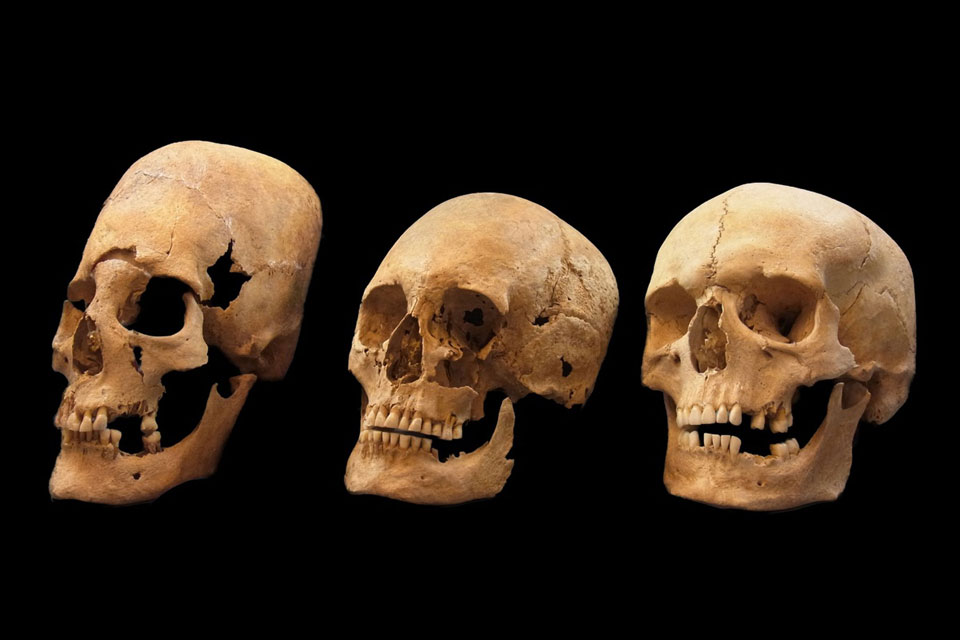
Recently the human remains from 41 graves from six early medieval cemeteries in Southern Bavaria yielded genomic data showing that while men generally had ancestry resembling northern or central Europeans, the women exhibited a very high genetic heterogeneity.
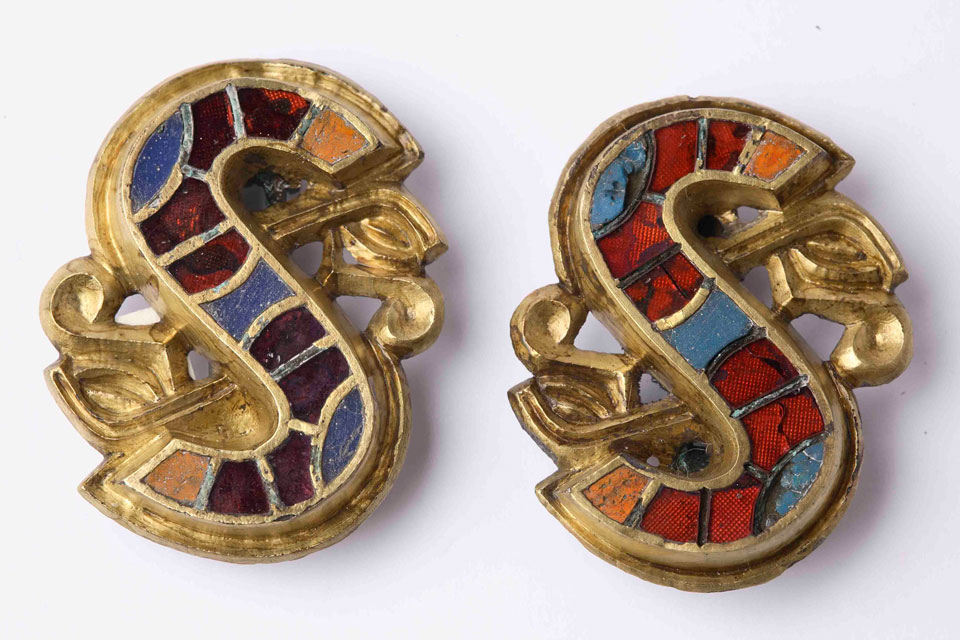
For some time an international and interdisciplinary group of archaeologists, scientists, and historians have worked to uncover the minutiae of the Longobard invasion of Italy in AD 568. Genetic explorations are shedding extremely important new light on the linkage between genetics and cultural profiles.
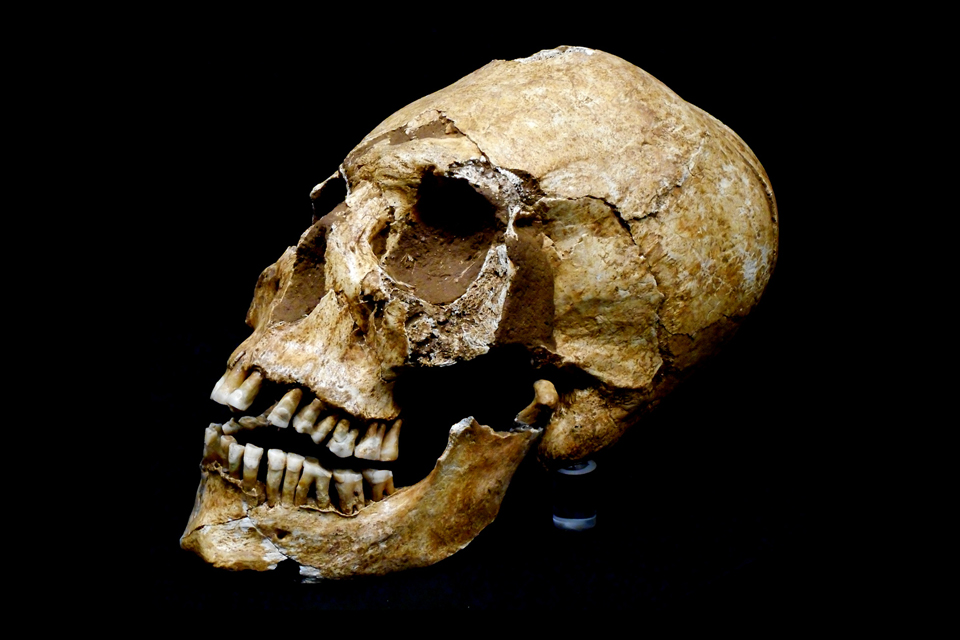
Studies of ancient DNA on skeletons from two migration period cemeteries in Hungary and Italy tells us in detail about the social structure in the 6th and 7th centuries.

When studied by foreigners, Danes always end up as being characterised through their “tribal” lifestyle. New studies of the DNA confirms this trait