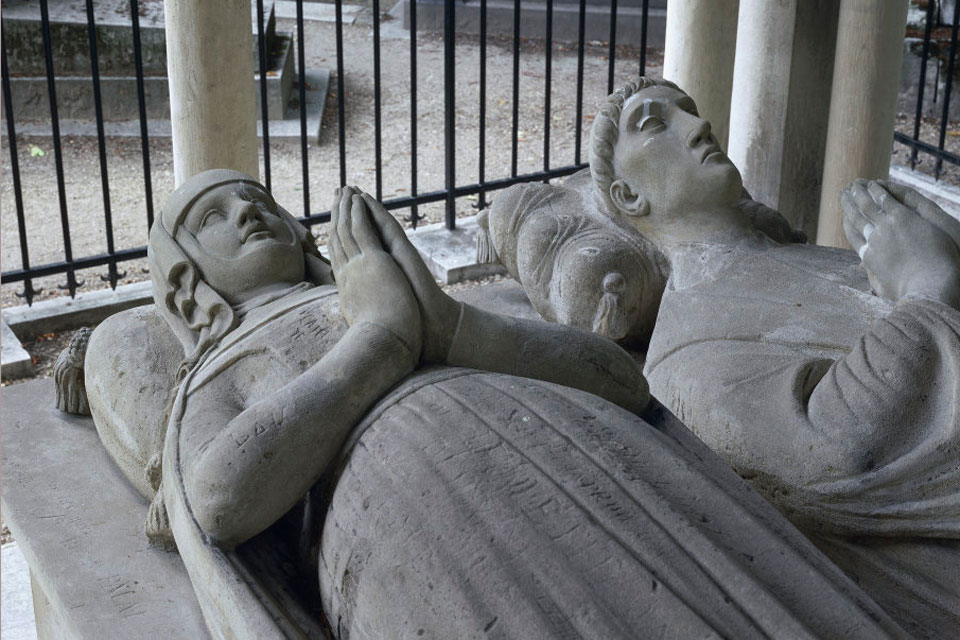
Abelard and Heloise have left us some of the most heart-wringing and evocative love letters ever written. In the 19th century a cult developed among lovelorn youngsters at Père Lachaise
‘Medieval Histories’ offers medievalists all the news about exhibitions, books, research, archaeology, travel-tips and much more from the Medieval World
Abelard and Heloise have left us some of the most heart-wringing and evocative love letters ever written. In the 19th century a cult developed among lovelorn youngsters at Père Lachaise
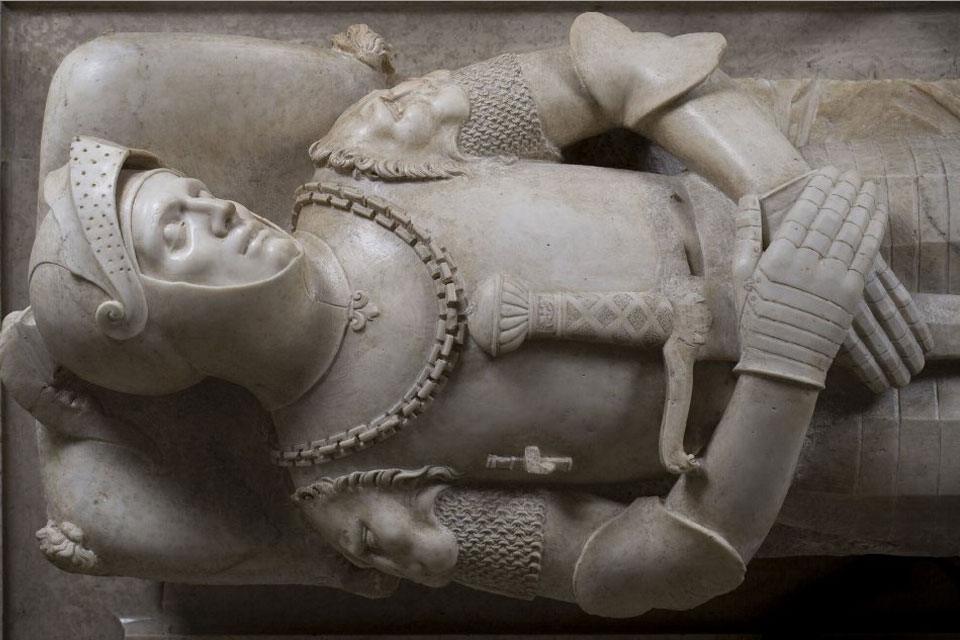
Guidarello Guidarelli (* Ravenna, c. 1450, † Imola, 06.03.1501) was an Italian military leader in the service of Cesare Borgia. He is famous for his effigy

Although founded as the seat of a bishop in the 11th century, it took more than 150 years before Linköping began to look like a proper city.
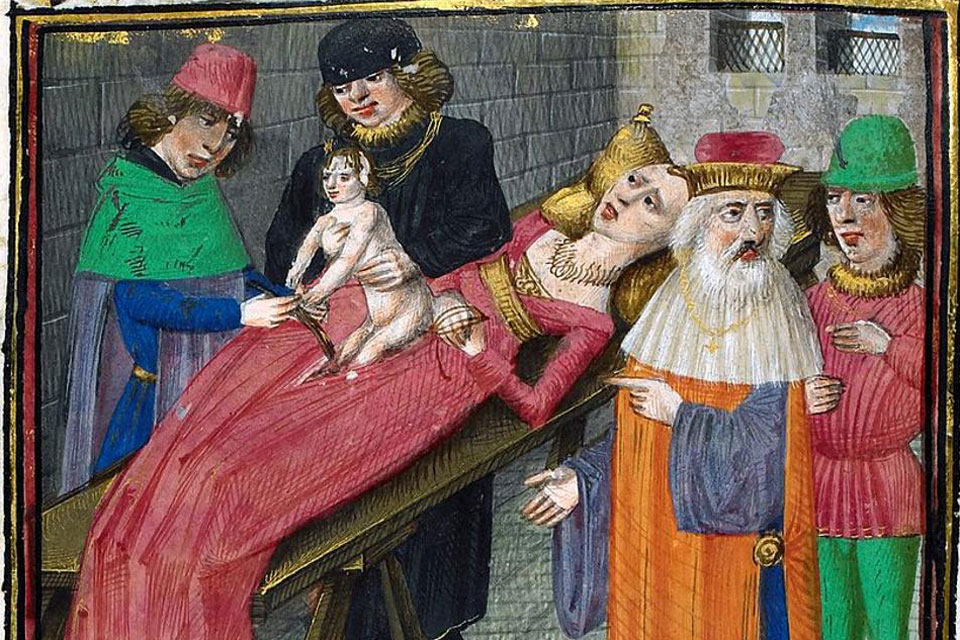
New Czech study raises the question whether a caesarean section was successfully carried out in Prague in the 14th century.
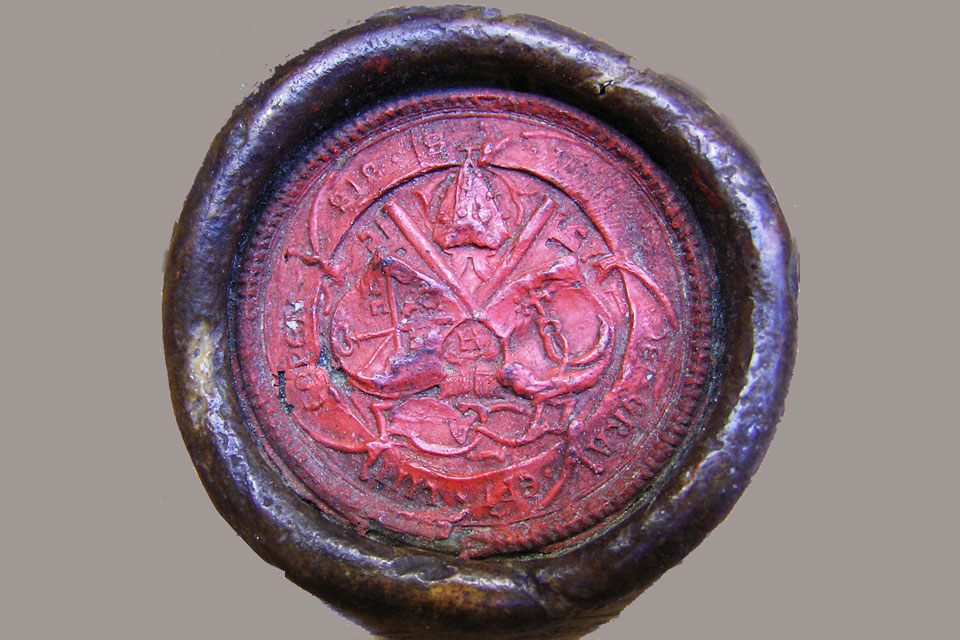
Hans Brask was bishop of Linköping in Östergötland from 1513 – 1527. He is primarily known for his household book with calendar, menus and regulations
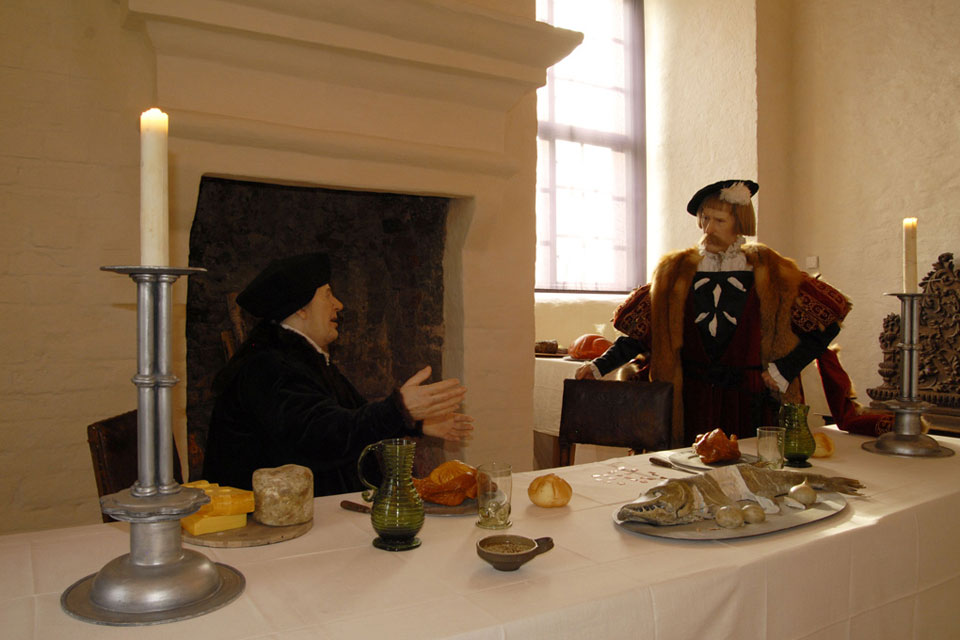
From Sweden comes an old bishop’s manual dating from c. 1520. It tells the story of how Christmas was celebrated in Linköping in Östergötland.
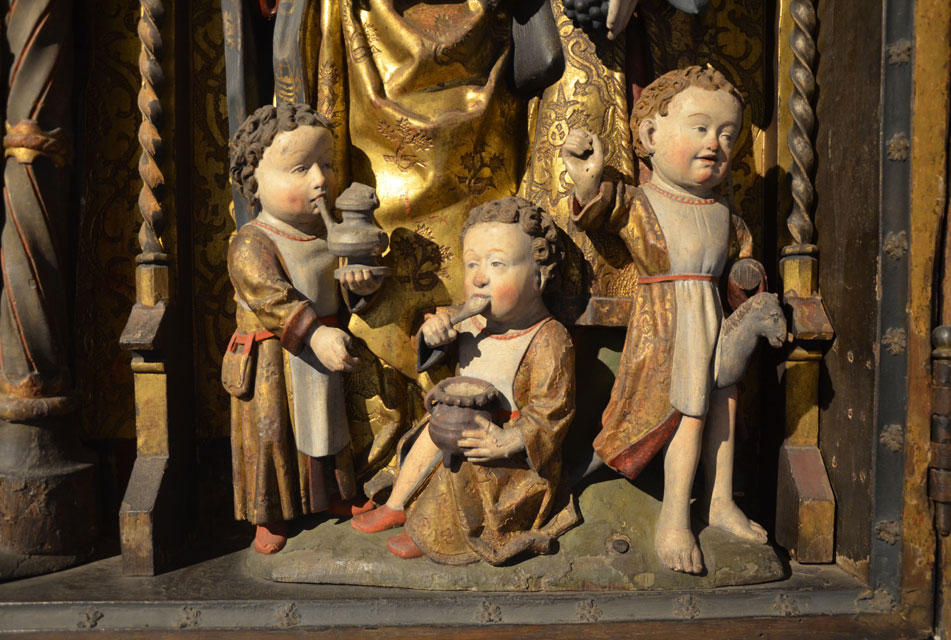
In Late Medieval Germany, Christmas turned into a family event. How did this come about and why?
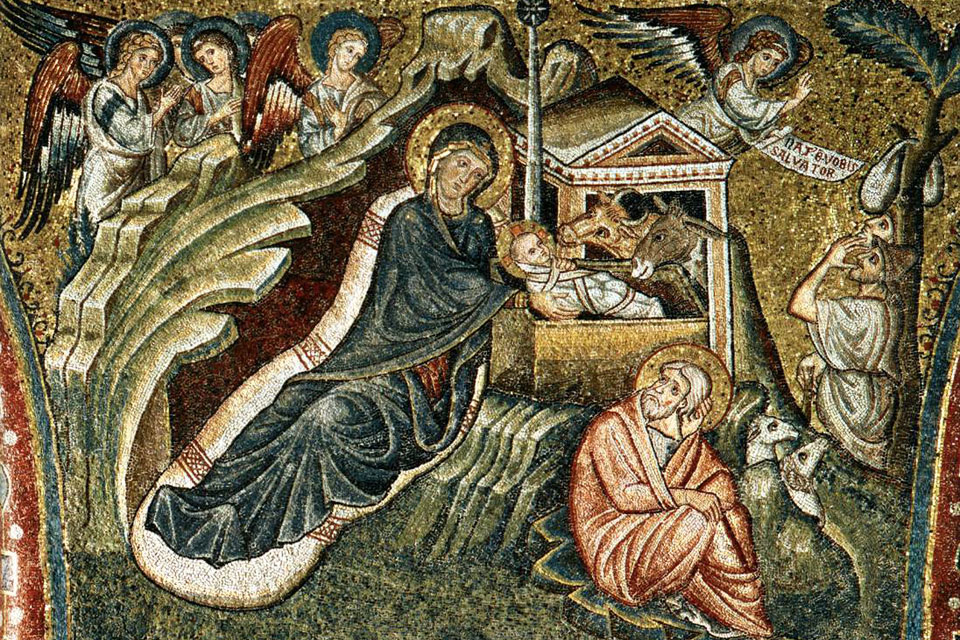
Was the medieval Christmas primarily a religious feast? Or a boisterous folk-festival? The answer is probably both!
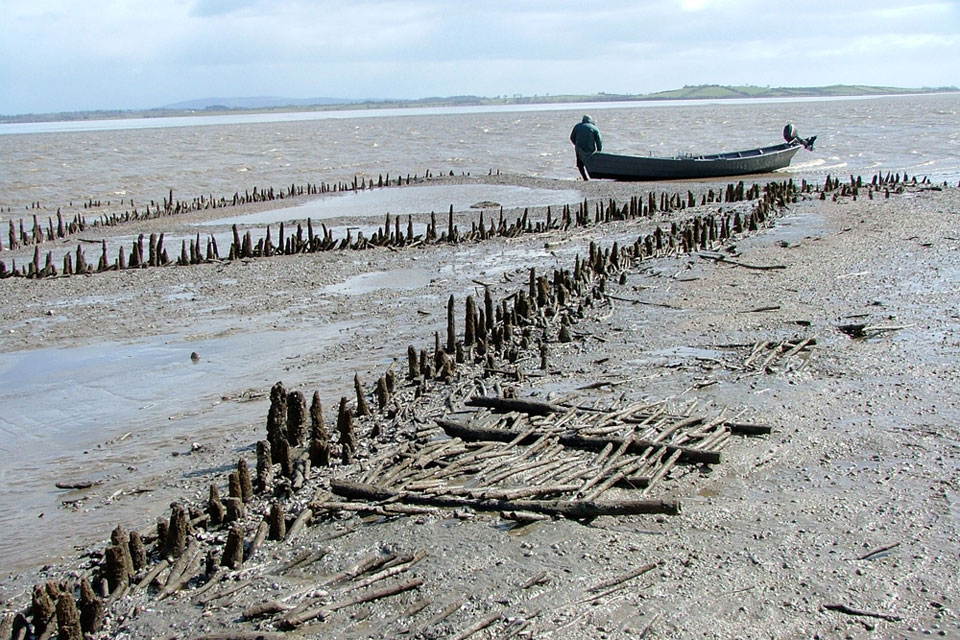
We may feel that nature is given. But it is also a significant cultural and historical construct. New book offers introduction to environmental history
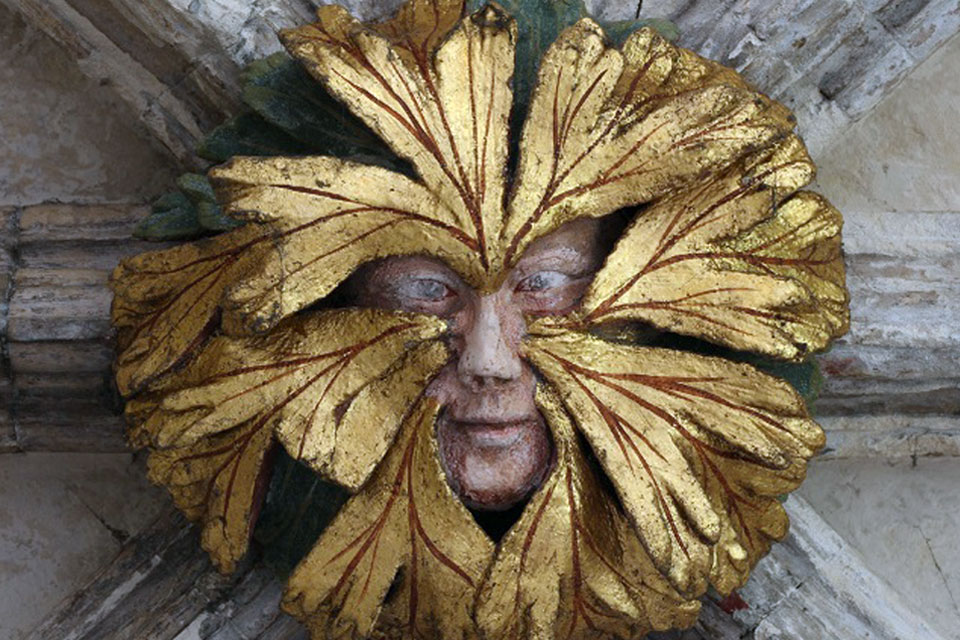
Environmentalism covers the ancient idea that environments and climate influences our mentalities. New book offers an introduction
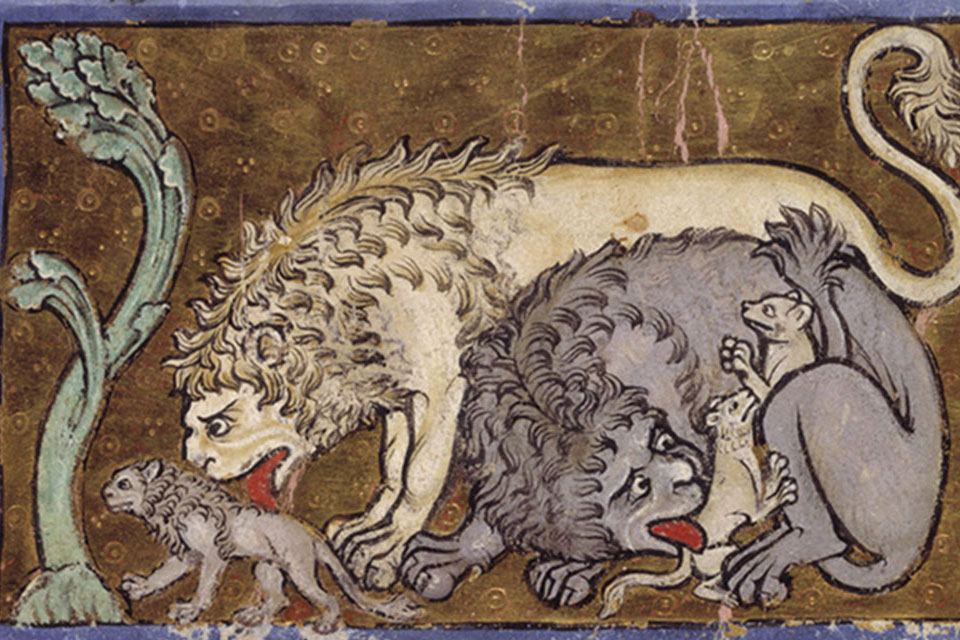
New series in environmental humanities aim to offer interdisciplinary approaches to medieval, early modern, and global pre-industrial cultures
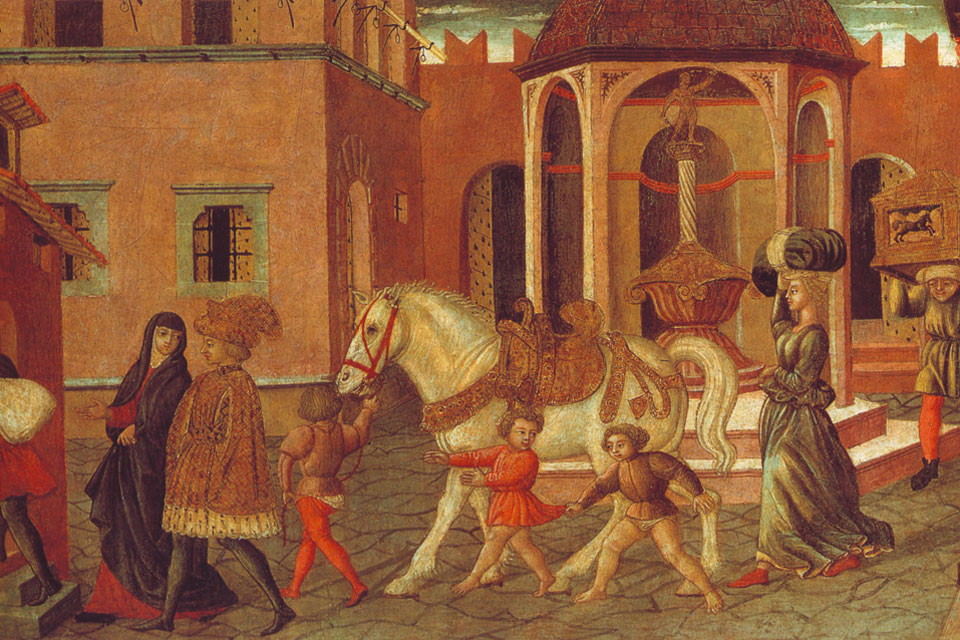
Cassoni are known as bridal chests made in Italy from the 14th to the 16th centuries. Lavishly painted, they were gifted by the groom to the bride.

Giovanni dal Porte is an important Florentine artist bridging late Gothic and Early Renaissance. This winter, an exhibition in Florence shows his work.

The staff or wand was an important accessory used by the Völva when carrying out her magic. New book explores the staffs in both literature and archaeology

This week we have witnessed a shift in global politics difficult to come to terms with. One way is by imagining a post-liberal, clannish, medieval society.

Nearly destroyed in 1936 during the Civil War, the murals from Santa María de Sigena are at the centre of a vicious fight between Catalonia and Aragon