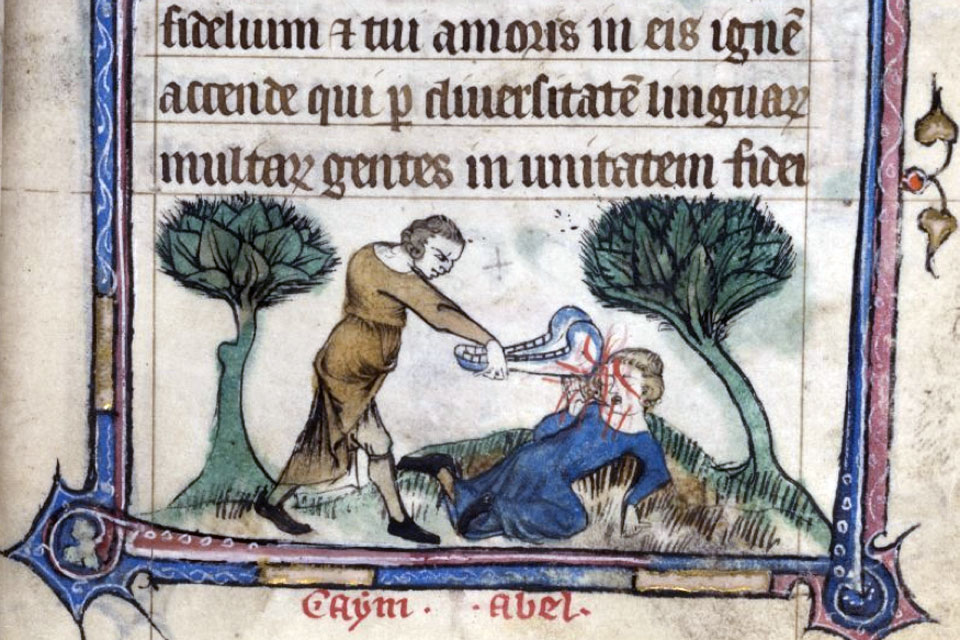
The chances of dying from violence in the Middle Age were seven times higher than it is today. It appears culture and state-formation plays important roles.
‘Medieval Histories’ offers medievalists all the news about exhibitions, books, research, archaeology, travel-tips and much more from the Medieval World
The chances of dying from violence in the Middle Age were seven times higher than it is today. It appears culture and state-formation plays important roles.
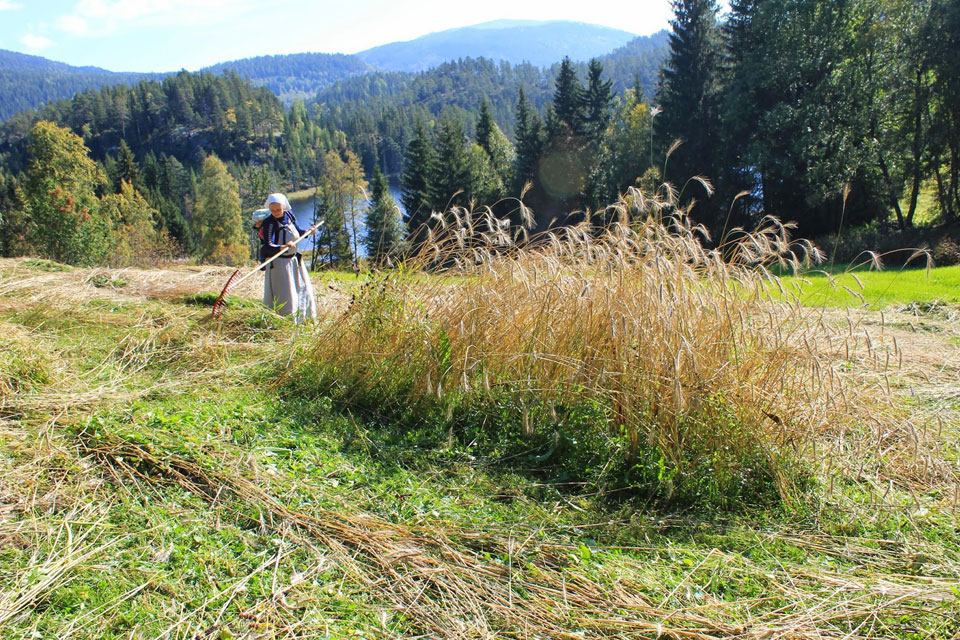
When cold and wetter climate hit Europe in the 5th century, rye became part of a new and more varied bread culture. Baking Rye bread has medieval roots
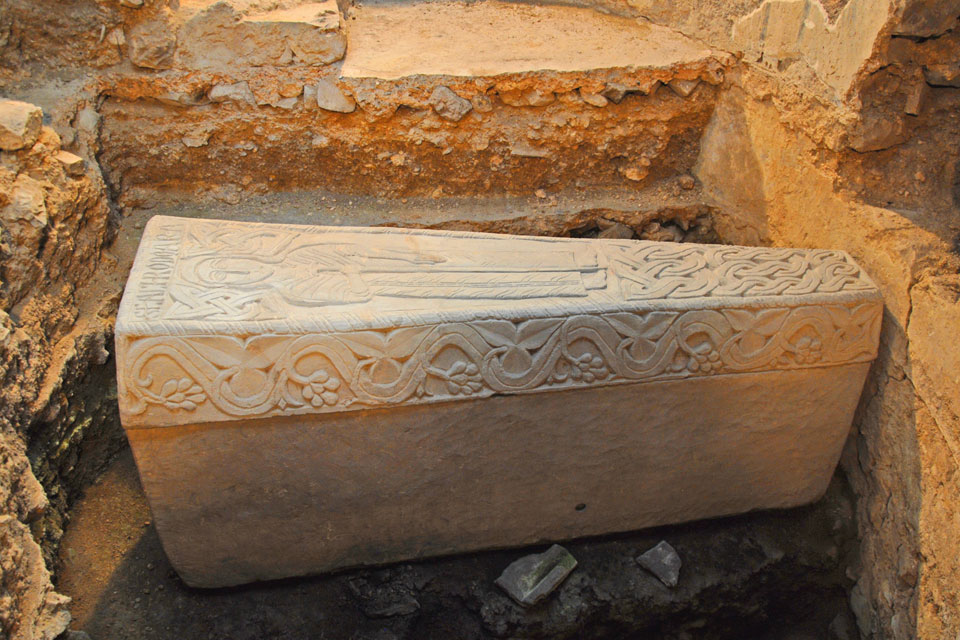
In 1977 the Sarcophagus of Chrodoara was discovered in the church in Amay. The stone-carvings on the slab are widely recognised as unique
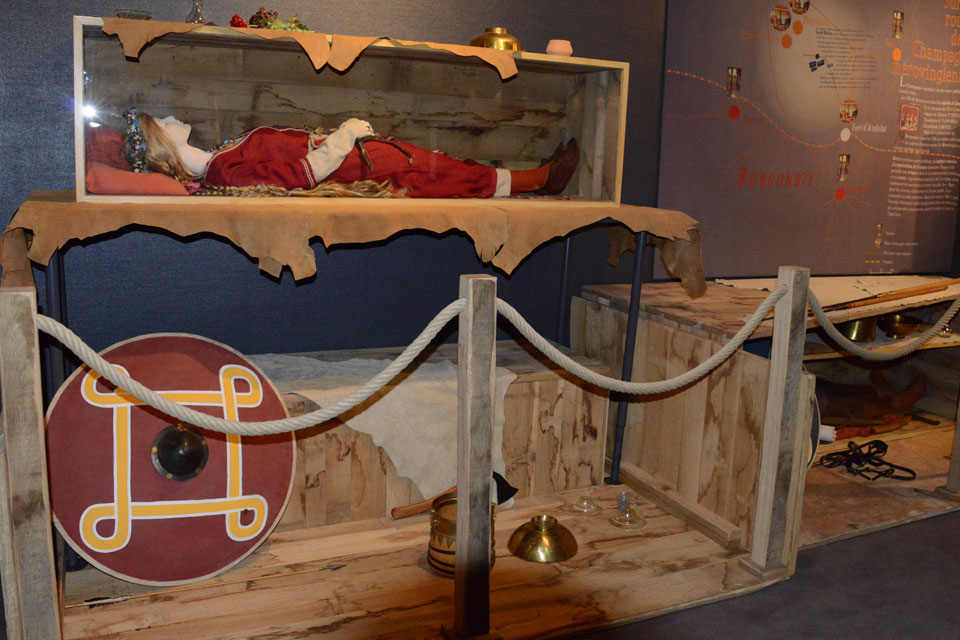
While in Paris to see the exhibition on the Merovingian Times, remember to take a detour to Saint-Dizier to see the exhibition on Austrasia
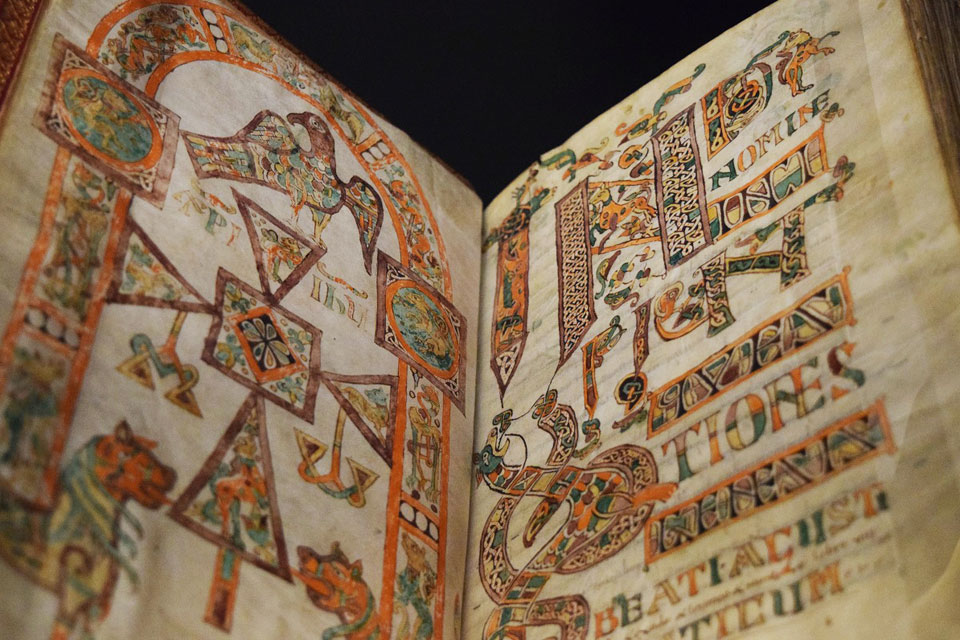
Major exhibition on the Merovingian Times in Paris at the Musée de Cluny is a must-see for any medievalists this winter
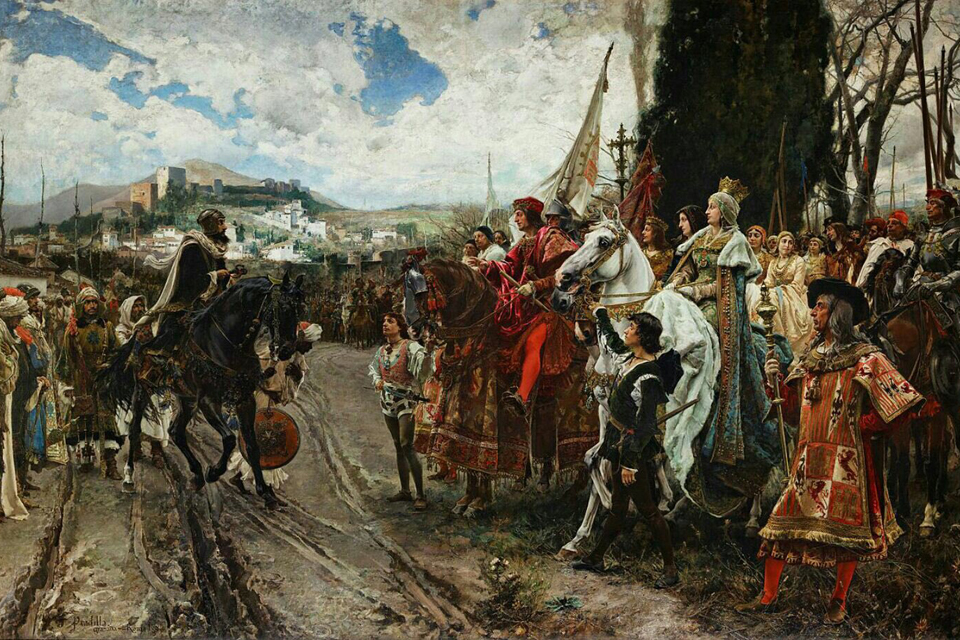
This week the re-conquest of Granada in 1492 was once more celebrated in the streets while a squabble broke out among politicians, artists and historians about the (lack of) political correctness.
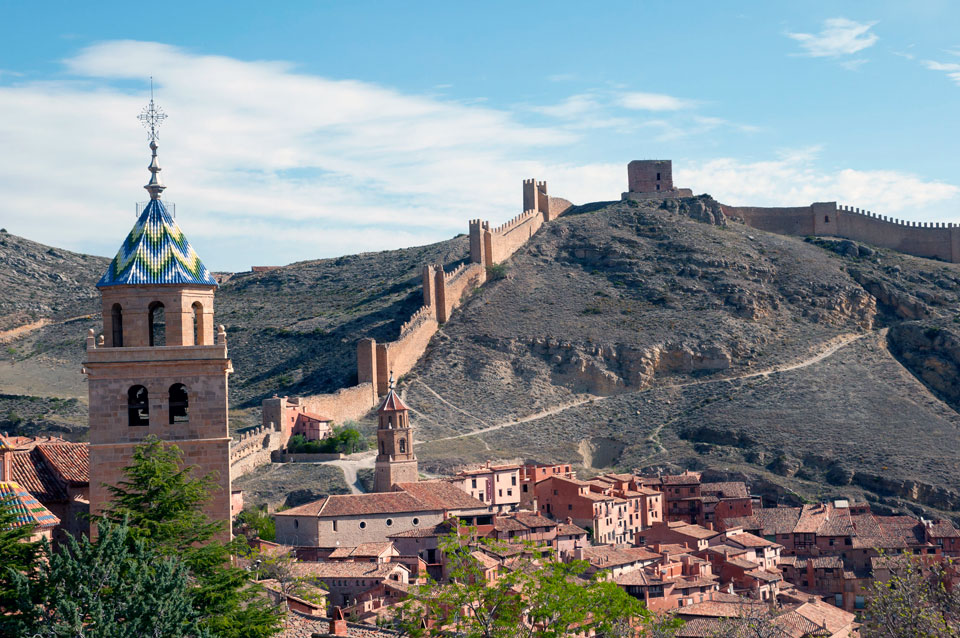
Declared a National Monument in 1961, the medieval town of Albarracin is probably one of the most beautiful and evocative places to experience old Spain
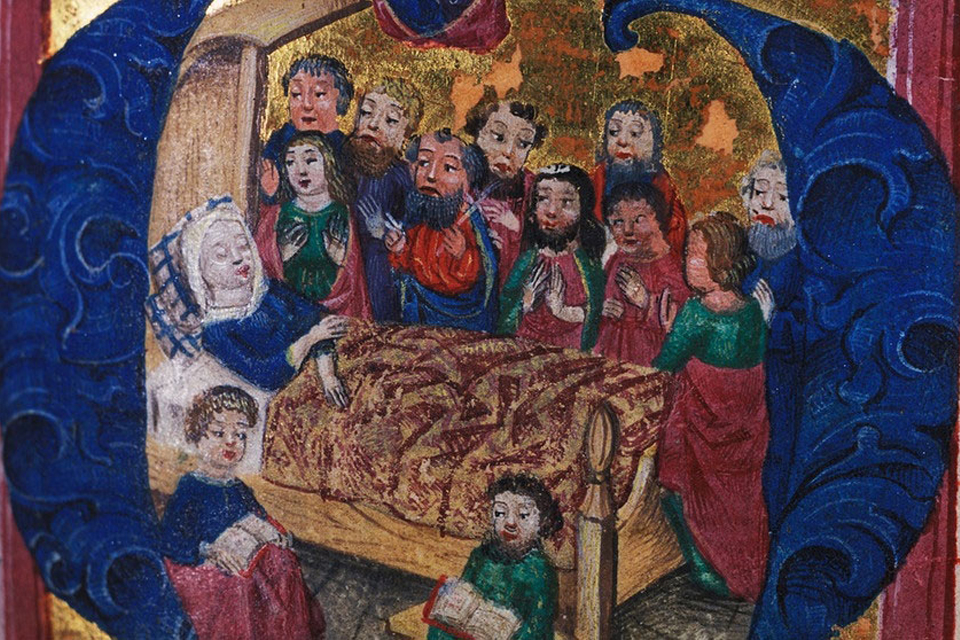
In December 2015, the Munich Diocese decided to close the Bridgettine Abbey in Altomünster. The future fate of the priceless collections is unknown.
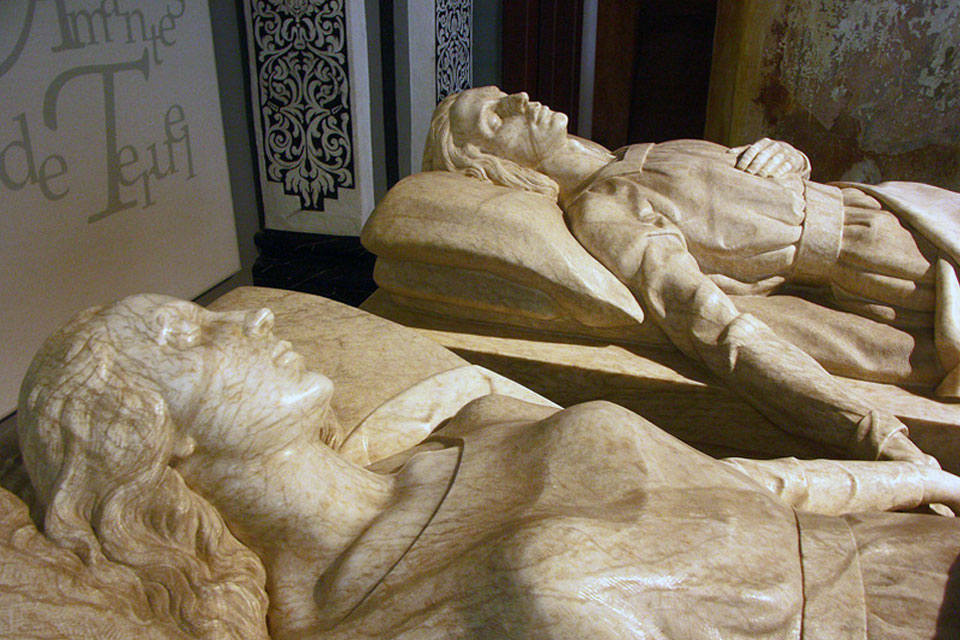
The Story of the Lovers of Teruel published in the 16th c entury is said to have a medieval tragedy at its core.
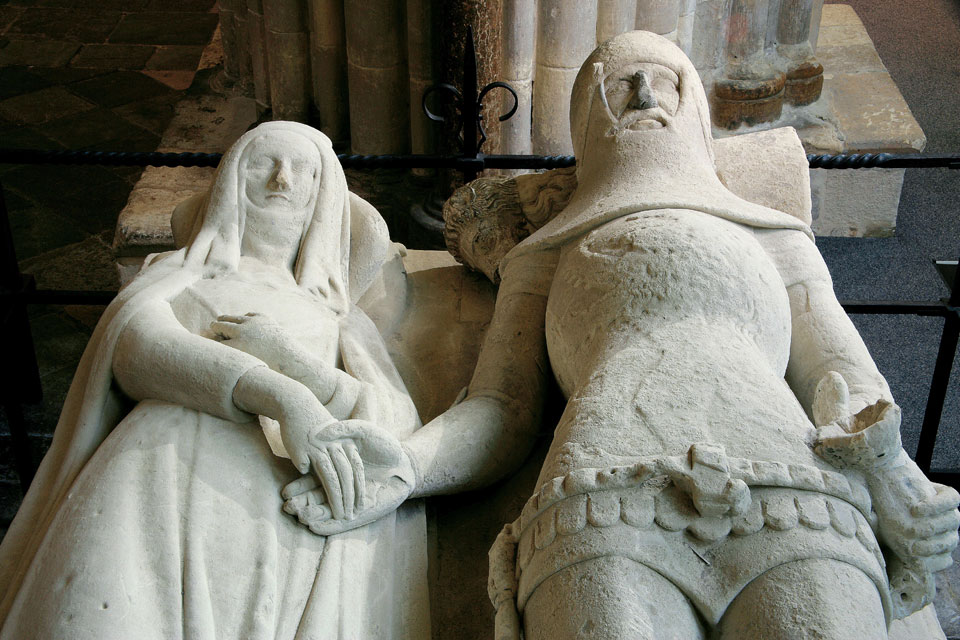
A memorial for Philip Larkin has been revealed in the Poets’ Corner in Westminster Abbey. This invites us to ponder the medieval Arundel Tomb, which inspired him
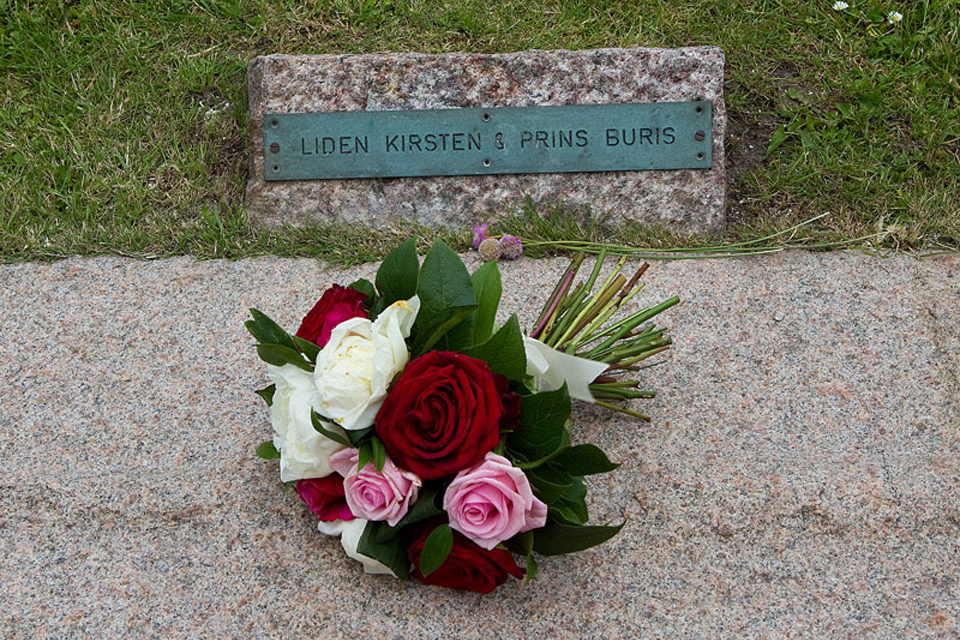
In Vestervig in Northern Jutland newly wedded brides place their wedding bouquets at a 13th century medieval tombstone. Why is that?
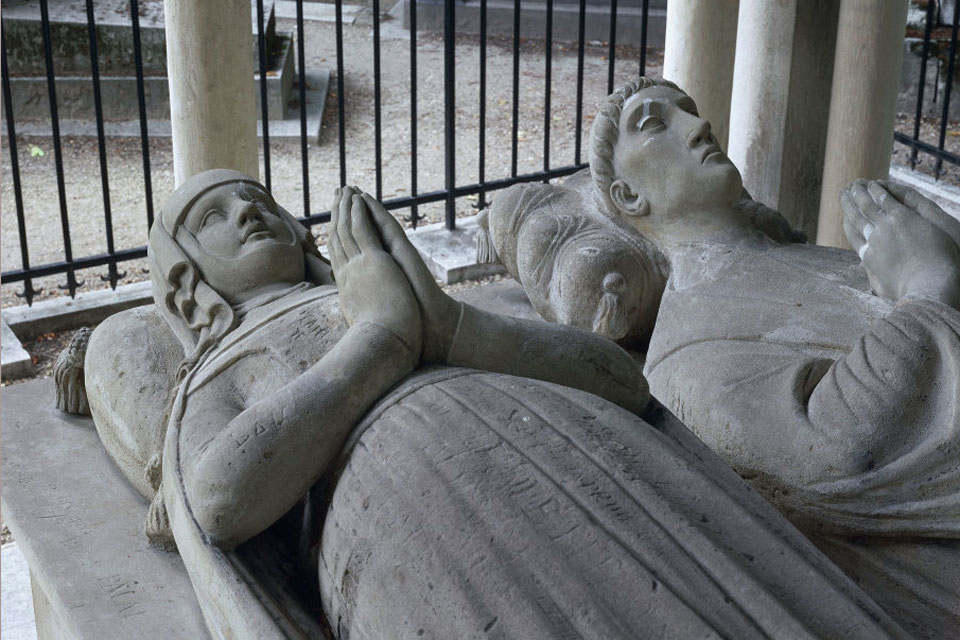
Abelard and Heloise have left us some of the most heart-wringing and evocative love letters ever written. In the 19th century a cult developed among lovelorn youngsters at Père Lachaise
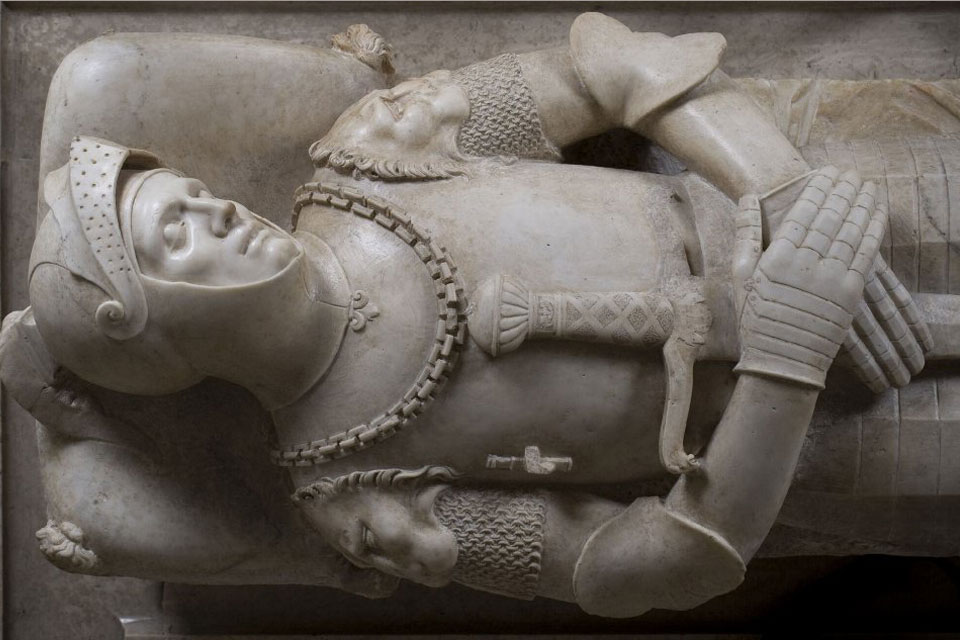
Guidarello Guidarelli (* Ravenna, c. 1450, † Imola, 06.03.1501) was an Italian military leader in the service of Cesare Borgia. He is famous for his effigy

Although founded as the seat of a bishop in the 11th century, it took more than 150 years before Linköping began to look like a proper city.
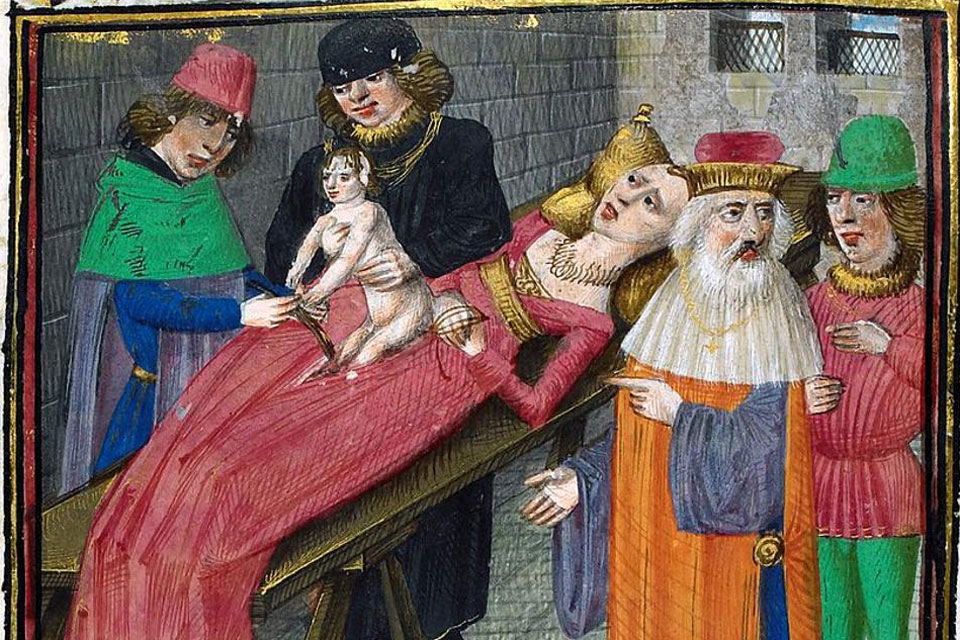
New Czech study raises the question whether a caesarean section was successfully carried out in Prague in the 14th century.
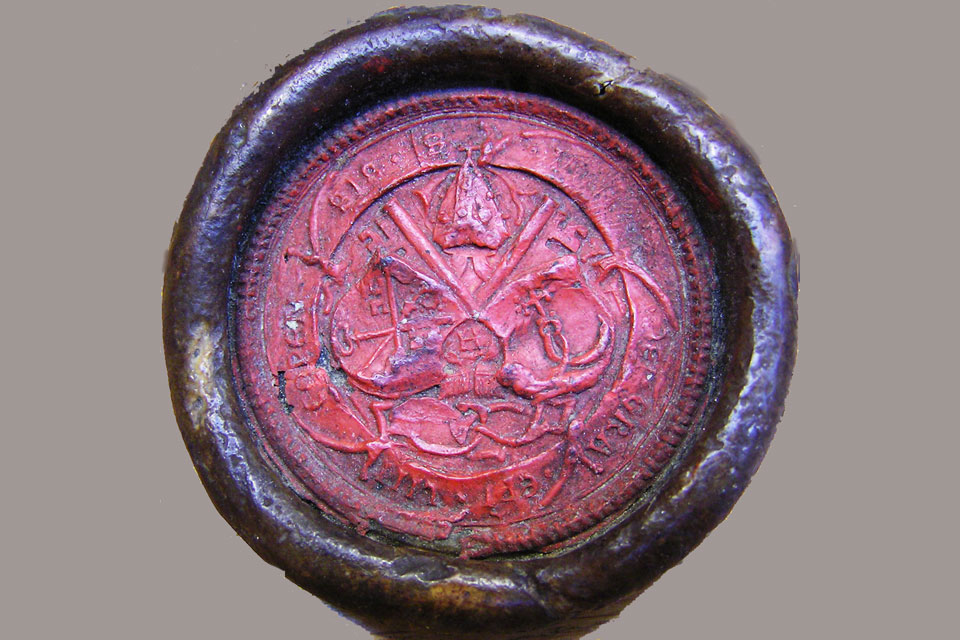
Hans Brask was bishop of Linköping in Östergötland from 1513 – 1527. He is primarily known for his household book with calendar, menus and regulations