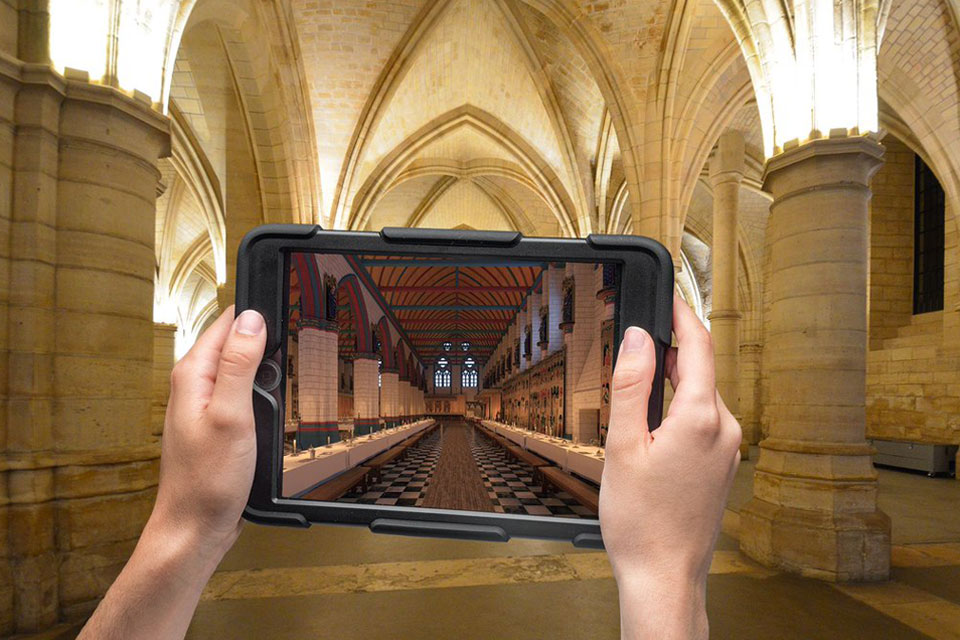
In 1377 a fabulous medieval Christmas banquet was celebrated in the ancient royal castle at île des la Cité. A newly opened exhibition tells the story
‘Medieval Histories’ offers medievalists all the news about exhibitions, books, research, archaeology, travel-tips and much more from the Medieval World
In 1377 a fabulous medieval Christmas banquet was celebrated in the ancient royal castle at île des la Cité. A newly opened exhibition tells the story
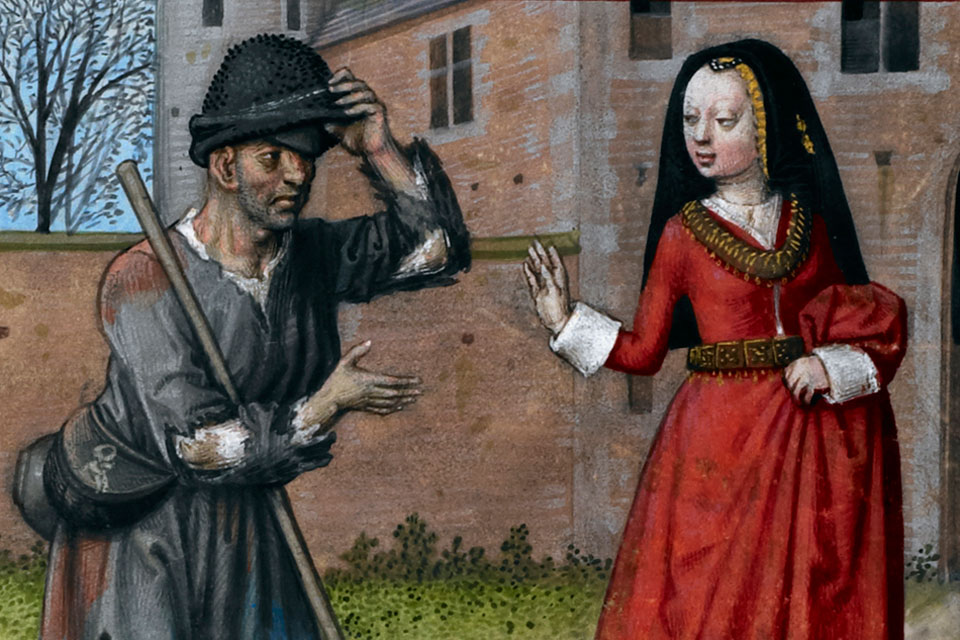
Inequality is here to stay. The question is only, how “medieval” will it become? And when will the crash set in?
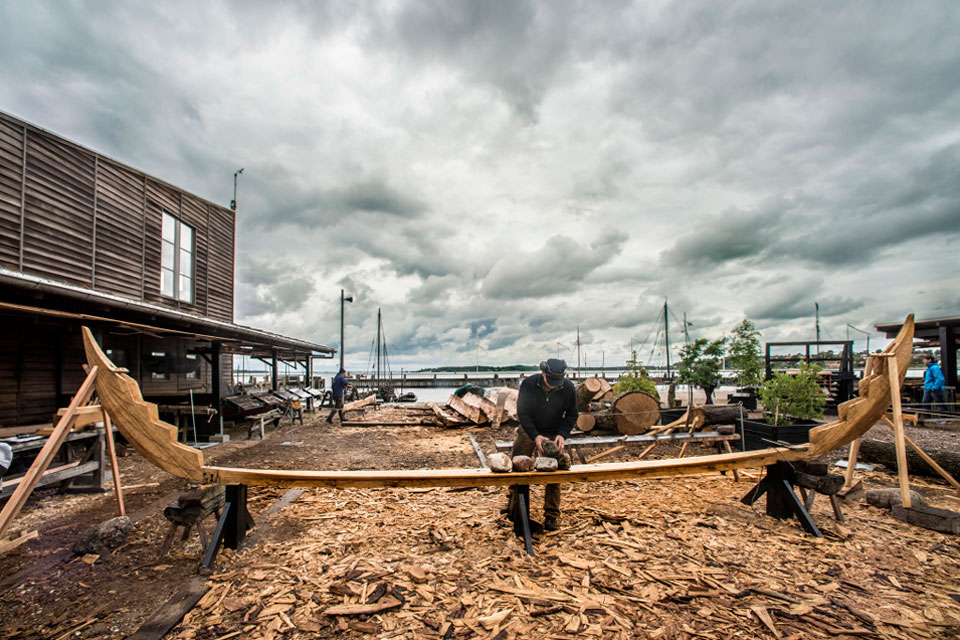
Studies of Vikings and their pirating and warfare seldom pause to reflect upon the enormous investment, the ships represented. New book sets this right.
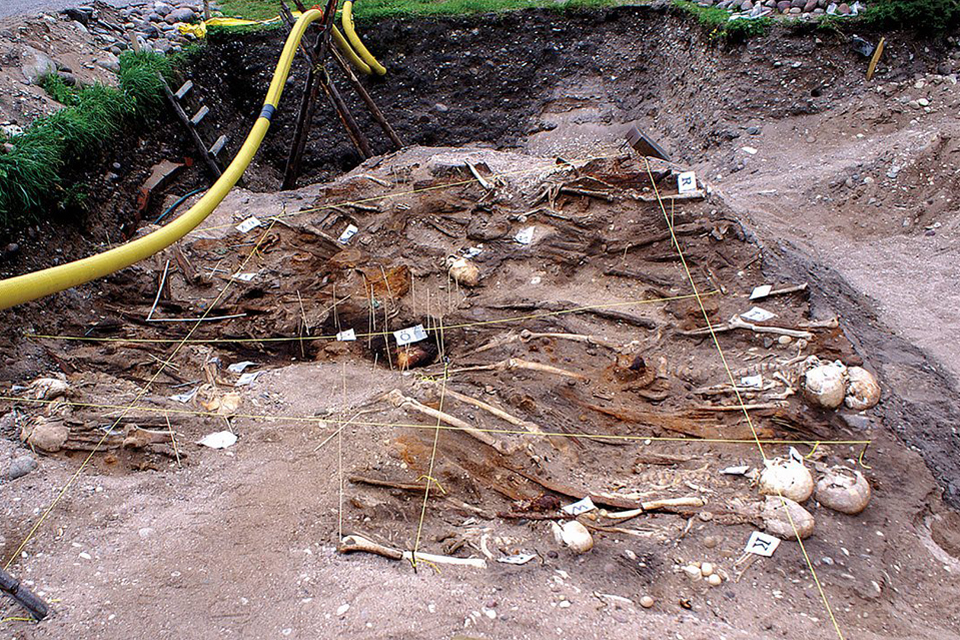
Around 750 CE 41 people were buried in two Viking ships at Salme in Estonia. New studies tell us about who they were and where they came from

Ship burials in North Western Europe are few and far between. The question is: when and where did this burial practice originate?
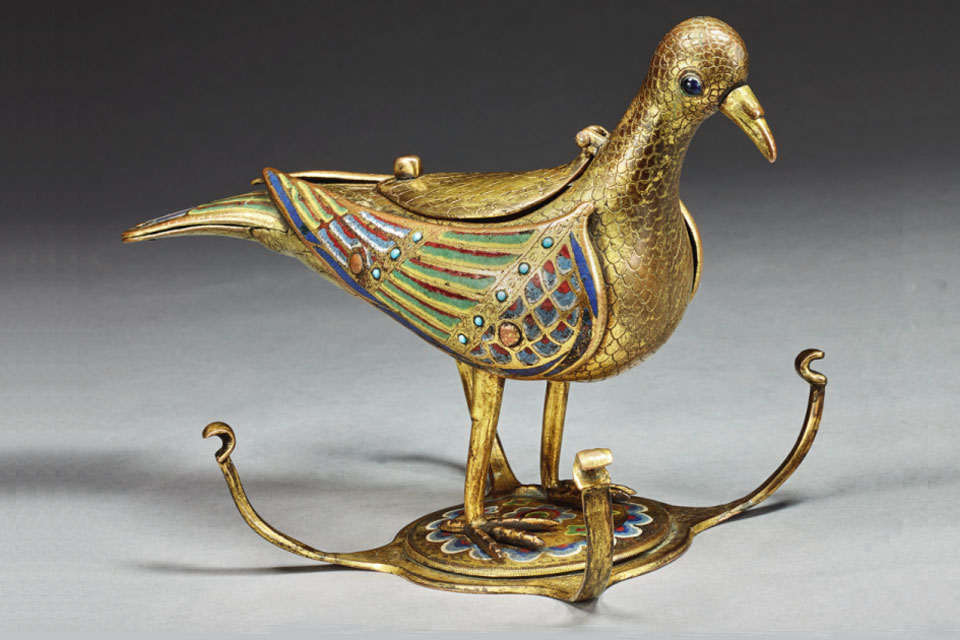
The price went soaring when Sotheby’s sold a eucharistic dove from 13th century Limoges
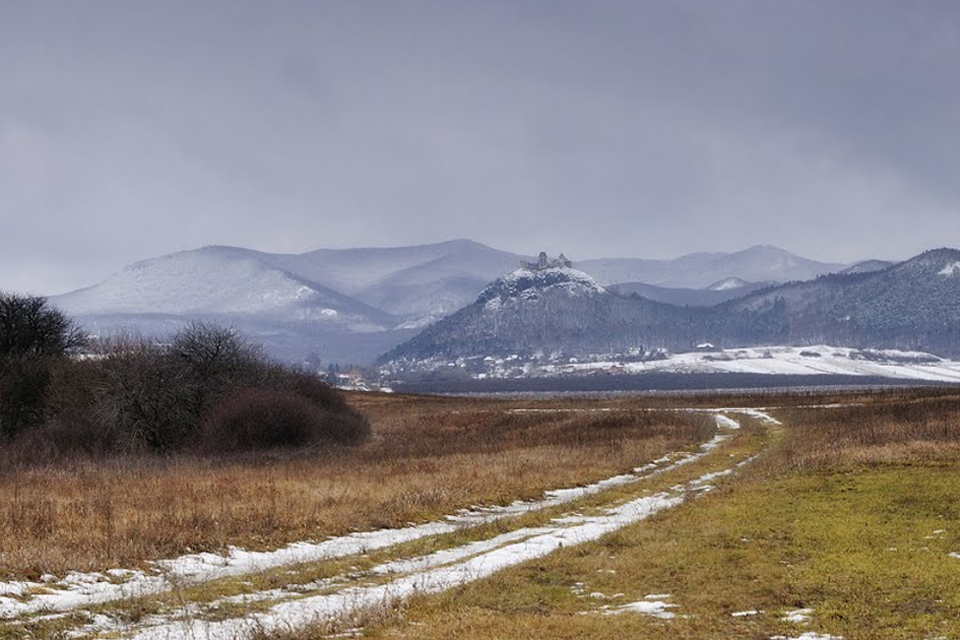
Until recently the Castle of Füzér was a dilapidated ruin romantically hewn from a steep rock in north-eastern Hungary. Now it has been completely rebuilt.
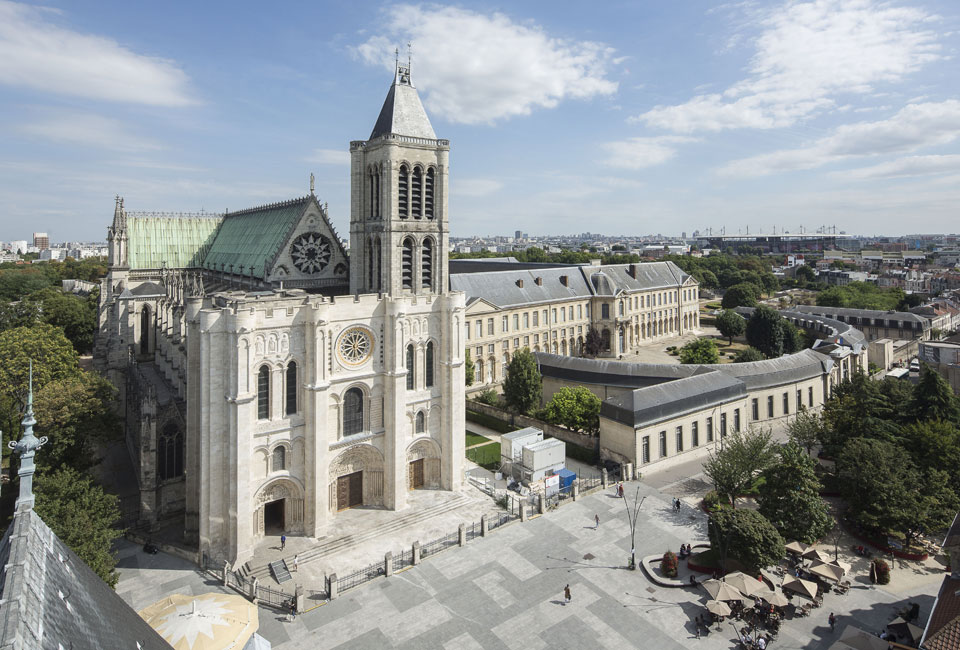
St. Denis in Northern Paris was the first Gothic cathedral. In 1846 its magnificent spire crumbled in a storm. Now, plans are underway to reconstruct it
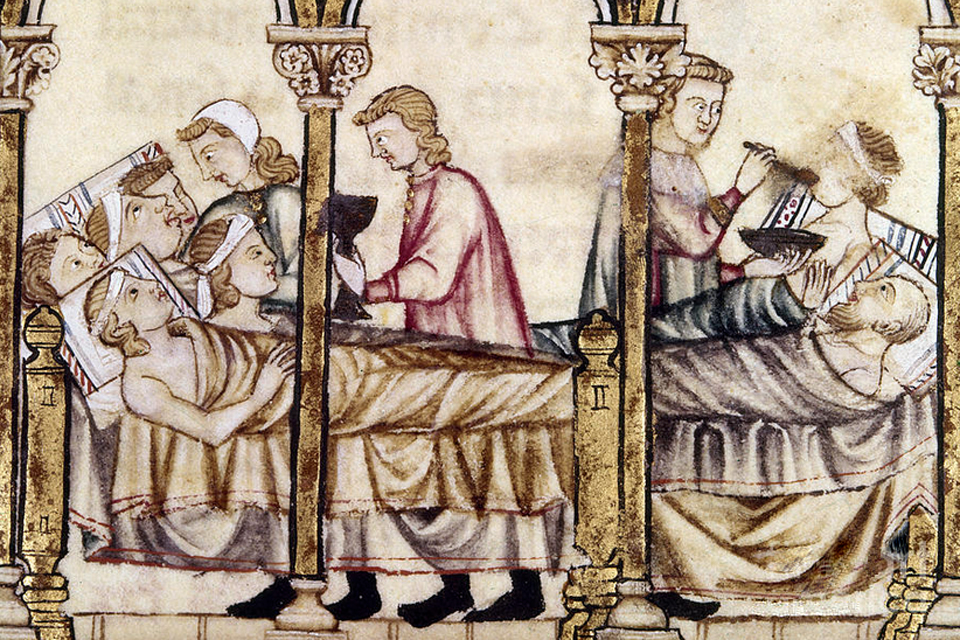
We all know that medieval chicken soup is a great healer for anyone suffering from pneumonia, asthma, or just an ordinary cold. But it is also comfort food
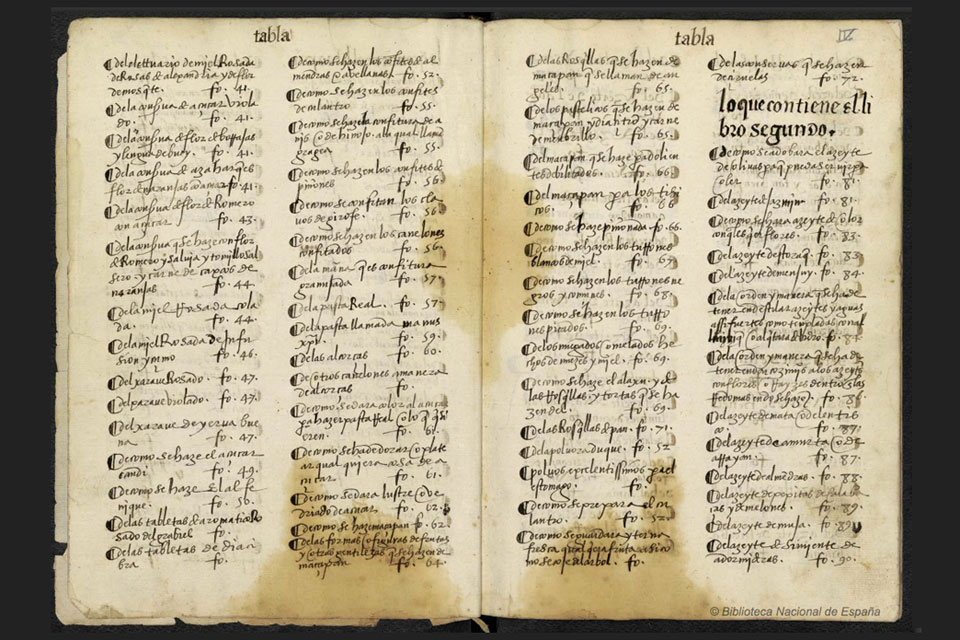
Medieval Spanish cookbooks witness to a diverse cultural heritage inspired by Arab as well as Catalan and Castilian traditions
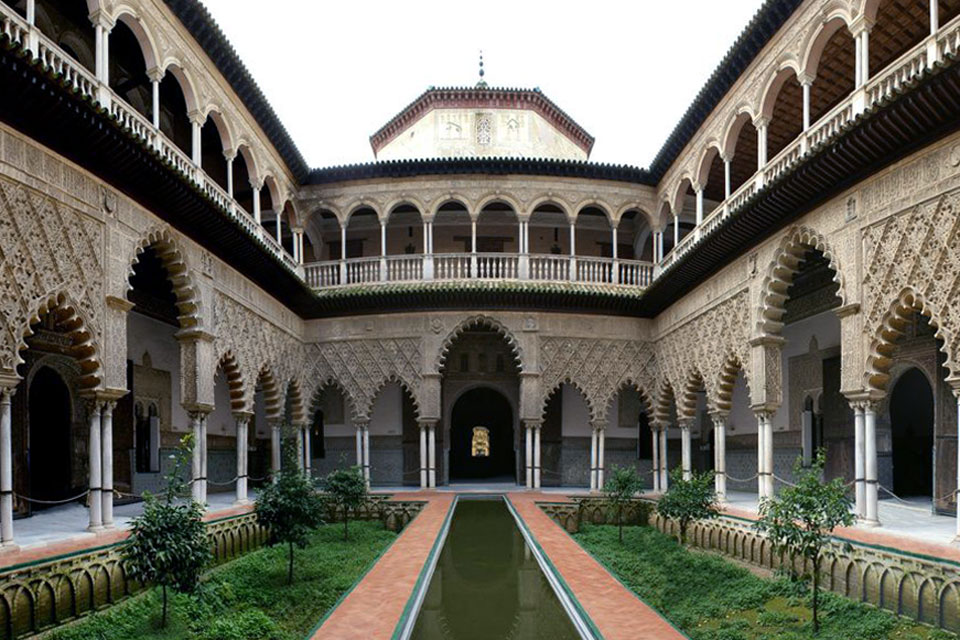
The remains of a Castilian king and his family from the 14th century reveal a diet rich in wheat bread and meat.
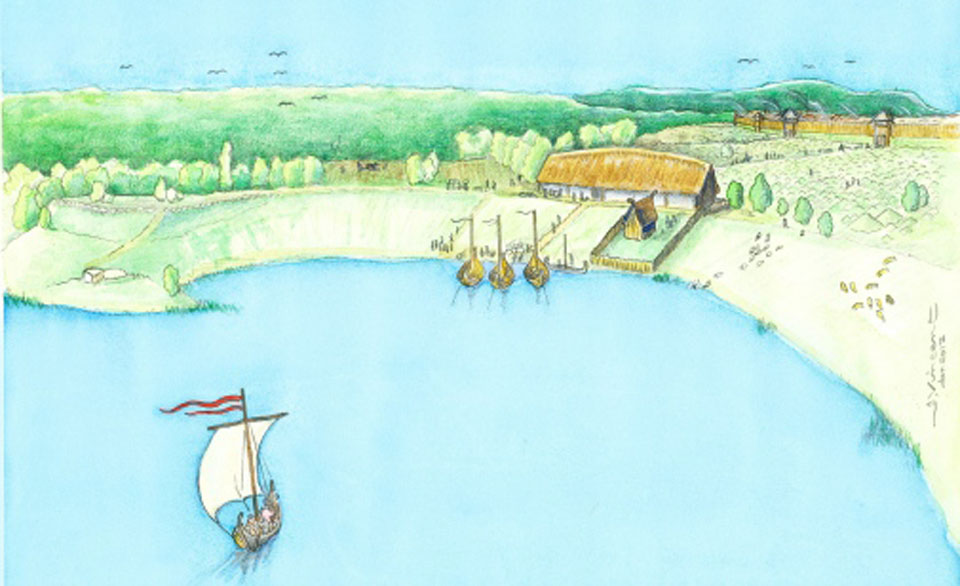
Ansgar arrived at Björkö near Stockholm in AD 829 and converted the royal bailiff there. New surveys indicate his first church may have been found.
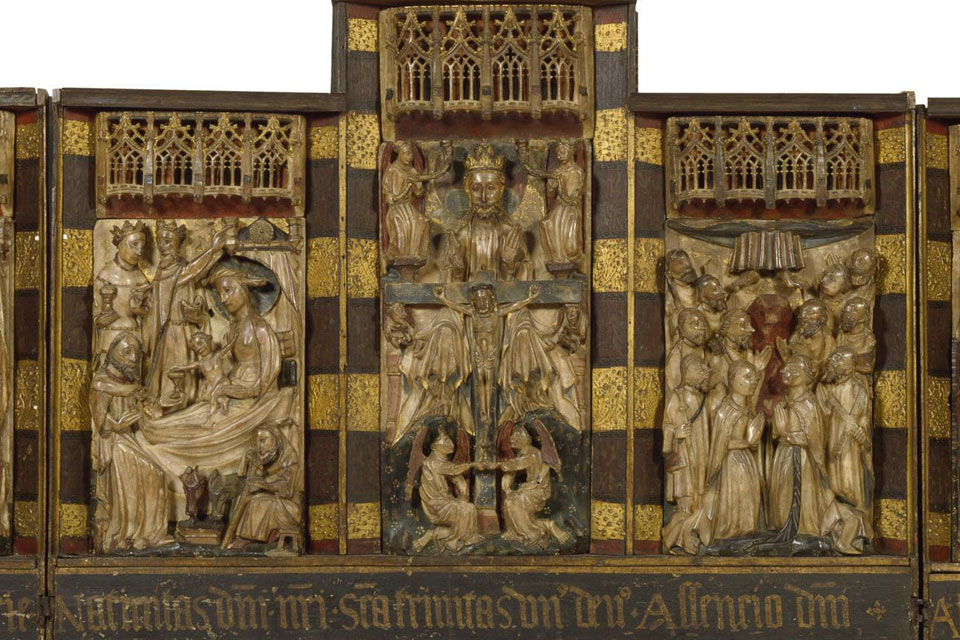
The Netherlands may be known for their carved late medieval altar-pieces. From England came a competing product, its alabaster carvings

Late medieval manuscripts are filled with lovely interiors. New book delights in showing off the decorative details and explain the stories behind
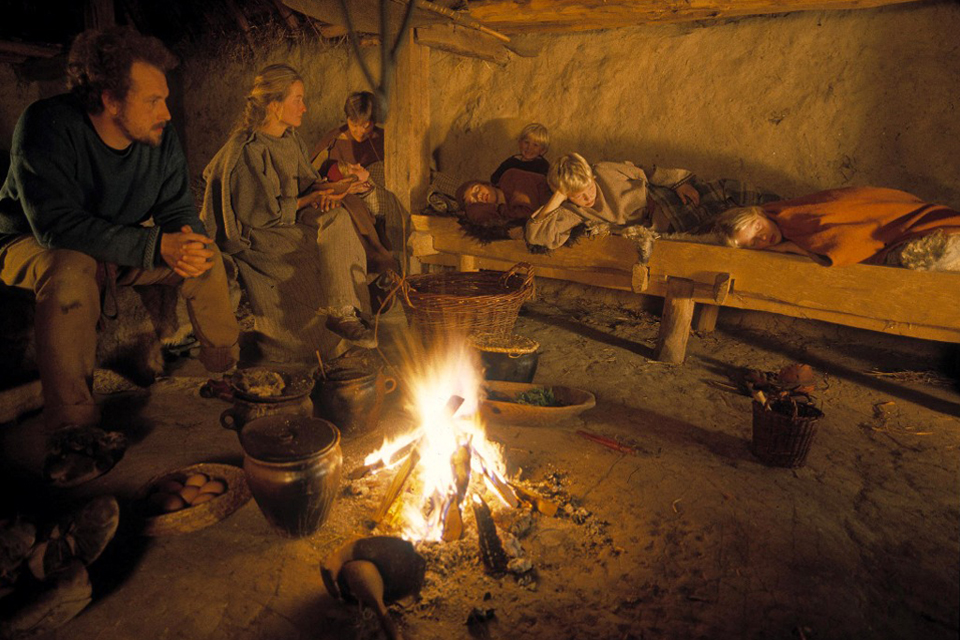
Medieval creativity: While Vikings huddled around long fires, the French sat with their backs to chimneys and the Germans invented tiled ovens.
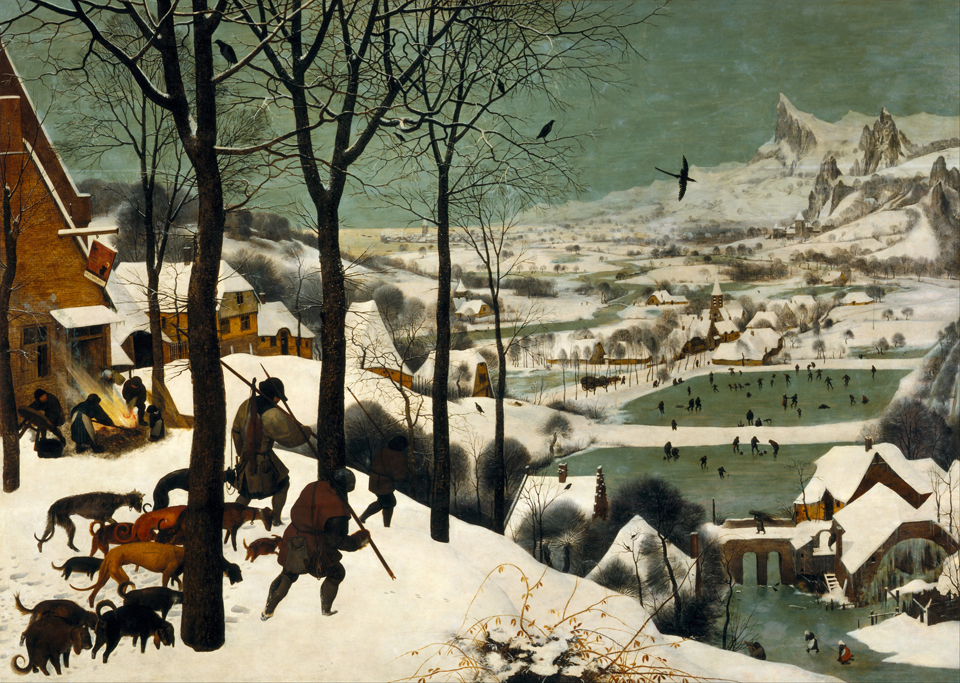
Hunters in the Snow is one of the most evocative paintings of winter. Often regarded as a modern work, it is in fact deeply religious