Viking warfare and plunder is a keynote for the Viking 2013 exhibition in Copenhagen...
Category: Medieval History
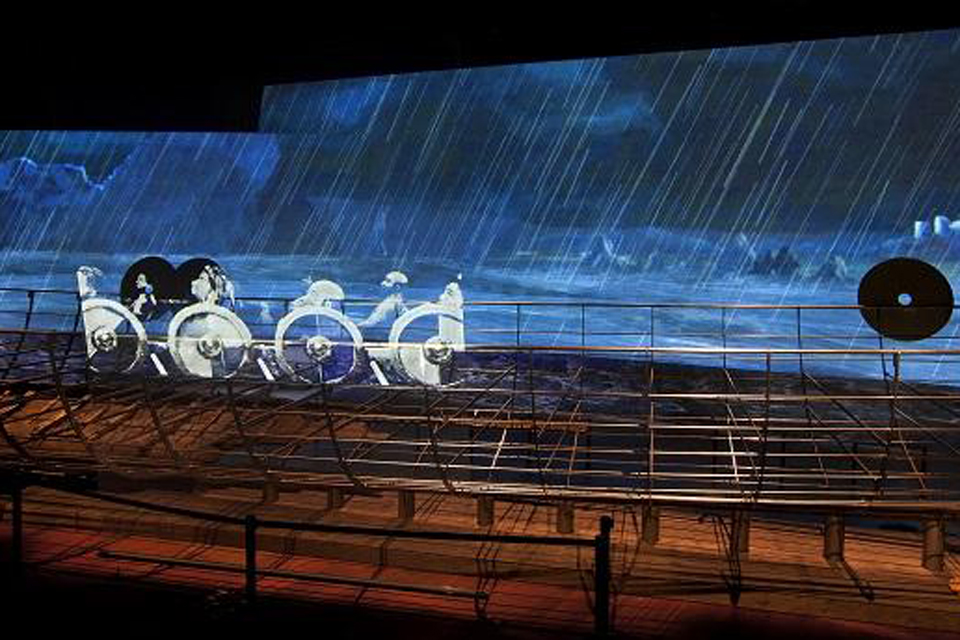
Vikings Ahoy!
Heave to Copenhagen, where the Viking 2013 is on show all summer and autumn at The National Museum...

Viking Splendour
The Viking economy of gifted splendour is the third angle of the exhibition Viking 2013...

Viking Myths
The world of Viking myths and religion is the fourth part of the exhibition Viking 2013...
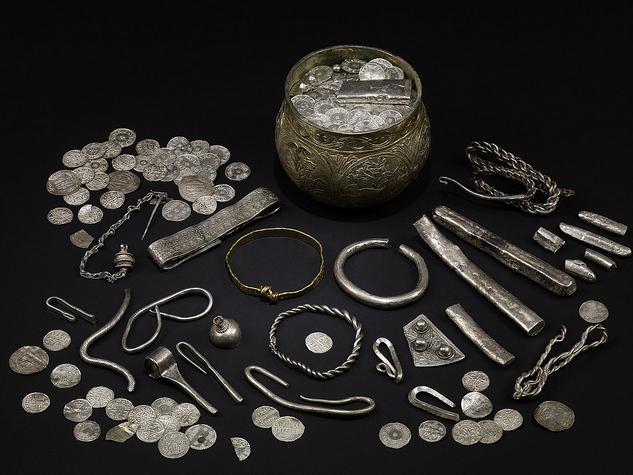
Viking Culture
Material Viking Culture was inspired by plunder and trading ventures...
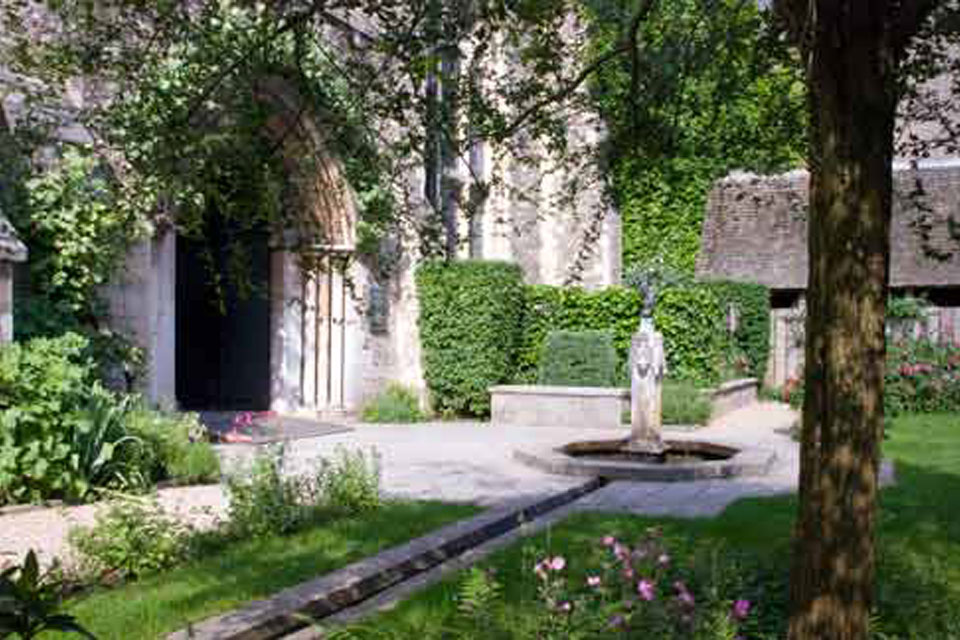
Heavenly Delights in Medieval Gardens
Medieval garden books offer a wide variety of inspiration for the avid gardener...
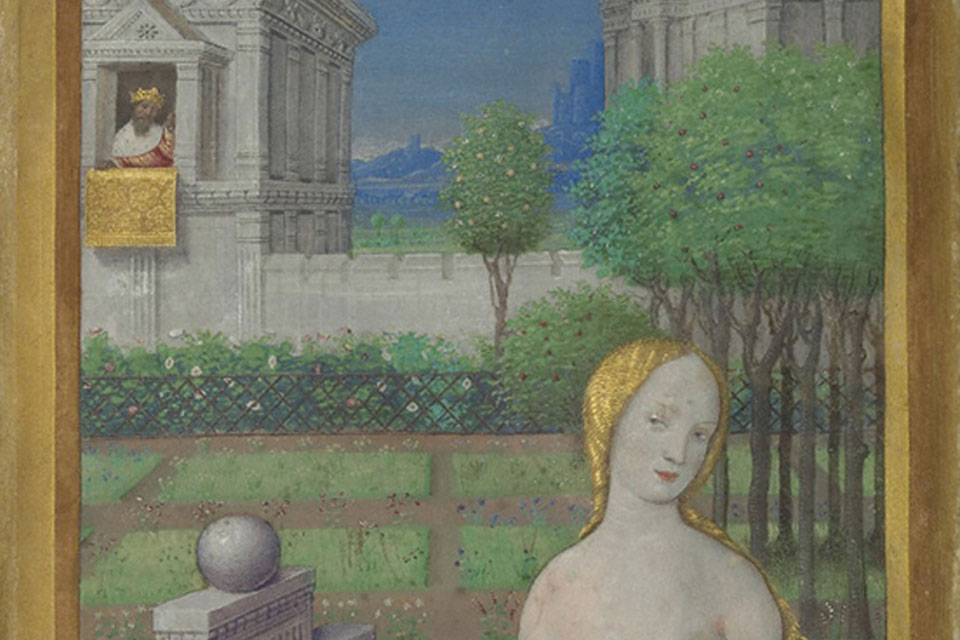
Renaissance Gardens
Earthly Delights Abound in Getty Exhibition on Renaissance Gardens...
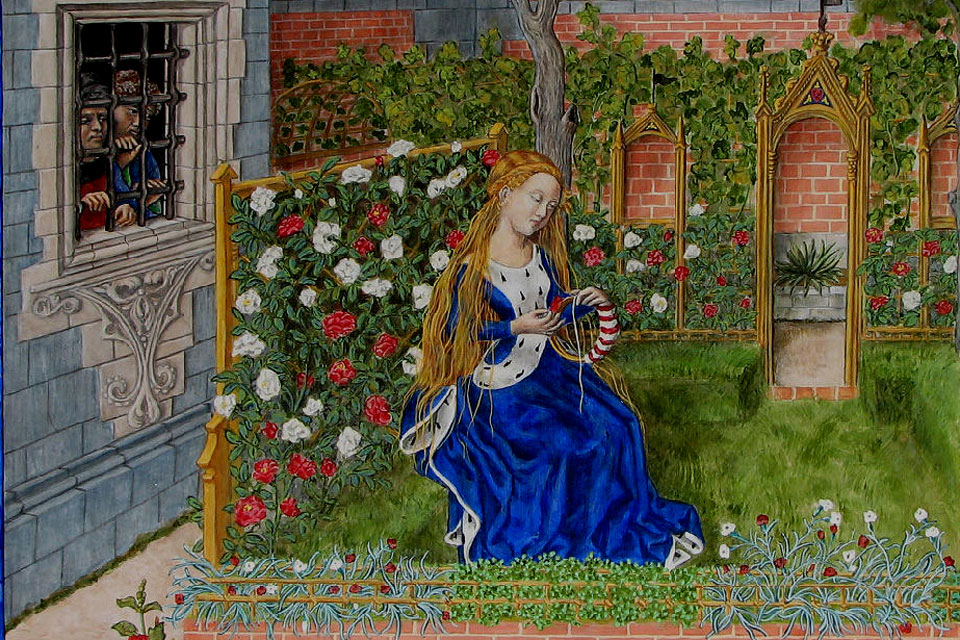
Gardens of Music
RECORDINGS: Medieval Music inspired by gardens embalm the soul at this season...
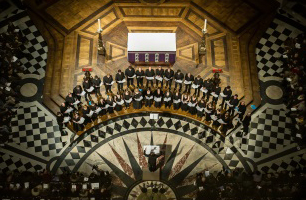
The Tallis Scholars
The Tallis Scholars celebrates 40 years as promoters of late medieval and early renaissance music...
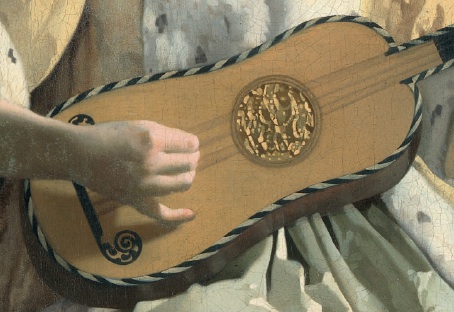
Vermeer and Music
Three paintings by Vermeer of musical entertainers are brought together for the first time ever…
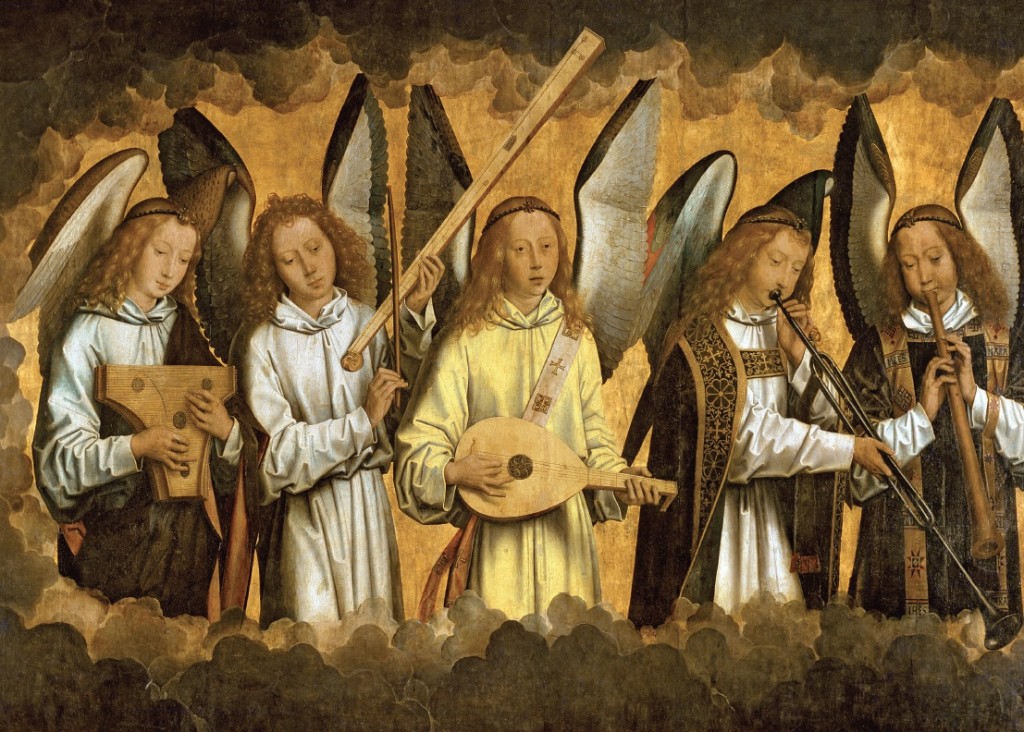
Early Music
NEW RESEARCH: Early Music – the leading scholarly journal – celebrates its 40th birthday...
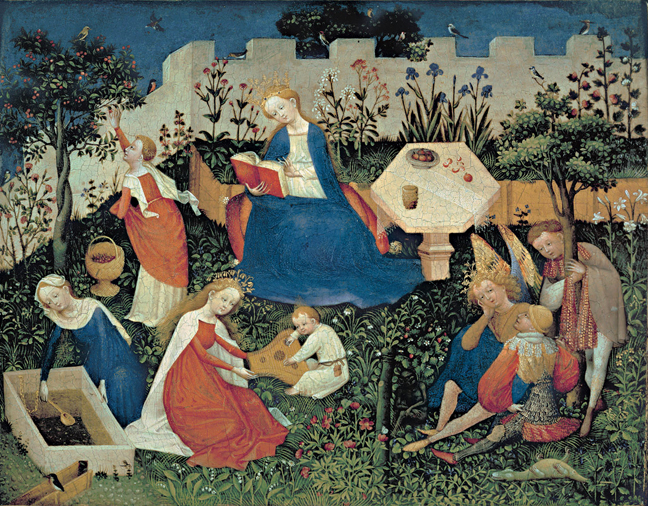
The Medieval Garden
The Festival Voix in Alsace hosts a remarkable series of concerts theming the medieval garden...
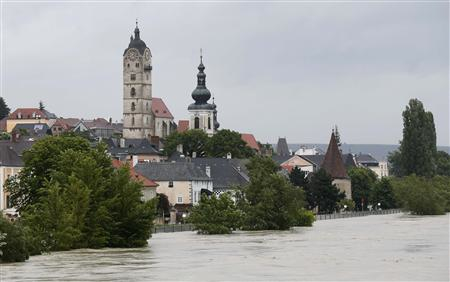
Medieval Flooding
NEW RESEARCH: Once again the rivers Danube and Elbe have destroyed homes and livelihood...
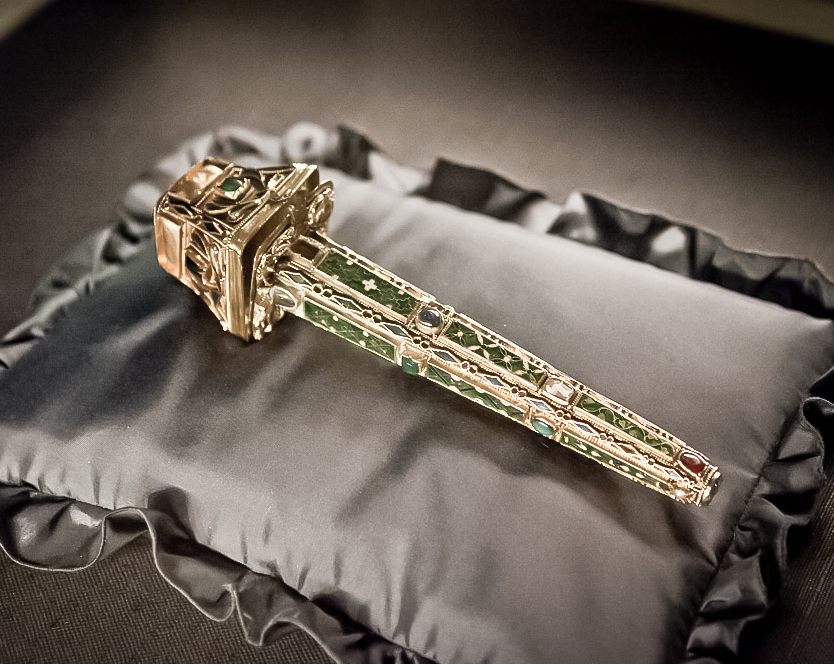
Hatto I
The splendors of the late Carolingians are exhibited in Mainz this summer...
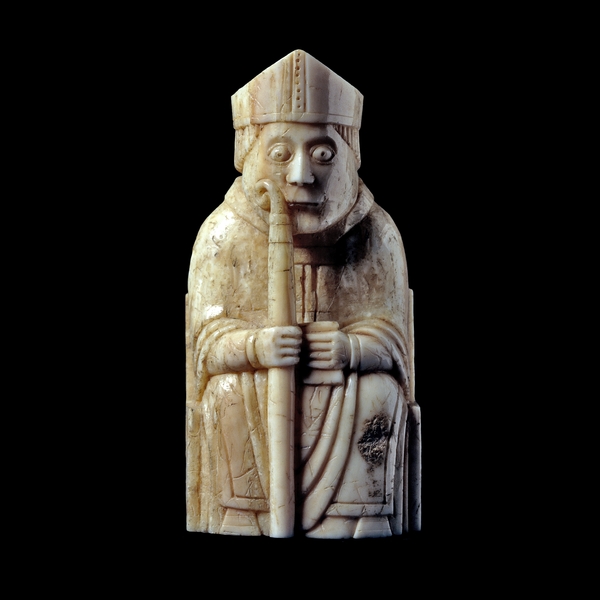
My Lord Bishop – Chronicles and the Construction of Medieval Episcopal Identity
My Lord Bishop: Chronicles and the Construction of Episcopal Identity in Late Medieval England
ABSTRACT:
The article compares and contrasts late medieval models of episcopal identity in ‘local’ and ‘national’ chronicles. In the ‘national’ chronicles of Henry Knighton and Thomas Walsingham, bishops were constructed as models (both good and bad) of the exercise of sacral power as martyr saints, martial figures, and learned combatants of heresy. By contrast in the York Minster chronicle the model is much more based on the twelfth century “deeds of the bishop” tradition and is focussed on the relationship between the bishop and his mother church, so that the specifically ecclesiastical good lordship of the bishop looms large. However, both kinds of chronicle saw bishops as both peacemakers and defenders of the rights of the church.
ABOUT THE AUTHOR:
Patricia H. Cullum is head of Department of History and Politics at Huddersfield University since 2003. She is primarily interested in female lay piety, but have more recently been working on masculinity and especially secular clerical masculinity in the later middle ages.
SOURCE:
My Lord Bishop: Chronicles and the Construction of Episcopal Identity in Late Medieval England
By Patricia H. Cullum
In: International Journal of Regional and Local History, Volume 8, Number 1, May 2013 , pp. 40-53(14)
Publisher: Maney Publishing
DOI: http://dx.doi.org.ep.fjernadgang.kb.dk/10.1179/2051453013Z.0000000005

Medieval Manuscripts and Printed Books from China and Europe ca. 581–1840
NEW RESEARCH: Knowledge Formation and the Great Divergence between China and Europe: Manuscripts and Printed Books, ca. 581–1840
ABSTRACT:
Literature dealing with the history of Chinese printed books and printing is voluminous. Yet studies of how knowledge in general and utilitarian forms of knowledge in particular were generated, accumulated and circulated by printed books and their relationship with the long-term socio-economic transformation of China are rare. This paper aims to open up the subject by examining the long-term trends in the production of manuscripts and books and focusing on the connections between the generation and dissemination of useful knowledge in China and the production and circulation of printed books over the centuries and dynasties from circa 581 to 1840 compared to Europe. It connects trends in this indicator for knowledge formation and diffusion to economic growth, urbanization, changes in higher forms of education, the rise of literacy, the development of printing technologies, and changes in perceptions of the natural world. It concludes that human capital formation in China probably proceeded at a slower rate because of centralised censorship. This is relevant for narratives of the “divergence” between China and Europe. Also as it unfolds today.
ABOUT THE AUTHOR:
Ting Xu, School of Law , Queen’s University , Belfast , Northern Ireland
Ting Xu joined Queen’s Law School as a lecturer in December 2012. Before joining Queen’s, she had been a research fellow at the London School of Economics, working on an interdisciplinary and collaborative European Research Council funded project. She was also a postdoctoral research fellow at the Asia Research Centre, London School of Economics. Her main research interests are in the fields of law, governance and development, property law, socio-legal studies, Chinese law, comparative law, and global economic history. Her work has an interdisciplinary flavour. She is also a research affiliate of Queen’s University Centre for Economic History
SOURCE:
Knowledge Formation and the Great Divergence between China and Europe: Manuscripts and Printed Books, ca. 581–1840
By Ting Xu
In: Journal of Comparative Asian Development: Published online: 30 May 2013
DOI:10.1080/15339114.2013.792455