Medieval scribes doodle in the official French acts...
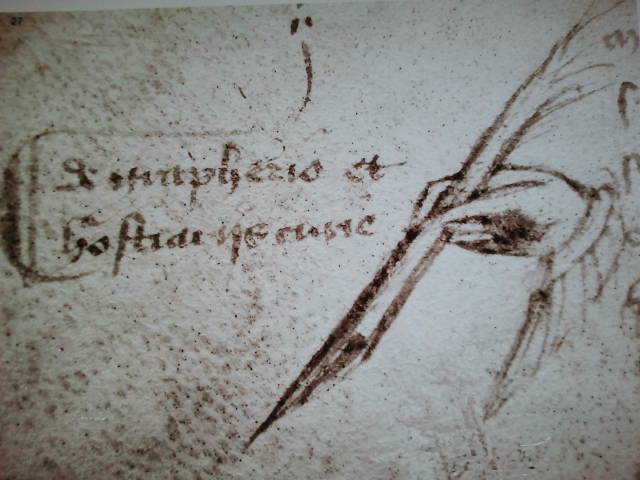
Medieval scribes doodle in the official French acts...
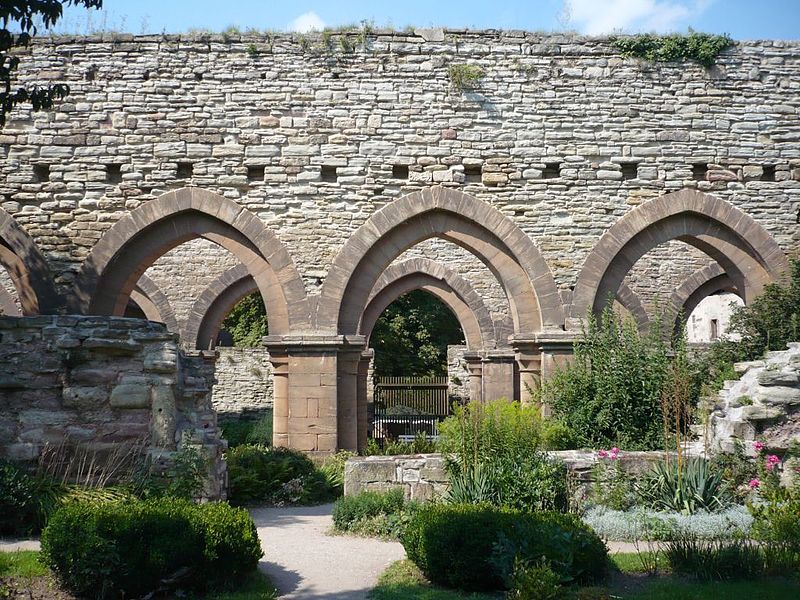
Knowledge about the Medieval Royal Palaces in Sachsen-Anhalt is sporadic. New publication aims to remedy this
End of Silk Road, Aleppo has been famous for 1000's of years…

The stolen medieval Wenlok jug has been recovered...
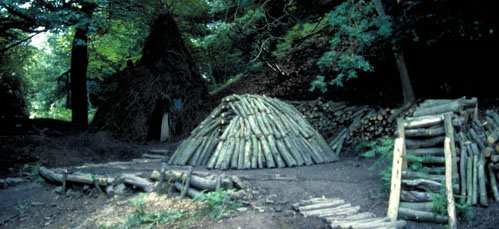
Can you talk about sustainability in the middle ages? This is the theme for a special session at the 49. Deutsche Historikertag
We all know by now that the earth is flat, hot and crowded. And that it will get worse the more we become. Might we learn from past techniques – and even medieval technologies – in order to find ways of living more sustainable lives? This is the overriding theme at the 49. Deutsche Historikertag, where “conflicts about resources” is the overriding theme.
As with all huge Conferences a number of sessions and papers tend to disregard this framework. However, one medieval session has tackled this question head-on.
According to the primary organiser of this session, Prof. Dr. Oliver Auge, sustainable development is a key paradigm in the global debate about our future. However, the question for medievalists is of course whether it makes sense to talk about this in a medieval historical context? Were medieval people ever voluntarily frugal in the sense that we use this concept? It is to this currently rather lively debate in scientific circles, which the session wishes to contribute – presenting a number of papers originating from historical subfields like environmental and technological history, archaeology and archaeobotany.
 One point of perspective in the debate will be a reevaluation of the widespread medieval practice of charcoal production. Charcoal is usually produced by slow pyrolysis, where the heating of wood or other substances takes place in the absence of oxygen. To produce charcoal the collier pile billets of wood on their ends in order to form a conical pile. At the bottom an opening lets in air while a central shaft lets the smoke escape. The pile is then covered with turf and moistened clay. The firing – which is a special craft – begins at the bottom and gradually spreads outwards and upwards
The massive production of charcoal in the Middle Ages was a major cause of deforestation. However all over Europe woods were managed as coppices, which were cut and regrew cyclically, so that a steady supply of charcoal would be available.
Archaeologists have shown how the production of charcoal usually was part of the peasant economy in forested areas; but hornbeam coppice wood as well as alder and birch swamps were systematically forested in order to feed these kilns. The use of fast growing coppiced woods was a common sustainable technique among medieval peasants. However, studies by the archaeologist, Arne Paysen, have shown that when charcoal production was instigated by the large landowners, the production was not sustainable. Here old trees were used ending in a massive and non-sustainable deforestation. Several papers will report on these aspects of medieval forest-management, more specifically in the region of Schleswig-Holstein.
It is the University of Kiel, which is active in the broad field of research into historical ecosystems.
Sustainable energy consumption in the Middle Ages and Early Modern Europe
Medieval charcoal burning is practiced at the Open-Air Museum in Schleswig-Holstein
Early Medieval Archaeology of farming and husbandry is lifted...
Excavations of Lombardian necropolis on show in Cividale...
Fragments of resplendent silks are on show inGranada and Madrid...
REVIEW: Journal of Medieval Iberian Studies...
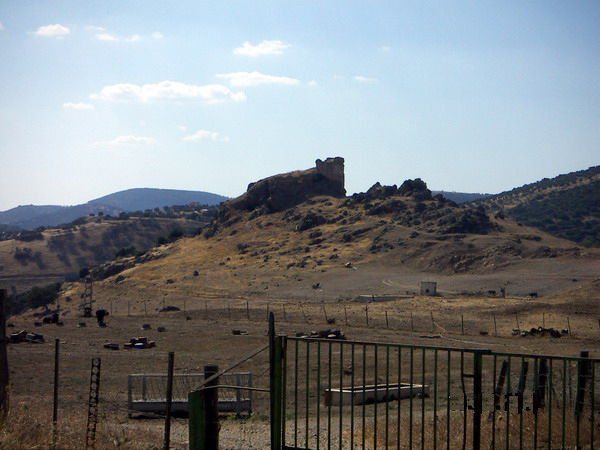
Medievalists meet to discuss the life in the Iberian Peninsula...
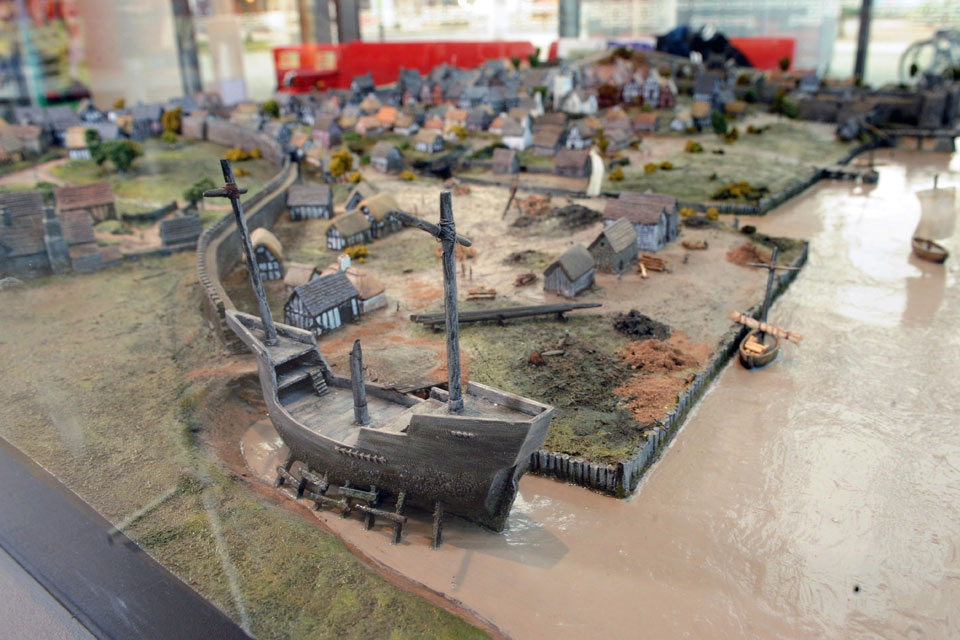
Dendrochronology documents the Newport Ship was Basque...
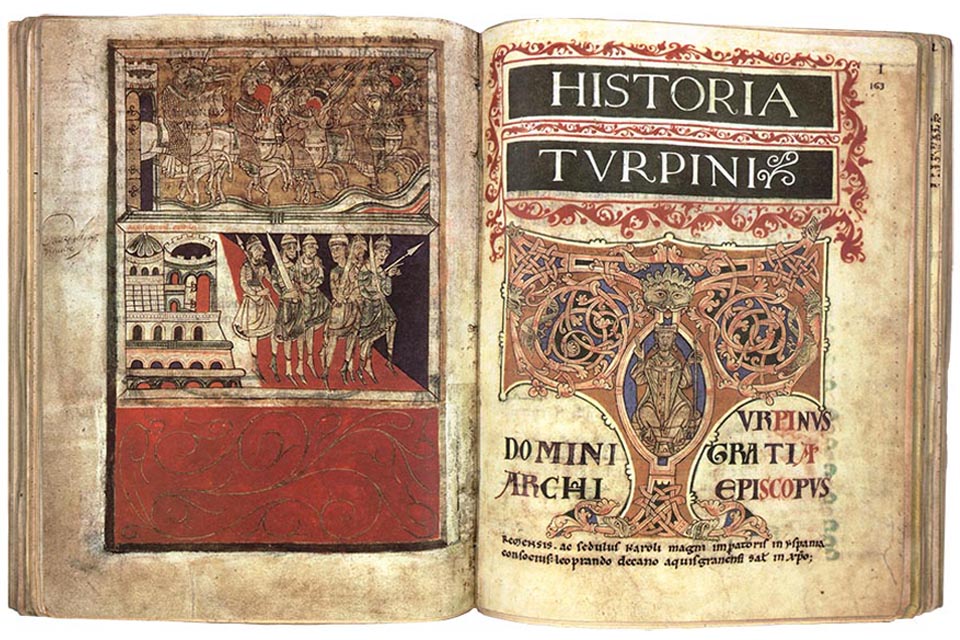
After the recovery form theft, the world’s first tourist-guide - the Codex Calixtinus - will go on a tour next year

Network creates interdisciplinary forum of medievalists ...

France officially opens a new wing exhibiting Islamic art, 632 to 1800 AD…

L’Historie des comtes de Dammartin restored to France...
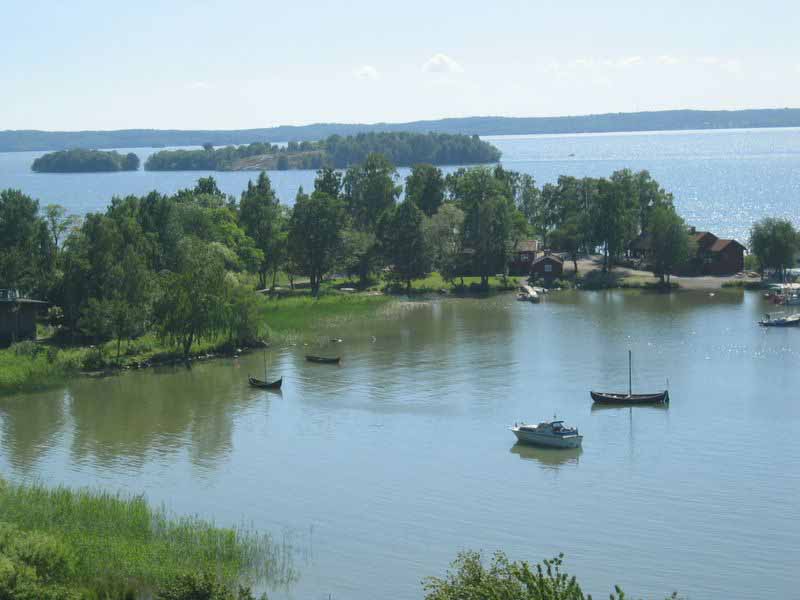
A gigantic Viking-harbour at Birka has been found…