Paintings, illuminated manuscripts and stained glass at Tours…
Category: Medieval History
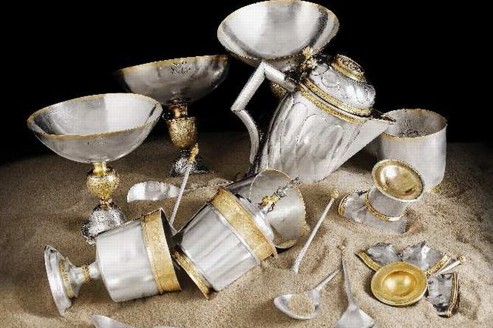
Renaissance Treasure
Silver cups and much more from Pouilly-sur-Meuse on show...
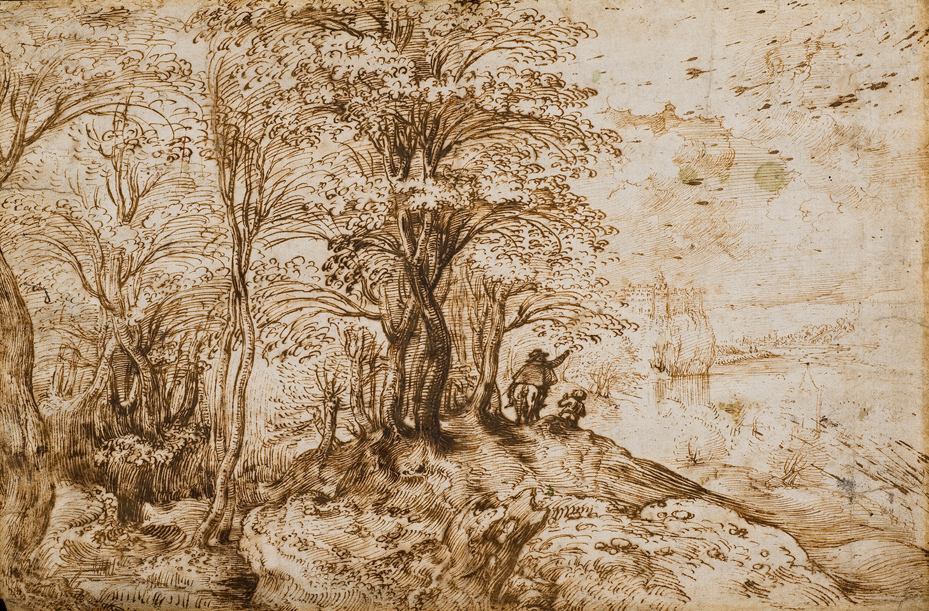
Bruegel the Elder
New sensational drawing of Bruegel the Elder...
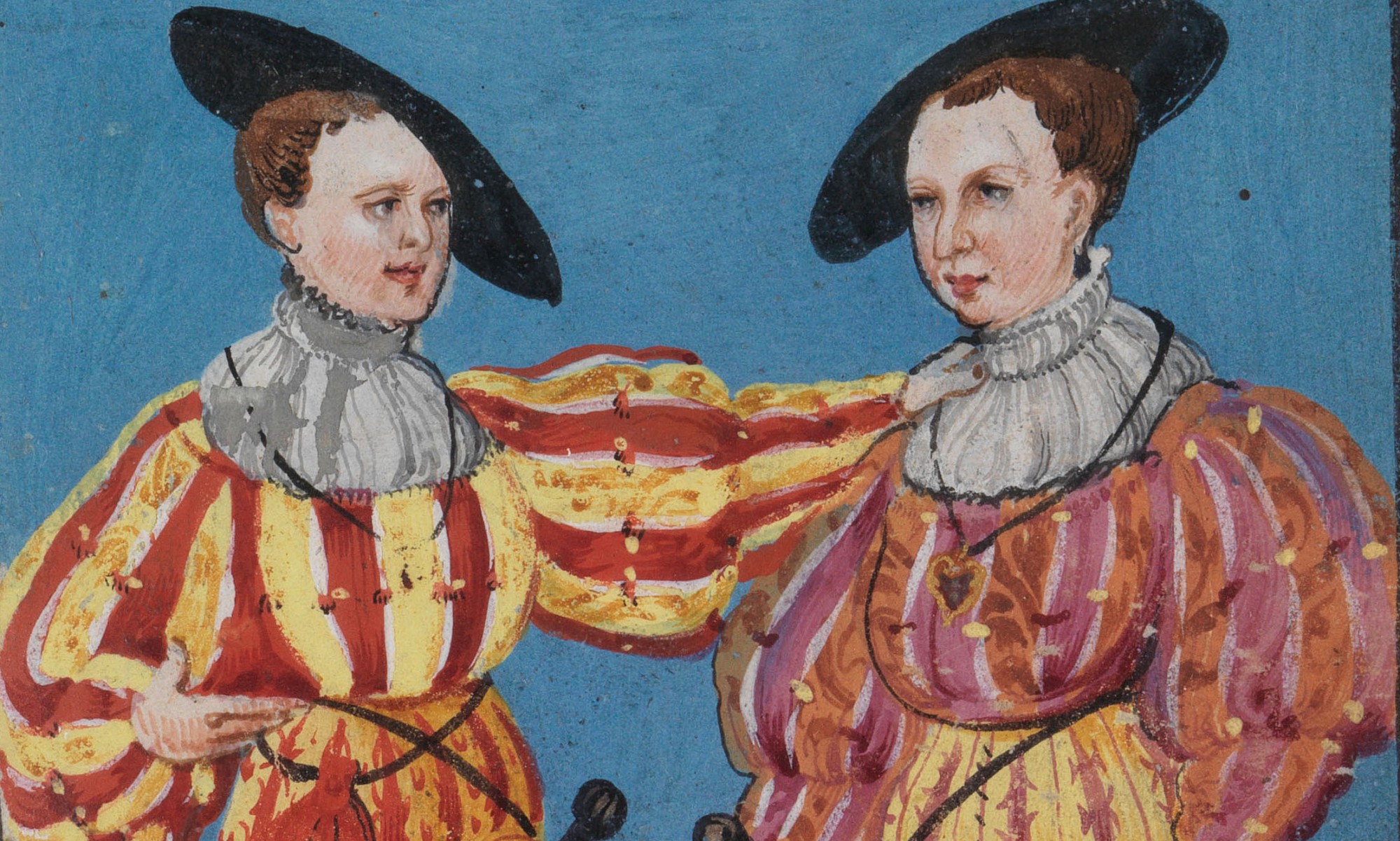
Dressing Up
Dressing Up by Ulinka Rublack tells the fascinating story of how clothes in the 16th century were used in order to imagine a new and frightening world
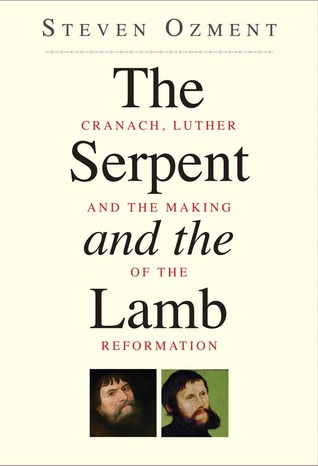
Serpent and Lamb
The Serpent and the Lamb. Cranach, Luther, and the Making of the Reformation
Steven Ozment
Yale University Press 2011
Lucas Cranach the Elder (1472 – 1553) belonged – next to Albrecht Dürer, Hans Holbein the Younger and Hans Memling – to the most important artists of his time. He spent his youth in Kronach, where his father lived as a painter. Around 1500 he left for Nürnberg (to learn from Dürer) and later Wien. In 1505 he was appointed court-painter to the ducal household of Saxony and set up shop in Wittenberg. At first he followed the duke around having bed and board at the different castles in Wittenberg, Torgau and Coburg. In 1512, however, he married Barbara Brengbier and bought a huge house in Wittenberg, where he sat up shop as a painter, printer and designer.
This brought him in close contact with Martin Luther, who started teaching at the University of Wittenberg in 1508. Soon they were fast friends and later collaborators in the dissemination of the reformation. Especially his work as a publisher and printer was indispensible in the years after 1517, when Luther published his 95 theses and began his work as a reformer.
A recent book by professor Steven Ozment – known for his fascinating stories about life in late medieval and early modern Germany – tells the story of how the fates of the “Serpent” (Cranach) and the “Lamb” (Luther) were intertwined as were their very early use of their coats of arms and their emblems as ways of enforcing some sort of copyright on their combined works as author and publisher. Although somewhat “weak” on the latest scholarship on Martin Luther, the book is fascinating because it explains in an original way, how Cranach albeit heavily investing in the reformation was able to move effortlessly amongst both reformers and Catholics.
Naked virtue
At the same time as he painted powerful people in both worlds, he created the series of beautiful naked “mothers” nursing their children, thus showing how Eros and the body should no longer be considered hellish; quite the opposite: The naked woman was the fountain of precisely that God-given love and nourishment, which graced the new life in the new church.
The book makes the claim that the reformation had never succeeded without Cranach’s visualization of the new theology. That may very well be. Whether he was the second most important reformer next to Luther, as the author claims is however less certain. Maybe it is more accurate to claim that the reformation was a result of the actions and efforts of a number of people, who simply happened to converge in the same place at an opportune moment in history.
Open database
Cranach the Elder was compared to his contemporaries a prolific artist. A “fast hand”, he was called by people, who marvelled at the vast production capacities of the man and his workshop – paintings, portraits, altarpieces, woodcuts, drawings, set pieces for hunts and tournaments and even wallpapers are just some of the results of a life long working career and business enterprise of the renaissance painter.
Now 400 paintings, 5000 drawings and woodcuts plus 2000 pages of research are available for in-depth perusal at the official “Digital Cranach Archive”, which recently opened some of its collections up for the public eye. Here it is possible to get detailed information of dates provenience etc. as well as access to a large part of the research hitherto hidden in obscure corners of scientific journals. As this is only the first installment, more is yet to come. The database is financed by the Andrew Mellon Foundation and a joint venture of institutions from all over the world. Undoubtedly the plan is to finish the work around 2015, which is named as Cranach-year as part of the Luther-Dekade leading up to the 500 – year reformation jubilee in 2017. Maybe at that time the three planned exhibitions in Weimar, Eisenach and Gotha will be superfluous as all the works of Cranach can be studied at home in high resolution and copiously documented.
www.lucascranach.org – not to be mistaken for www.cranach.net, which is an exclusive database, fenced off for anyone who is not a registered researcher.
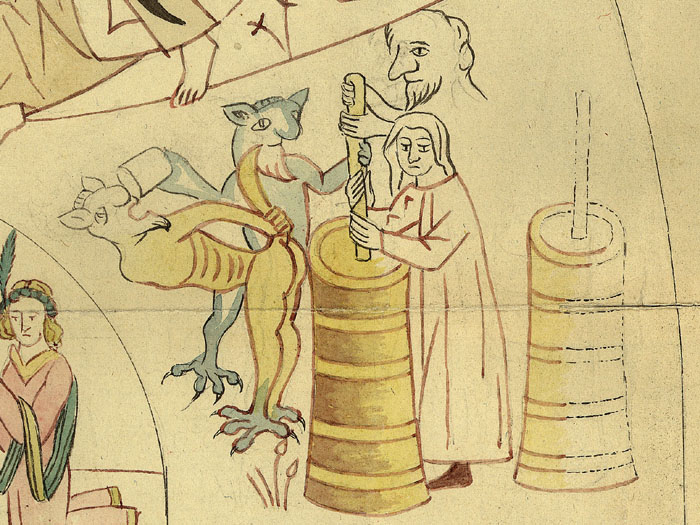
Sin and Filth
The Spiritus Sanctus imparted this creation to me on this cloaca…
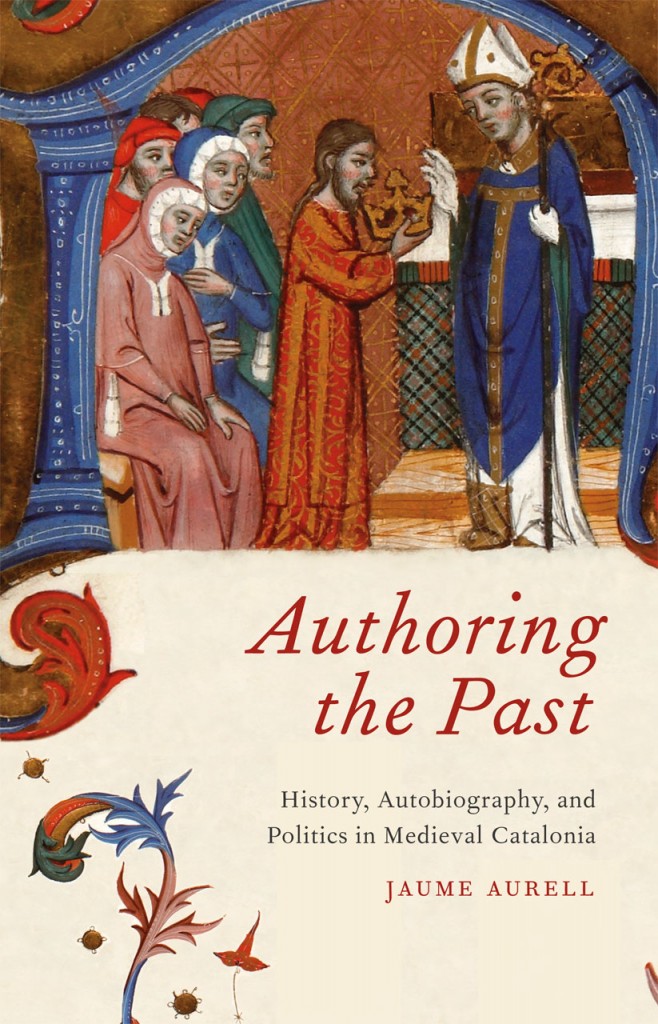
Authoring the Past
Authoring the Past. History, Autobiography, and Politics in Medieval Catalonia. by Jaume Aurell. University of Chicago Press 2012
Lineage, chivalry, hegemony, heroic deeds and political supremacy – all are ways in which diverse Catalonian counts and later Aragonese kings tried to validate their rights as rulers. At least this is, according to a fascinating new book, how these counts and kings wished to present their case to their contemporaries as well as posterity through the historical writings, which they initiated and took more or less active part in writing and editing.
The book – Authoring the Past – is written by the historian Jaume Aurell. In it he examines five central texts from the Catalonian Middle Ages – the Latin Gesta Comitum Barcinonesium and four histories in Catalan: the Llibre dels fets by James I, the Crònica of Bernat Desclot, the Crònica of Ramon Muntaner, and the Crònica of Peter the Ceremonious
Master Fictions
All political authority requires what the anthropologist Clifford Geertz famously called “a cultural frame” or a “master fiction”.
According to Jaume Aurell it is exactly this, which these Catalonian genealogies, chronicles and autobiographies from the late 12th to the late 14th century tried to establish through manipulation of genres, sources and narrative strategies. As such these precious Catalonian texts represent special ways of framing their respective proponents or “heroes”. Each in their own way shows how the counts and later kings anchored their rights to rule.
As such each text primarily represents a relic of the diverse ways in which these rulers (or their servants) thought of themselves and their rights to rule – whether this right was founded in their lineage, their chivalric competence, their military prowess and heroic deeds or finally their political proficiency.
At the same time, however, each text represent specific genres – chronicles, autobiographies etc. – which are extensively discussed in order to show the interrelationship between them.
Without prior recognition of this, historians should keep away from naively using these texts as sources. This is one of the obvious conclusions of this erudite exposé.
In this sense, however, the book is also an invitation. The reason is that we get small glimpses of exactly the kind of historical anthropological insights, which might be gleaned from these texts after their genre and intentions have been laid bare.
For instance this is demonstrated in the presentation of a number of coronation vignettes, where we learn how the later kings of Aragon established self-sufficient gestures, like the practice of Self-Coronation as opposed to the earlier sacralisation, which was instituted by the church and where the climax consisted in the officiating Archbishop crowning the king.
One must ardently hope that the book on “Authoring the Past” will not only invite scholars to continue in performing the same kind of penetrating analysis of other historical chronicles of the Middle Ages in order to establish a proper comparative perspective; a work which is in progress all around Europe. But also that historical Anthropologists per se will find plentiful inspiration here to delve into these quite remarkable Catalonian histories.
Although only some of the texts discussed in the new book may be found in adequate editions and translations, it is of great value that Jaume Aurell has presented future historians and students with an overall grid, whereby it becomes possible to read these texts anew and – not the least – between the lines, so to speak.
Jaume Aurell
Jaume Aurell is associate professor of History and dean of the College of Humanities and Social Sciences at the University of Navarra. He is the author of La escritura de la memoria. De los positivismos a los postmodernismos and La cultura del mercader en la Barcelona del siglo XV. He is also editor of the series: Rewriting the Middle Ages in the Twentieth Century (Brepols). Articles and essays have appeared in Annales, Biography, Rethinking History: Journal of Theory and Practice, the Journal of English and German Philology, and the Journal of Medieval History.
Read more about Medieval Catalonia in Medieval Histories 2012 4 : 2
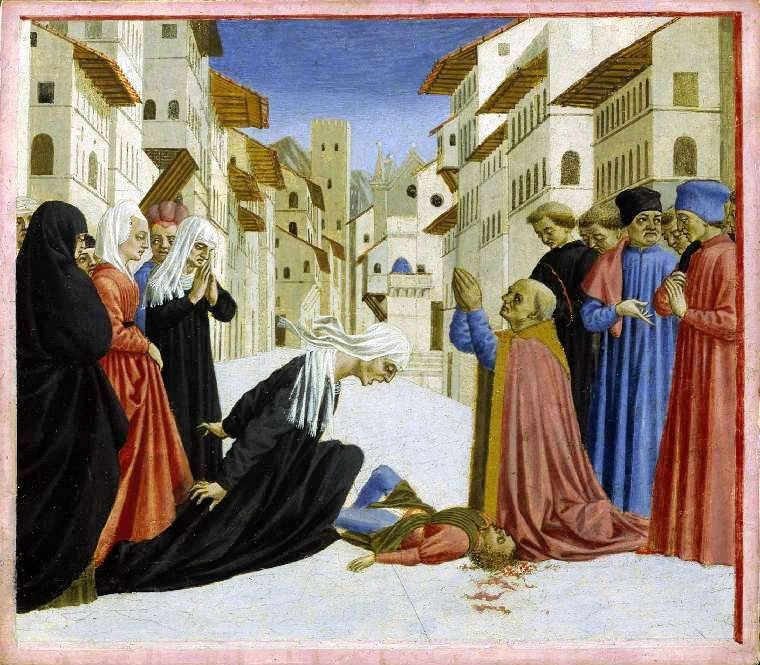
The Ideal City
Urbino hosts an exhibition on the ideal city...
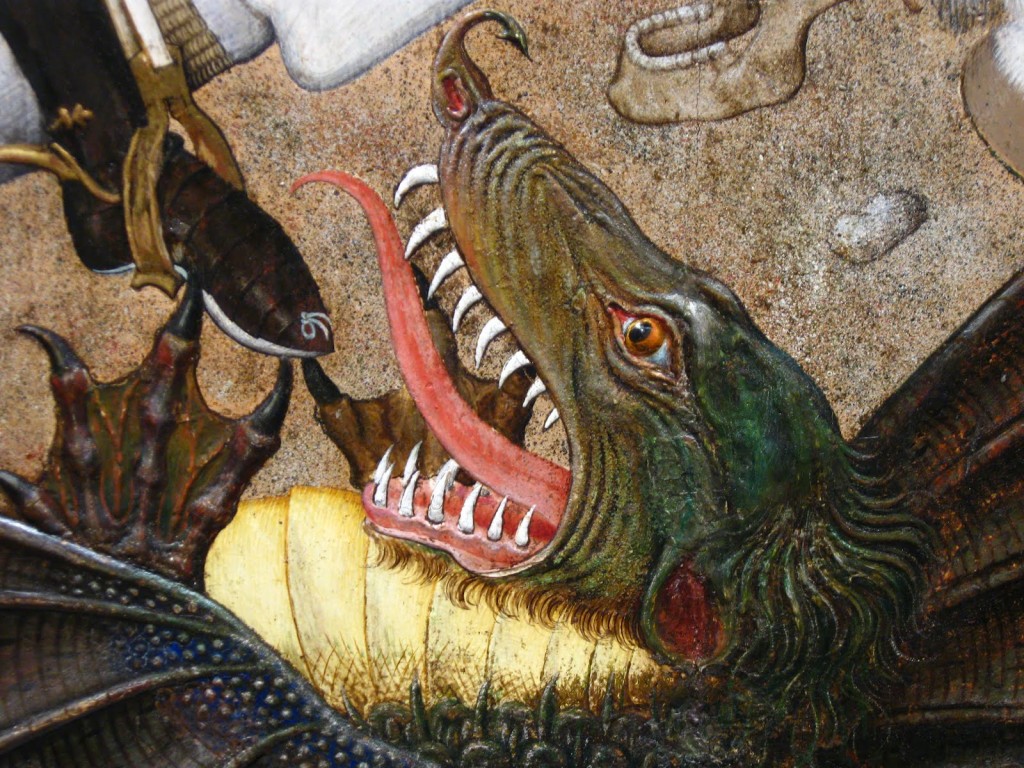
Catalonia 1400
Beautiful exhibition in Barcelona highlights Gothic art...
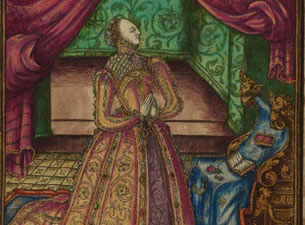
Royal Devotion
The Book of Common Prayer celebrates its 350th birthday...
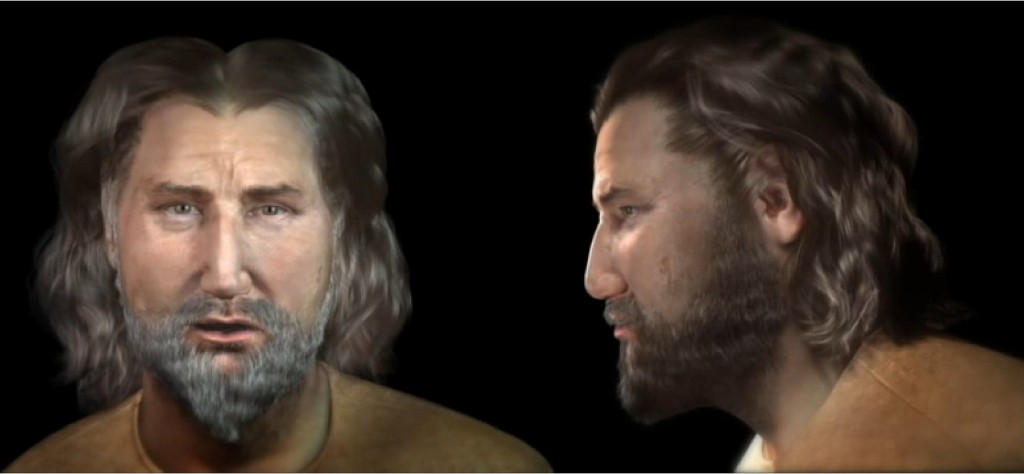
Pere el Gran
Exhibition in Barcelona tells the story about king Pere el Gran...
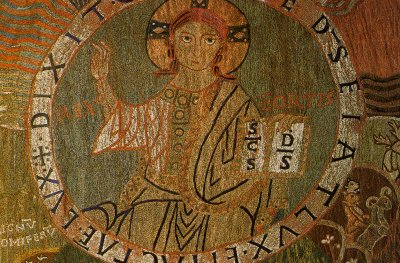
Girona Tapestry
The Girona Tapestry from the 11th century is yet again exhibited…

Holy Shirts
Two medieval shirts are on show this spring...
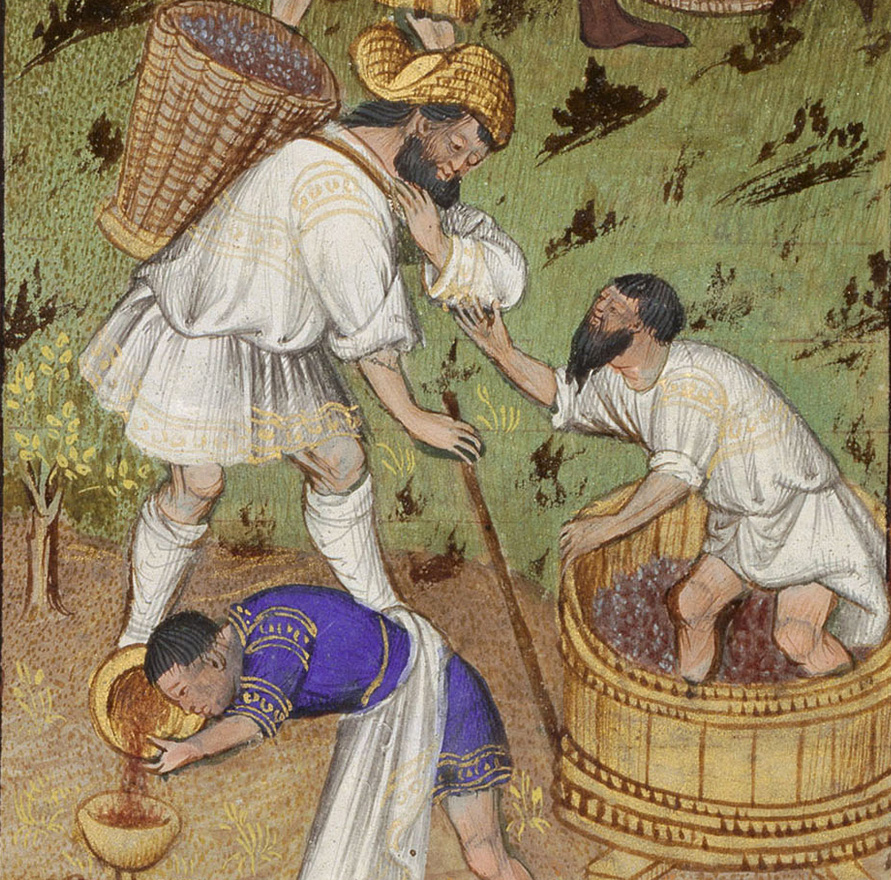
Medieval Wine
New exhibition in Paris tells the story of medieval wine...
Roman Treasure
Fabulous Roman Treasure found in Croatia...
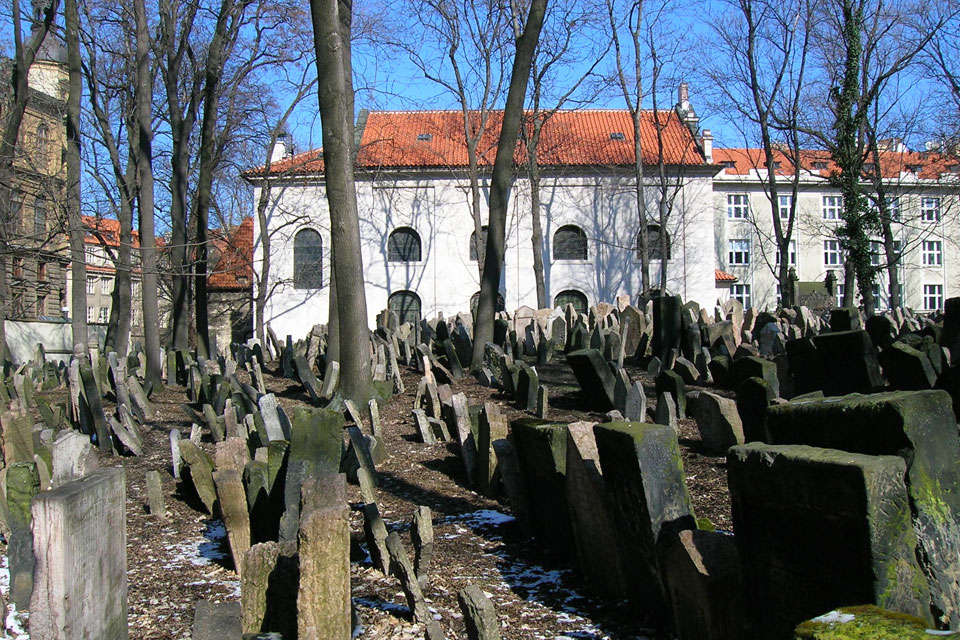
Passion in Prague
One of the more evocative places in Prague is the Jewish churchyard and the the oldest synagogue in Europe. In 1389 it was the scene of a terrible pogrom.