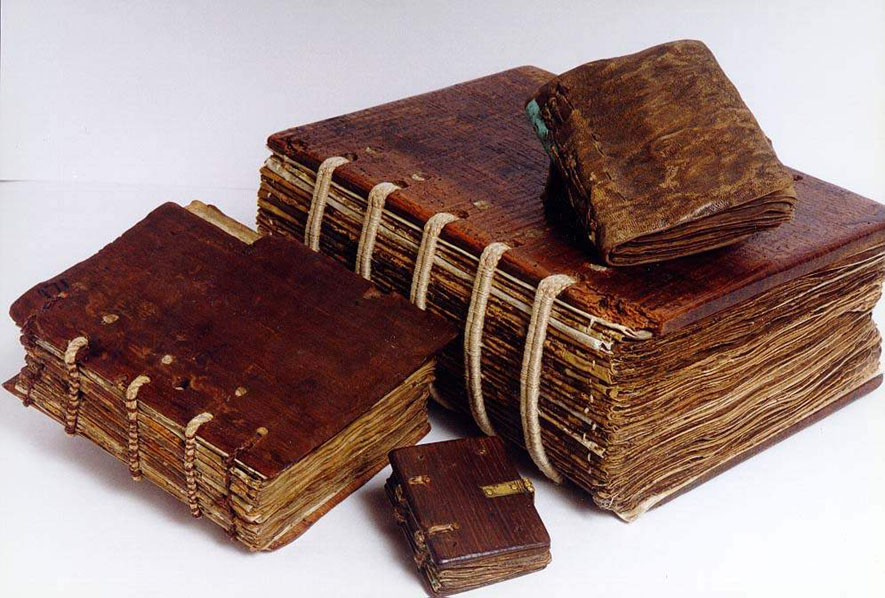
Heimskringla is the best known of the Old Norse King’s Sagas, But it is also the name of a very useful resource for students of the Icelandic sagas and other Medieval Icelandic literature.
Heimskringla is the best known of the Old Norse kings’ sagas. It was written in Old Norse in Iceland by the poet and historian Snorri Sturluson (1178/79–1241) ca. 1230. The name Heimskringla was first used in the 17th century. It derives from the first two words of one of the manuscripts (kringla heimsins – the circle of the world).
© Medieval Histories
Heimskringla is a collection of sagas about the Norwegian kings, beginning with the saga of the legendary Swedish dynasty of the Ynglings, followed by accounts of Norwegian rulers from Harald Fairhair of the 9th century up to the death of the pretender Eystein Meyla in 1177. The exact sources of his work are disputed, but included earlier kings’ sagas, such as Morkinskinna, Fagrskinna and the twelfth century Norwegian synoptic histories and oral traditions, notably many skaldic poems. Also, Snorri sojourned in both Norway and Sweden. For events of the mid-12th century, Snorri explicitly names the now lost work Hryggjarstykki as his source. However, the composition of the sagas is Snorri’s.
BUT:
Heimskringla is also an extremely rich online collection of Old Norse source material, primarily Eddas, Icelandic sagas, scaldic poetry, and some background material.
- Heimskringla consists of some 4200 titles in the Old Norse language or translated into the modern Scandinavian languages.
- Heimskringla also presents other material – articles, photos etc.
- Heimskringla builds on the assumption that these texts – being part of our cultural heritage – should be made available for everybody.
- Heimskringla is subject to the laws of copyright. Consequently we are restricted when it comes to more recent publications.
- Heimskringla is run as an idealistic project. Therefore we always need volunteers. On this link you can read how to become part of the project.
Heimskringla is simply the place to begin for students of Old Norse!