How did a wealthy Parisian property investor and benefactor become one of the most famous alchemists in history? A new exhibition at the Musée de Cluny in Paris explores this extraordinary transformation of Nicolas Flamel
How did a wealthy Parisian property investor and benefactor become one of the most famous alchemists in history? A new exhibition at the Musée de Cluny in Paris explores this extraordinary transformation of Nicolas Flamel
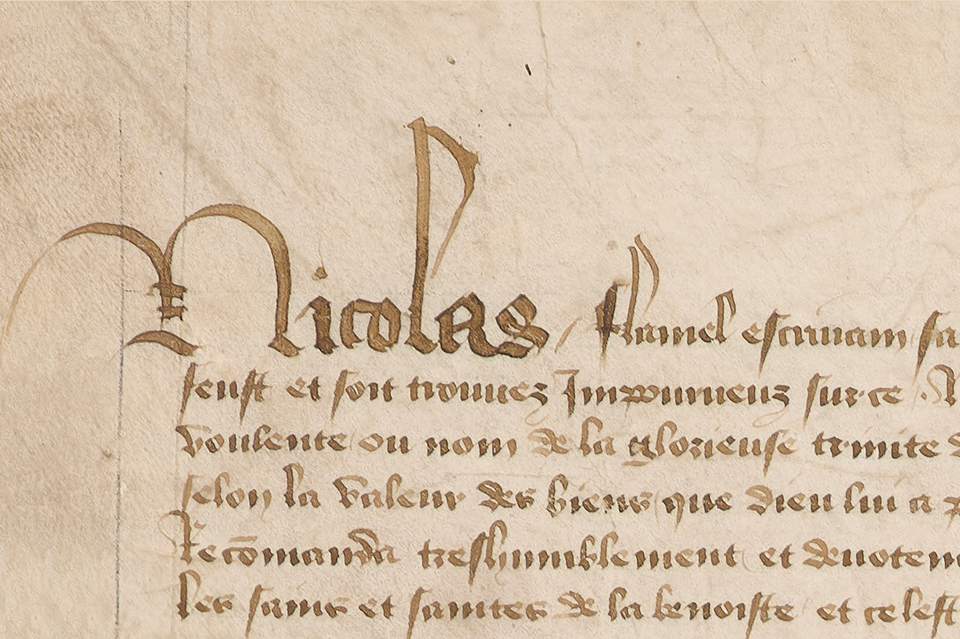
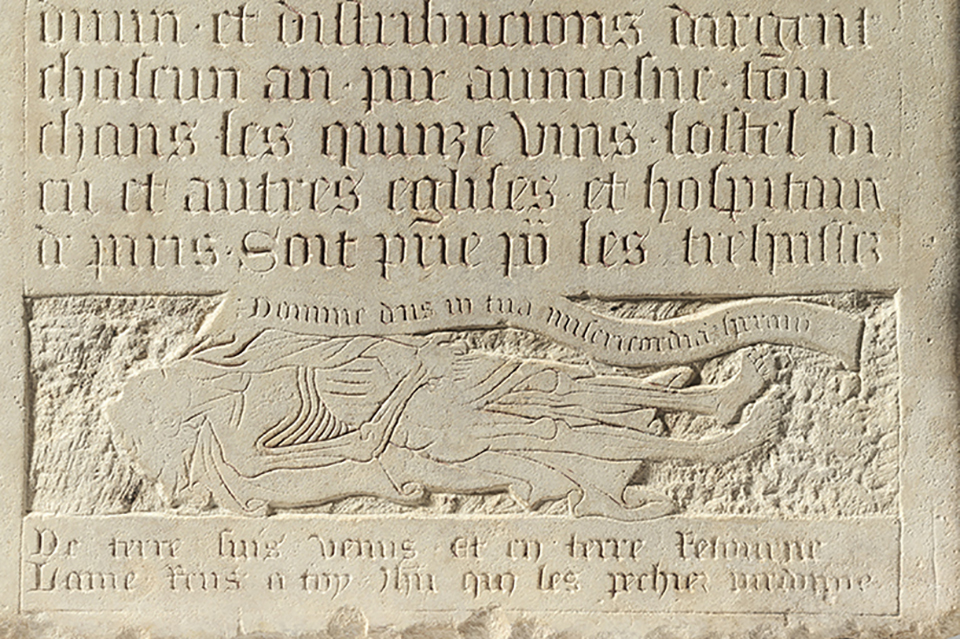
Nicolas Flamel, was a very wealthy Parisian slumlord making his living from renting out rooms and apartments in houses build on the right side of the Seine in the fourteenth and fifteenth centuries. Upon his death, he donated his entire wealth to churches and hospitals to atone for his sins.
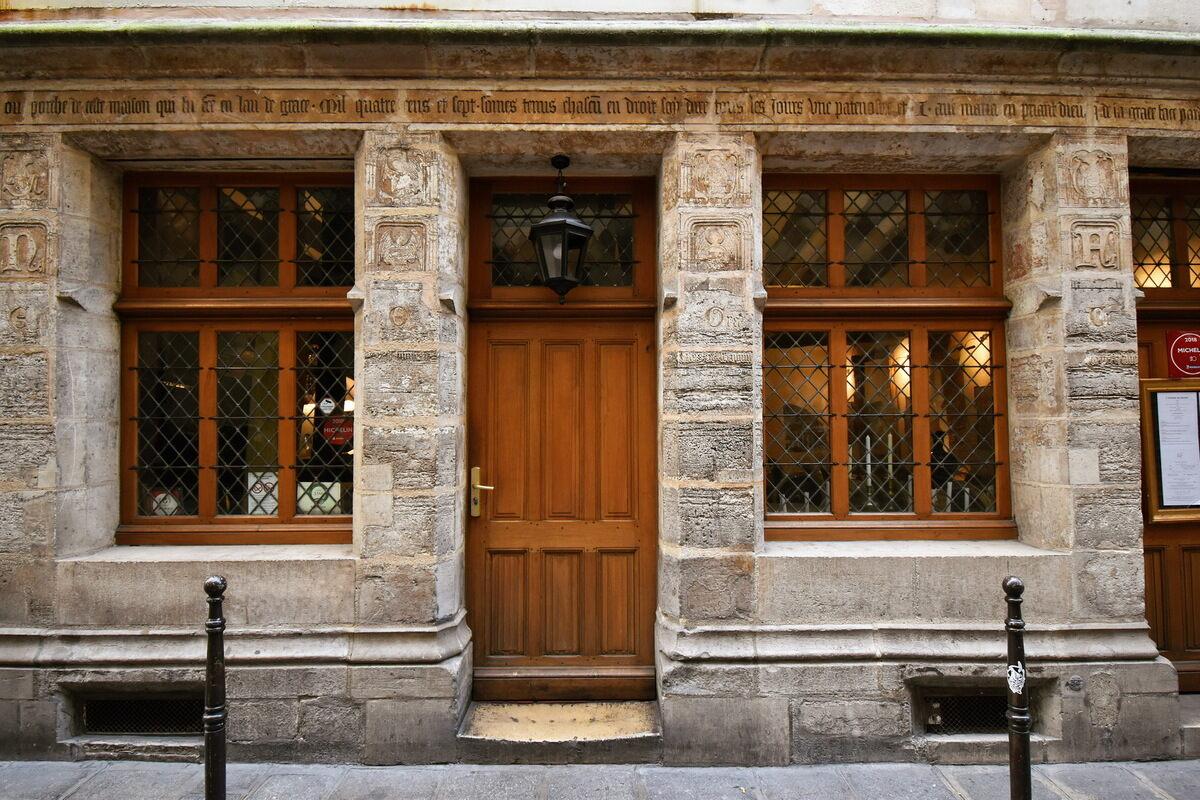
Built in Paris in 1407, the surviving house of the Parisian Bourgeois, Nicolas Flamel, offers an unusual glimpse into medieval housing, charitable foundations and the religious obligations of working people.
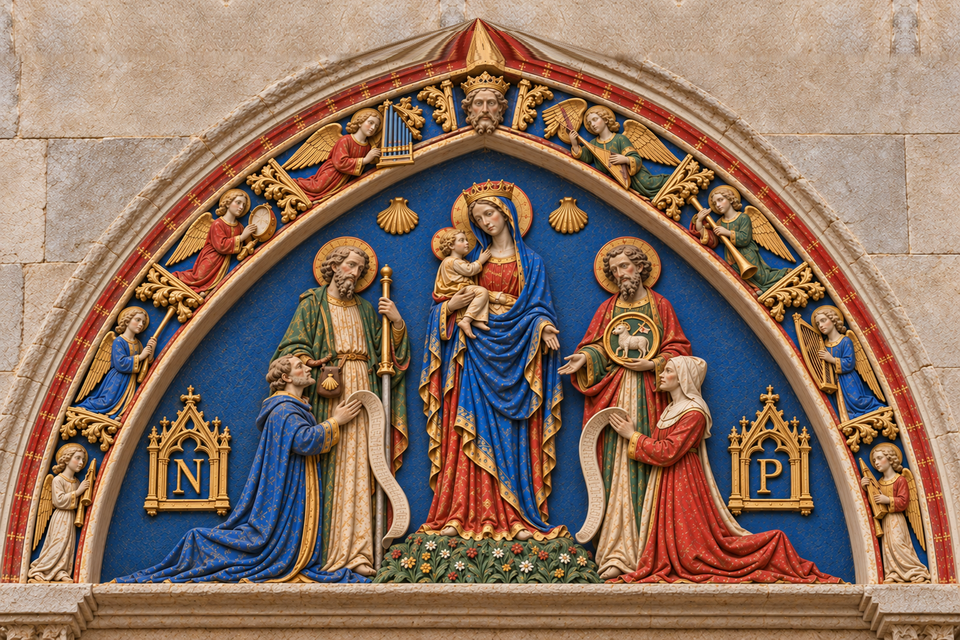
A house with two street entrances, writing stalls against a church wall and a sculpted portal reveal how the Parisian couple, Nicolas Flamel and Pernelle, connected domestic life, work and religious patronage in the 14th century
Medieval Paris was not simply a royal capital, a university town or a city of magnificent churches. It was also a crowded and constantly changing urban landscape
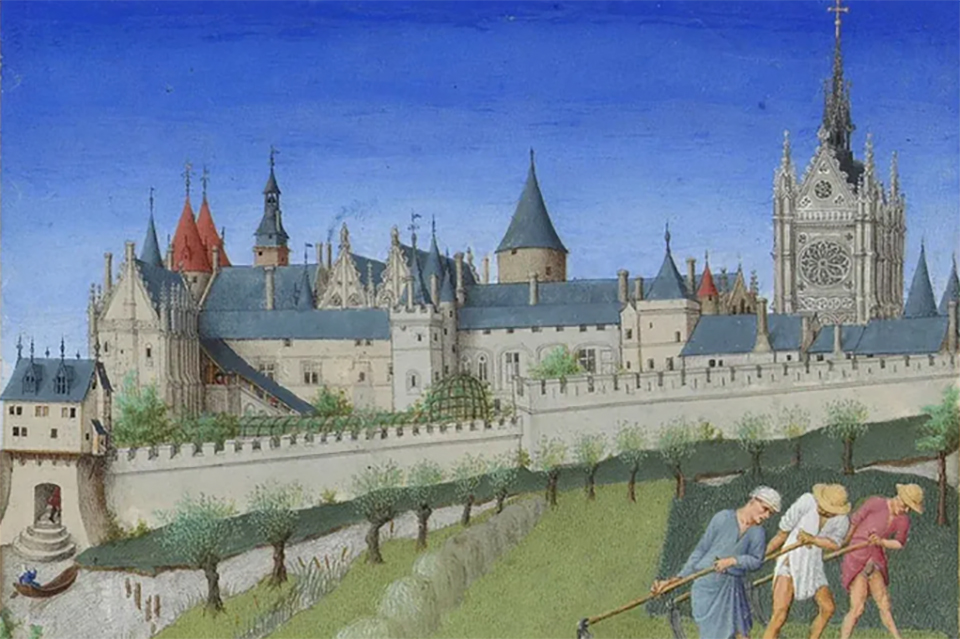
A Journey Through Time on Île de la Cité invites you to step into the heart of Medieval Paris
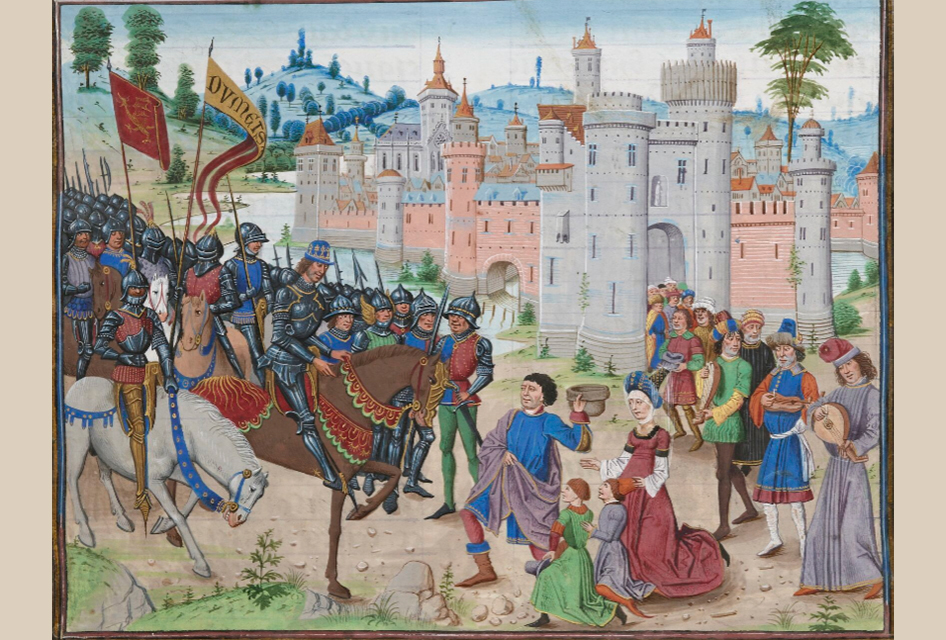
What did Paris sound like in the lifetime of Nicolas Flamel (c. 1330–1418)? As part of its exhibition Nicolas Flamel, alchimiste de papier, the Musée de Cluny invites visitors to explore the musical world of this wealthy Parisian bourgeois
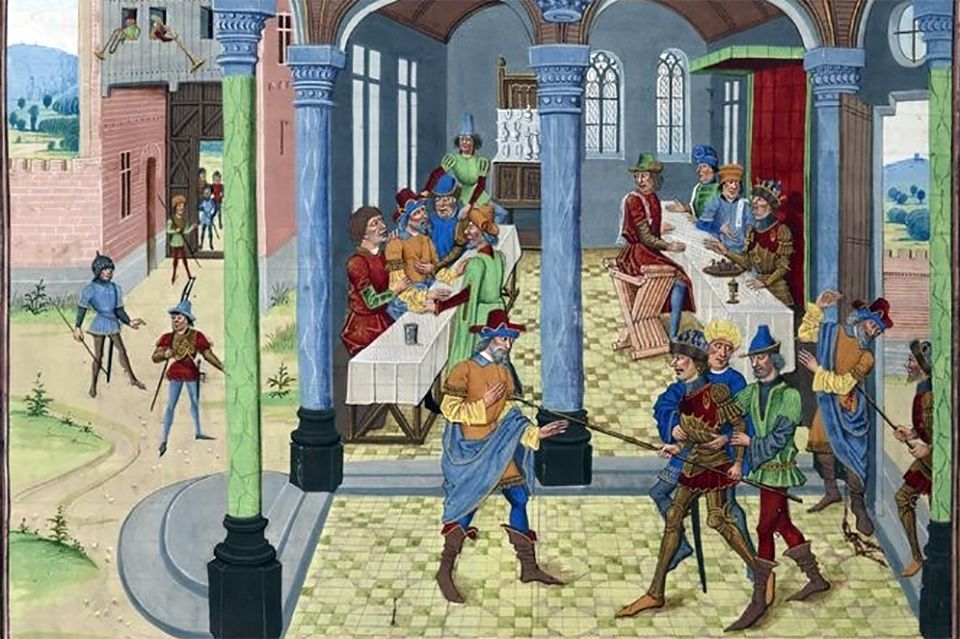
A remarkable collection of post-mortem inventories reveals how the wealthy canons of Notre-Dame lived, worked and entertained in late medieval Paris.
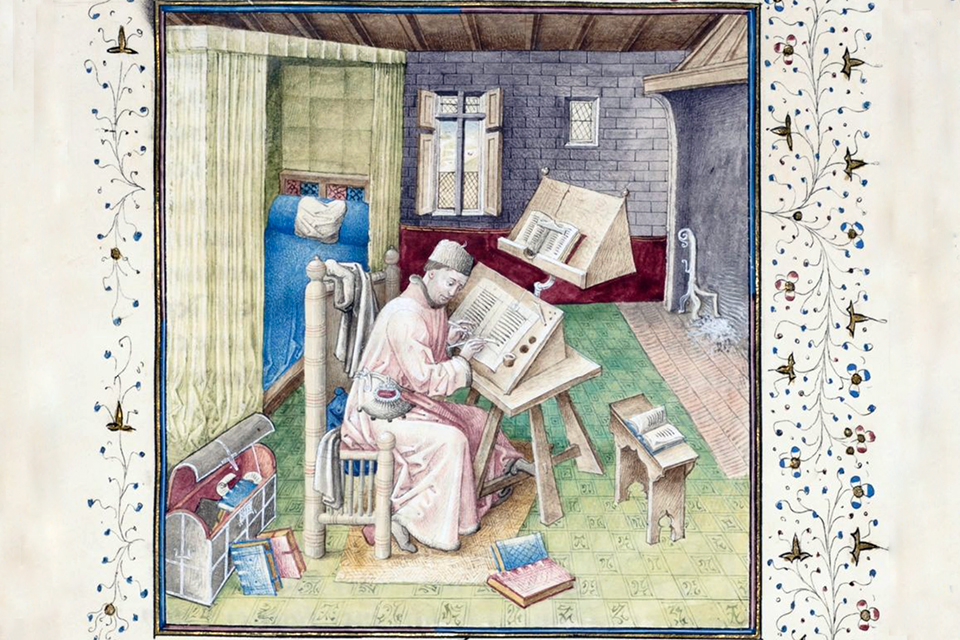
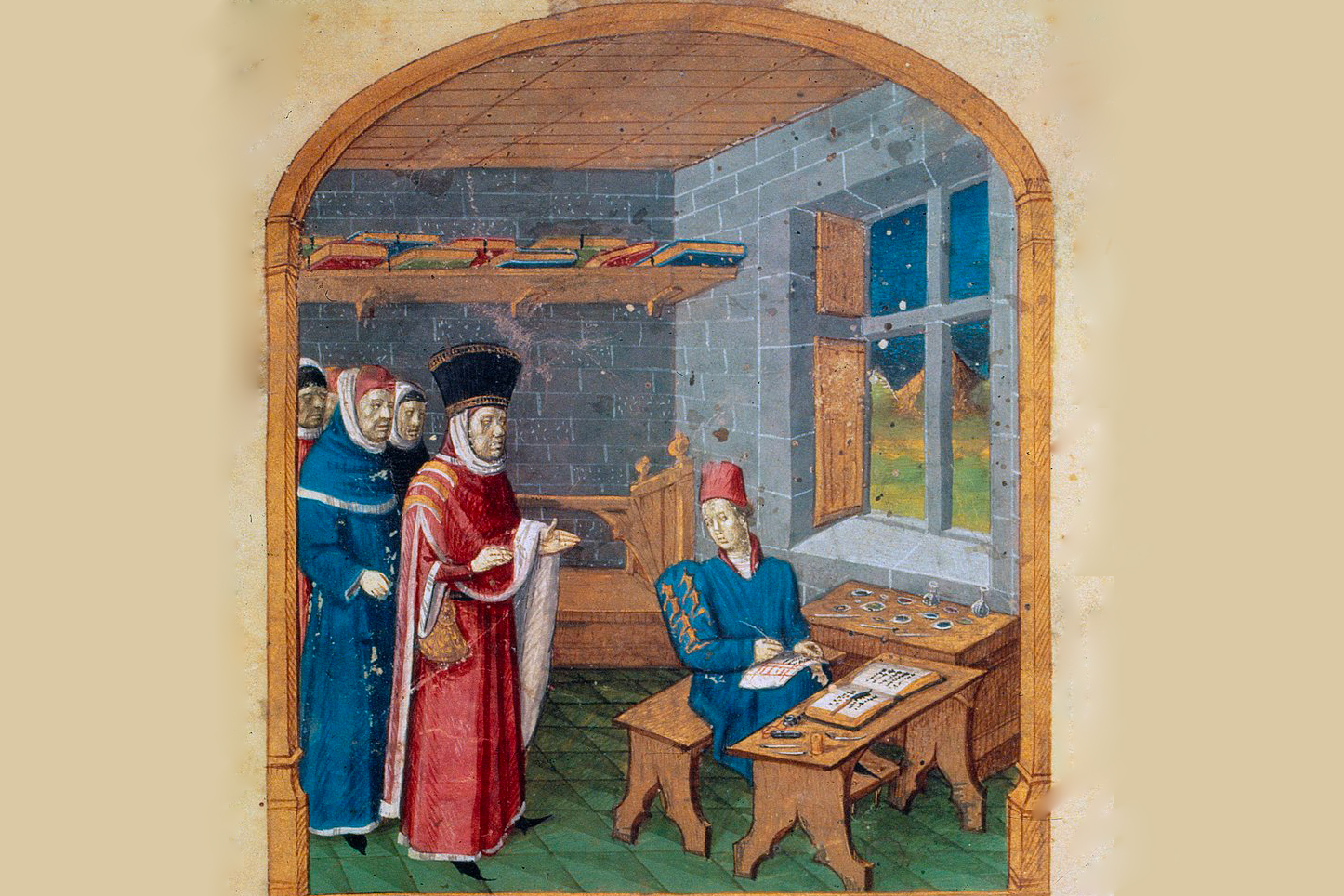
What did it mean to be an escripvain (or escrivain) in medieval France? Was such a person a professional copyist, a clerk, a secretary, a notary or an author? And how did the meaning of the term change as manuscript production developed into an increasingly specialised commercial enterprise during the later Middle Ages?