EXHIBITION: The Golden Middle Ages of the Merovingians are at the centre of an important exhibition in Holland this spring
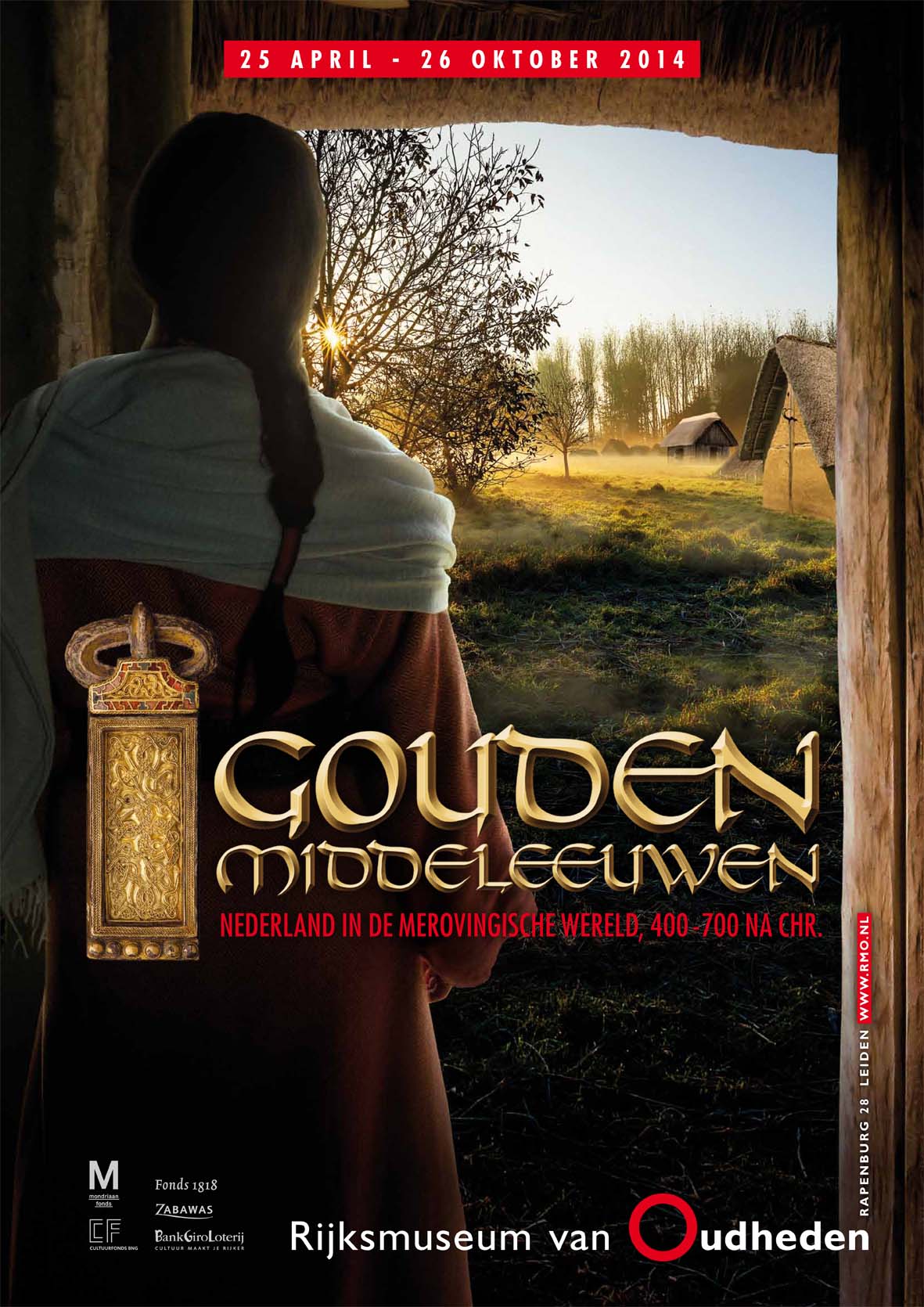
This many-faceted exhibition at the National Museum of Antiquities is intended to change the gloomy image of the early Middle Ages once and for all. It is an exhibition for young and old, with new stories about the Netherlands during the Merovingian dynasty, AD 400–700. We now know that these were not dark days at all, but a golden age!
 Top Dutch archaeological finds and Merovingian glass
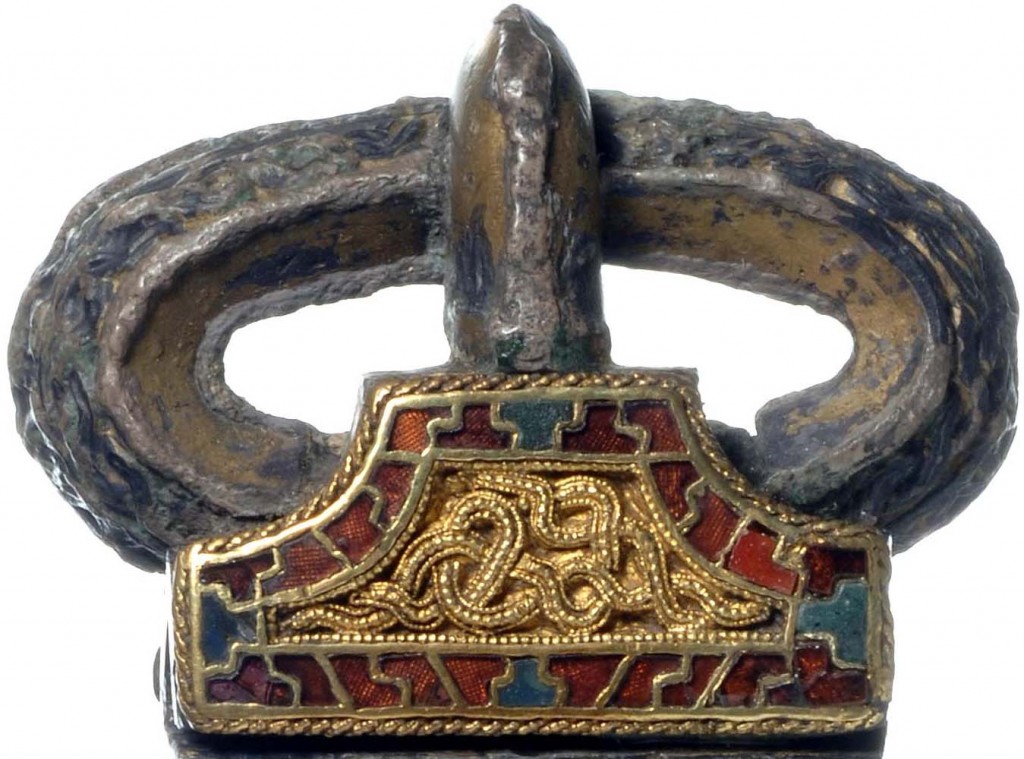
Golden Middle Ages will show how life was in this part of the world some 1,500 years ago and what role the Netherlands played in the worldwide trade networks of early medieval Europe. One gallery will be dedicated entirely to the little-known beauty of Merovingian glass. Of course, the exhibition will also feature top archaeological finds from the period, such as the Rijnsburg buckle, gold neck-rings from Olst, the glass bell beaker of Bergeijk, and a new trove of medieval coins. The signature object of the exhibition is the so-called Rijnsburg buckle, a gilt belt-buskle, decorated with gold filigree and garnet cloisonné from the cemetery of Rijnsburg-de horn. It dates from ca 600 AD and was found in 1913.
King Childeric’s sword
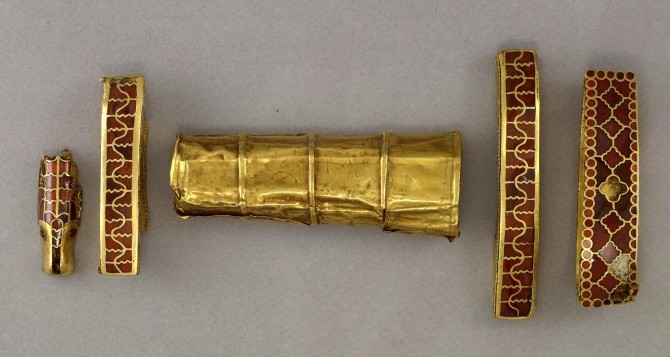
These Dutch treasures will be combined with spectacular loans from abroad, including gilt buckles from London and a gilt helmet from Krefeld. Even the sword of the Merovingian king Childeric will be sent to Leiden from Paris. This weapon was found in Doornik in 1653.
 The exhibition will be accompanied by a book (in Dutch), published by Uitgeverij Walburg Pers.
In July 2014, the National Museum of Antiquities will organize the second Dorestad conference on the early medieval Netherlands in an international framework.
Golden Middle Ages – The Netherlands in the Merovingian World, 400-700 AD
The Rijksmuseum van Oudheden
Rapenburg 28
2311 EW Leiden, Holland
25.04.2014 – 26.10.2014
FEATURED IMAGE:
Detail of Gilt belt-buckle decorated with gold filigree and garnet cloisonné from the cemetery of Rijnsburg-de Horn, ca. 600 Ad. It was found in 1913 and is the signature object in the exhibition. © The Rijksmuseum van Oudheden