Philippe Buc is publishing a new book in 2015 on holy war, martyrdom and terror
Author: Medieval Histories
Medieval Histories is a News site where anyone - professionals or just generally interested - can read about new exhibitions, books, research, excavations, finds, treasures... and much more! The site is created and owned by Karen Schousboe (http//:www.karenschousboe.com)
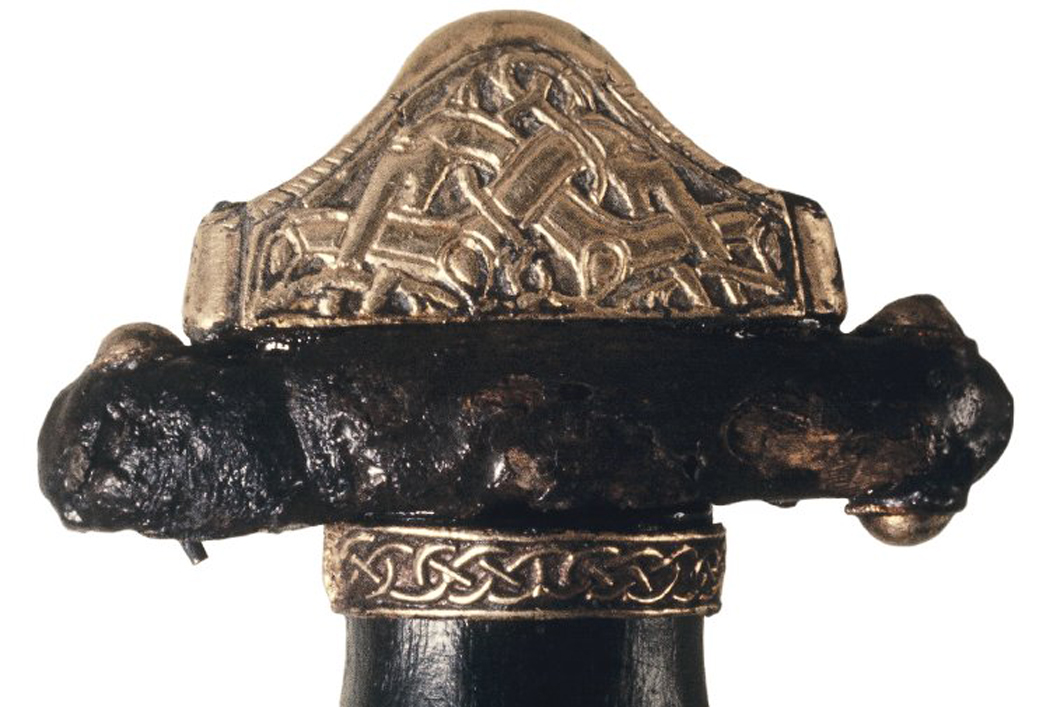
Anglo-Saxons – Peaceful or Barbaric?
The Angles and Saxons were according to differing political agendas either peaceful immigrants or barbaric warriors. But what were they really? New research brings us perhaps closer to an answer.

Hagiography in Carolingian Lombardy
Hagiography was a popular form of literature used to promote local political interests in Carolingian Lombardy
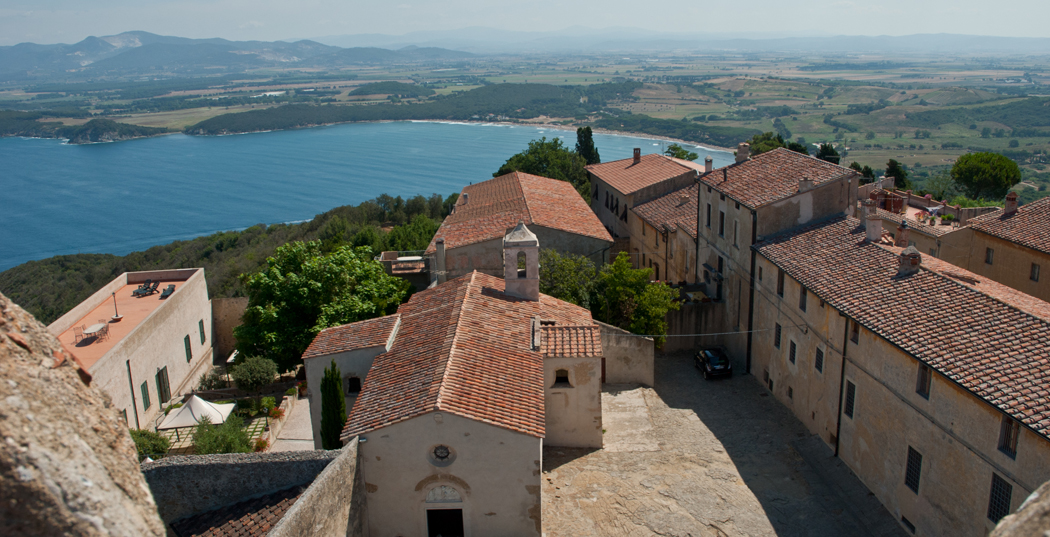
Landscape Changes in Central Italy
From 200 BC to AD 1300 the landscape of The Etruscan Coast in Central Italy changed from forest to maquis and back again.
Gerald of Wales
CFP: New Perspectives on Gerald of Wales: Texts and Contexts. Harvard University 10.04.2015 - 11.04.2015
European Society for Environmental History
The European Society for Environmental History promotes the study of environmental history in all academic disciplines - also among medievalists
Monasteries and the Environment
CFP: Monasteries and the Environment – ESEH Conference in Versailles 30.06.2015 – 03.07.2015
Managing Hadrian’s Wall
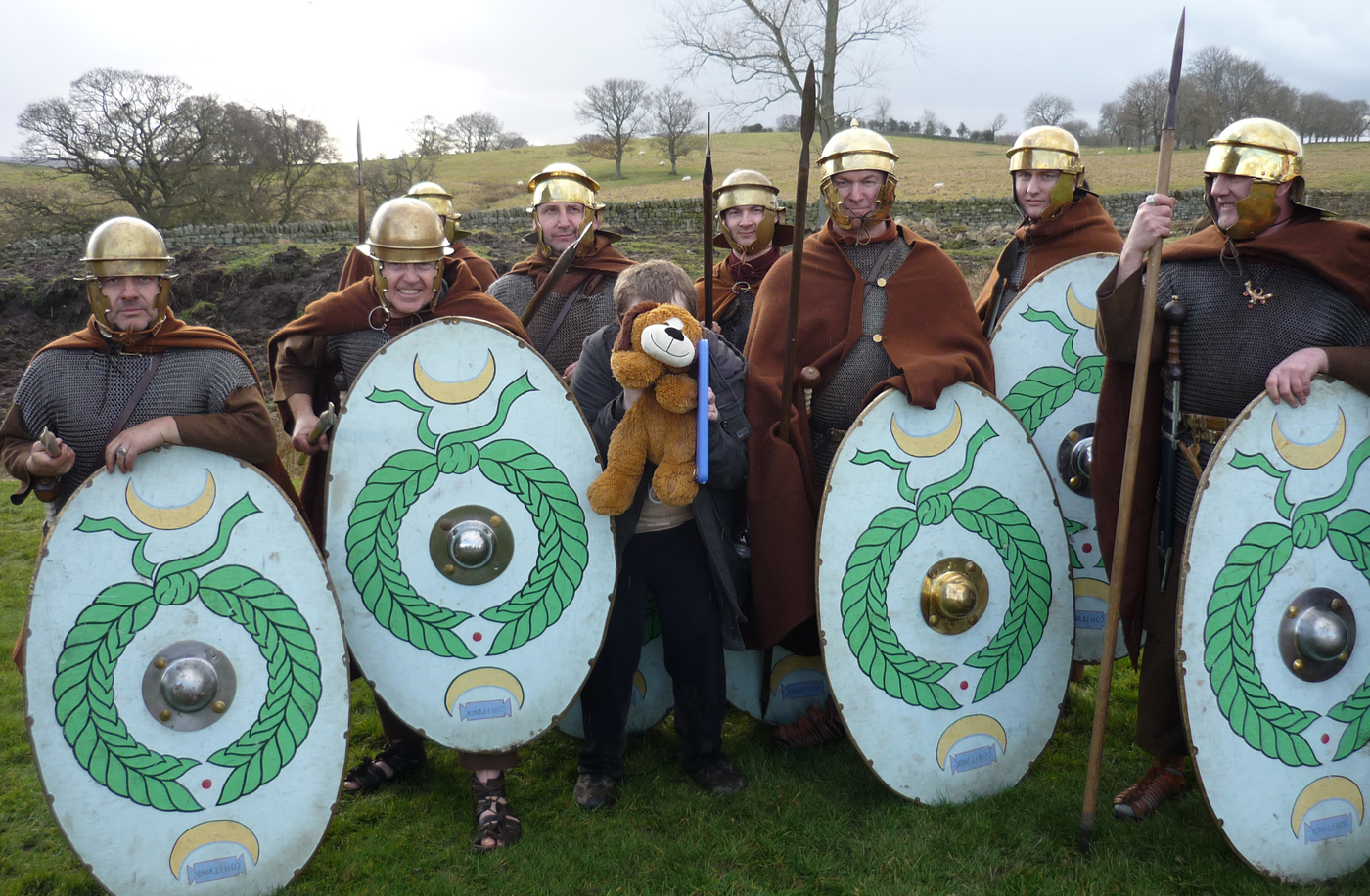
An important new book chronicles the development – or rather transformation – of the management of Hadrian’s Wall, which has taken place since the 90s.
Hadrian’s Wall Trust
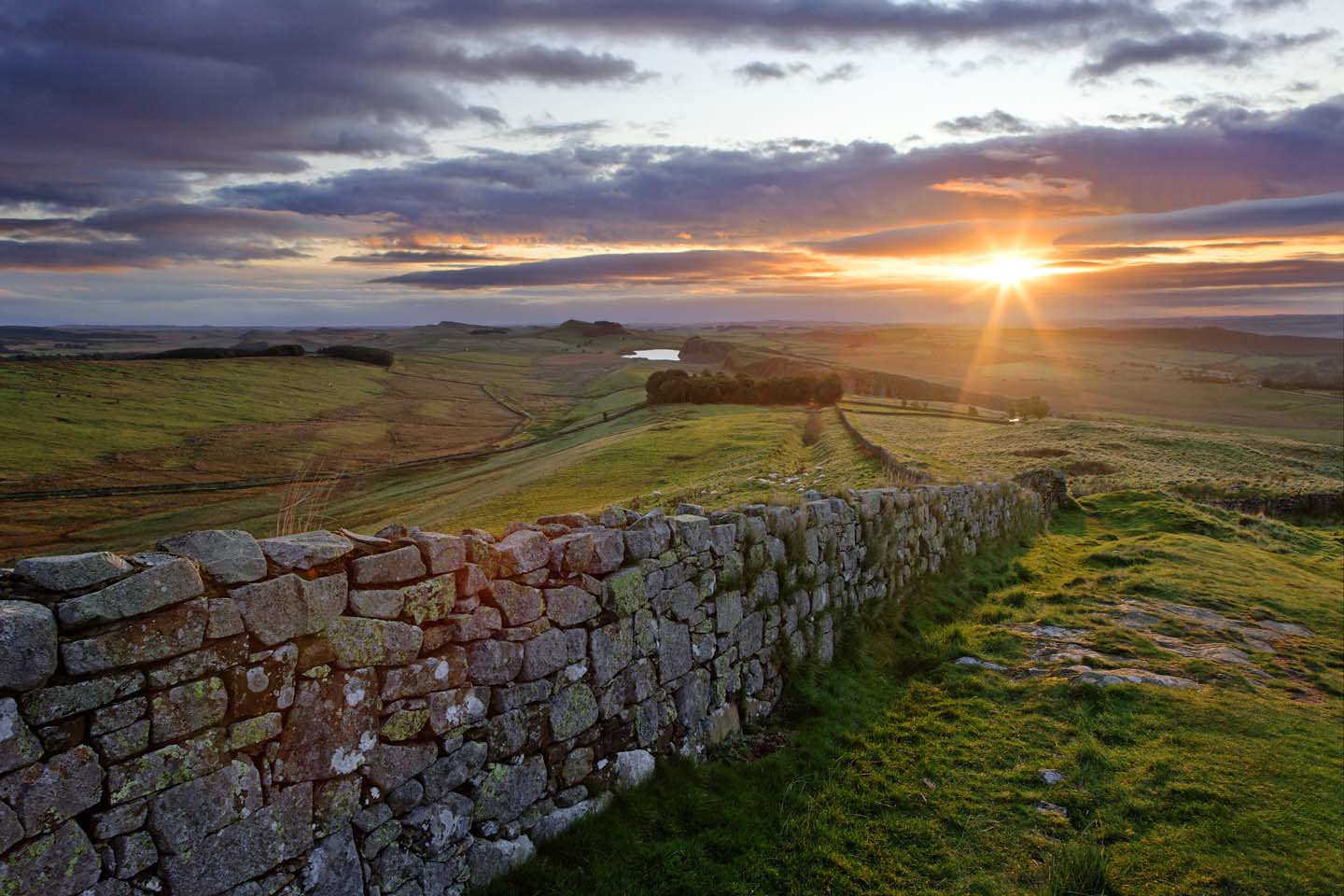
The ancient wall faces a very modern threat from government cuts when the successful Hadrian's Wall Trust closes its doors
Matter of Faith
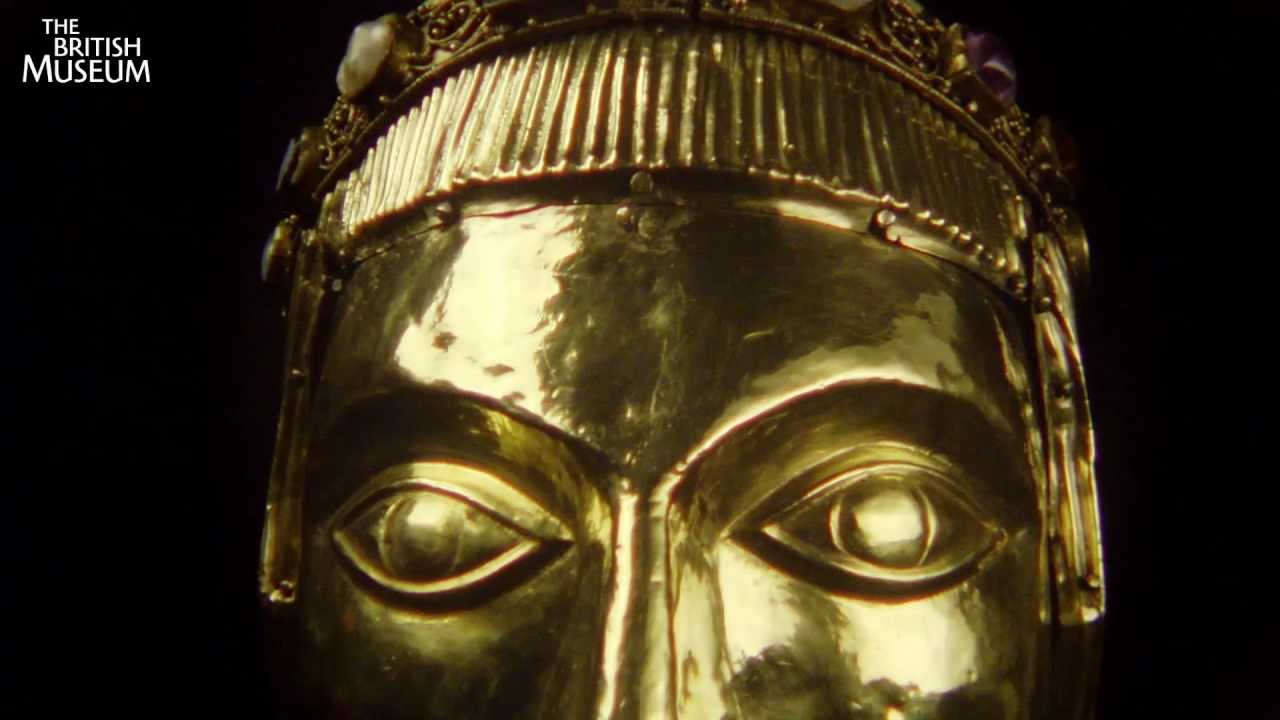
A landmark publication exploring the relationship between sacred matter and precious materials in the Middle Ages.
Medieval Royal Lifestyle
Analysis of the bones and teeth of Richard III has uncovered a fascinating story of his changing lifestyles
A recent study by the British Geological Survey, in association with researchers at the University of Leicester, has delved into the bone and tooth chemistry of King Richard III and uncovered fascinating new details about the life and diet of Britain’s last Plantagenet king. The study, published in Elsevier’s Journal of Archaeological Science indicates a change in diet and location in his early childhood, and in later life, a diet filled with expensive, high status food and drink. These findings feature for the first time in a Channel 4 documentary on Sunday 17th August at 9pm.
Isotope analysis of bone and tooth material from King Richard III has revealed previously unknown details of his early life and the change in his diet when he became King two years and two months before he was killed at the Battle of Bosworth. The research examines the changes in chemistry found in the teeth, the femur and the rib; all of which develop and rebuild at different stages of life.
Isotope measurements that relate to geographical location, pollution and diet (strontium, nitrogen, oxygen, carbon and lead) were analysed in three locations on the skeleton of Richard III. The teeth, which form in childhood, confirmed that Richard had moved from Fotheringay castle in eastern England by the time he was seven. The data suggest that during this time he was in an area of higher rainfall, older rocks and with a changed diet relative to his place of birth in Northamptonshire. By examining the femur, which represents an average of the 15 years before death, researchers show that Richard moved back to eastern England as an adolescent or young adult, and had a diet that matched the highest aristocracy.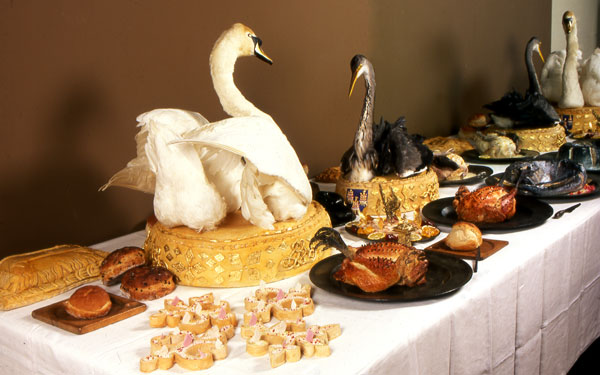
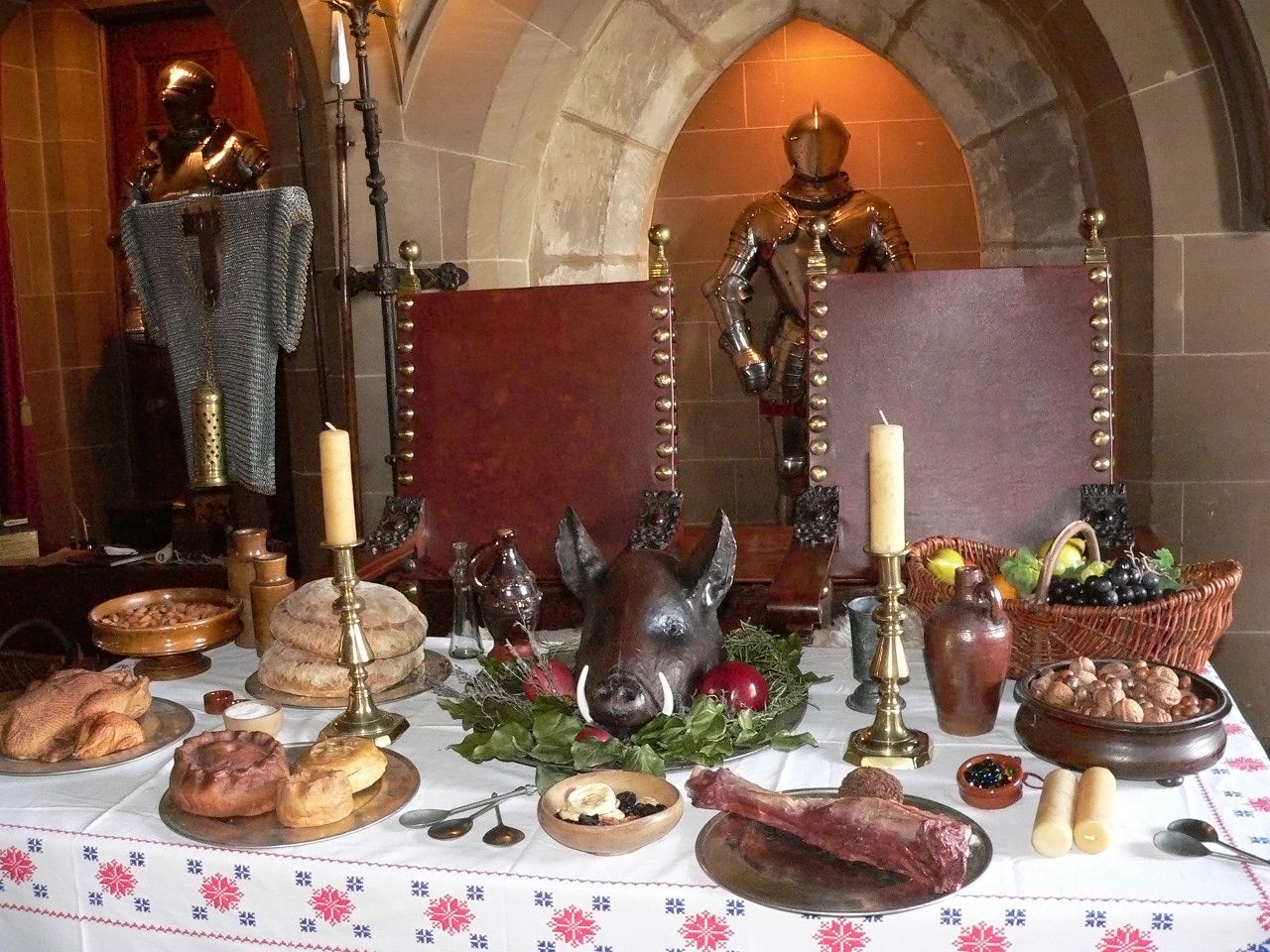
The third location, the rib, renews itself relatively quickly, so it only represents between 2 and 5 years of life before death. Data from the isotopes in this bone indicate the greatest change in diet. Although an alteration in the chemistry between the femur and the rib of Richard III could indicate relocation, historical records show that Richard did not move from the east of England in the 2 years prior to his death when he was King. As such, this chemical change is more likely to represent a change in diet relating to his period as King. The difference suggests an increase in consumption of freshwater fish and birds, which were popular additions to royal banquets at the time and included birds such as swan, crane, heron and egret. In addition, the bone chemistry suggests he was drinking more wine during his short reign as King and reinforces the idea that food and drink were strongly linked to social status in Medieval England; perhaps even more specifically the royal lifestyle.
Dr Angela Lamb, Isotope Geochemist and lead author of the paper says “The chemistry of Richard III’s teeth and bones reveal changes in his geographical movements, diet and social status throughout his life.”
Richard Buckley from the University of Leicester Archaeological Services and lead archaeologist in the Richard III dig, said: “This cutting edge research has provided a unique opportunity to shed new light on the diet and environment of a major historical figure –Richard III. It is very rare indeed in archaeology to be able to identify a named individual with precise dates and a documented life.
“This has enabled the stable-isotope analysis to show how his environment changed at different times in his life and, perhaps most significantly, identified marked changes in his diet when he became king in 1483. “
The Dig for Richard III was led by the University of Leicester, working with Leicester City Council and in association with the Richard III Society. The originator of the Search project was Philippa Langley of the Richard III Society.
SOURCE:
Multi-isotope analysis demonstrates significant lifestyle changes in King Richard III
By Angela L. Lamb, Jane E. Evans, Richard Buckley, Jo Appleby
Journal of Archaeological Science 2014
READ MORE:
Ulfberht Swords
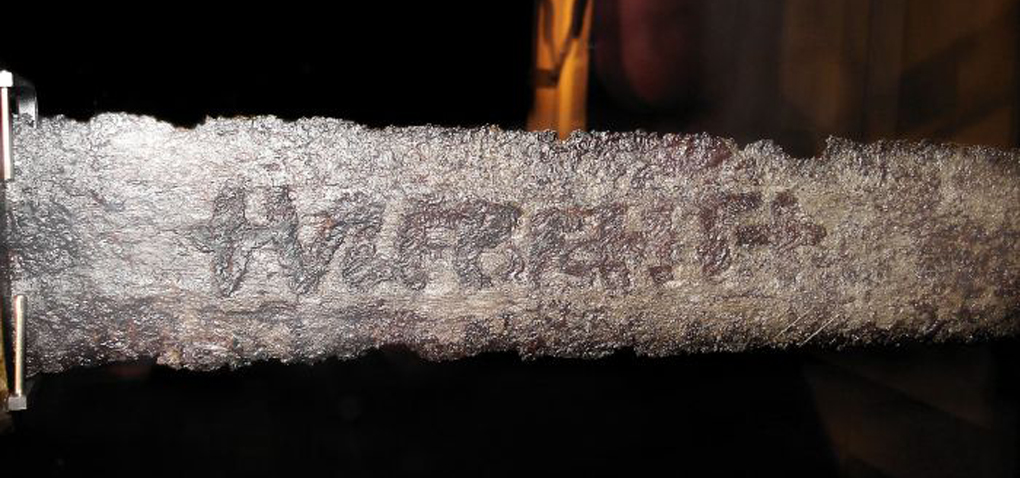
The famous Ulfbehrt Swords were perhaps made in Fulda
The Treasure of the Abbey of Saint-Maurice d’Agaune
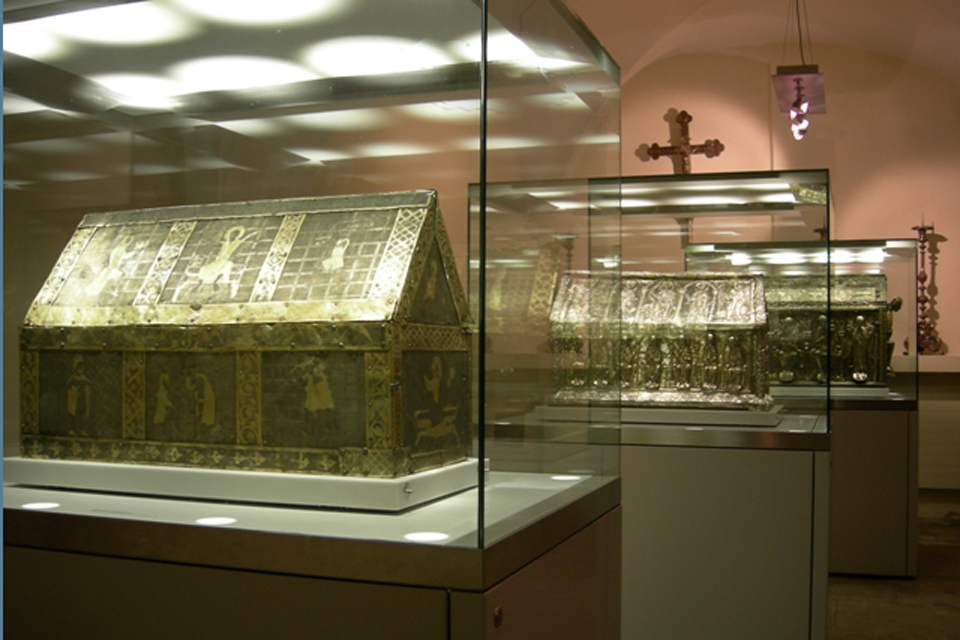
Very early on, the basilica built at Agaune was venerated and honoured through gifts of gold, silver and pieces of decorative art
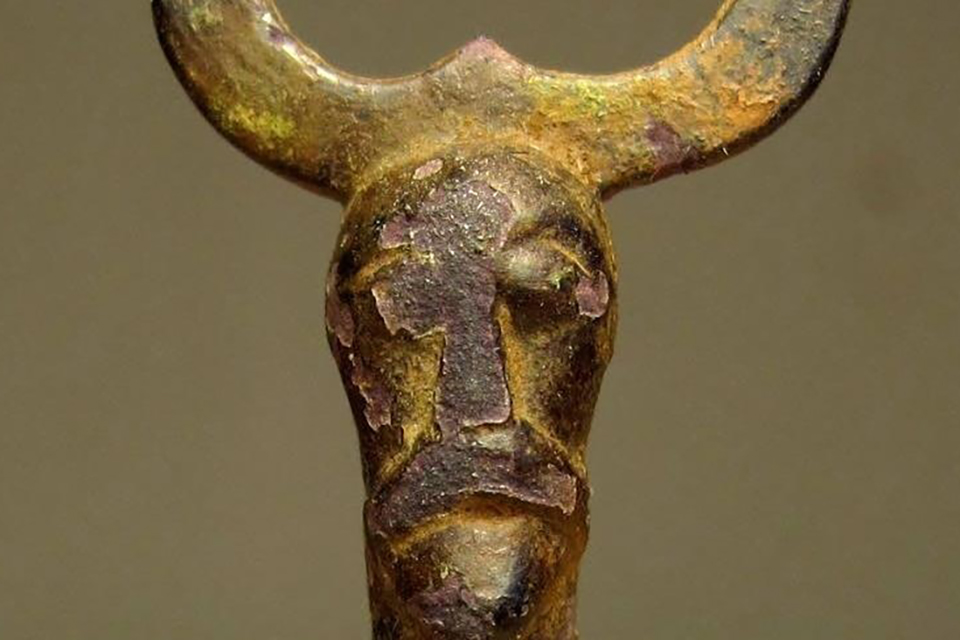
Odin from Levide
A sensational small amulet of Odin has been found in Levide in Southern Gotland, Sweden. The pendant belongs to a group of figurines commonly called the “weapon-dancers”
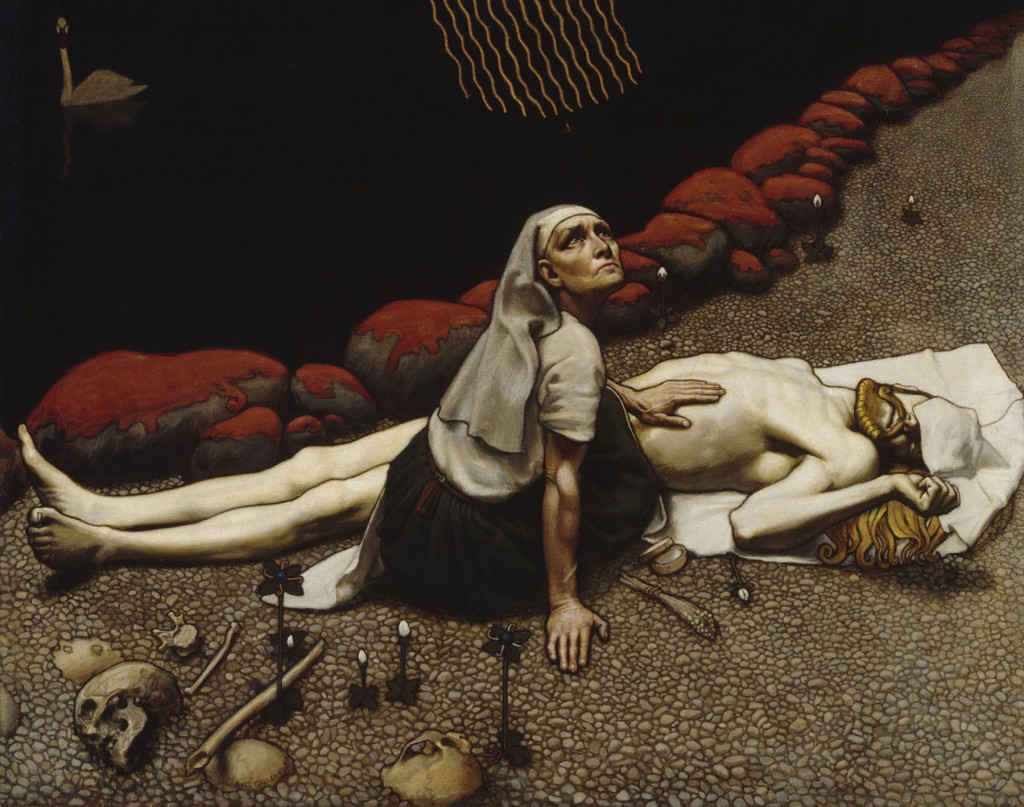
The Dust Veil AD 536
The sun turns black, earth sinks in the sea. Down from heaven, stars are whirled… Thus sang the Seeress (the Völva) to Odin

Approaching the Bible in Medieval England
We are used to think of the bible as a book. However, in the Late Middle Ages, the Bible came in many disguises: performed as liturgy, music or plays; or mediated through sermons, images or ceremonial objects