Scotland is filled with magnificent views of misty landscapes. Sometimes called the last wilderness of Europe. Nowhere is this more pertinent in Glencoe

Medieval Histories is a News site where anyone - professionals or just generally interested - can read about new exhibitions, books, research, excavations, finds, treasures... and much more! The site is created and owned by Karen Schousboe (http//:www.karenschousboe.com)
Scotland is filled with magnificent views of misty landscapes. Sometimes called the last wilderness of Europe. Nowhere is this more pertinent in Glencoe
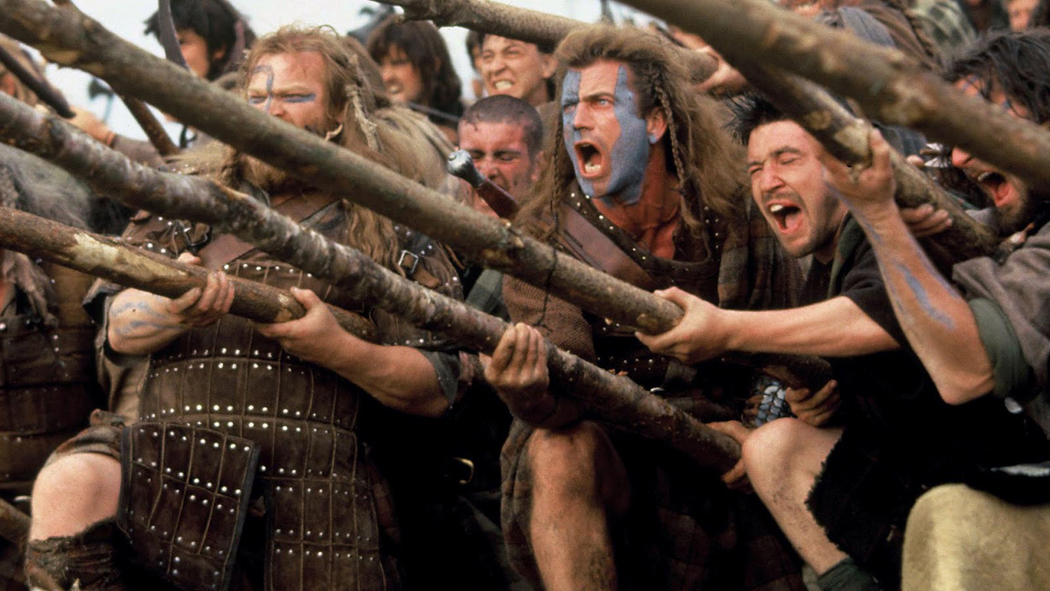
In the film Mel Gibson’s Braveheart famously shouted freedom, while being racked to death at the front of the Tower of London
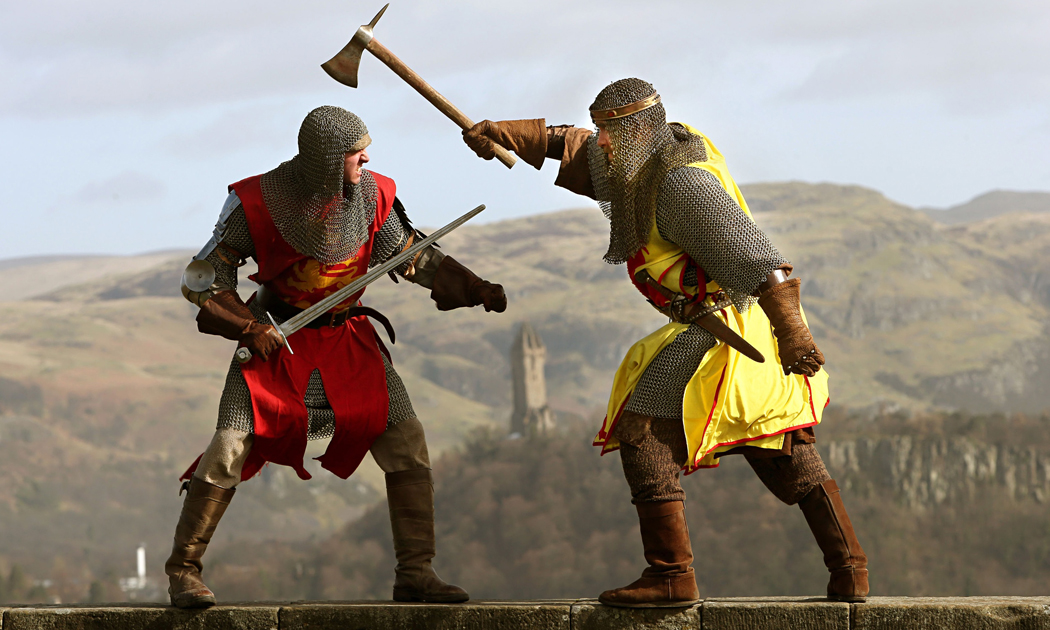
The Battle of Bannockburn in 1314 was the most significant Scottish victory in the War of Scottish Independence and by many hailed as the culmination of the forging of an independent Scottish Nation
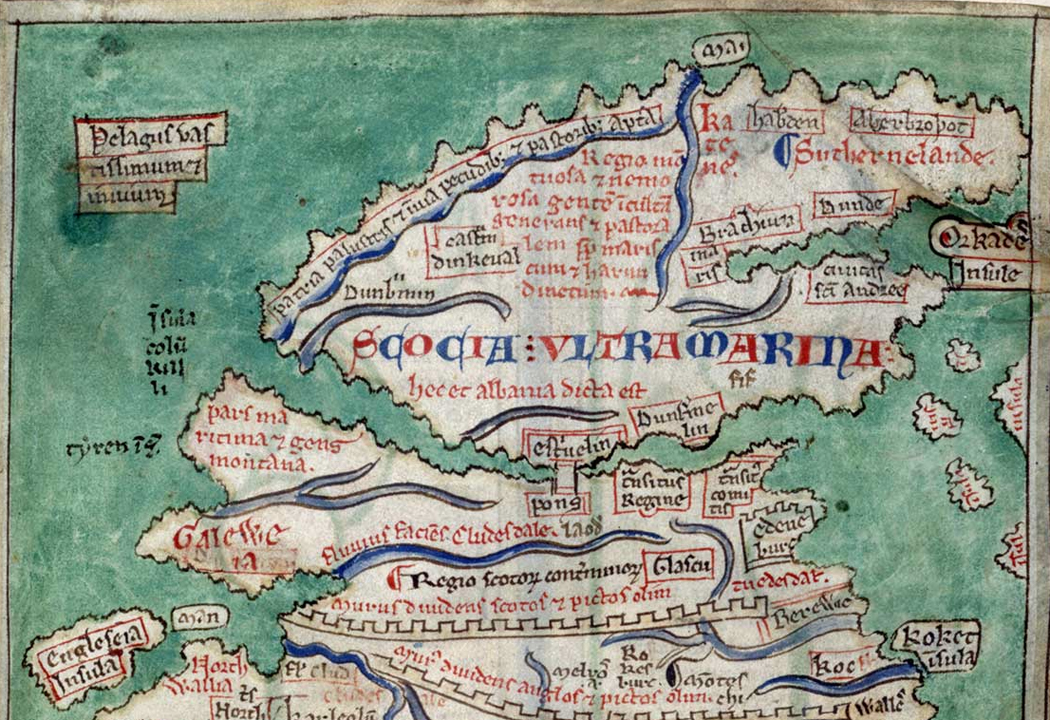
When did Scotland merge from the mists of pre-history? How did the people North of the Firth of Forth begin to think of themselves as Scots?
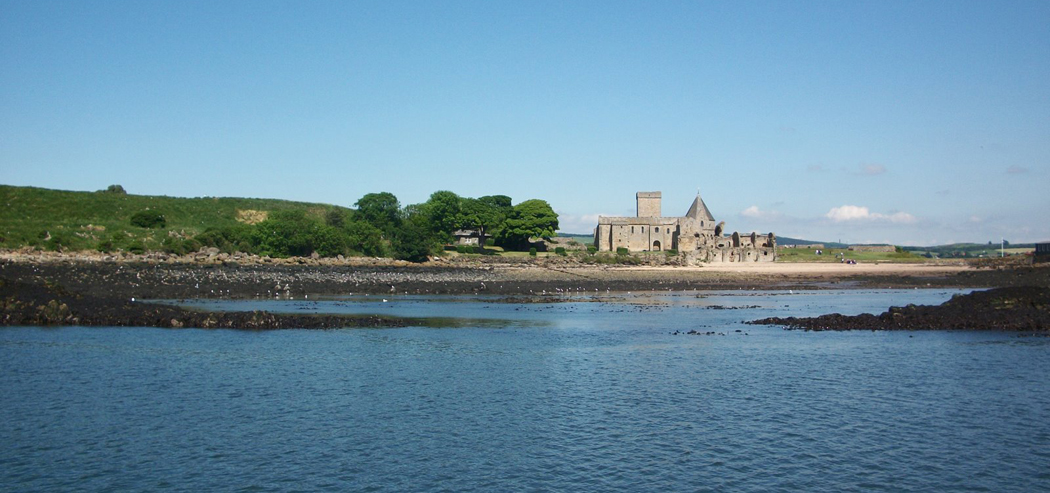
Between 1093 and 1286 Scotland became an independent nation. The history of the cultural formation of this kingdom is at the centre of a recent collection of articles
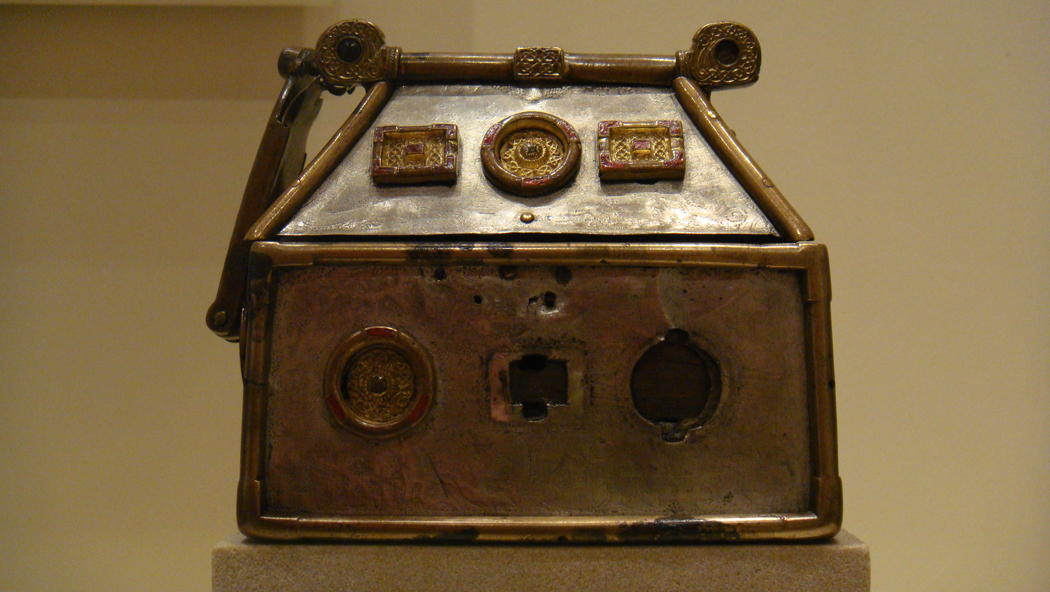
The history of Early Medieval Scotland is no longer just a history of the distinctive tribes: Celts, Picts, Vikings or Anglo-Normans
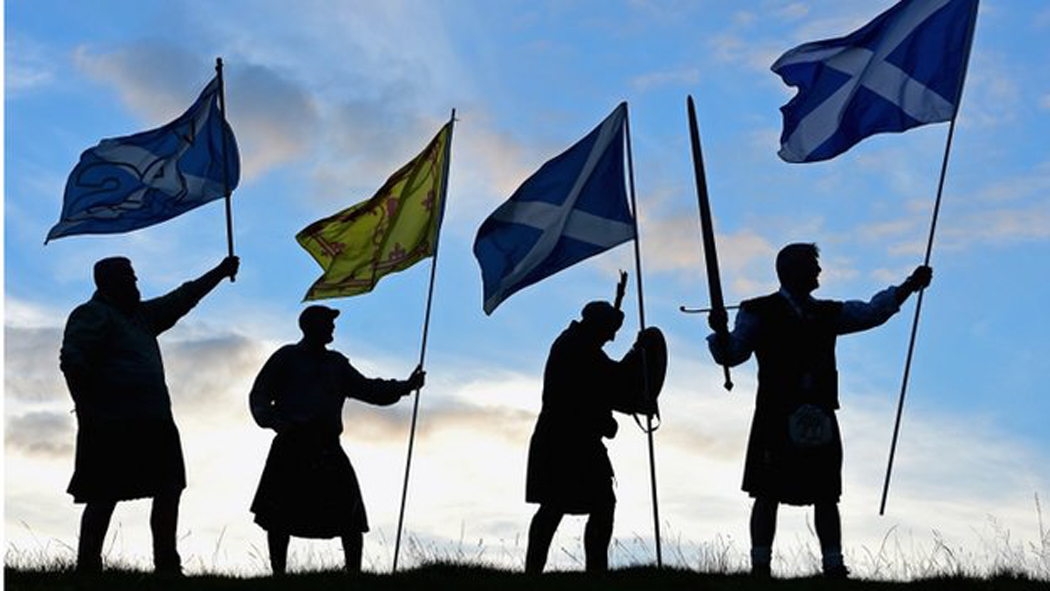
During the Scottish referendum only partial and very discreet hints were made to the distinct Scottish identity. Why was that?
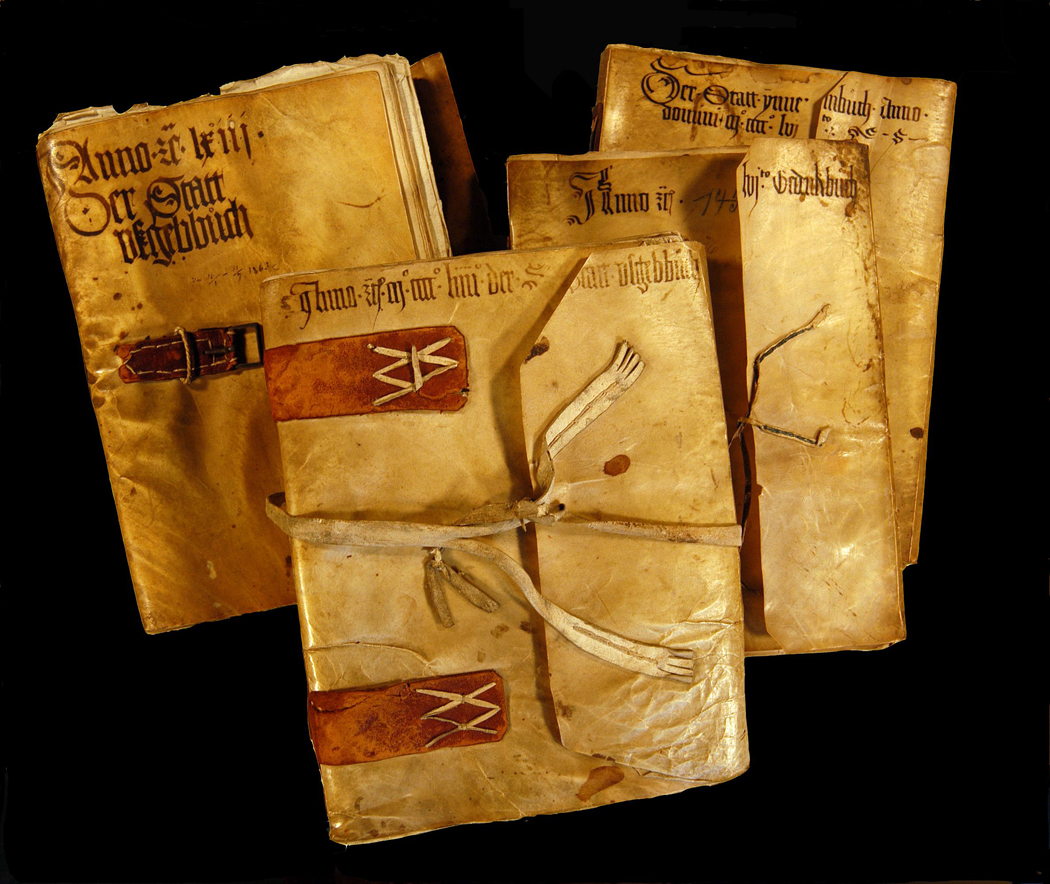
Historians of Johannes Gutenberg University Mainz edit medieval ledgers from Augsburg
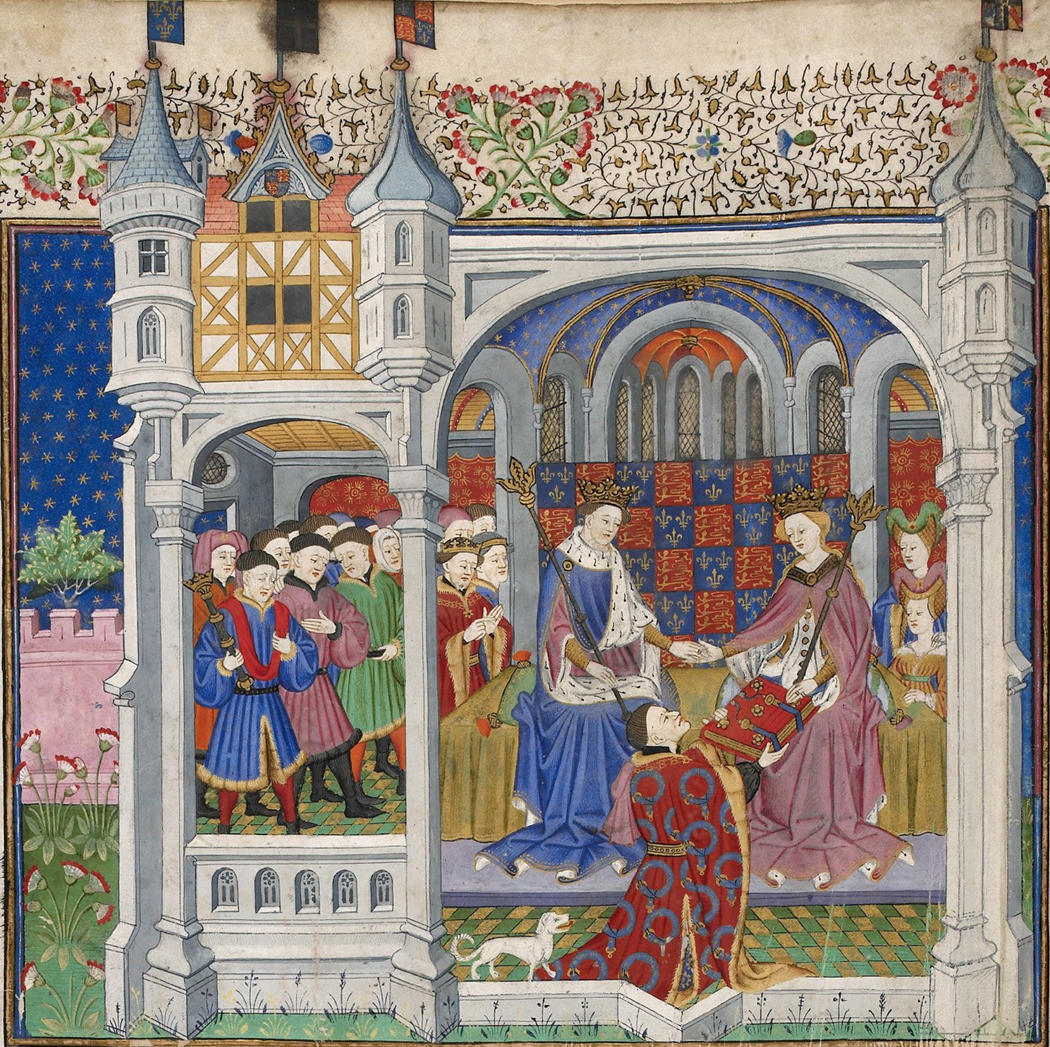
Royal Manuscripts: The Genius of Illumination was the title of an exhibition hosted at the British Library in 2011. Now selected papers have been published
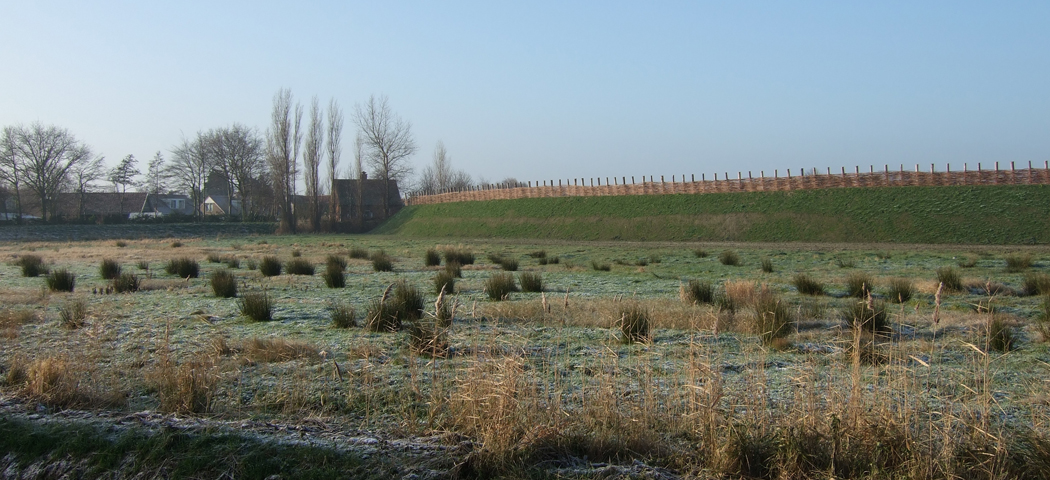
The Ring Fortresses along the Dutch Coast in Holland have recently been reinterpreted as likely Viking base-camps from the 9th century
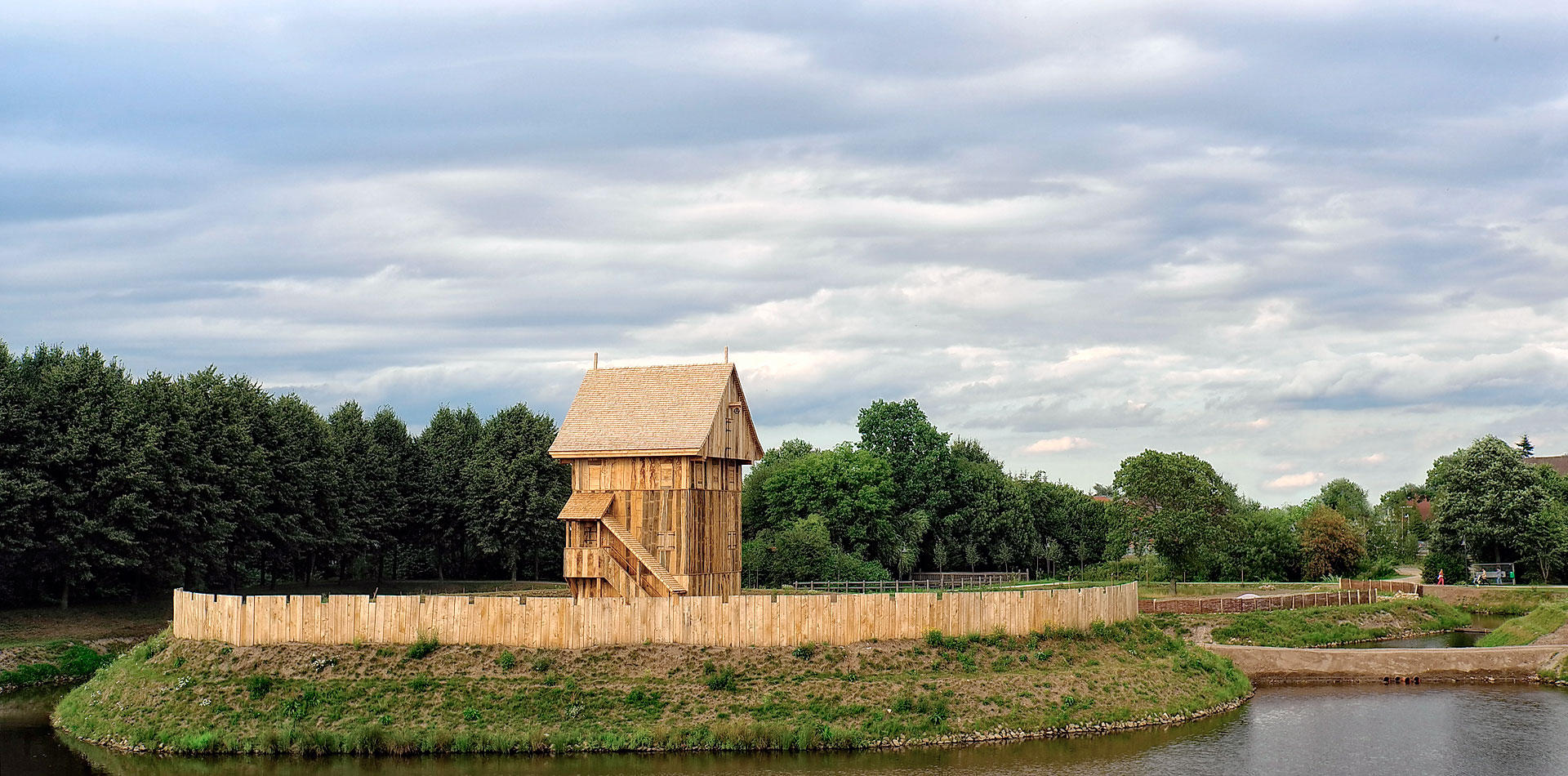
The Castle at Vechta - Castrum Vechtense - is a medieval Open-Air Museum South of Bremen in Northern Germany
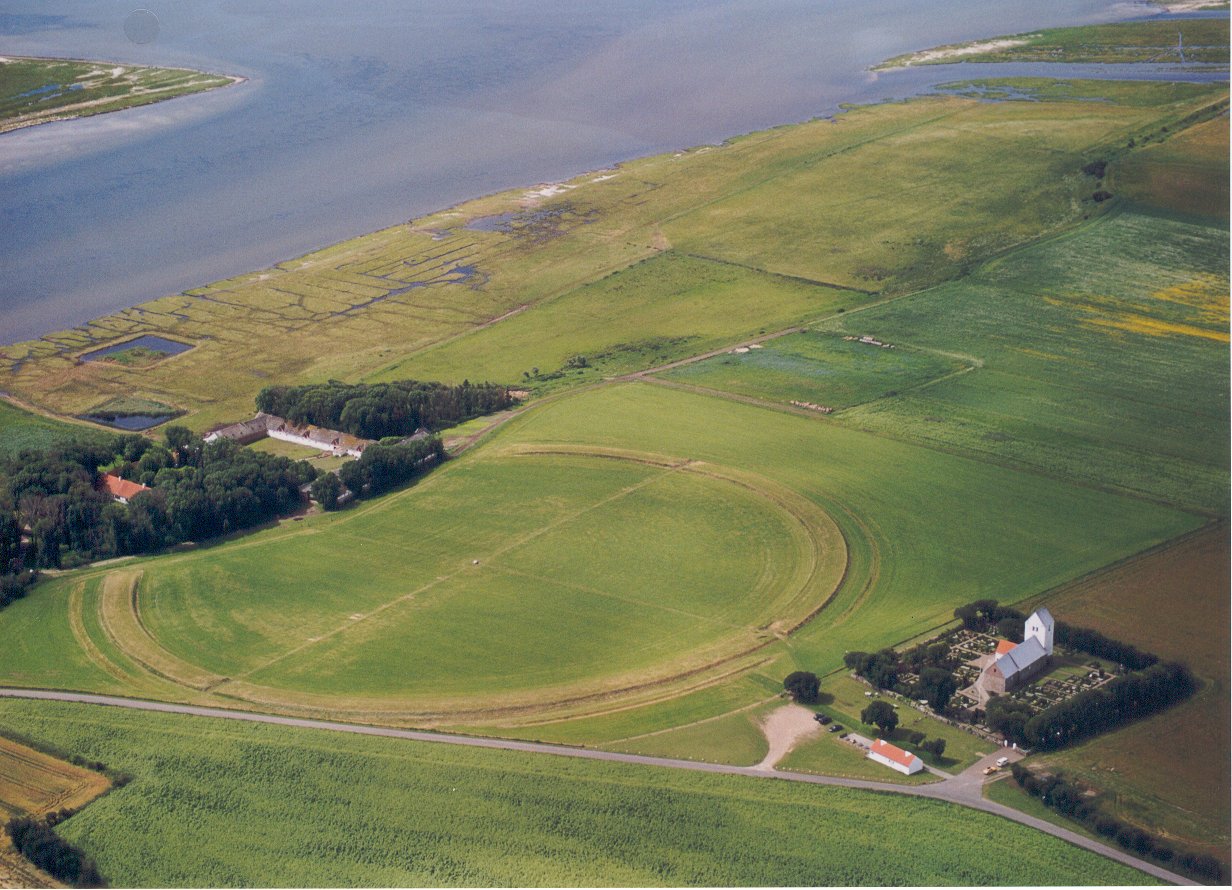
Geophysical surveys shed new light on the enigmatic Ring fortresses from the reign of Harold Bluetooth
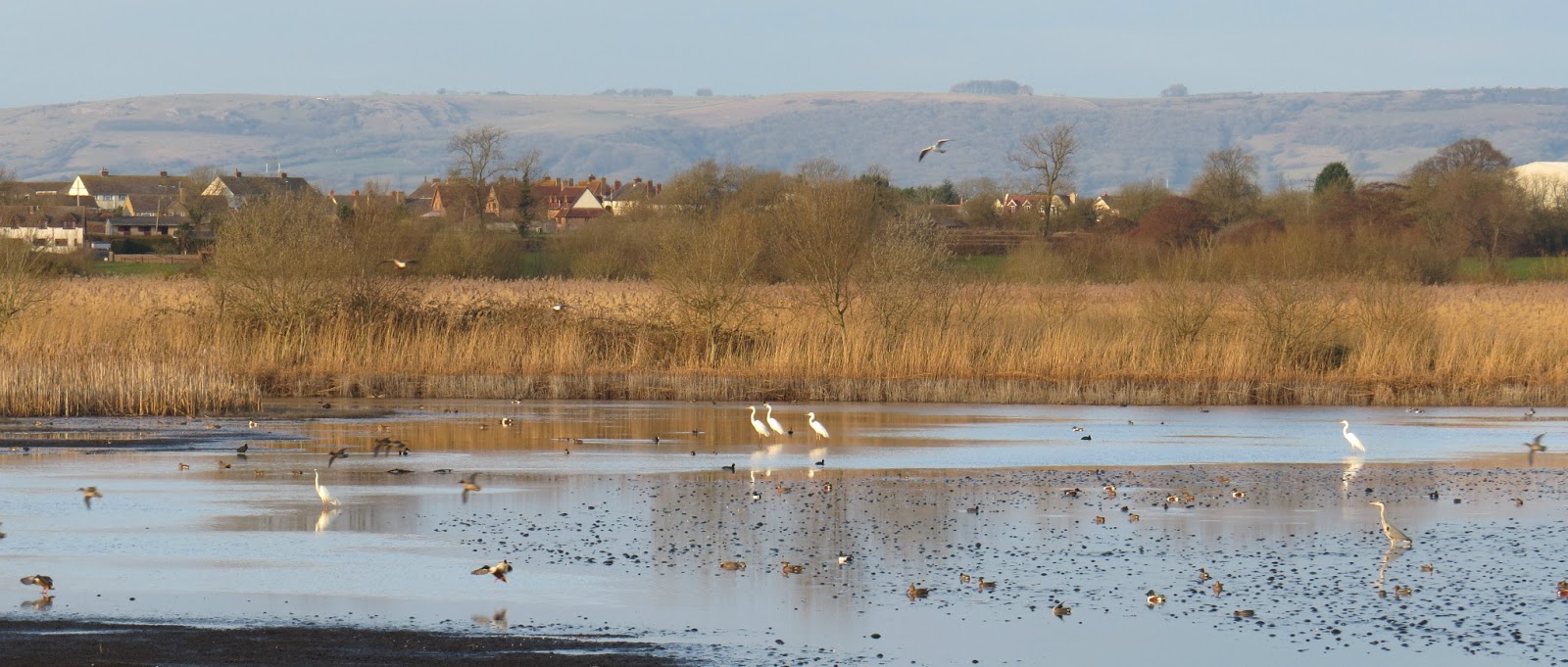
The English Village is both a reality and a romantic dream. But what were the roots of these nucleated settlements? New book explores Shapwick to find answers

Denmark is famous for its four Viking Ring Fortresses. This spring a fifth was suddenly discovered in the eastern part of Zealand
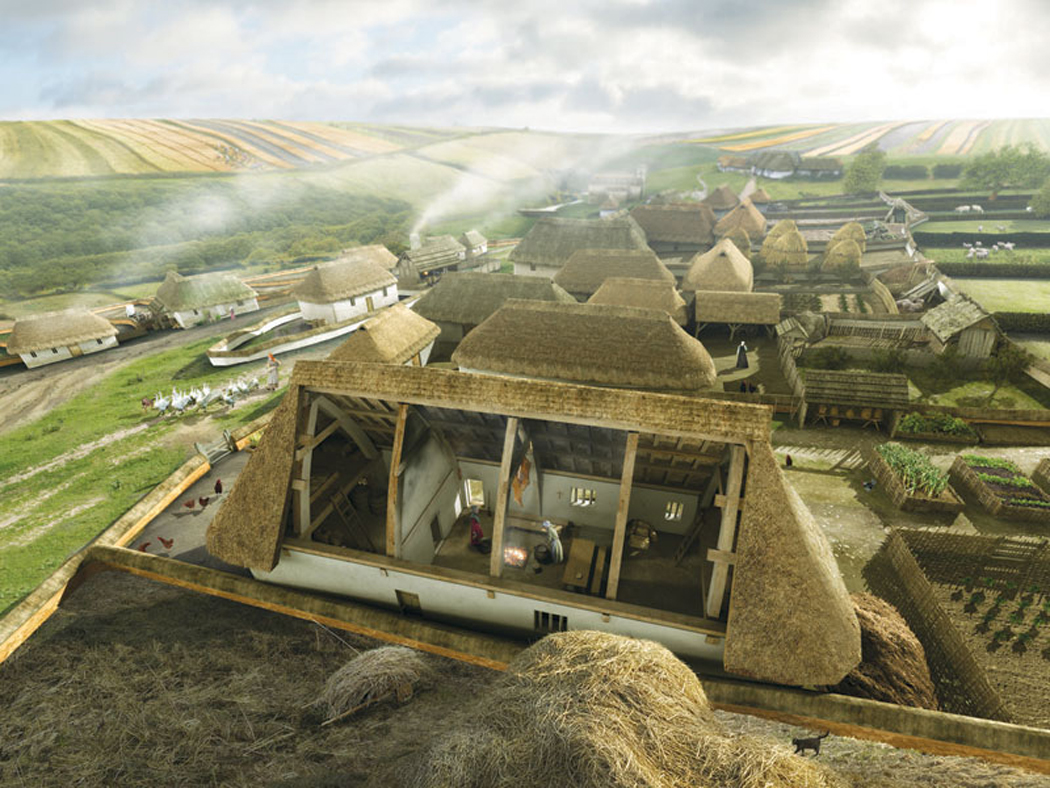
Recently a series of deserted medieval villages in England were recognised as ancient monuments
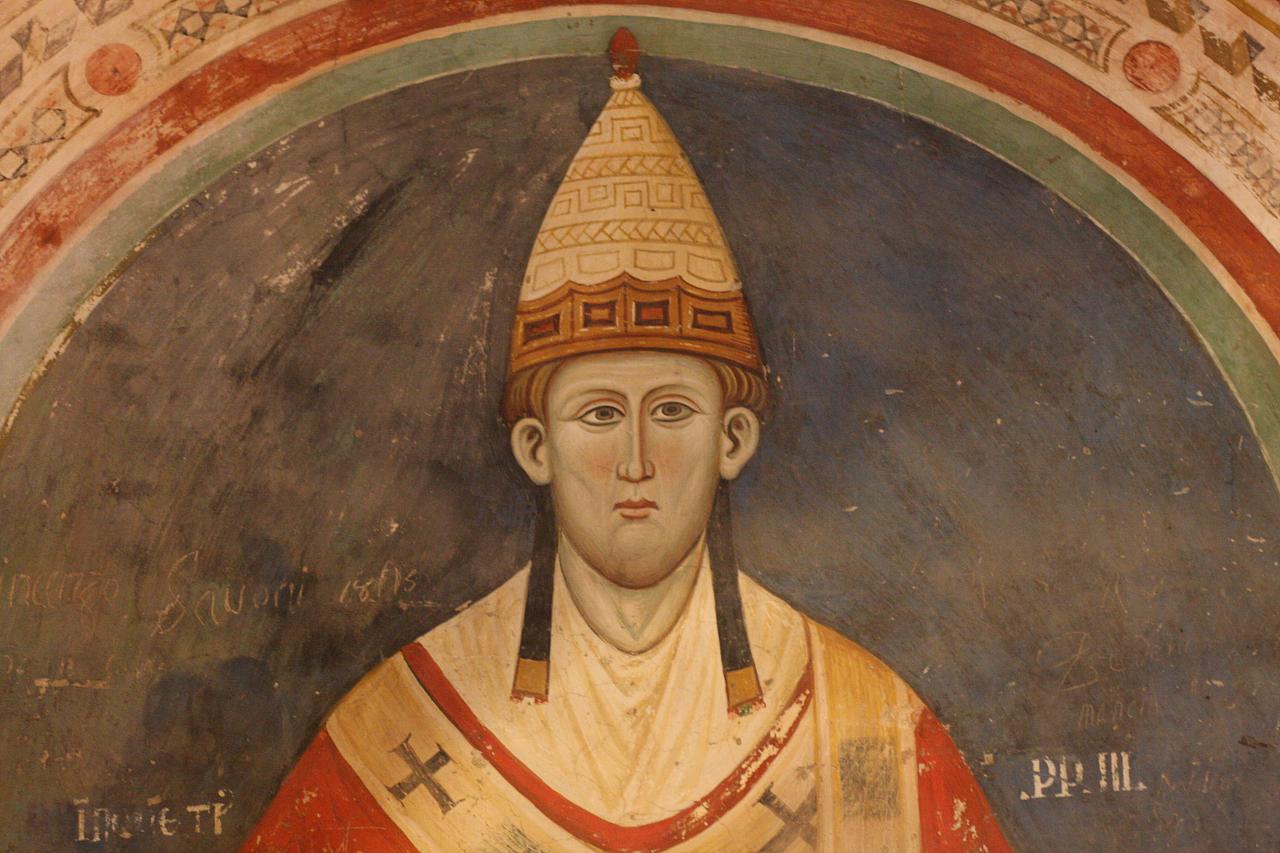
CFP: Concilium Lateranense IV. Commemorating the Octocentenary of the Fourth Lateran Council of 1215