Is Early Medieval Europe in the process of merging with The Journal of Late Antiquity? Four out of five articles touch upon people and events in the 4th, 6th, and 6th centuries.
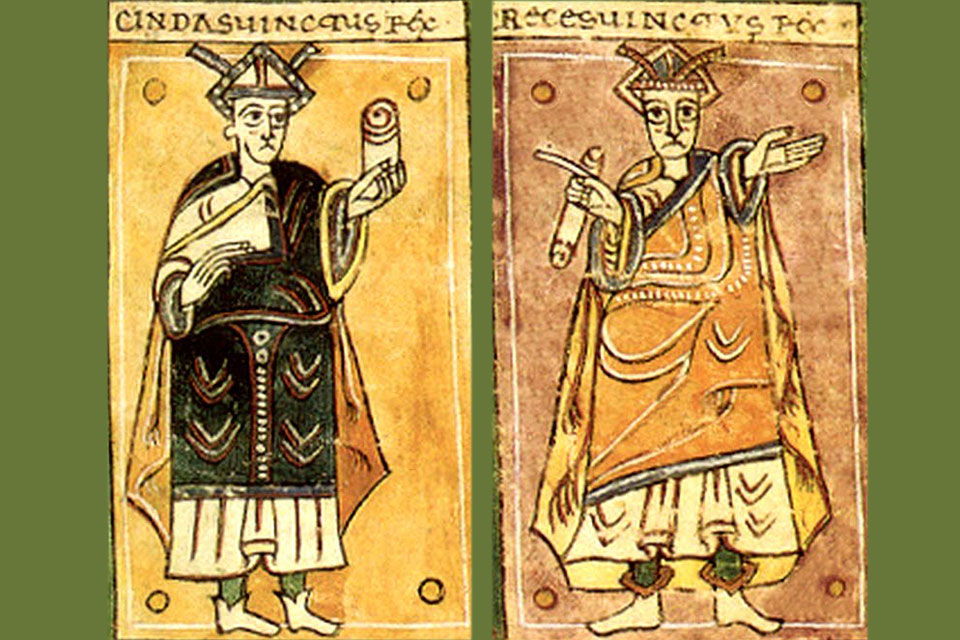
Is Early Medieval Europe in the process of merging with The Journal of Late Antiquity? Four out of five articles touch upon people and events in the 4th, 6th, and 6th centuries.
Last year the Society for Medieval Archaeology decided to publish two issues per year of the journal Medieval Archaeology. The issue from June 2018 cover a wide variety of themes and subjects offering a handful of new and inspiring articles as well as a series of book reviews
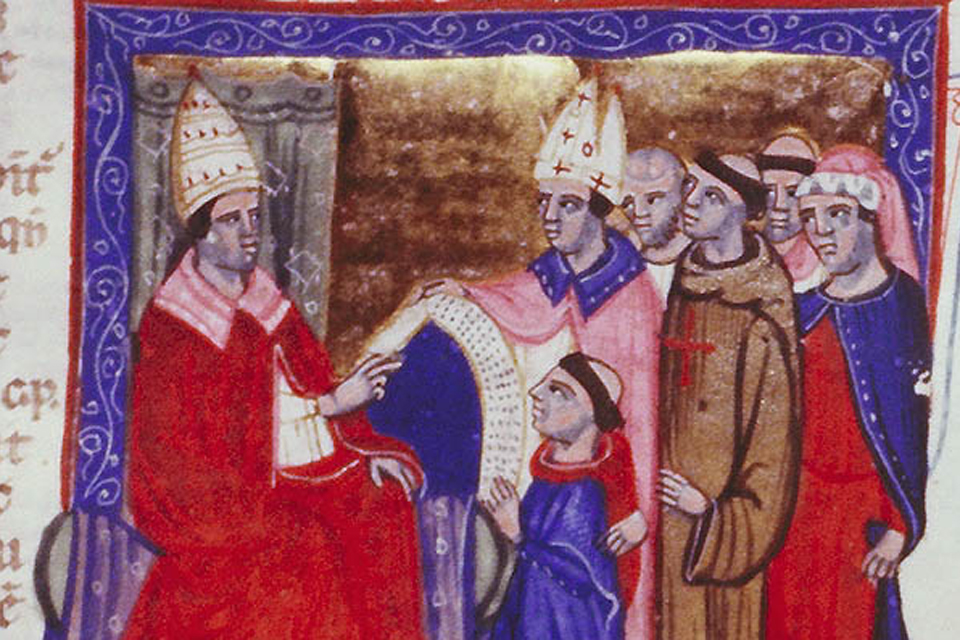
After the devastating events in the 11th century following the investiture controversy, the papacy regained its position of power. New special issue of “Journal of Medieval History” presents a series of essays focusing on the communication strategies of the popes in the central Middle Ages (1100 – 1300).
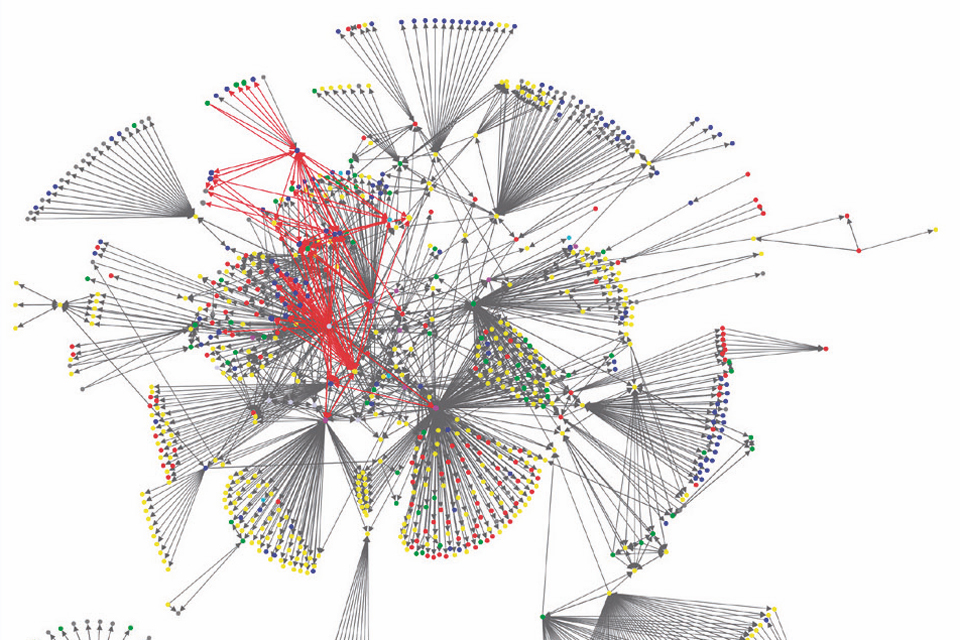
How do you go about communicating the intent to reform a church organisation reaching from Iceland to Sicily in the 11th century? And with it the wider society? This fundamental question has been explored by Arian Lorke in a new book
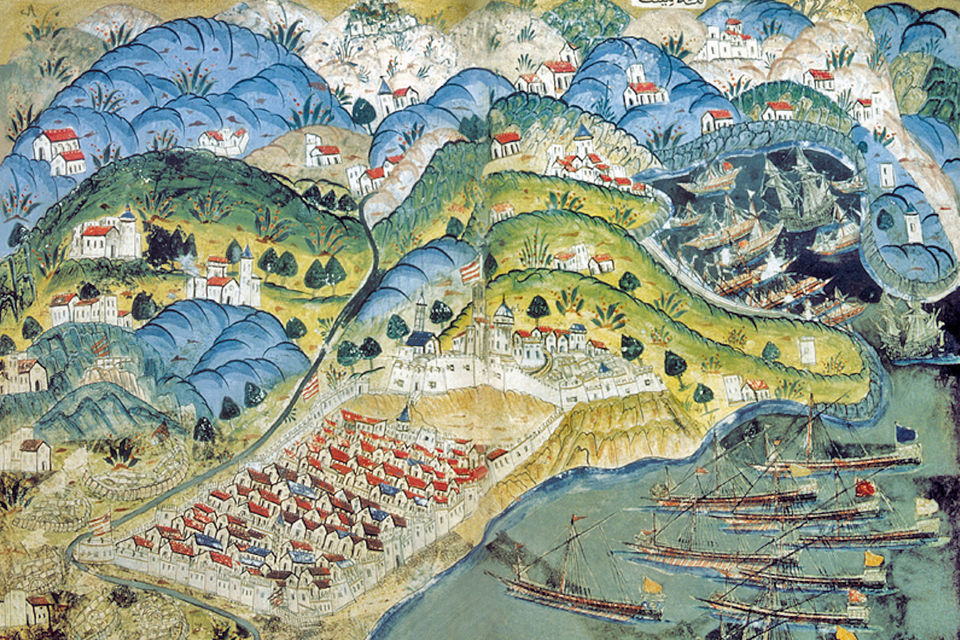
Trade and commerce bind the world together and creates wealth. Trade networks, however, were never durable. New book examines the diverging systems in a global historical context.
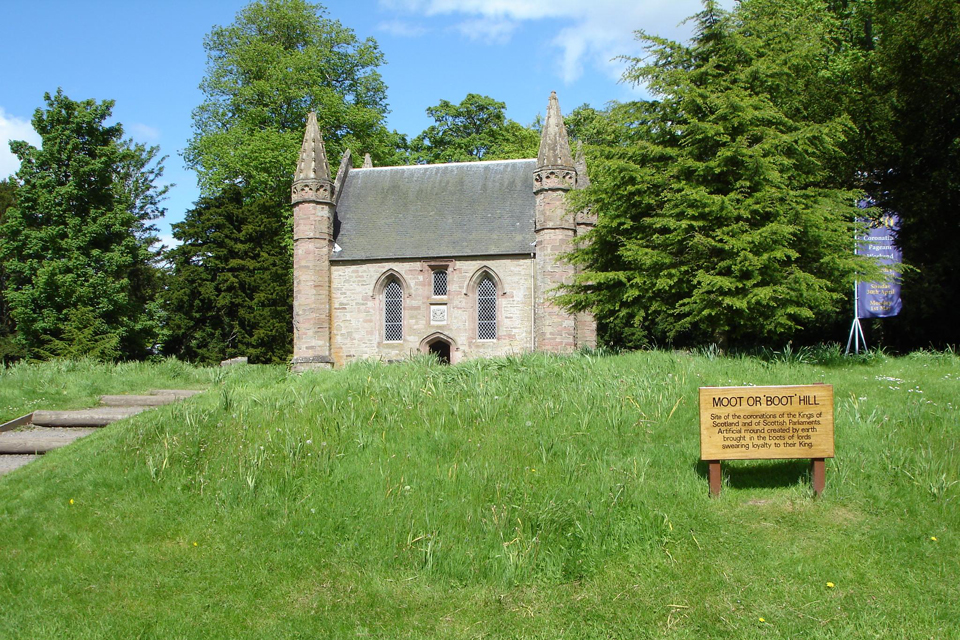
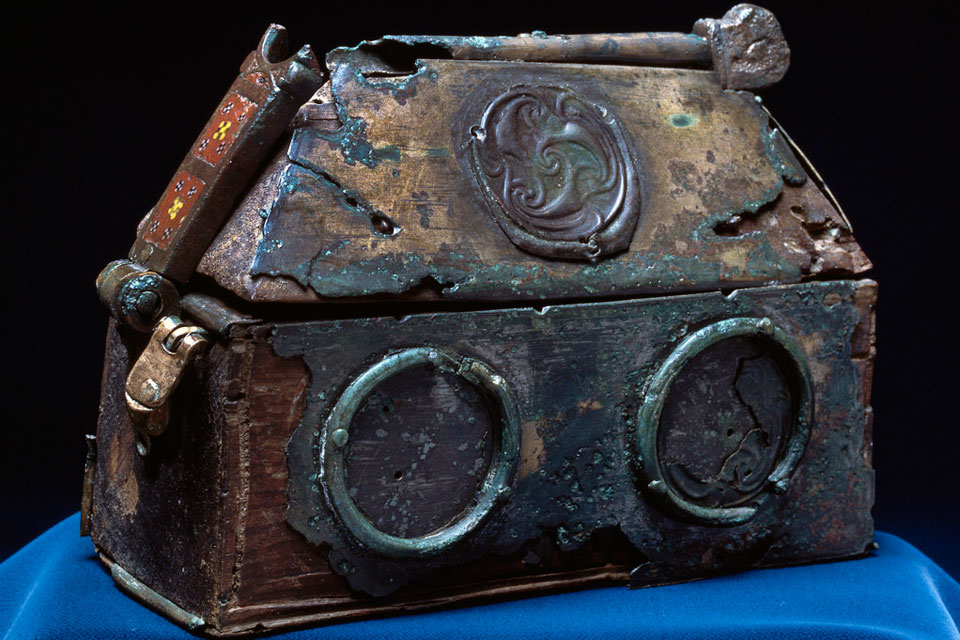
Scone is best known for the Stone of Scone, also known as the Stone of Destiny or the Stone of Coronation. Less well known is that Scone was the primary ceremonial and legislative gathering place in Scotland. Recently, the results from extensive archaeological excavations were published.
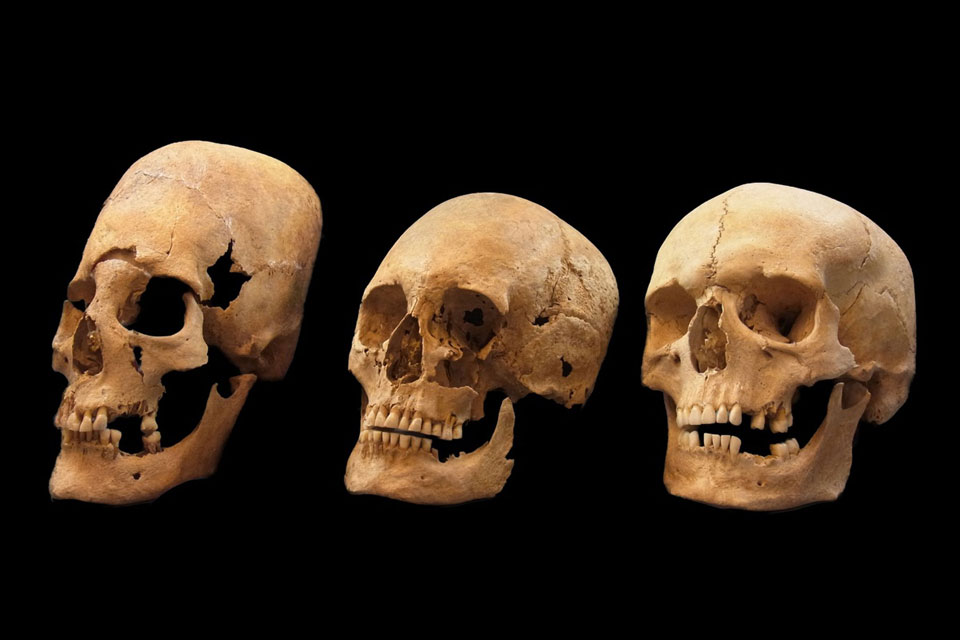
Recently the human remains from 41 graves from six early medieval cemeteries in Southern Bavaria yielded genomic data showing that while men generally had ancestry resembling northern or central Europeans, the women exhibited a very high genetic heterogeneity.
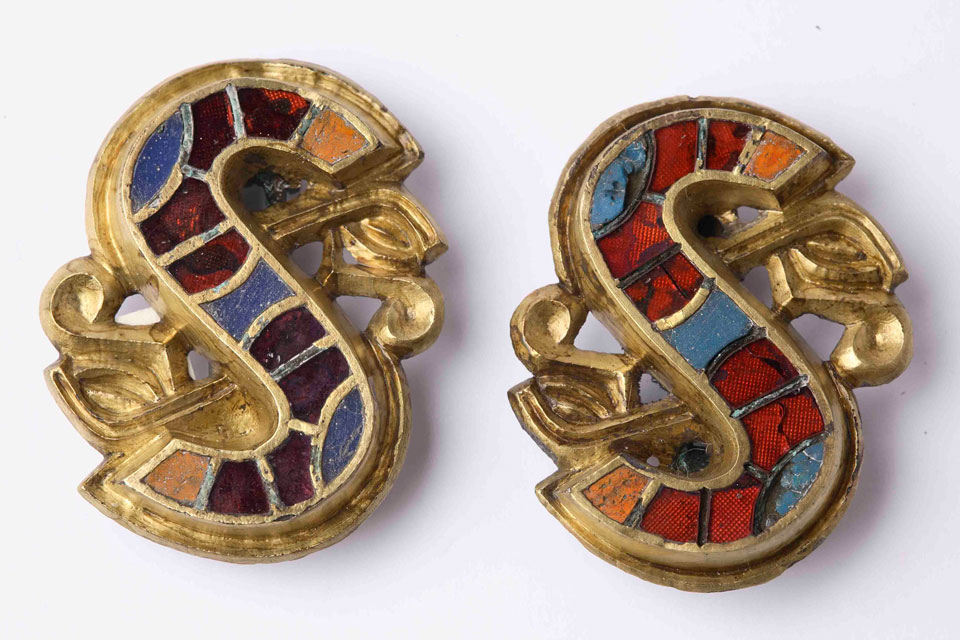
For some time an international and interdisciplinary group of archaeologists, scientists, and historians have worked to uncover the minutiae of the Longobard invasion of Italy in AD 568. Genetic explorations are shedding extremely important new light on the linkage between genetics and cultural profiles.
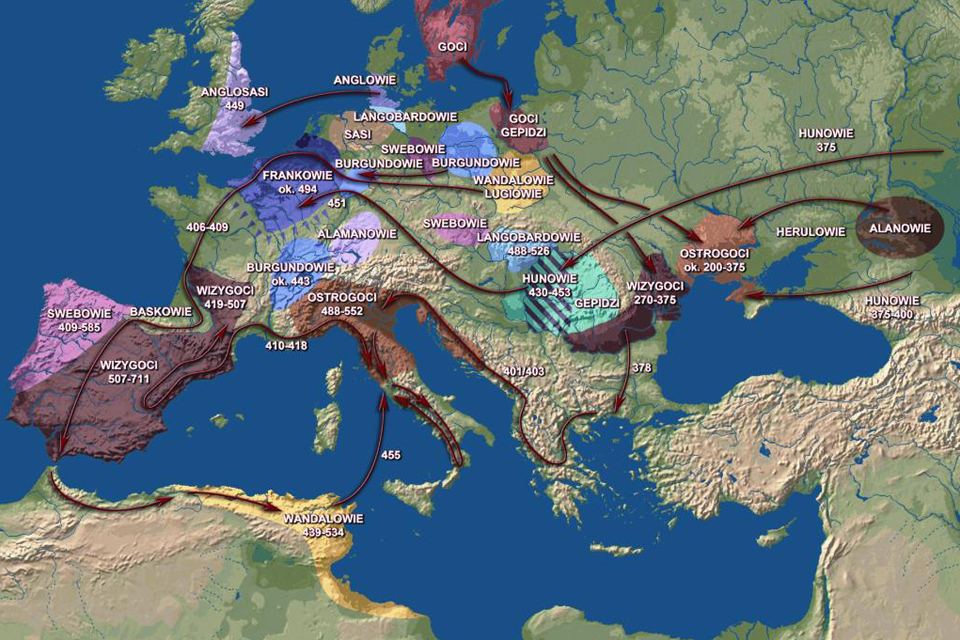
Is a shift in “culture” the result of local evolutions or the meeting up of people? And how does such “meetings” play out culturally? Since the “invention” of new archaeology, this question has caused multiple controversies among archaeologists as well as historians. New aDNA studies lead the way to document the actual character of migratory movements.
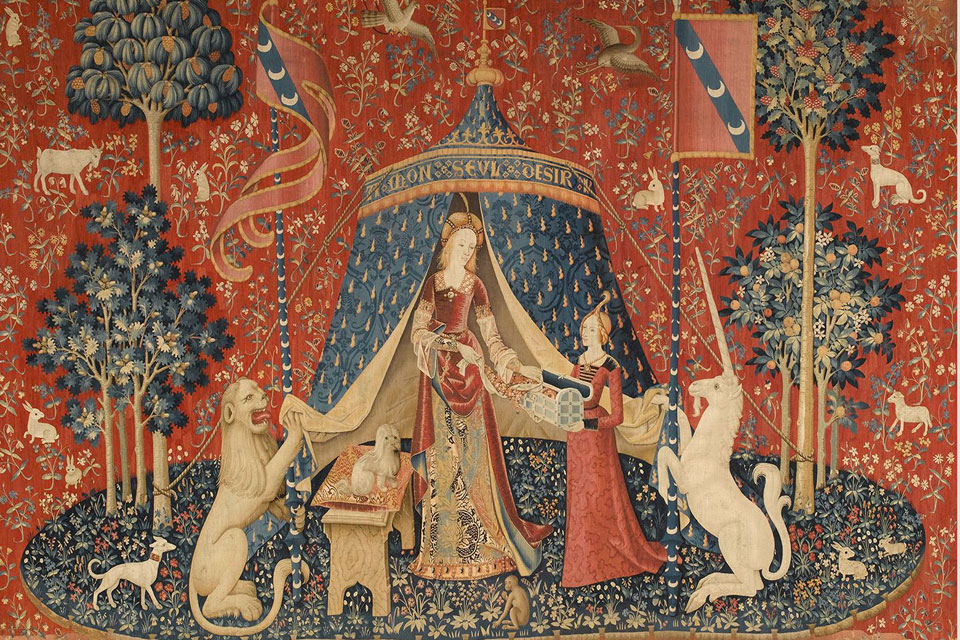
Musée de Cluny opens again after a major renovation with an exhibition on Magical Unicorns from the Middle Ages and later
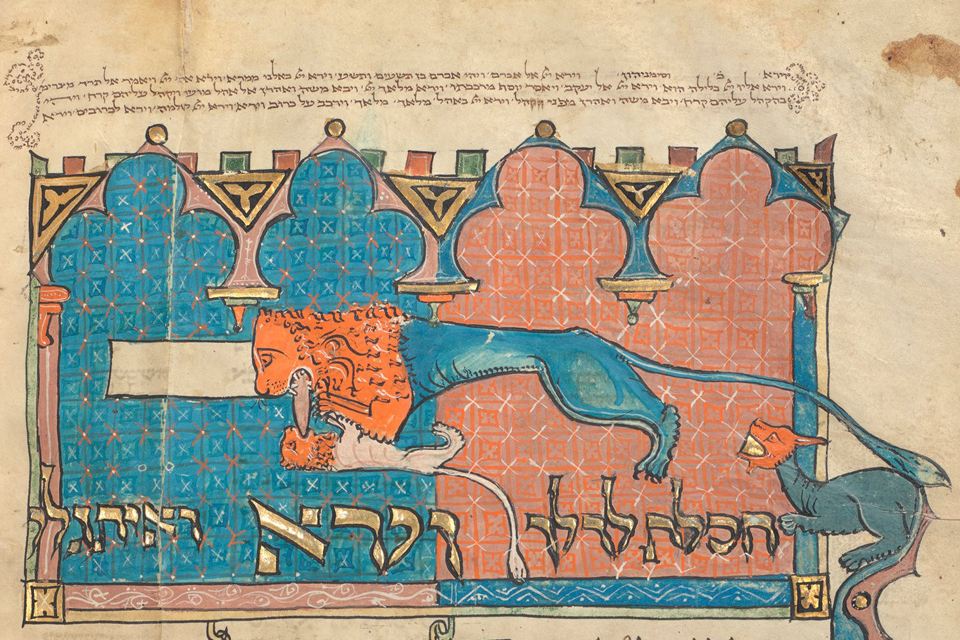
Ever so often we stumble on some minor medieval news which does not merit a full article, but nevertheless, deserves a short notice.
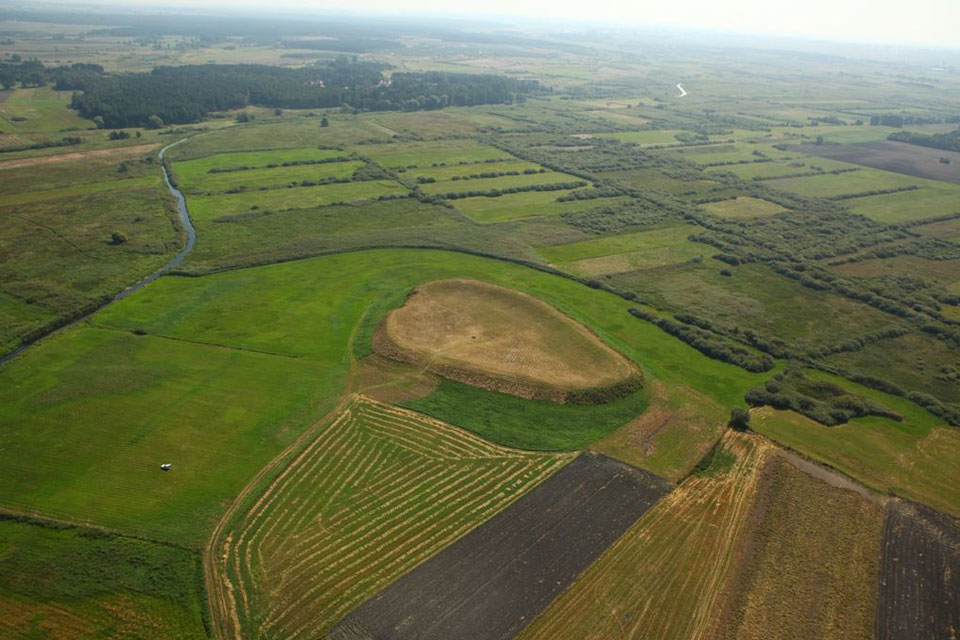
Cherven Towns was a fortified settlement located on the frontier between Lesser Poland and Rus (Ruthenia). Fought over since at least the late 10thcentury, archaeological explorations of the region was hampered by the two world wars. Only recently a more scientific exploration has been undertaken.
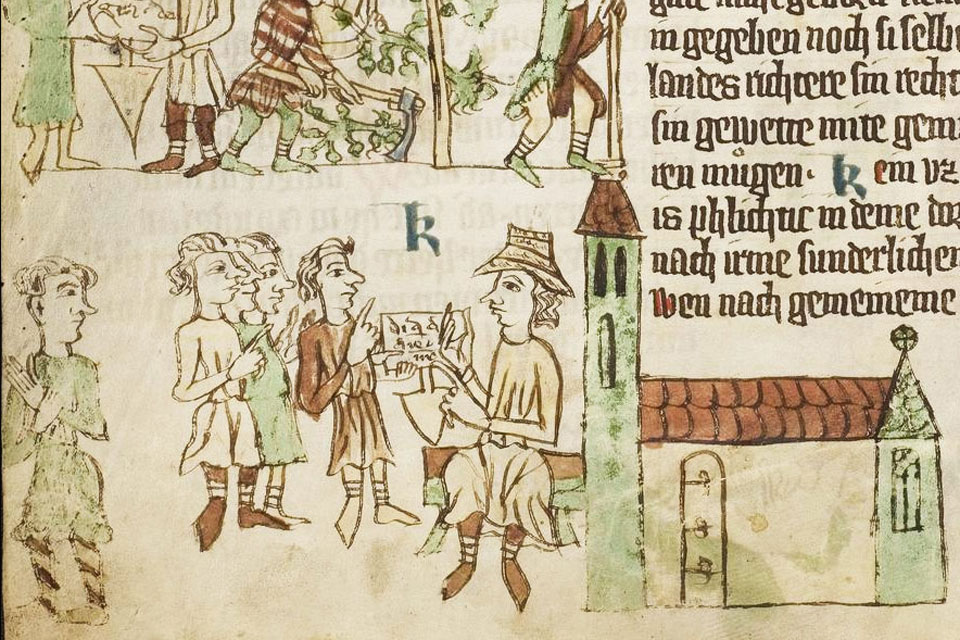
How did the medieval parish function? What role did the priest play? And what role the "trustworthy men". New book tells the story
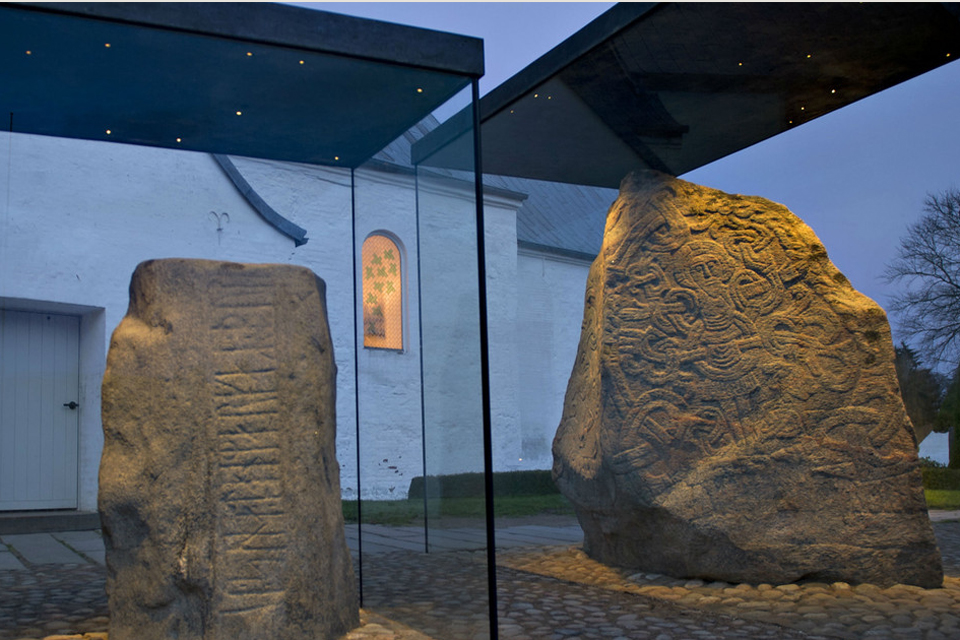
Recently, the National Museum in Copenhagen published the report for 2016 – 17 on the progress of the Jelling project, which aims to get a better understanding of the imposing, yet enigmatic monument registered as a UNESCO site
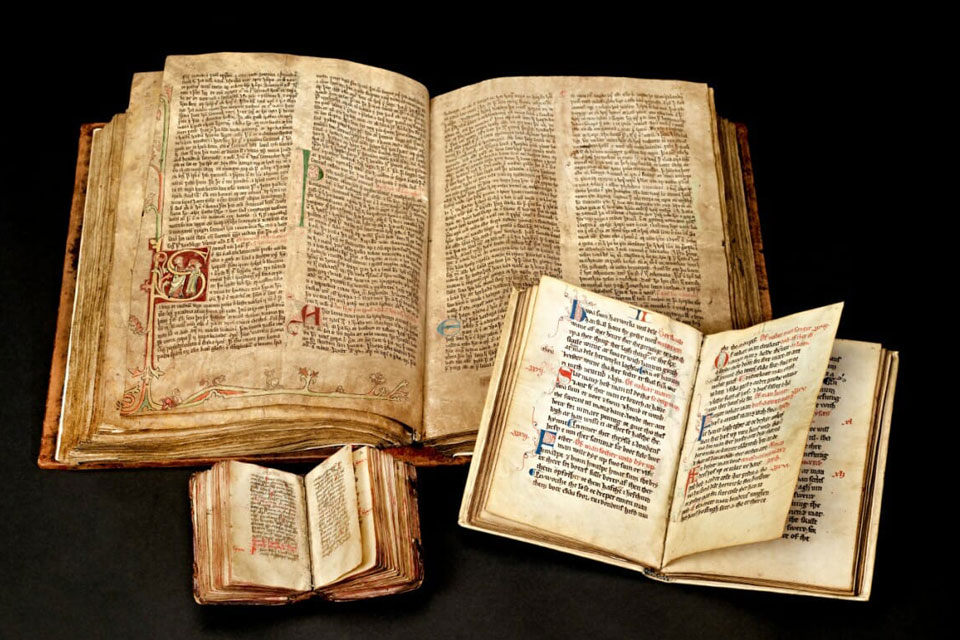
From 2019, the University of Copenhagen will no longer offer courses for students in Old Danish, Norse, modern Icelandic, and Faroese. The reason is that the elective courses in Norse, as well as the other languages, have not been able to muster the required minimum of 30 students, set as a standard by the Chancellors office.
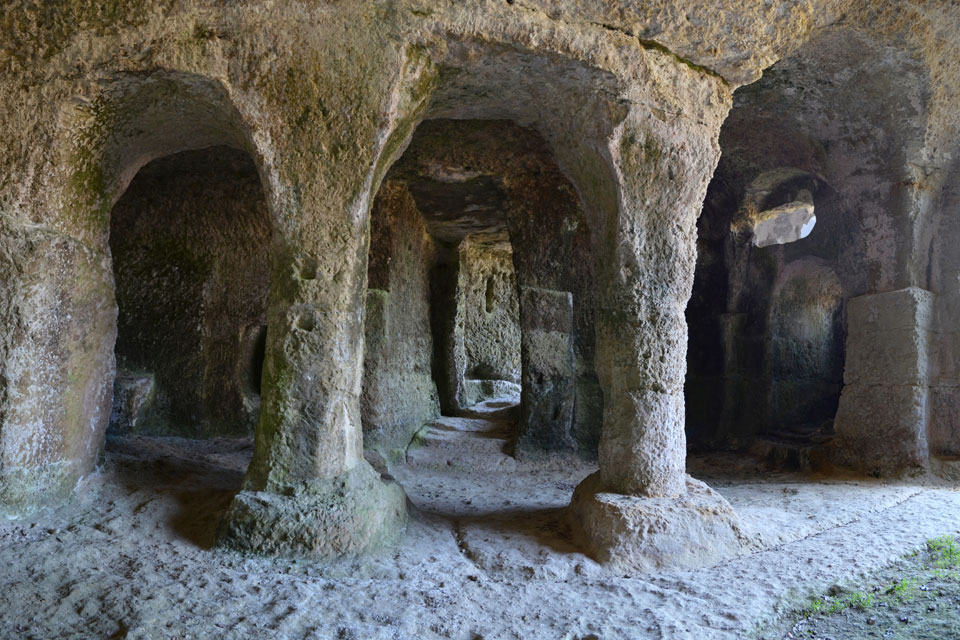
Remains of rock-hewn churches may be found in several European and Middle-Eastern landscapes, where natural caves and calciferous rocks invited hermits to shelter in solitude and prayer. In France, such churches were common in Aquitaine.