Dominated by articles on medieval manuscripts, liturgy and literature, the new issue of Speculum is out on the street.
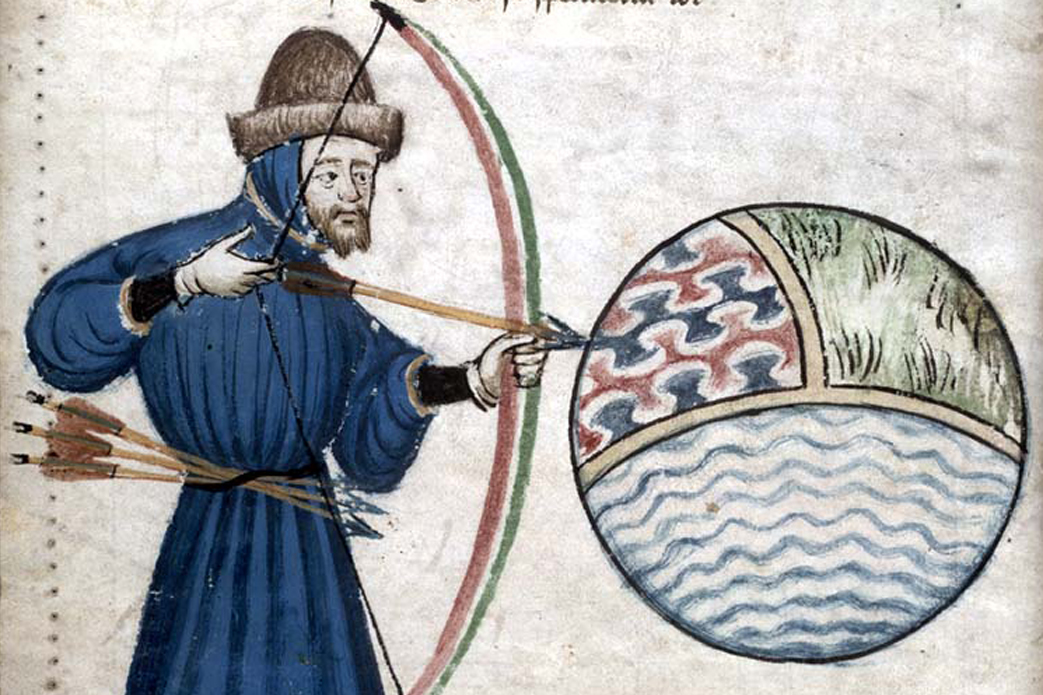
Dominated by articles on medieval manuscripts, liturgy and literature, the new issue of Speculum is out on the street.
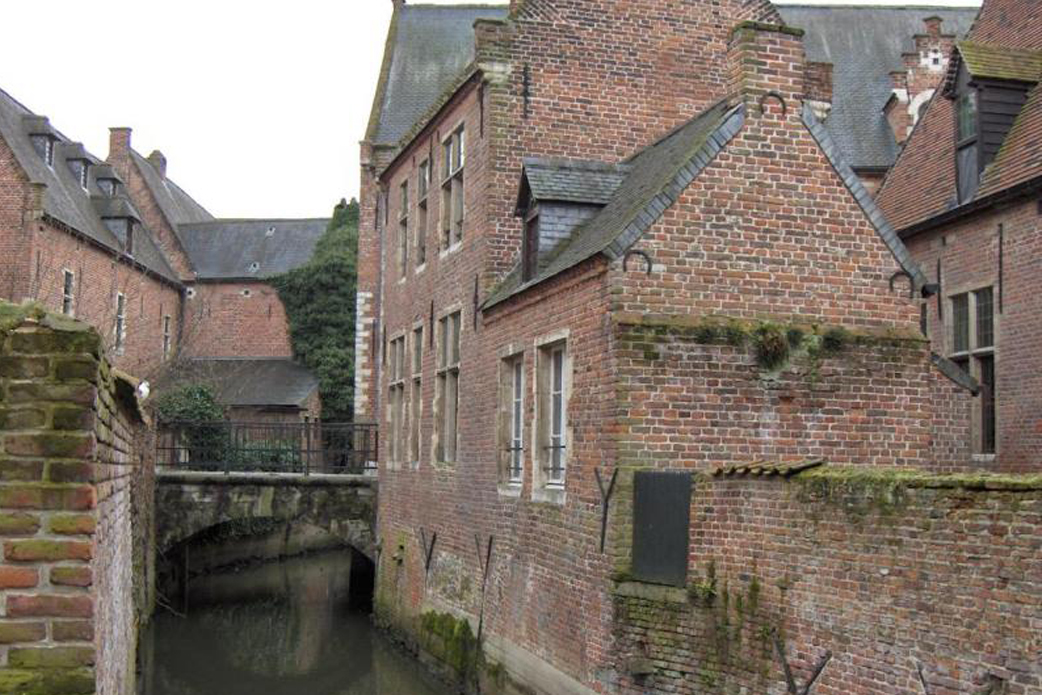
The Center for Medieval and Renaissance Studies was set up in 2010 to facilitate interdisciplinary cooperation between archaeologists, historians, art historians etc. As of today (2015) 37 scholars are connected to the Center, which is led by a steering comittee with 10 scholars from seven disciplines. There is an advisory board with ten members from Cambridge, Vienna, Gent, New York, Oslo, Harvard, London, Münster, Princeton and Paris.
Center for Medieval and Renaissance Studies
Director: Prof. dr. Guy Geltner
Telephone: 0031 (0)20 525 4496
E-mail: cmsa-fgw@uva.nl
Facebook – MedievistenMiddagen

Cultural Memory and Identity in the Late Middle Ages
Cultural Memory and Identity in the Late Middle Ages: The Franciscans of Mt. Zion in Jerusalem and the Representation of the Holy Land (1333-1516) Read more…
The House of Beguines in Amsterdam.

RESEARCH: The early Christian church site at Þórarinsstaðir in Seyðisfjörður, East Iceland, reflects both ecclesiastical and worldly contacts in early medieval Europe.
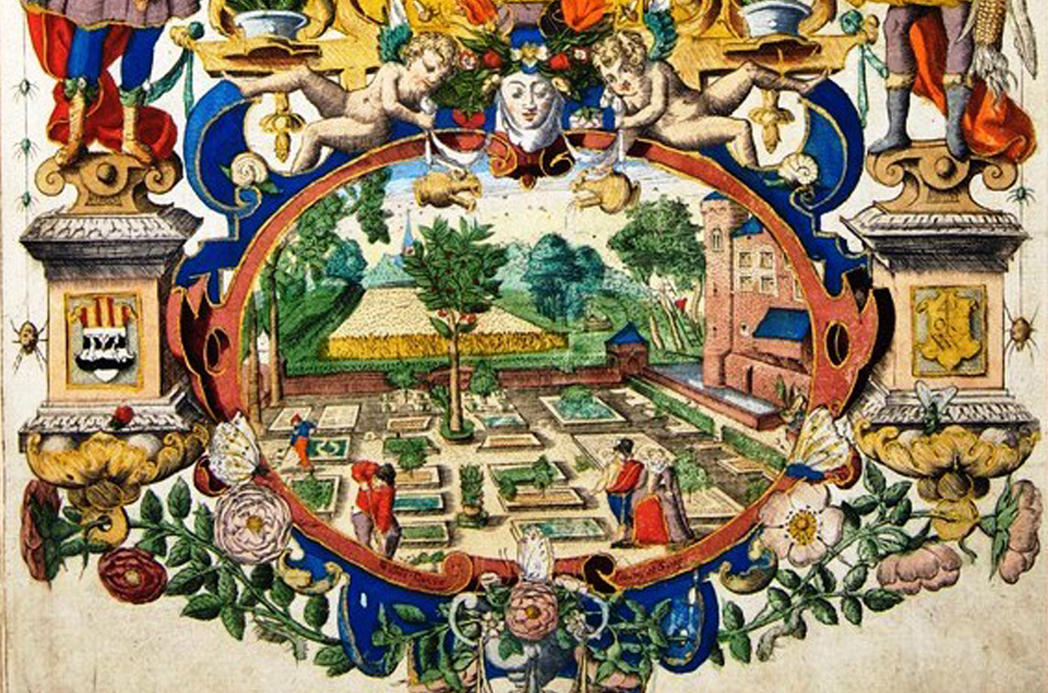
When daisies pied, and violets blue, And lady-smocks all silver-white; And cuckoo-buds of yellow hue, do paint the meadows with delight...

RESEARCH: Studies of 11th century burials in Northern Iceland document stressfull lives characterises by harsh labour conditions and occasional famines.
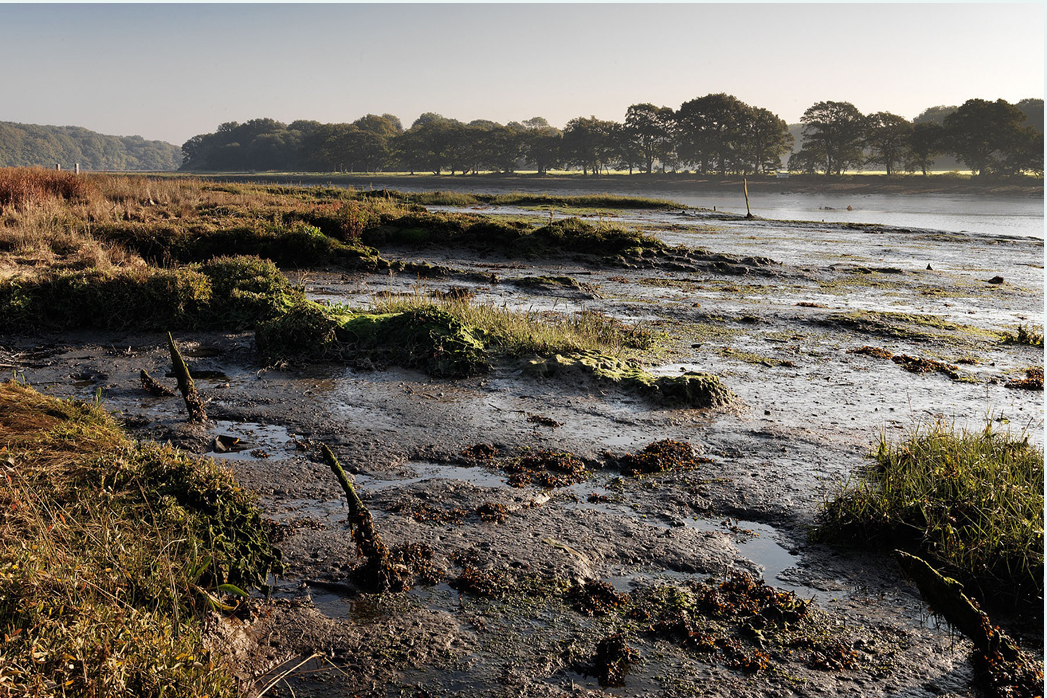
The historic wreck of the Holigost Identified. It is believed to be Henry V’s 600-year-old great ship

REVIEW: new book by Judith Jesch explores the way in which the concept of Diaspora might help us to understand what might broadly be termed the “Viking World"
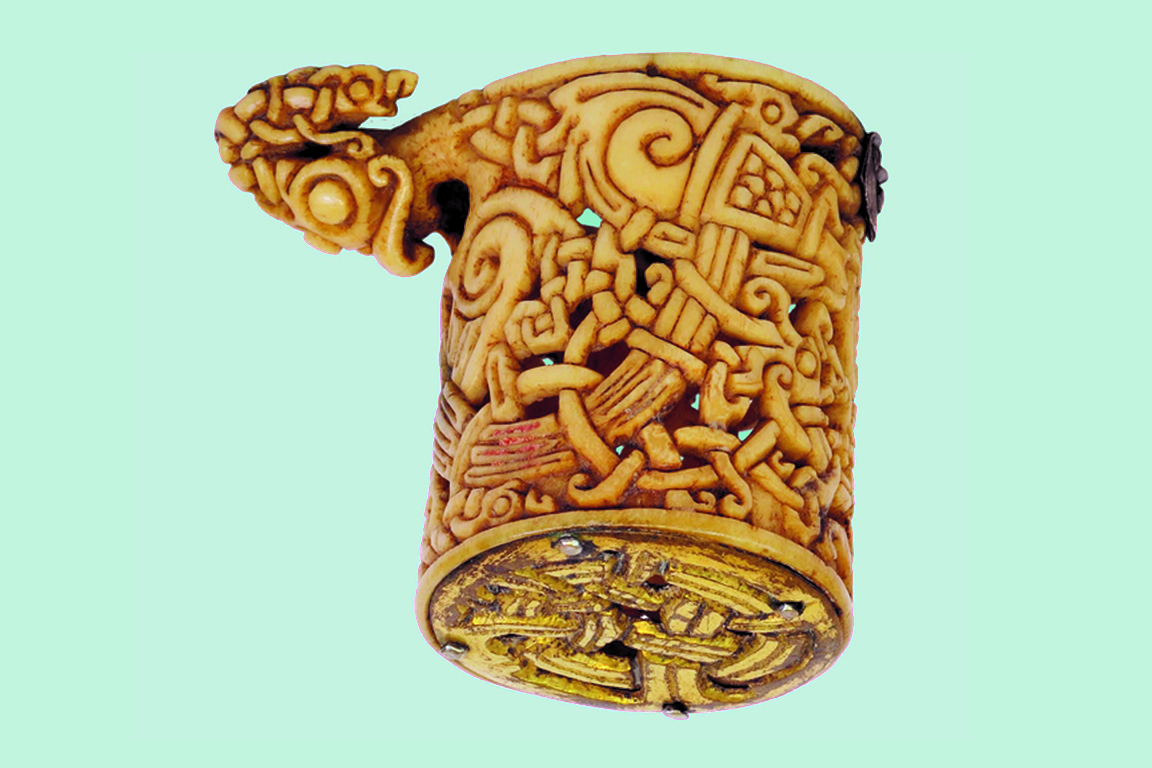
REVIEW: Vikings in the South tells the fascinating story of the Viking raids in 9th and 10th centuries Iberia and how they were thought of by Muslims and Christians

Symposium in Australia explores the affective relationship between religious materiality and emotion from the Middle Ages to present day.
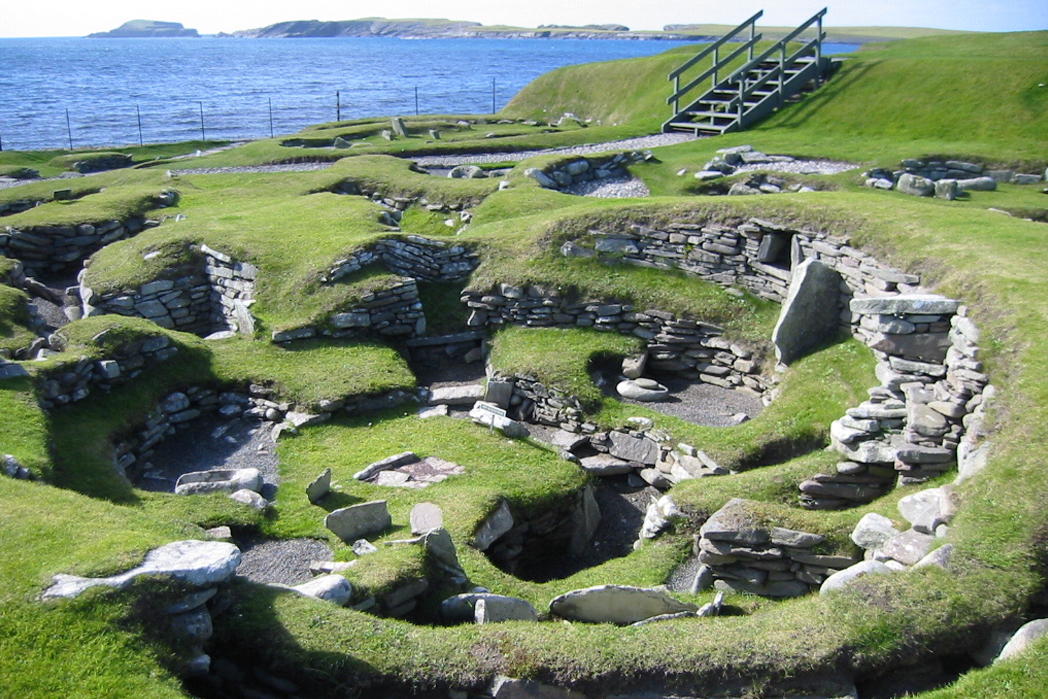
Studies of the organic residue on potsherds from the Outer Hebrides and Shetland reveal contrasting diets and resource exploitation among different people.
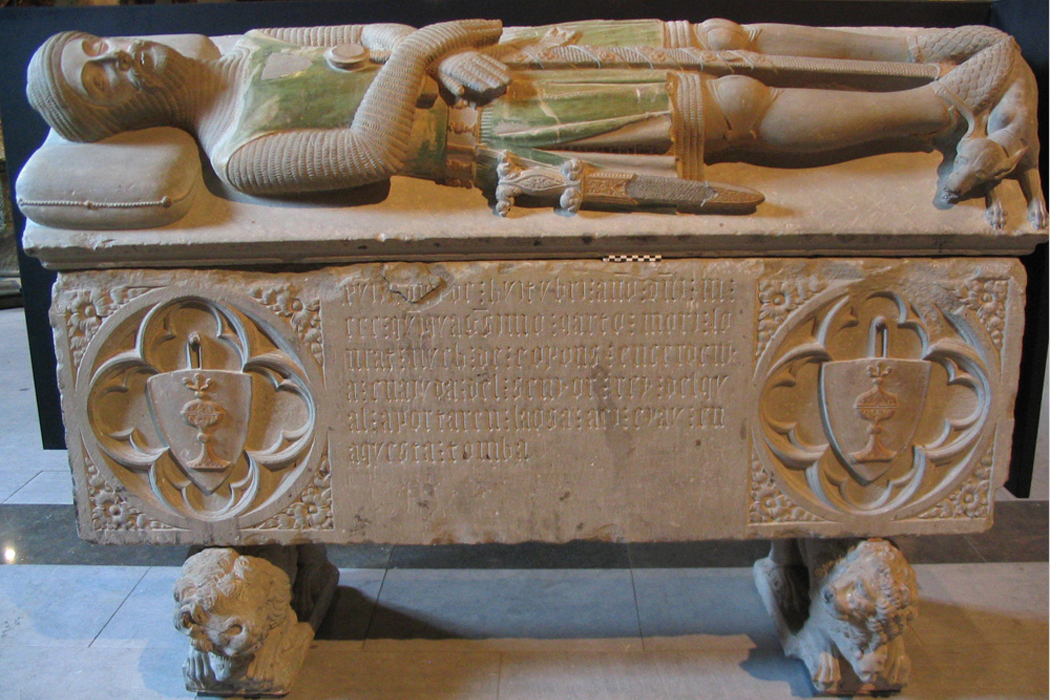
Medieval Knights are often shown wearing a coat of mail, brandishing swords and galloping on a horse. New book explores the Catalan material
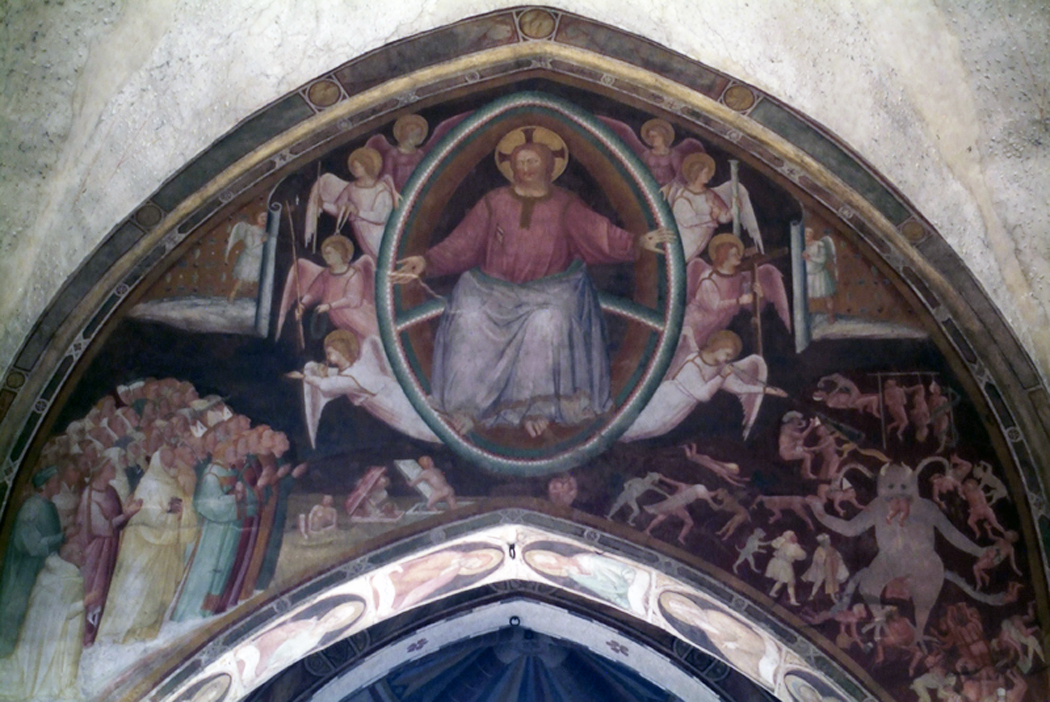
The Abbey of Viboldone is lies in the province of Milan in Northern Italy. It was founded in 1176 by the Humiliate, in the beginning a lay fraternity akin to the early Franciscans.
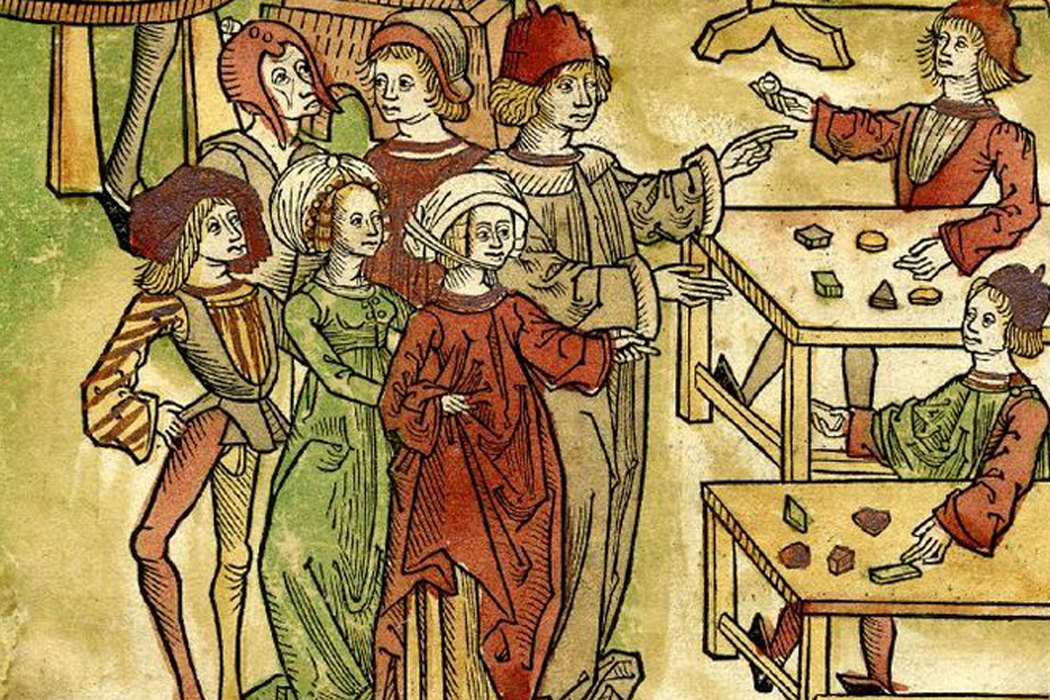
Making the medieval relevant is a conference aiming at connecting early-career researchers studying 400-1500 and give them impetus to locate funding
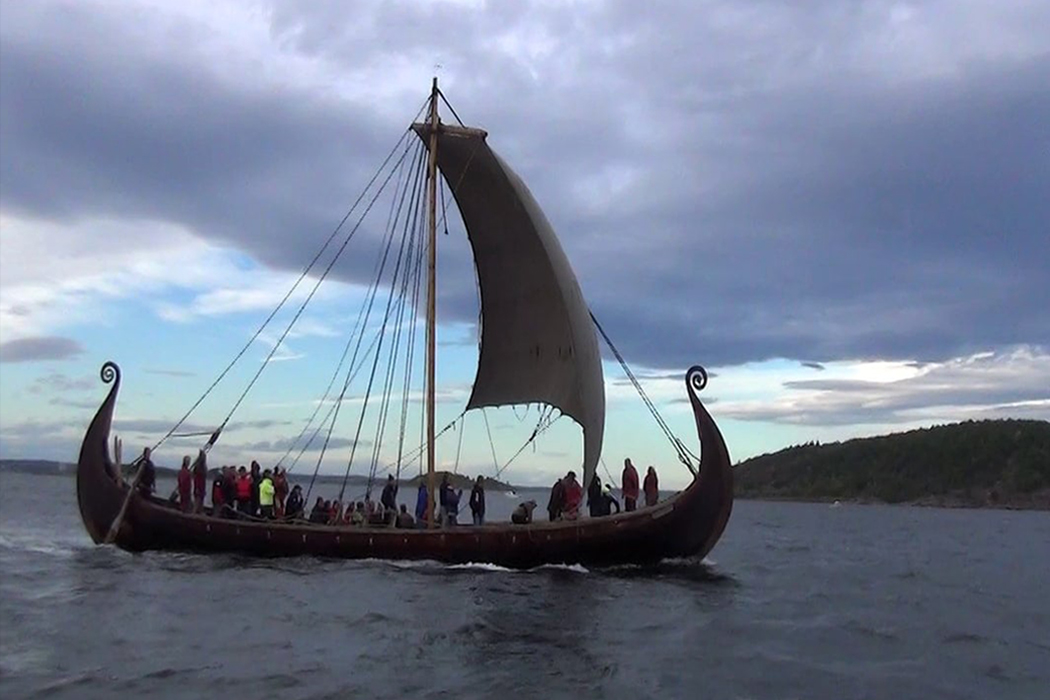
Vikings travelled widely and settled far away. For a long time the trend has been to study the local consequences of this diaspora. Now, the time has come to look at the wider perspectives
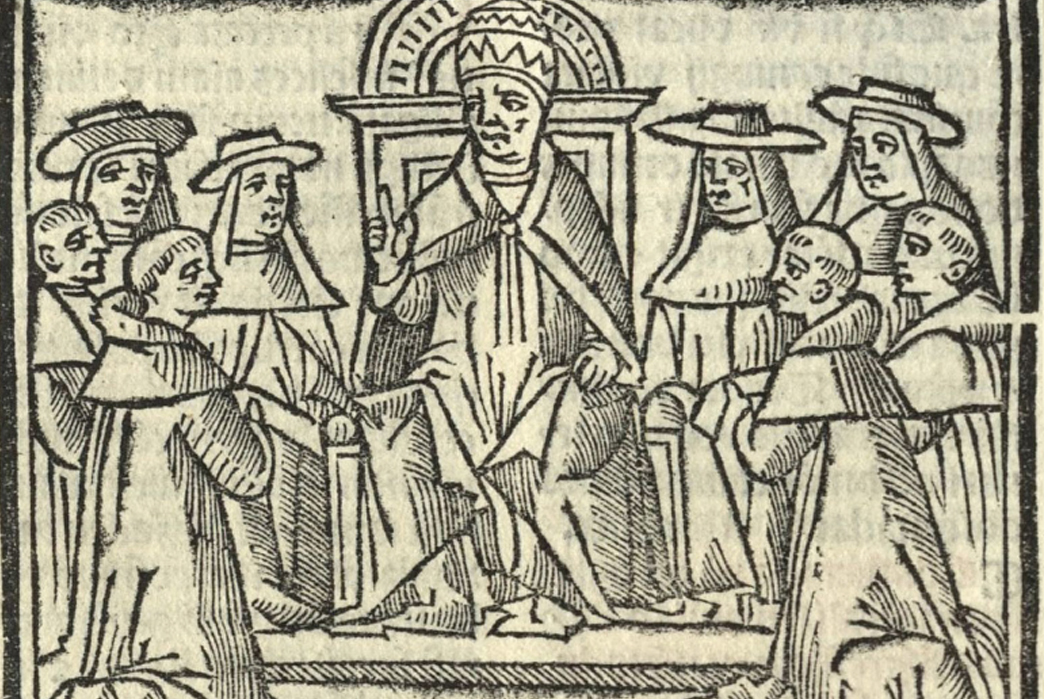
In the Middle Ages the Pope gradually became the highest judicial authority in the church. Exhibition at Yale traces the impact of the Pope on both Canon law and Civil law.
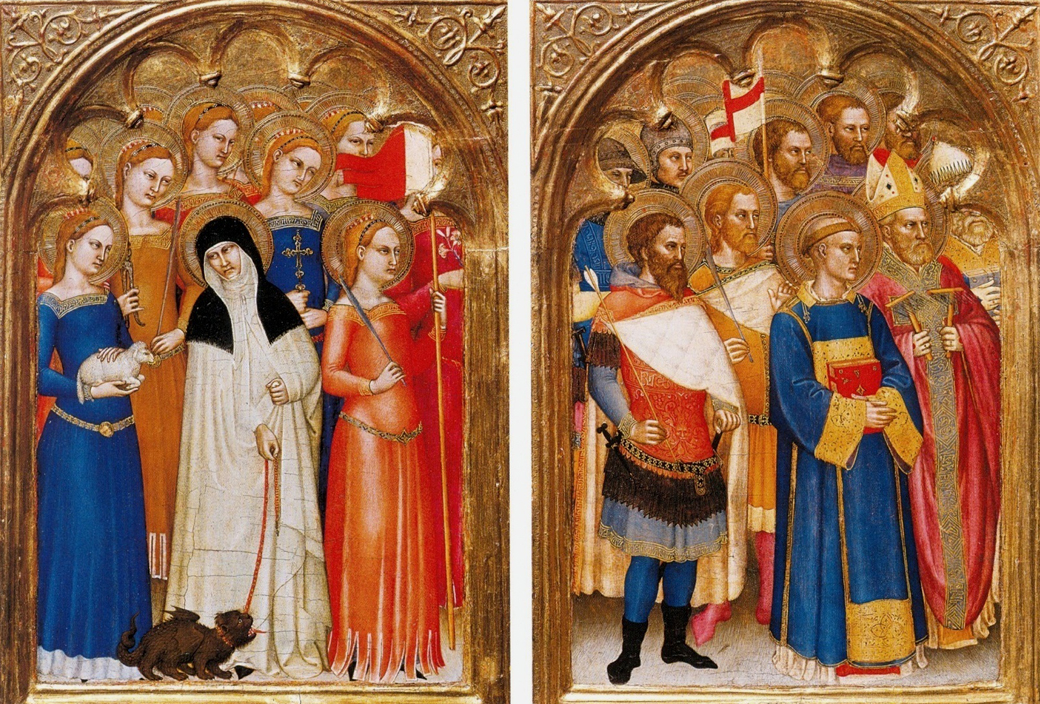
The Humiliati were a group of lay Italians, who formed a religious order in the late 11th century, which was later eclipsed by the Franciscans. New book explores the order’s artistic patronage