Volume 29 (2014) of This Year's Work in Medievalism focus on Shakespeare.

Volume 29 (2014) of This Year's Work in Medievalism focus on Shakespeare.

Medieval Feminist Forum is an online, peer-reviewed journal of interdisciplinary scholarship on women and gender in medieval studies. New issue is out

This year Granada commemorates the death of El Conde de Tendilla 1515 and the Centro de Estudios Históricos de Granada has organized an international conference

The peculiar gold-plaque allegedly found in Poland near Wolin with an inscription about Harold Bluetooth has undergone metallurgical studies

A long-forgotten royal mound in Uppsala from the 7th century has been found by chance. Archaeologists are excited.
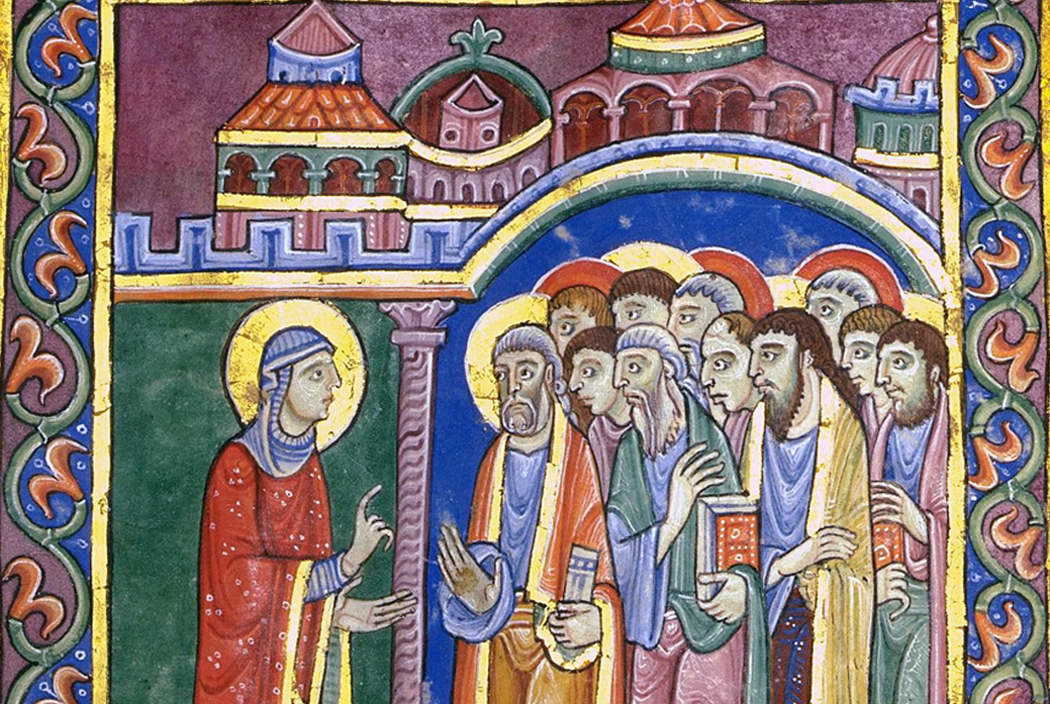
Medieval Feminist Forum is an online, peer-reviewed journal of interdisciplinary scholarship on women and gender in medieval studies.
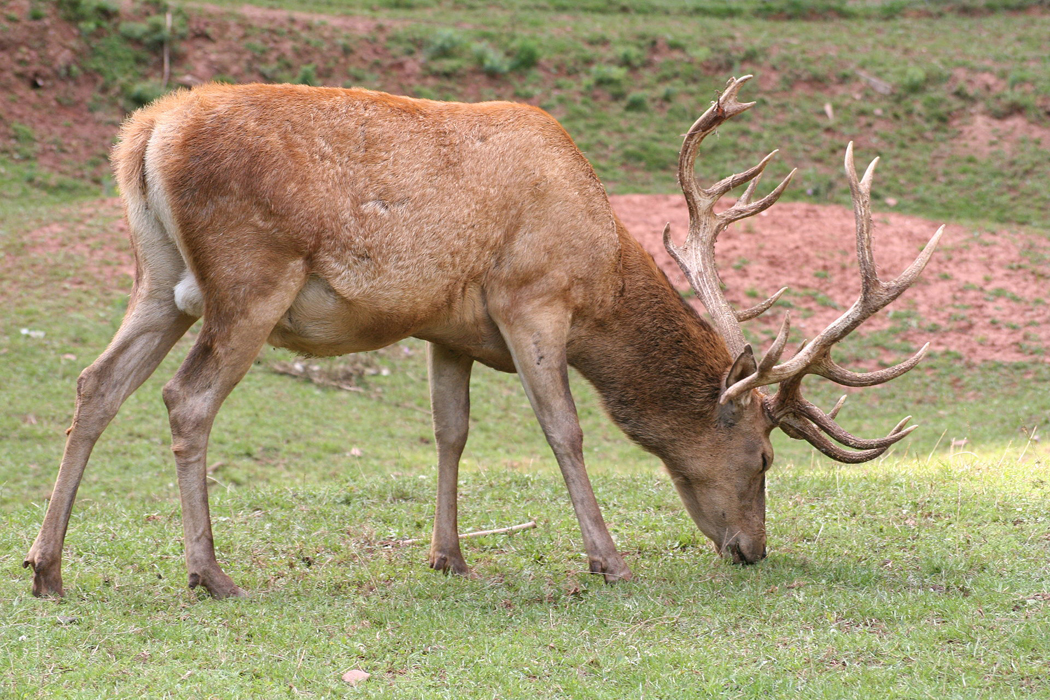
The Gaelic lords in Ireland hunted Red deer, while the Anglo-Norman invaders built deer parks. Fiona Beglane tells us about the relation between deer and identity

From its modest foundations in 1216, the Dominican Order grew rapidly in the first century of its existence, establishing itself across Europe as a learned Order of Preachers. This interdisciplinary conference will explore the influences of the Dominican Order on all aspects of medieval life, encompassing the large-scale influences of the Order and the legacy of its prominent figures, as well as the impact that the Order had on those that came into contact with it.
Registration is now open! Click here to register.
**The deadline for registration is Friday 21st August.**
The conference registration fee is £80 for all three days, or £30 per day. The registration fee includes a sandwich lunch and light refreshments on each day.
The conference will open with an optional walking tour of medieval Oxford, and on the Friday evening there will be a concert of music associated with the Dominican Order in Lincoln College Chapel, both of which are included in the registration fee. The concert on Friday will be followed by the conference dinner in Lincoln College; the price for the three-course dinner with wine is £25. (If you would like a vegetarian meal or have other dietary requirements, please indicate this during registration.)
We have a small number of student bursaries worth £25 available, which will be awarded on a first come, first served basis. If you are a student and interested in applying for a bursary please contact Eleanor Giraud directly.
The conference programme is now available here.
The keynote paper will be delivered by Mary Rouse, on ‘The Vital Impact of the Dominicans on Books at the University of Paris, 1217-1350’. The programme will feature papers on the Dominican influence in England, Northern Europe, Italy, Eastern Europe, and the Byzantine world; the influence of Friars on other movements and communities; Dominican influence on architecture, art, books, music and liturgy; and influential Dominican philosophers and theologians. In addition, the conference will include a walking tour of medieval Oxford, and a concert of music that can be associated with the Dominican Order.
Single accommodation with ensuite bathroom will be available at Lincoln College’s Museum Road site, a short walk from the Taylor Institution (Lady Abraham House, Museum Road, Oxford, OX1 3PX). Accommodation costs £45/night, which includes a continental breakfast and wifi.
The conference will take primarily in the Taylor Institution (known locally as the ‘Taylorian’), Saint Giles’, Oxford, OX1 3NA. Lunches will be served in the Aula of the Dominican House, also on St Giles’. Friday evening’s concert and dinner will take place in Lincoln College’s main site on Turl Street (Oxford, OX1 3DR). Accommodation is provide on Lincoln College’s Museum Road site (Lady Abraham House, Museum Road, Oxford, OX1 3PX).
Dr Eleanor Giraud, Lincoln College, Oxford,
Fr Gregory Schnakenberg, OP, Blackfriars Hall, Oxford.
All enquiries should be sent to Eleanor Giraud: eleanor.giraud@lincoln.ox.ac.uk
The conference has been generously supported by: Oxford Medieval Studies, sponsored by The Oxford Research Centre in the Humanities (TORCH); The Michael Zilkha Fund, Lincoln College; Blackfriars, Oxford; and The Plainsong and Medieval Music Society.
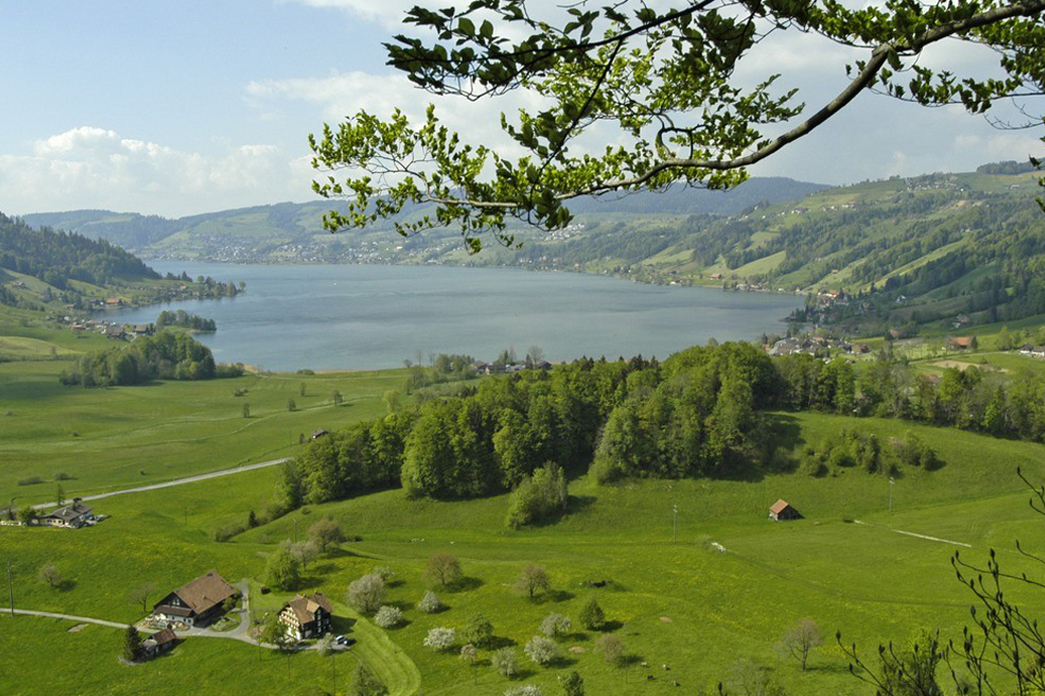
November 1315, a small contingent of men from the Swiss Confederacy ambushed a group of Austrian Soldiers near the Morgarten Pass. The Swiss victory furthered the confederacy between Unterwalden, Uri and Schwyz, the core of modern Switzerland.

New book lets the public get under the covers of the earliest intact European book, the St. Cuthbert Gospel, which was recently acquired by British Library
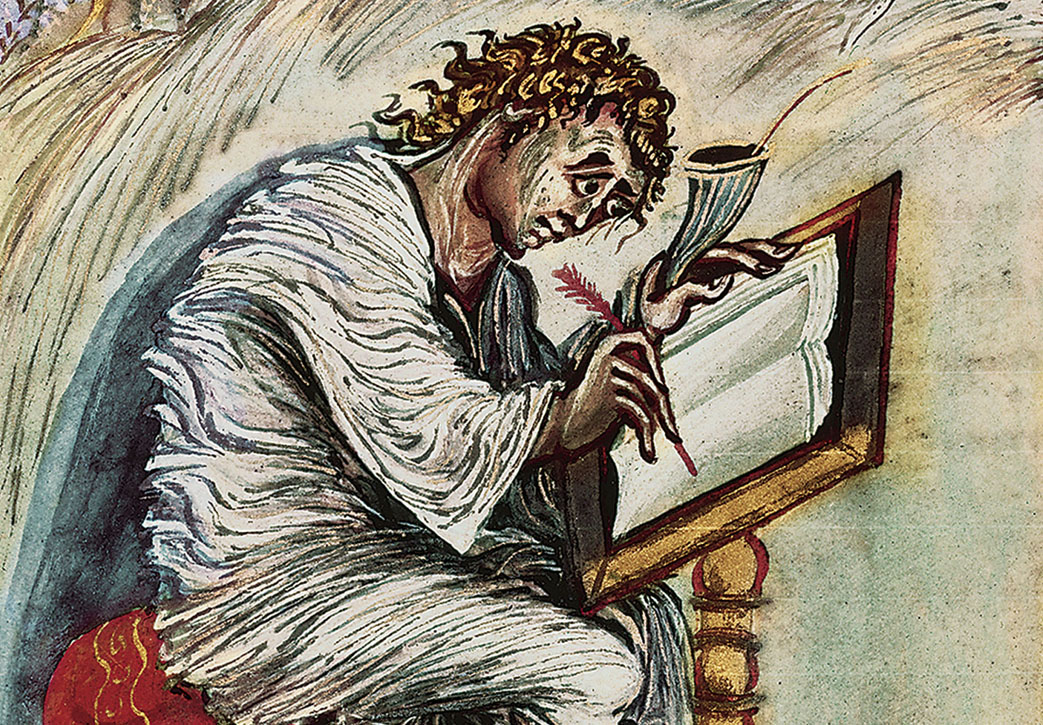
Archbishop Hincmar of Rheims (d.882) is a crucial figure for early medieval European history. New book presents the latest research into his life-work as councillor, historian,estate administrate and bishop
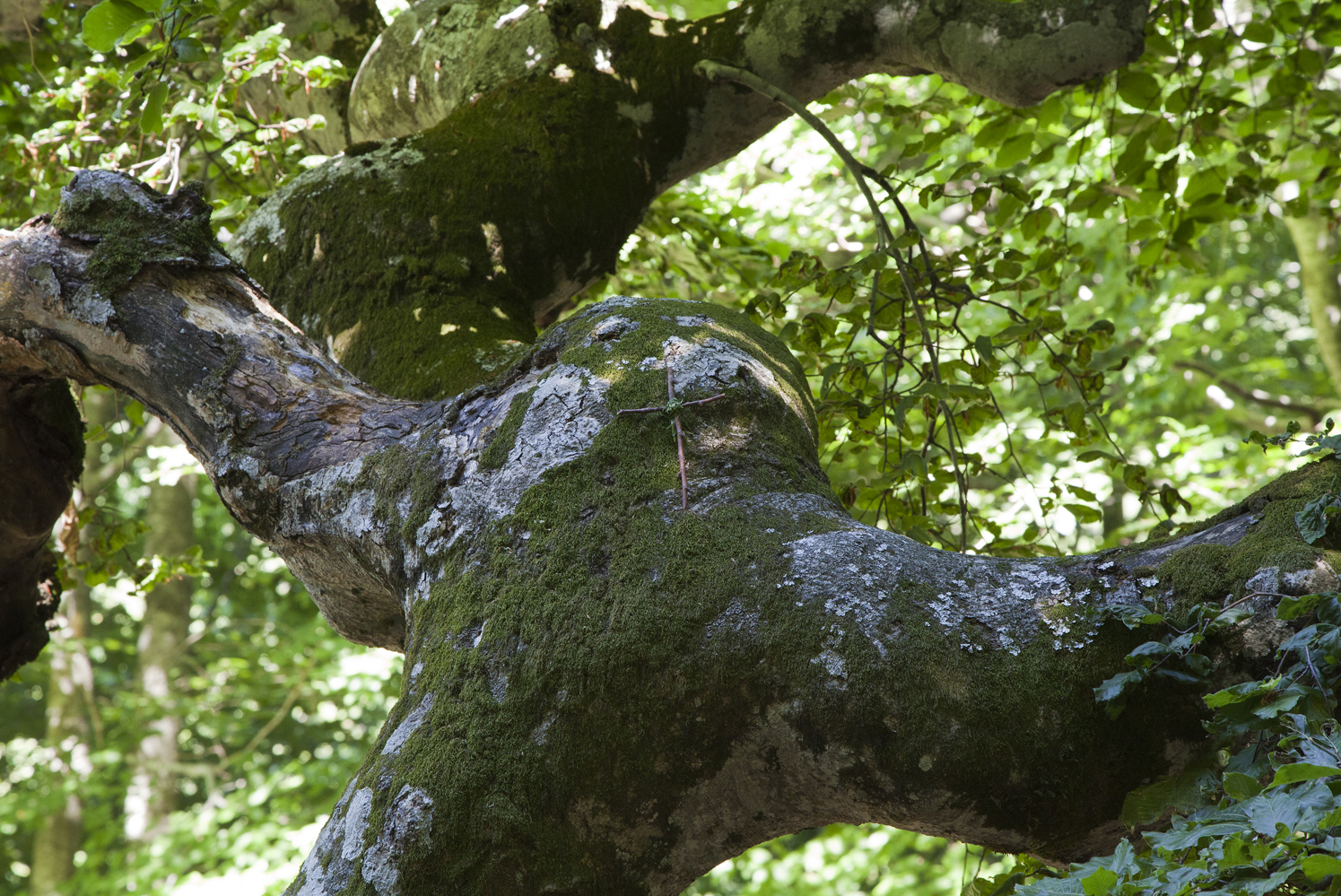
Medieval ‘Sacred Sites’ were primarily located in the natural wilderness. With the Reformation this changed. Perhaps time has come to return to practices of medieval nature conservation
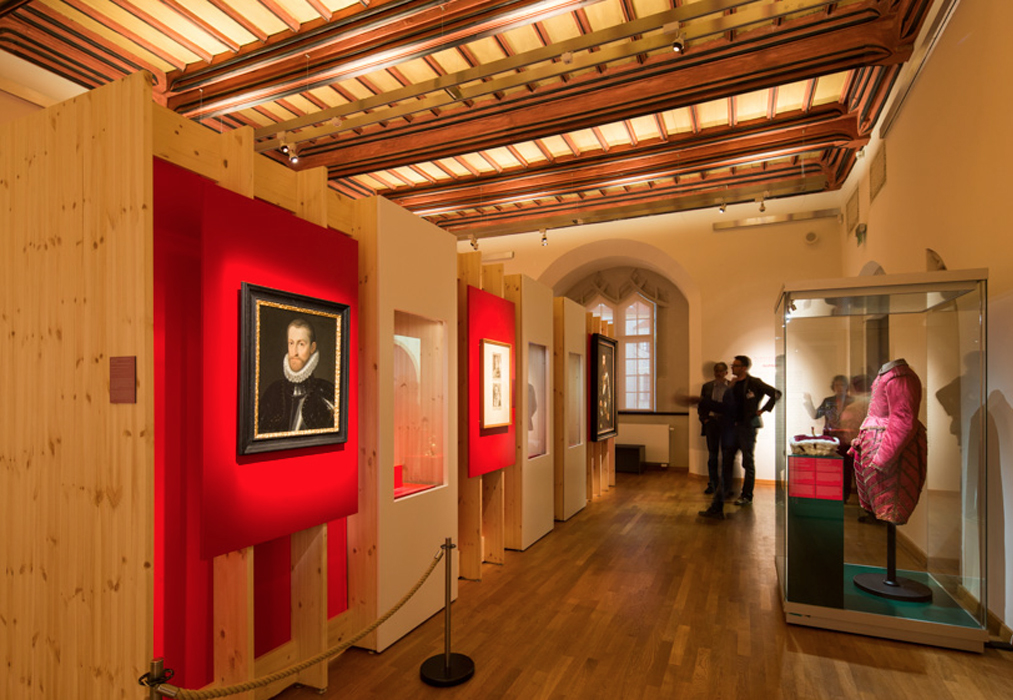
The King of Germany alias the Holy-Roman Emperor was since the end of the 12th century elected by a select college of German princes – the Electors or in German, “Kurfürsten”. To understand the political events behind the Reformation it is necessary to know about this institution
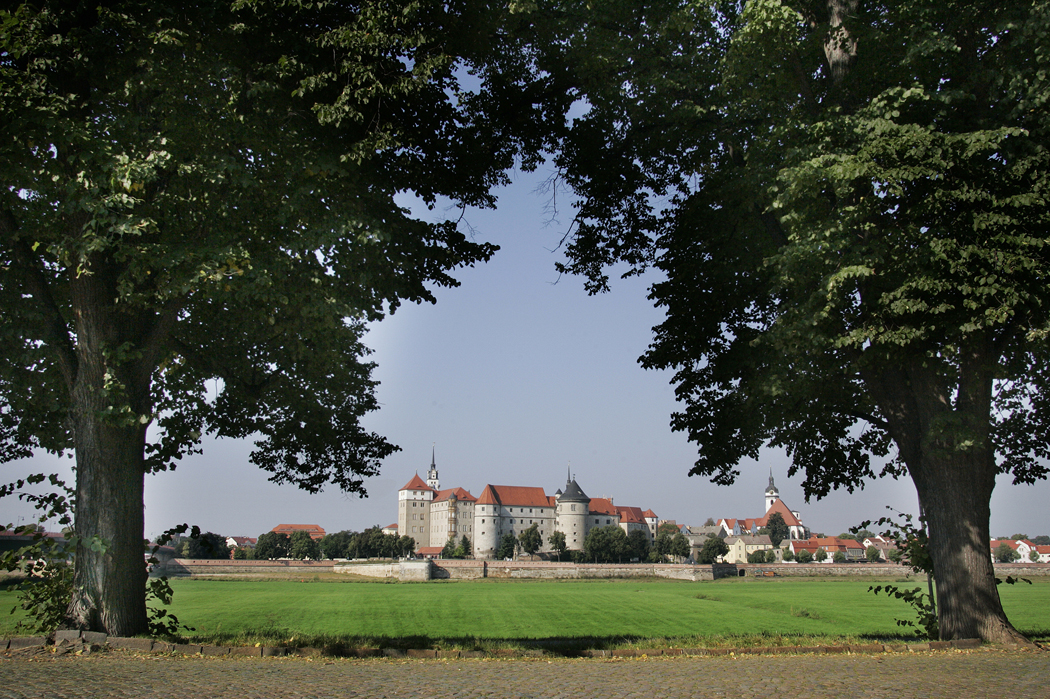
Known as home to the German princes, who furthered the Reformation in the 16th century, Torgau boasts an impressive castle with a splendid Reformational Chapel and the house, where Luther’s wife, Katarina von Bora died.
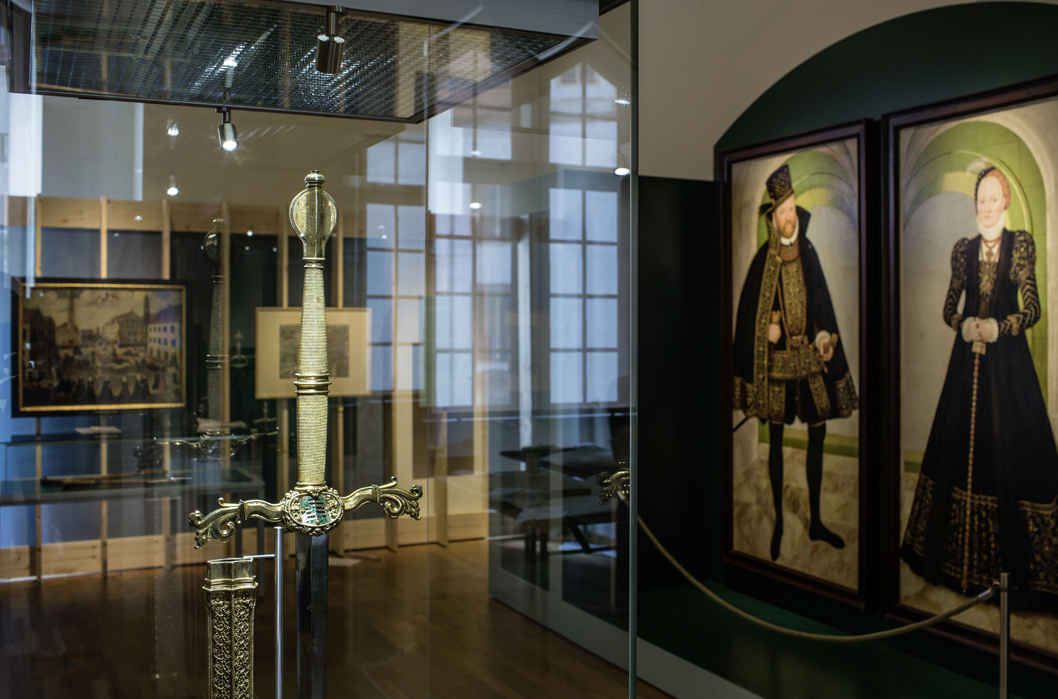
Major exhibition summer 2015 in Torgau in Germany tells the story about the collaboration between Martin Luther and his protectors, the Saxon dukes
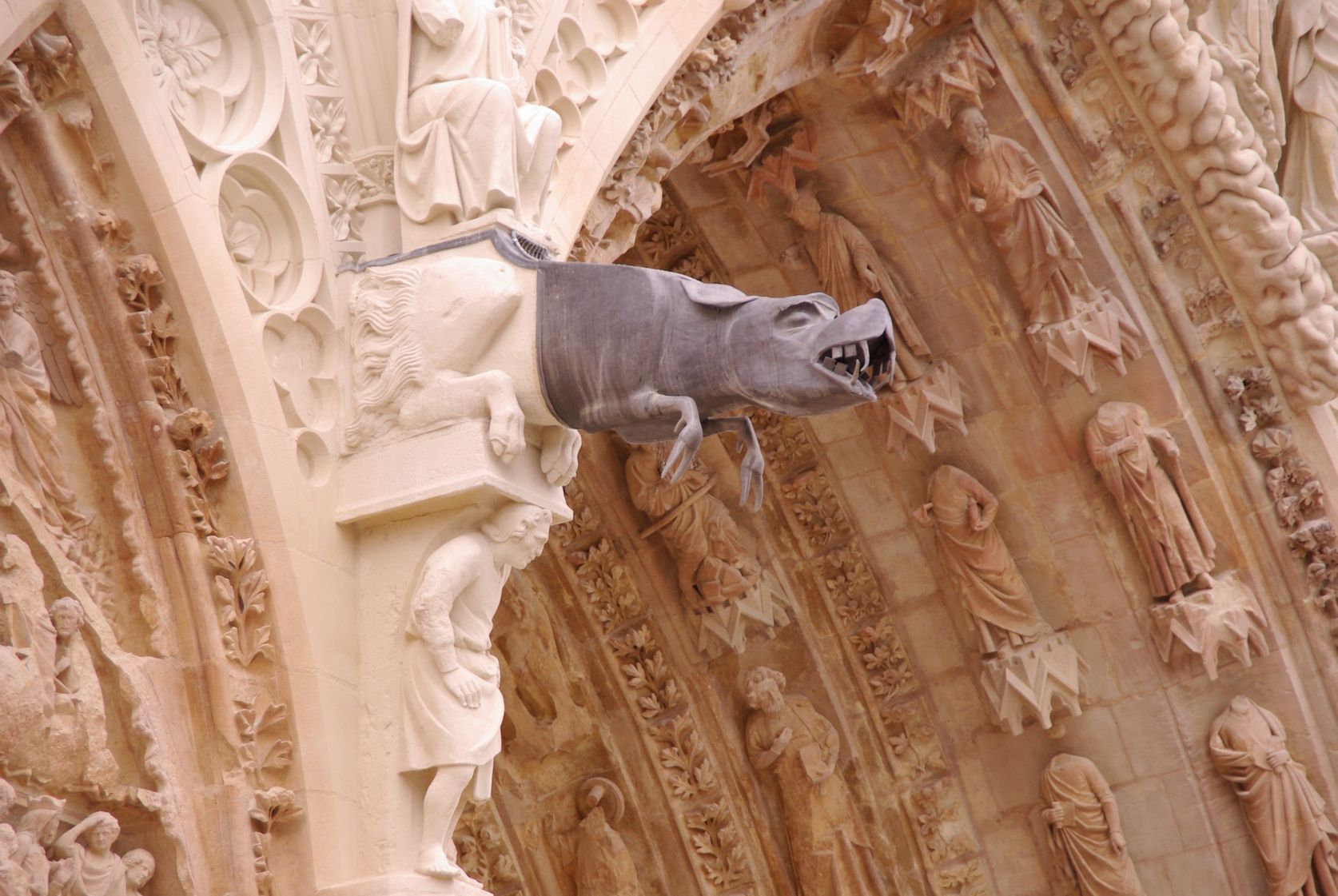
Readers of late Medieval spiritualistic works will be familiar with the work of Margery Kempe. From now on the history of Ermine de Reims should be part of the curriculum.