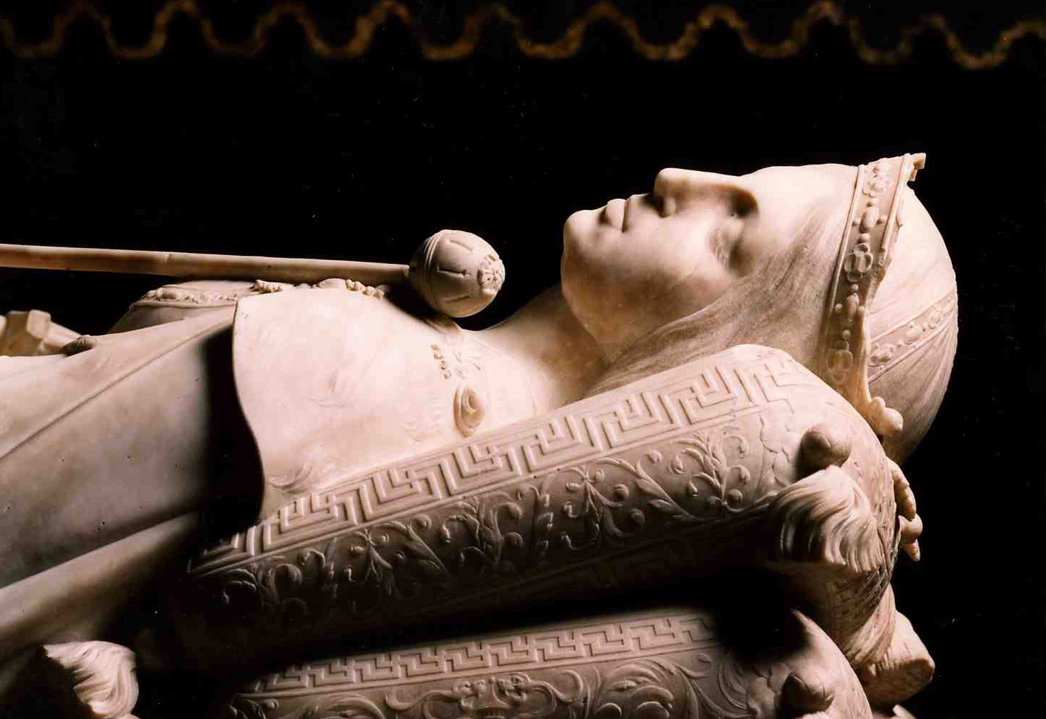
This conference will give the opportunity to discuss buildings and places of commemoration in Christianity and Islam. The focus lies on the relevance and the integration of tombs as places and spaces of formative and constitutive character in both religious cultures.
34th International Conference of the Haskins Society has posted a Call for Papers. Young and promising medievalists working in areas pertinent to the Society's interest are cordially welcomed.
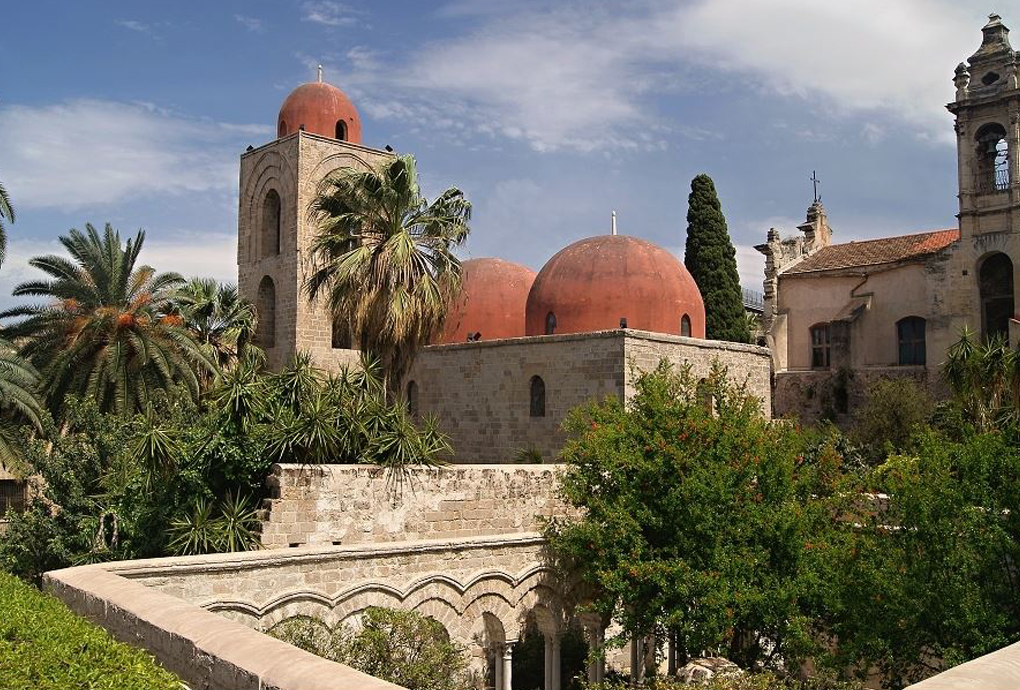
End of June the World Heritage Committee will decide the future for a handful of "medieval" candidates vying for the valuable designation. Who will be the winners?
Drawing on the latest scholarship from international researchers, a new dedicated collection investigates how medieval and early modern Europeans understood and articulated emotions
In this issue we bring you stories about exhibitions in France, the restoration of Sainte-Chapelle, new research about Anglo-Saxon Helmets and much more …
People in the 14th century experienced a series of overwhelming climatic, societal, economic and cultural changes. But what were the exact interconnections between these events? A conference next winter aims to focus on this question.
The Danish Historian from the end of the 12th century, Saxo Grammaticus, is the first author to give a full account of Hamlet, corresponding surprisingly closely with Shakespeare’s play. For the first time his full history has been translated into English. The event is marked by a Conference
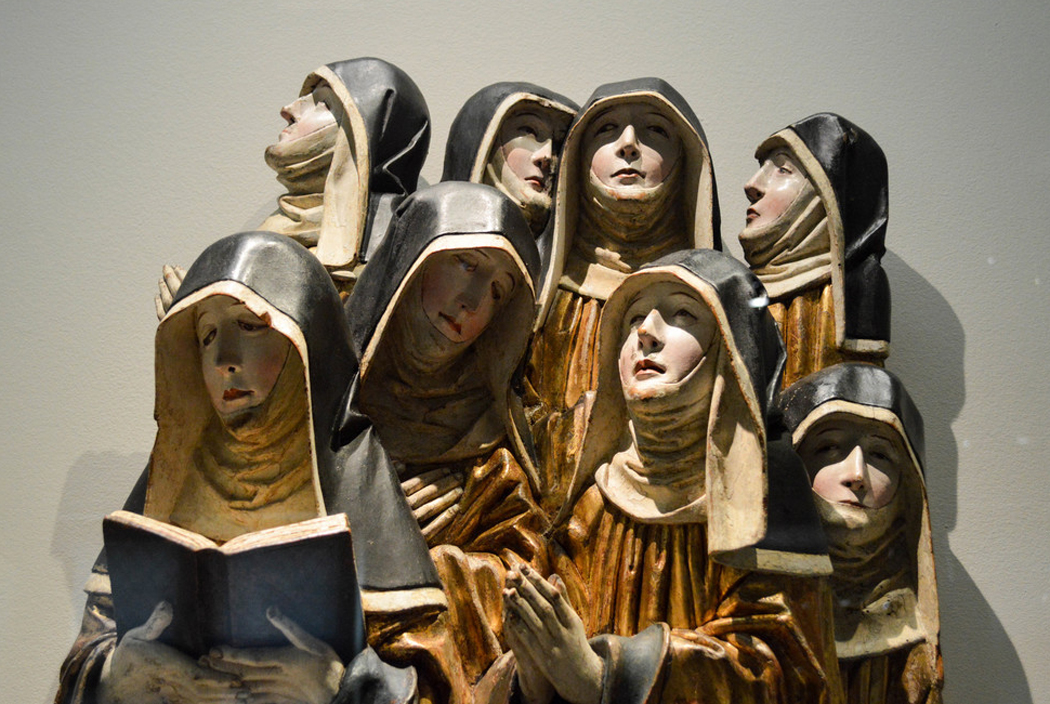
Sweet, delicate, gentle and just some of the epithets clinging to the current exhibition of late medieval Swabian sculpture at Musée de Cluny in Paris this summer
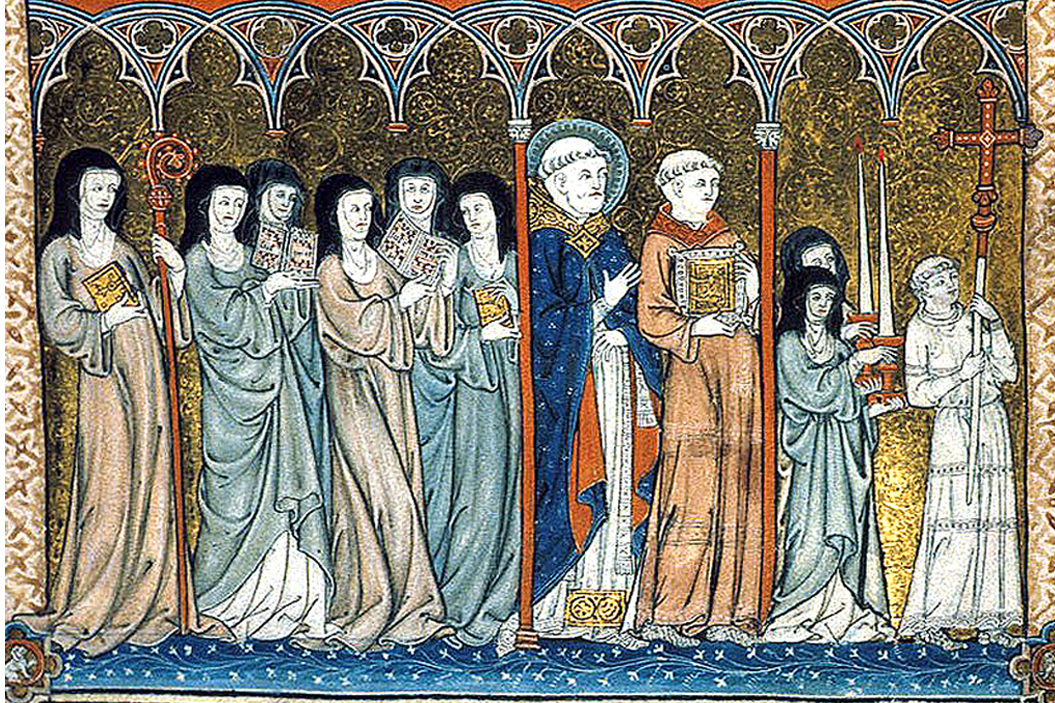
The great contributions made by women to the religious life of the Middle Ages are attracting increasing attention. New book focuses on female monasticism
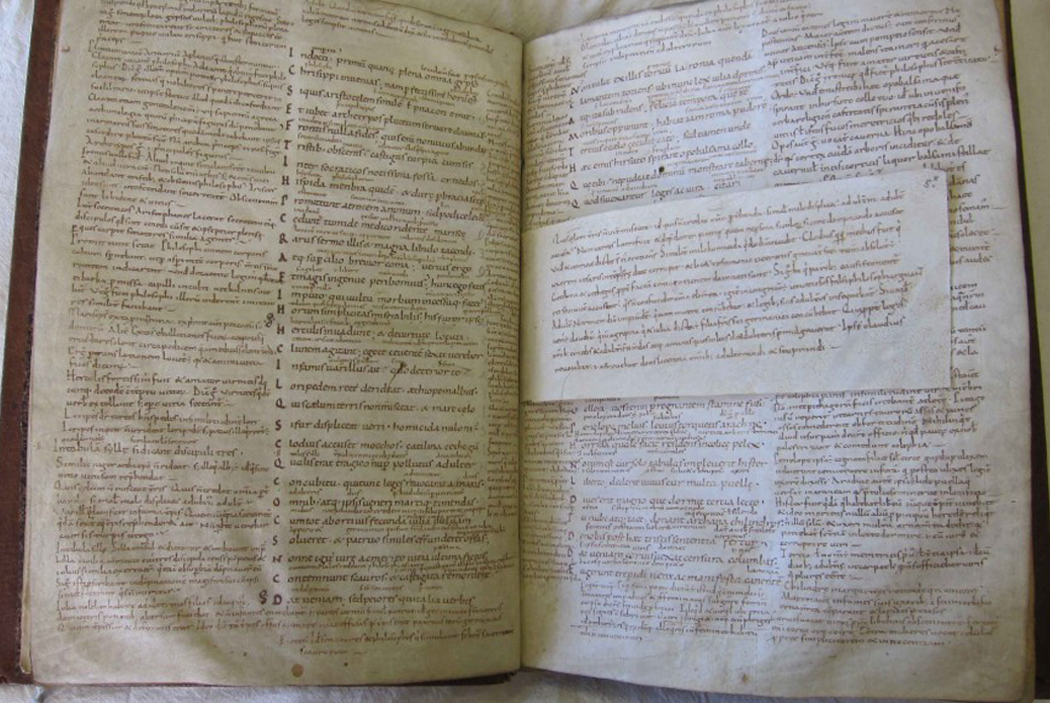
'Early Medieval Practices of Reading and Writing' is a conference on the subject of books, practices of writing, reading, copying and studying in the early middle ages.
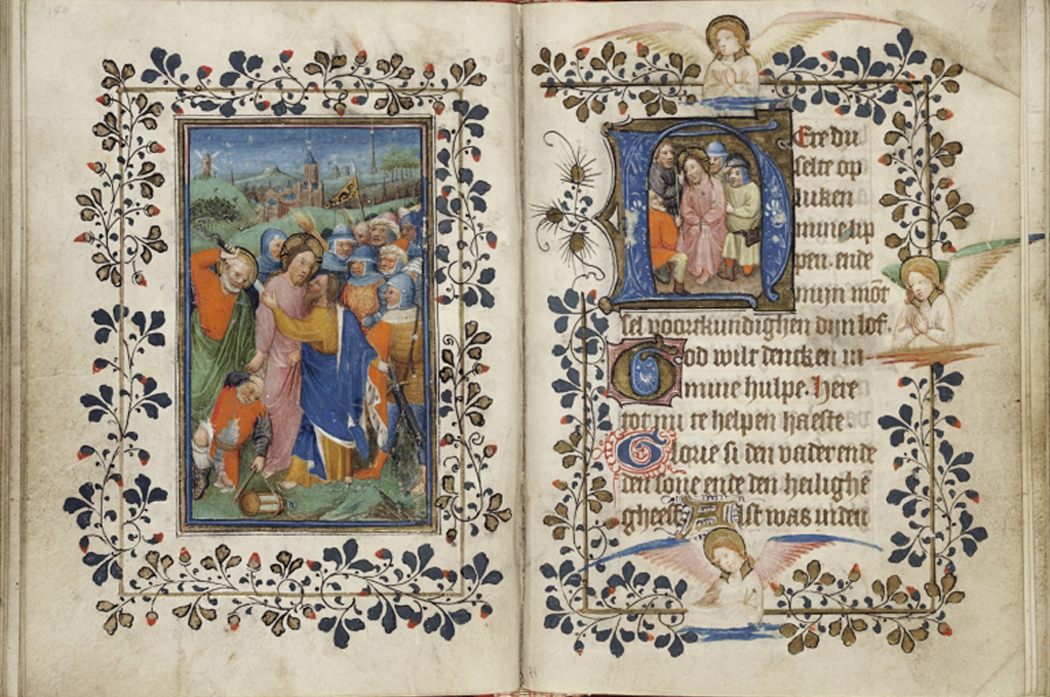
Medieval illuminators used a variety of models and prototypes when designing new books. New book presents new research into this form of artistic borrowing
Medieval Artists worked with artistic patterns, which were continuously collected and transmitted. In 2012 a major conference focused on the phenomena. The transactions were recently published
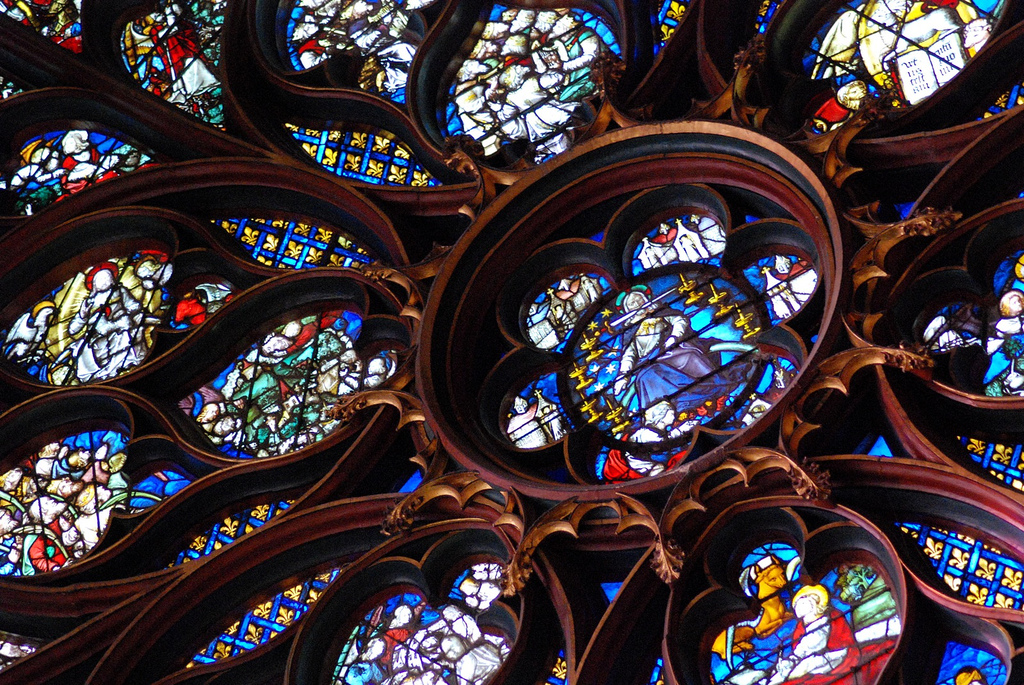
Sainte-Chapelle was commisoned by Saint Louis after he had bought a number of very important relics stemming from the Passion of Christ from the Byzantine emperor. Especially important was the Crown of Thorns, which arrived in Paris in 1239. When the royal chapel was consecrated in 1248, it appeared the architect had succeeded in creating a veritable jewel-box to hold this very precious relic. Part of this aura was due to the magnificent glass paintings, which seemed to soar into the sky.
With more than 750 m2 and 1113 scenes they still tell the story of the chosen people. The cycle starts at the western bay of the north wall with scenes from the Book of Genesis. The next ten windows of the nave follow clockwise with scenes from Exodus, Joseph, Numbers/Leviticus, Joshua/Deuteronomy, Judges, (moving to the south wall) Jeremiah/Tobias, Judith/Job, Esther, David and the Book of Kings. The final window, occupying the westernmost bay of the south wall brings this narrative of sacral kingship right up to date with a series of scenes showing the rediscovery of Christ’s relics, the miracles they performed, and their relocation to Paris in the hands of King Louis himself. In the apse windows feature scenes from the Infancy, Life of John the Baptist and the Passion. The overall message is to exalt the ideal of kingship.
It stands to reason that these paintings were harmed, changed, restored and mixed anew during the next 750 years. Not least the French Revolution caused a grievous destruction. Nevertheless, 2/3 of the windows are original.
In the 1970s, however, it was deemed necessary to restore this magnificent French monument in order to bring it back to its former glory. Finally, a few days ago, the result of the final restoration-project was unveiled to the astonishment of everyone present, who had never seen the edifice without scaffolding and partially under wraps. Indeed a glorious moment!
The primary donation to finish the restoration of the bay-windows has been made by the Danish Company: Velux, which contributed 50% of the expense. The president of the Velux foundation, Lars Khan-Rasmussen, was present at the inauguration, where he committed further funding for another French treasure, the windows at Palais d’Antin. The foundation has earlier on been active in for instance the rebuilding of the Dresden Frauenkirche and is active in a European context, whenever a restoration job touches upon the primary business of the Velux company: to bring daylight and fresh air to people. At the ceremony in Paris on the 20th of May 2015, the Velux Foundation was profusely thanked by the president of the Centre des Monuments Nationaux for its never wavering support and its exemplary way of supporting such a complicated project.
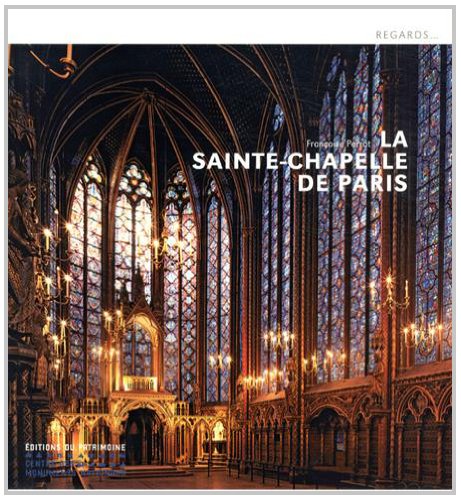
La Sainte-Chapelle de Paris
By Françoise Perrot
Series : Regards
Editions du Patrimoine Centre des monuments nationaux 2013
ISBN-10: 275770270X
ISBN-13: 978-2757702703
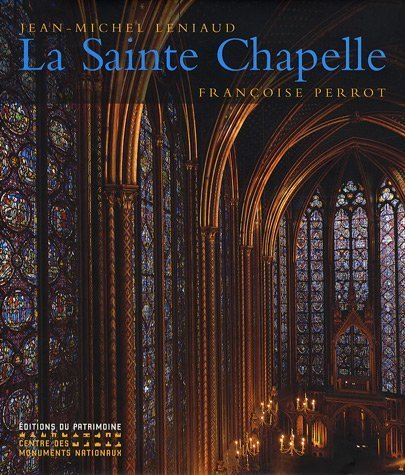
La Sainte Chapelle Relié
By Jean-Michel Leniaud and Françoise Perrot
Series: Monographies
Editions du Patrimoine Centre des monuments nationaux 2007
ISBN-10: 2858229201
ISBN-13: 978-2858229208
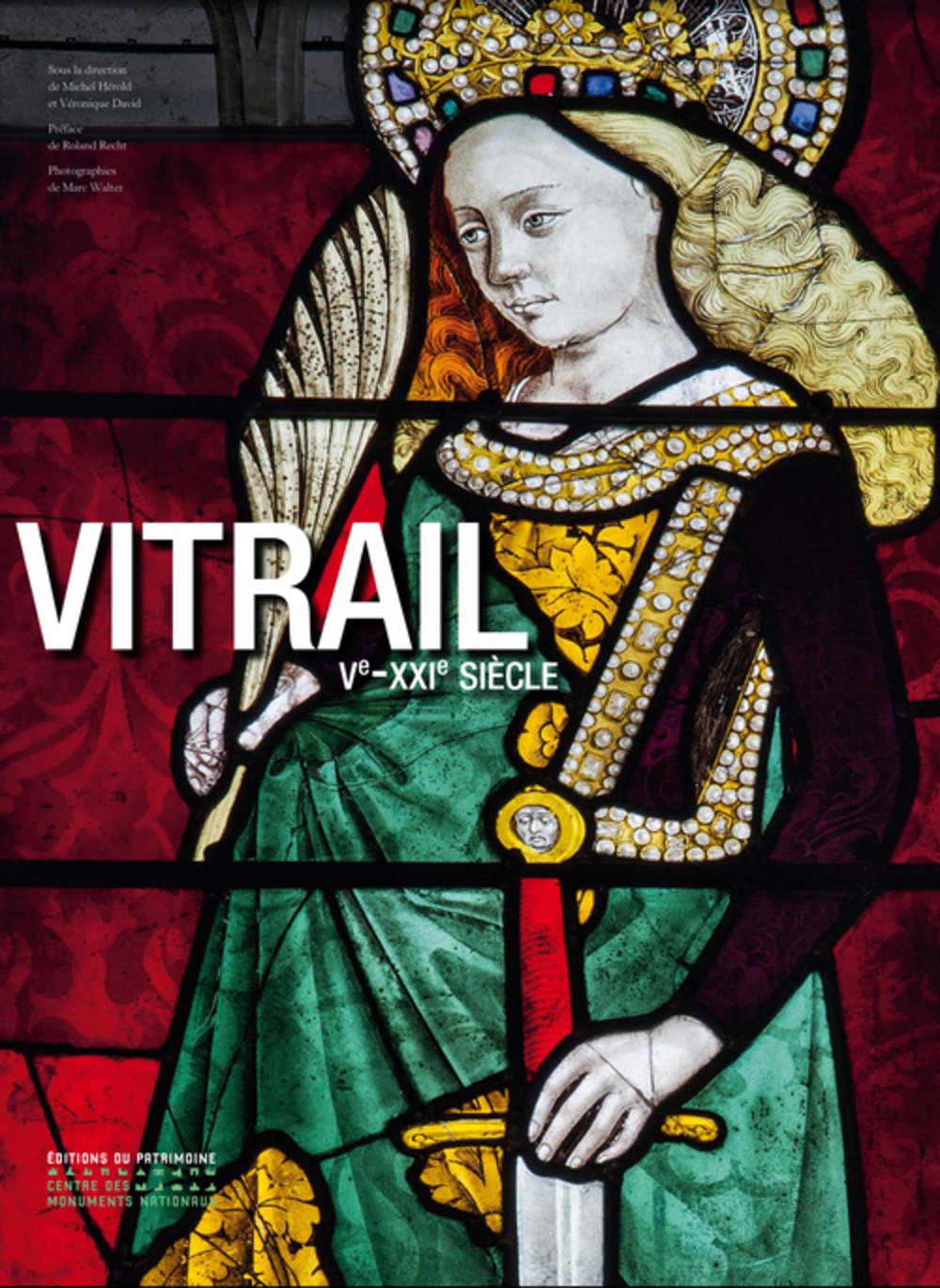
Vitrail, Ve-XXIe siècle
By Véronique David and Michel Hérol
Editions du Patrimoine Centre des monuments nationaux 2013
ISBN-10: 2757703439
ISBN-13: 978-2757703434