Hand-bells belong to a group of liturgical objects connected with the early Irish Church. Was Ireland the primary production centre? Or did Irish hand-bells just play aparticular role as significant relics?
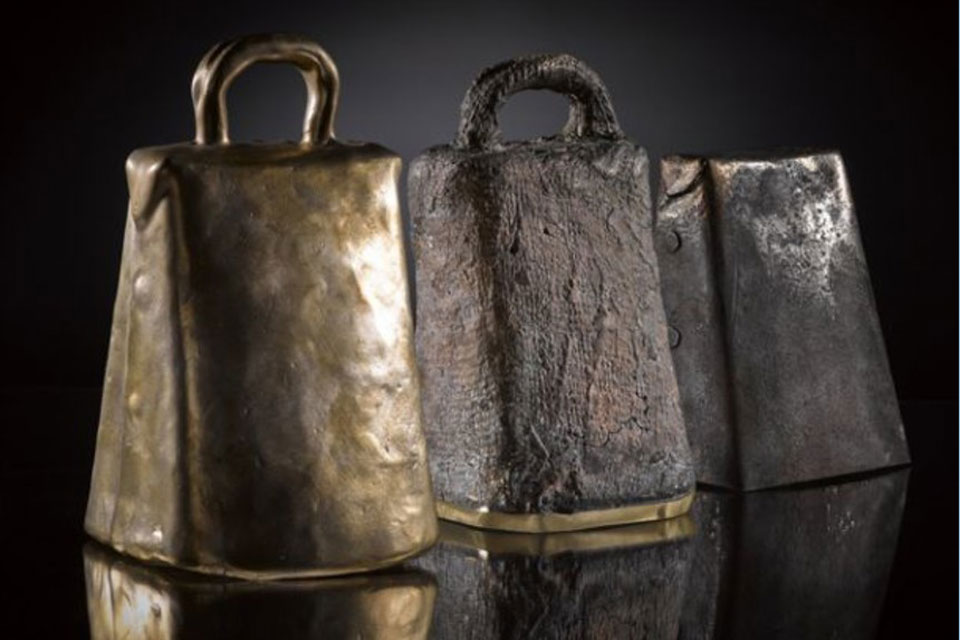
Hand-bells belong to a group of liturgical objects connected with the early Irish Church. Was Ireland the primary production centre? Or did Irish hand-bells just play aparticular role as significant relics?
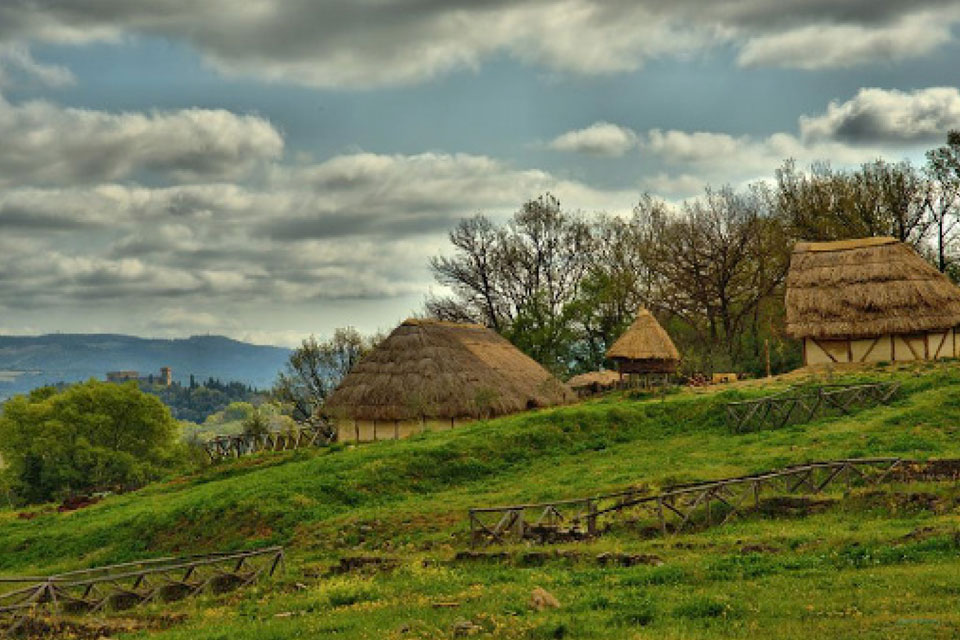
Medieval Poggibonsi in Tuscany was a fortified hilltop village. Now an open-air museum, it is dedicated to authenticity and faithful recreation.
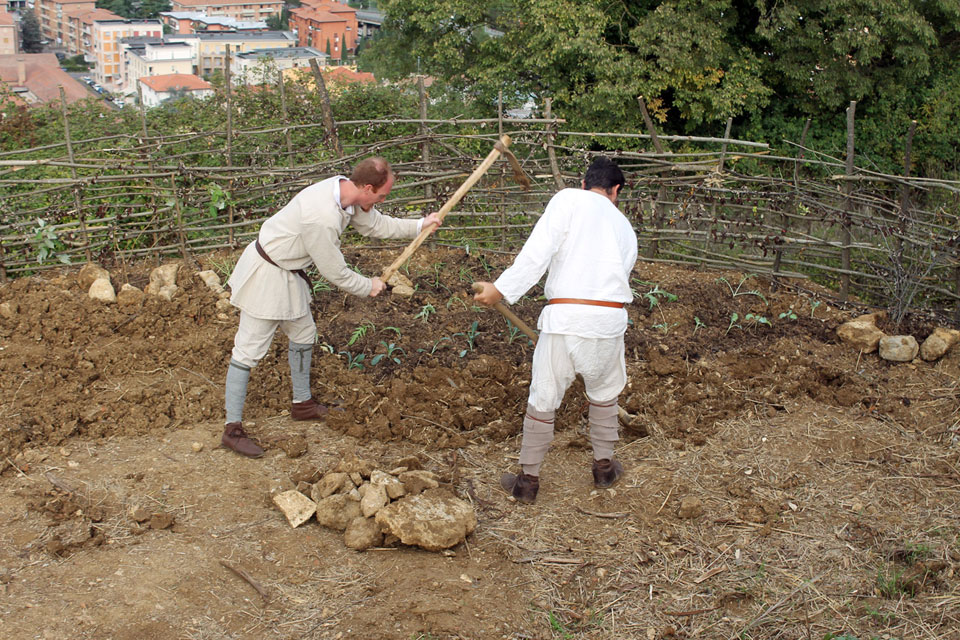
From c. 550 CE, Italy experienced a significant agrarian decline. Grain harvests still mattered, but a new diet came to reflect the new uphill location
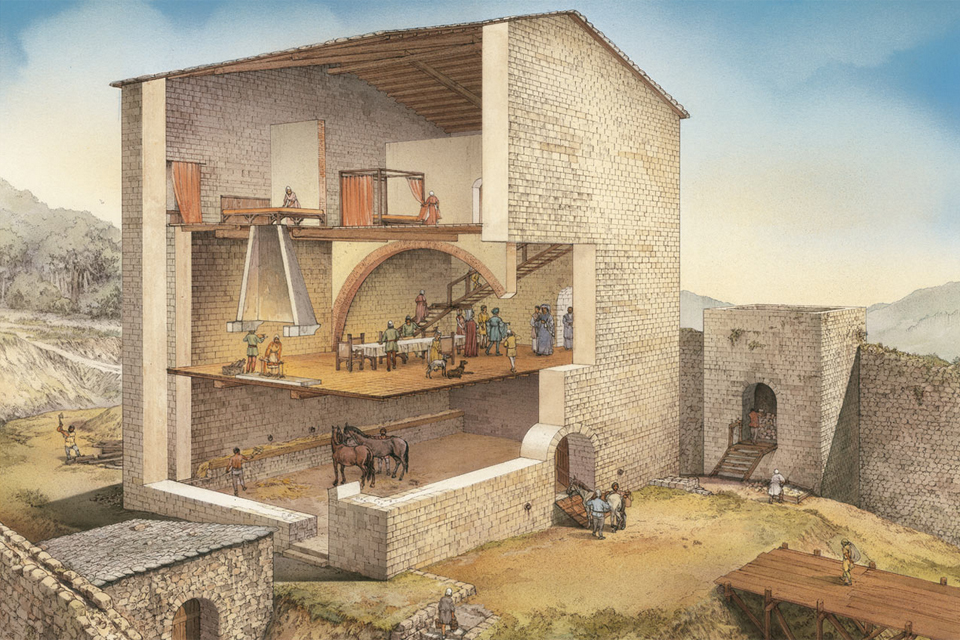
In the last 20 years archaeologists have excavated the castle of Miranduolo near Siena documenting a continuous habitation from the 8th to the 14th century.
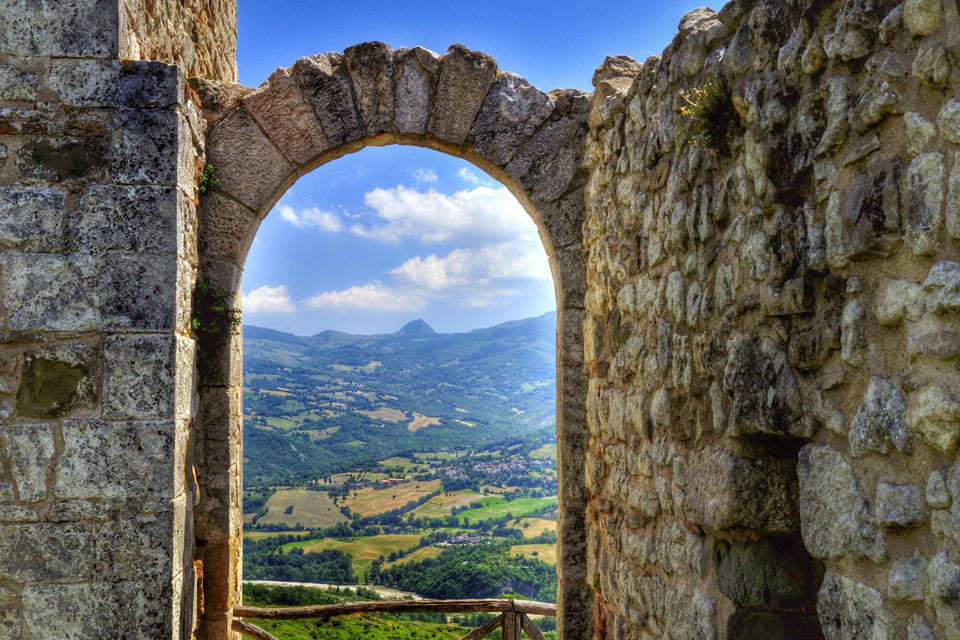
Changes in the Medieval Italian landscape were often dramatic. And, yet, micro-studies of Valmarechia in Emilia Romagna, reveal both continuity and change.
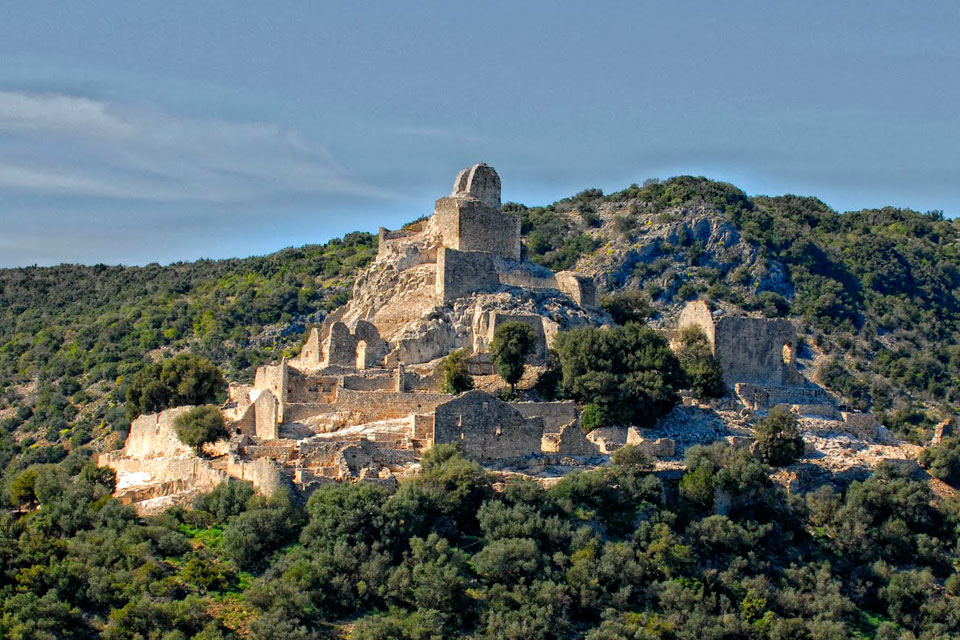
The history behind the castle-building on hilltops in the medieval Mediterranean landscape – the incastellamento or incastellation – is nuanced
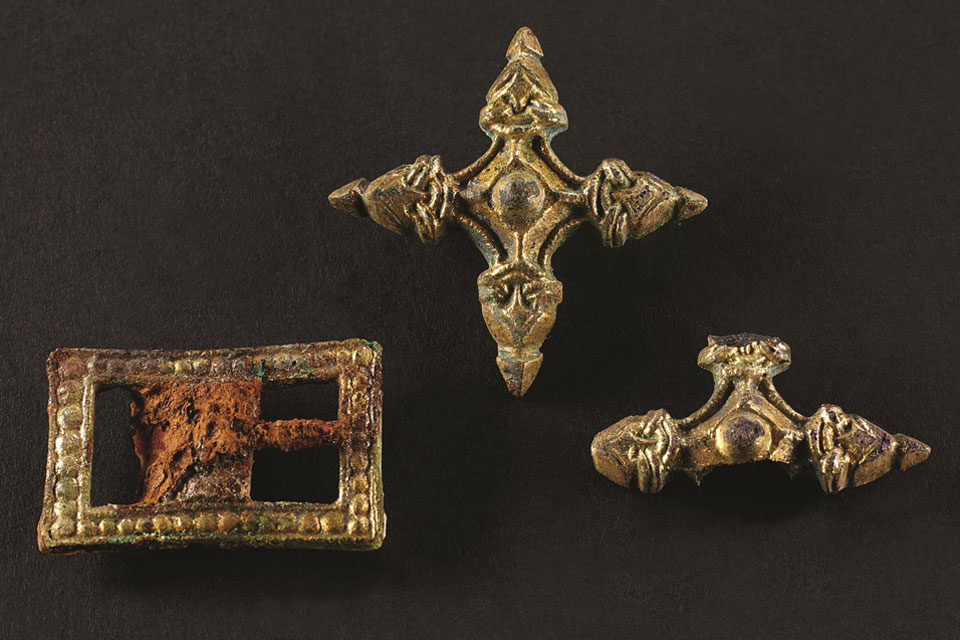
Sensational find of several chamber graves from the later part of the Viking Age at Fregerslev in Denmark witness to the ethos of the Viking warriors
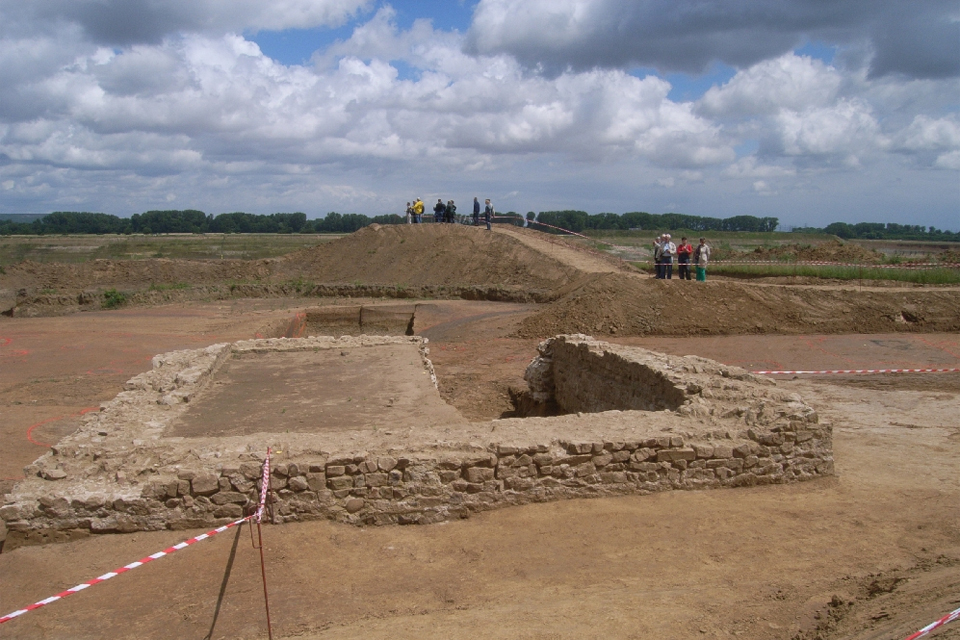
Between Jülich and Düren in Northern Rhineland lies a bleak landscape scarred by lignite mining. Beneath lies a precious time warp of a medieval landscape
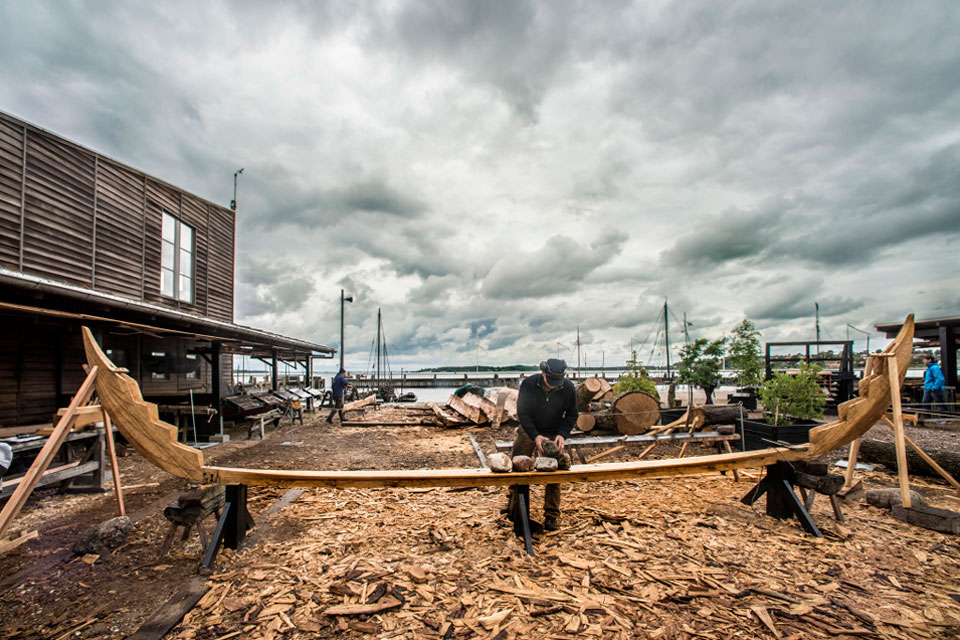
Studies of Vikings and their pirating and warfare seldom pause to reflect upon the enormous investment, the ships represented. New book sets this right.
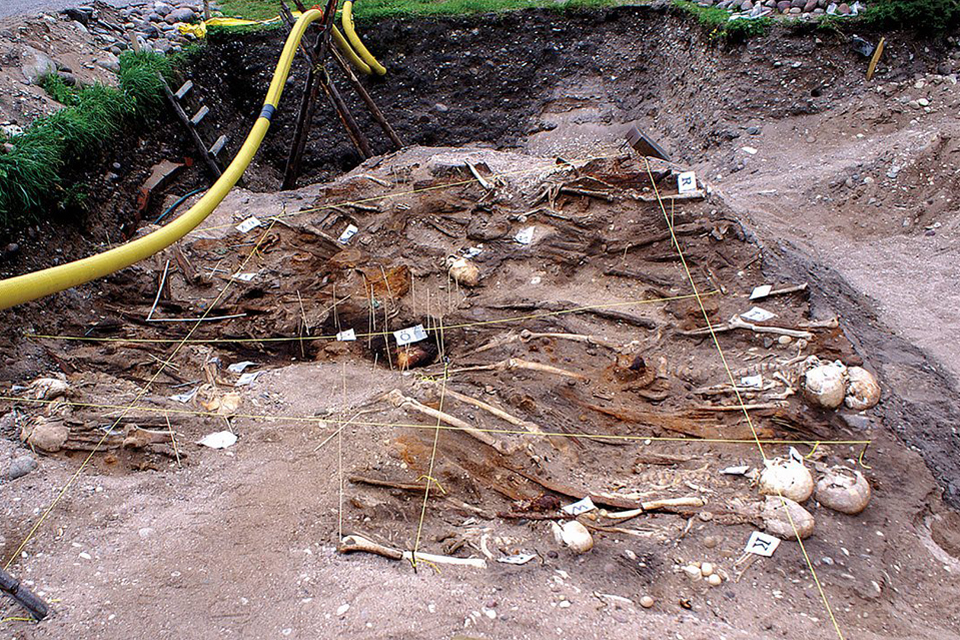
Around 750 CE 41 people were buried in two Viking ships at Salme in Estonia. New studies tell us about who they were and where they came from
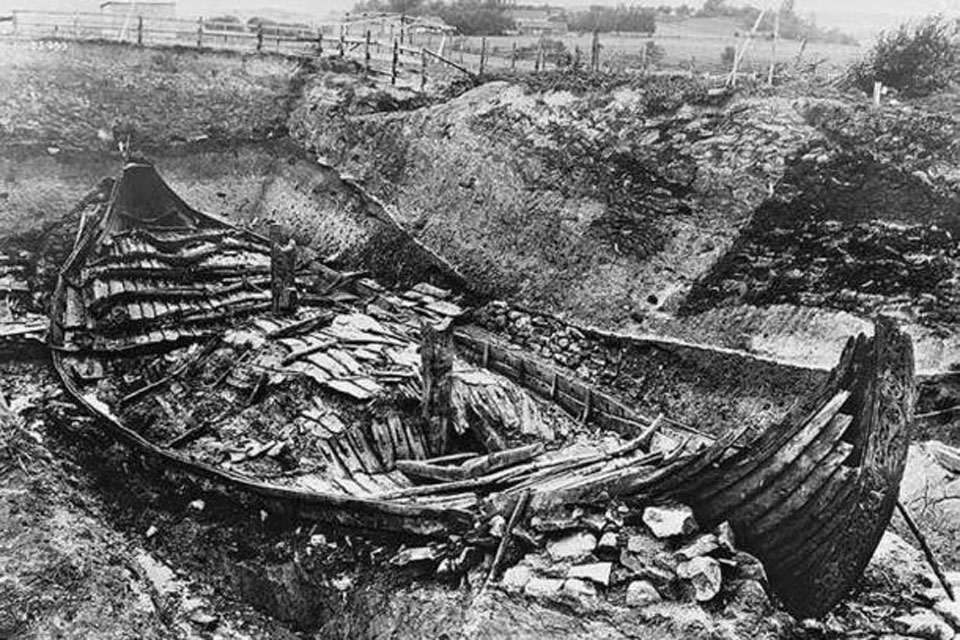
Ship burials in North Western Europe are few and far between. The question is: when and where did this burial practice originate?
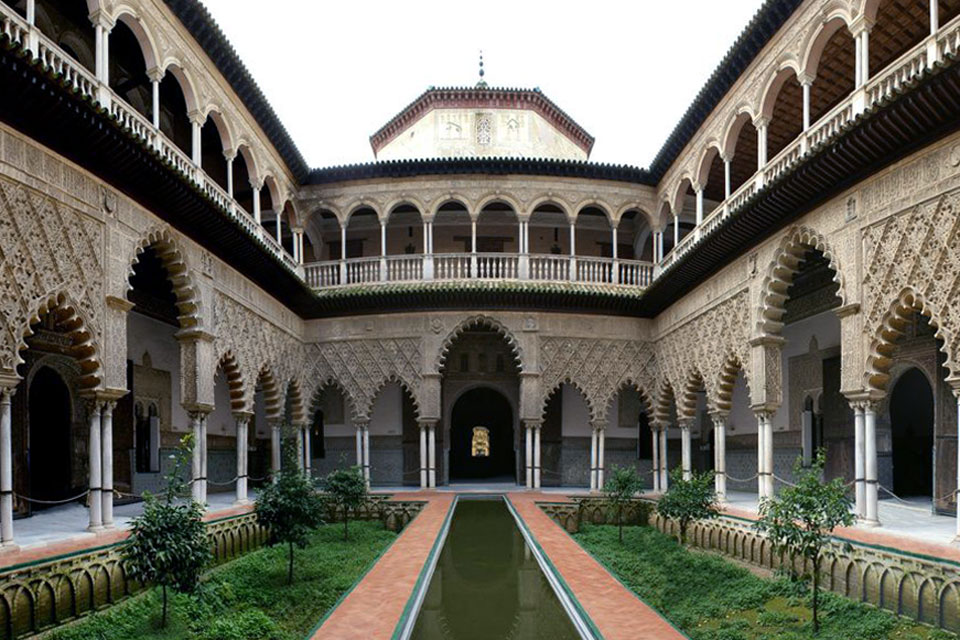
The remains of a Castilian king and his family from the 14th century reveal a diet rich in wheat bread and meat.
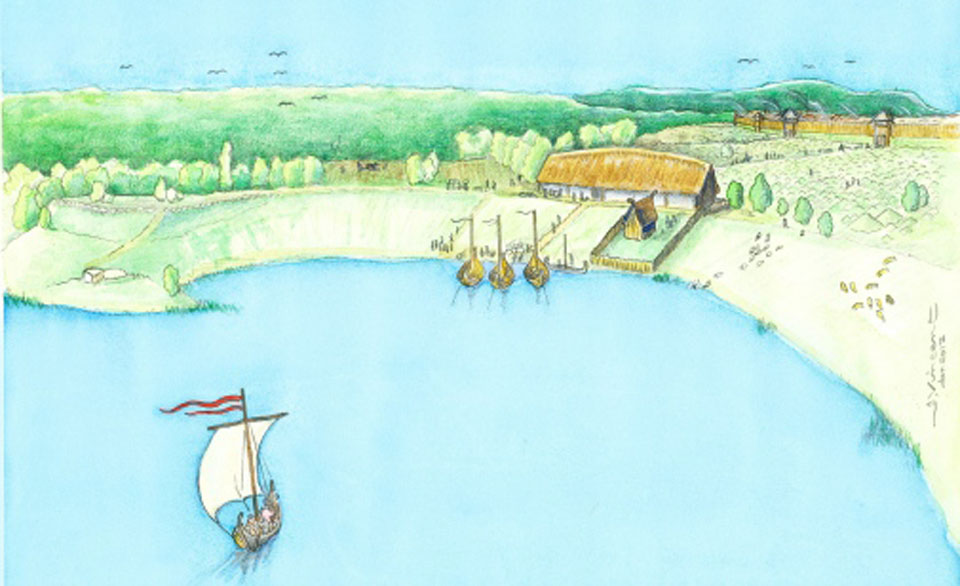
Ansgar arrived at Björkö near Stockholm in AD 829 and converted the royal bailiff there. New surveys indicate his first church may have been found.
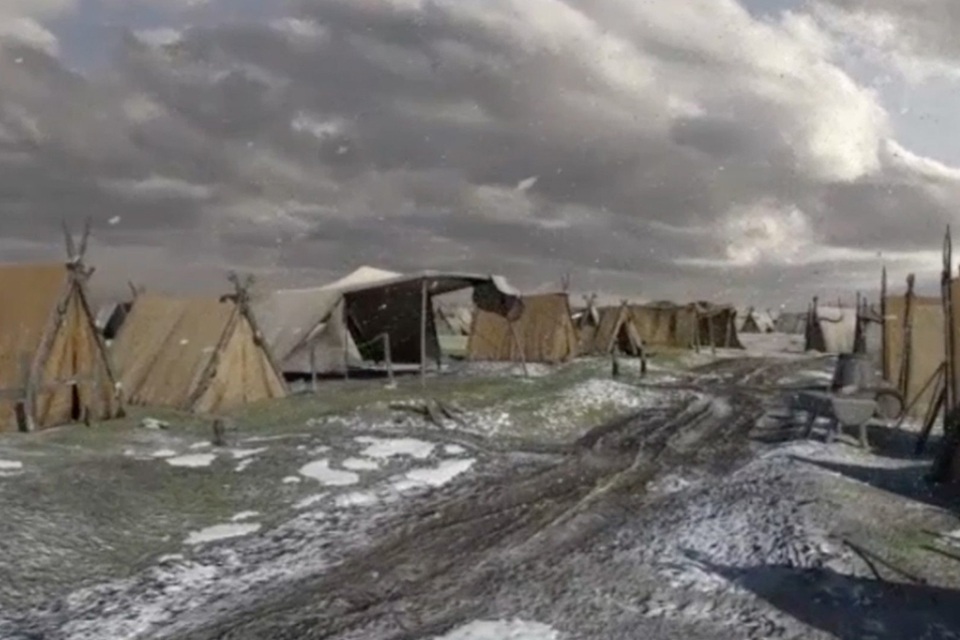
In 2013 the archaeological discovery of the Viking Winter Camp of the “mycel heathen here” in Torksey was reported. Now comes the scientific publicationin The Antiquaries Journal.
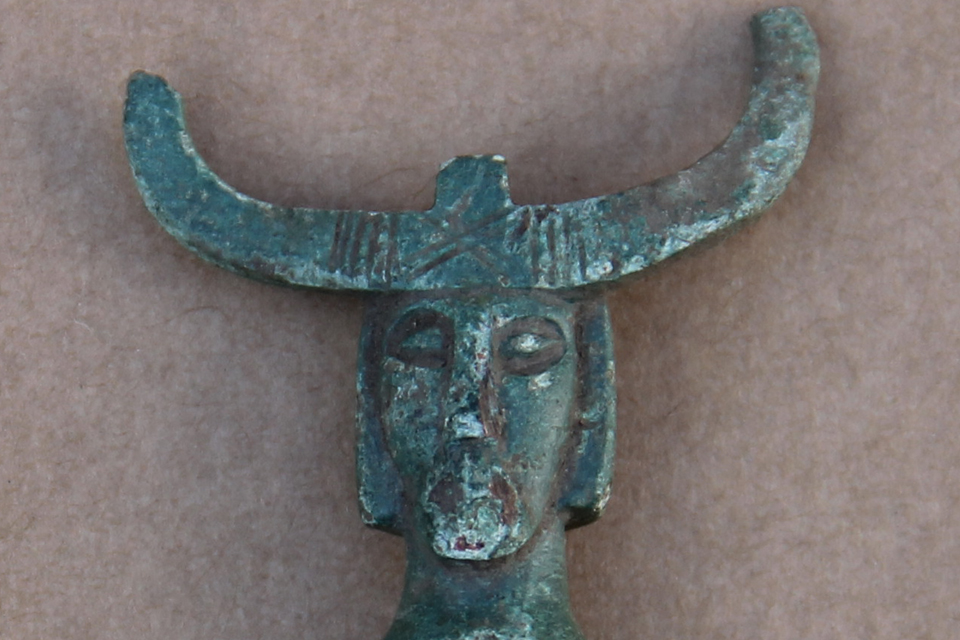
Yet again an intriguing Viking figurine has been found on the island of Fyn in Denmark. This time it is a rare Odin with a 'horned' helmet
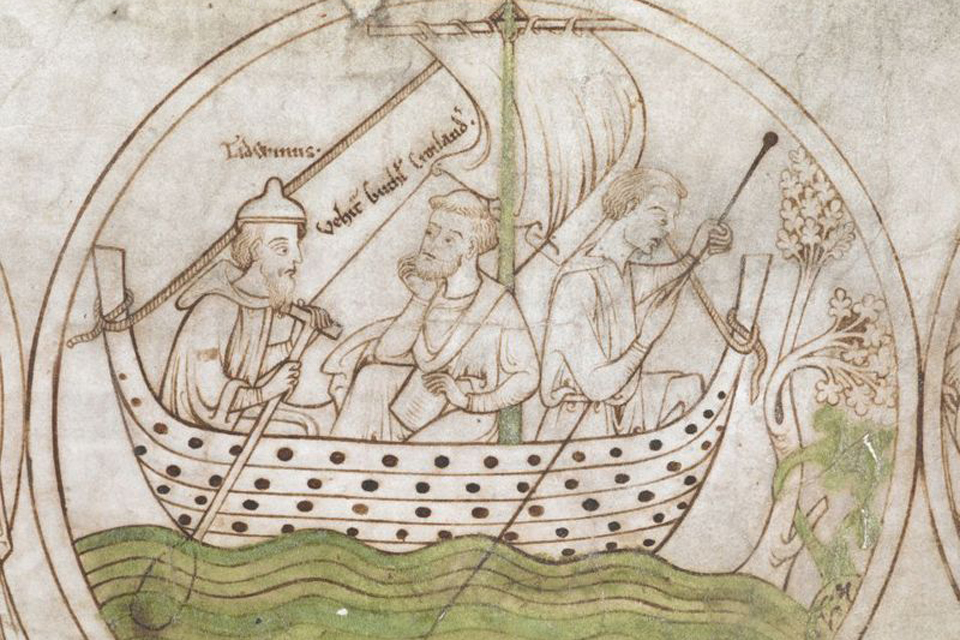
For a long time a number of research projects have explored the culturally fluid landscape of the Medieval Fenlands in Eastern England. New book tells the story