In the Middle Ages goldsmiths and craftsmen possessed a number of recipes for changing the color and the hue of gold and gilded objects.

In the Middle Ages goldsmiths and craftsmen possessed a number of recipes for changing the color and the hue of gold and gilded objects.
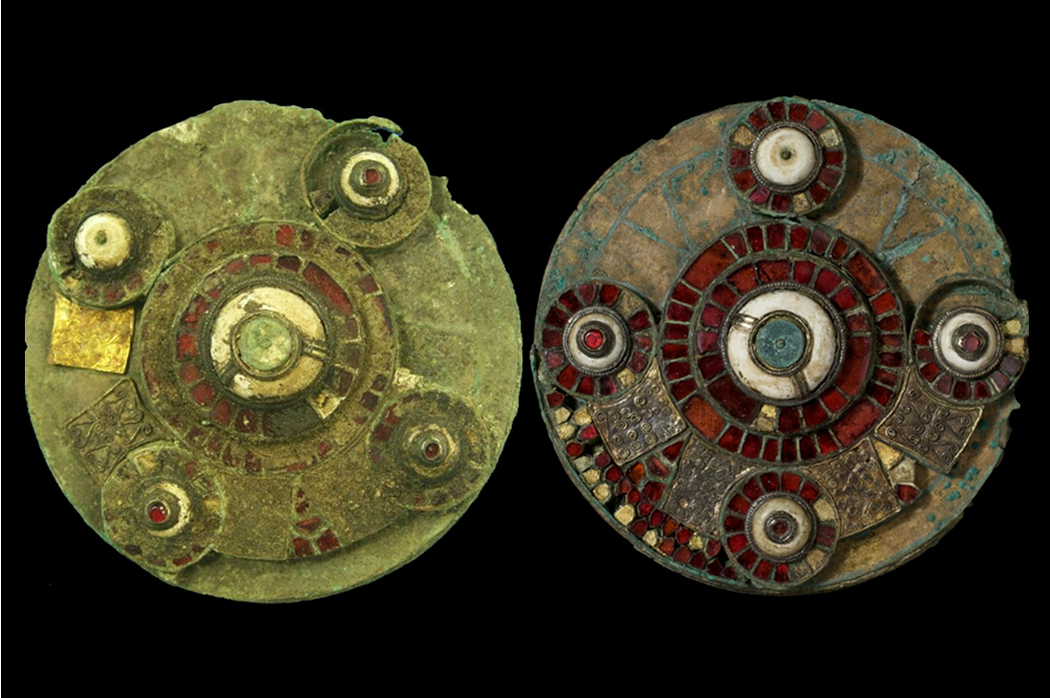
The Hanney Brooch belongs to a small group of composite Anglo-Saxon brooches from mid-seventh century.New research presents the find
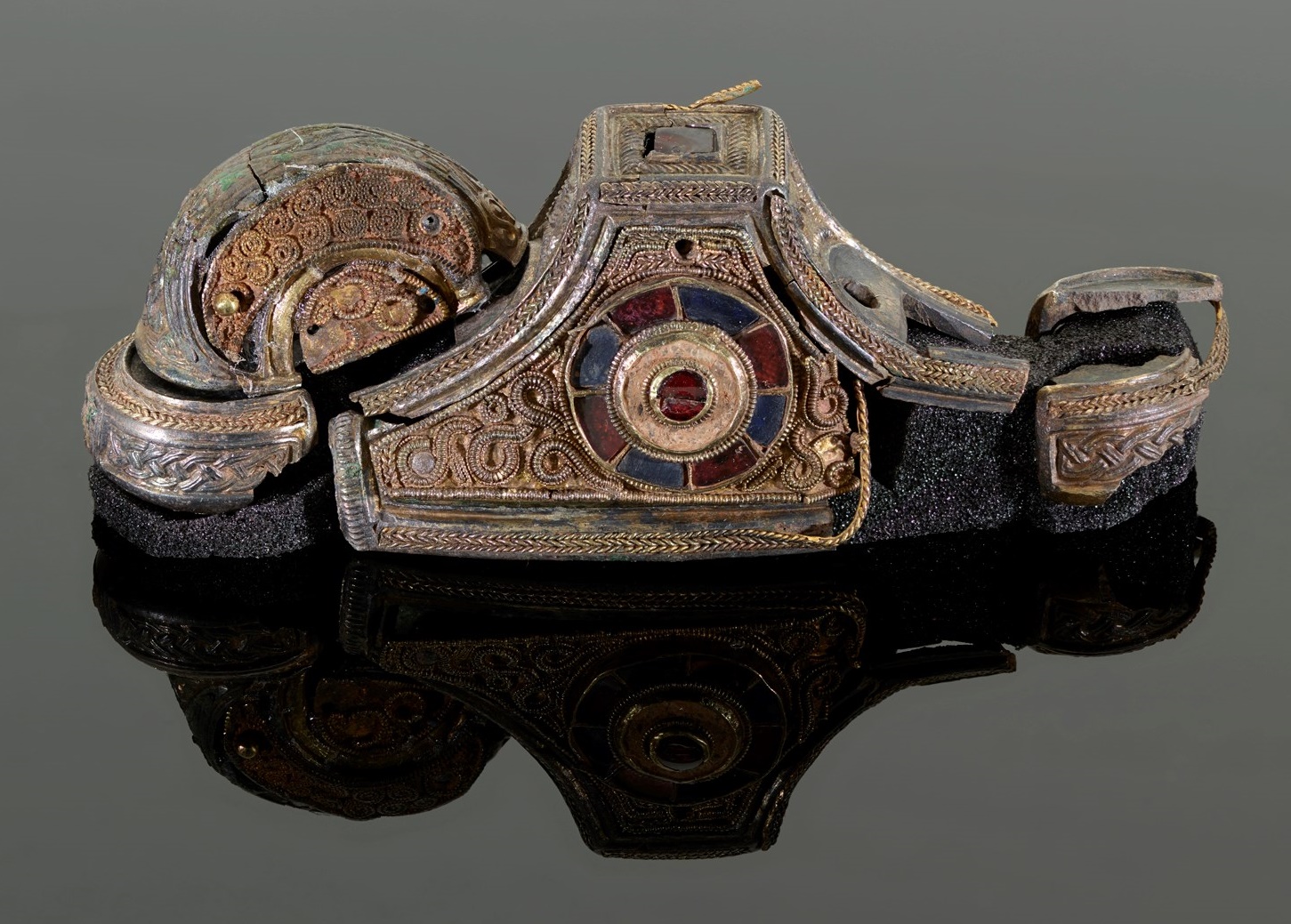
Helmet and pommel pieced together from hundreds of fragments present new insights into the Staffordshire Hoard
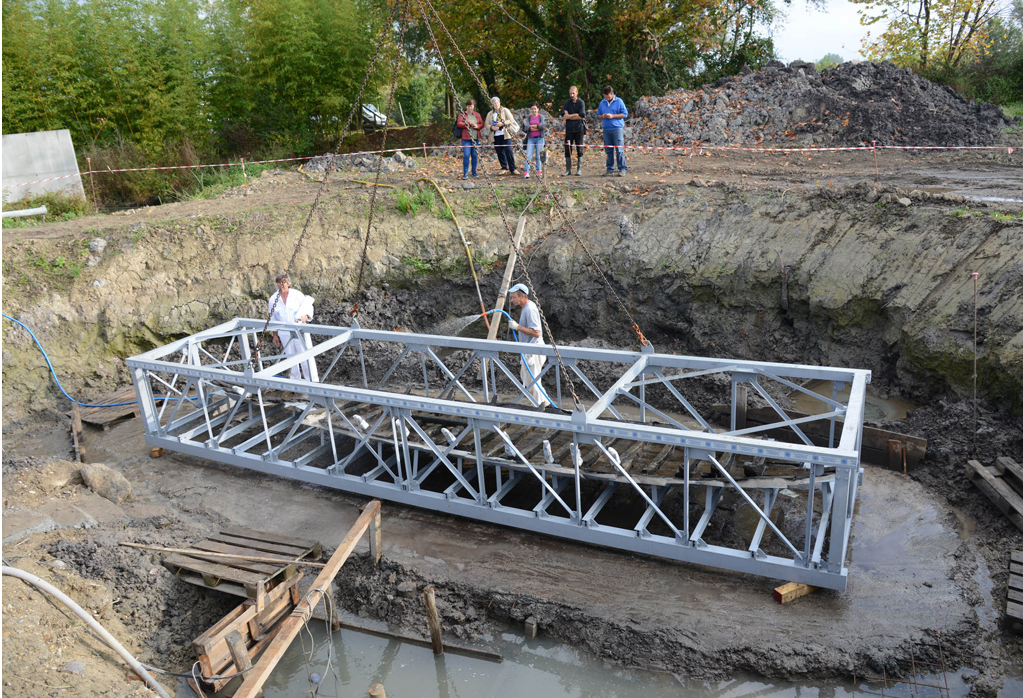
Medieval riverboat from the 10th century has been discovered in the river Stella near the Grado Lagoon close to Udine in Northern Italy
Which organic additives did Medieval people use to get their mortar to bind?
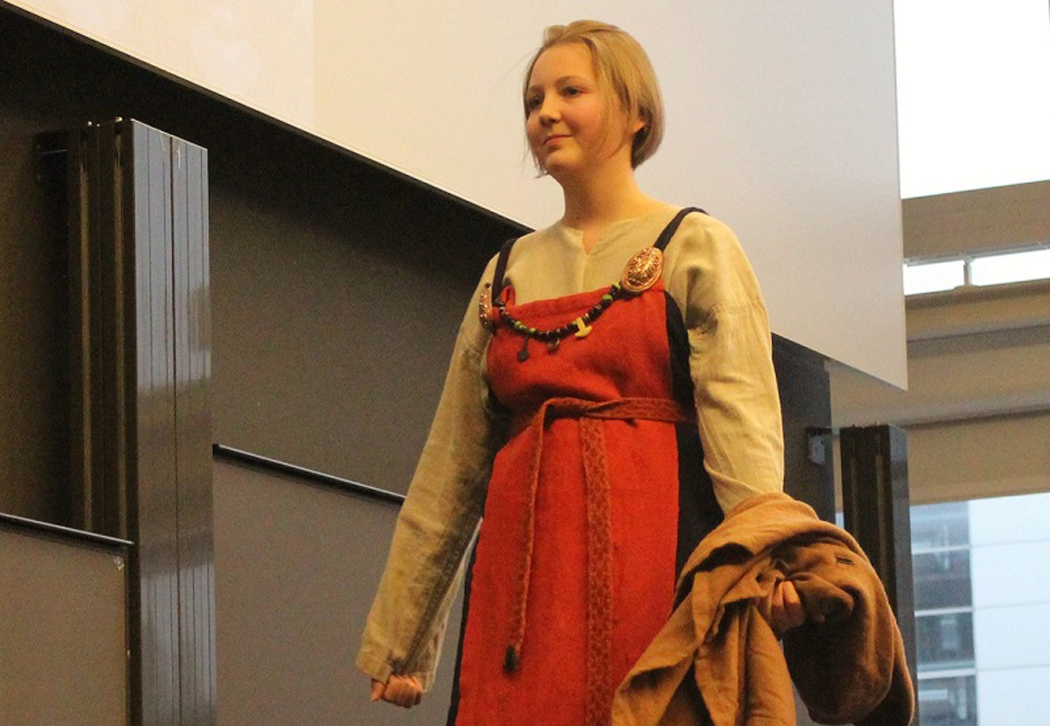
The year is 873 and Frida is deciding what to wear. Her new red dress is finally ready, as are her freshly polished shell-shaped brooches designed to hold it in place at her shoulders. The dress is the latest in Viking fashion.
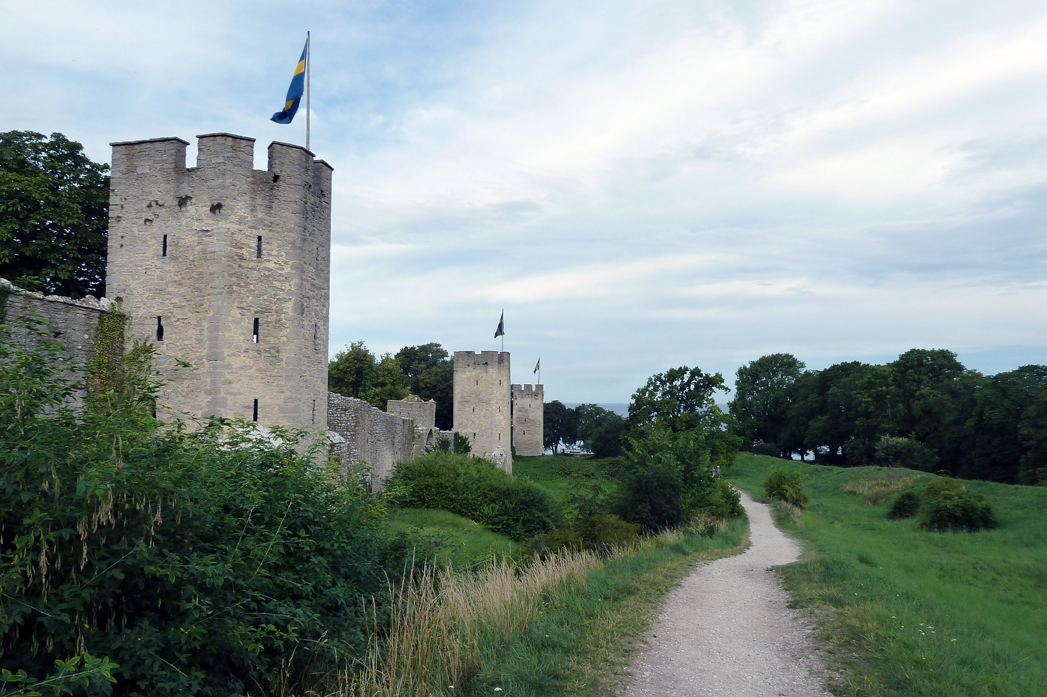
February 2012 90 m2 of the wall around Visby crumpled to earth. Now the wall has been repaired using medieval techniques, kept alive in the countryside.
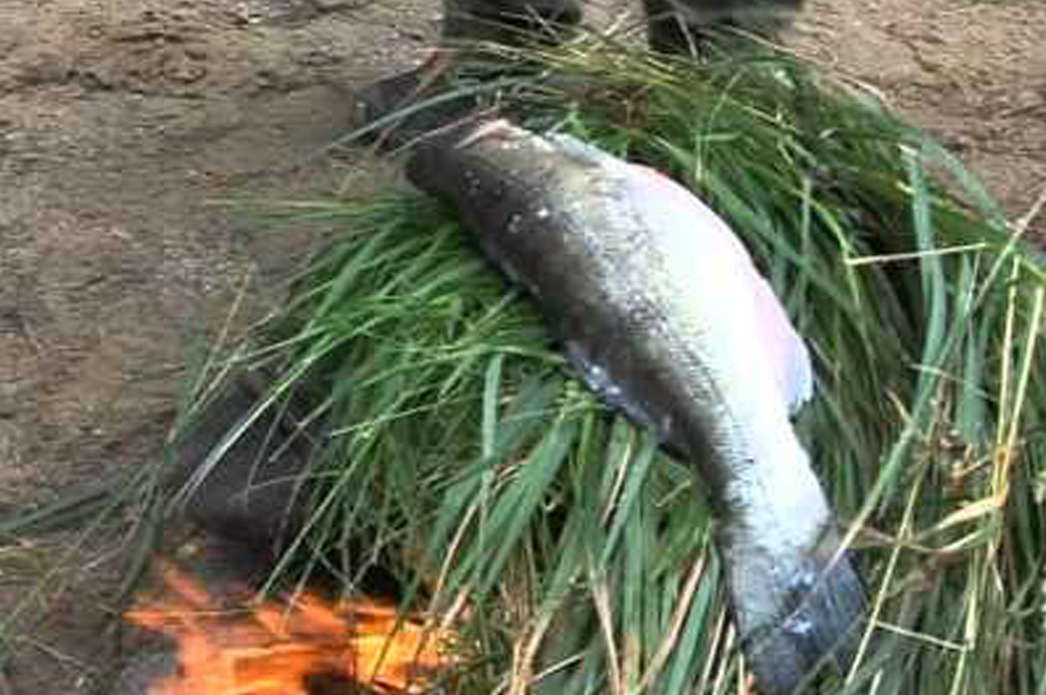
Fish filled with nettles and grilled over a blazing fire were on the menu in medieval Caravate near Lago Maggiore

The theme for the 36th International Conference on Merovingian Archaeology is dedicated to new research into the rural settlements of Early Medieval France

The history of the Vikings in Lewis is an amazing story of how a Pictish Life-world changed when Norse immigrants arrived
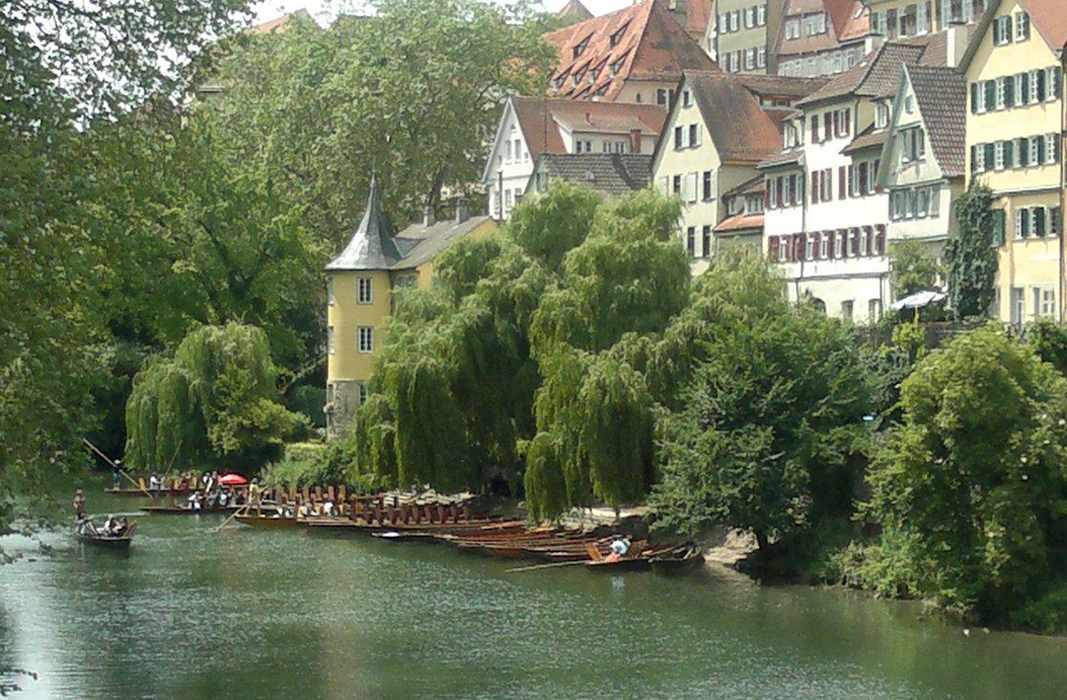
What archaeology does the public demand? Who has the power to decide what is important? These questions are raised and debated at a Conference in Tübingen in May 2015
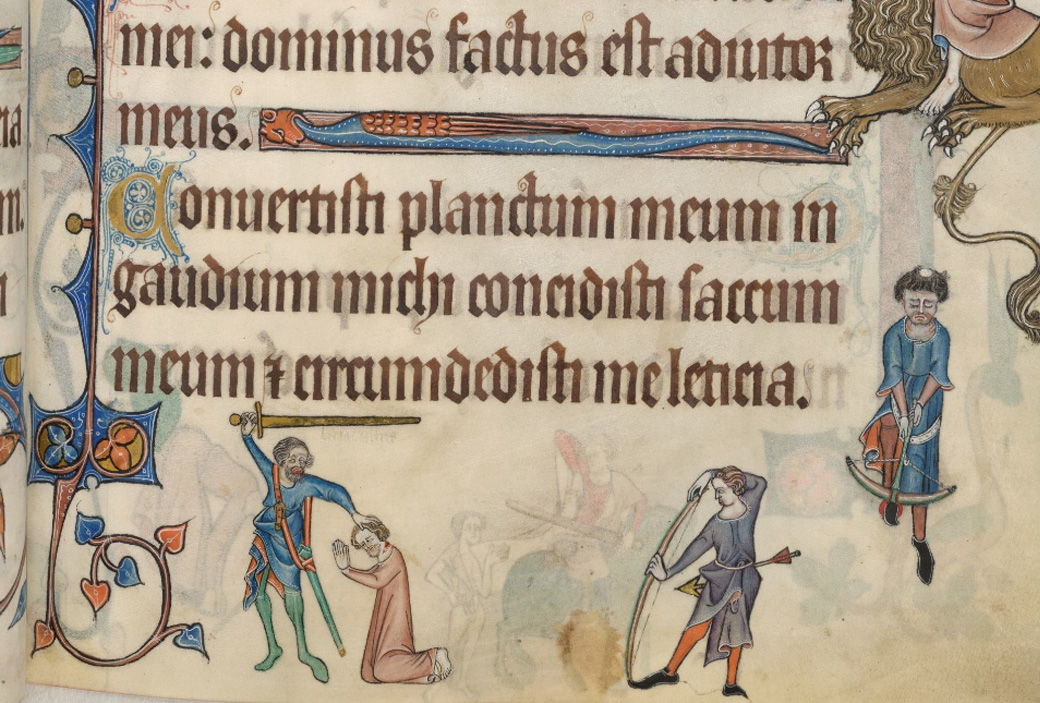
Archaeologists from MOLA (Museum of London Archaeology) discovered the devotional panel, venerating Thomas, Earl of Lancaster in remarkable condition by the River Thames.
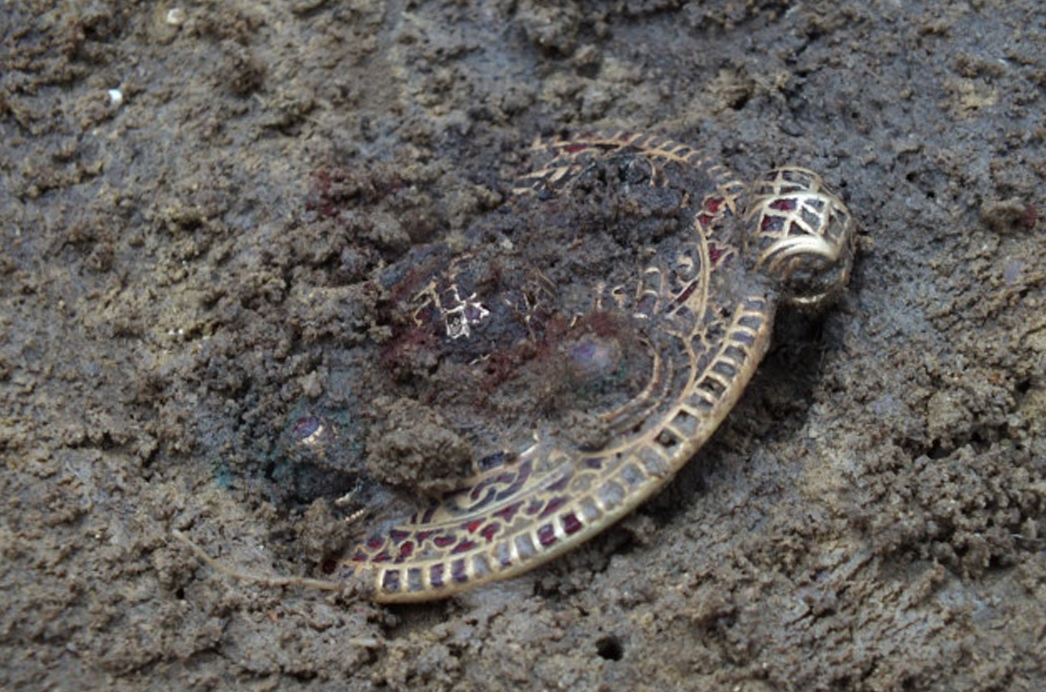
In January a stunningly beautiful Anglo-Saxon pendant was discovered in South Norfolk. The find is thought to be of national importance
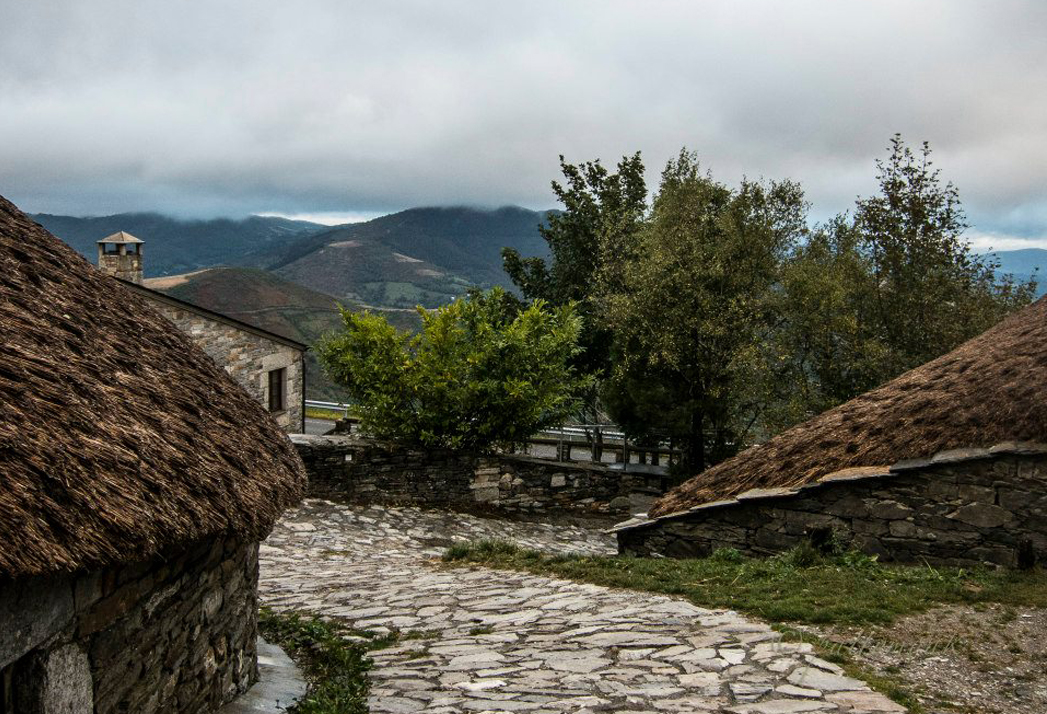
Galicia in the Early Middle Ages experienced a remarkable economic and cultural transformation. The evidence is carefully being piecing together by the archaeologist, José Carlos Sánchez Pardo

A hoard of Anglo-Saxon silver pennies of kings Æthelred II (r.978-1016) and Cnut (r.1016-35) have been found wrapped within a lead parcel at Lenborough.

The remains of Cnut the Great may be identified via DNA, if scientists succeed in making sense of a treasure trove of jumbled bones held in the mortuary caskets in Winchester Cathedral