Mortuary chests in Winchester are said to hold the remains of Anglo-Saxon and Viking kings of England. Preliminary dating confirms the possibility
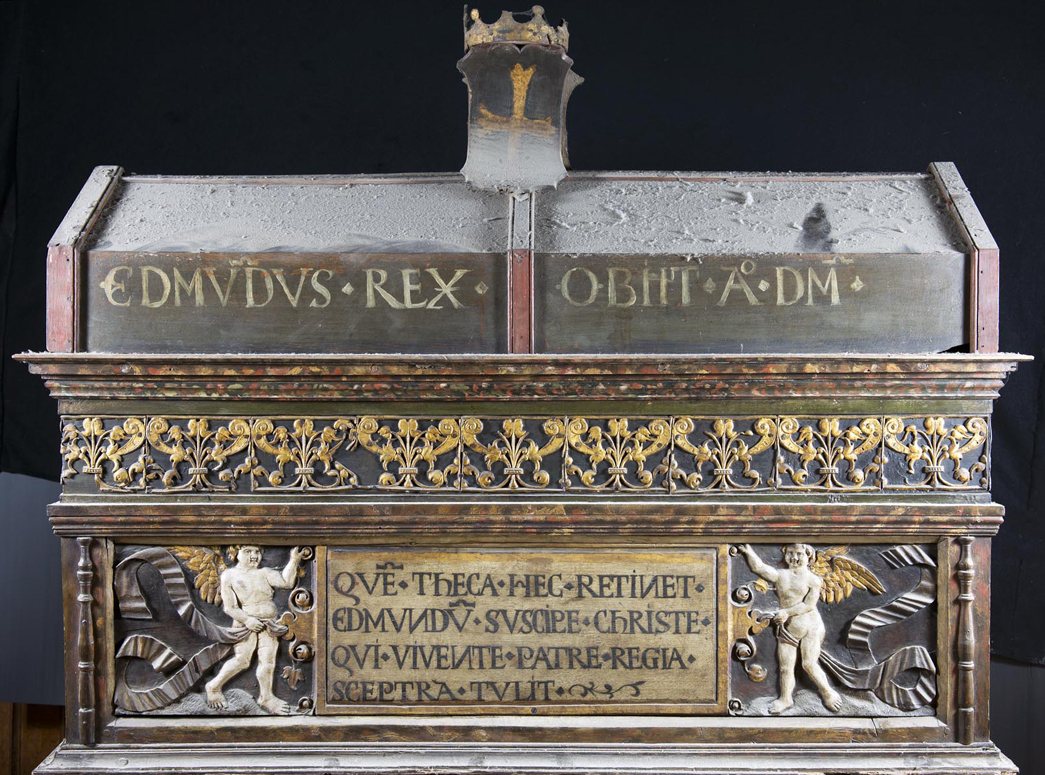
Mortuary chests in Winchester are said to hold the remains of Anglo-Saxon and Viking kings of England. Preliminary dating confirms the possibility
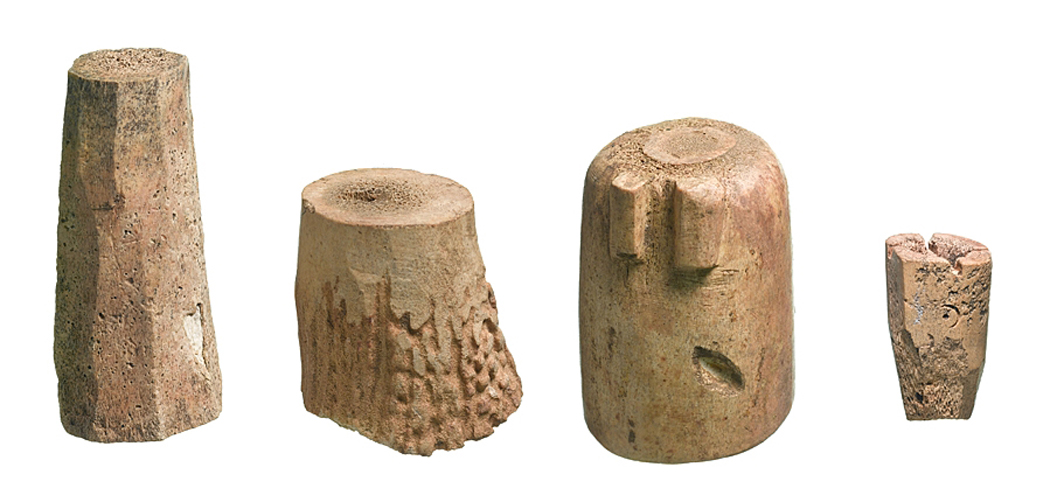
Excavations in Northampton have uncovered a 12th century workshop, where the owner found business carving chess-pieces from antler-bones.
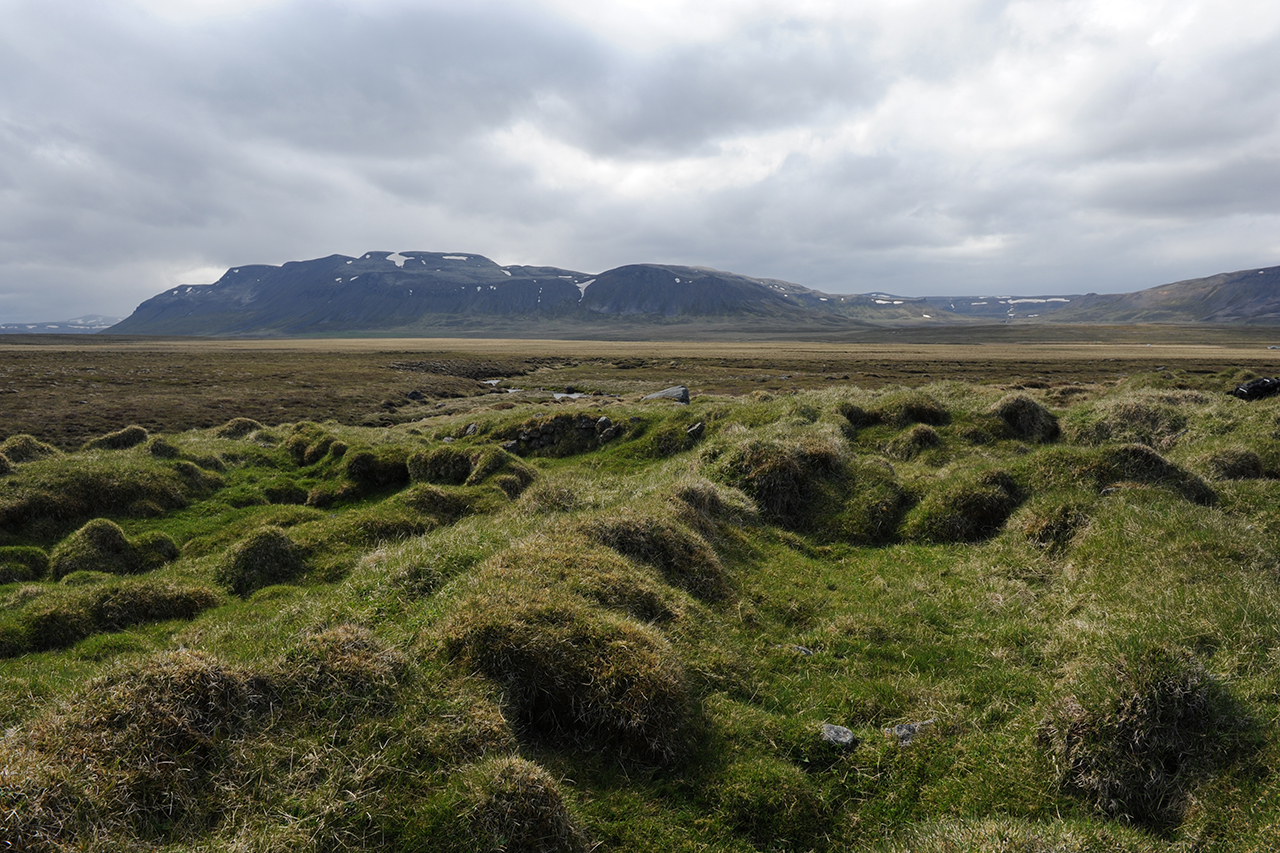
Neo-pagan Icelanders are planning to build a heathen temple in Reykjavik, but with a decidedly "Christian" Twist.

Climate change is causing the glacier in Reinheimen National Park in Norway to melt, yielding lost artefacts from the Norwegian Iron and Viking age. So-far archaeologists have uncovered more than 2000 artifacts from the glacier in Oppland.
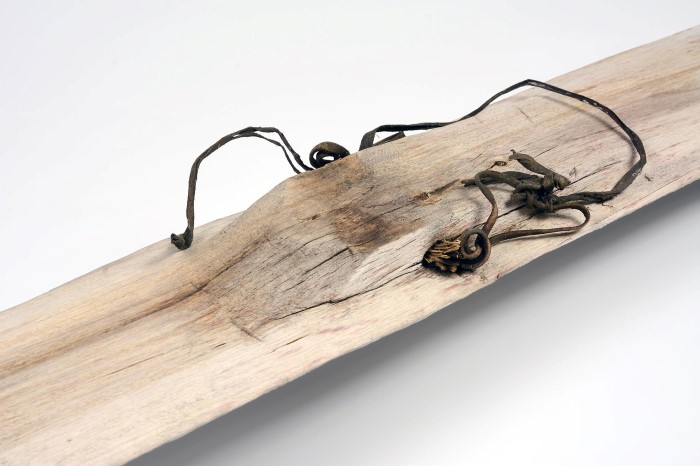
This summer archaeologists found a very old ski, dated to around AD 700. What makes this find especially valuable is the binding, which was intact.
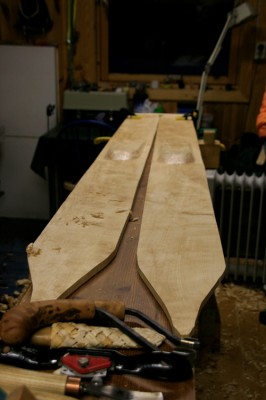 The ski was made of birch and measures 172 cm long and14.5 cm wide, making it somewhat akin to present day free riding skis, also called big mountain skis. The intact binding is at the back and consists of a wicker pulled through a hole in a slightly elevated platform and fastened with strings of leather around the back of the foot. This tells us a lot of how they manoeuvred, says the archaeologist Espen Finstad. He adds that the ski was probably used by a hunter moving across the glacier, tracking reindeers or other prey.
Other skis have been found in Norway and Sweden, some of which have been dated even earlier. However, the ski from Reinholmen is the only one found with intact binding; worldwide only one find predates this.
Currently local craftsmen from Garmo in Lom are reconstructing the ski in order to try the design out during winter. The point of the wide modern skis is that they glide on top of the snow. The question, the archaeologists wish to answer, is whether the ski from Reinheimen has the same quality.

To be an adroit skier was not only important in daily life, but also considered an important and status-filled ability. In the Norwegian royal sagas skiing is mentioned several times as an important skill. Most famous, however, is the story about Palnatoke (alias the Norwegian hero, Heming Aslaksson alias the later Wilhelm Tell). About this mythical hero it is told by Saxo Grammaticus and in in the Icelandic Saga of the Jomsvikings that he was pagan who founded Jumla on the Baltic. He was a mighty warrior and a very proficient skier. The story Saxo tells is that:
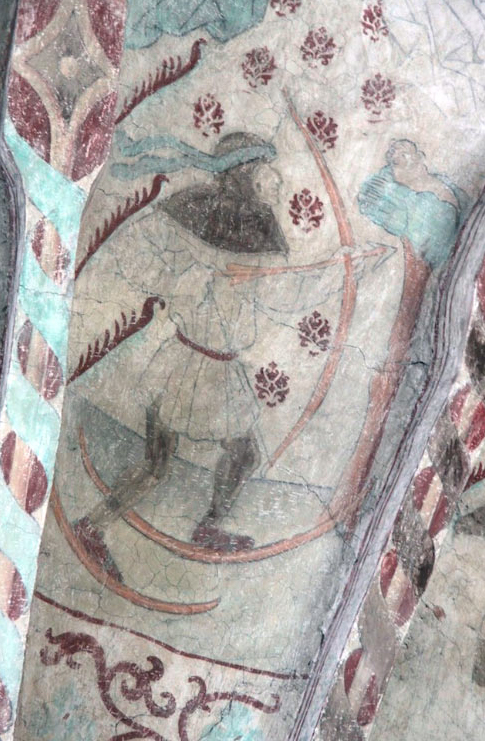
“Harold [Bluetooth] boasted of his proficiency in that technique, which the Finns use when passing through snow-covered forests; Toke then dared to brag about his own talents and compare them to those of the king. This forced Toke to prove his capabilities on the mountain of Kullaberg. But what he lacked in practice, he made up for in courage. He went to the upmost top of the mountain and with smooth planks beneath his feet and only a slender staff to support him, set off at a terrifying speed. In breakneck fashion he hurdled down on his skis across sharp rocks; nevertheless he succeeded cold-bloodedly to control them. Neither the great danger nor panic of any art kept him from keeping erect. Any other would have been terrified by the great chasm before even venturing upon this experiment. At the end the skis splintered against the rocks and he was hurled into the air, but this in fact saved his life… he hit the cliff at great speed, the skis broke and thus he ended the run in a safe manner. If not great boulders and deep holes had been in his way, he would for sure have ended up in the sea below the cliff. Here some sailors picked him up and in his hatred to the king he did nothing to slay the rumours that he had ended up worse than was the case… he decided then to shift his allegiance to the son of the king, Sven [Forkbeard]” (Saxo Grammaticus, 10: 7, 4. From c 1190 -1200.)
It is worth remembering that Saxo was part of the entourage of the Archbishop Absalon and had probably sailed past Kullen (Kullaberg) any number of times. Passing by he seems to have wondered what was the truth behind the fairy-tale about Palnatoke. An echo of these reflections may obviously be found in this vignette from his grand chronicle, Gesta Danorum (Acts of the Danes).
Rekonstruksjon av Reinheimskia
Iron Age Tunic found in the glacier
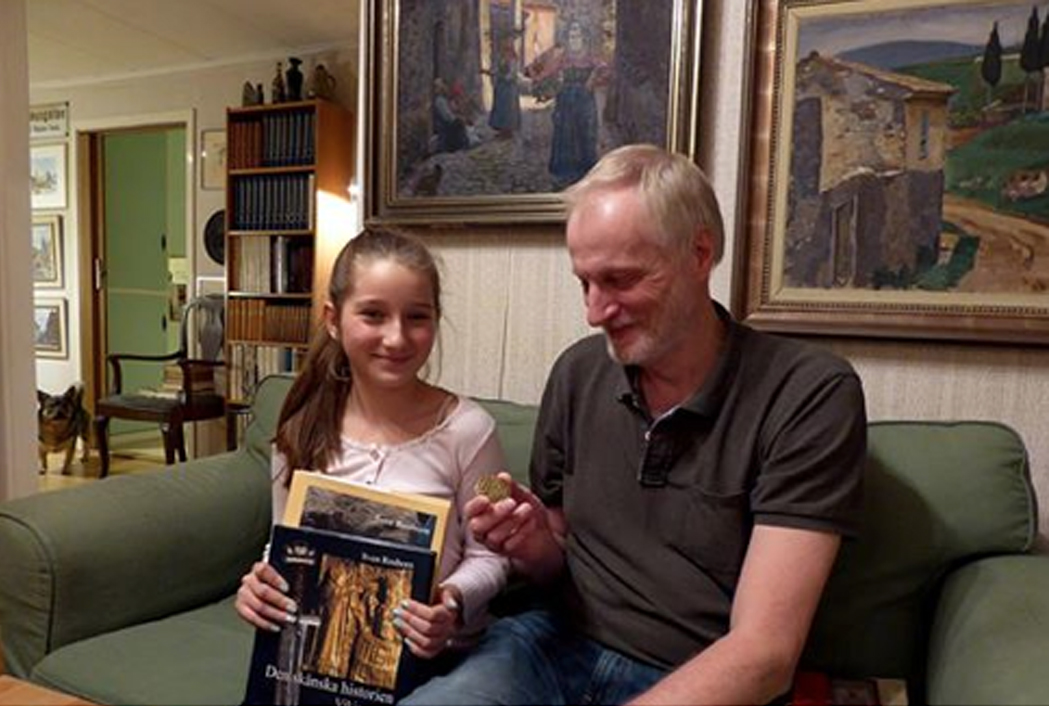
Recently, a strange golden object with an inscription about the Danish Viking , Harold Bluetooth, resurfaced from an old box from Poland
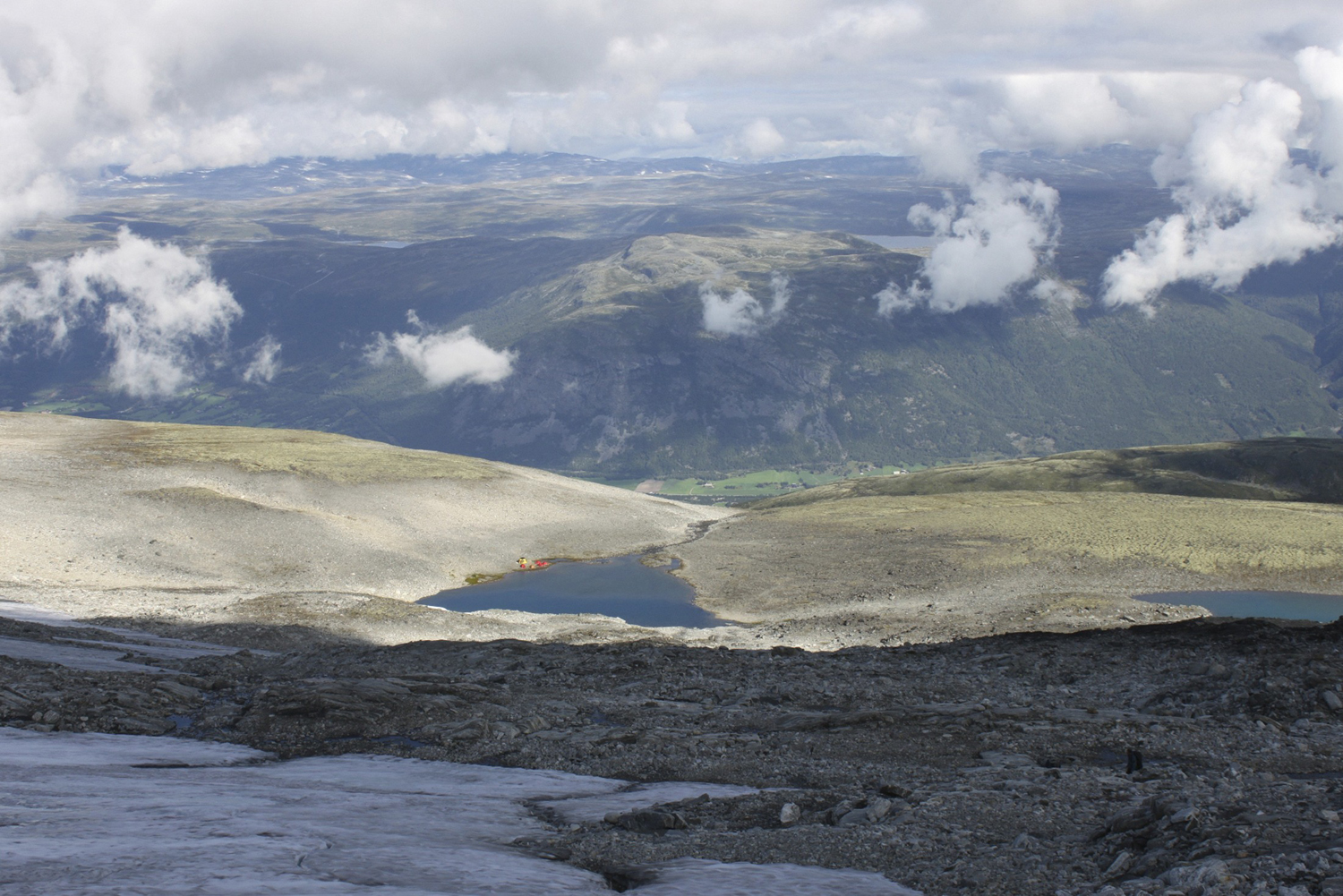
In Norway the ice is melting in the glaciers, shedding numerous treasures from the prehistoric as well as medieval past. A few years ago the Lendbreen glacier in Breheimen National Park thus coughed up shoes, hunting gear, tent pegs, textile rags and horse dung from the Iron Age as well as a woolen tunic from AD 230 – 390. Since then archaeologists and conservators have worked to study this, the oldest piece of textile ever found in Norway.
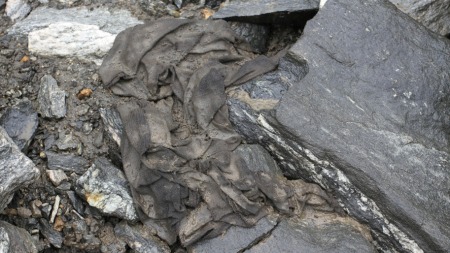
The tunic was found at a place where people had camped in order to hunt for reindeers. In summer the animals are so plagued by the warble flies that they seek refuge on the glaciers. The hunters took advantage of this by camping on the edge of the glacier. Here they tethered their horses before continuing on foot. It is not quite clear what happened at the camp afterwards. However, the fact remains that the archaeologists found not only arrowheads, but also complete arrows with fletching and shafts plus the tunic, which had been bundled up and left in the dung. Perhaps the hunting party was caught in a storm and died before they could retrieve their valuables and horses.
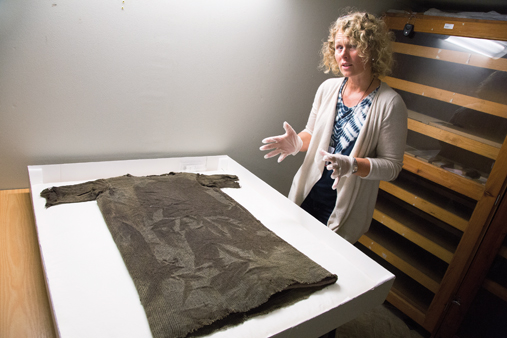
The chief archaeologist, Marianne Vedeler, now tells that the shirt is going to be reconstructed. Hopefully this will shed new light on the ancient production process and the time, which was invested in making such a tunic.
Marianne Vedeler tells: “The remarkable thing is how old and well-preserved the tunic was. It is a very fine example of how prehistoric people used wool. One of our aims in reconstructing the tunic is to learn more about how the textile was made, how time-consuming it was to make, and how the wool was used.”
The reconstruction will take place in a collaboration between two museums, The Museum of Cultural History at the University of Oslo and the Norwegian Mountain Museum (Norsk Fjellmuseum) in Lom . Thw result will be two tunics: one tunic will be on display at the museum in Oslo, the other at the museum in Lom, which has a large exhibition of the other archaeological finds from the Lendbreen glacier, some ten kilometres west of Lom.
Overhair and underwool
The wool, which will be used, will come from present-day wild sheep provided by a sheep farmer at Hareid in Sunnmøre.

The wool of this ancient Norwegian sheep breed has two layers. The outer-layer hair, known as overhair, is long and stiff and acts as a sort of raincoat for the sheep. The innermost layer, called underwool, is soft and fine and resembles the wool we find in modern sheep breeds. The different properties of the wool were used for different types of textile.
“Textiles made from overhair were more water-resistant and more hard-wearing than if they had been made of underwool. We were therefore surprised to discover that the tunic from Lendbreen was made almost exclusively from underwool, that is to say the wool from the innermost layer. The tunic is a strange mixture of fine wool and simple cut. Most Iron Age clothing was repaired and re-used. More hard-wearing than today’s clothing, it might be used for several decades. The tunic may have been used for something else before it was left on the glacier. It was old and worn when found, and had several patches sewn on it. The sleeves had also been sewn on at a later date than the original tunic”, tells Marianne Vedeler.
“The glaciers were also used as transport routes for people travelling between the valleys, such as between Bøverdalen and Ottadalen. It was quicker to go over the mountain pass than to go round. The glaciers in those days were much bigger, and easy to walk on. The tunic may have been lost on just such a trip,” says Mai Bakke from the Museum in Lom.
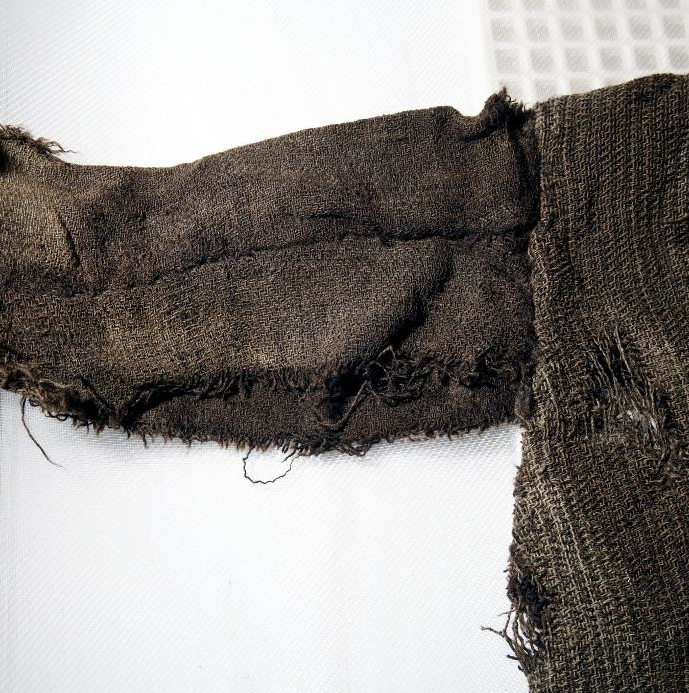
Among other things, the researchers will be seeking to assess how much work was required to separate the overhair from the soft underwool and how long it would have taken to make the tunic.
Before the wool can be spun, all the overhair must be removed. The traditional wool spinnery at Selbu Spinneri – http://selbuspinneri.com – will be responsible for separating the wool and spinning it. Some of the wool will be spun on a hand spindle – a long thin spindle with a round whorl – which was the only known method of spinning in olden times. It was not until the 1700s that the spinning wheel first appeared.
“Spinning the wool demanded an enormous amount of work and in those days represented a bottleneck in the production process. Having all the wool spun by hand would have been too costly for our project, so we are also spinning some mechanically,” Vedeler explains.
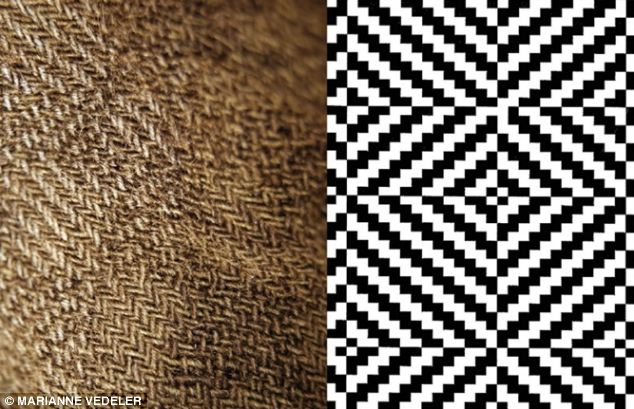 When the archaeologists found the tunic on the glacier, it was possible to discern a diamond pattern in the textile, as long as the tunic was wet. The distinctive weaving technique used to make this pattern is known as diamond twill. This is held to be quite advanced.
“Two colours were used in the tunic to create a mottled pattern. The combination of the diamond twill weave and this pattern is unusual, and it is precisely this combination that we intend to copy”, she continues.
The underwool from the wild sheep can be sorted in shades from pale grey through to dark grey. For the recreation, Vedeler has chosen to use the palest and darkest shades.
The spun woollen yarn will be woven on a vertical warp-weighted loom, which is the oldest kind of loom we know of:
“The loom is simple, but time-consuming to use,” says Vedeler.
Consisting of a simple upright frame with two horizontal beams, the loom is leant against a wall. The vertical warp threads hang freely from the upper beam. To keep the warp threads taut, stones or other heavy weights are hung from the bottom of bundles of warp threads. The weaving is done from the top of the loom downwards and every line of weft thread is beaten tightly in place with a sword beater.
The textiles will be woven by handweaver Lena Hammarlund from Gothenburg in Sweden. Lena specializes in reconstructing prehistoric textiles.
Once the textile has been woven, the two tunics will be sewn by tailors at the traditional craft business Heimen Husflid in Oslo.

Marianne Vedeler hopes the reconstruction will inspire Norwegian designers to create new, modern textiles as had the wild food of Scandinavia been the inspiration for restaurants like world-famous Noma.
“Clothes were not consumer items in the Iron Age. It was important to be able to re-use clothing, and in those days clothes lasted a long time. Today, we spend enormous resources on clothes. And modern clothes are not durable. If we can use local raw materials and create clothing of high quality, it will be good for us all. We are therefore hoping that designers will be inspired by this example of old, Norwegian design. If we can create modern textiles from a prehistoric design, we hope also to be able to give a boost to the Norwegian wool industry. Sadly, much of the wool from the old sheep breeds is currently wasted,” adds Vedeler, who, in company with ethnologist Ingun Grimstad Klepp of the National Institute for Consumer Research, and journalist Tone Skårdal Tobiasson, the author of a number of books about fashion and design – has made an all-out effort to rectify this through the “VikingGold” project.
Recreating clothes from the Iron Age
by Yngve Vogt
Another find from Lendbreen – Old Skies
Out of the Norwegian Glaciers: Lendbreen – a tunic from the early first millennium AD
By Marianne Vedeler and Lise Bender Jørgensen, Lise
In: Antiquity 2013, Vol. 87 No. 337 pp. 788–801
ISSN 0003-598X. 87(337)

An Irish Anglo-Norman-period deer park and the site, which lies 2 km south-east of Loughrea, is exceptionally well preserved

New book on farming in Anglo-Saxon England approaches the subject by using a wide variety of sources to create a fully-rounded picture

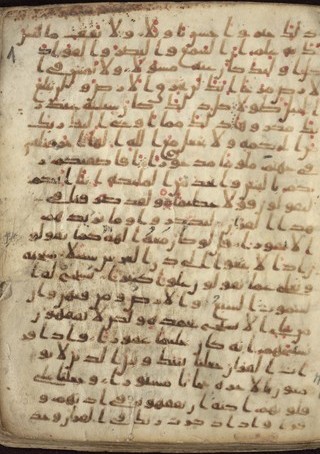 Experts have recently studied three samples of a fragment of a Qur’an, which has been in the University Library in Tübingen since the end of the 19th century. Their conclusion is that the parchment with a 95.4% statistical probability can be dated to the period between Ad 649 -675. It thus seems to have been written 20 – 40 years after the death of the Islamic prophet Muhammad. Such an early date is really a world record. The date has been established through modern C14 – radiocarbon – analysis at a lab in Zürich.
The study has been undertaken in connection with a wider research project funded by the German Research Society (DGF) and the corresponding French institution: Agence National de la recherché (ANR). The project aims to study the Qur’an as a material object. Focus is – apart from technical studies like these – on palaeographic analysis.
The Tubingen manuscript with the signature Ma VI 165 belongs to a collection of more than 20 Qur’an fragments in the holdings of the University Library: The parchments are inscribed in Kufic script, one of the oldest forms of writing of Arabic. The handwriting had attracted the attention of scientists because of its characteristic style and format. It is characterised as a very early script variant (ḥiǧāzī); however, the dimensions of the letters are quite small in comparison to what is common in other early manuscripts. Hence the very early date has surprised the experts. Another early manuscript is the so-called Sana’n-fragment, which has been determined too be earlier than AD 671.
The Qur’an fragments are digitally available here
The investigated Qur’an manuscript with the signature Ma VI 165
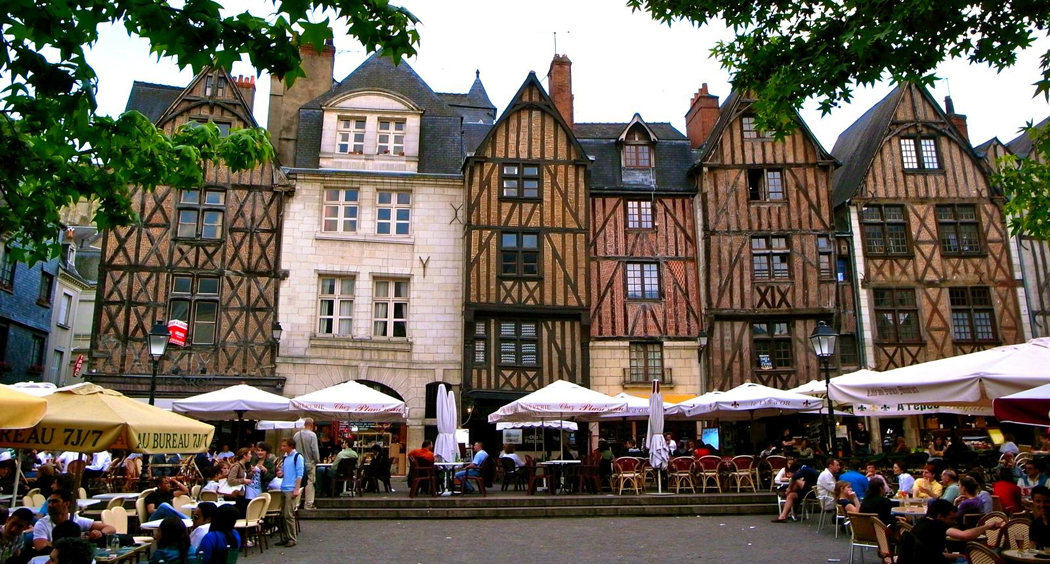
Tours was very early on a fortified city with a flourishing Christian community on the outskirts. The two parts of the modern city still seem to reflect this ancient historyTours was very early on a fortified city with a flourishing Christian community on the outskirts. The two parts of the modern city still seem to reflect this ancient history
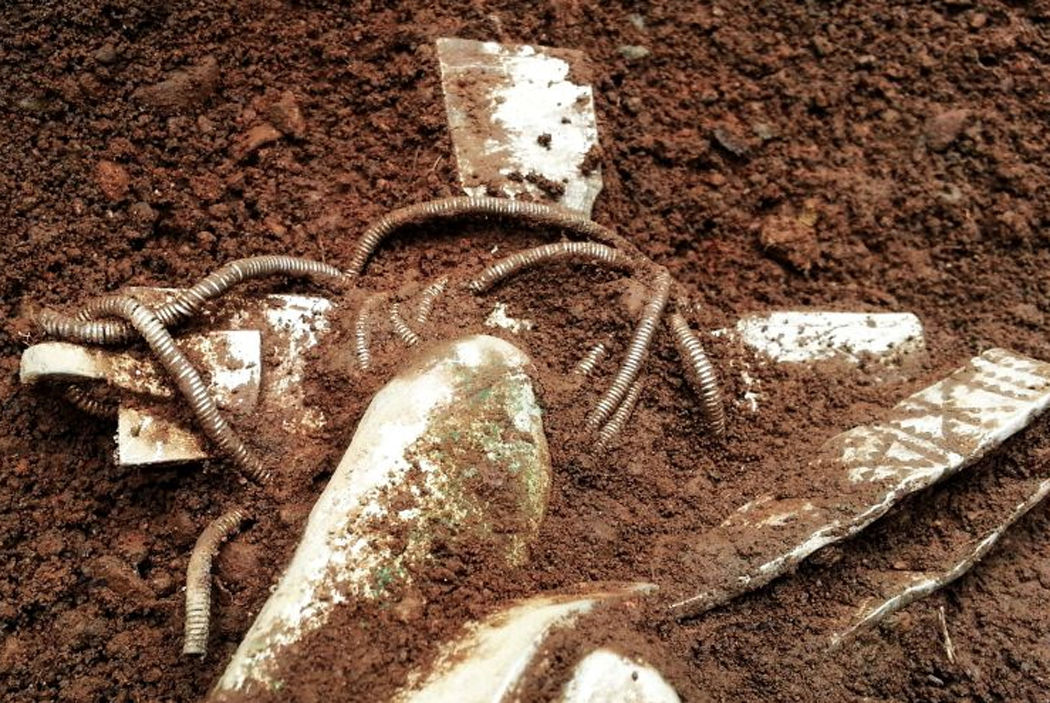
The Carolingian pot found in Dumfriess in October 2014 is probably the largest ever. recently it was CT-scanned to discover, what it holds.
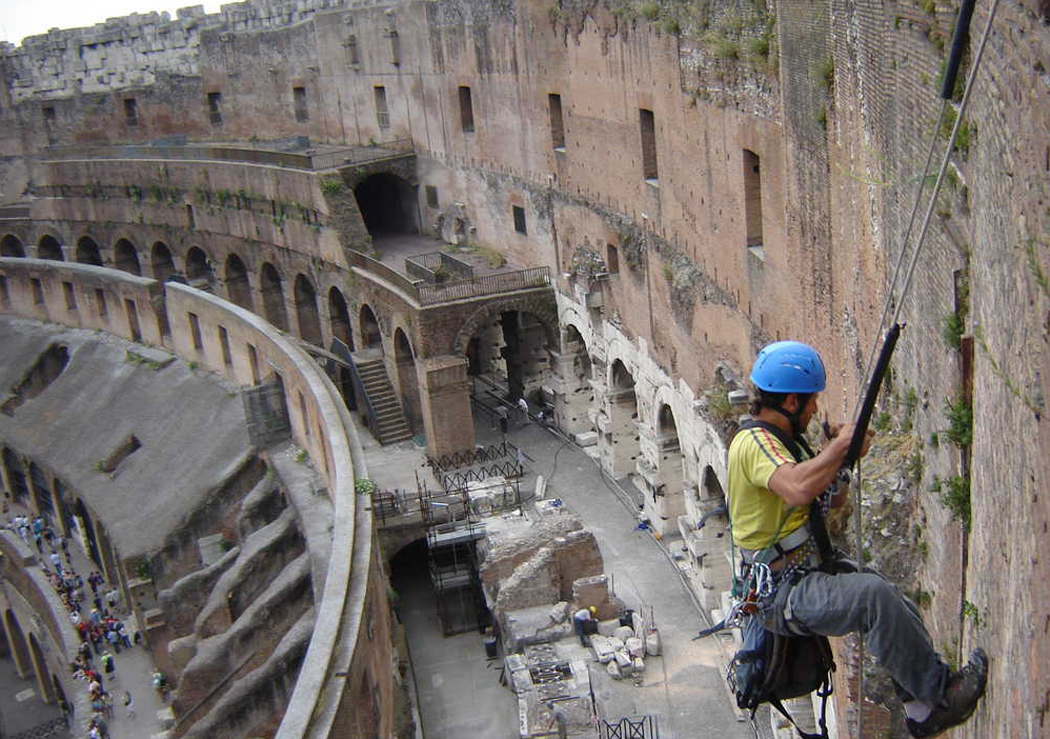
A recent proposal is to cover the floor of the Colosseum in Rome in order to use it for football matches, reenactments and other events
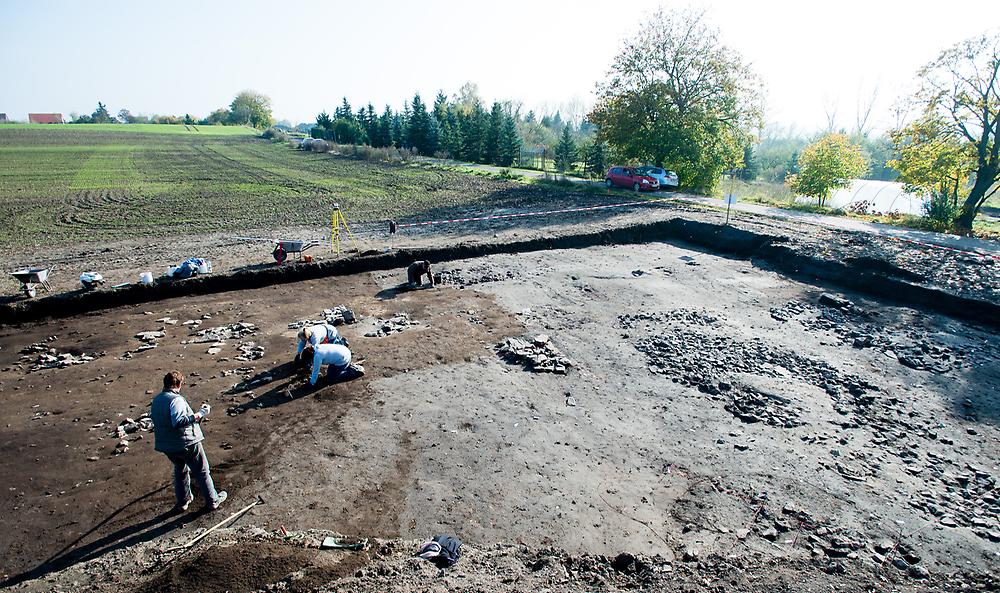
Archaeologists have found the remains of a long-haul truck-stop near Peissen in Sachsen –Anhalt on the road between Hannover and Dresden.
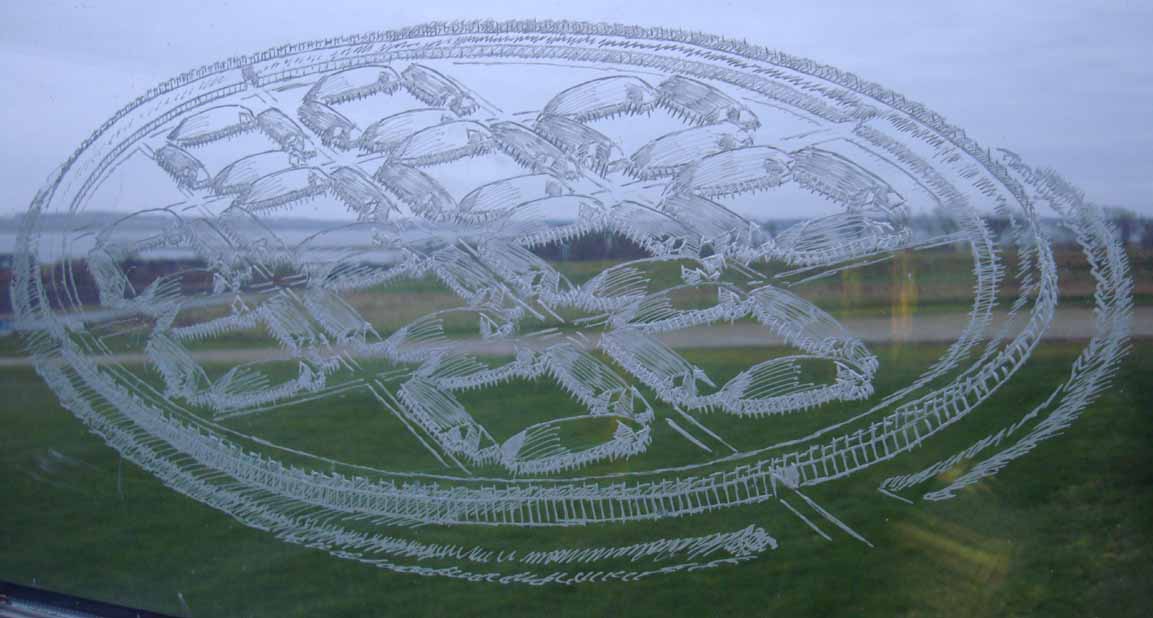
New book tells the full story of the Viking-Age Settlement and Fortress at Aggersborg in Northern Jutland from the reign of Harold Bluetooth
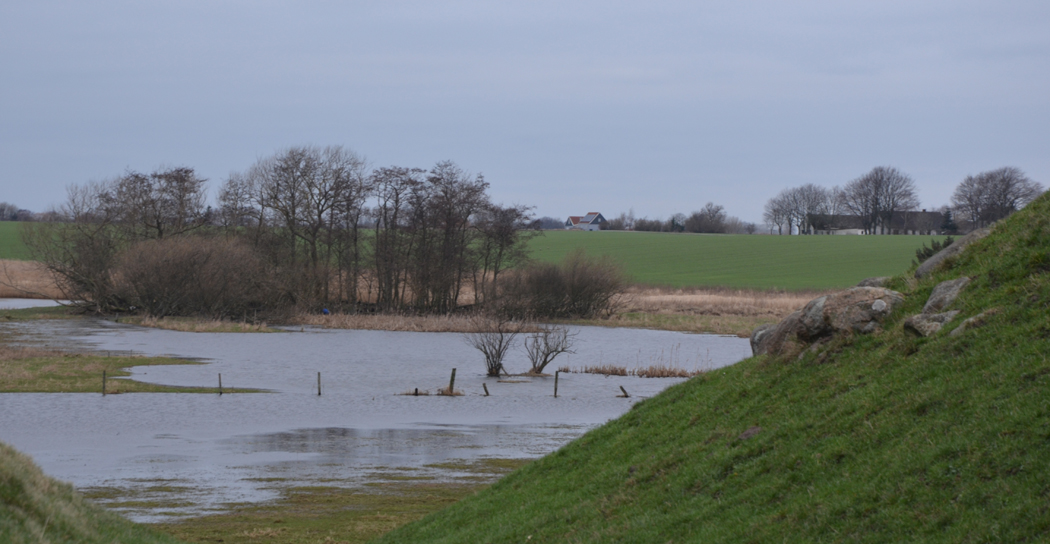
Trelleborg, Aggersborg, Fyrkat, Nonnebakken and now Vallø are five of the most intriguing witnesses to the grandeur of the Royal project of Harold Blutooth.
Although they differ slightly in terms of size and the type of fortifications (some were fitted with moats, others not), it is obvious the circular fortresses were all built to the same specifications around AD 970 to 80. It is immediately obvious that the individual fortresses functioned as parts of a larger military system. However, the exact character of this military complex and its function (s) has been heavily debated for a long time. Were they defensive structures? Meant as ports for ships going on state-sanctioned Viking raids? Or were they perhaps regarded as ready camps for fugitives?
One of the challenges in answering these questions, is that there is in fact a lot to be learned from further excavations in and around the fortresses. Some of these are being withheld as part of the general opinion among archaeologists that it pays of to let future and more clever archaeologists do the work. Other explorations have simply not been carried out as yet.
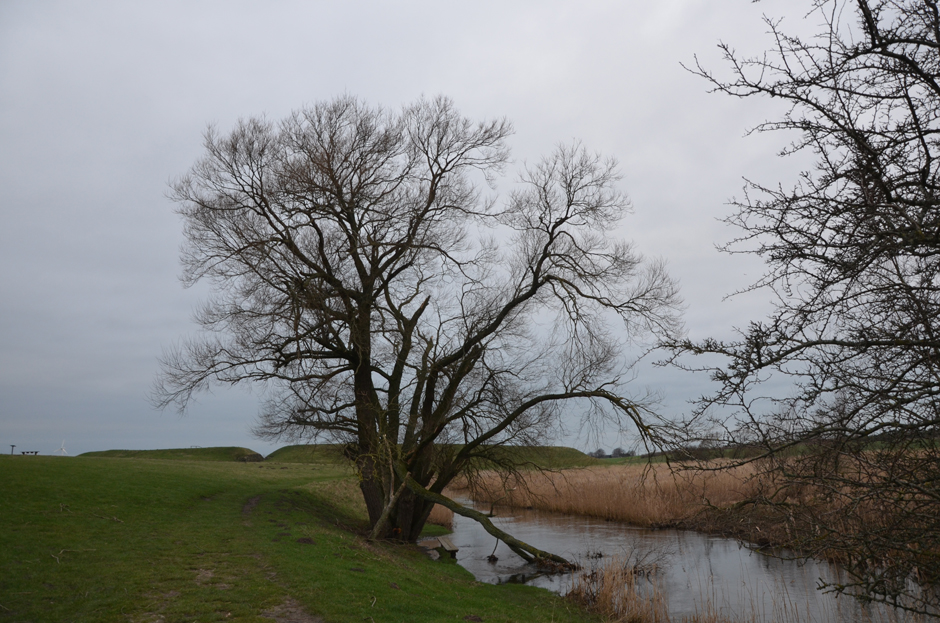
Between 2007 – 10 a specific set of questions were raised and a number of archaeological explorations were undertaken in order to answer these. The overall question was whether it had been possible to sail up to the fortresses and to what extent this had played a part in their location.
Recently the finds from this campaign were published in a report. The overall conclusion was that yes, the fortresses had been built in close connection with central transport routes running through the landscape and that they especially had access to the central water ways of that time. Whether located on the open coast as Aggersborg or on rivers like Fyrkat and Trelleborg, it was definitely possible to sail up through the waterlogged foreland and marshy wetland. However, only at one of the fortresses (Trelleborg) has it been possible to find remains of actual handling of Viking ships. The investigation concludes by pointing to the fact that actual shipyards might have been located even further inland, where sourcing of tree was simply easier.
The results of the excavations and explorations from 2017 – 2010 were recently published. Although in Danish, there is a very extensive English summary and anyone especially interested in the warfare of the Vikings should try and lay their hands on it.
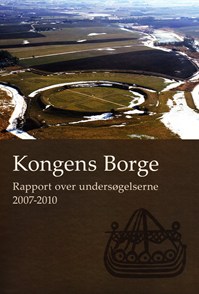 Kongens Borge [The Fortresses of the King]
Rapport over undersøgelserne 2007-2010
By Andres Siegfried Dobat (ed)
Århus University Press 2013
ISBN 978 87 888415 76 6
New Viking Ring Fortress Discovered
Viking Age Base-Camps along the Dutch Coast

Reconstruction of the medieval court of the princes of Gwynedd, excavated a decade ago, has begun at St. Fagans, the National Museum in Wales.
In 1992 the archaeologist Neil Johnstone discovered the remains of Llys Rhosyr, one of the royal courts of llywelin Fawr, prince of Gwynedd in the 13th century. It was located in the South West of isle of Anglesey near Newborough on the way to Llanddwyn island.
The Llys Rhosur was one of the royal courts, through which the princes ruled when in residence. These ‘Llys’ were placed at regular interval in the Welsh Kingdom, each covering an administrative region, called a ‘commotes’. Llys Rhosyr was at the heart of the ‘Menai Commote’.
After king Edward I’s conquest in 1282, Rhosyr was largely abandoned. Perhaps stones and timber was removed from the dismantled court and used in his large castles. Later in 1332 the area became covered by sand-dunes, where it lay undisturbed until it was discovered in 1992.
The site has since then been partially excavated, revealing the remains of the main hall and a building believed to have housed the private apartment of the prince. The site has also yielded a number of finds like coins, pottery and other small artefacts. Much of this is exhibited at the local museum in the Prichard-Jones Institue in the nearby village.
 The royal court occupied 1.3 acres, while the royal demesne is believed to have extended over the 600 acres, on which the new town of Newborough was established after the conquest. The prince’s tenants worked the land, while other peasants were responsible for the repair and maintenance of the royal buildings: the fence, the hall, the chapel and the lord’s privy and stable. These and other buildings (kilns, barns etc.) were outlined in the Welsh laws as the responsibility of the local peasants to keep and repair. Fair and markets were of course part of the regular on-goings at the Llysoedd
Although more than ¾ of the site is still waiting to be excavated it has recently been decided to spend funding on a reconstruction in the National Museum of Wales.
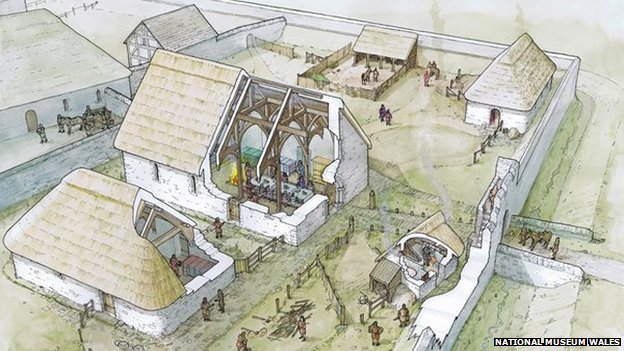
The complete court cannot be replicated without damage to the adjoining woodland so it is proposed that the main hall and adjacent chamber with only part of the surrounding wall should be constructed. These comprise replicas in rubble walling bonded with clay beneath thatched roofs. The hall will have a footprint 11m x 17m and the chamber 7.5m x 13m. With 9 meters high stone walls and a thatched timber roof, the building of the court will provide apprenticeships and trainee placements within the Historic Buildings Unit.
After the reconstruction the plan is to use the buildings for overnight stays so children may improve their understanding of medieval life.
The project feeds into the overall plan of Cadw (the Welsh Government’s historic environment service to focus on the Princes of Gwynedd and the places associated with that medieval dynasty as part of a development of the “ Wales Heritage project”.
Application Plan for development of St. Fagans
Interpretation Plan for the Princes of Gwynedd for Cadw May 2010
Cae llys, Rhosyr: A Court of the Princes of Gwynedd
By Neil Johnstone
In: Studia Celtica 2000, Vol. 33, pp. 251 – 295
A Brief Report on Pen y Bryn and Aber Llys and castles of Gwynedd
By Paul Martin Remfry
Castle Studies Research and Publishing 2012
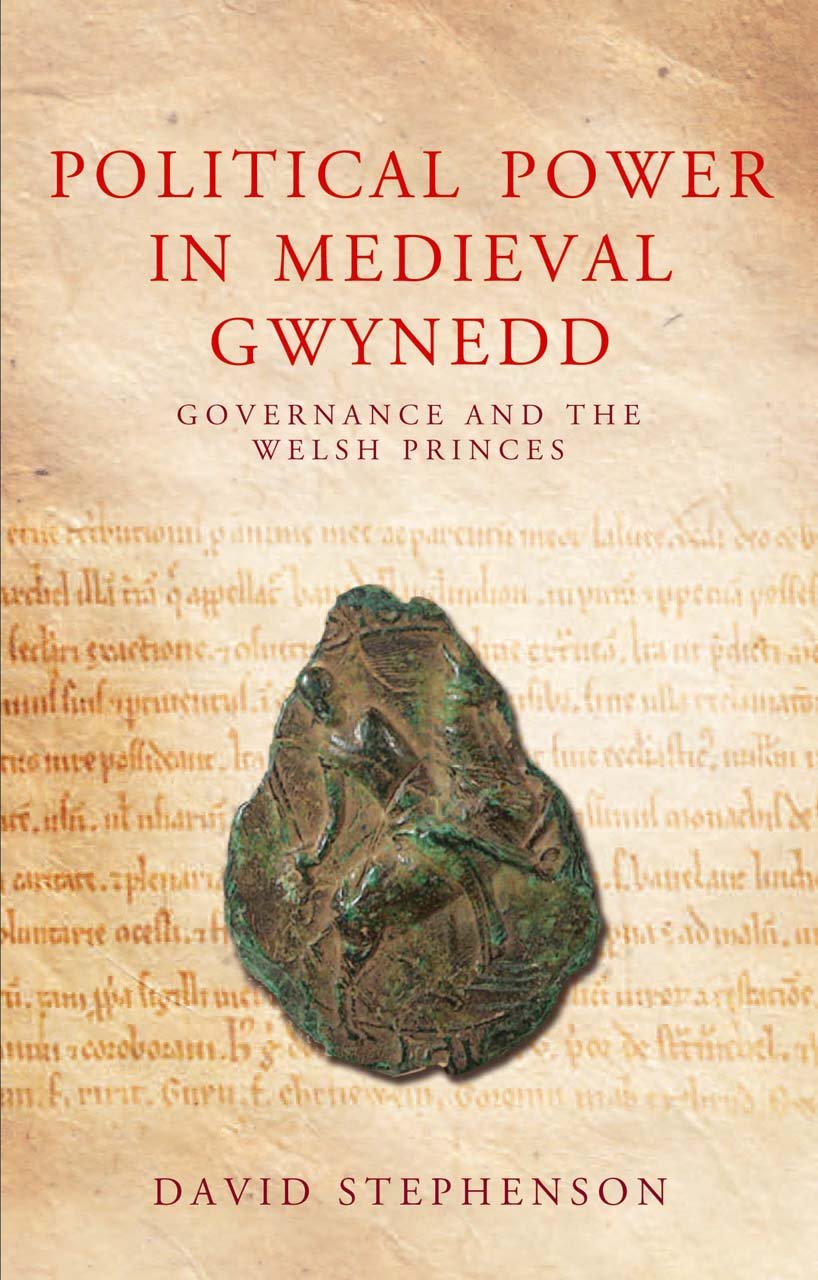 Political Power in Medieval Gwynedd. Governance and the Welsh Princes
By David Stephenson
Series: Studies in Welsh History
2014, 2. edition (1984)
ISBN-10: 1783160047
ISBN-13: 978-1783160044
 Llywelyn ap Gruffudd: Prince of Wales
By Beverley Smith
University of Wales Press; 2014 New edition (2001)
ISBN-10: 1783160063
ISBN-13: 978-1783160068