Most of Giotto's art consists of frescoes and cannot be “moved” around. A new website tries to guide the tourist to places in Italy where Giotto's art may be enjoyed.

Most of Giotto's art consists of frescoes and cannot be “moved” around. A new website tries to guide the tourist to places in Italy where Giotto's art may be enjoyed.
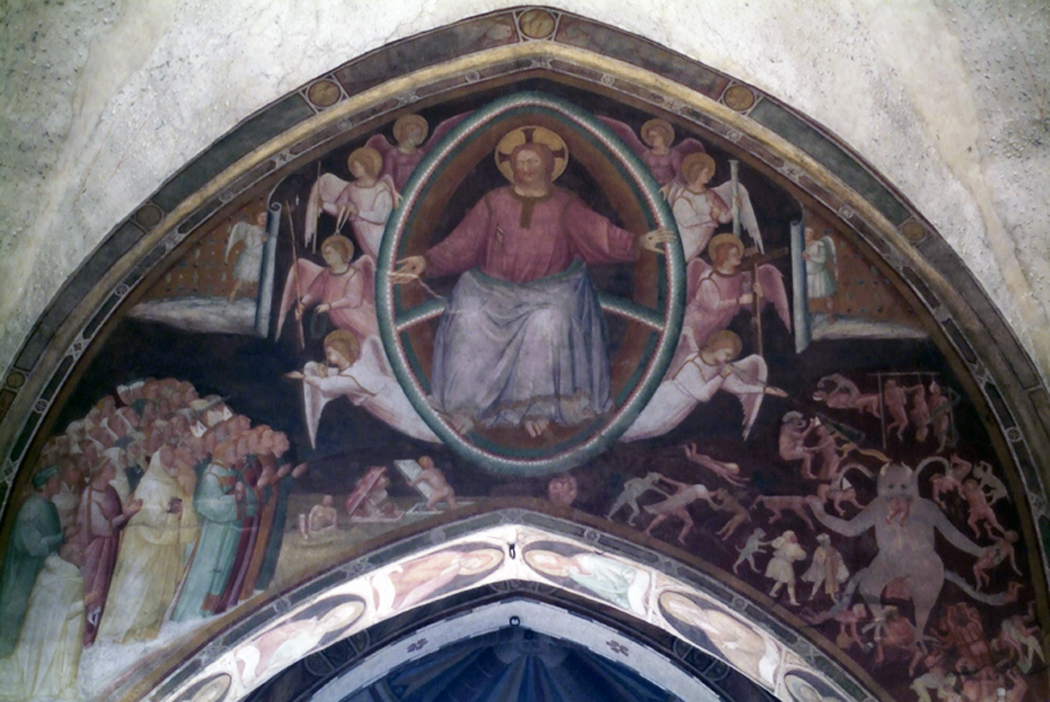
The Abbey of Viboldone is lies in the province of Milan in Northern Italy. It was founded in 1176 by the Humiliate, in the beginning a lay fraternity akin to the early Franciscans.
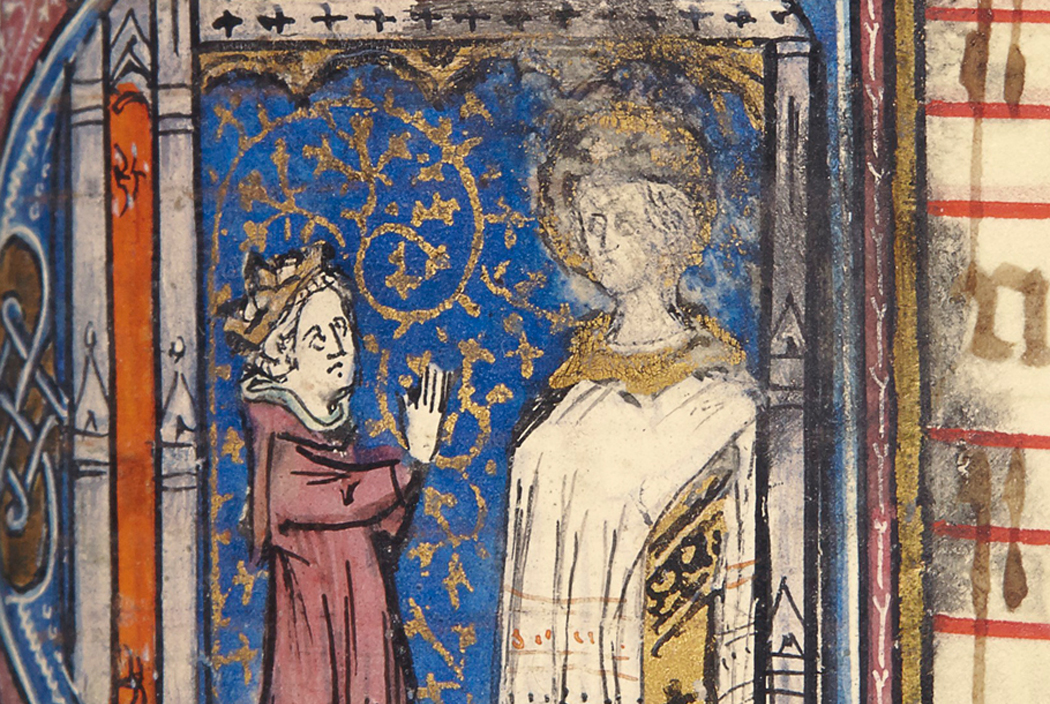
Classified as “National Treasure” in 2014, BnF is trying to raise the funds to buy the Royal Breviary of Saint Louis from Poissy
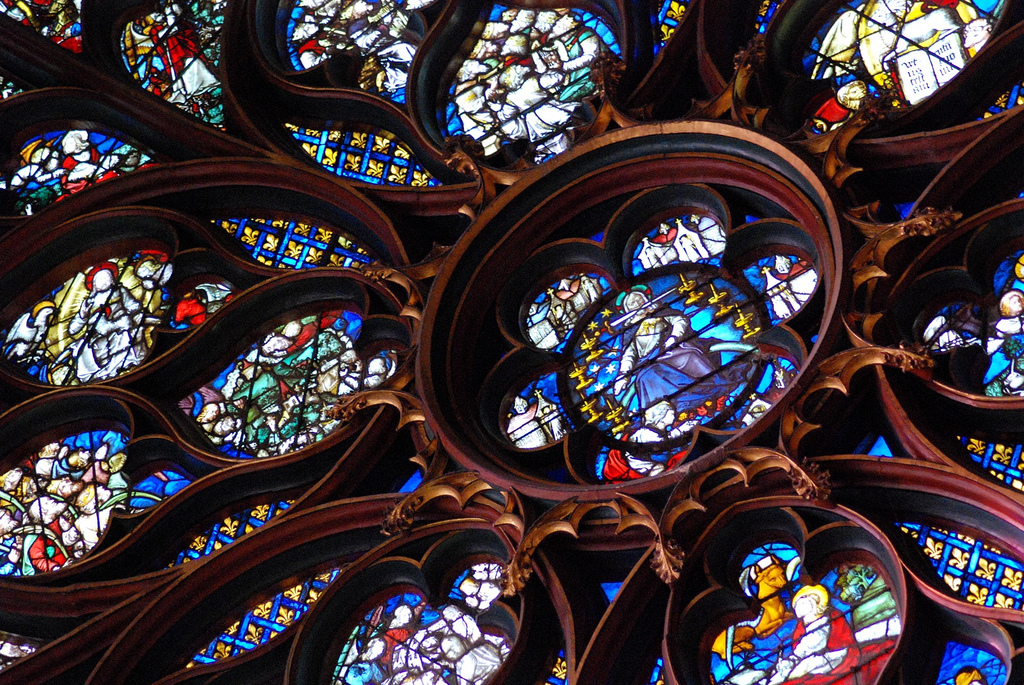

Sainte-Chapelle was commisoned by Saint Louis after he had bought a number of very important relics stemming from the Passion of Christ from the Byzantine emperor. Especially important was the Crown of Thorns, which arrived in Paris in 1239. When the royal chapel was consecrated in 1248, it appeared the architect had succeeded in creating a veritable jewel-box to hold this very precious relic. Part of this aura was due to the magnificent glass paintings, which seemed to soar into the sky.
With more than 750 m2 and 1113 scenes they still tell the story of the chosen people. The cycle starts at the western bay of the north wall with scenes from the Book of Genesis. The next ten windows of the nave follow clockwise with scenes from Exodus, Joseph, Numbers/Leviticus, Joshua/Deuteronomy, Judges, (moving to the south wall) Jeremiah/Tobias, Judith/Job, Esther, David and the Book of Kings. The final window, occupying the westernmost bay of the south wall brings this narrative of sacral kingship right up to date with a series of scenes showing the rediscovery of Christ’s relics, the miracles they performed, and their relocation to Paris in the hands of King Louis himself. In the apse windows feature scenes from the Infancy, Life of John the Baptist and the Passion. The overall message is to exalt the ideal of kingship.
It stands to reason that these paintings were harmed, changed, restored and mixed anew during the next 750 years. Not least the French Revolution caused a grievous destruction. Nevertheless, 2/3 of the windows are original.
In the 1970s, however, it was deemed necessary to restore this magnificent French monument in order to bring it back to its former glory. Finally, a few days ago, the result of the final restoration-project was unveiled to the astonishment of everyone present, who had never seen the edifice without scaffolding and partially under wraps. Indeed a glorious moment!
The primary donation to finish the restoration of the bay-windows has been made by the Danish Company: Velux, which contributed 50% of the expense. The president of the Velux foundation, Lars Khan-Rasmussen, was present at the inauguration, where he committed further funding for another French treasure, the windows at Palais d’Antin. The foundation has earlier on been active in for instance the rebuilding of the Dresden Frauenkirche and is active in a European context, whenever a restoration job touches upon the primary business of the Velux company: to bring daylight and fresh air to people. At the ceremony in Paris on the 20th of May 2015, the Velux Foundation was profusely thanked by the president of the Centre des Monuments Nationaux for its never wavering support and its exemplary way of supporting such a complicated project.
La Sainte-Chapelle comme vous ne l’avez jamais vue
Les Fondations VELUX dévoilent ce jour le nouveau visage de la Sainte-Chapelle
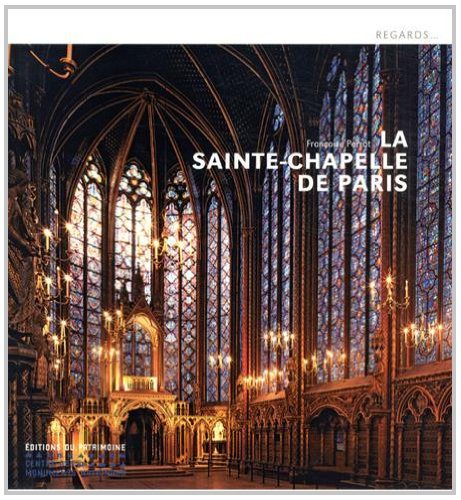 La Sainte-Chapelle de Paris
By Françoise Perrot
Series : Regards
Editions du Patrimoine Centre des monuments nationaux 2013
ISBN-10: 275770270X
ISBN-13: 978-2757702703
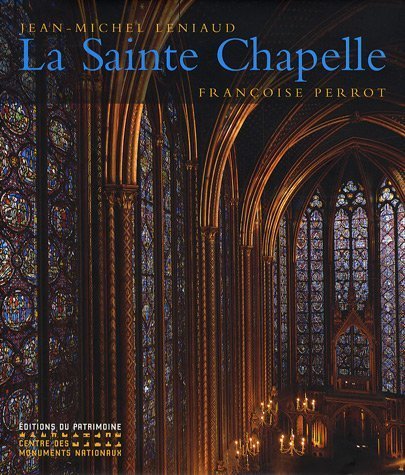 La Sainte Chapelle Relié
By Jean-Michel Leniaud and Françoise Perrot
Series: Monographies
Editions du Patrimoine Centre des monuments nationaux 2007
ISBN-10: 2858229201
ISBN-13: 978-2858229208
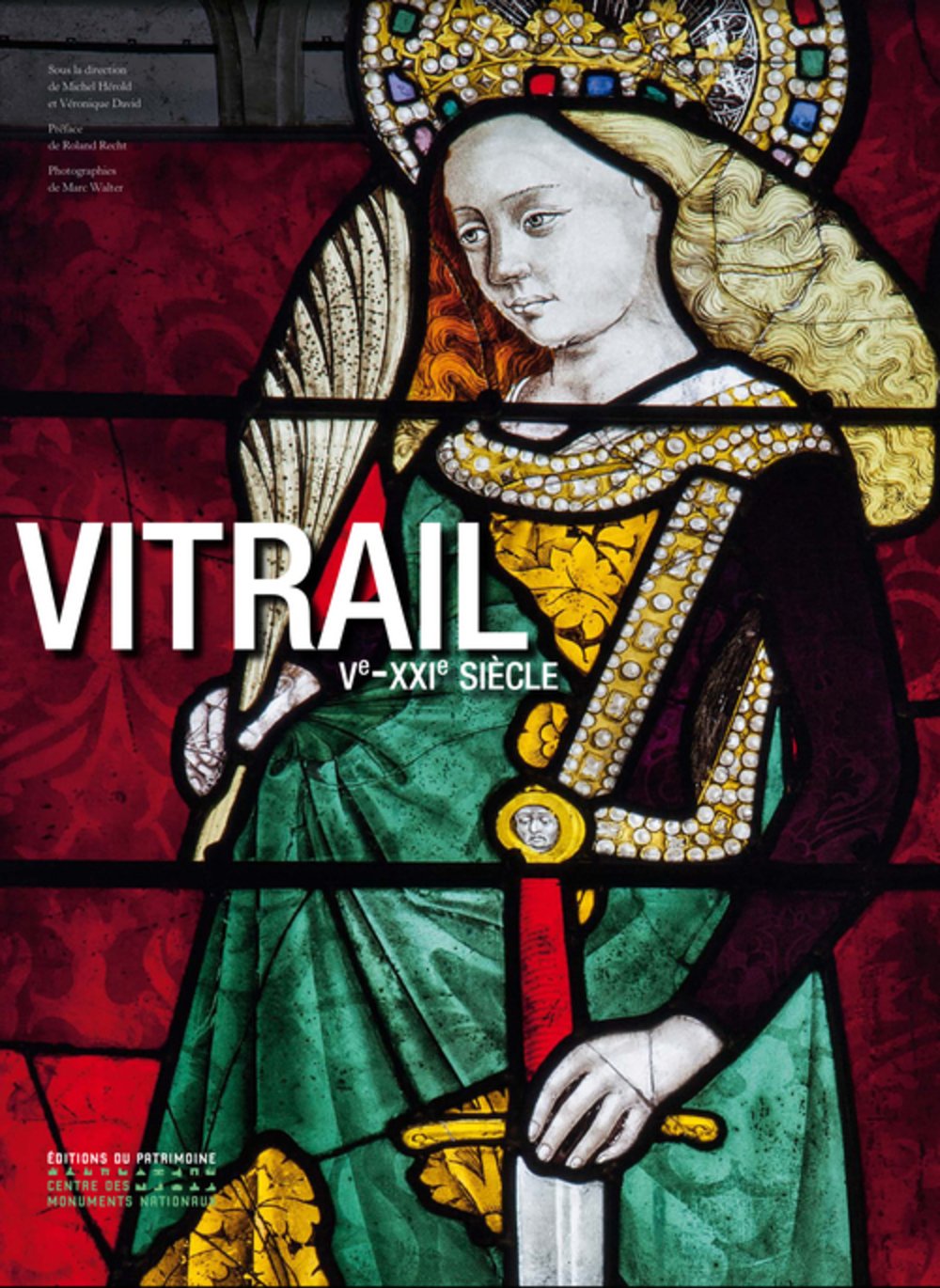 Vitrail, Ve-XXIe siècle
By Véronique David and Michel Hérol
Editions du Patrimoine Centre des monuments nationaux 2013
ISBN-10: 2757703439
ISBN-13: 978-2757703434

In the Middle Ages goldsmiths and craftsmen possessed a number of recipes for changing the color and the hue of gold and gilded objects.
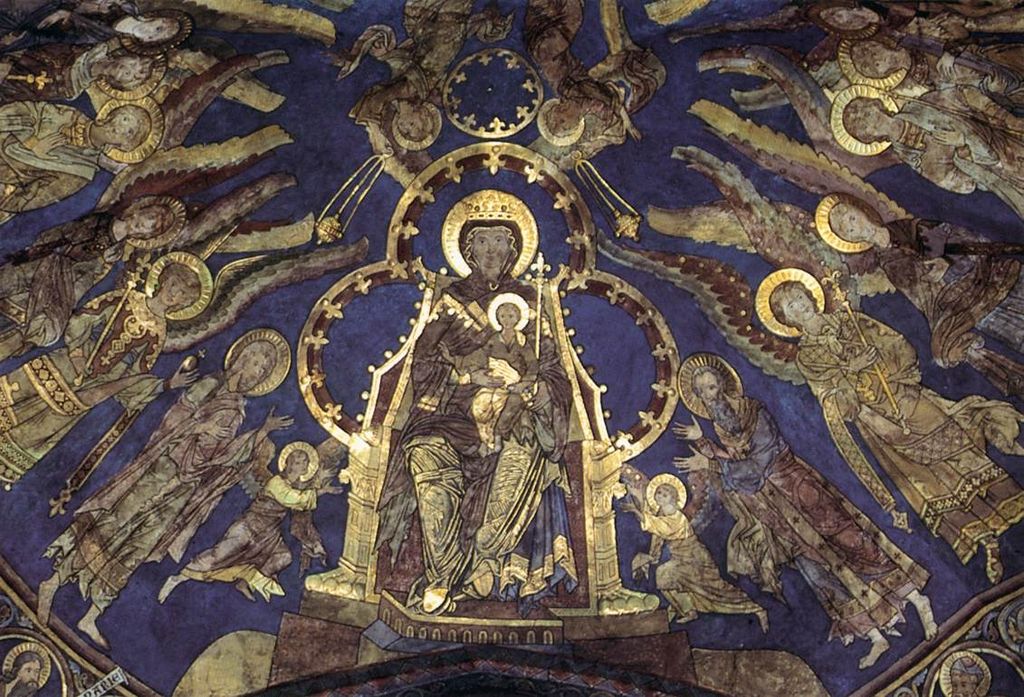
Interdisciplinary Conference: new research on mural paintings in the Middle Ages

Gothic Ivories were early on an important collectors’ item. The Gothic Ivories Project has been busy publishing some very old catalogues of photos of pieces with unknown whereabouts.

Rogier van der Weyden’s Crucifixion from Escorial was recently restored. This spring it is exhibited at Prado together with some of his other masterpieces
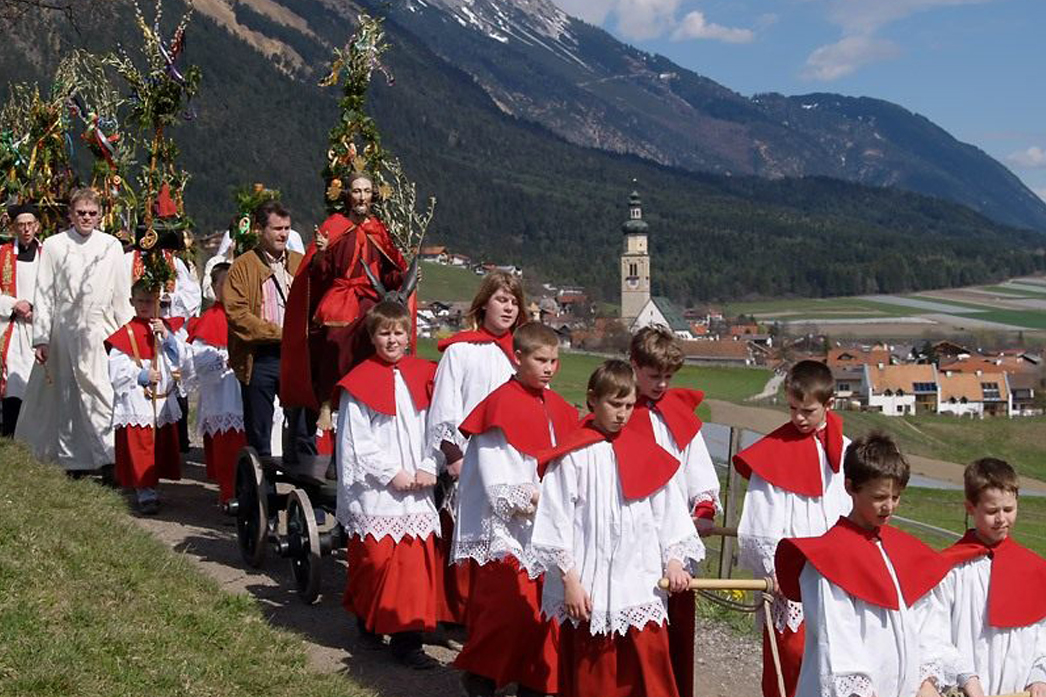
The use of a statue of a donkey - a Palmesel - in connection with Palm Sunday is mentioned for the first time in the 10th century
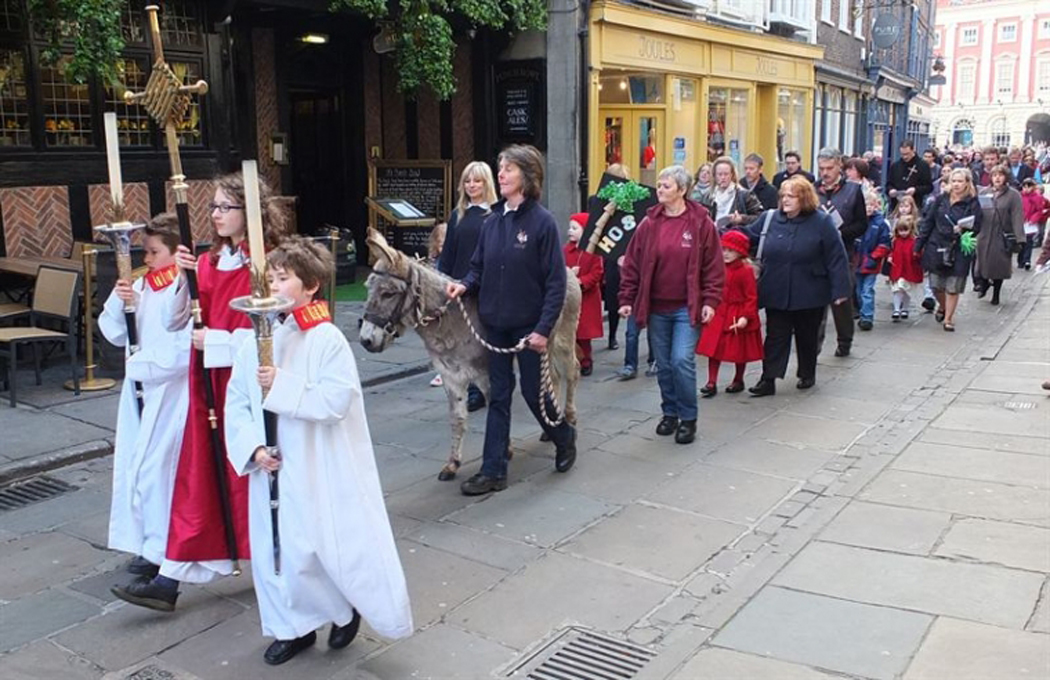
When staging the Entry into Jerusalem, Medieval York simply turned into Jerusalem in the eyes and minds of the audience and performers
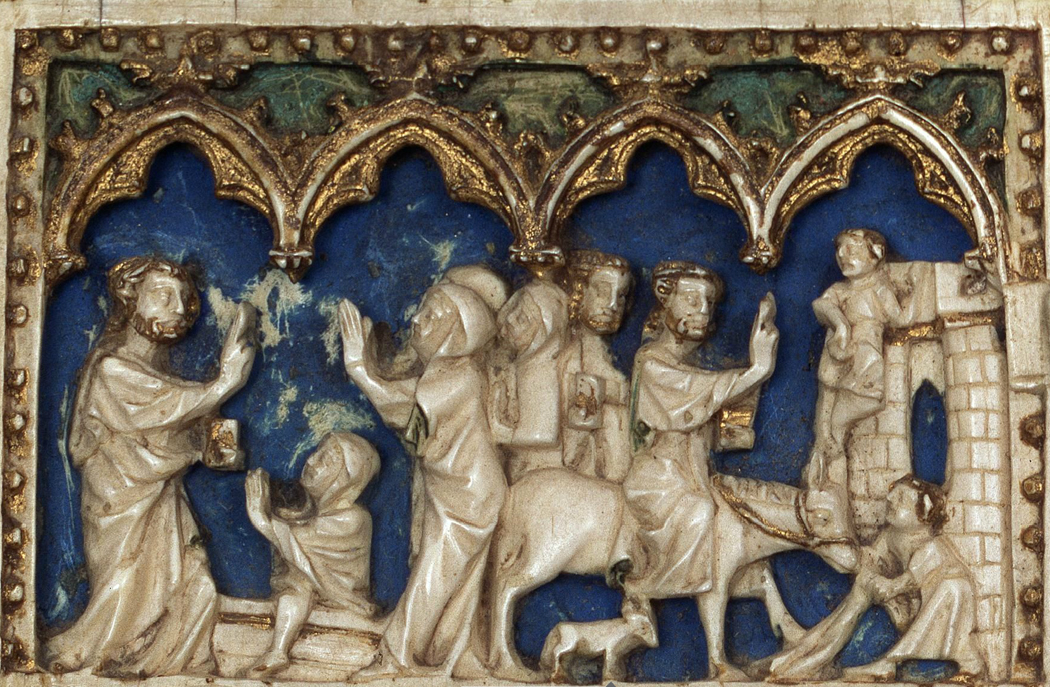
Gothic Ivories Project has become a very important resource. We celebrate the intiative by presenting a recently recorded Diptych with Scenes from the Passion of Christ from Sarnen in Switzerland
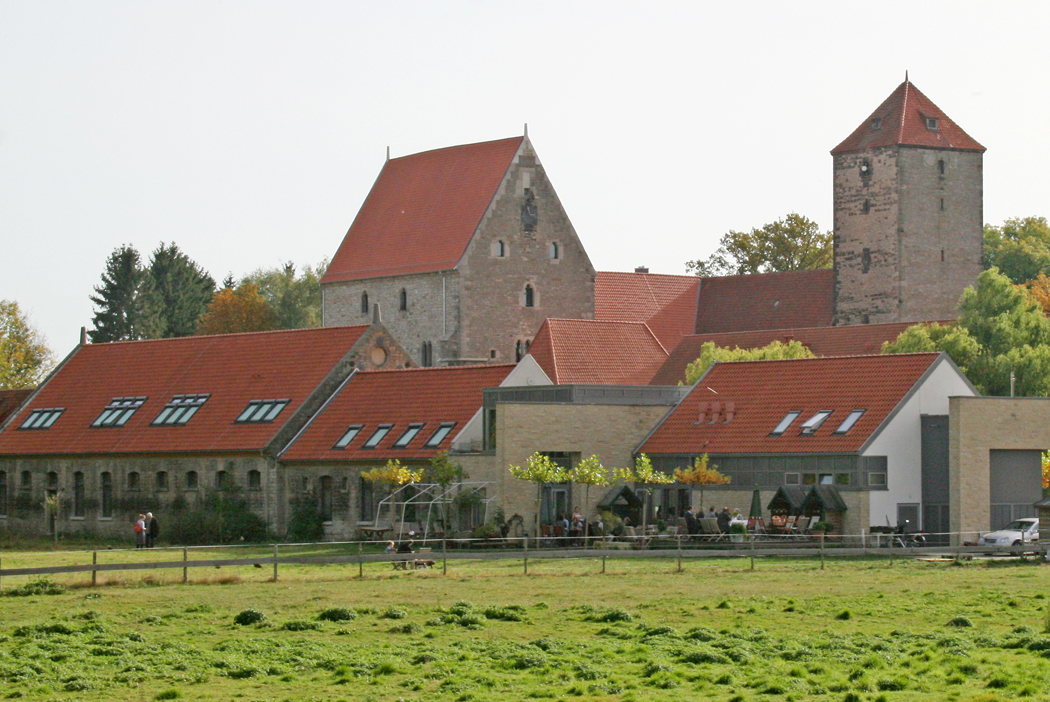
The Forum, “Kunst des Mitttelalters” organises its third conference in Hildesheim in September 2015
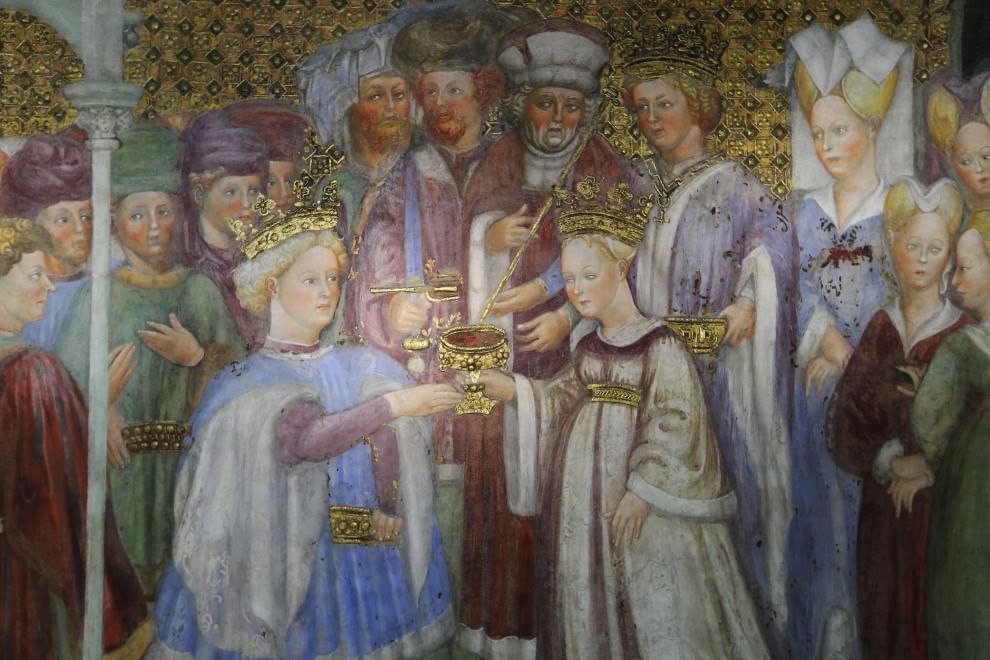
The Chapel of Teodolinda with the famous cycle of frescoes by the Zavattari Workshop has been painstakingly restored and has now been reopened
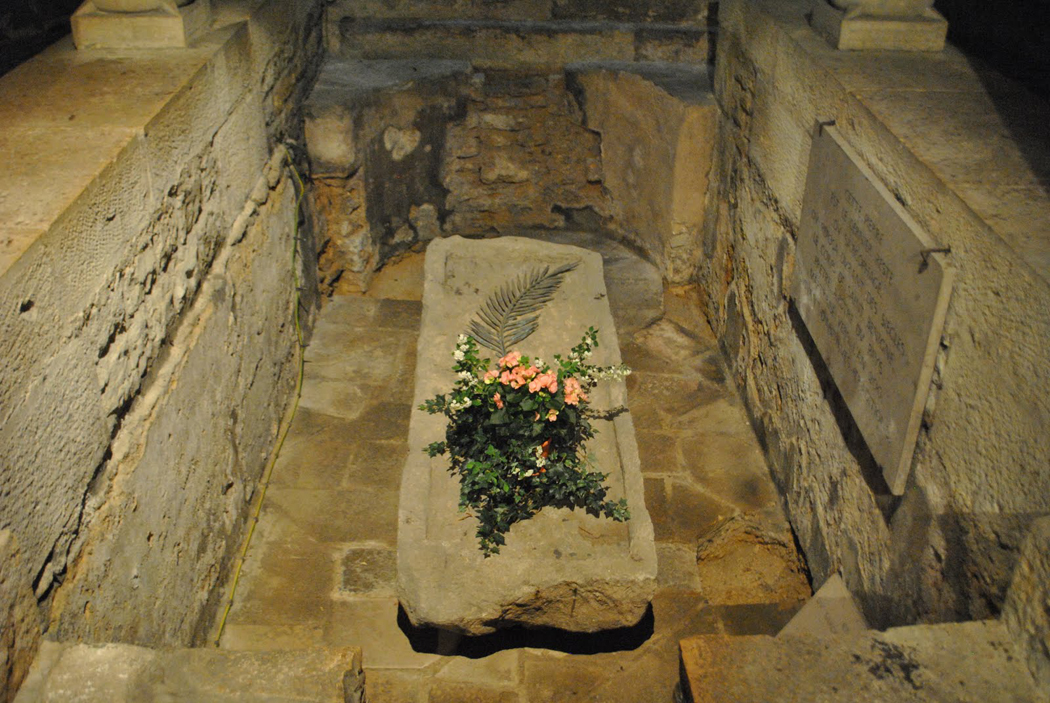
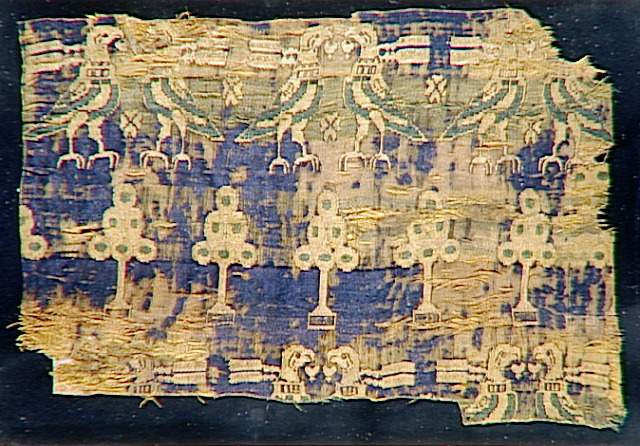
Saint Benignus of Dijon was a martyr honoured as the patron saint of Dijon. His feast falls on November I (All Saints). It is told that he was martyred at Epagny in AD 270 -75. However, in reality nothing precise is known about him.
According to Gregory of Tours there was a large sarcophagus located outside Dijon. This grave was revered by ordinary people and was the scene of at least one minor miracle. The bishop of Langres (Saint Gregory 507 – 539/40) tried to put a stop to this as he considered the grave pagan; however, in a dream the bishop had a vision of the martyr Benignus, who revealed that he was the one buried in the sarcophagus. Accordingly Gregory went about renovating an adjacent crypt, into which he moved the tomb. Soon after an account of the martyrdom of Benignus – the Passio Sancti Benigni – was discovered in Italy and the bishop had a large basilica built on the site, completed in 535; this functioned as the centre of an early monastic community. In 871 this was re-founded as a Benedictine abbey, which subsequently was joined with the Cluniac order (989).
Around AD 1000 the basilica was superseded by a larger church, built by William of Volpiano († 1031). This was replaced by an early Romanesque church, which collapsed in 1271. The present Dijon Cathedral, finished in 1325 and consecrated in 1393, still holds the sarcophagus in the crypt. This was excavated in the 19th century.
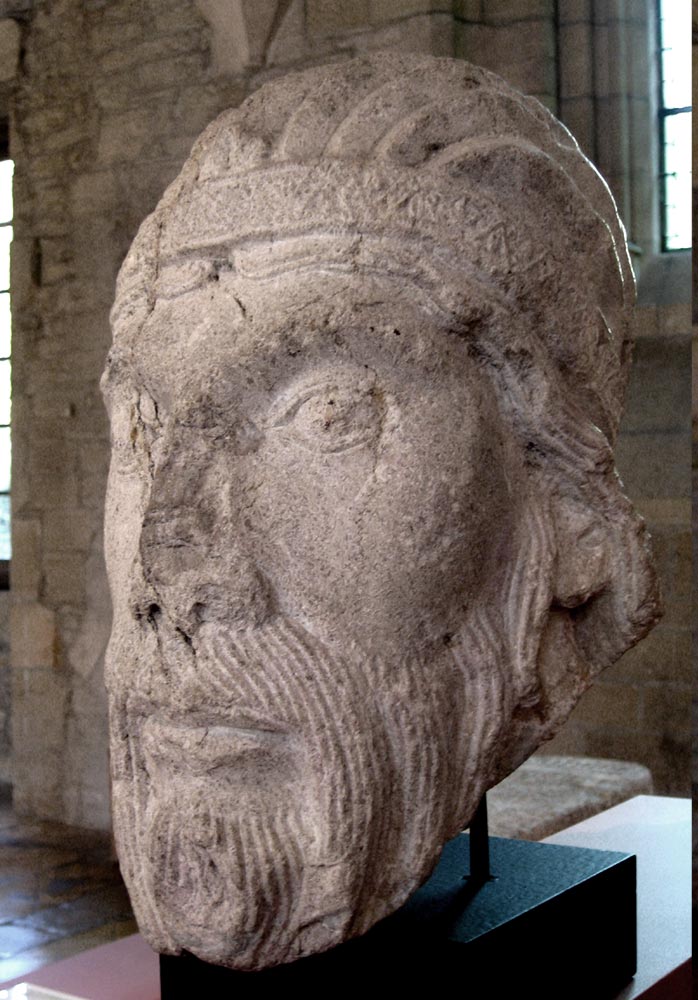
he passio is preserved in several texts and is generally believed to have been edited at the time of Gregory of Tours. According to the passio, St. Polycarp had a vision of Irenaeus ordering two priests, Benignus and Andiochus to preach the gospel in Gaul. Shipwrecked on Corsica, the were joined by St. Andoleus there. Later they reached Marseilles from where Benignus went to first Auton and later Langres and Dijon. Shortly after this he was arrested at Epagny, tortured and finally died. He was buried in a tomb, which was disguised as a pagan monument in order to deceive the persecutors of his cult. It is believed the passio was part of a series of religious romances, written in the first half of the sixth century in order to describe the origins of the churches of Auton, Besançon, Langres and Valence in Eastern France. There exists a versified “Carmina de vita sancti Benigni” from the 11th century.
A new book tells the story of the Abbey and the practical and spiritual life of the Abbey from its earliest beginnings and until the revolution. The book is heavily illustrated and tells the full story. Another book is in preparation, telling the story of how the Abbey-church turned Cathedral in the 19th century.
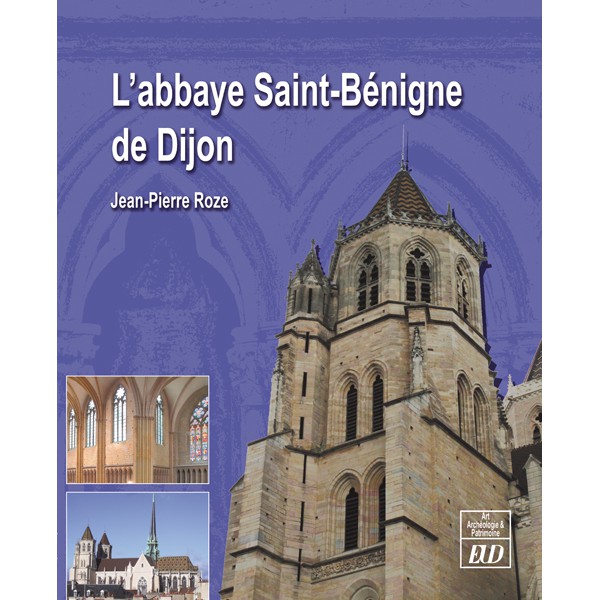 L’abbaye Saint-Bénigne de Dijon
by Jean-Pierre Roze
Editions Universitaires de Dijon 2014
ISBN-10: 2364411068
ISBN-13: 978-2364411067

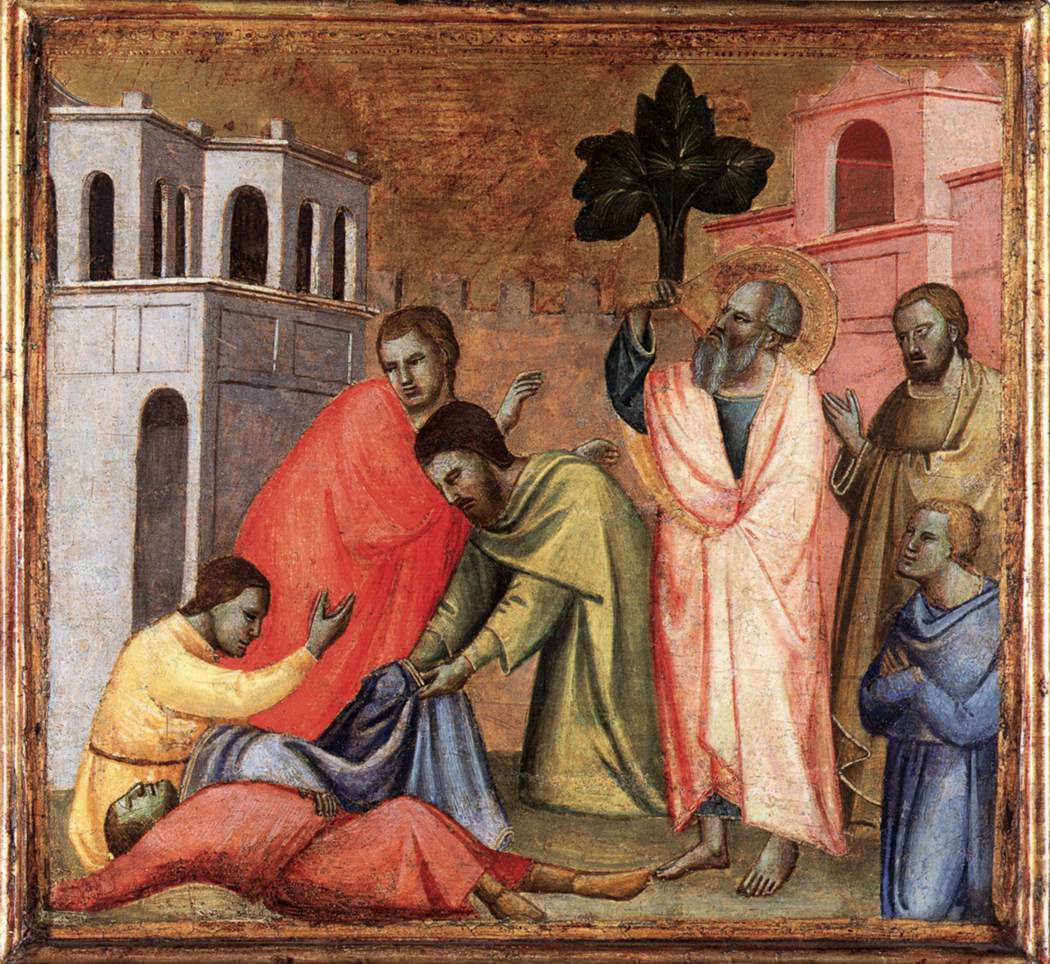
Digital imaging of paintings has made rapid progress in the last decade as more and more museums agree to open up their collections of photos to the joy of both lay and learned. Now researchers have come to a point where it is possible to perform statistical analysis of a large-scale database of paintings to create a bridge between art and science.
Using digital image processing techniques, a group of scientists have investigated three quantitative measures of images – the usage of individual colours, the variety of colours, and the roughness of the brightness.
Overall, they found a difference in colour usage between classical paintings and photographs, and a significantly lower colour variety in art from the Middle Ages.
The digital images were obtained from the WEB Gallery of Art, which has a searchable database for European paintings and sculptures consisting of over 29,000 pieces ranging from the years 1000 to 1850. Most of the identifiable images contain information of schools, periods, and artists, and are good quality in resolution to apply statistical analysis.

In their own words, the scientists have analysed artistic styles “various statistical techniques such as fractal analysis1, the wavelet-based technique, the multi-resolution hidden Markov method, the Fisher kernel based approach, and the sparse coding model,. Recently, these methods have also been applied to other cultural heritages such as and music. Such quantitative analysis is called “stylometry,” which originates from literature analysis and is used to identify characteristic literary styles” (See article for references).
In the present articles (probably the first of many) the researchers have focused on the usage of colours, the variety of painted colours and the roughness of the brightness of images.
These analyses tells us, that while an explosion of colours may be detected from the Early Renaissance and onwards, artists in the middle ages preferred (or were obliged) to limit themselves significantly.
First of all, specific rare pigments and colours were preferred for political (red) and religious (blue) reasons. To this, however, should also be added technical reasons: the techniques of mixing oil colours was not fully developed. To this might be added that specific techniques of painting like chiaroscuro and sfumato were not yet invented or applied. Hence the feeling that medieval paintings might seem rather flat and uninteresting compared to the output of the Renaissance and later.
Perhaps, though, the Middle Ages did produce at least some artists, who were never boring. For instance, who has ever been bored visiting the Capella Scrovegni in Padua with the paintings of Giotto?
In view of such reflections it might be interesting to get a list of the different artists in the database ranked according to their “boringness”. Perhaps published on the internet?
Large-Scale Quantitative Analysis of Painting Arts
Daniel Kim, Seung-Woo Son & Hawoong Jeong
In: Nature Scientific Reports 4, Article number: 7370 doi:10.1038/srep07370
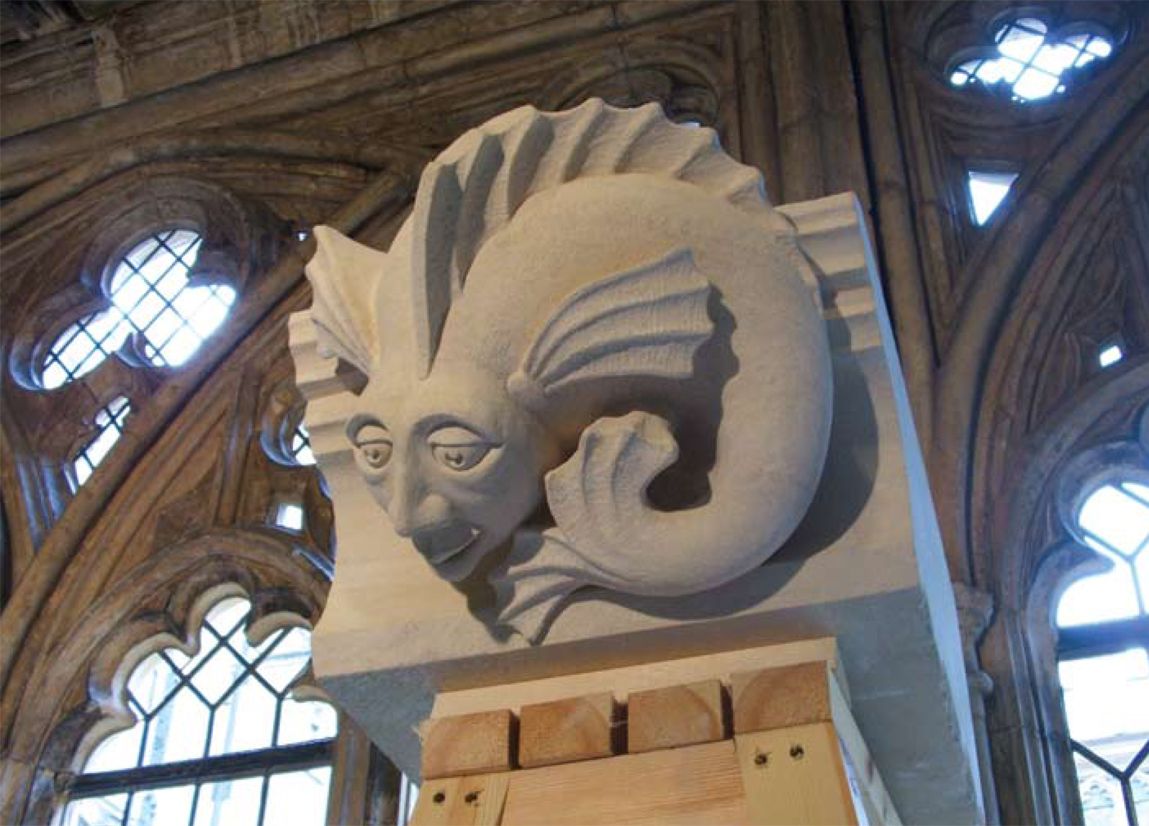
St. George’s Chapel at Windsor has literally reinvented the medieval genre of grotesques