Xanten, a small town bordering the River Rhine, is primarily visited for the remains of its excavated Roman garrison.
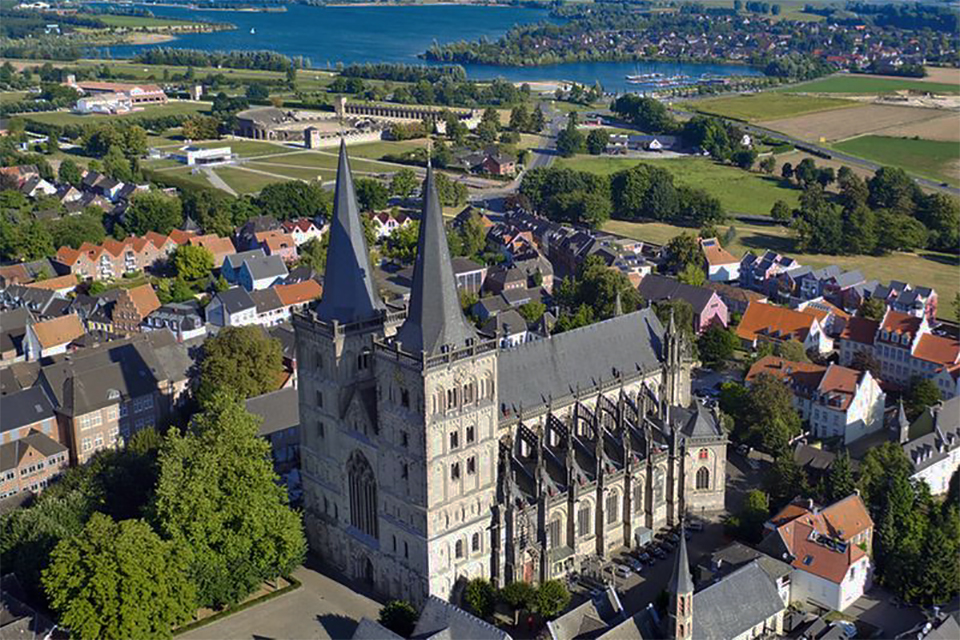
Xanten, a small town bordering the River Rhine, is primarily visited for the remains of its excavated Roman garrison.
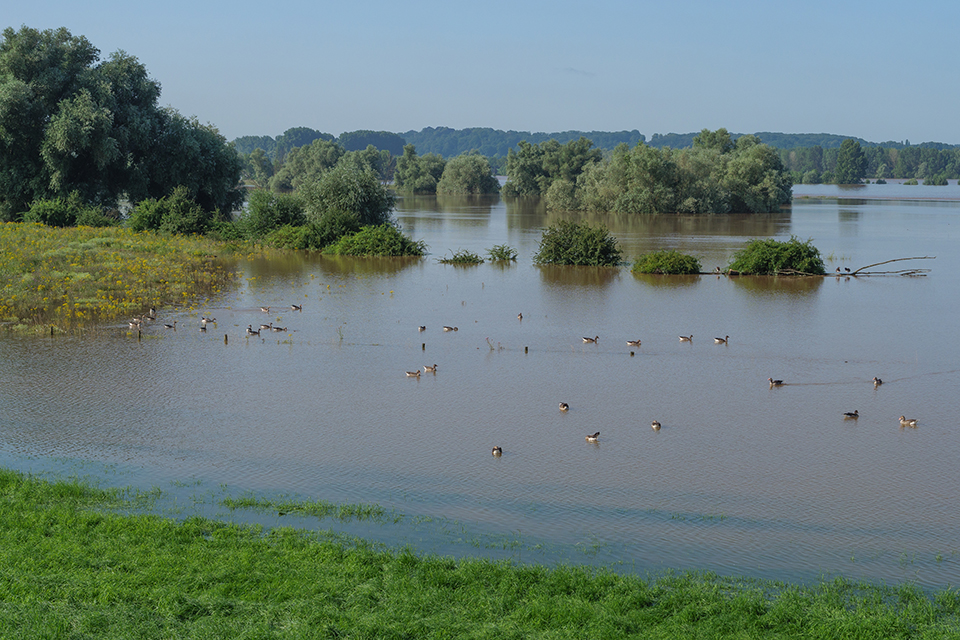
Bislich, where the grave of Bodi was discovered more than fifty years ago, lies in the middle of a protected river landscape well worth visiting

Who shaped the Medieval City of Paris? Kings, Abbots or Burghers? New Book explores these questions from multiple and different angles.
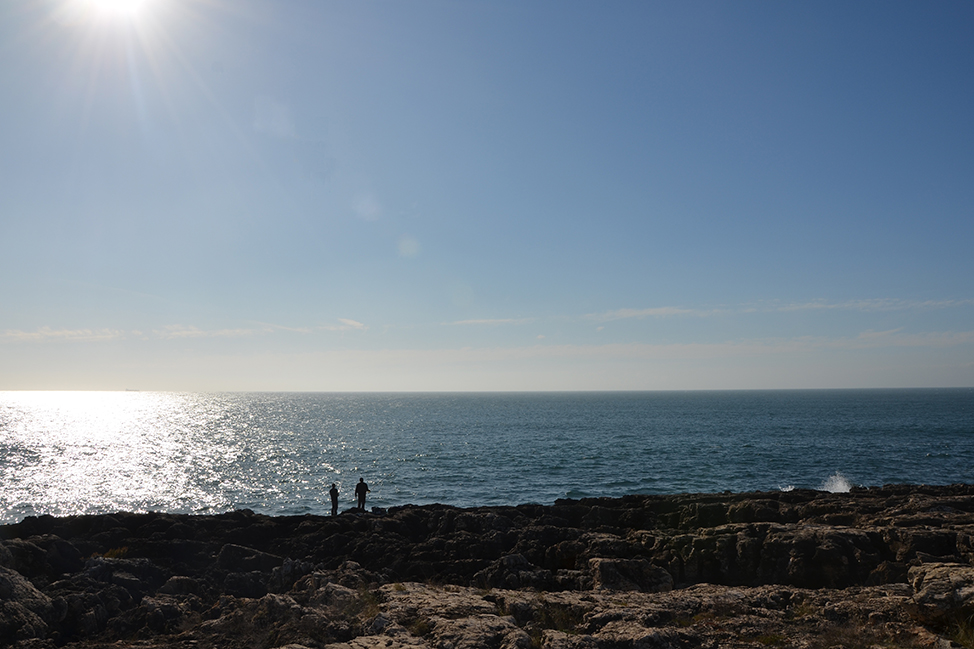
Turning the map of Europe upside down, we see a peculiar peninsula on either side surrounded by the Mediterranean and the Baltic, from where it struts into the Atlantic Ocean.
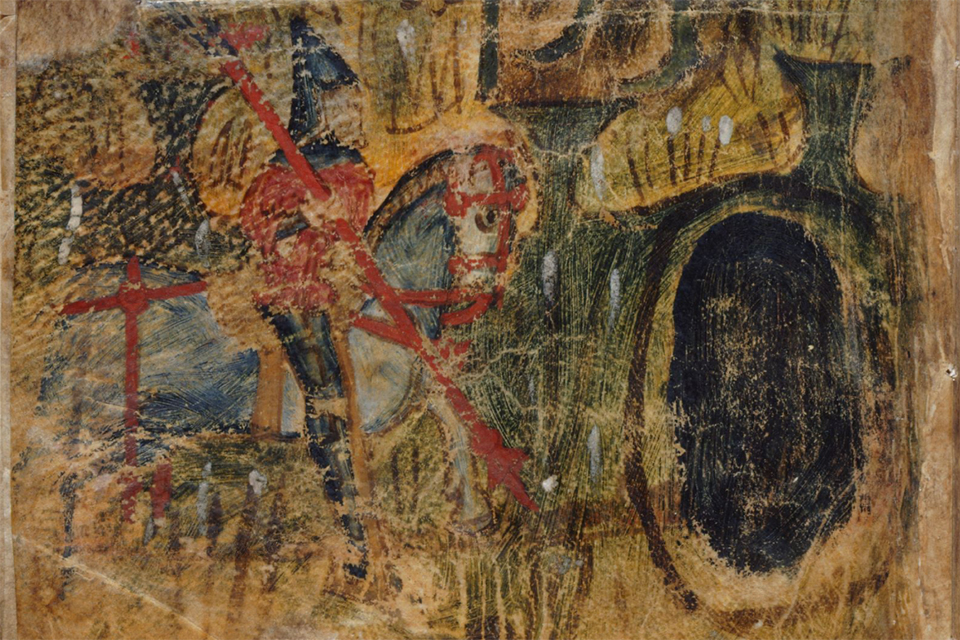
The famous chivalric romance of Sir Gawain and the Green Knight continue to capture our imagination with its stories of a hero on a famous quest. New book claims to identify the author.
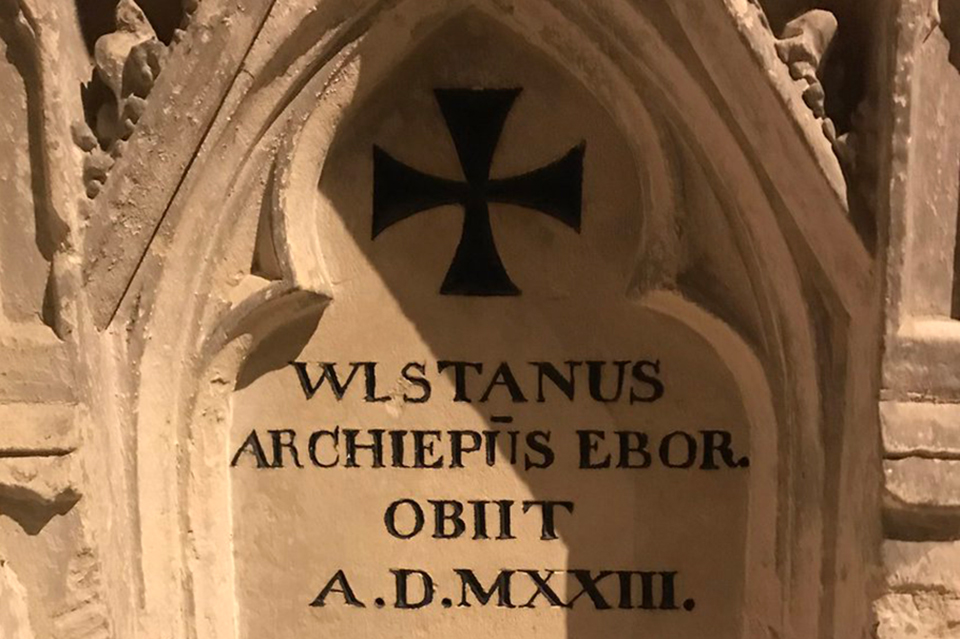
Wulfstan played a significant political role in Anglo-Saxon England at the turn of the first millennium and the events surrounding the political and personal demise of King Æthelred, and the conquest of Sweyn Forkbeard and Cnut the Great
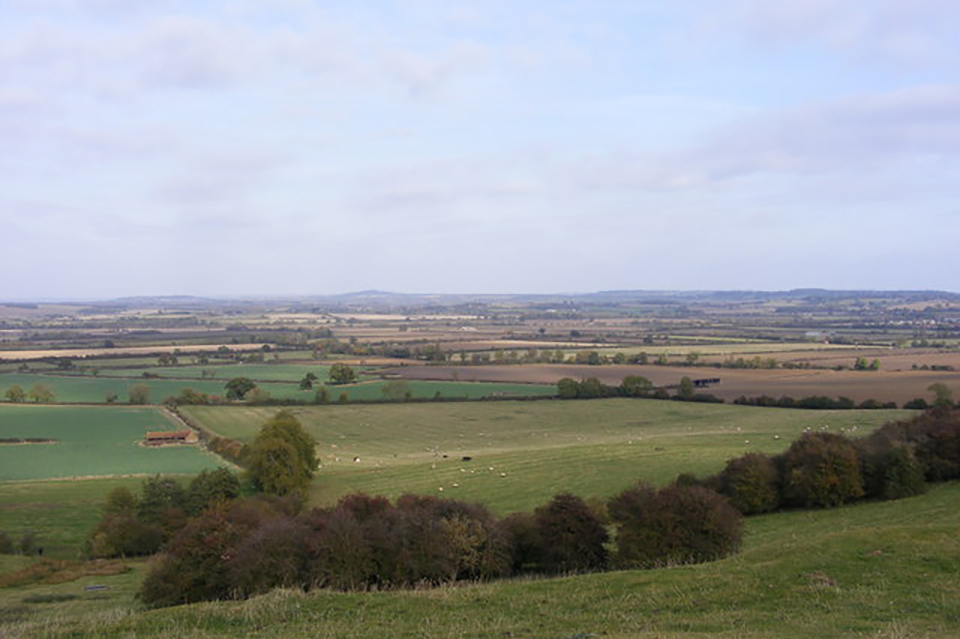
In the 13th century, Chipping Dassett became the site of a flourishing market town. After the plague, the market declined, and at the end of the 15th century, the place was deserted.
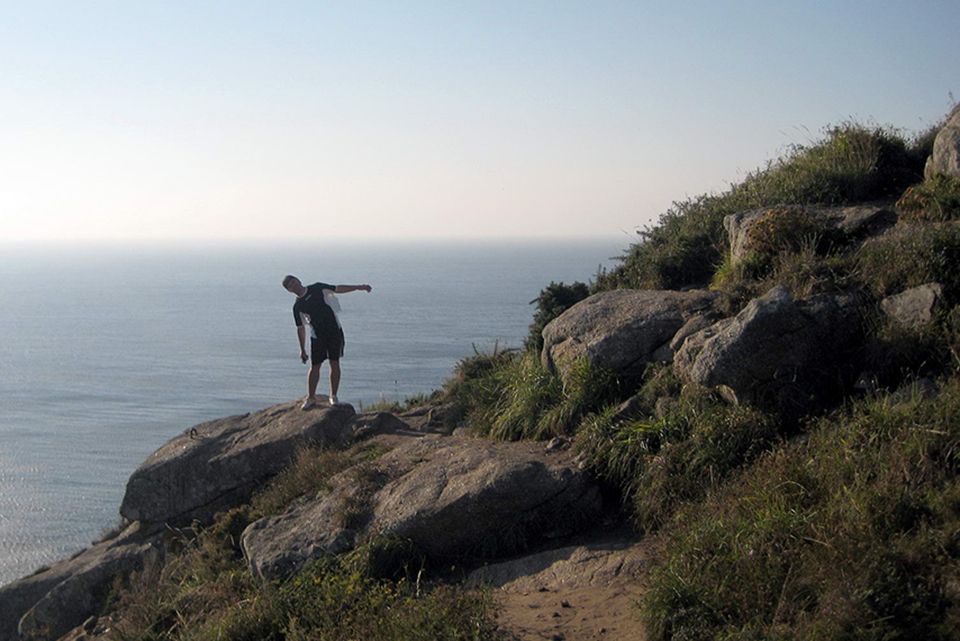
Each year on the 30th of December, Spain celebrates the miraculous translation of St. James from Jerusalem to the shores of Galicia.
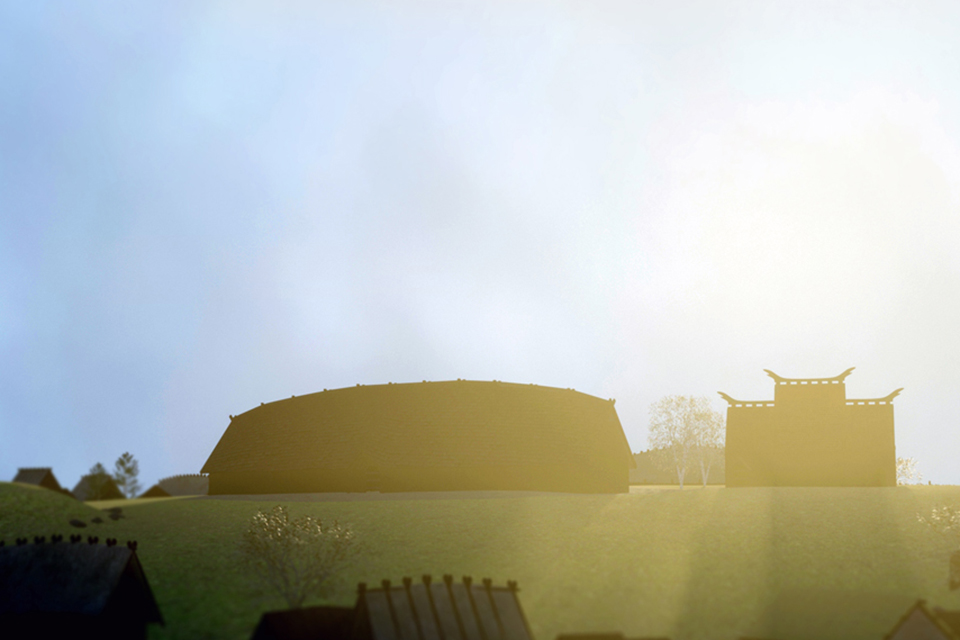
Outside Lund, lies the remains of a unique Iron Age settlement, Uppåkra. Known for it rich archaeological finds, much more remains to be revealed. With the help of new scientific methods, more elusive remains, such as DNA, viruses, and bacteria are expected to come to light for the first time.
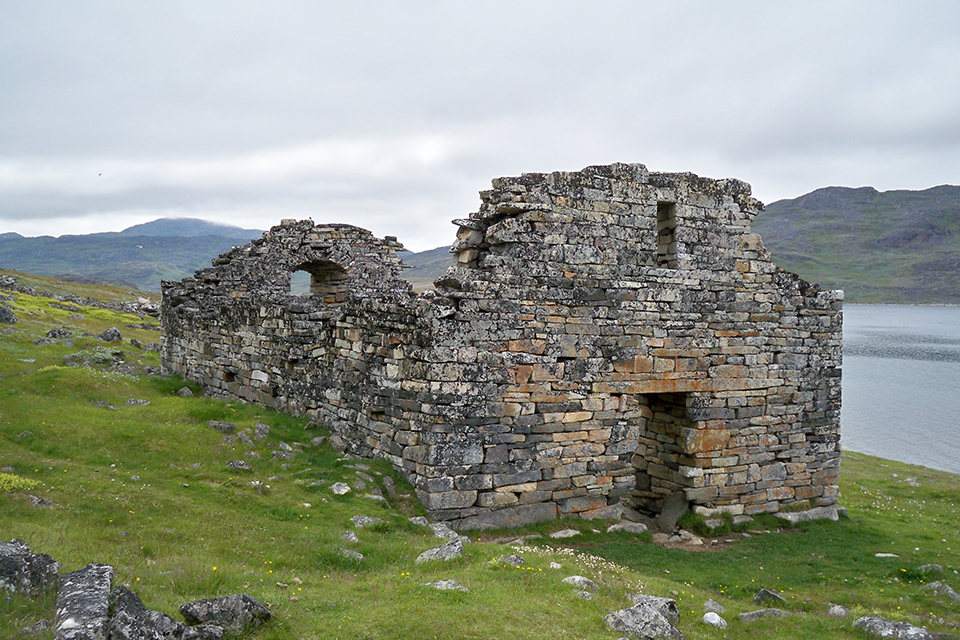
Why did the Norse People in Greenland upend their settlements in the late 15th century? A new explanation refers to their culture and way of life inherited from 9th century Viking Society.
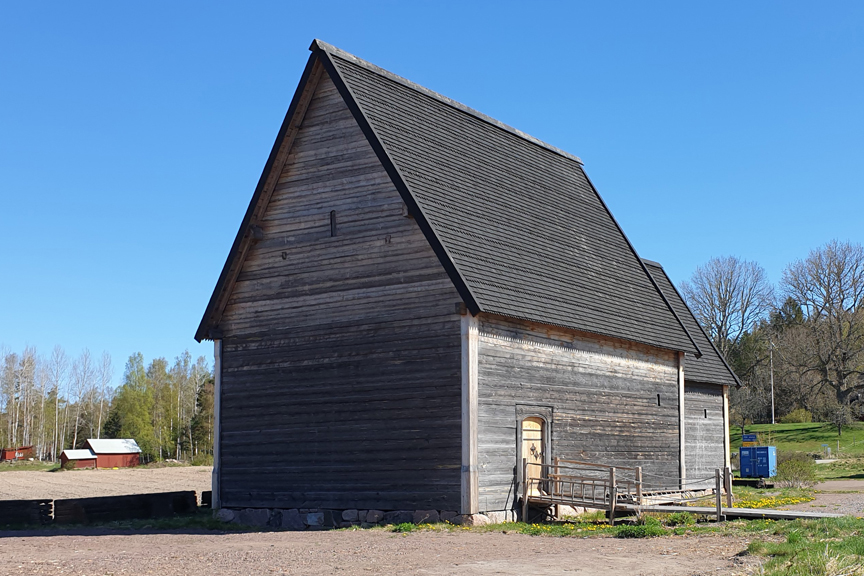
This Whitsun, Södra Råda Church in Värmland in Sweden will be re-inaugurated. The aim of the reconstruction of the burnt-down medieval treasure was to learn how a church was built in the 14th century.
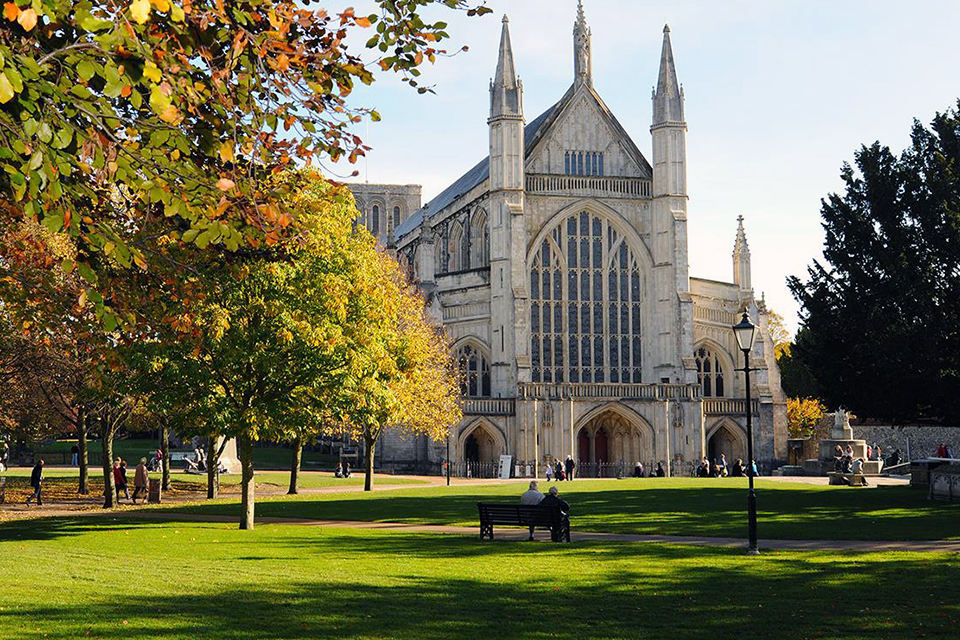
The history of Winchester reaches back into prehistory. From an Iron Age oppidum, it changed into the Roman town. Later, it turned into one of the most important cities in Anglo Saxon and Early Medieval England
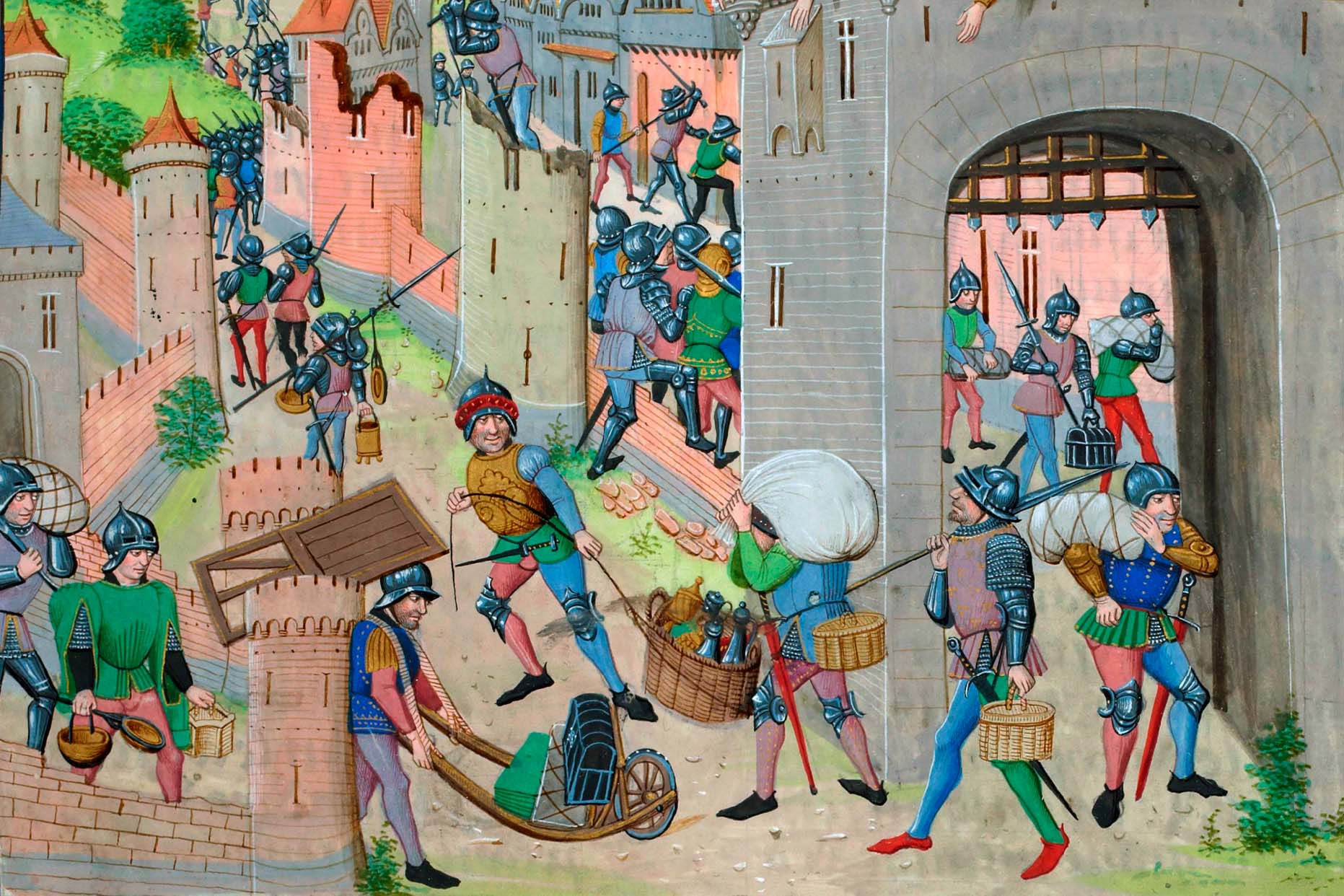
In the Middle Ages, mercenaries were widely recruited. However, what was the military effectiveness of these forces? And the downside?
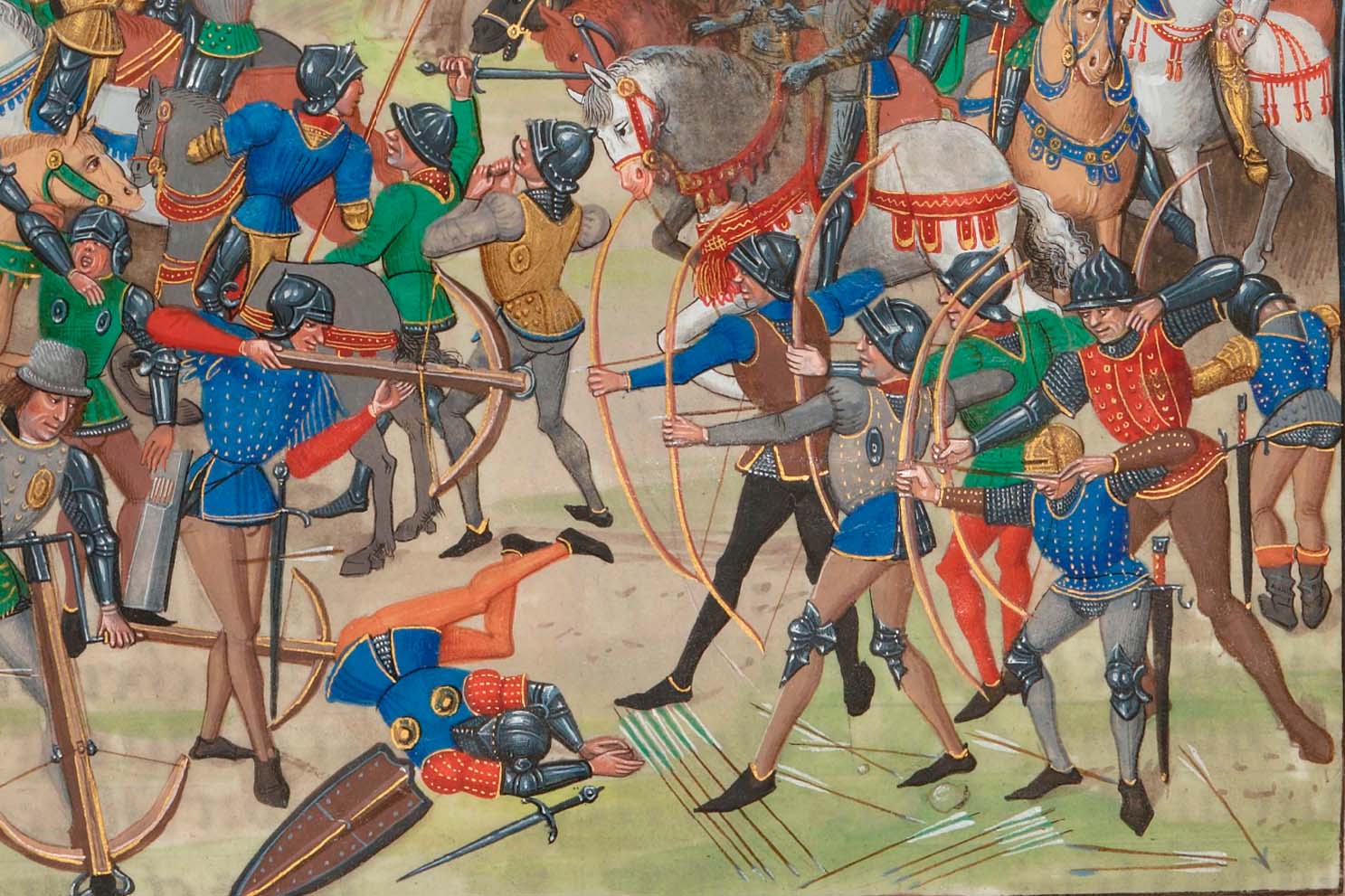
In 1346 Edward III launched an invasion of Medieval France. Mounting the largest medieval invasion ever, he gained an overwhelming victory of the French army at Crécy. Since then, scholars have asked whether he was just lucky or a superb strategist.
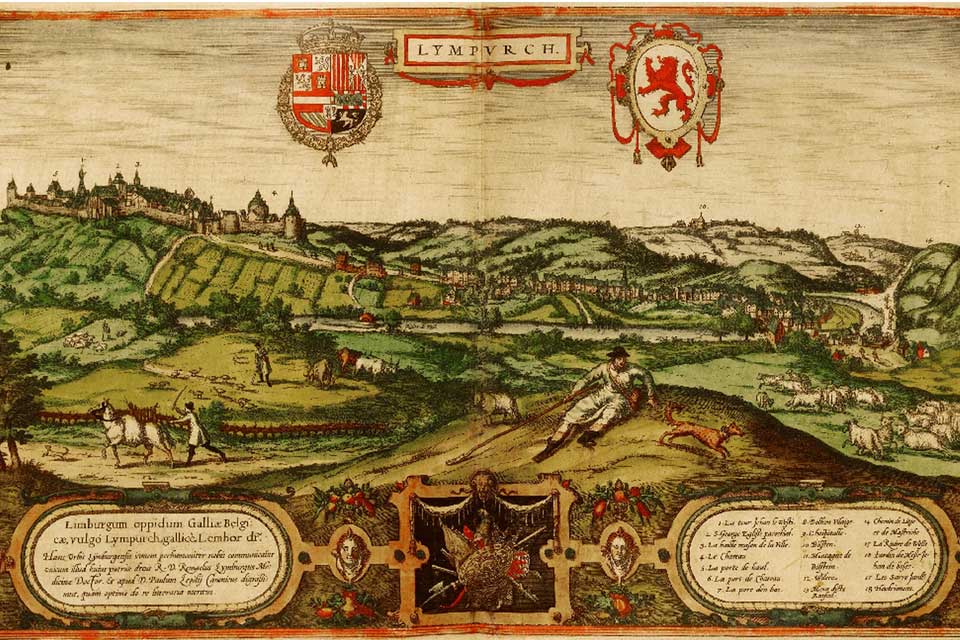
In recent political and constitutional history, scholars seldom specify how and why they use the concept of territory. New book argues that territory is the lived space of people
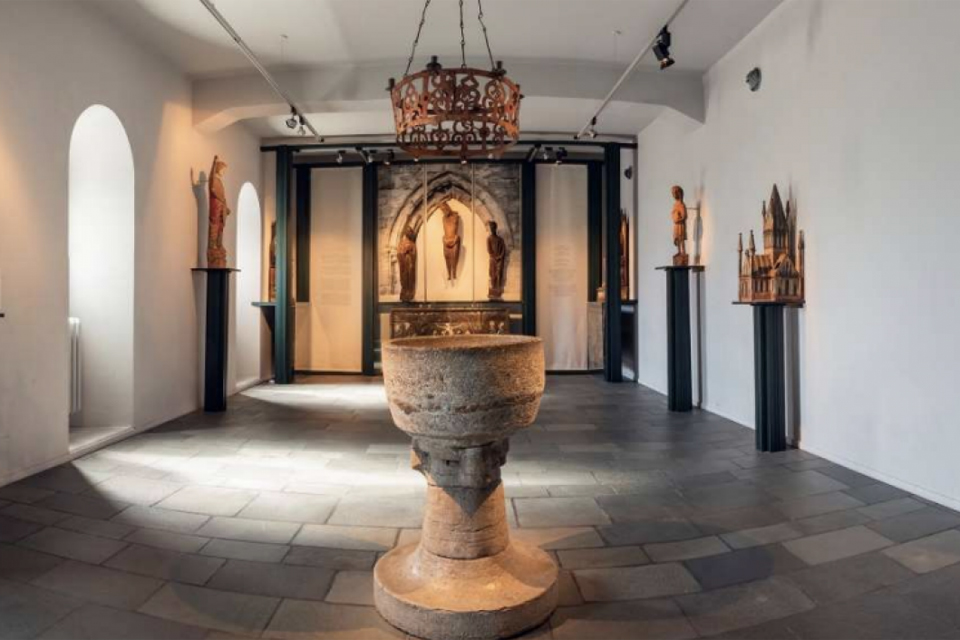
The collection of medieval church art at the University Museum of Bergen in Norway is among the finest of its kind in Europe. A new catalogue presents the collection in several languages.