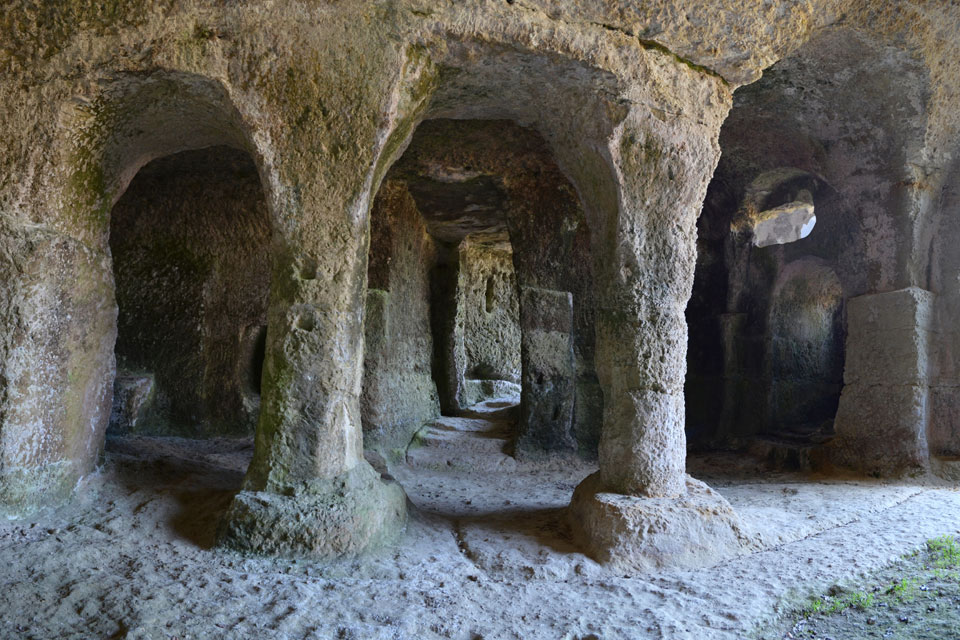
Remains of rock-hewn churches may be found in several European and Middle-Eastern landscapes, where natural caves and calciferous rocks invited hermits to shelter in solitude and prayer. In France, such churches were common in Aquitaine.
‘Medieval Histories’ offers medievalists all the news about exhibitions, books, research, archaeology, travel-tips and much more from the Medieval World
Remains of rock-hewn churches may be found in several European and Middle-Eastern landscapes, where natural caves and calciferous rocks invited hermits to shelter in solitude and prayer. In France, such churches were common in Aquitaine.

This summer, the Library of the Trinity College in Dublin, exhibits its collection of more than 200 precious medieval and early modern manuscripts written in Irish.

Through the scenery of Sachsen-Anhalt runs a fascinating route along which it is possible to discover the riches of Romanesque architecture. Established in 1993, it is the perfect showcase for Germany in the 10th and 11th centuries
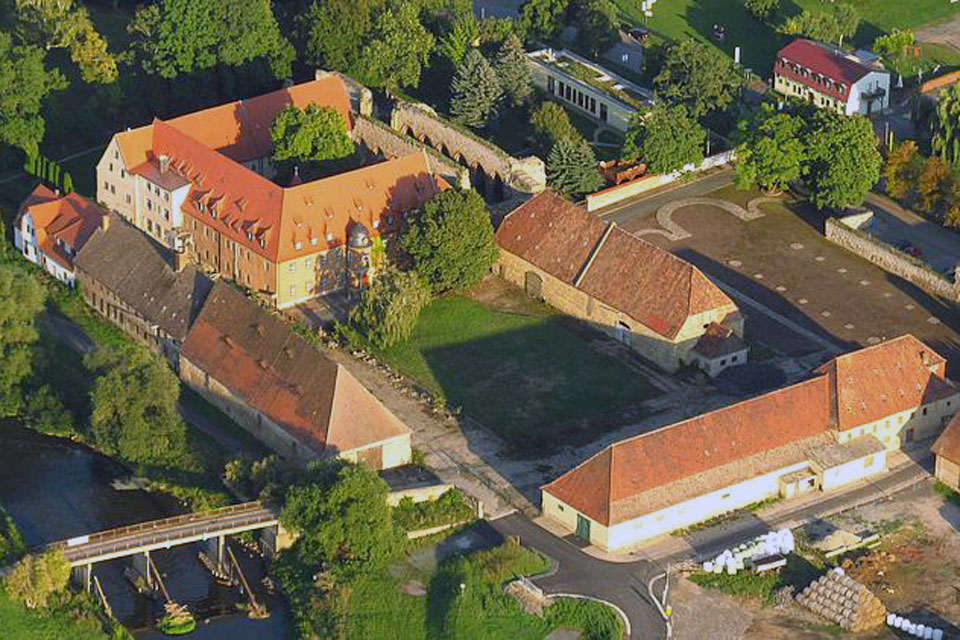
Memleben, one of the royal centres in Ottonian Germany is located at the river Unstrut. Founded in the 8th century, its heyday fell in the late 10th century, when the last Ottonians briefly planned to turn the place into a memorial shrine for their dynasty

Summer 2018 in the region of Saale-Unstrut celebrates the Romanesque heritage preserved in cathedrals, churches and monasteries - or the ruins thereof

Festival Montalbâne is a festival for medieval music, which is held each year in the region of the Unstrut-Saale. It now runs in its 28th year. This year it is part of the exhibition programme, Monastery & World 2018

Now gone, the plain surrounding Old Uppsala c. AD 650 was not only marked by the burial mounds but also dotted with halls, an impressive parkway and a surrounding marketplace. New Virtual Reality reconstruction lets visitors walk the landscape

A few days ago, a 13-year old girl discovered an extraordinary Viking silver hoard with the largest number of so-called cross coins from the reign of Harold Bluetooth.
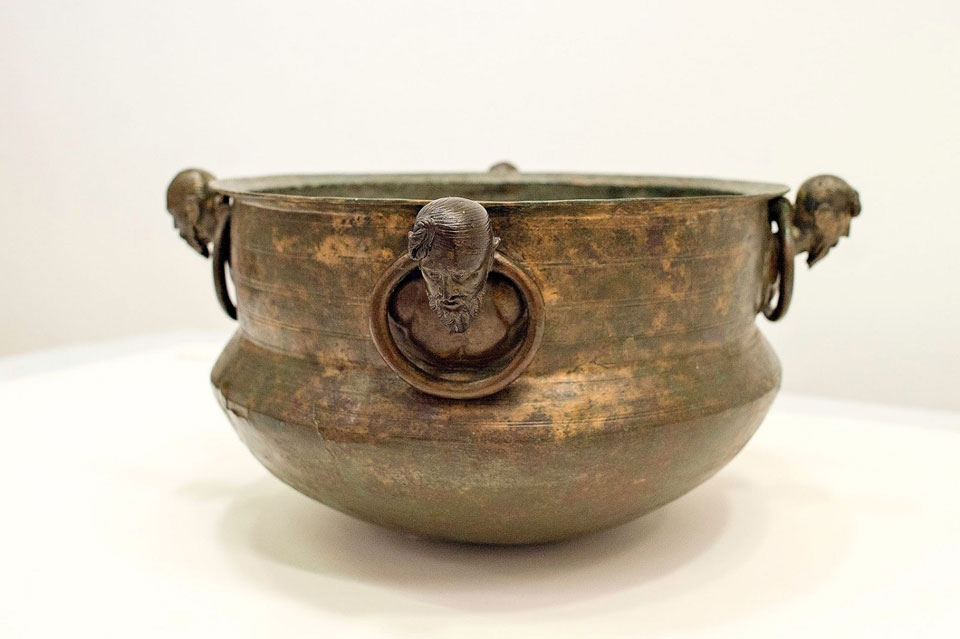
The exhibition, In Tempore Sueborum, invites us to explore the life and times of the Sueves and how they lived together with the Gallo-Romans in Late Antiquity.

Kingdom Come: Deliverance is a roleplaying video-game set in the medieval Kingdom of Bohemia in 1403. It offers great realism in both story and gameplay.

For people in the Middle Ages keeping track of time was all important. Early on, the Church set up itself as the timekeeper par excellence. But how did clerics keep the time? New book introduces the student to the intricacies of medieval timekeeping.

When winter came to Italy in the 6th century, people took to the hills and had to find new ways of surviving. This changed their subsistence and diet.
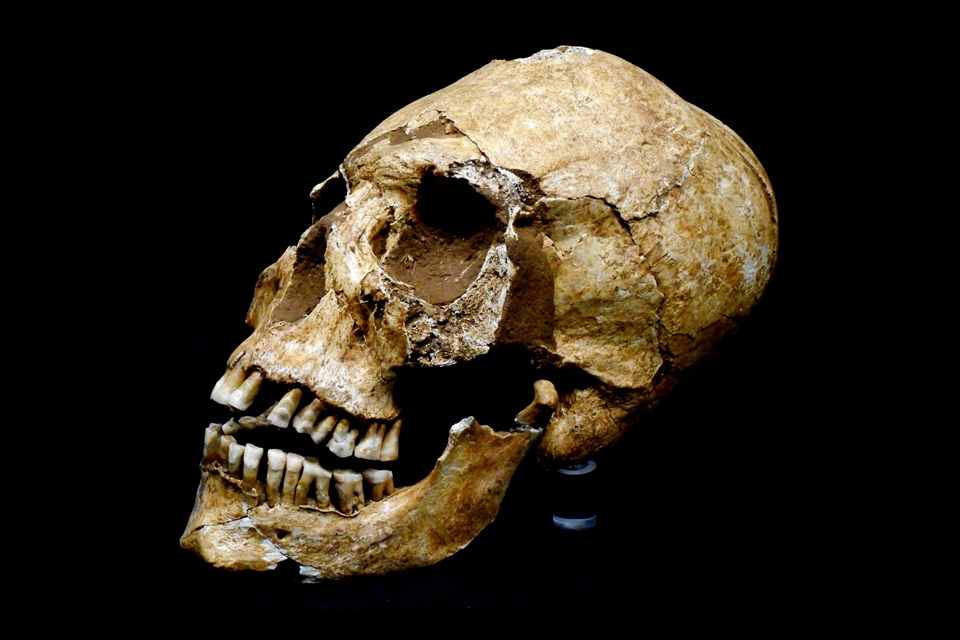
Studies of ancient DNA on skeletons from two migration period cemeteries in Hungary and Italy tells us in detail about the social structure in the 6th and 7th centuries.
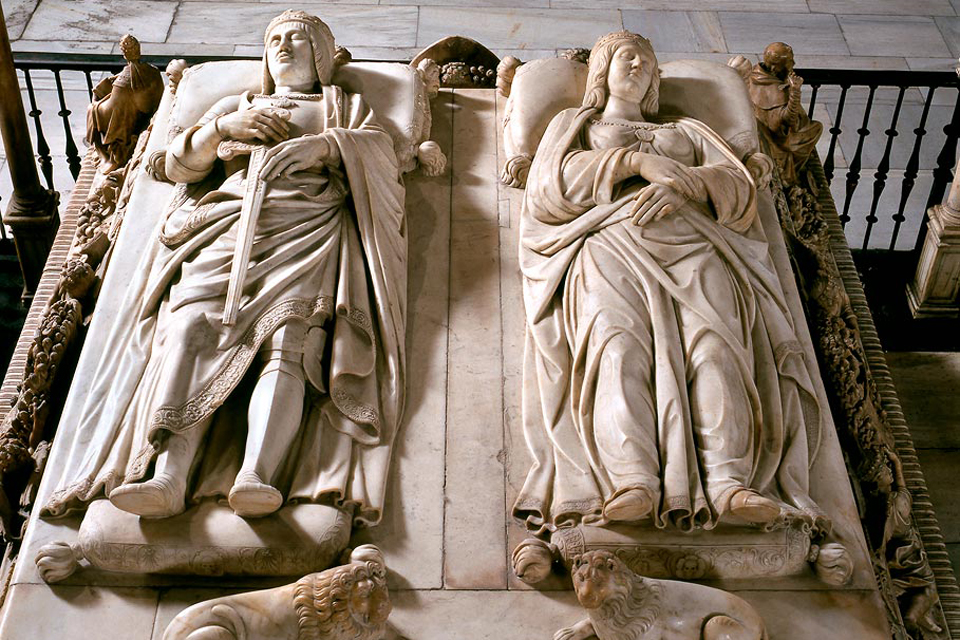
Until recently a requiem by the Spanish Composer, Antonio Gallego, was totally unknown. Currently, a project is crowdsourcing funds to get it performed.
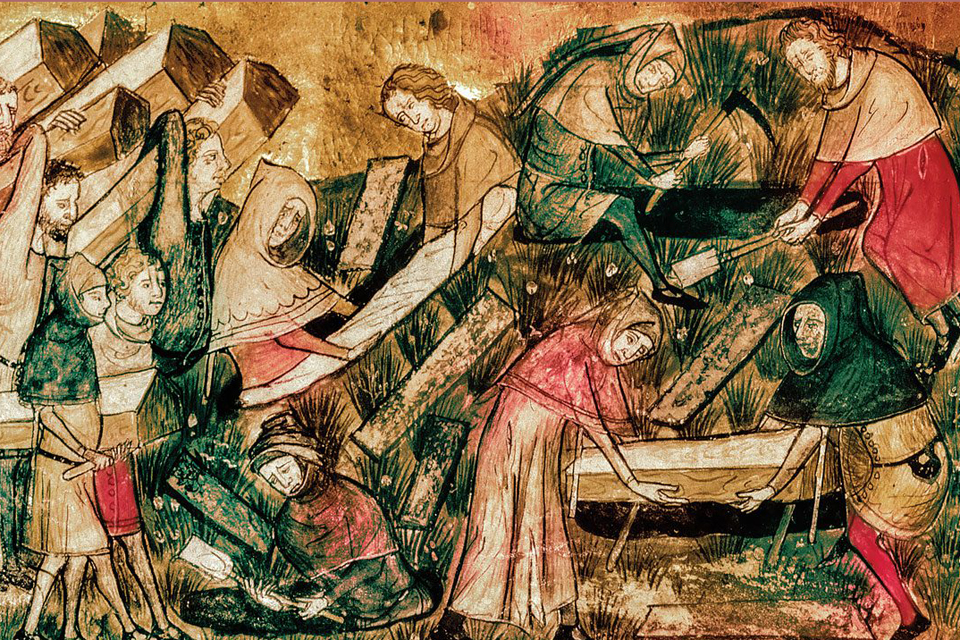
Was the plague brought to people by rats or human lice? How severely did the pestilence strike? What may we learn from modern epidemics? New research shed light on some old conundrums.
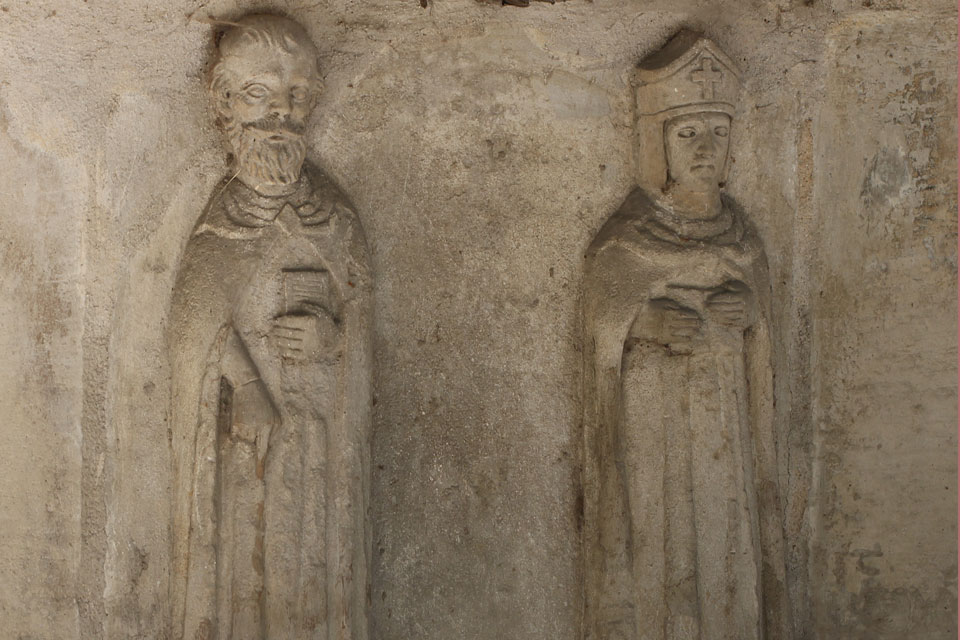
Abelard and Heloise loved each other. Their love affair, though, was so much more than just an act of carnal lust. It was also a relationship filled with charity and friendship. By delving into their love story, we may learn of a faraway world