Hugo d'Oigniers Crozier is showcased in a new book...
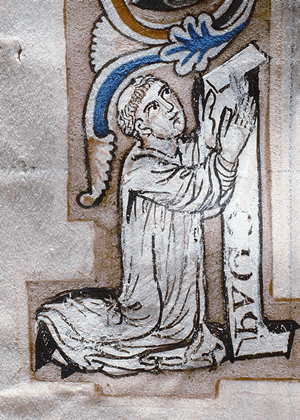
Hugo d'Oigniers Crozier is showcased in a new book...
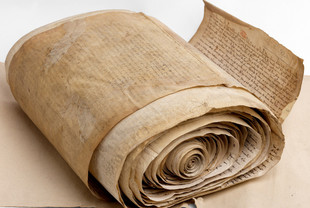
Important exhibition in Troyes tells the true story about the Templars...
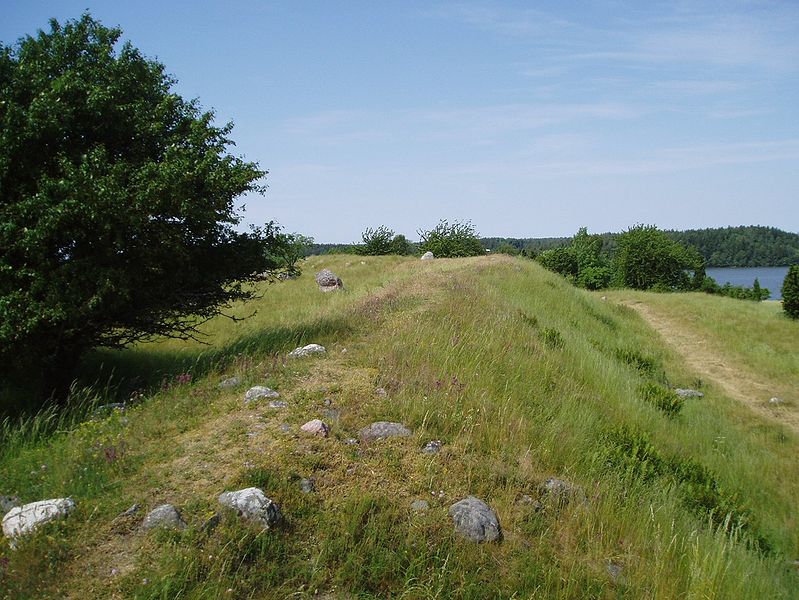
Gautberts church in Birka may have been built on the hill fort…

The Bayeux Tapestry is the perfect illustration of the shifting cultural rhythms in the Middle Ages, writes Jean-Claude Schmitt
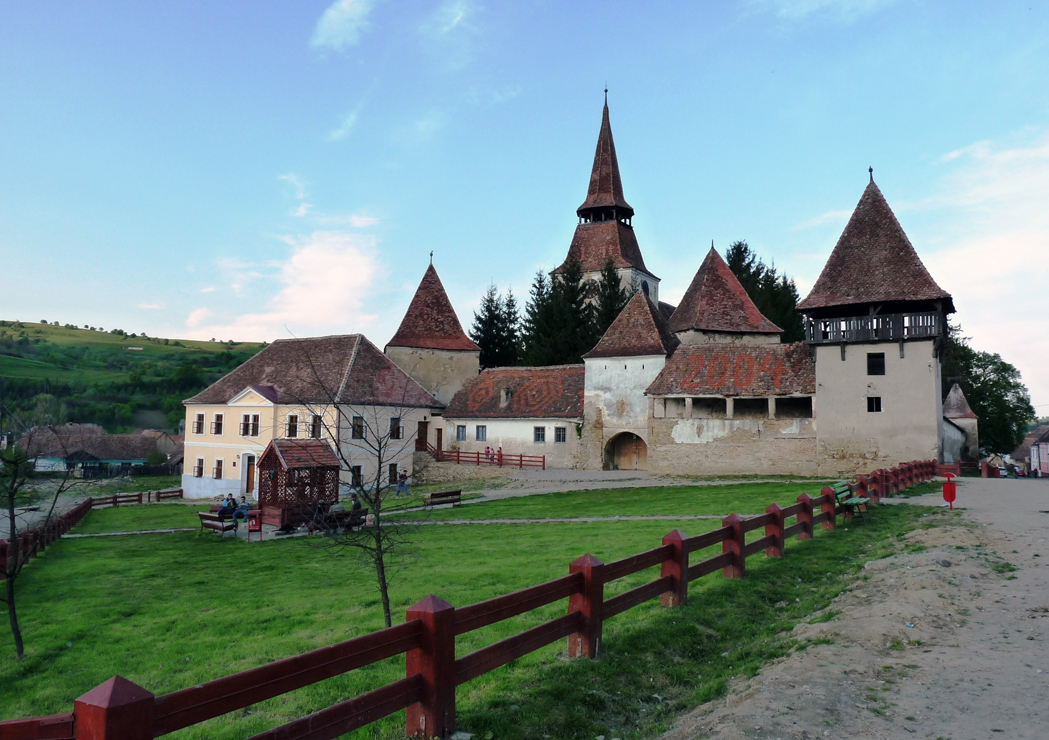
Recently a new app was launched, which tells the story about the fortified churches in Transylvania in Romania and give precise directions about location, opening times etc.
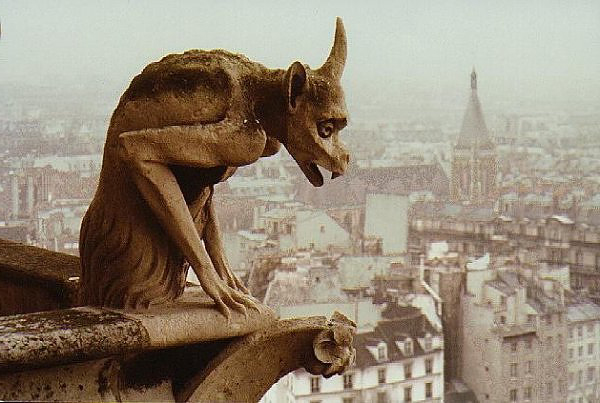
Conference on fierce beasts in Paris next week…

Sensational find of Greek sermons by Origen exites...
 Anglo-Saxon Art. A New History.
Leslie Webster
The British Museum Press 2012
One of the very puzzling things about the more prominent pieces of Anglo-Saxon Art – the jewellery, the weapons, the manuscripts etc. – are their intricate character and their invitation to close-up inspection.
The Anglo-Saxons – not least the early bands of warriors of the 5th century and their ancestors up until mid 9th century – must have presented themselves as close-knit elites, bands of brothers. How else explain the fact that you nearly would have had to sit on the lap of a chieftain or a kinglet to get a glimpse of his brooches; or stand close to the altar at mass to get a glimpse of the book-craft and miniatures.
Of course there were stone sculptures to entice the public to enter the churches and marvel at the wall-paintings, the glittering textiles and the tabernacles of shrines and imported icons. And we might believe that at some point there existed a carved wooden sculpture-tradition, now completely lost except for a few fragments. In general though, the art of the Anglo-Saxons was best consumed close up.
Accordingly the art of the Anglo-Saxons is no easy matter to tackle head on, as is very well documented by a new introduction to the various art forms, written by archaeologist and art-historian, Leslie Webster.
Following this insight – that each piece of art – must be read carefully, the book very appropriately opens with an introductory chapter, which shows what might be gained from a close reading of the images, and seeing the text.
One of the more fascinating examples of this is a silver gilt pommel from the Woodeaton area in Oxfordshire. Seen from the wearer’s point of view it has the form of a horned animal. Seen from the enemy’s point of view it looks like a stinging bee or a winged bird, where the blade might have presented the sting or the beak. Indeed, very cheeky… (seen on page 36).
Having “learned” to read the artistic language, we are treated to a numer of well-written chapters outlining the heavy Roman influence, both the ancient and Christian. The final chapters present a more secular perspective and introduce the reader to the connections between “Art and Power” and the “Viking Impact”. Illustrated with more than 200 colour and black-and-white illustrations the book gives us ample opportunity to get close to this very close-knit social world, its mentality and world-view.
If one wishes to explain the entangled and obviously complex mythic stories of fabulous birds or crouching dogs, twisting in shaman-like transcendence, this is a good start. And where else learn to properly appreciate the artistic merits of the miniatures in the manuscripts?
There is always room for some quibble. Does it make sense to publish an introduction to Anglo-Saxon Art and leaving out an introduction to another of the major art-forms, poetry? Especially as the deep layers of storytelling found in many of the art-pieces seem to be echoed in literature and poetry – as may be witnessed by the visual program of Franks Casket, which is discussed in some detail in the book, while the inscriptions are only cursorily touched upon.
Maybe, however, this will be remedied in the next publication from the pen of Leslie Webster: a monograph of the said casket and to be published in the autumn.
Until then we have to be content with this fascinating and tho-roughly enjoyable introduction; as with all good reads it invites us to further explorations, museum visits and detailed examination of the many pieces of arts presented here.
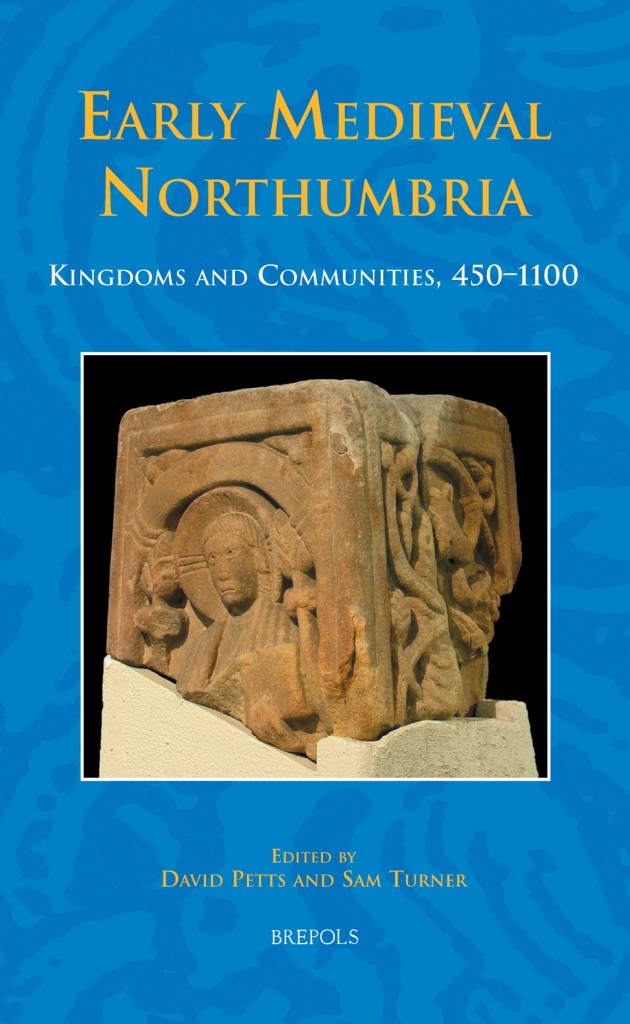
Early Medieval Northumbria. Kingdoms and Communities, AD 450 -1100.
David Petts and Sam Turner (eds).
Studies in the Early Middle Ages. Vol 24.
Brepols 2011.
In a sense, early medieval Northumbria is an enigma. On one hand it presents us with some of the most evocative historical sources – foremost the writings of Bede, but also other material like hagiographies and letters. On the other hand charters are non-existent as are compilations of law. This leaves the Early Medieval Northumbrian historian with a dire need to consult archaeologists, art historians, onomastic scholars, biologist and zoologists in order to get a better grip on the lives and thoughts of people at that time. And vice versa!
In 2006 a group of researchers got together in Newcastle in order to try and bridge the many traditions and see if the merging of their different nitty-gritty and specialised enquiries might throw new light on the region as well as raise the interdisciplinary awareness of the need for further collaboration.
The papers from this conference are now available in a very interesting edition prepared by Davis Petts from Durham University and Sam Turner from Newcastle.
Of course, as with any collection of papers, you have to sift the wheat from the chaff. Nevertheless it is a very interesting collection, in so far as it really tries to bring the reader up to date on the many lingering questions and scholarly controversies: To what extent constituted the Anglo-Saxon immigration a brutal subjugation of the British? Or was there rather an atmosphere of “continuity and convivencia ”, which the archaeological excavations of Yeavering have hinted at? Should Early Medieval Northumbria be considered a homogenous kingdom albeit marked by strife and upheavals? Or was it rather a poly-cultural region consisting of an Anglo-Saxon coastal region and a less subdued hinterland in the West, characterised as a frontier zone – a zone of process more than place?
Lots of good questions and many interesting answers! As an example may be mentioned the analysis by Jenny Walker of the great halls at Doon Hill and Yeavering, showing how the “later” halls from the first half of the 7th century might be interpreted as evidence for a more hierarchical social structure, organising space for ritual processions and gatherings in order to showcase might and power of a new kind. Or as claimed by Colm O’Brien in his revaluation of the excavations at Yeavering: “ Here the elite played out inside great timber constructions, clad to simulate Roman stone, the drama of the Hall in which a king received and gave honour, and fealty was confirmed with gold and mead”.
There is definitely and increased appreciation of the need for regional studies as well as the need for more holistic oriented studies of the material culture in order to grasp Early Medieval History. For a long time this was a specialty of German Historians.
Now, it seems the English are getting there…
San Salvador de Ona hosts precious Spanish religious art...
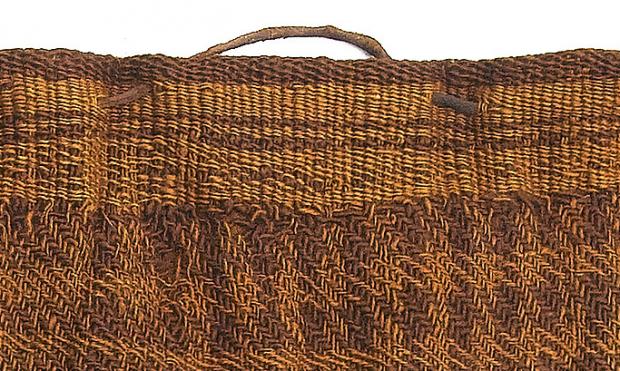
Iron-Age people in Denmark started to color their clothes...
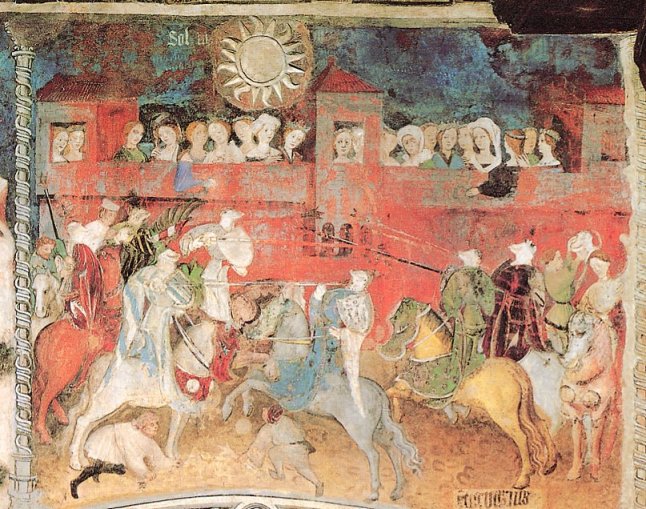
Read the novel and see the rapiers, armours and battle machines...
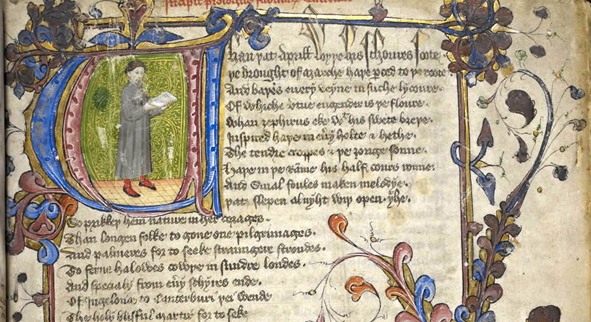
What Britain looks like, when seen through the pen of poets...
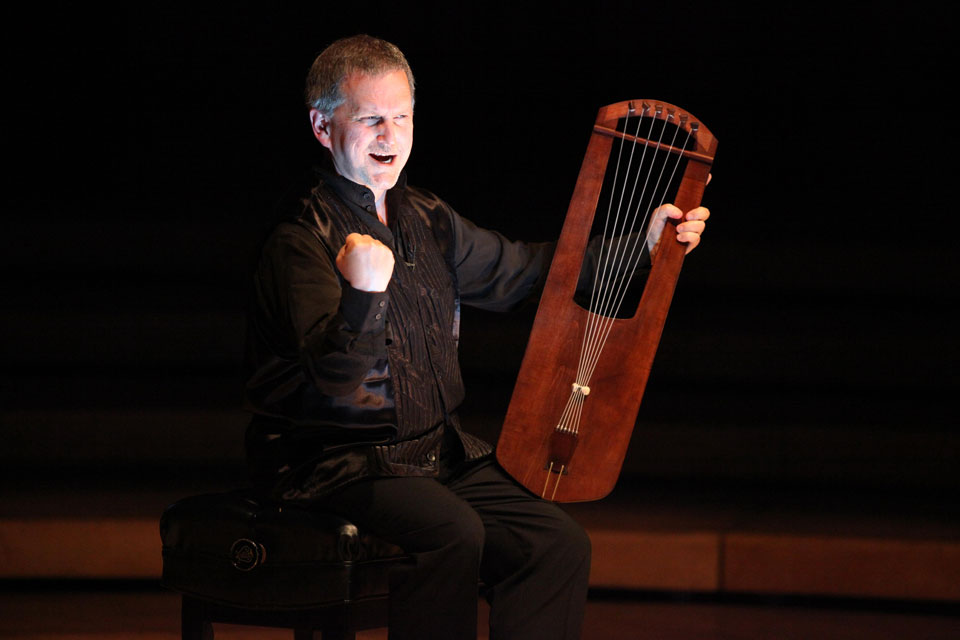
When the famous Nobel Prize winner, Seamus Heayney, took upon himself to translate Beowulf, he also made the poem a fashionable part of the medieval circuit. The wider question raised in a new book is what it takes to "perform beowulf"?
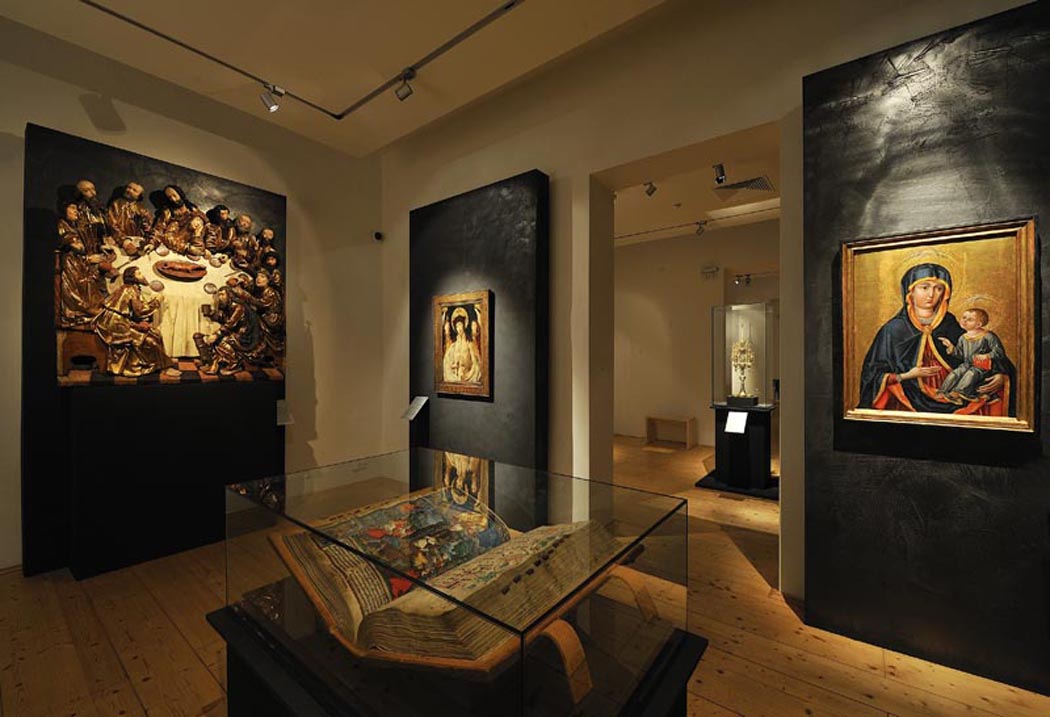
Art and culture of the dynasty of the Jagellonians 1386 -1572…
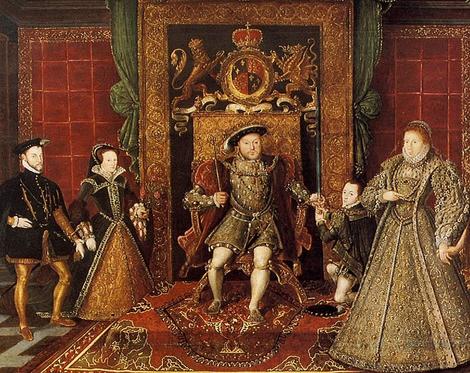
The term ‘Tudor’ was hardly used in the 16th Century…