Cædmon was a cowherd, who turned poet and saintly monk in 7th century Northumbria. Although only one hymn in Old English is preserved, it is venerated for its beauty. Find the literature here
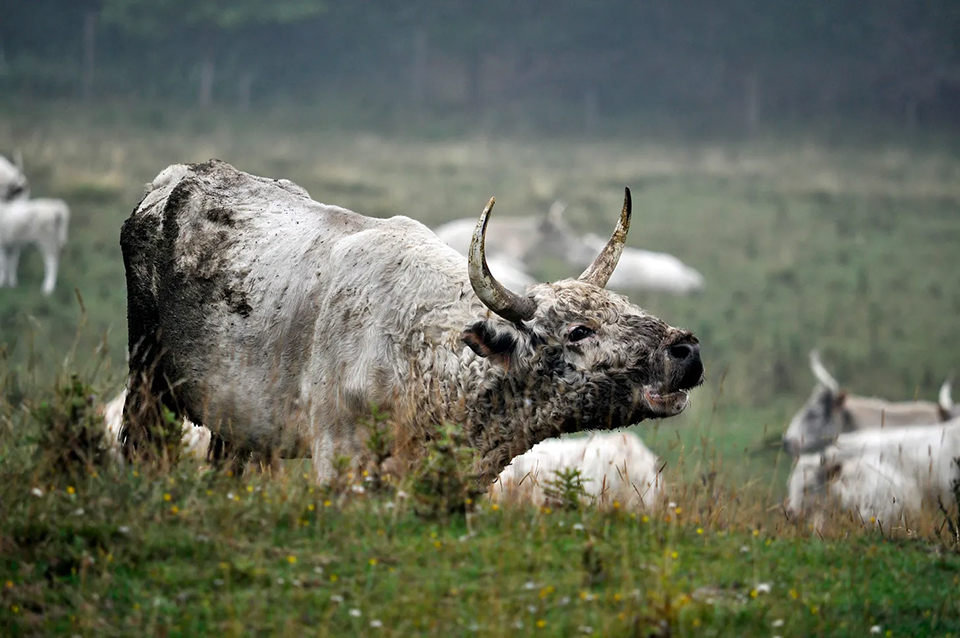
Cædmon was a cowherd, who turned poet and saintly monk in 7th century Northumbria. Although only one hymn in Old English is preserved, it is venerated for its beauty. Find the literature here
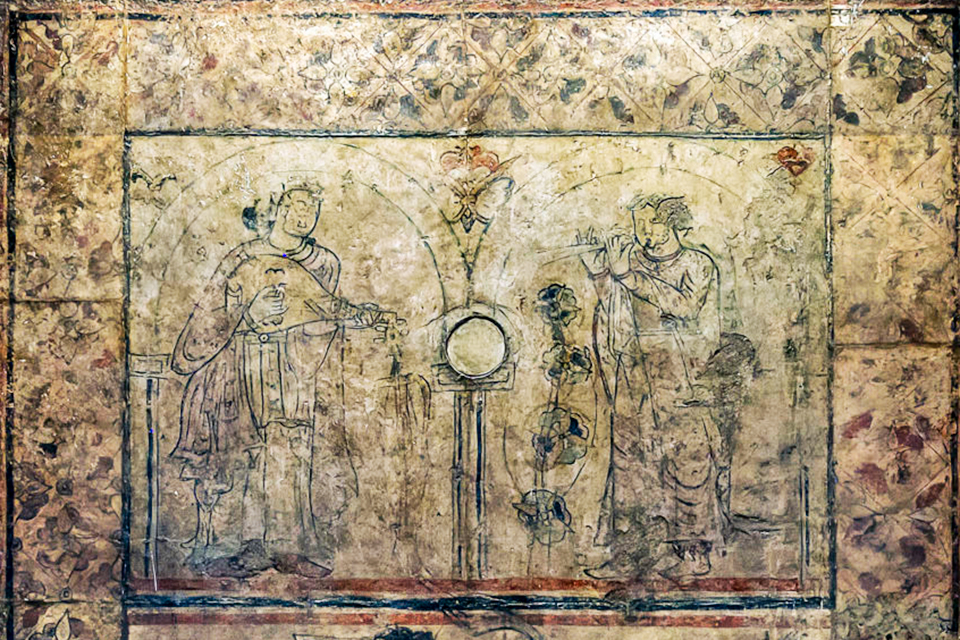
New essay by Robert North revisits the hypothesis that Bede in AD 610 modelled his story of Cædmon on that of Muhammad
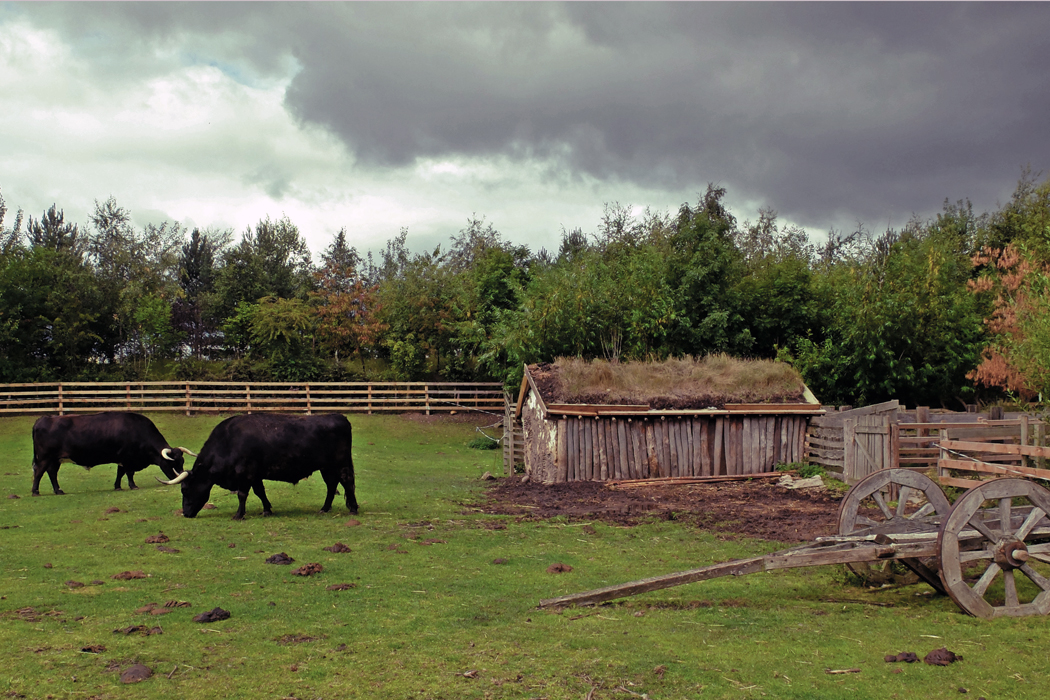
Cædmon was a herdsman with a poetic gift whom Bede (672–735) may have encountered at Whitby Abbey.
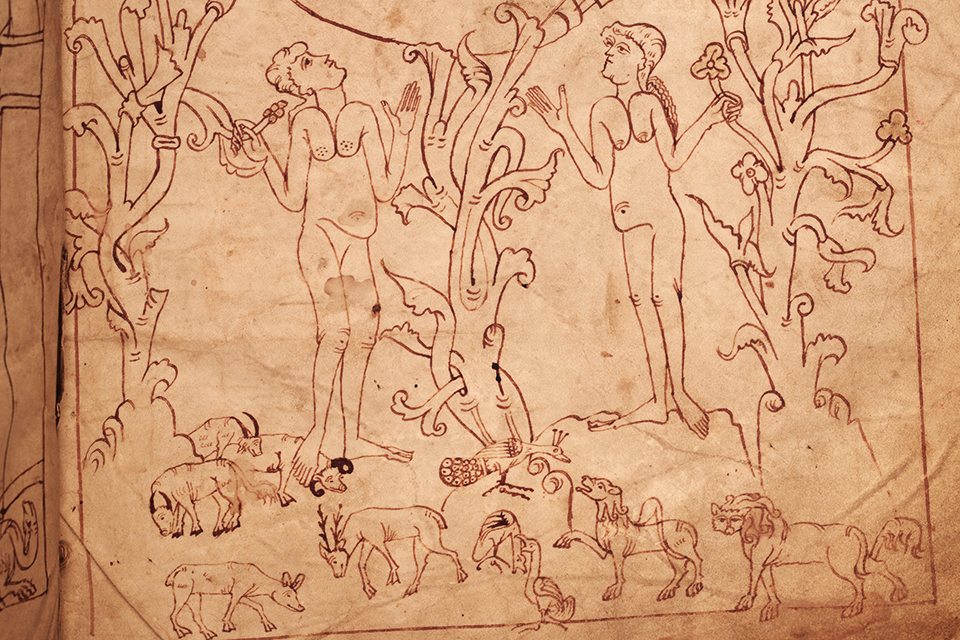
We know of Cædmon from Bede's Ecclesiastical History of England from c. 731, written at the monastery of Wearmouth-Jarrow in Northumbria. Arguably, Cædmon composed the first poem in Old English.
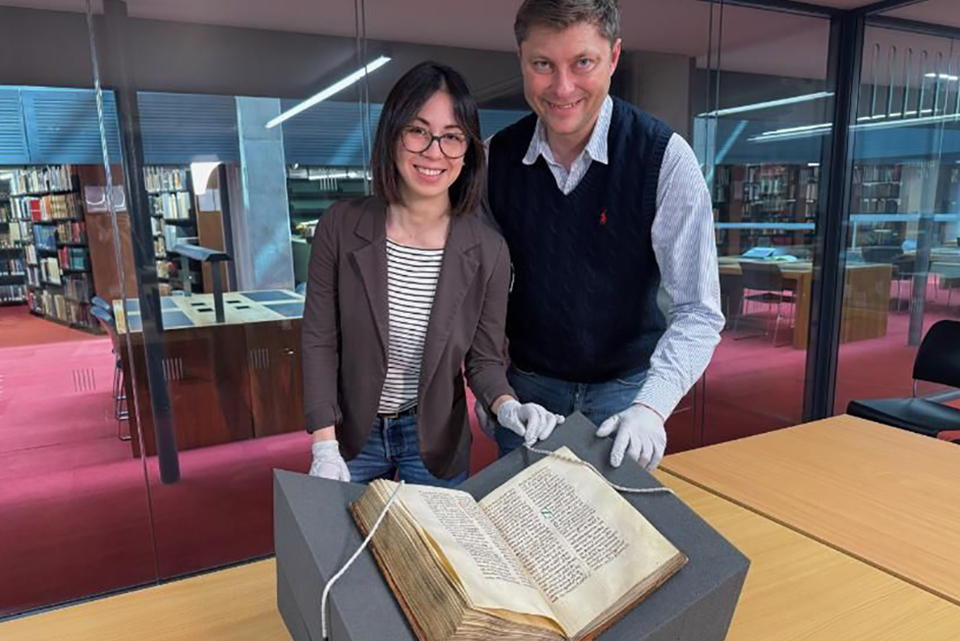
New copy of earliest poem in the English language discovered in Rome
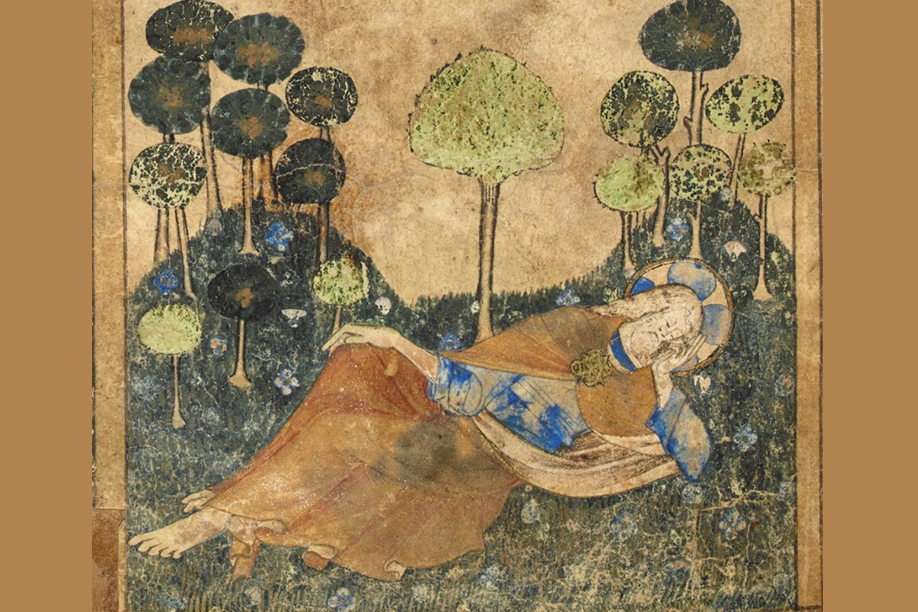
The essence of the medieval Christian landscape was encapsulated in the idea of the beloved place of pleasure, Paradise
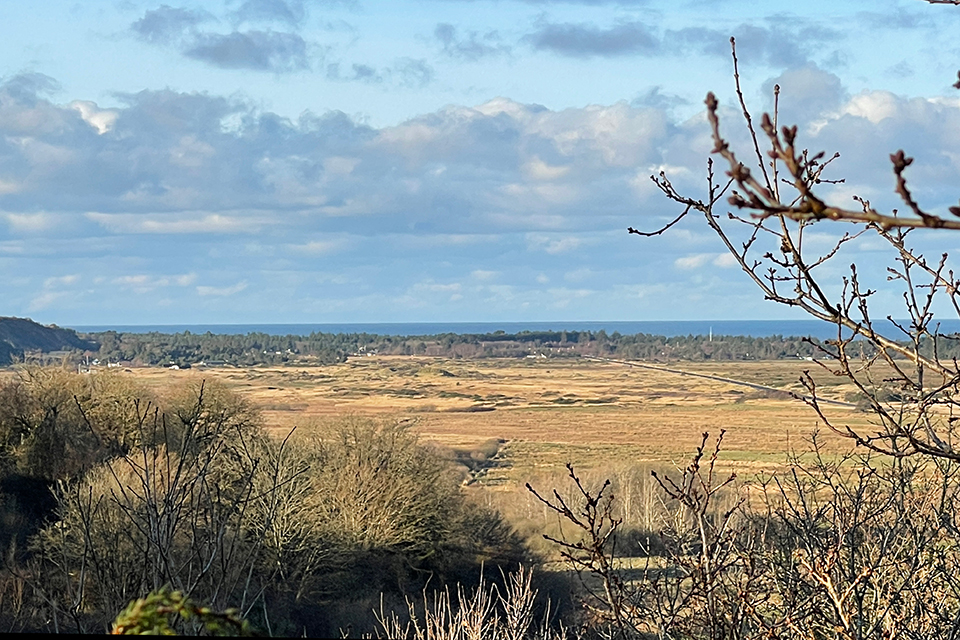
During the first millennium, northern and eastern Europe was sparsely populated and devoid of anything but wilderness. How did it feel to live in this medieval world?
March the Council in Tyne and Wear announced a solution had been found to save Bede's world. The question though is: which world? what solution?