When did the war on wolves commence? Only in the later Middle Ages it appears. On the contrary, poetry, sagas, onomastics, and pictorial art were rich in the motif of the wolf and the man and their myriad metamorphoses.
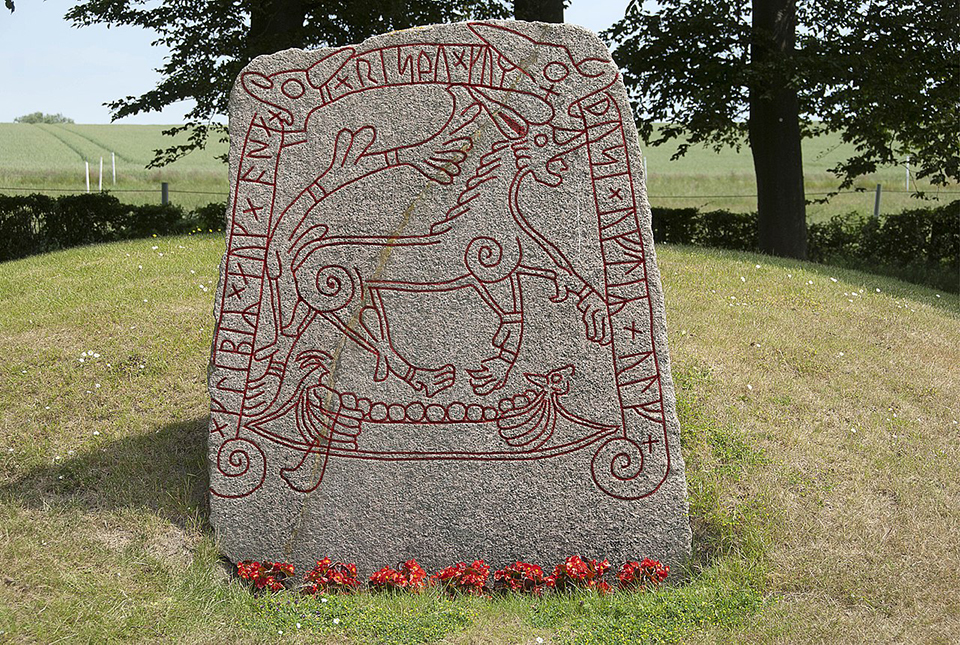
When did the war on wolves commence? Only in the later Middle Ages it appears. On the contrary, poetry, sagas, onomastics, and pictorial art were rich in the motif of the wolf and the man and their myriad metamorphoses.
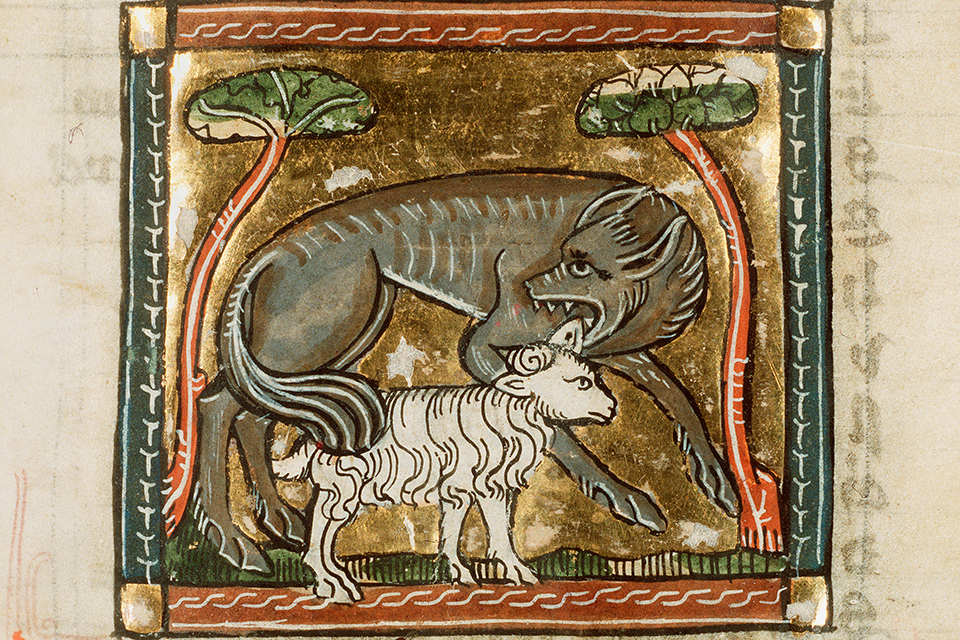
Roman and Germanic people revered the wolf in Late Antiquity and the early Middle Ages. So why did a pernicious hate of one of Europe's remaining predators supersede the veneration in the Early Middle Ages?
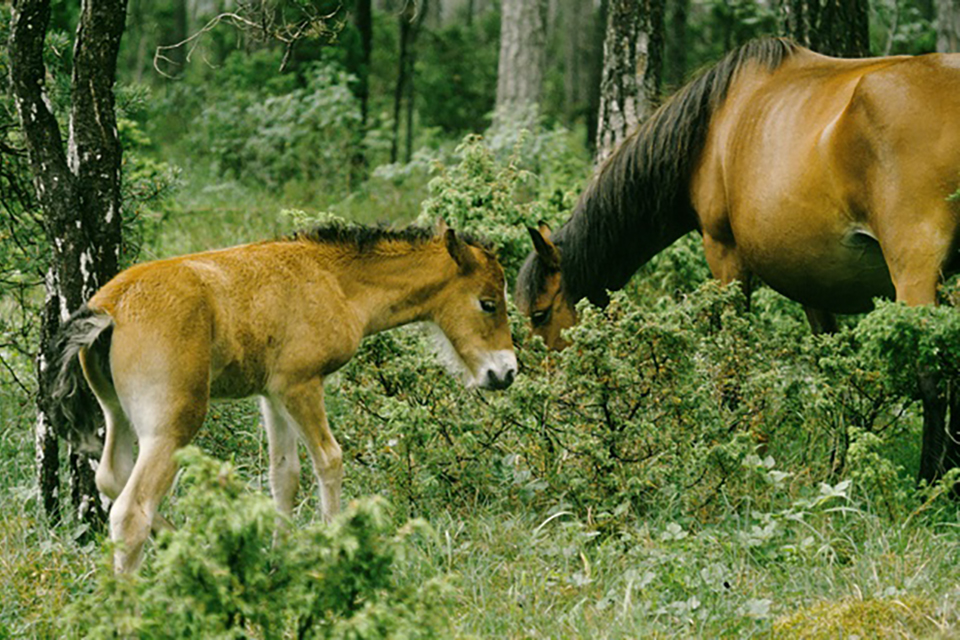
Animals played a large role in Early Medieval Northern and Central Europe animating all from art to religious thinking. Upcoming book tells about burial customs, gravegoods, ornamental art styles and shapeshifting
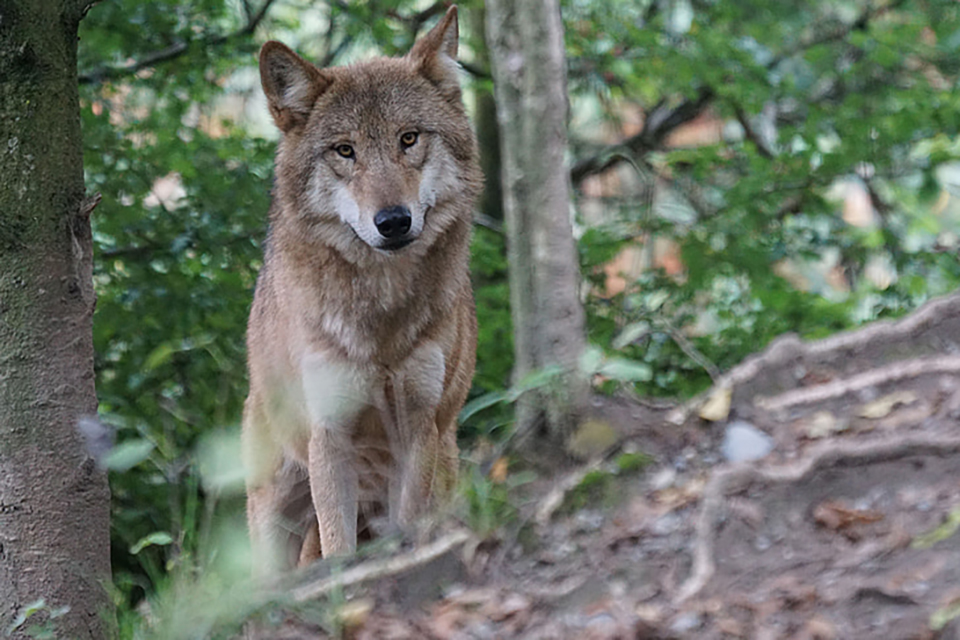
This January, more than 200 hunters from Sweden, Denmark and Norway went on a blood-curling wolf hunt in the Swedish Forests. Might we be inspired by literature to rethink?
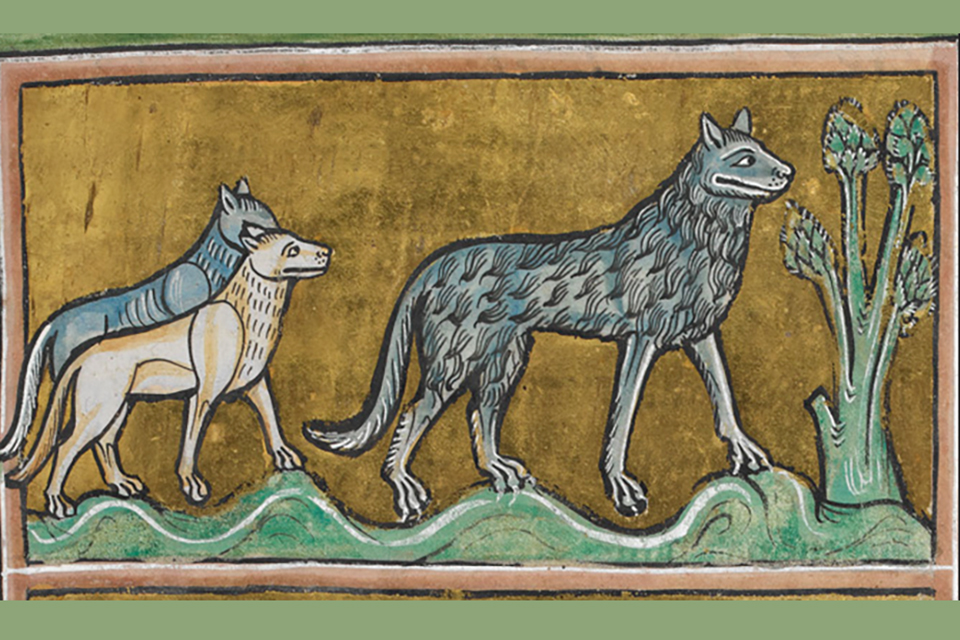
In the Middle Ages, two views of the wolf – as the emblem of the heroic warrior or the embodiment of the devil – fought over people’s minds. A new book explores this complex set of narratives as it unfolds in Early Medieval Literature in England.
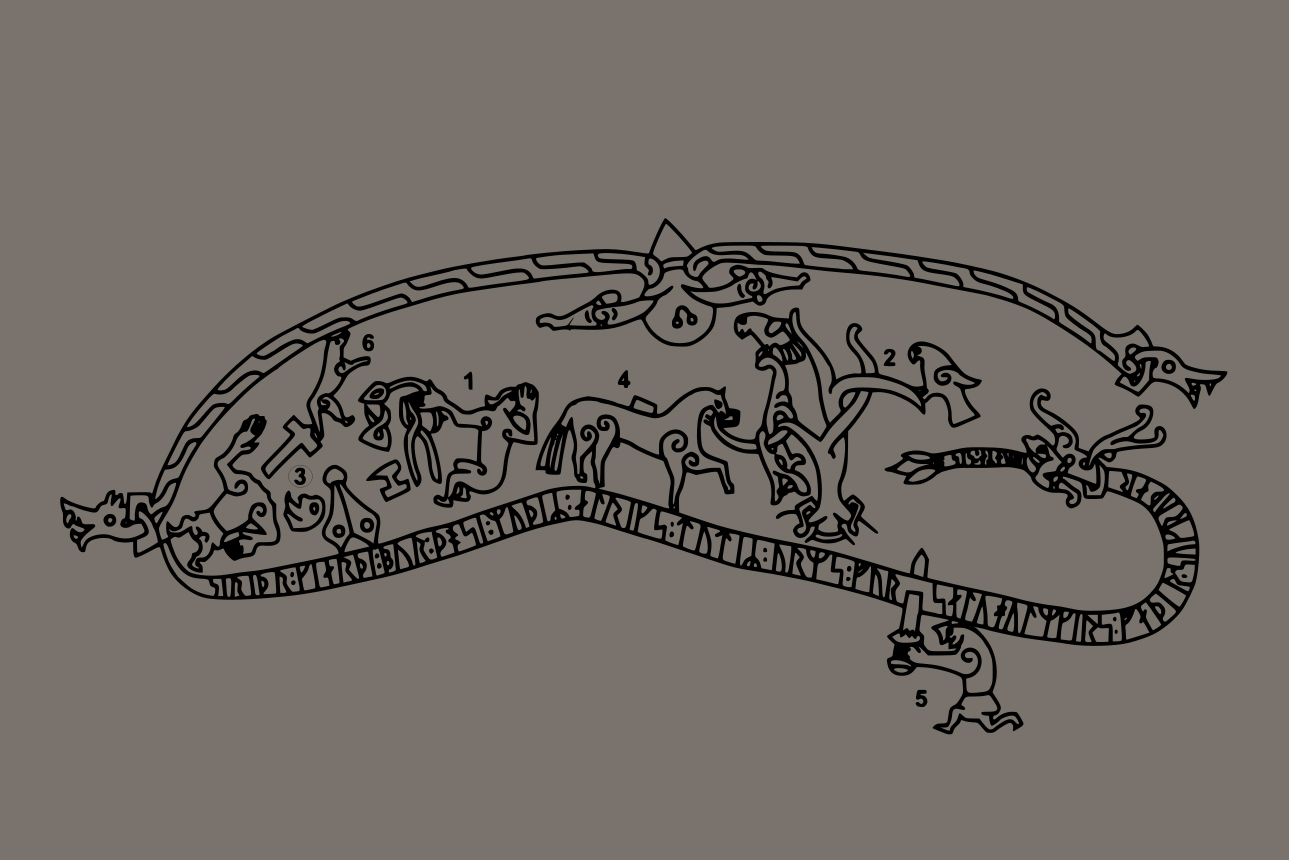
The Old Norse idea of wilderness, landscapes and human beings differed radically from that of Latin and Christian Europe. A new study of ten narratives about wolves in the Old Norse-Icelandic poems, sagas and other texts offers valuable insights into this half-forgotten and complex world
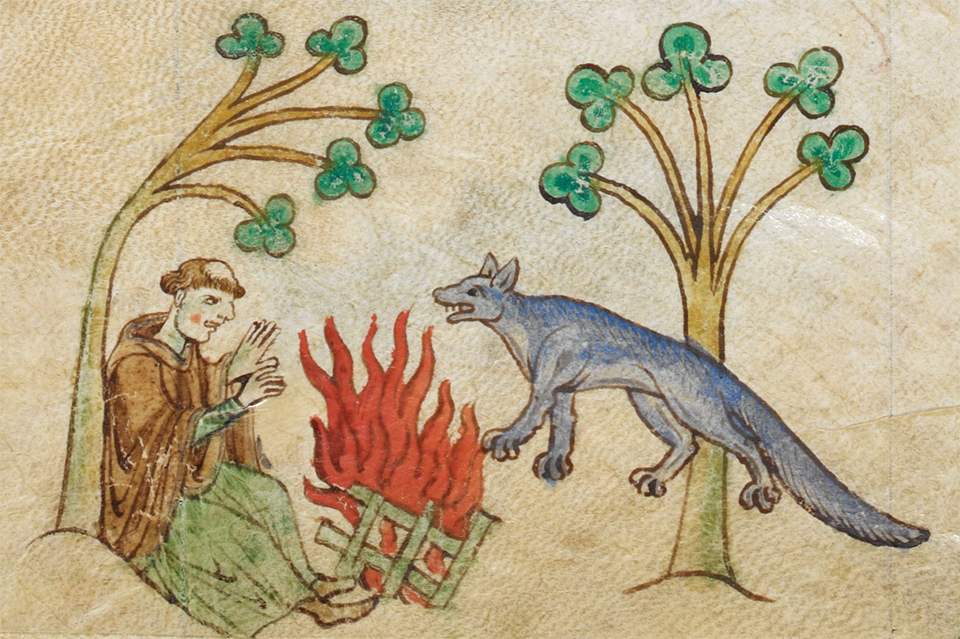
Werewolves are not a distinct species nor a common European literary motif. Rather the idea of the werewolf constitutes a collection of histories or genres differing through time and space.
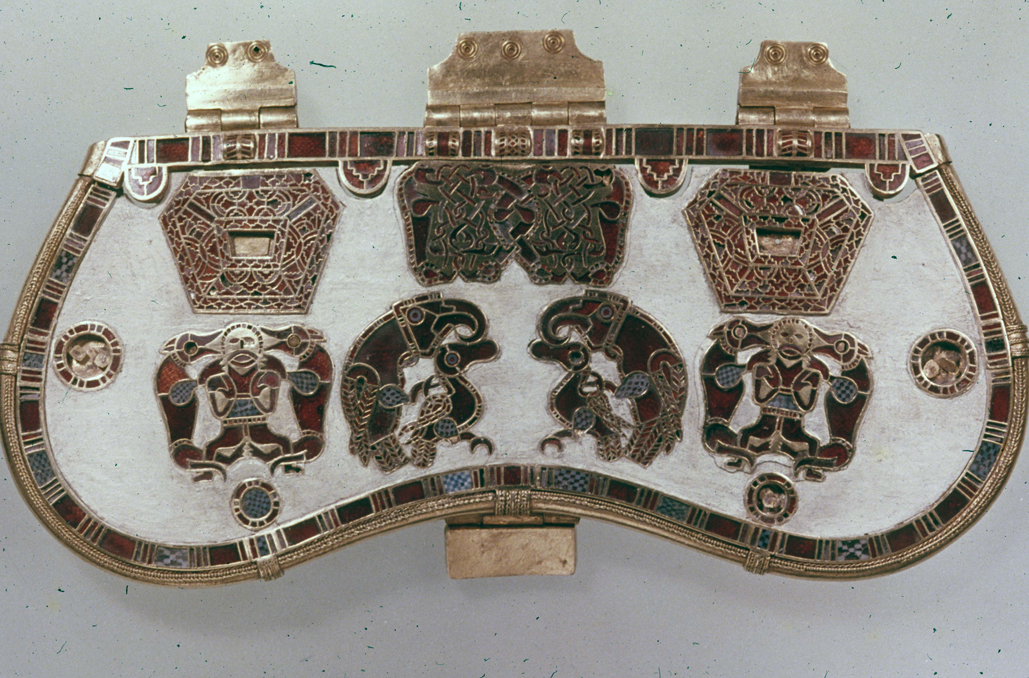
THESIS: The beasts of battle: associative connections of the wolf, raven and eagle in Old English poetry