Recent scientific studies of the bias involved in detecting the DNA of Yersinia pestis in buried individuals from the mid-6th century must lead to a re-evaluation of the consequences of the Justinianic plague
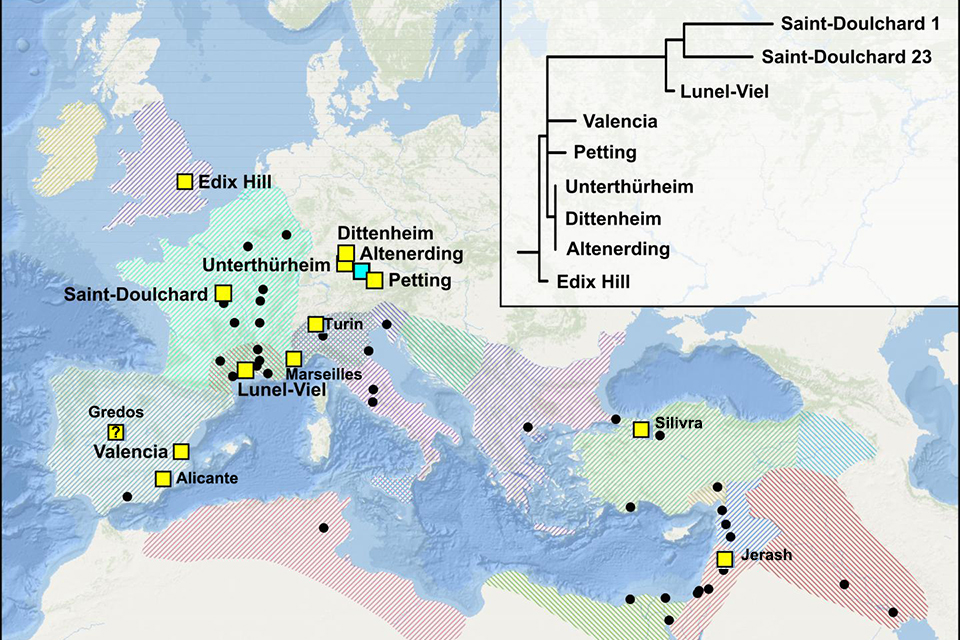
Recent scientific studies of the bias involved in detecting the DNA of Yersinia pestis in buried individuals from the mid-6th century must lead to a re-evaluation of the consequences of the Justinianic plague

The Justinian Plague hit the Mediterranean in AD 541. Historians, archaeologists, and scientists disagree as to the impact the epidemic had on the transformations from Late Antiquity to the Early Middle Ages
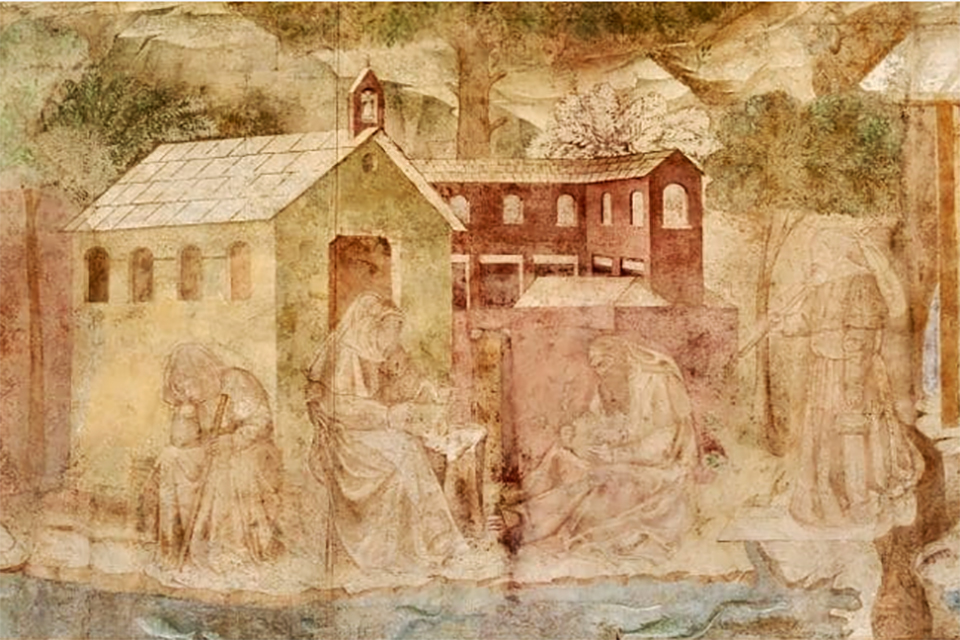
Around 1345, volcanic eruptions led to famine. Following this, the import of grain increased, ultimately leading to the Black Death in Europe.
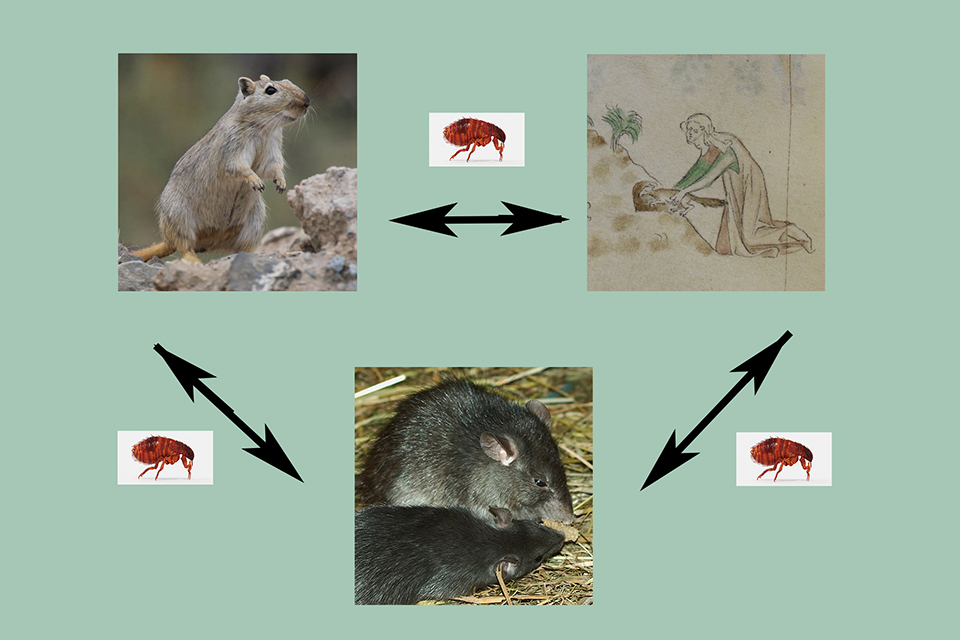
The plague is caused by a zoonotic bacterium, Yersinia pestis. First isolated in 1894, it was identified as the cause of the Hong Kong Epidemic. Later, in the 20th century, the same bacteria were shown to have caused the Black Death. Recently – due to studies of the aDNA – Yersina pestis have also been shown to have caused the Justinian plague as well as very recently epidemic events in prehistory 2800 BC. Also – which the article does not refer to – the discovery of the likely role of a plague epidemic following in the footsteps of the Yamnaia.
During its natural history, the pathogen has undergone numerous mutations at different rates, transforming it from a variant of Yersinia pseudotuberculosis to more or less virulent Yersinia Pestis, traditionally divided into three bio-variations termed the Antiqua, the Medievalis, and the Orientalis – named after three major epidemics, the Justinian Plague, The Black Death, and the Hong Kong epidemic. The three variants may still be found in reservoirs in respectively Central Asia, Siberia and Russia (the Antiqua), Central Asia (the Black Death), and China (Orientalis). However, the biotypes intermingled – also historically. To this should be added the knowledge, that the bacterium mutated while the different waves of an epidemic played out.
Transmission to humans from carriers typically happens via flea bites, but it can also follow through direct contact with infected animals for instance by handling or eating them, or by inhaling aerosols from patients. Modern incidents tell of infections from squirrels, but also via predators infected from carcasses (Pumas in Yellowstone). Plague comes in three forms – bubonic, septicemic and pneumonic. While people can survive bubonic plague, the septicemic and pneumonic forms are 90-100% deadly.
Yersinia Pestis is a highly virulent pathogen known to infect over 200 different mammals. Of these, more than 351 species of rodents can act as hosts, and 279 have been identified as plague carriers. Thus, the former focus among historians on the rat as the main vector would seem to be excessive. Marmots may have played a significant role in the northern parts of Europe, causing the epidemics known as the Sylvatic or (wild) plagues spreading among groundhogs, great gerbils, squirrels, prairie dogs, rabbits, and water voles. Although human contact may at first sight be expected to be rare, hunters and trappers in Siberia and further west into Scandinavia, would historically be daily exposed, thus explaining the heavy toll that the Black Death also had in secluded spots in Norway and Sweden (as well as during the Justinian plague in Bavaria). Today, the so-called wet markets in China and Asia are not just potential petri dishes for viruses like Covid but also plagues.
As opposed to the Sylvatic plagues, the Urban form is epidemic and relies on rats as the hosts and fleas as the vectors. However, the epidemic character of the urban plague has also to do with the fact that written documentation describes them as such. As opposed to this, the sylvatic form is only known from archaeology and paleo-genomics, leading to a more confused impression, such as the puzzlement forged by the pattern of infections and mortality in Norway (with no particular black rat population in the interior, see Benedictow).
Exactly how lethal the different plagues hit, has been debated. Currently, though, the opinion is that the plagues hit hard, albeit at different levels in different regions and types of settled areas, ranging – during the Black Death – between 30 – 50% with averages of 45%. The recurrent infections also raise questions which need to be addressed in the future. As is known, the Black Death was not just a one-off epidemic hitting Europe harshly between 1348-51. For at least 350 years, outbreaks continued. Were they sourced in natural reservoirs? Or did they take place due to the constant mutations of the bacterium and its ability to bypass the developing immune system of people?
One particular element to be considered in the future (and which the review does not consider) will be the interplay between climate deterioration and the four great plagues. The plague victims discovered in graves from 3000-2800 BC, played out during the so-called neolithic decline when a unique combination of solar activity, cosmic rays and decentering of the geomagnetic fields took place. This might be compared to the chronological correspondence between the volcanic-forced LALIA AD 536-41 and the Justinian plague. Finally, the climatic downturn took in the later Middle Ages, which ultimately leading to the Little Ice Age coincided with the eruption of the Black Death. The mechanism appears to be the increase in the number of rodents seeking food and shelter at times of famine. Also, less favourable climatic conditions may cause rodent populations to collapse, forcing the fleas to migrate to other mammals; that is people.
The Natural and Clinical History of Plague: From the Ancient
Pandemics to Modern Insights
Antoni Bennasar-Figueras
In: Microorganisms, January 2024. Open Source
Yersinia pestis: the natural history of plague.
By Barbieri, r., Drancourt, M. et al.
In Clinical Microbiology Rev 34:e00044-19
Emergence and Spread of Basal Lineages of Yersina pestis during the Neolithic Decline
By Nicolas Rascovan, Karl-Goöran Sjögren, Kristian Kristiansen, Rasmus Nielsen, Eske Willerslev, Christelle Desnues, Simon Rasmussen
In: Cell 2019, vol 176, pp 295 – 305
Source:
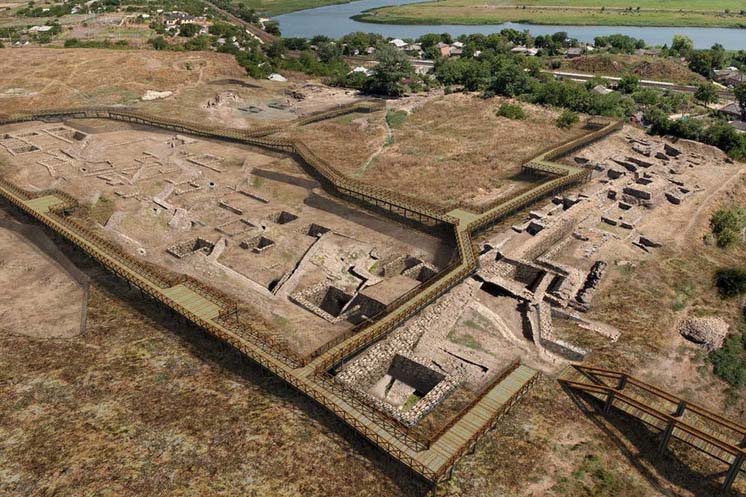
Laying the Corpses to Rest: Grain, Embargoes, and Yersinia pestis in the Black Sea, 1346–48
By Hannah Barker
In: Speculum (2021), Vol. 96, No. 1, pp. 97–127
When, how, and why did the Black Death reach Europe, and why were the results so devastating? Recent phylogenetic studies of the bacterium Yersinia pestis have demonstrated that the specific strain responsible for the catastrophe developed in China in the first half of the thirteenth century. The bacterium then took approximately 150 years to reach the area near Lake Issyk-Kul in modern-day Kyrgyzstan, where tombs dated to 1338–1339 bear witness to an outbreak. From there, it took approximately seven years to reach the Venetian colony of Tana, near the Sea of Azov, and Solgat in the Crimea. From these locations, it spread to Constantinople and then to the major ports and trading hubs of the eastern Mediterranean, such as Alexandria, Messina, Genoa, Marseille, Ragusa, and Venice. Finally, the disease spread inland as well as northwards.
This leads to a specific question: why did the pestilence gain such gravitas at this particular moment? Why did it “suddenly” erupt with such violence? And, if at all, to what extent was this caused by endemic reservoirs that had survived from the Justinianic plague of the sixth century? Archaeologists and scientists are currently studying the different strains of the bacterium and how they shaped the course of the European catastrophe.
Sources produced by people present in the Black Sea region during the Second Pandemic—including Genoese colonial administrators, Venetian diplomats, Byzantine chroniclers, and Mamluk merchants—offer an important perspective. They show that the Venetian community at Tana played a significant role in plague transmission; that it took over a year (from spring 1346 to autumn 1347) for the plague to cross the Black Sea to Constantinople; that people crossed the Black Sea in 1346, but commodities did not, owing to a series of trade embargoes; that grain was one of the most important Black Sea commodities in both volume and strategic value; and therefore that the embargoes of 1346 delayed plague transmission by temporarily halting the movement of grain, along with its accompanying rats, fleas, and bacteria.
When Venice, Genoa, and the Golden Horde made peace and lifted their embargoes in 1347, both the grain trade and the spread of plague resumed, precipitating the later European disaster and devastation.
In a brilliant and detailed exposé of the evidence provided by letters, diplomatic reports, legal documents, and chronicles, the historian Hannah Barker lifts the veil on these crucial political manoeuvres, which delayed the spread of the pestilence.
Recent studies from 2025 supplements this study by demonstrating how a forced volcanic climatic cooling-off of the Mediterranean region in the year 1346 led to a significant drop in average temperatures of between 1.5º and 2º, which caused widespread famine. Although not as harsh as the downturn caused by the Samala eruption in 1256, this led to an invigorated diplomatic effort to have the embargo lifted so that cities in Italy might lessen the strain by importing grain. Ultimately this is claimed to be the last missing piece. However, the question still remainss, to which extent and how, bacterial reservoirs and other rodents than the black rats played a role in the north of Europe.
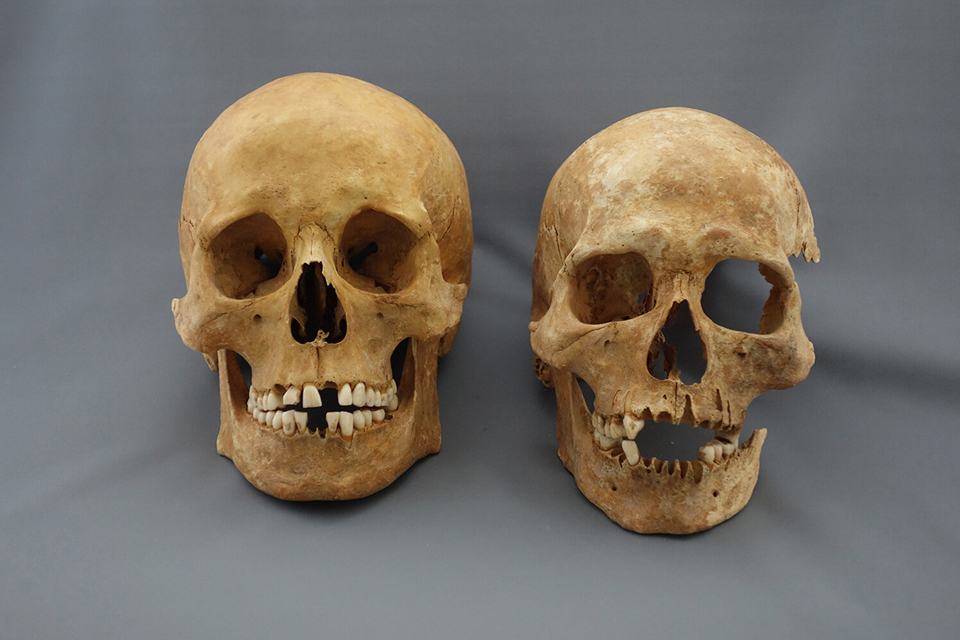
How widespread was the Justinian Plague in the 6th century? And how devastating? New research indicates a situation much like that of the Later Middle Ages.
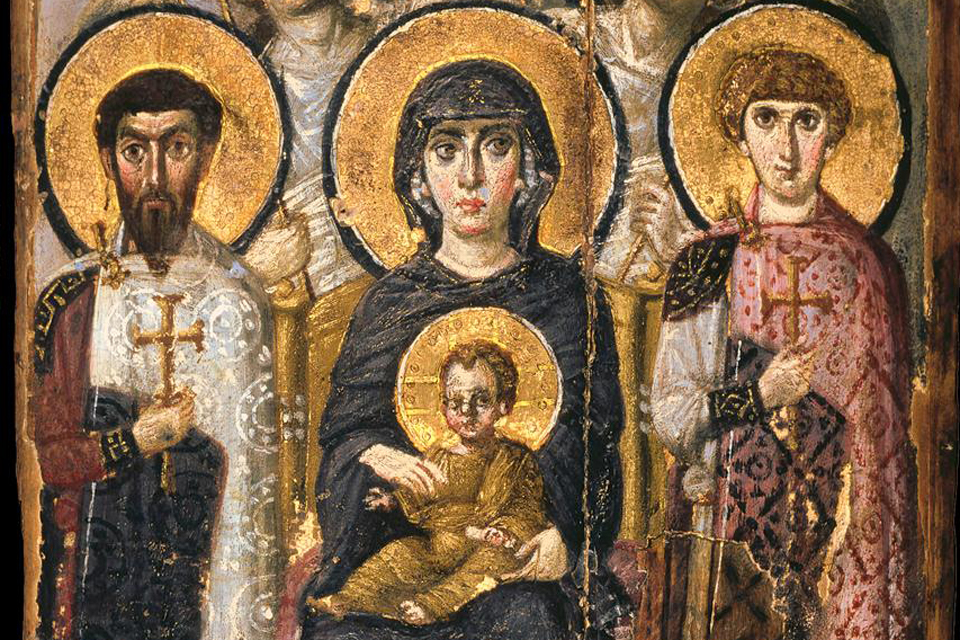
What were the consequences of the Justinian Plague in the 6th century? How did people react to the pain and suffering, which by all accounts were just as devastating as those in the 14th century?
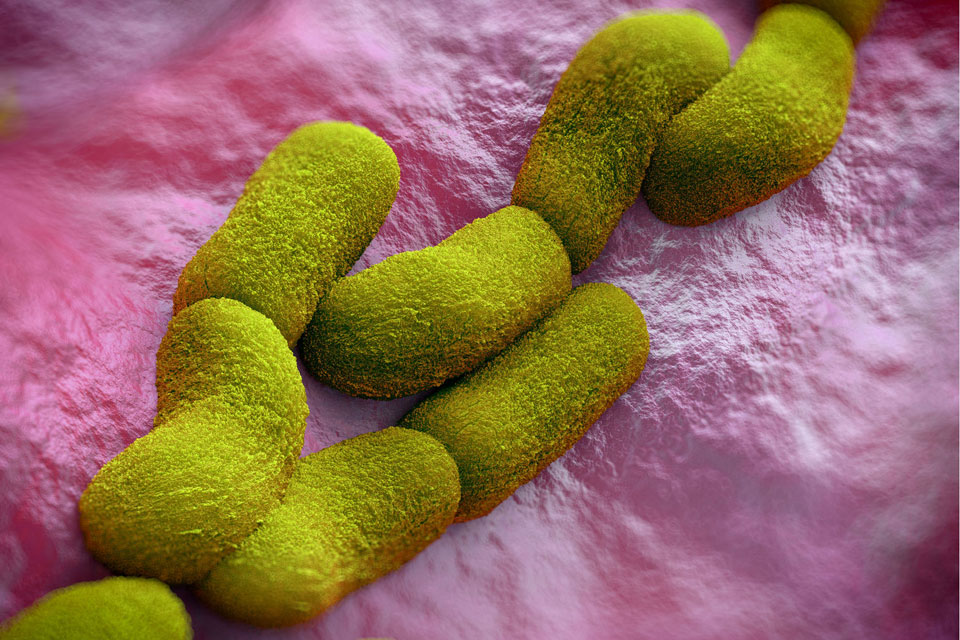
New overview of mass-graves s offers tantalising glimpse of how to measure the impact of the Justinian Plague on the "Fall of Rome".