Was the plague brought to people by rats or human lice? How severely did the pestilence strike? What may we learn from modern epidemics? New research shed light on some old conundrums.
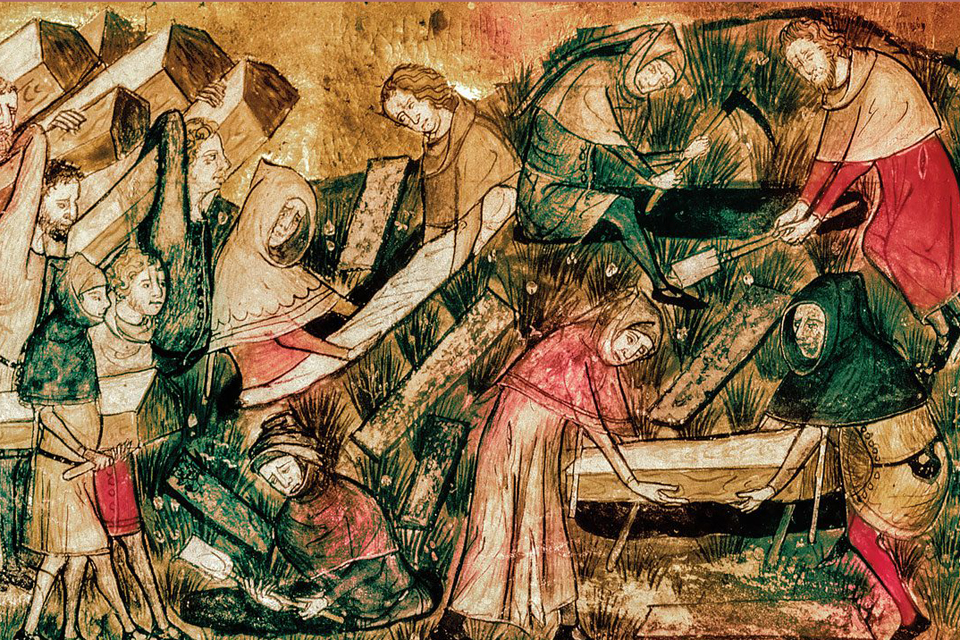
Was the plague brought to people by rats or human lice? How severely did the pestilence strike? What may we learn from modern epidemics? New research shed light on some old conundrums.
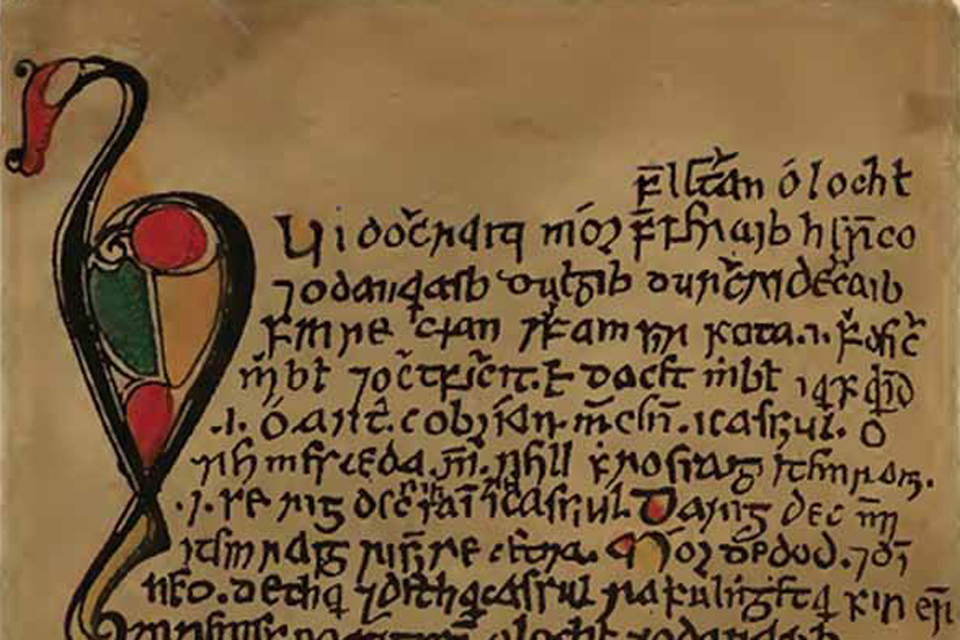
Network analysis of the Viking Age in Ireland as portrayed in Cogadh Gaedhel re Gallaibh reveals the cultural difference between Vikings and the Irish
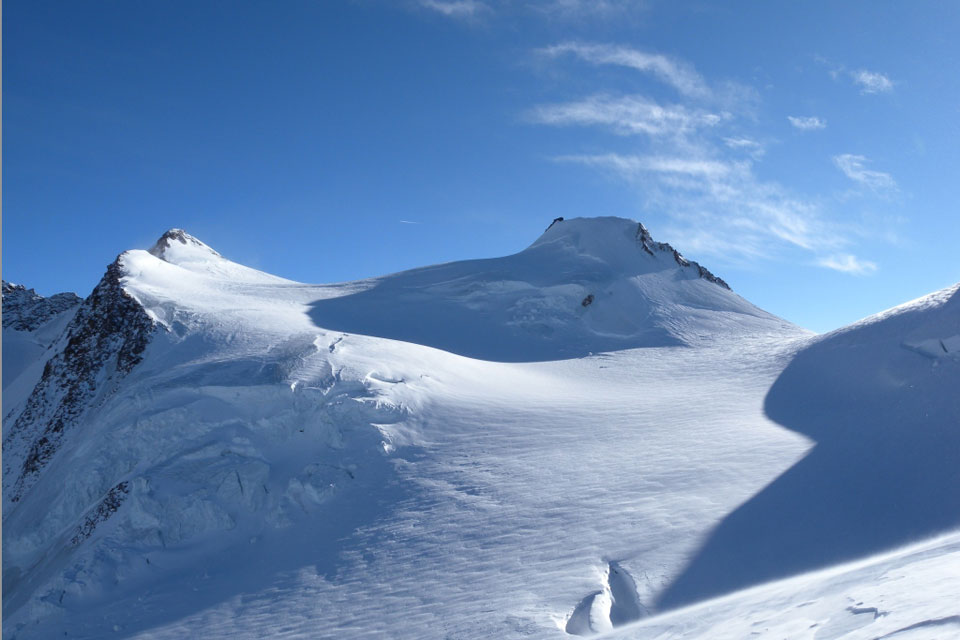
New studies of the levels of atmospheric lead as evidenced by icecores drilled from an Alpine Glacier lets scientists gauge the devastating effects of the Black Death on Economy and Society. It appears all ground to a halt.
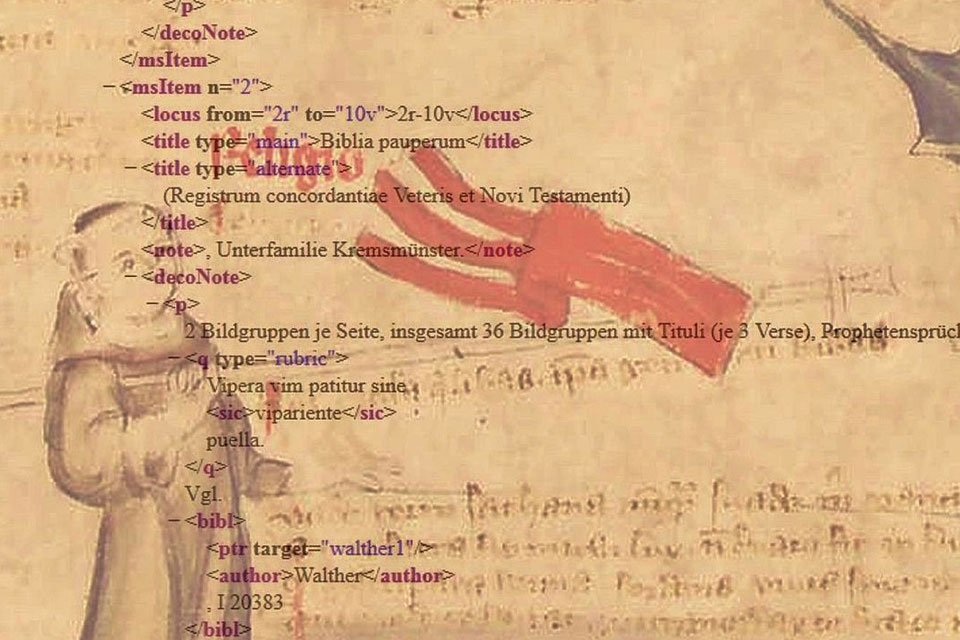
Manuscripta Medievalia is a classic example of a digitisation project overrun by technological advances. A group of German medievalists will remedy this.
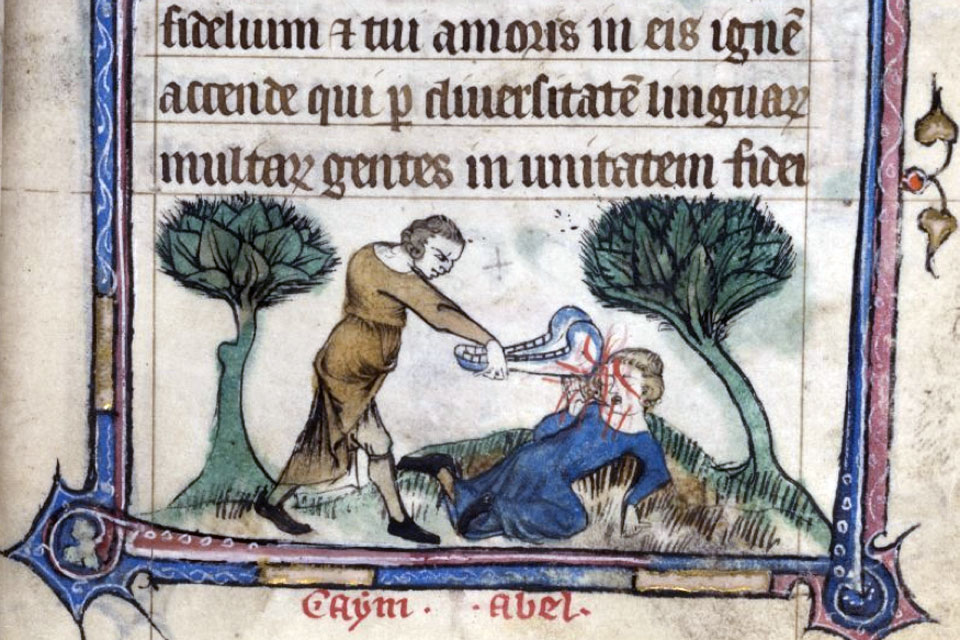
The chances of dying from violence in the Middle Age were seven times higher than it is today. It appears culture and state-formation plays important roles.
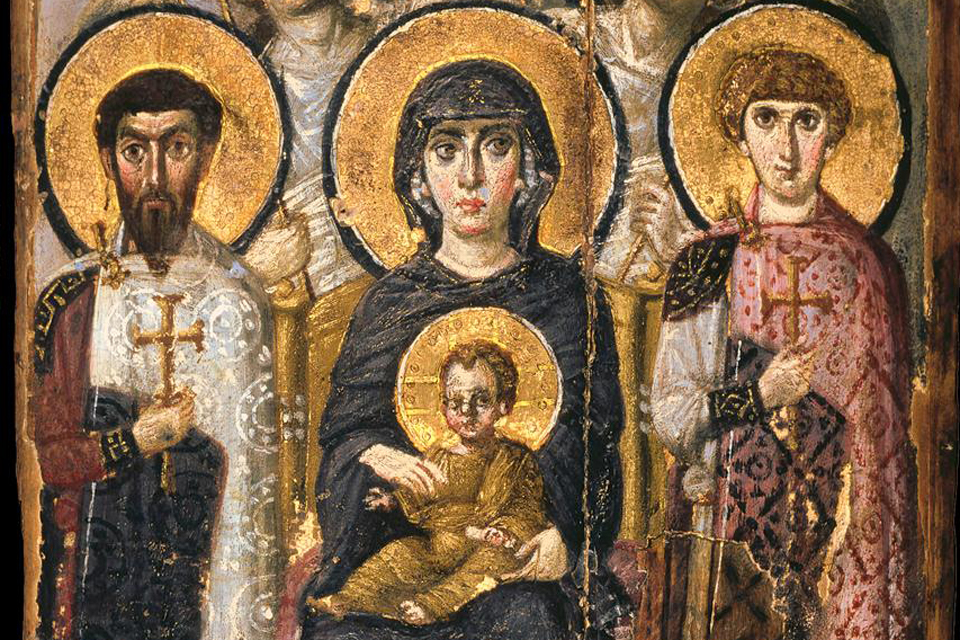
What were the consequences of the Justinian Plague in the 6th century? How did people react to the pain and suffering, which by all accounts were just as devastating as those in the 14th century?
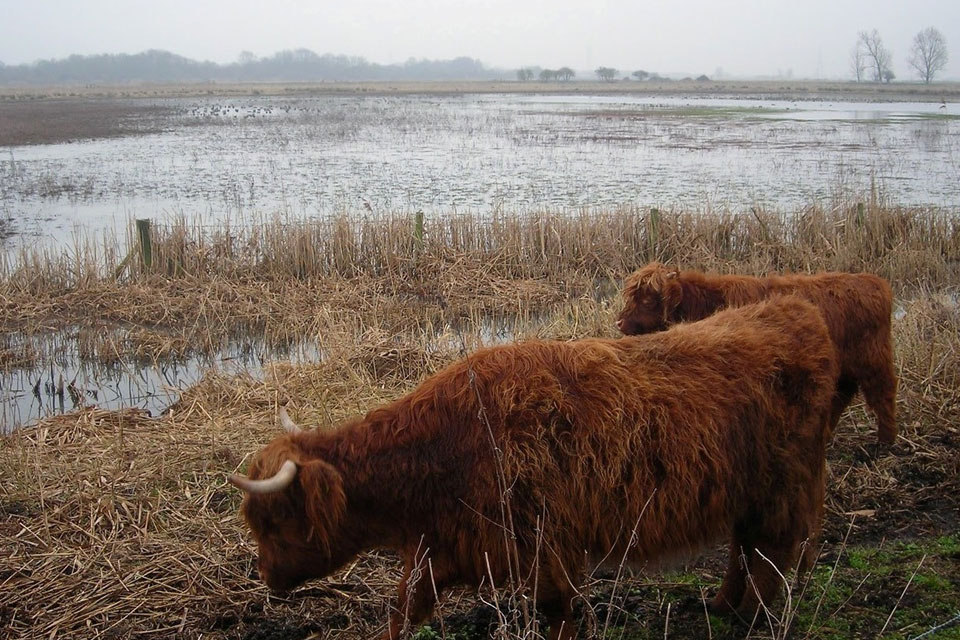
New studies of the use of the fluid landscape in the Early Medieval Fenlands point to a continuity in the settlement-structure from pre-Roman times
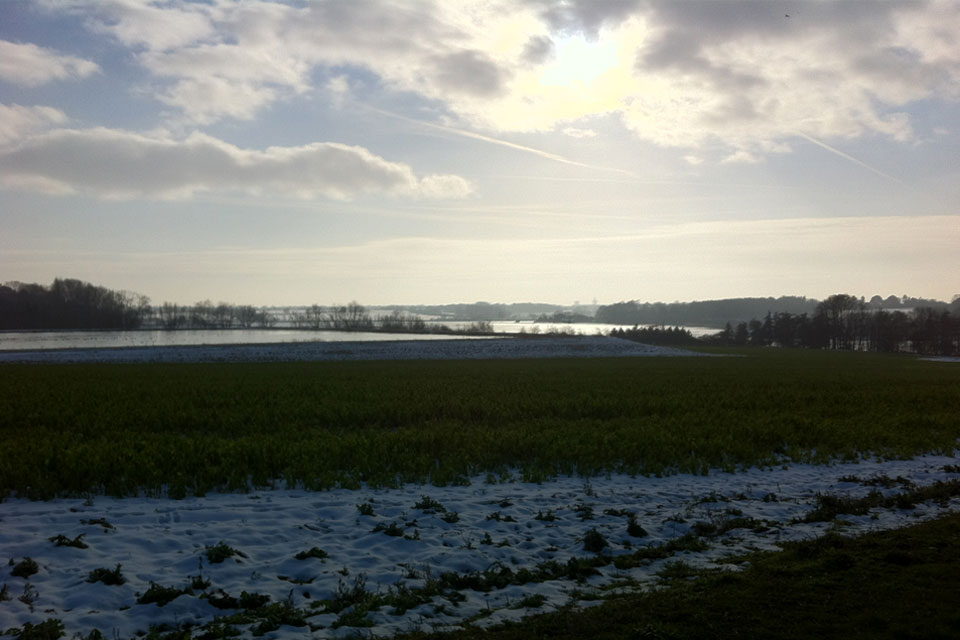
Rendelsham is located five km north-east of Sutton Hoo and known as an early Anglo-Saxon emporium. Recently a royal mead-hall was discovered there
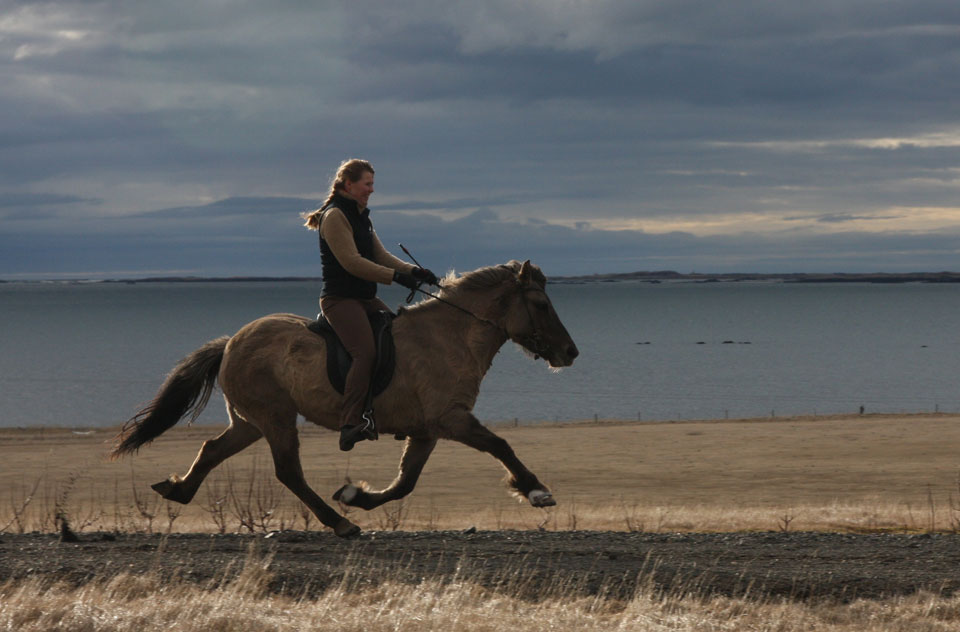
Icelandic Viking horses are known for they ambling gait. Following the gene, scientists now suggest that the first Icelandic horses were in fact English
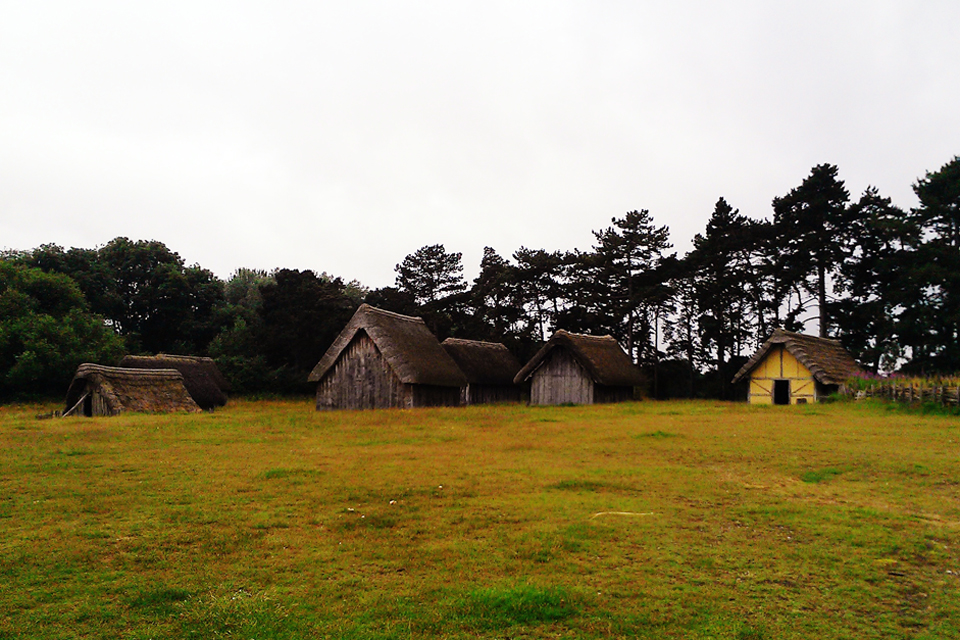
Bede used charters and other written documents while writing his histories. Careful sifting of the evidence reveals that he also used a now lost "Tribal Hidage".
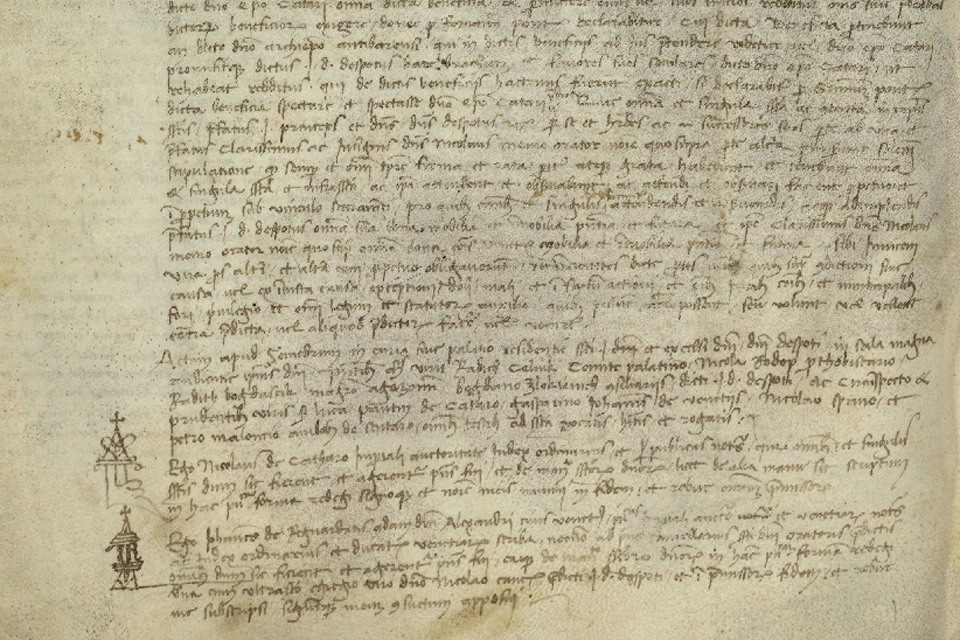
Medieval charters are valuable resources for writing local histories of landscapes and lives. But they are also useful when studying networks through time
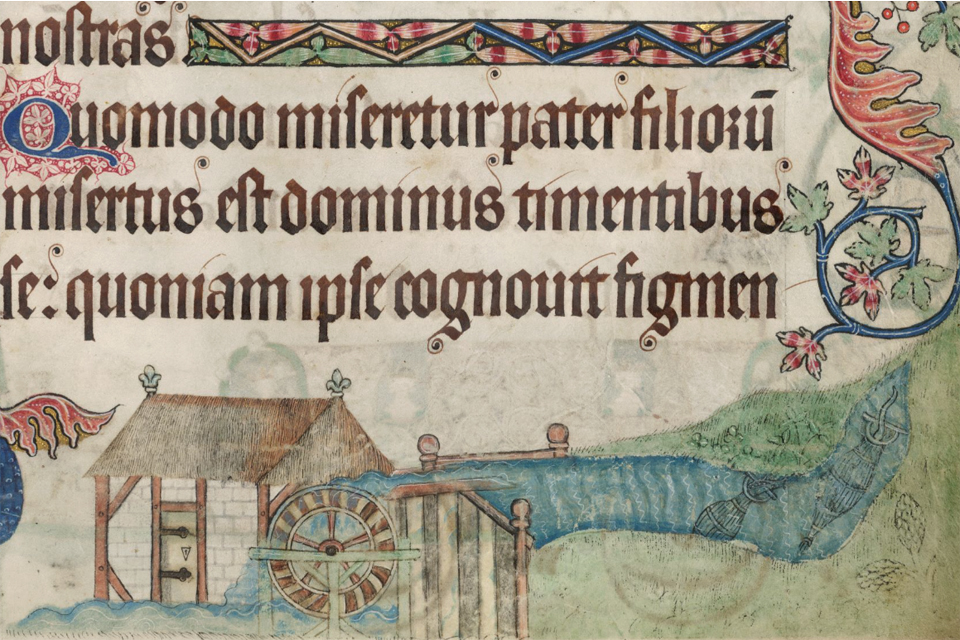
Salmon declined severely after 1400. New study demonstrates that the culprit was the explosion in vertical water mills and not overfishing or contamination
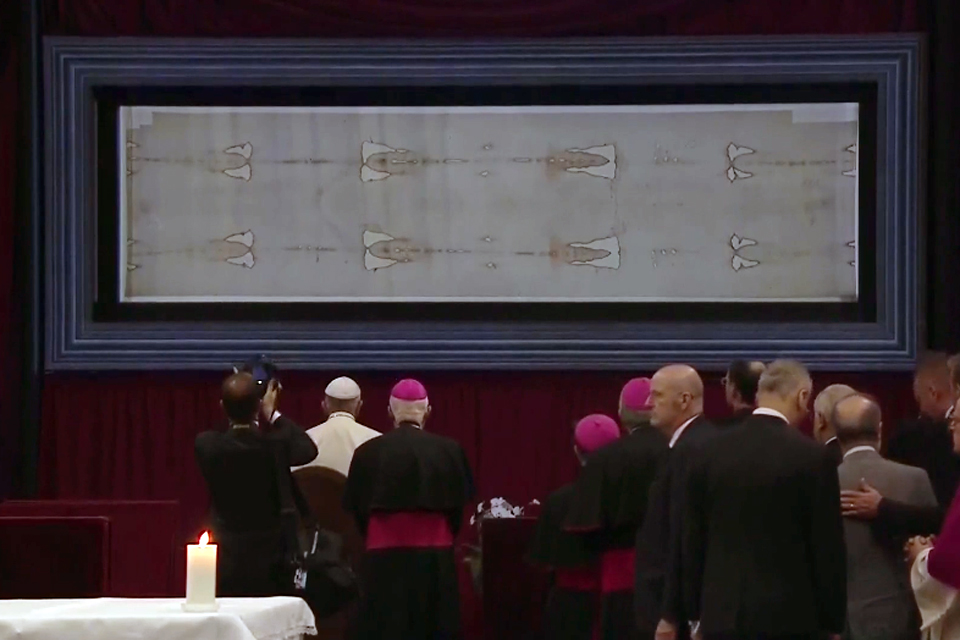
The Turin Shroud is one of the most contested relics in Christianity. New article (2016) calls for renewed studies of the ancient DNA in the blood-stains
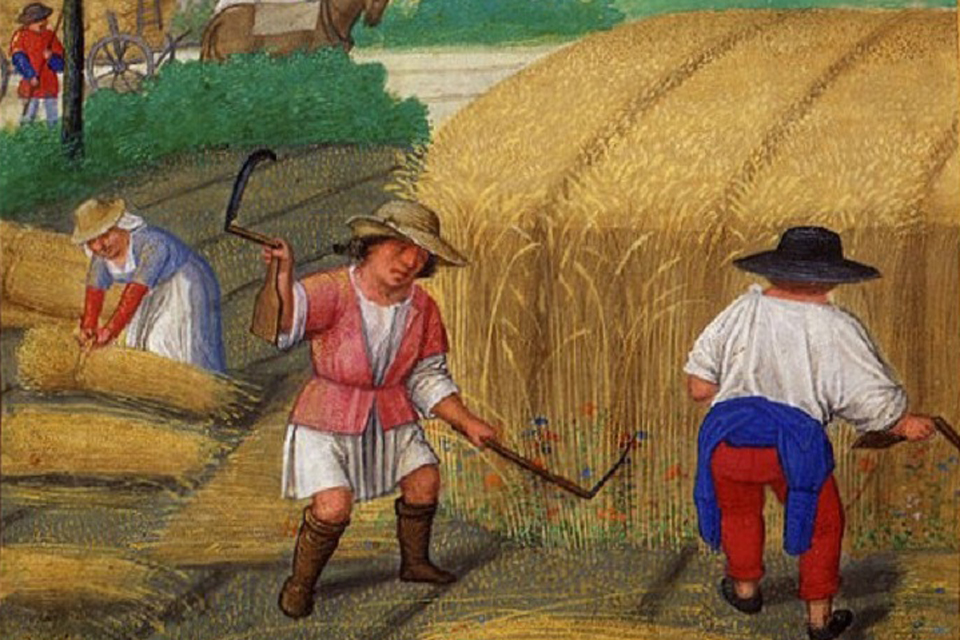
How come the economy did not ground to a halt after 1349 - 50, but rather witnessed growth? New article aims to shed light on this conundrum
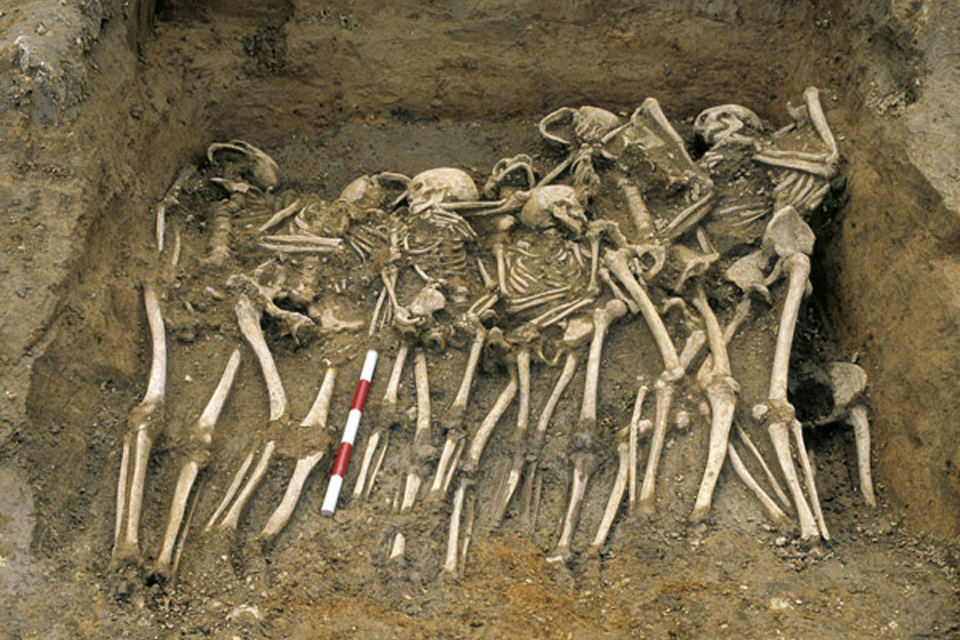
Medieval Famines occurred from time to time. The question is whether some individuals were more prone than others to outlive a period of harsh conditions.
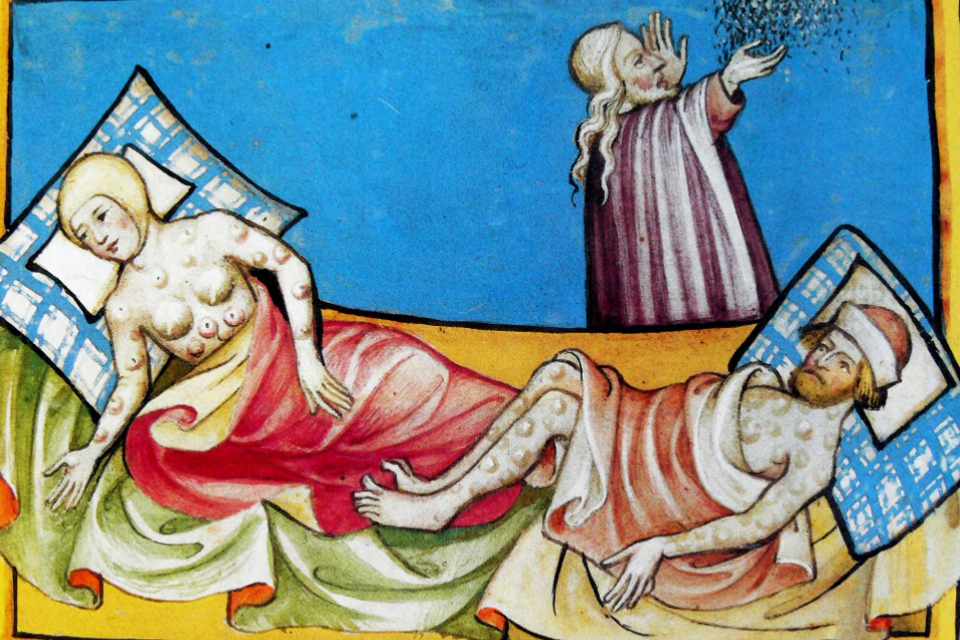
New path-breaking research not only shows that the Black Death was as calamitous as previously thought, but also opens up for micro-mapping of the events