Along a small scenic route leading into the hilly countryside not far from Sarsina on the motorway between Ravenna and Citta di Castello lies a small church at Monte Sorbo. Although secluded it is well worth a detour.
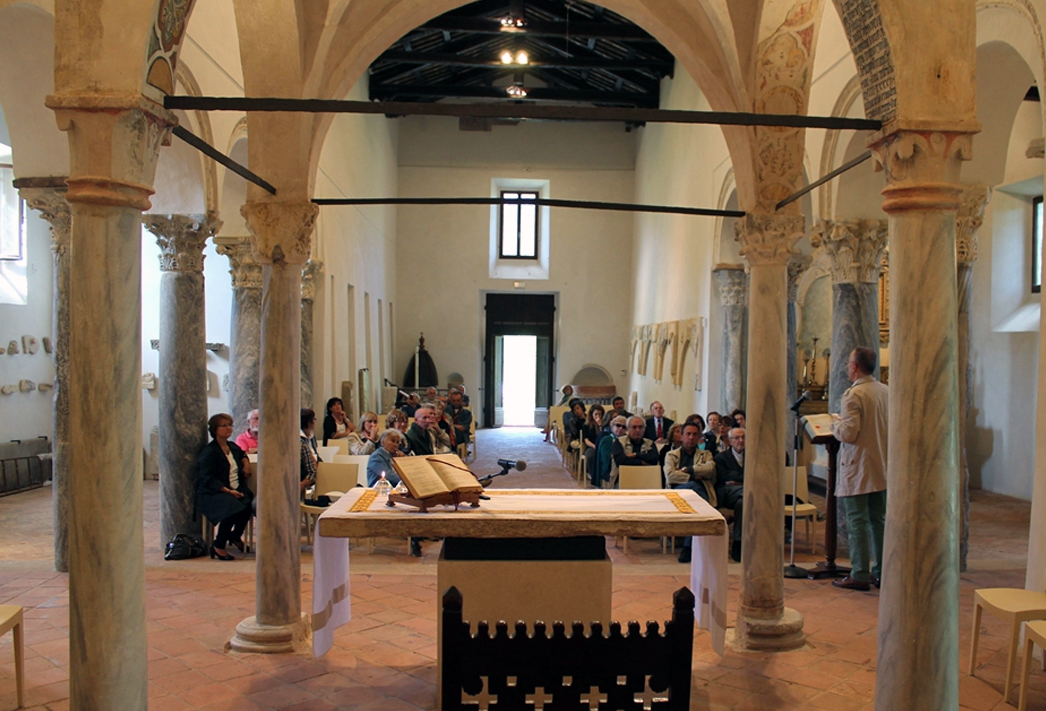
Along a small scenic route leading into the hilly countryside not far from Sarsina on the motorway between Ravenna and Citta di Castello lies a small church at Monte Sorbo. Although secluded it is well worth a detour.
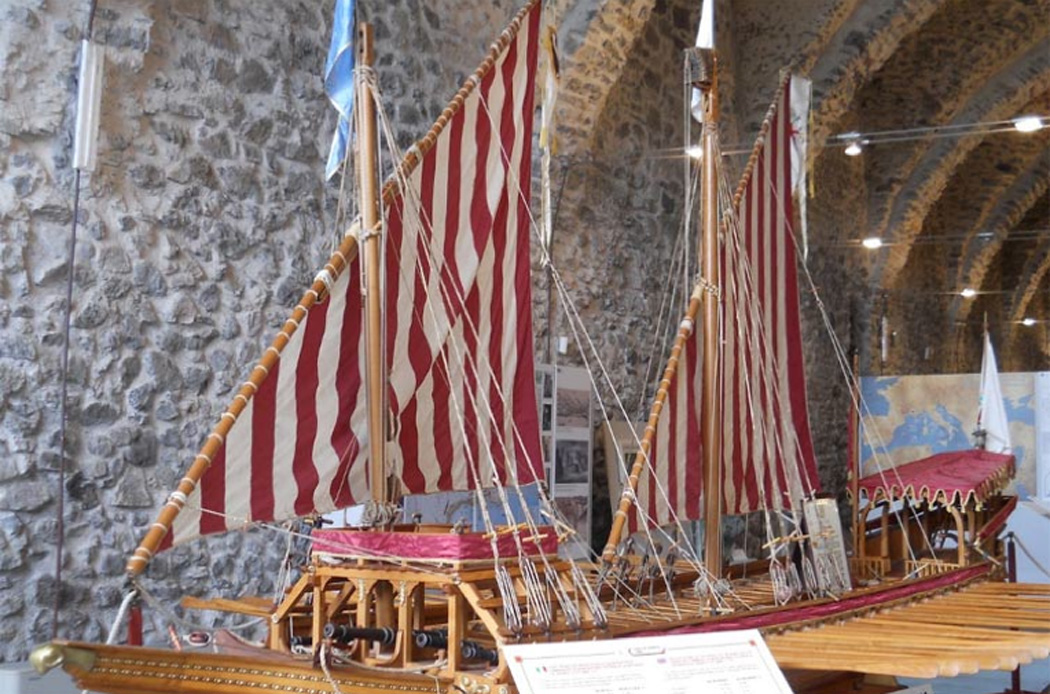
Which organic additives did Medieval people use to get their mortar to bind?
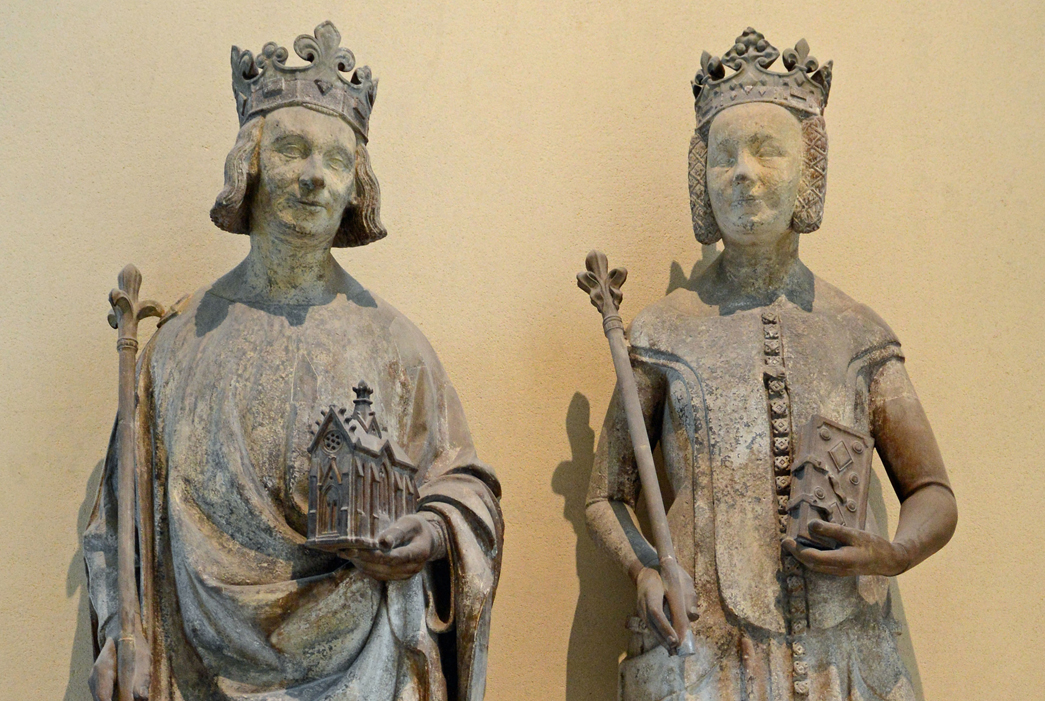
How did a late medieval king conduct his business? What did his daily life look like? Recent studies of Charles V, King of France (1338 – 1380) reveals a way of life that is quite different from what we might first think.
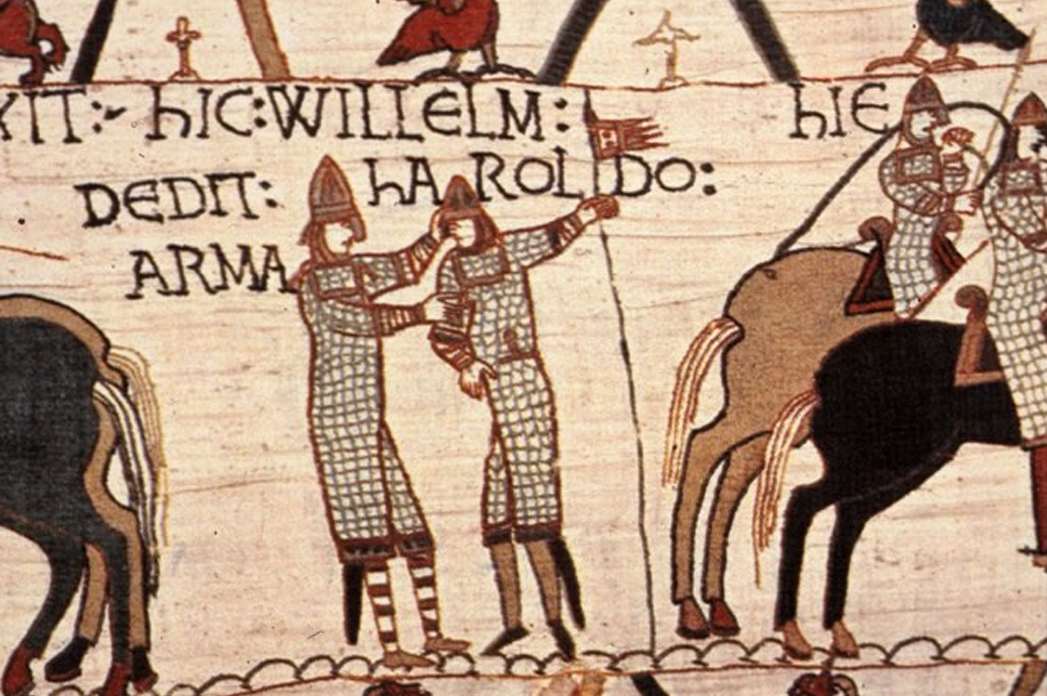
The roots of the knighting ritual can be found in the 11th century when a set of rituals developed in the triangle of Normandy, Flandern and France, dedicated to mark the coming of age of young men
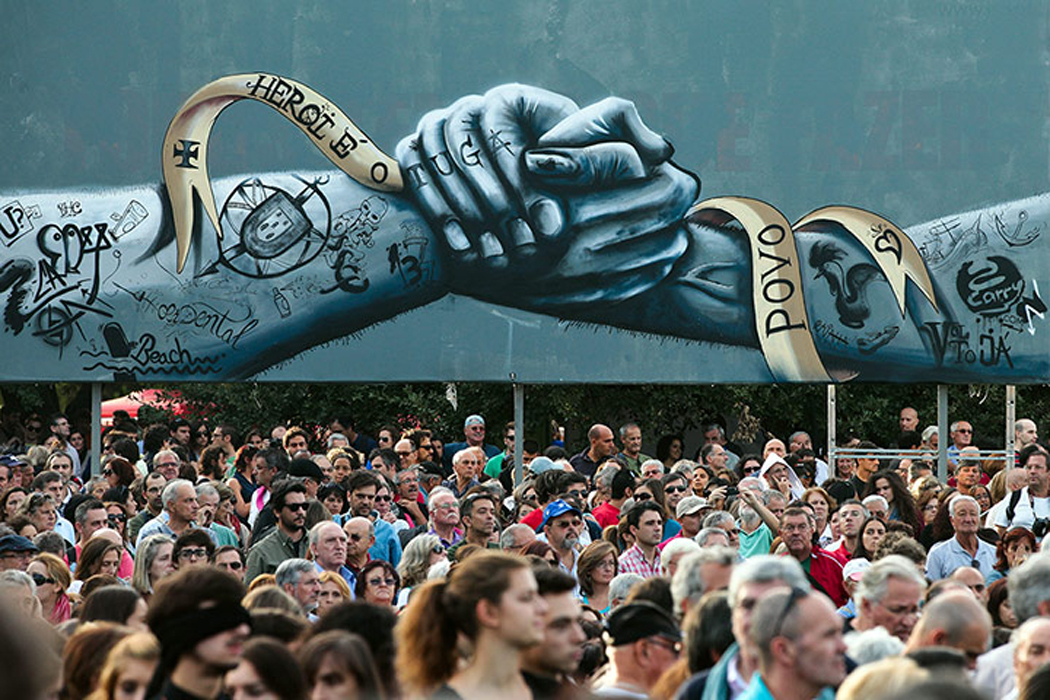
Lack of Medieval Male Heirs led to conflicts and instability and slowed down economic development. The consequences can still be detected in modern European national and regional economies. It appears Henry VIII was right to fret about his lack of male heirs!

How should we wield toleration in the 21st century? May we perhaps learn from the Middle Ages? This question will be debated at Kalamazoo in May

Wienhausen, a convent near Lüneburg has preserved a remarkable heritage of religious art in the form of murals, sculpture, textiles and texts. Touching the Risen Christ was the high point
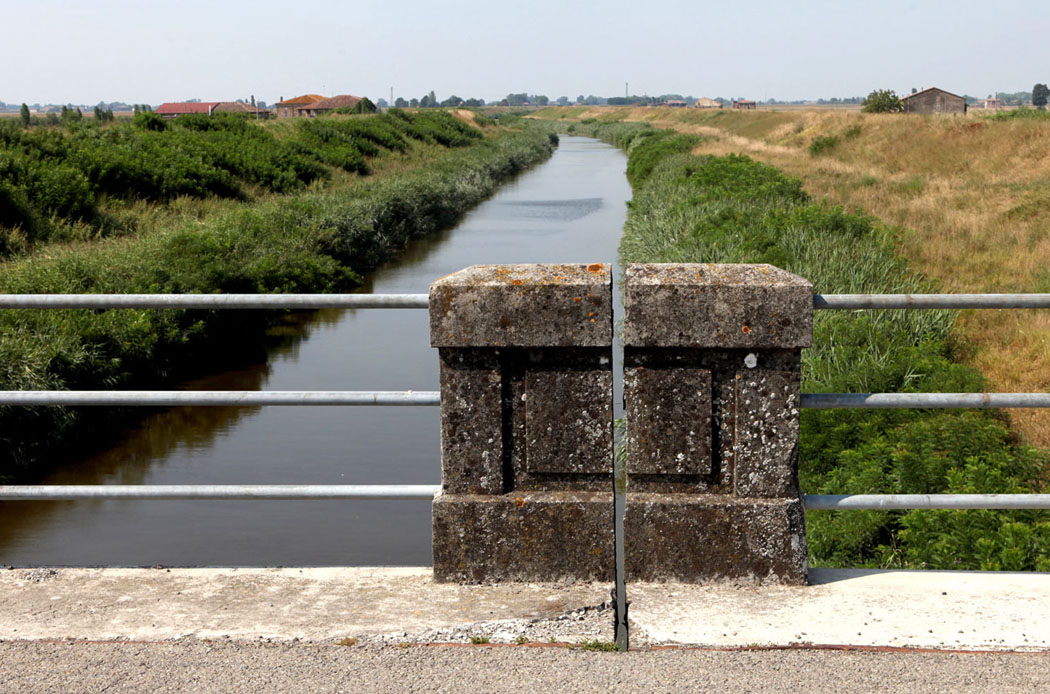
Genetic studies have demonstrated that a significant part of the population in San Giovanni in Persiceto near Bologna may perhaps trace its roots back to the Lombard invasion in the 8th century
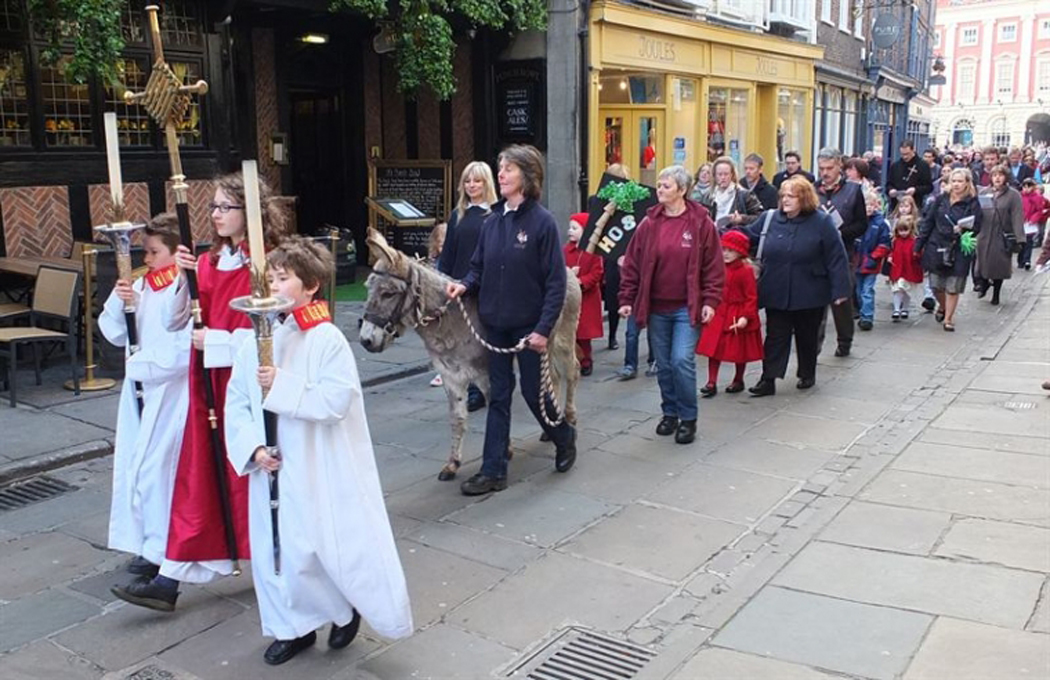
When staging the Entry into Jerusalem, Medieval York simply turned into Jerusalem in the eyes and minds of the audience and performers
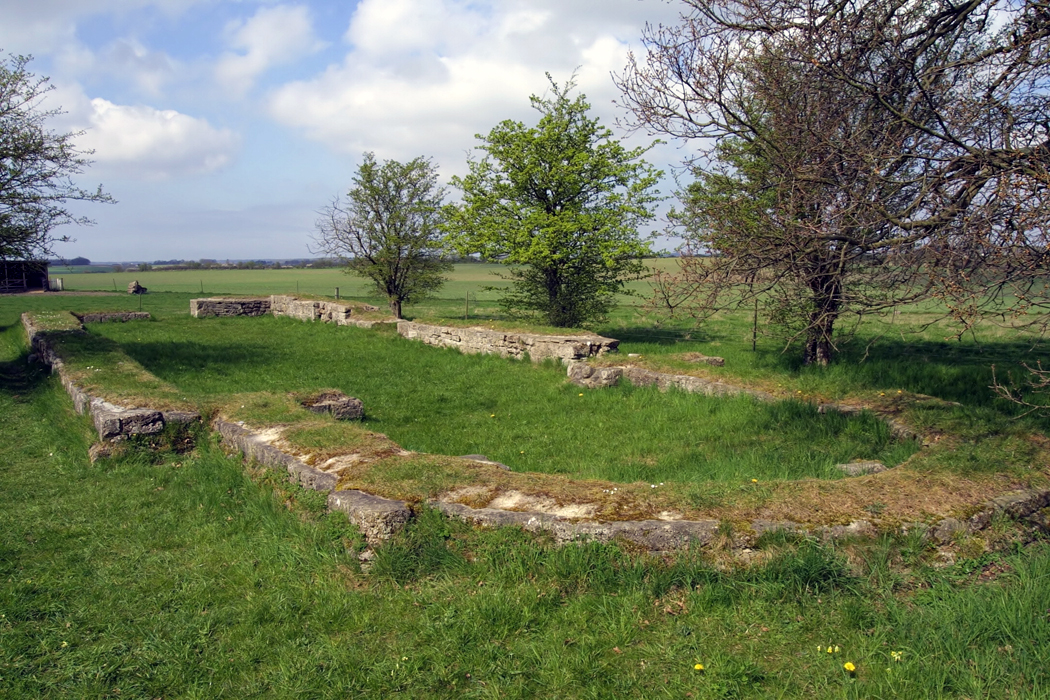
There is a clear link between the celebration of local saints and the ecclesiastical administration, which emerged in Scandinavia in the 12th century

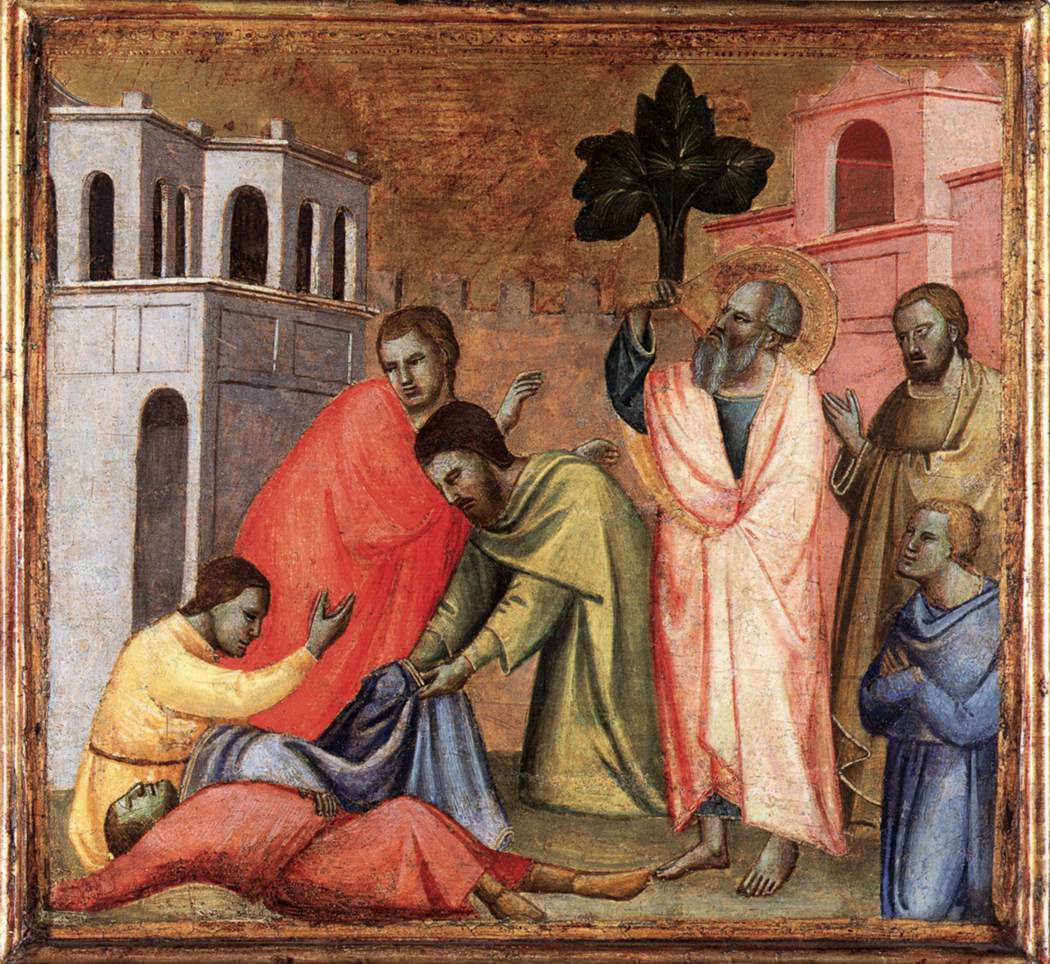
Digital imaging of paintings has made rapid progress in the last decade as more and more museums agree to open up their collections of photos to the joy of both lay and learned. Now researchers have come to a point where it is possible to perform statistical analysis of a large-scale database of paintings to create a bridge between art and science.
Using digital image processing techniques, a group of scientists have investigated three quantitative measures of images – the usage of individual colours, the variety of colours, and the roughness of the brightness.
Overall, they found a difference in colour usage between classical paintings and photographs, and a significantly lower colour variety in art from the Middle Ages.
The digital images were obtained from the WEB Gallery of Art, which has a searchable database for European paintings and sculptures consisting of over 29,000 pieces ranging from the years 1000 to 1850. Most of the identifiable images contain information of schools, periods, and artists, and are good quality in resolution to apply statistical analysis.

In their own words, the scientists have analysed artistic styles “various statistical techniques such as fractal analysis1, the wavelet-based technique, the multi-resolution hidden Markov method, the Fisher kernel based approach, and the sparse coding model,. Recently, these methods have also been applied to other cultural heritages such as and music. Such quantitative analysis is called “stylometry,” which originates from literature analysis and is used to identify characteristic literary styles” (See article for references).
In the present articles (probably the first of many) the researchers have focused on the usage of colours, the variety of painted colours and the roughness of the brightness of images.
These analyses tells us, that while an explosion of colours may be detected from the Early Renaissance and onwards, artists in the middle ages preferred (or were obliged) to limit themselves significantly.
First of all, specific rare pigments and colours were preferred for political (red) and religious (blue) reasons. To this, however, should also be added technical reasons: the techniques of mixing oil colours was not fully developed. To this might be added that specific techniques of painting like chiaroscuro and sfumato were not yet invented or applied. Hence the feeling that medieval paintings might seem rather flat and uninteresting compared to the output of the Renaissance and later.
Perhaps, though, the Middle Ages did produce at least some artists, who were never boring. For instance, who has ever been bored visiting the Capella Scrovegni in Padua with the paintings of Giotto?
In view of such reflections it might be interesting to get a list of the different artists in the database ranked according to their “boringness”. Perhaps published on the internet?
Large-Scale Quantitative Analysis of Painting Arts
Daniel Kim, Seung-Woo Son & Hawoong Jeong
In: Nature Scientific Reports 4, Article number: 7370 doi:10.1038/srep07370
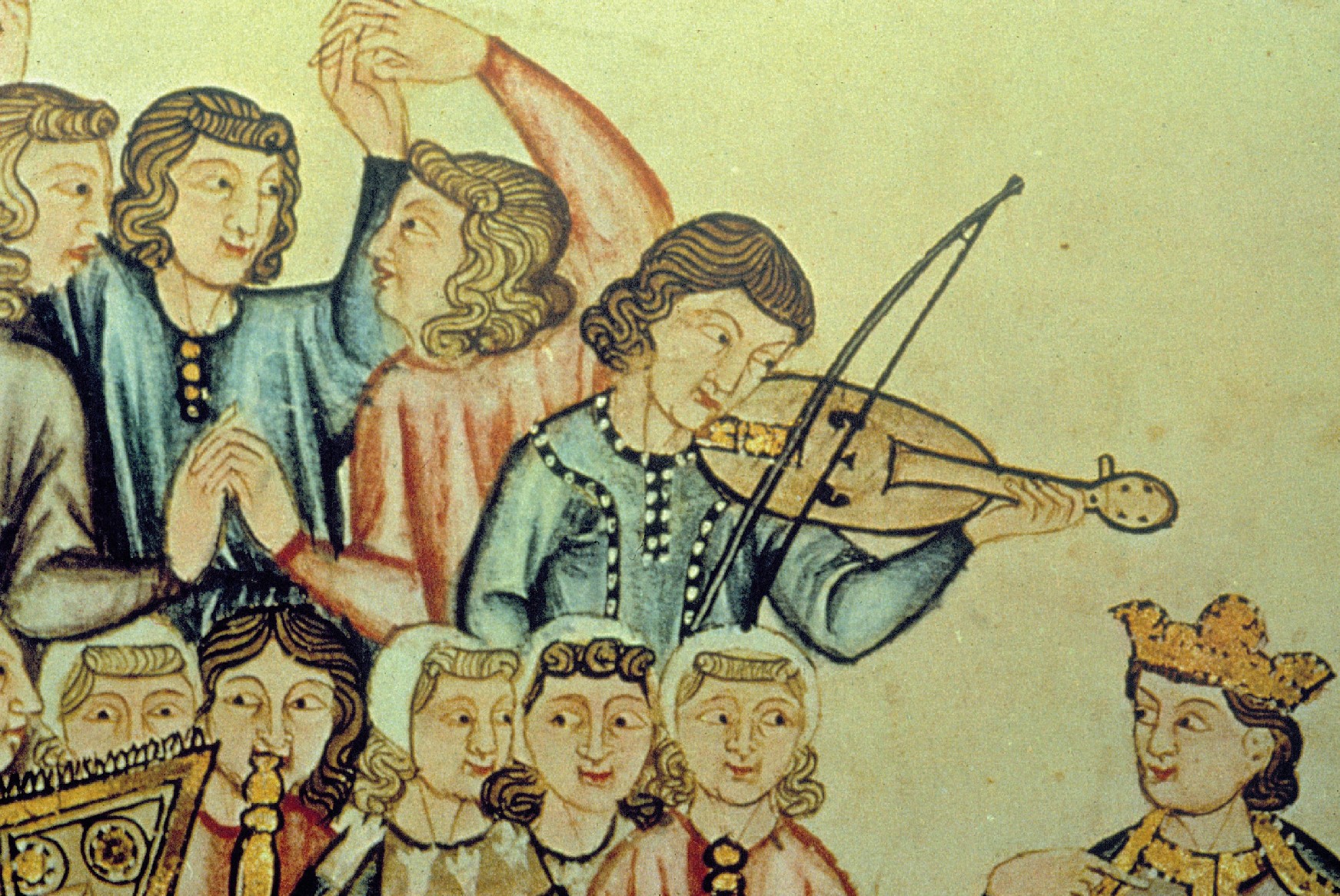
The songs of the troubadours include scores of original sources that bring to life medieval responses to the crusades. Now original sources are available
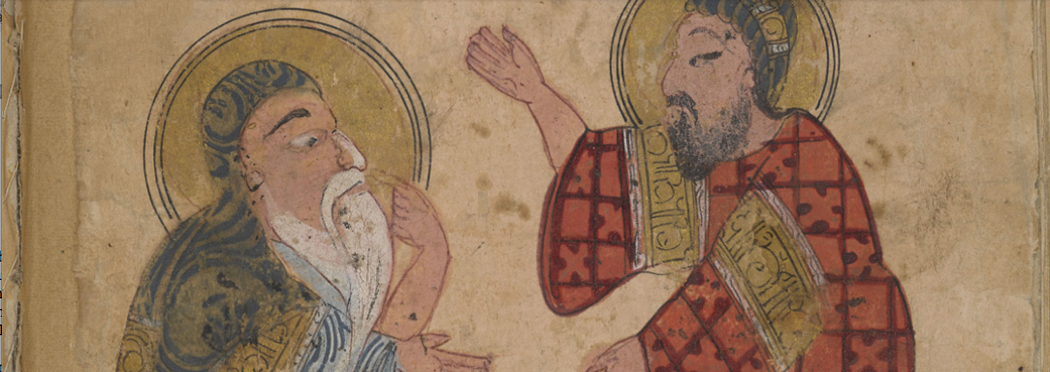
The Arabic Manuscripts Collection In the British Library comprises almost 15000 works in 14000 volumes
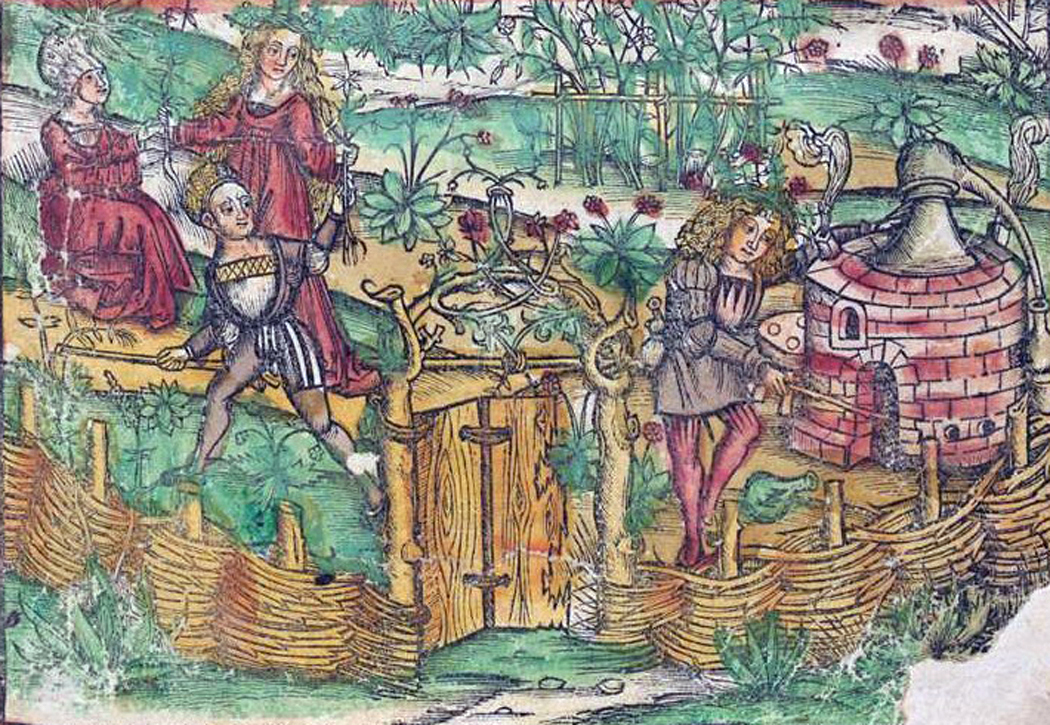
The Making and Knowing Project explores the Early Modern Workshops and Laboratories
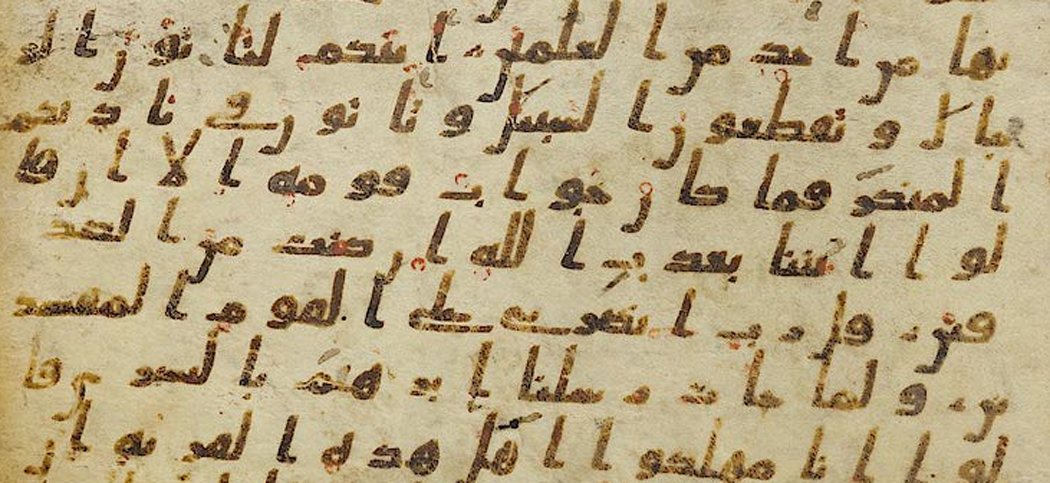
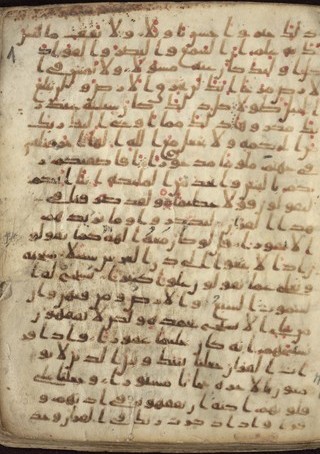 Experts have recently studied three samples of a fragment of a Qur’an, which has been in the University Library in Tübingen since the end of the 19th century. Their conclusion is that the parchment with a 95.4% statistical probability can be dated to the period between Ad 649 -675. It thus seems to have been written 20 – 40 years after the death of the Islamic prophet Muhammad. Such an early date is really a world record. The date has been established through modern C14 – radiocarbon – analysis at a lab in Zürich.
The study has been undertaken in connection with a wider research project funded by the German Research Society (DGF) and the corresponding French institution: Agence National de la recherché (ANR). The project aims to study the Qur’an as a material object. Focus is – apart from technical studies like these – on palaeographic analysis.
The Tubingen manuscript with the signature Ma VI 165 belongs to a collection of more than 20 Qur’an fragments in the holdings of the University Library: The parchments are inscribed in Kufic script, one of the oldest forms of writing of Arabic. The handwriting had attracted the attention of scientists because of its characteristic style and format. It is characterised as a very early script variant (ḥiǧāzī); however, the dimensions of the letters are quite small in comparison to what is common in other early manuscripts. Hence the very early date has surprised the experts. Another early manuscript is the so-called Sana’n-fragment, which has been determined too be earlier than AD 671.
The Qur’an fragments are digitally available here
The investigated Qur’an manuscript with the signature Ma VI 165
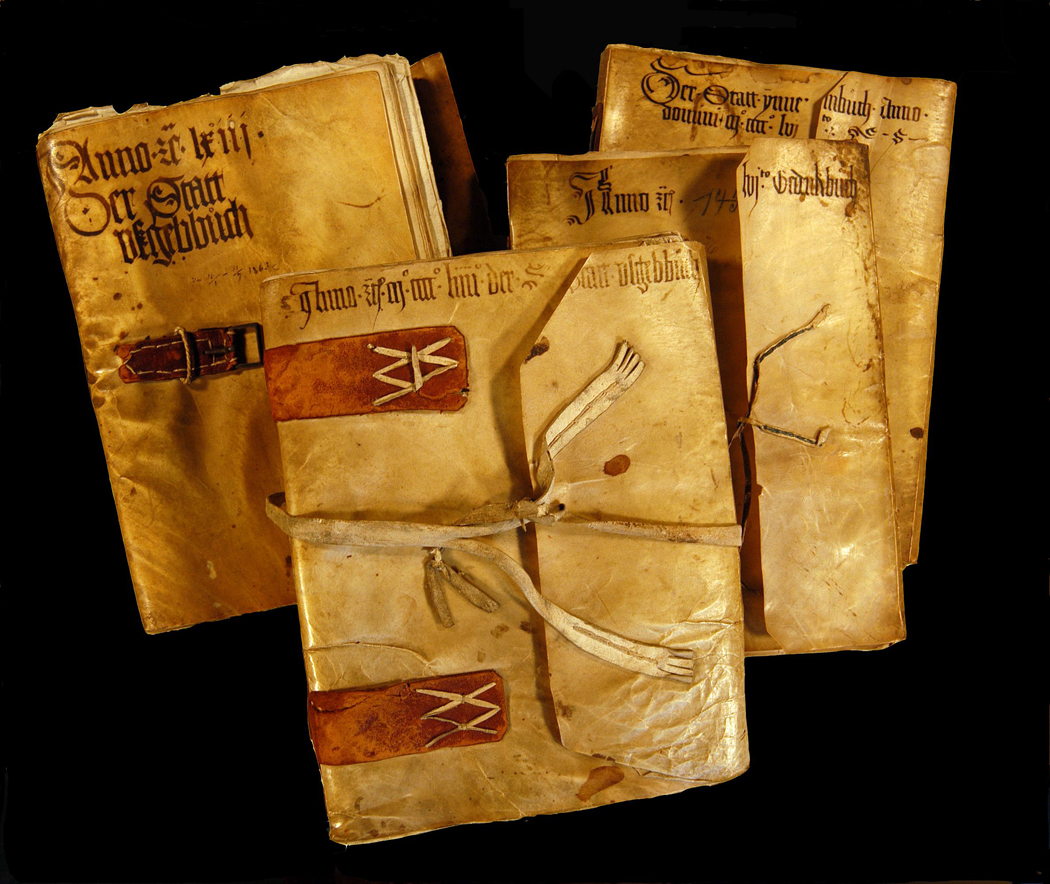
Historians of Johannes Gutenberg University Mainz edit medieval ledgers from Augsburg