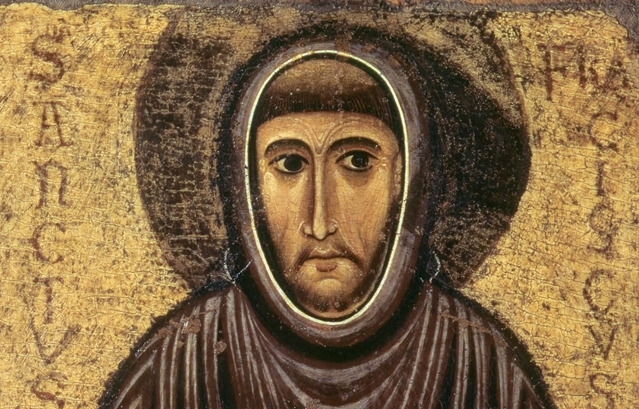
New Exhibition in Arezzo showcases images from the 800 years since his death in 1226, and celebrates the multiple imaginations of who St. Francis was.
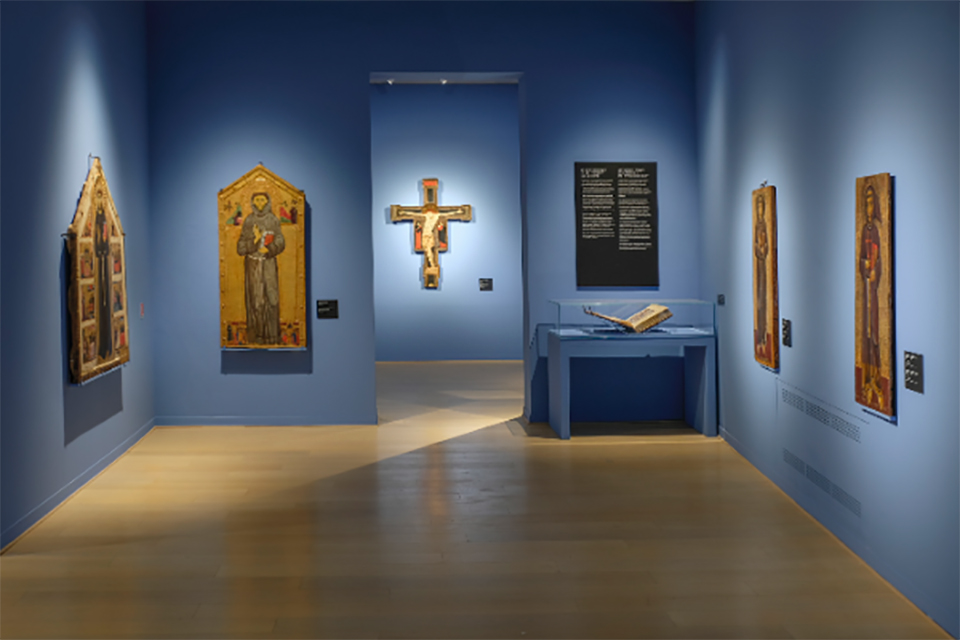
New Exhibition in Arezzo showcases images from the 800 years since his death in 1226, and celebrates the multiple imaginations of who St. Francis was.
From Sabatier to Leppin, modern biographers have repeatedly reconstructed the “real” Francis, each revealing as much about their own age as about the saint
From bodily performance to sacred image: how the living Francis of Assisi was transformed after his death through memory, hagiography and visual culture.
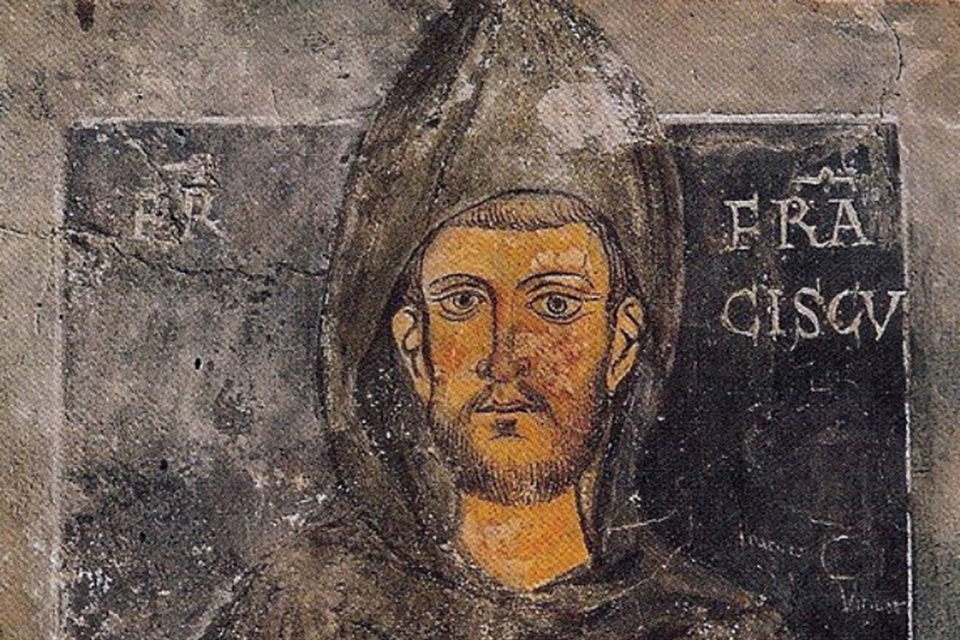
St. Francis of Assisi was a short man, with dark eyes and large ears. He was definitely also a charming man.
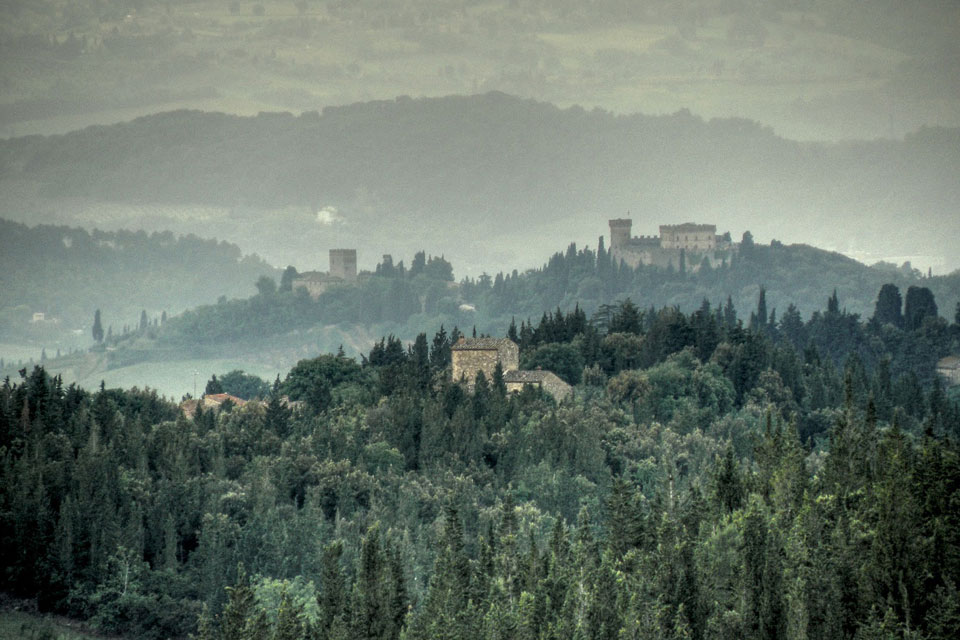
Heavily bombarded during WW2Poggibonsi’s charm resides in the suburbs and its hidden gems: an open-air museum, a medieval inn and a nearby castle
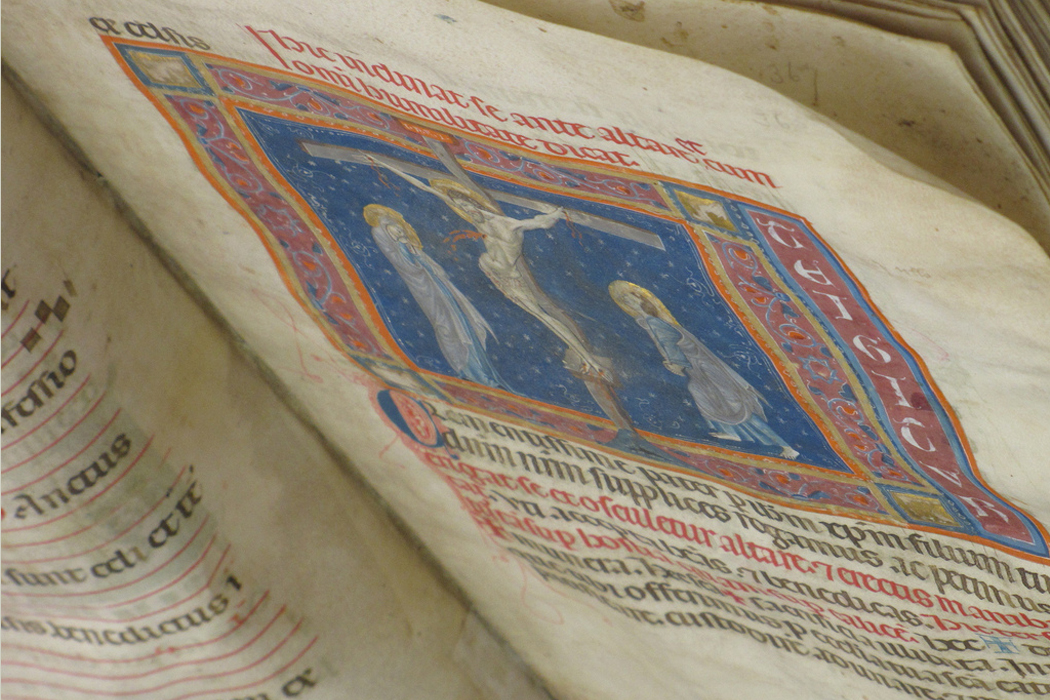
New book explores the Franciscans and their relationship with manuscript production networks operating in Umbrian the 13th and 14th centuries
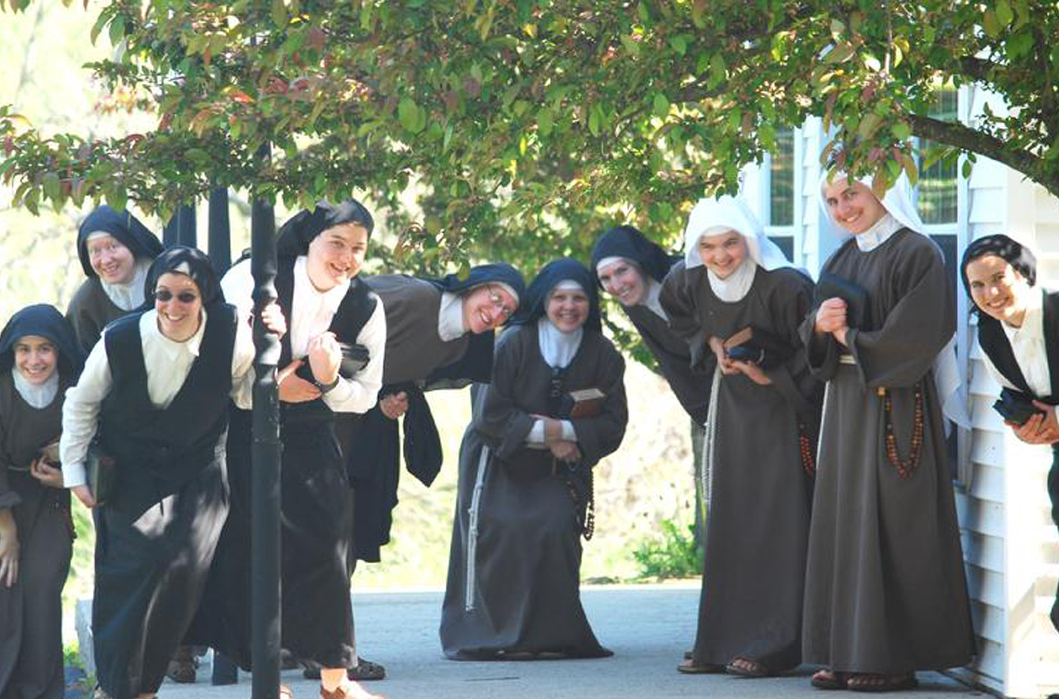
Franciscan Women: Medieval & Beyond is a conference designed to frame a mutually enriching conversation between academic scholars and franciscan women of today

Franciscan art flourished in the Late Middle Ages as the religious movement spread all over Europe as well as Asia. This summer the Accademia in Florence shows a spectacular selection
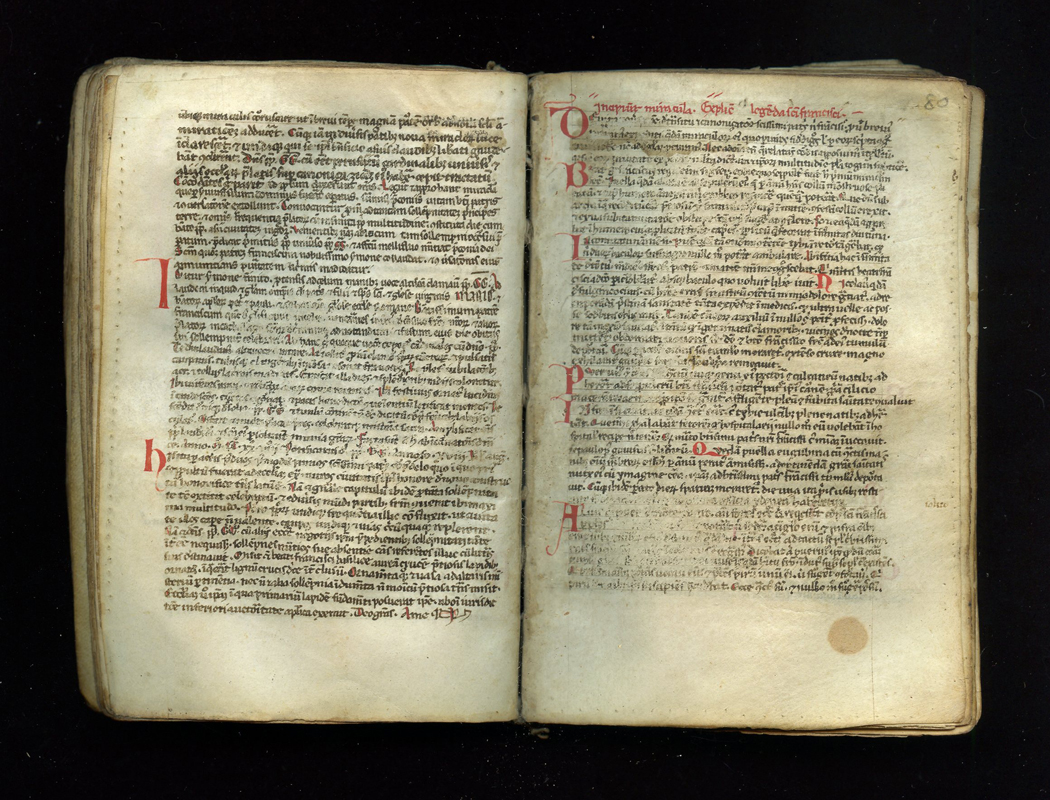
A small notebook of obvious Franciscan origin was recently shown to contain a hitherto unknown Vita of St. Francis, written by Thomas di Celano. It has now been edited
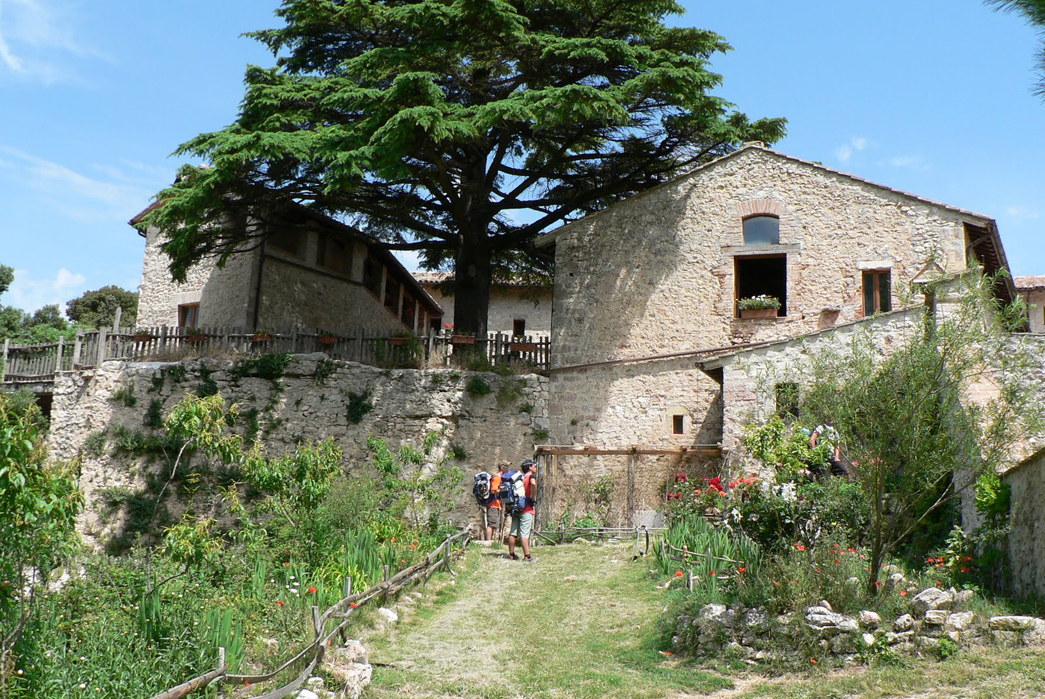
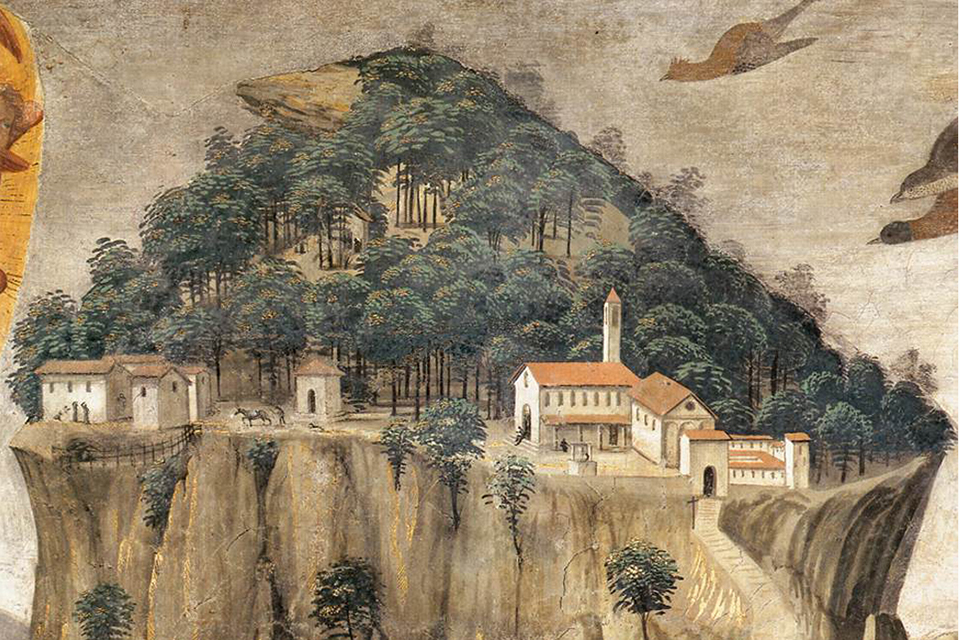
The Romita de Cesi is a hermitage located on Mount Torre Maggiore near the Town of Cesi in Terni. Difficult to find, it offers a spiritual tranquillity reminiscent of the early Franciscans
St. Francis is known for his devotion to nature and generally recognised at the patron saint for the environment. But was he also a gardener?
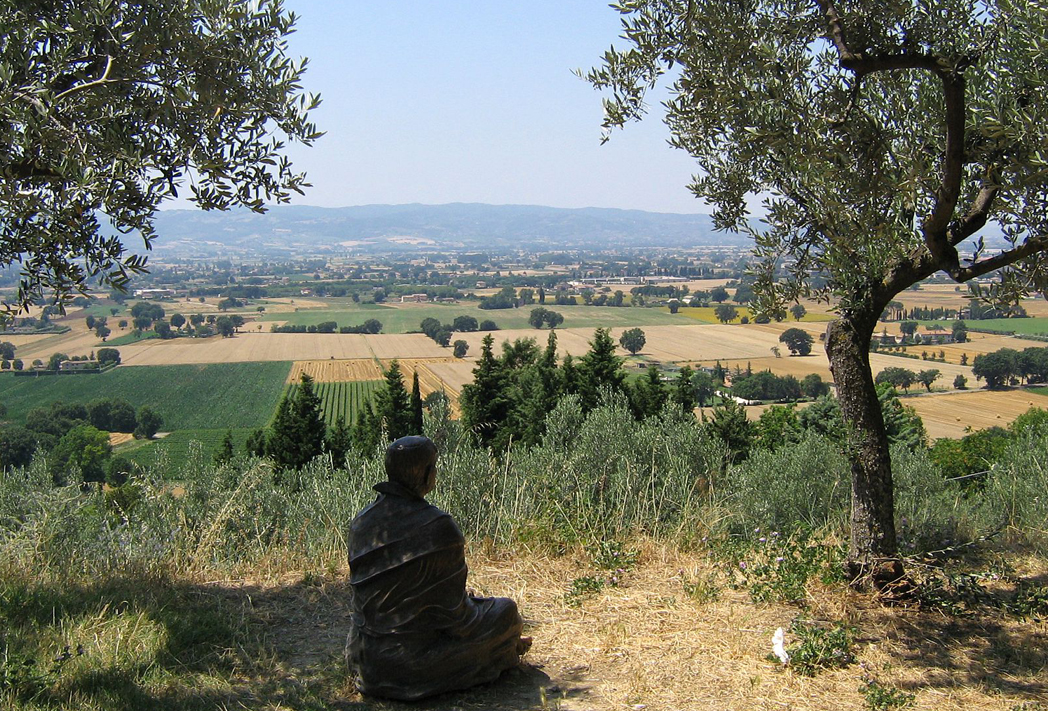
The title of the papal encyclical Laudato Si’ is taken from the refrain of the Canticle of Creation by Francis of Assisi. But what did the saint really mean by using this phrase?
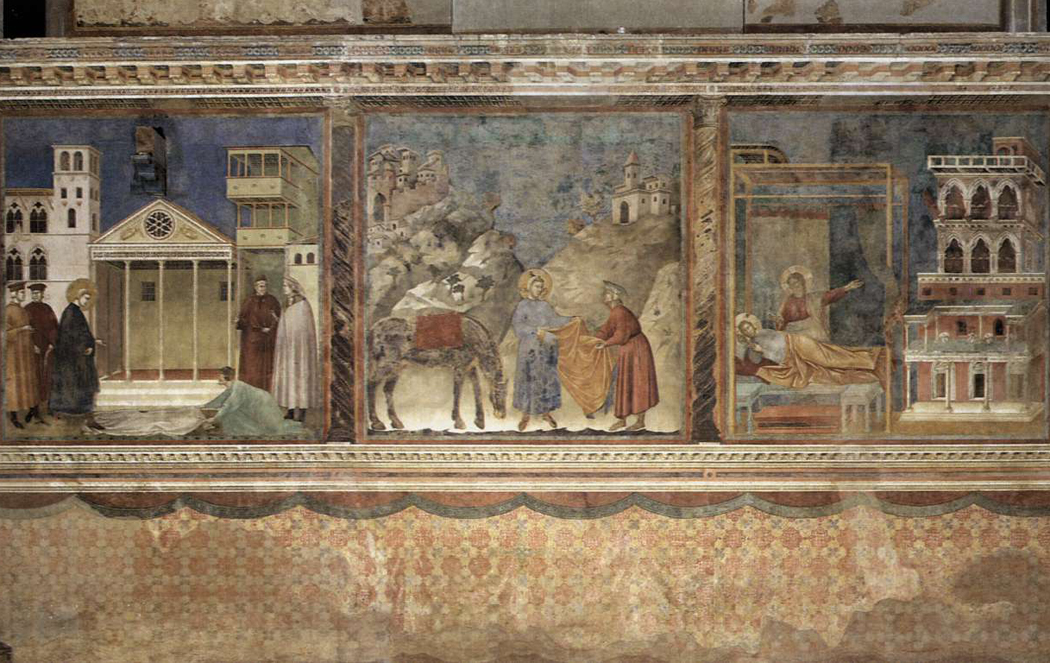
'The making of Assisi' explores the history behind and meaning of the famous cycle of frescoes from the upper Church in the Basilica in Assisi
A very early long-lost biography of St. Francis of Assisi was recently discovered. The text may help to salvage the man from the myth created later in the 13th century
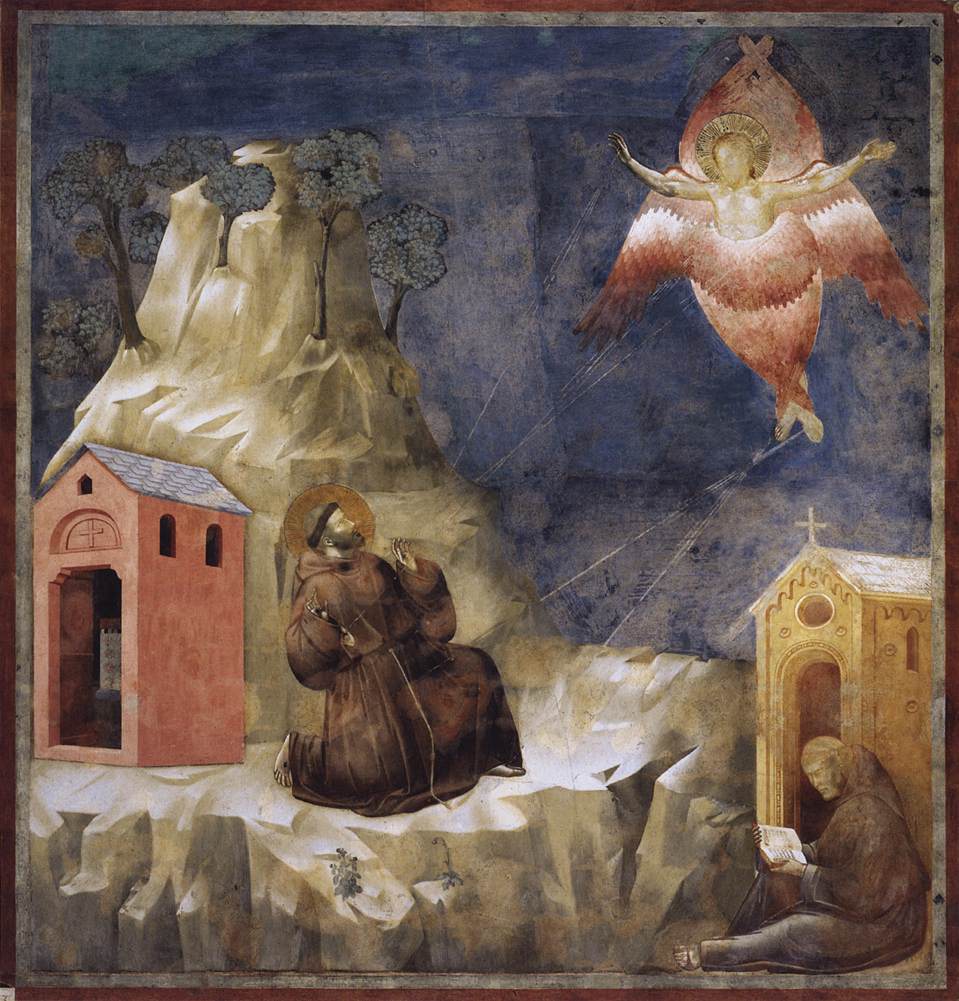
NEW RESEARCH: The concept of stigmatization developed long before St. Francis in late Antiquity...
BOOK REVIEW: The surviving evidence for the life of Francis is sifted using modern historical methods...