The 10th-century German queens set their mark on politics in different ways. The last queen, Kunigunde, primarily played the role of dynastic bridgebuilder.

The 10th-century German queens set their mark on politics in different ways. The last queen, Kunigunde, primarily played the role of dynastic bridgebuilder.
How should we imagine the lives of Viking women? And in what way – if any – did their lives change with the introduction of Christianity? Did the conversion entail limitations? Or did it create new possibilities for women in terms of equality? For instance, concerning intellectual possibilities inside religious communities?
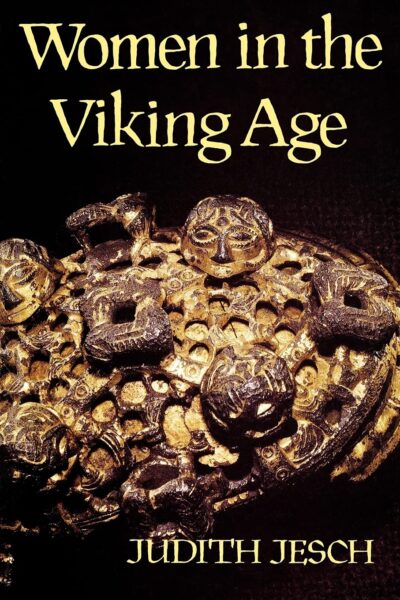
These questions have been debated in the last 40 years, since the seminal book published by Judith Jesch in 1991, which was based on her research in the 1980s.
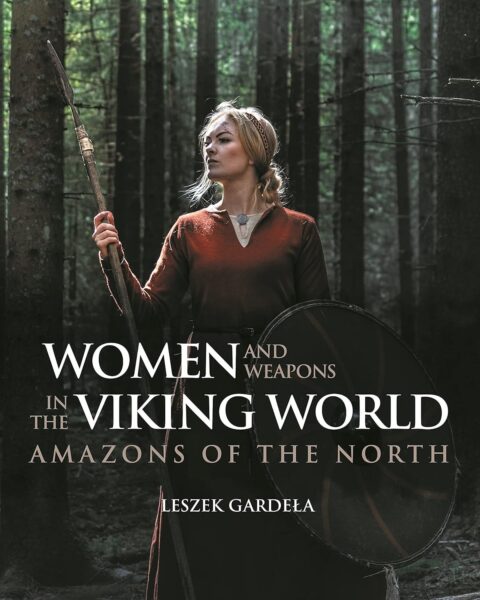
In recent years, however, a new archaeological focus has been observed in Viking Studies research on women. This trend took off in 2013, with Gardela’s initial work on “warrior-women” culminating in his book published in 2021. His work followed the footsteps of the research published in 2017, which led to the 2019 publication in Antiquity on reassessing the Viking Warrior women in the Birka grave BJ. 581.
During the summer of 2024, scholars and graduate students gathered in Liverpool in the UK to take stock, exploring questions of identity, gender, status, migrations, settlements, emotions and consciousness, as well as the lived experience as evidenced by archaeology and anthropology.
One conclusion was that “age” appeared more critical than “gender” when mapping status as witnessed by grave goods. However, assemblies of grave goods did indeed signal gender. Another venue explored was based on studies of women’s histories as witnessed in Runic Stones, not least the story of the Danish Queen Thyra, which Danish archaeologists and runologists have recently studied. Following this, the question of how to avoid cultural myopia, for instance, when identifying male rods as “spires” or “sceptres” signalling juridic power as opposed to female rods, which are habitually identified as staffs, signalling otherworldly or religious capabilities.
Finally, the conference explored new ways of reading the Icelandic Corpus of texts to grasp women’s emotional and political realities when dealing with the everyday experience of making a living. One particular effort was represented by papers exploring the normative systems and the space allotted for emotional and practical transgressions in these texts.
“If the conference aimed to provide an arena for the exchange of ideas between disciplines about recent and currently ongoing research projects within Viking Studies, it was most definitely a success. The presenters showed the relevance of prioritizing the study of the women in the Viking world, both in their lived experiences, as evidenced by the archaeological studies, and in the literary representation and depiction of women. Whether this divide itself is possible to bridge cannot be resolved so easily, and the conference hopefully spurs further attempts to engender clarifying research into these areas”, writes Kim Bergqvist from Stockholm University in a fine overview of the conference in a recent issue of Scandia.
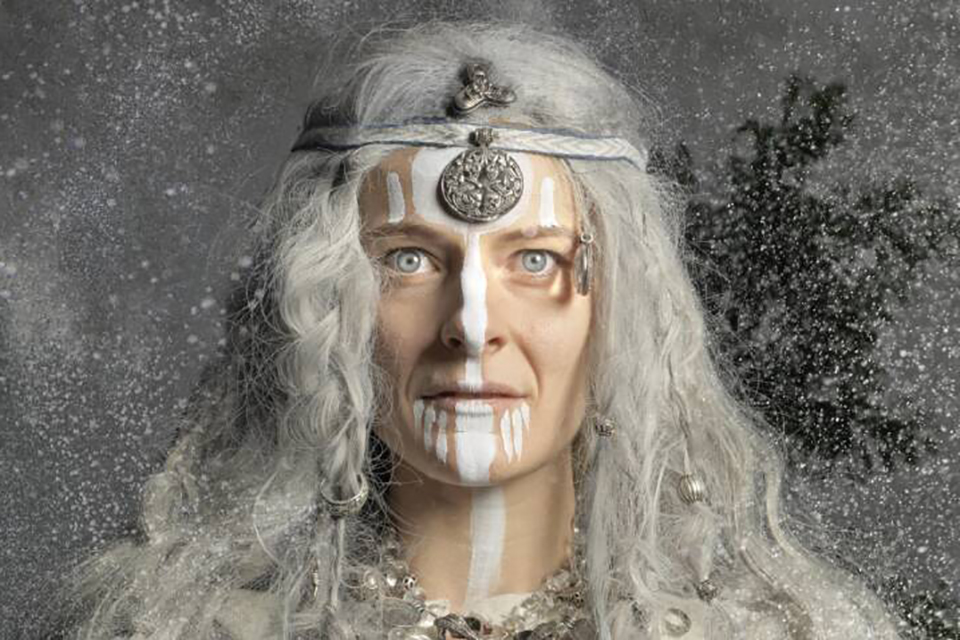
Ane Halsboe-Jørgensen, current minister for Cultur & Church posing as “Vølve”. The Photo was taken as part of series of ten portraits by the artist Jens Lyngvild as part of an exhibition at Køge Museum , Vølver, Guld og Guder / © Jens Lyngvild
Women in the Viking World. Conference report from the University of Liverpool (27. – 28. August 2024)
Ed by Kim Bergquist
In: Scandia. Journal of Medieval Norse Studies (2024) No 7
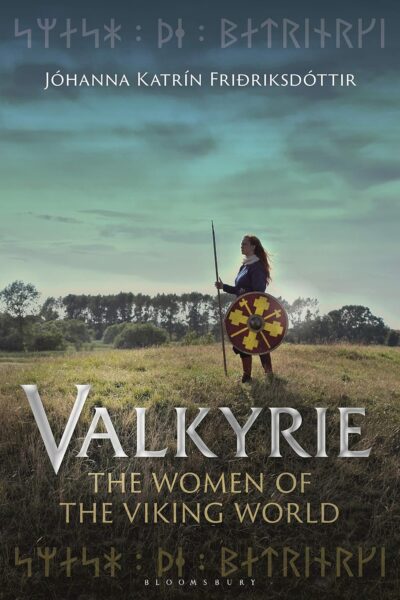
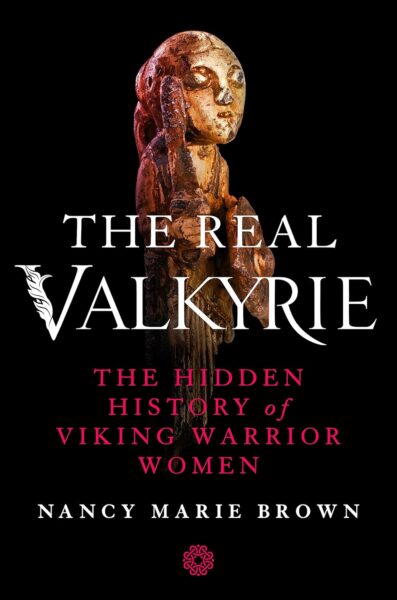
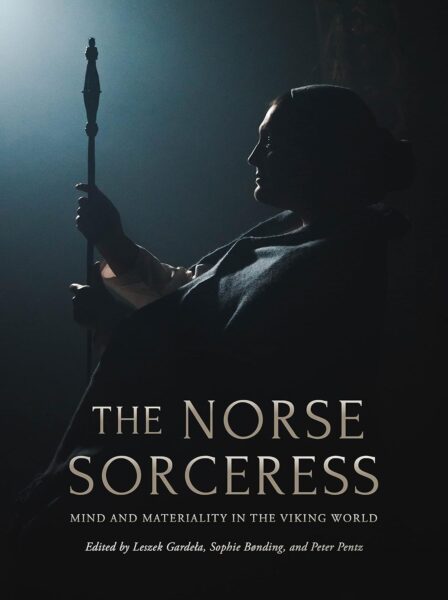

Discover the rich and complex lives of women in the Middle Ages, with over 140 extraordinary items that reveal their artistry, resourcefulness, courage and struggles. Tickets are on sale now.
Break free from traditional narratives and encounter personalities both famous and forgotten who tell the story of medieval womanhood. And discover stories familiar to women today, from the gender pay gap and harmful stereotypes, to access to healthcare and education, as well as challenges faced by female leaders.
Hear the words of medieval women from across the centuries, speaking powerfully for the thousands whose voices have not surfaced as yet – and likely never will.

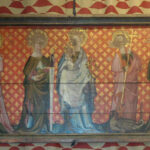
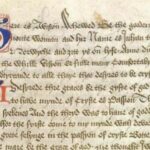
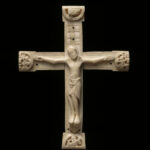

As part of the run-up to the exhibition, the British Library has also been digitising a significant number of their charters and rolls relating to Medieval and Renaissance Women (218 charters at the last count and 25 rolls). They will make a separate announcement when all of these are online — many of them already are. However, the British Library is still working to compensate for the hacking, which took place last year. The new collection ads to the 93 manuscripts earlier digitsed, offering a substantial help to scholars and other interested in exploring the rich collections in the BL pertaining to women and gender studies.
Medieval Women: In their Own Voice.
The British Library, London
25.10.2+24 – 02.03.2024

Medieval women were considered weak, soft, sensual, and fickle if not frivolous. Even today, we hear an echo in the disparagement of Kamela Harris