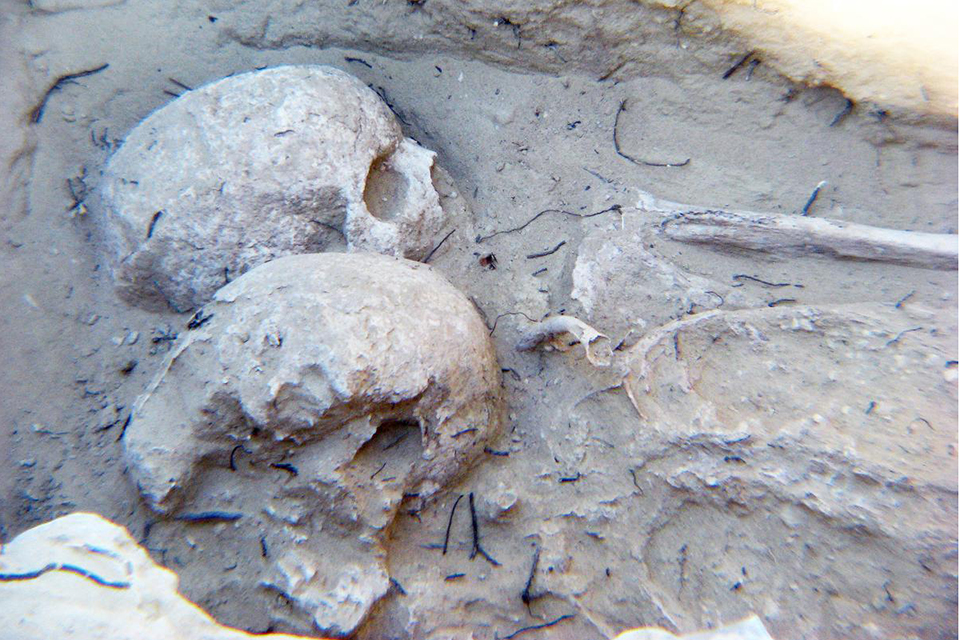
The Justinian Plague hit the Mediterranean in AD 541. Historians, archaeologists, and scientists disagree as to the impact the epidemic had on the transformations from Late Antiquity to the Early Middle Ages
In AD 541an epidemic of plague hit the Near east and the entire Mediterranean, especially the Sasanian and Byzantine Empires. The plague is named for the Byzantine Emperor Justinian I 482–565) who, according to his court historian Procopius, contracted the disease and recovered in 542, at the height of the epidemic which killed about a fifth of the population in the imperial capital Constantinople. Probably, the contagion arrived in Roman Egypt in 541, spread around the Mediterranean Sea until 544, and persisted in Northern Europe and the Arabian Peninsula until 549. Later, epidemics surfaced continuously wll into the 8th century.
Recent debates have raised the following questions
- How devastating was the Justinian Plague compared to the Black Death?
- Did it contribute to the major transformation of the world in Late Antiquity forging a new Medieval European way of life?
Scholars, Historians, Archaeologists and scientists disagree about the extent of these transformation.
However, they agree to the need to carry out local or regional studies. A handful of those are presented below.
Justinianic plague underestimated
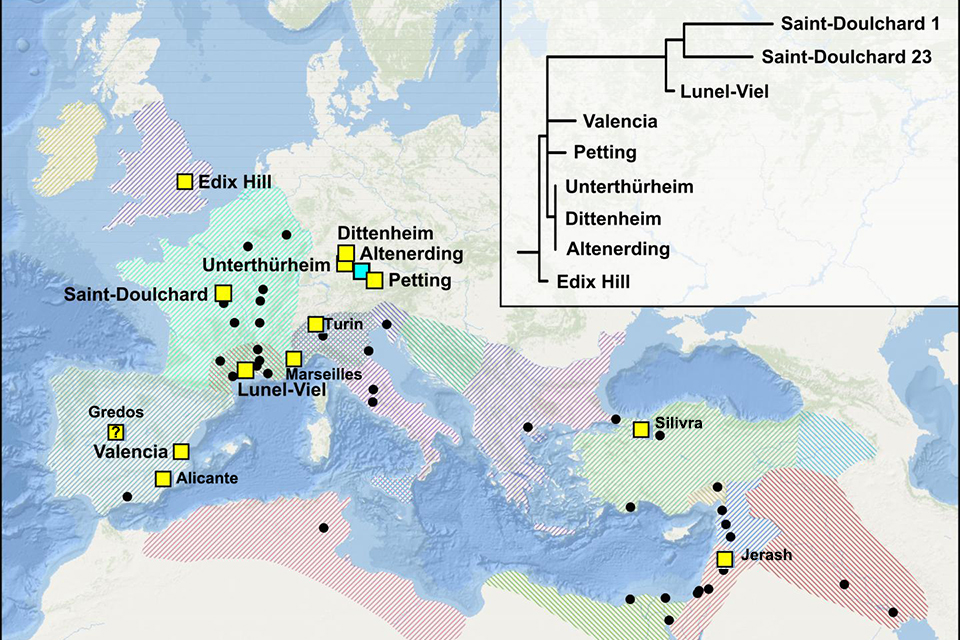
24/04/2026Recent scientific studies of the bias involved in detecting the DNA of Yersinia pestis in buried individuals from the mid-6th century must lead to a re-evaluation of the consequences of the Justinianic plague Read more

The Justinian Plague – a Historical Blip or a Transformative Catastrophe?
20/04/2026The Justinian Plague hit the Mediterranean in AD 541. Historians, archaeologists, and scientists disagree as to the impact the epidemic had on the transformations from Late Antiquity to the Early Middle Ages Read more
The Natural History of Plague
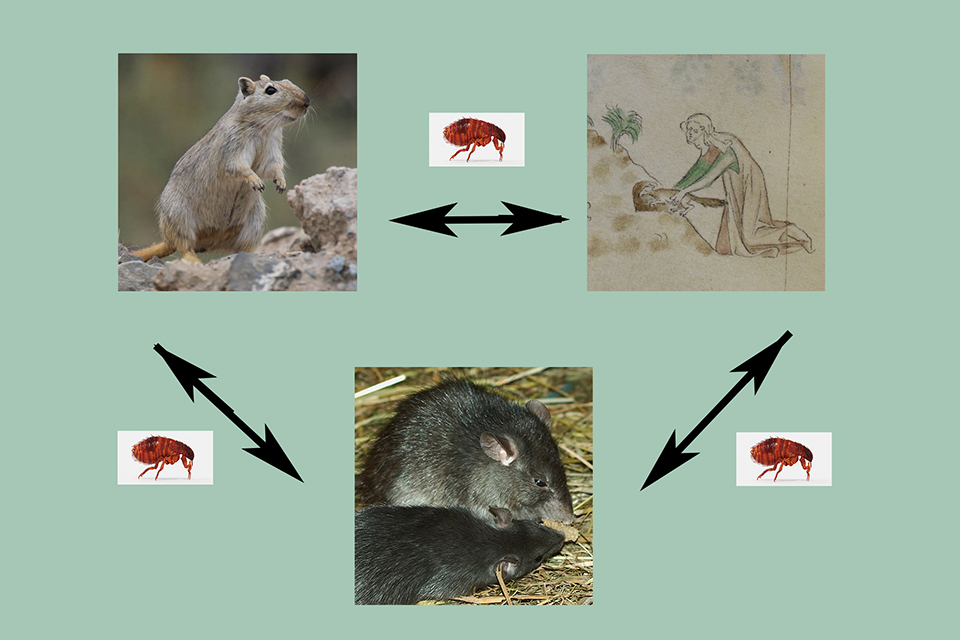
06/04/2024Recent studies of aDNA have yielded new and important information concerning the natural and clinical history of plague. A new comprehensive review offers an up-to-date history The plague is caused by a zoonotic bacterium, Yersinia pestis. First isolated in 1894, it was identified as the cause of the Hong Kong… Read more
Yersinia Pestis Detected in 6th and 7th Century Graves in Britain, Gaul, and Spain.
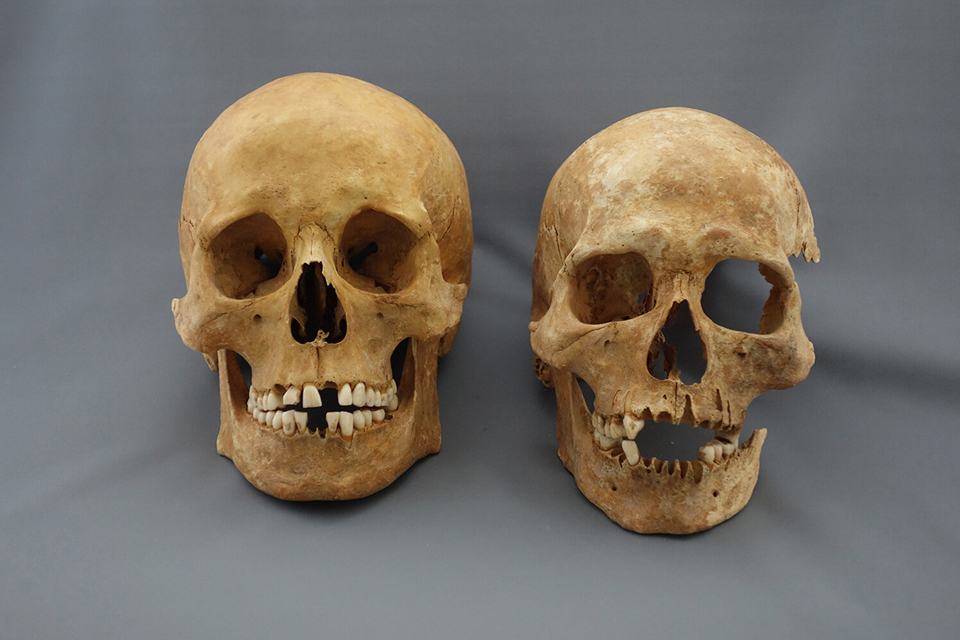
06/06/2019How widespread was the Justinian Plague in the 6th century? And how devastating? New research indicates a situation much like that of the Later Middle Ages. Read more
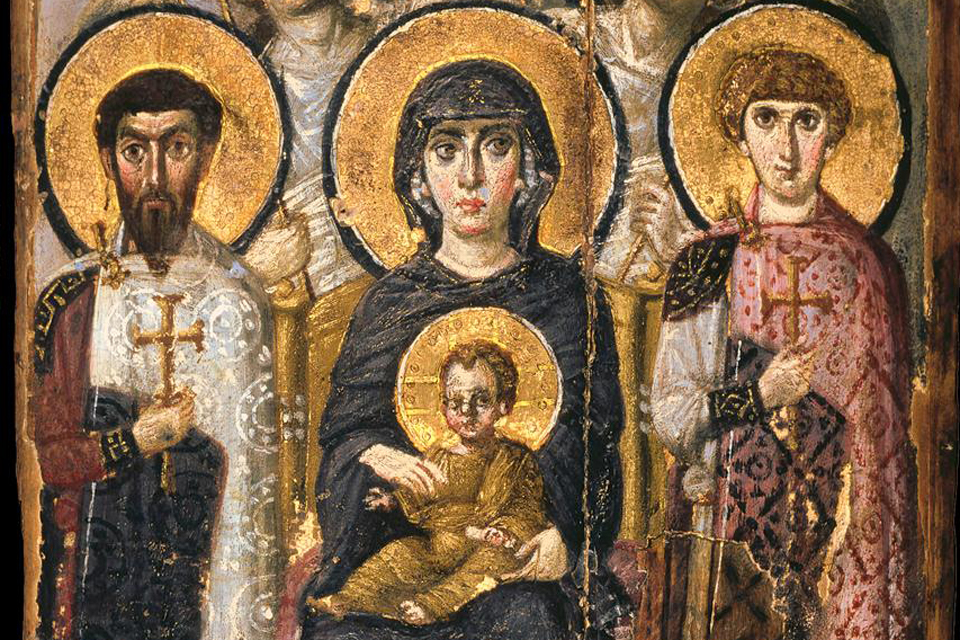
Cultural Consequences of the Justinian Plague
05/11/2016What were the consequences of the Justinian Plague in the 6th century? How did people react to the pain and suffering, which by all accounts were just as devastating as those in the 14th century? Read more
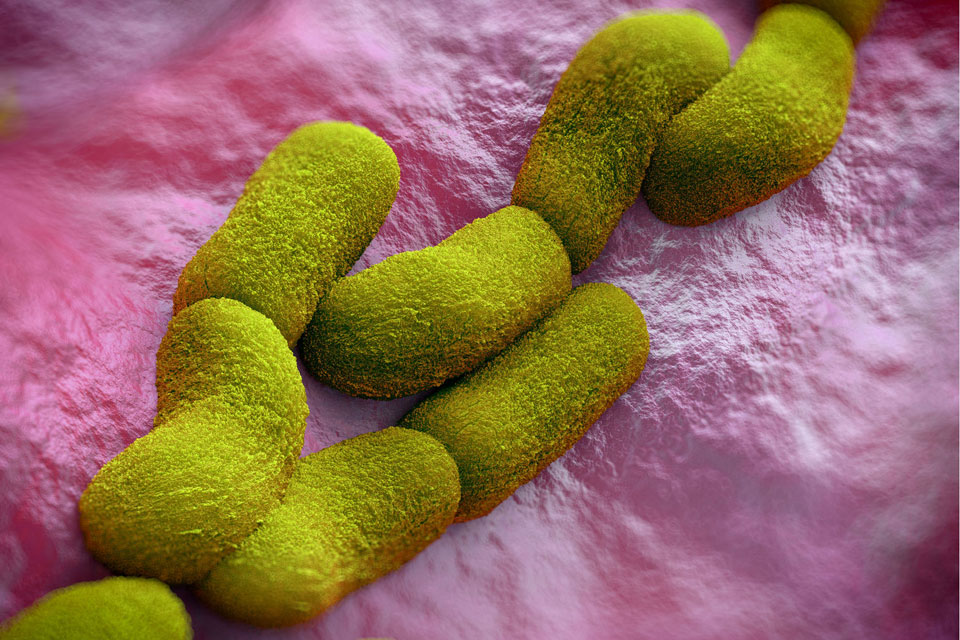
How Devastating was the Justinian Plague in the 6th Century?
04/11/2016New overview of mass-graves s offers tantalising glimpse of how to measure the impact of the Justinian Plague on the “Fall of Rome”. Read more