Historical Climatology is a website dedicated to share interdisciplinary research into historical climate studies with journalists, policymakers, scholars and the general public
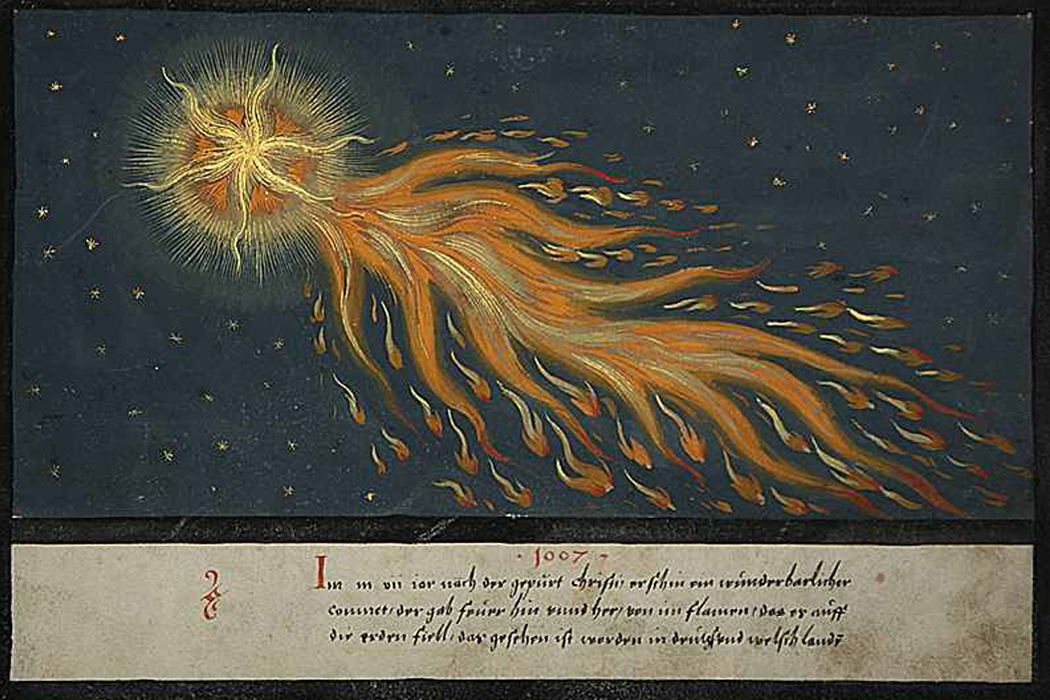
Historical Climatology is a website dedicated to share interdisciplinary research into historical climate studies with journalists, policymakers, scholars and the general public
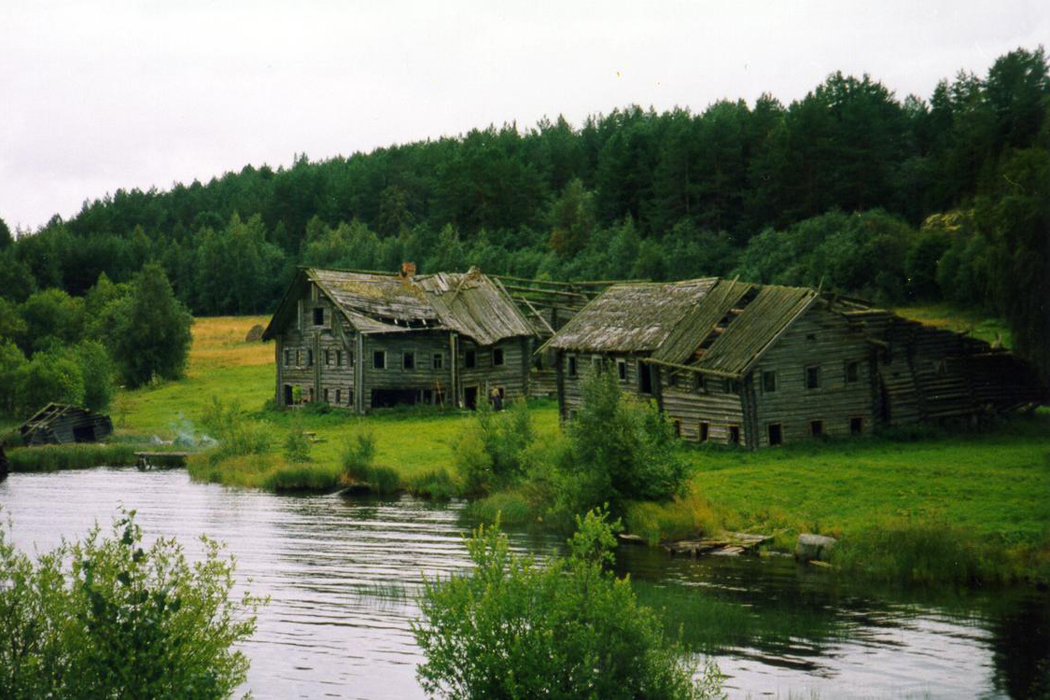
Recent studies explore the connection between medieval climate changes and historical migrations in North Eastern Europe bordering the White See
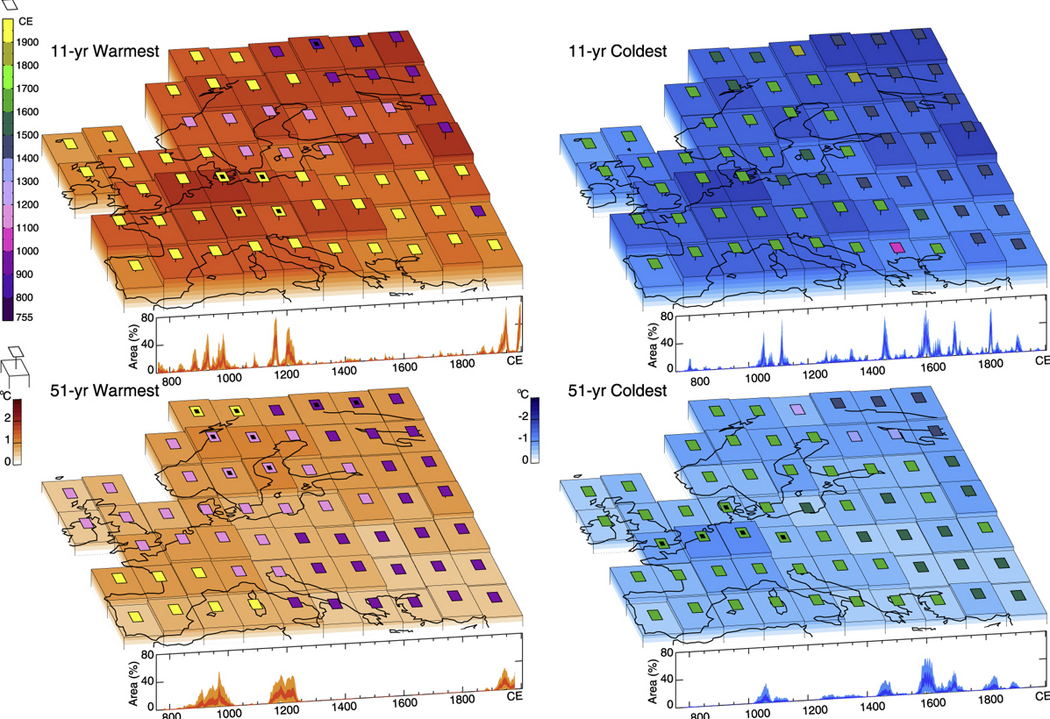
Medieval summer temperatures shifted dramatically inside the last 2000 years, shows new studies. Next step is to map the shifts regionally.
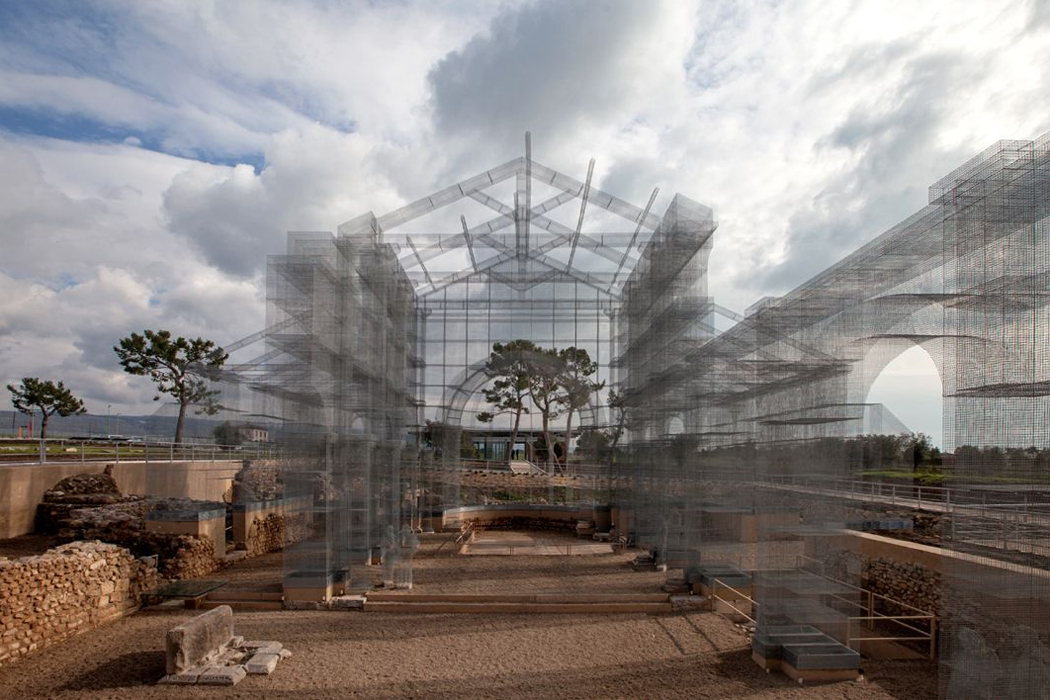
With thousands of yards of wire mesh artist Edoardo Tresoldi has "rebuilt" the early Christian basilica that once stood in Siponto in Southern Italy.
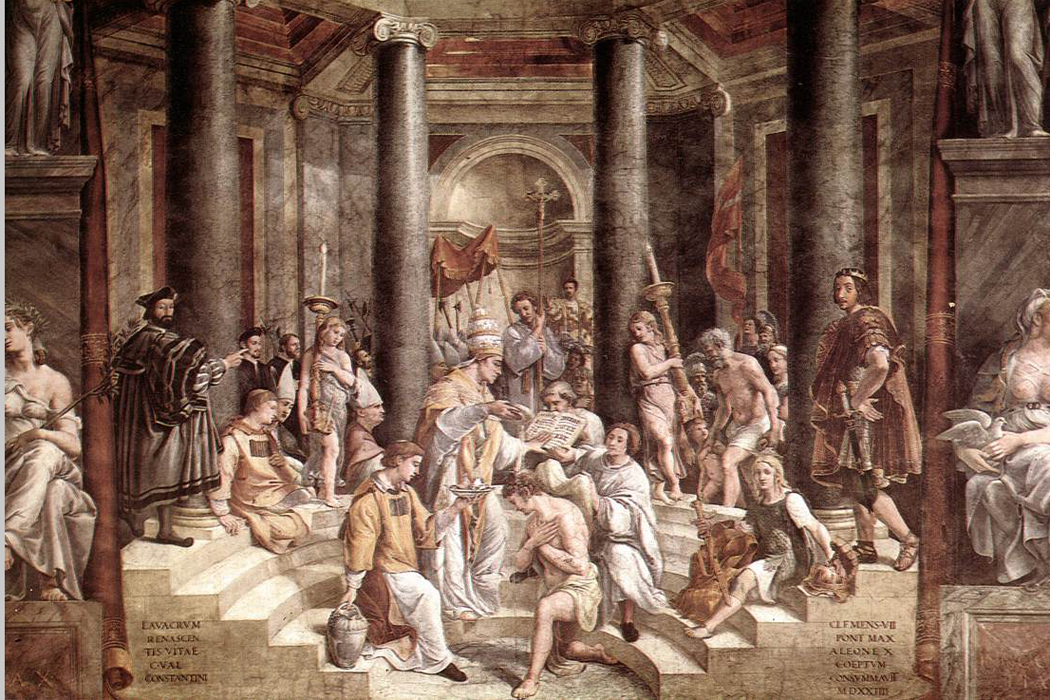
New companion from Brill promises to be an important introduction to the institutions and political ideologies of the Medieval Papacy
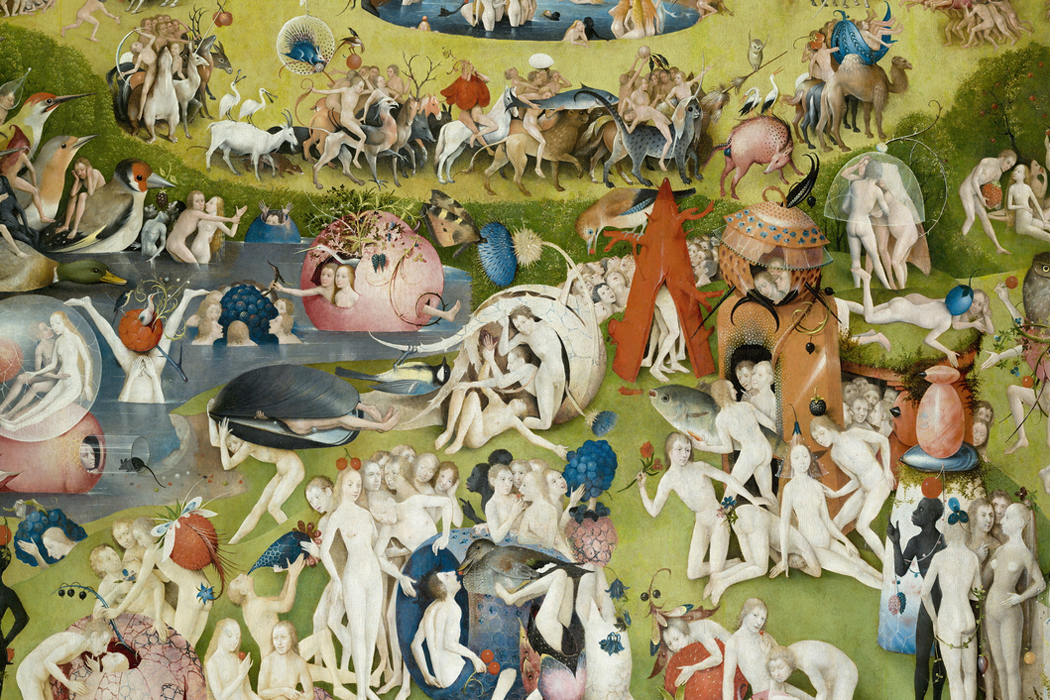
1516 Ferdinand II of Aragon died after imbibing an ugly stew of bull’s testicles and Spanish fly. Political satires, also Böhmernann's is rooted here
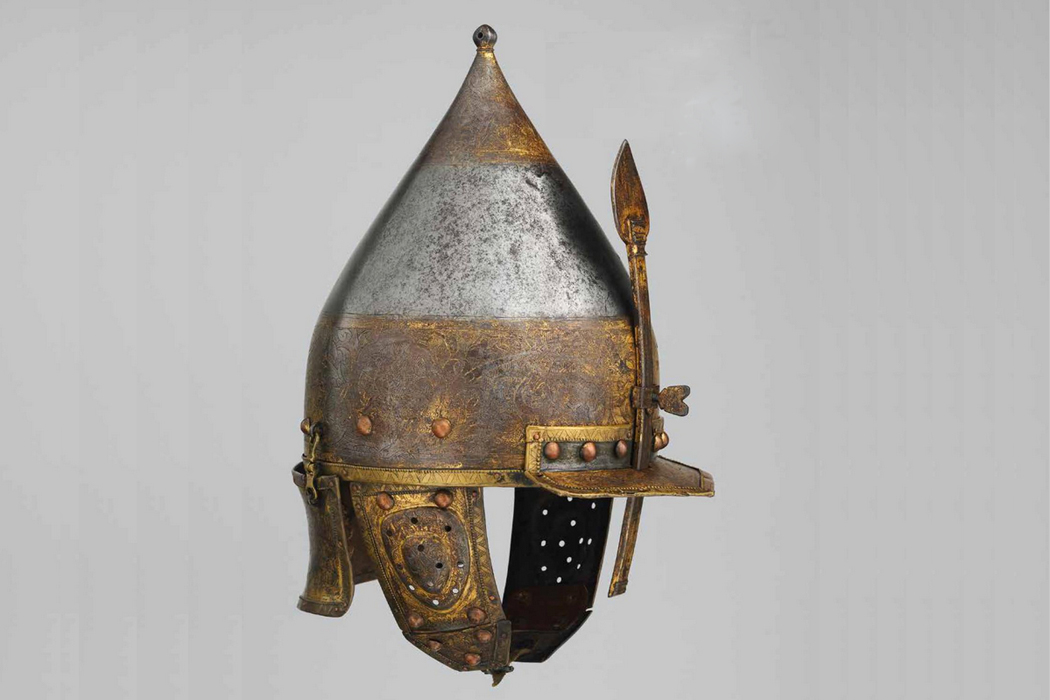
Islamic Arms and Armour were early on prestigious symbols of status, wealth, and power. New book beautifully presents the collection in the Met .
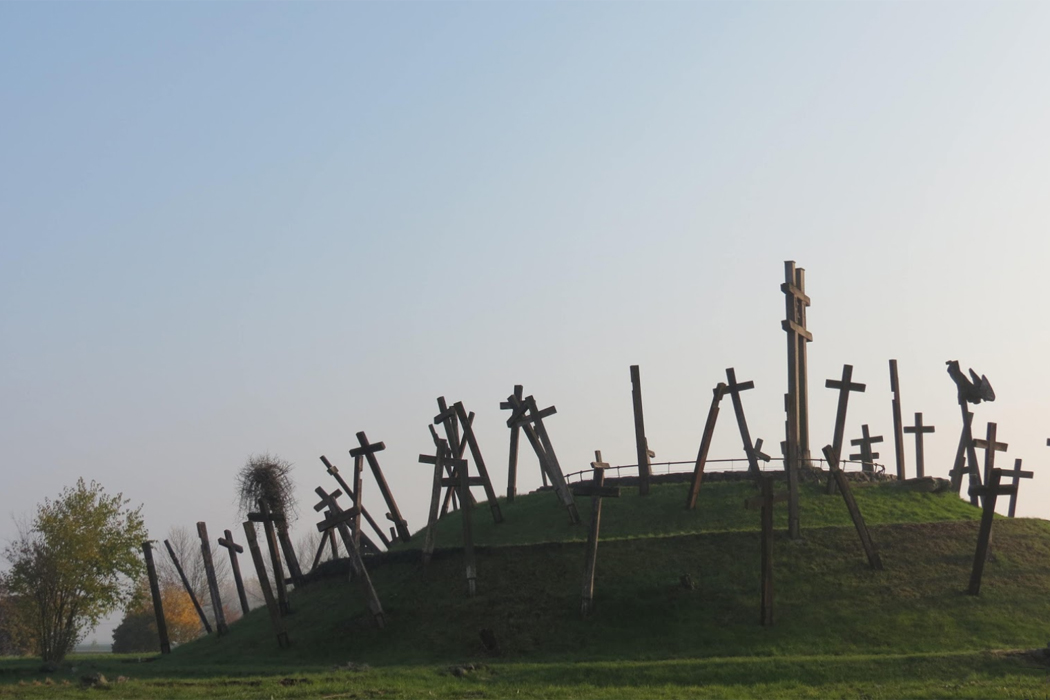
In 1241 - 42 the Mongol invasions of Hungary caused widespread destruction Recently, a house filled with the charred remains of murdered victims plus a forgotten treasure reminds us of these horrors.
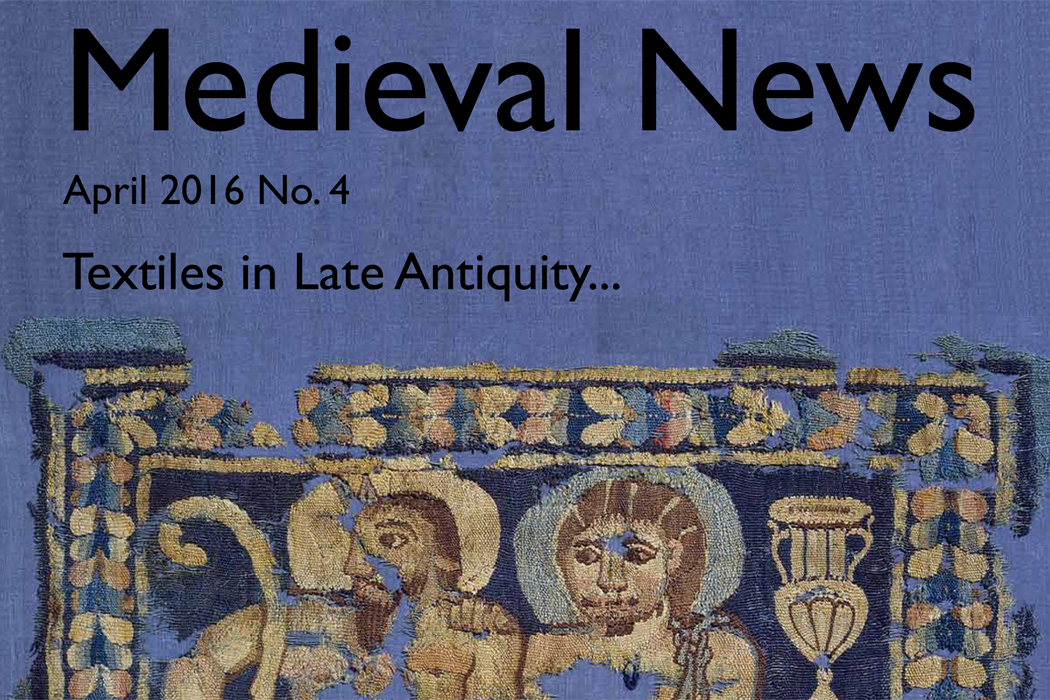
Forty pages packed with Medieval News about textiles from Late Antiquity, new Viking settlement in Newfoundland, a Danish expedition into the North Atlantic, which some believe reached the same shores in 1473 and how to churn your butter with the devil… plus as usual a list of new books
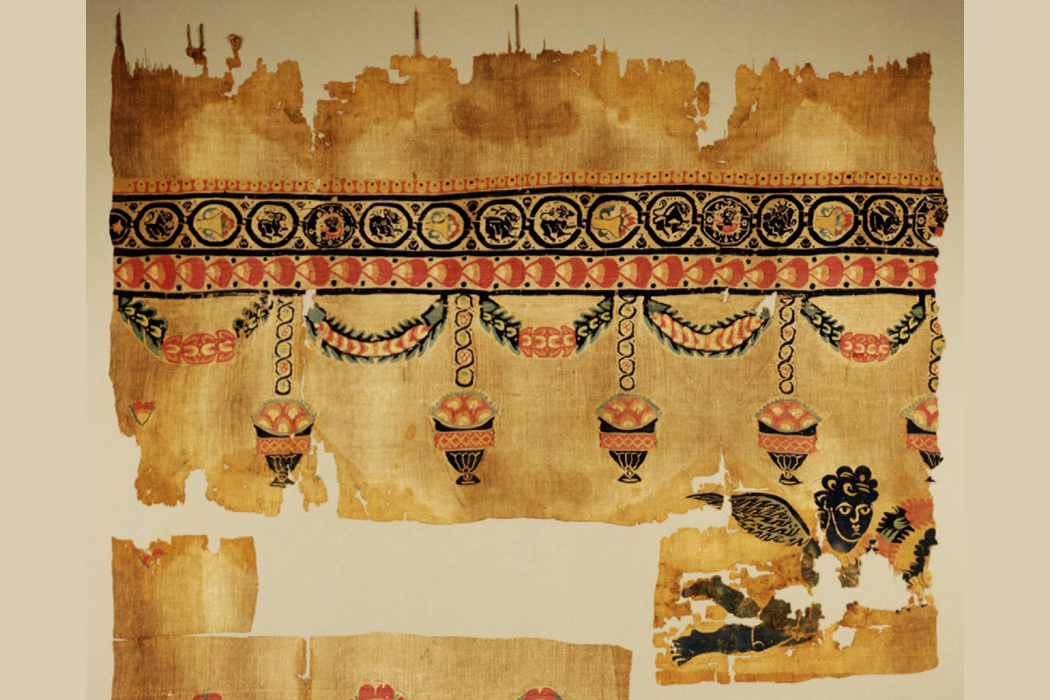
Early Byzantine textiles have survived almost exclusively in the hot and dry climate of Egypt, where the dead were buried in their clothing in furnished graves. Detailed studies of the collections in Germany continue to be published.
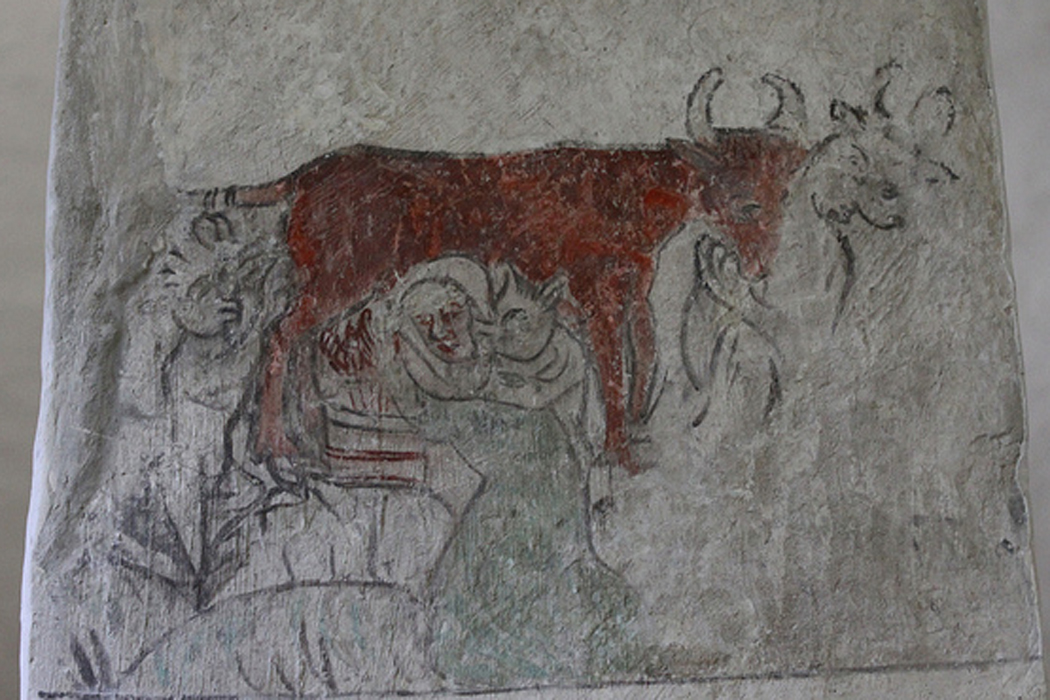
Milking and churning butter was a competence belonging to the medieval female sphere. This led to a special misogynic motif: the devil’s milkmaid.
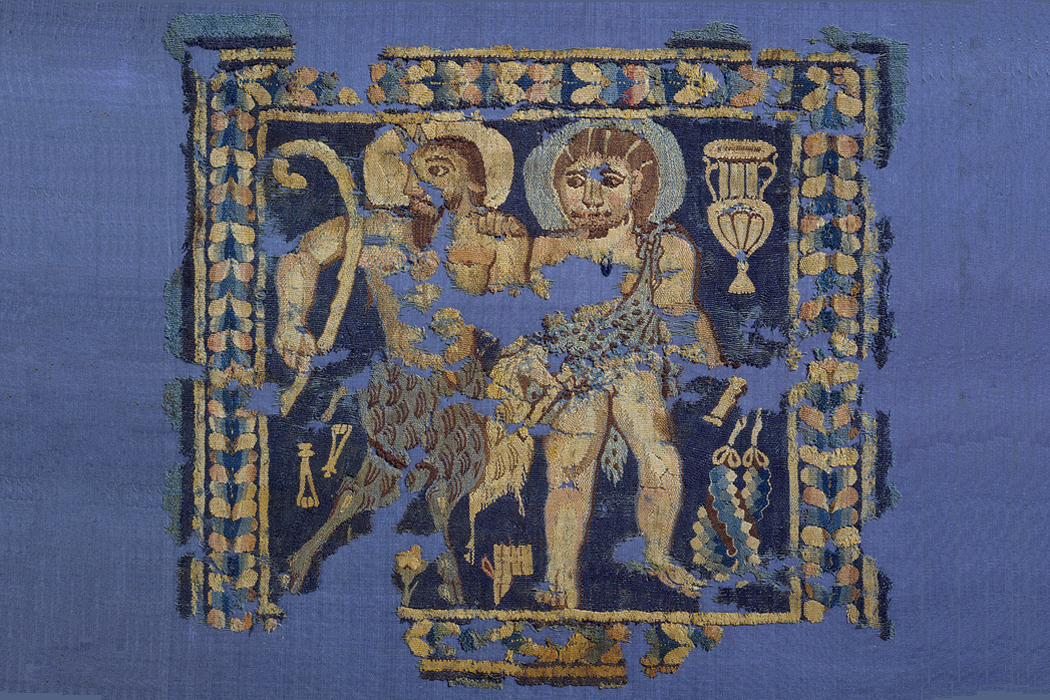
Book Review: The catalogue accompanying the exhibition on the Power of Textiles in Late Antiquity is both beautiful and informative
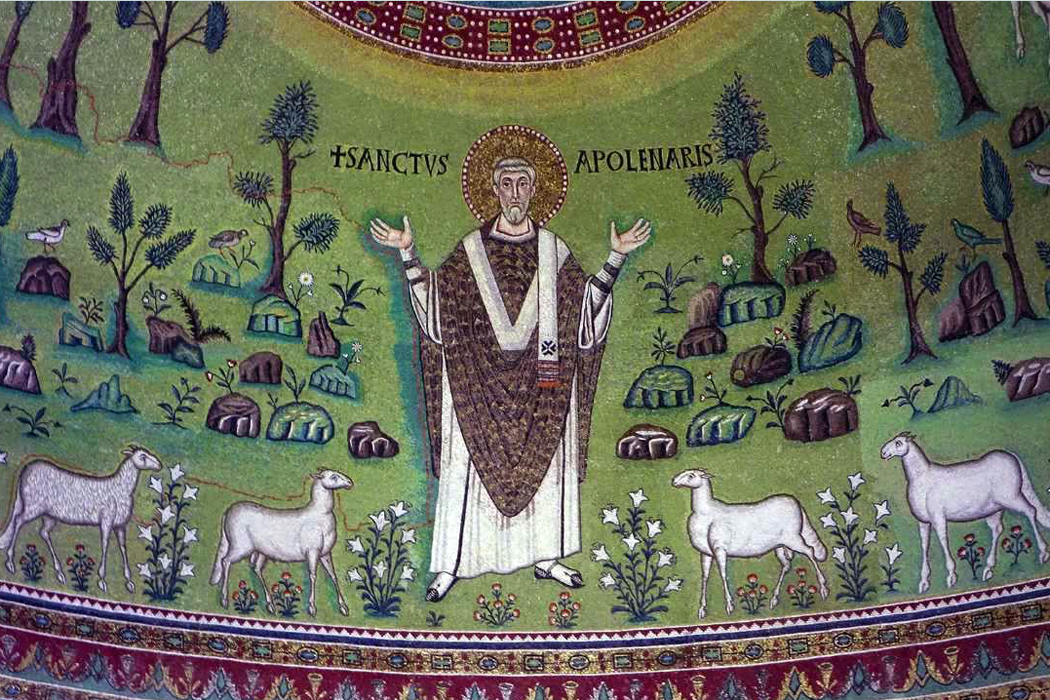
Pictorial Atlas presents a lexicographic overview of all sorts of garments from Late Antiquity through art, archaeological pieces and drawings
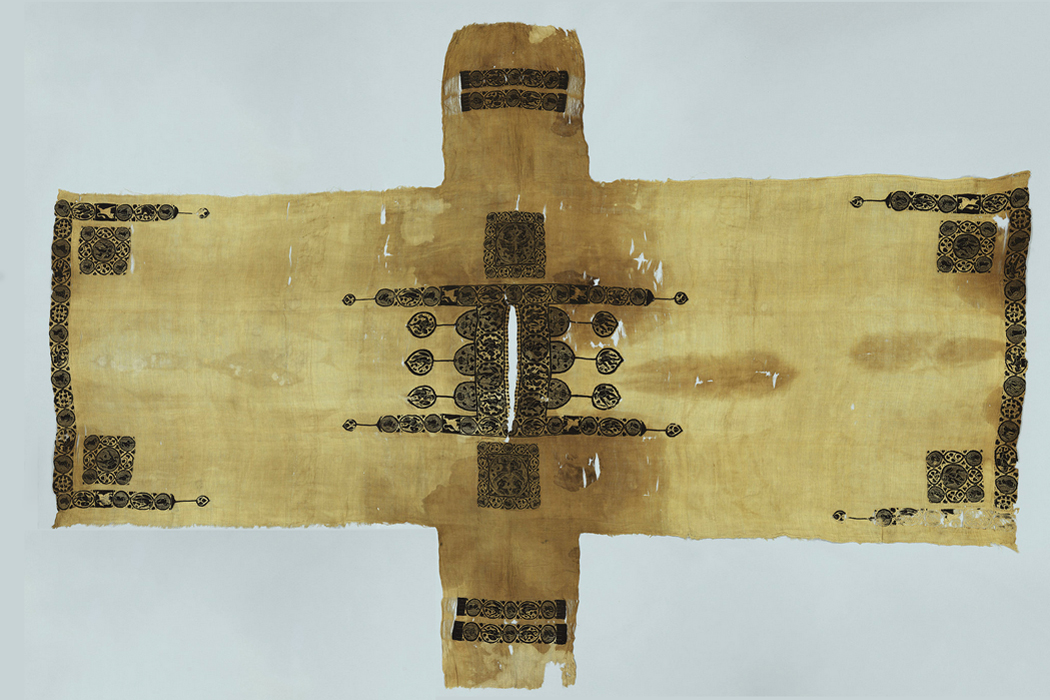
In Late Antiquity, textiles played a significant role in both public and private life – economically, politically and cultural.
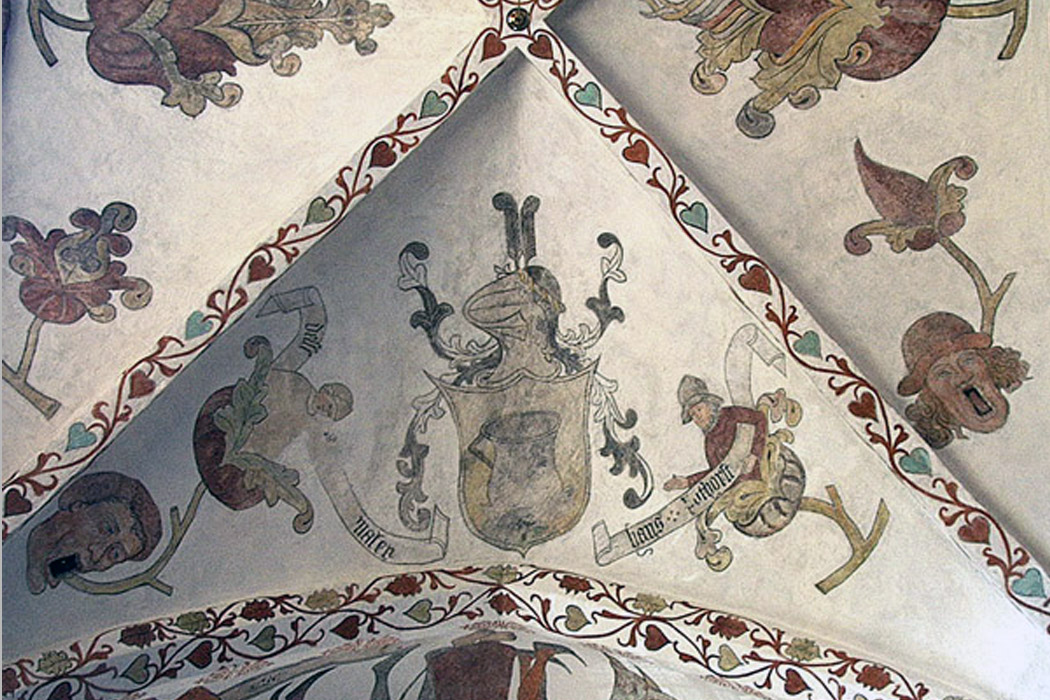
In 1472 an expedition was mounted by the Danish king in order to o explore the riches of Iceland and Greenland. Some believe they reached Newfoundland
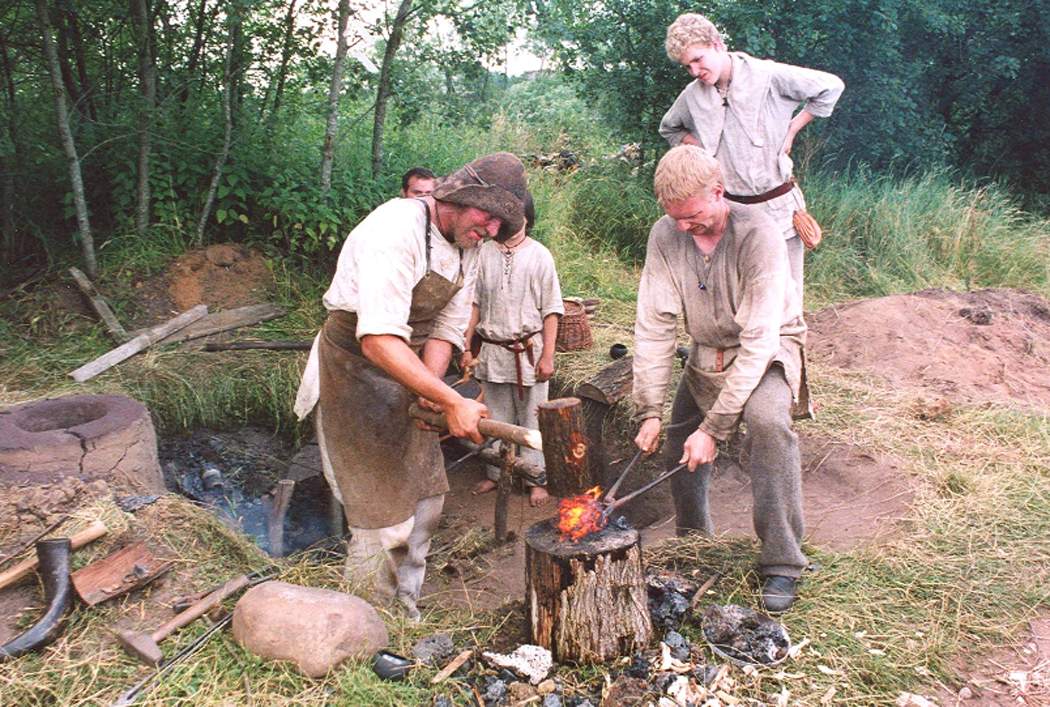
Smelting Iron the Viking way is a remarkable simple process. It only takes some charcoal, some bog iron ore, roasted and crushed, plus a simple clay oven.