The Huns and the Avars were famous for their lusty greed for gold. But what did they do with it all?

The Huns and the Avars were famous for their lusty greed for gold. But what did they do with it all?
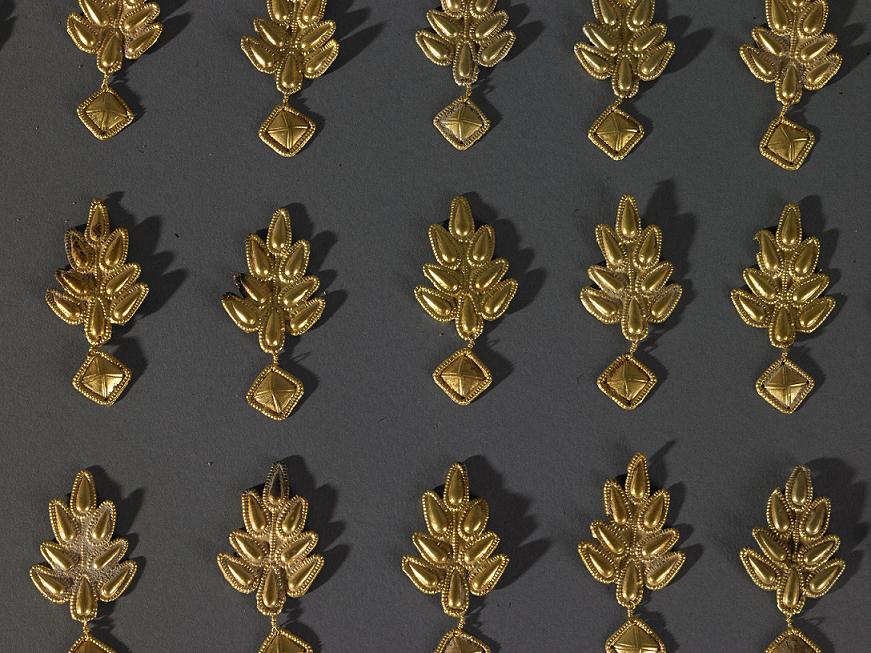
A fabulous treasure from the 5th century – already named the Nibelungen Hoard - was recently found
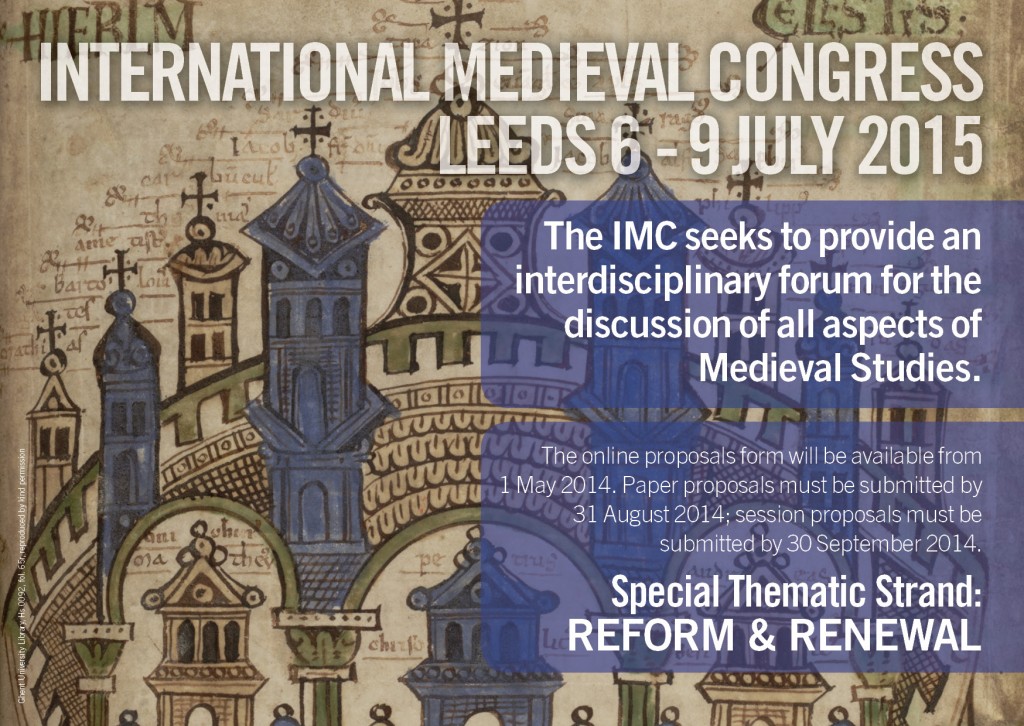
06.07.2015 - 09.7.2014 The twenty-second International Medieval Congress will take place in Leeds, from 6-9 July 2015. Thematic strand will be Reform and Renewal

11.12.2014 - 13.12.2014 Regional and trans-regional Interactions in Times of fragmentation (300 – 800 CE)
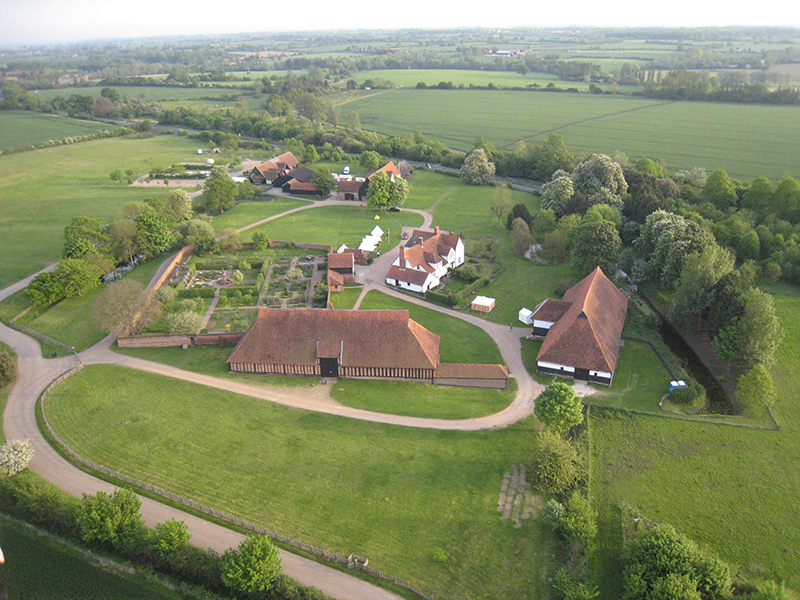
RESEARCH: The Knights Templars were efficient land-owners. But after 1308 new managers maltreated the land...

The Cult of St. Ladislas flourished in Medieval Croatia in the late Middle Ages

20.03.2014 Lecturer in Medieval History c.900-c.1500
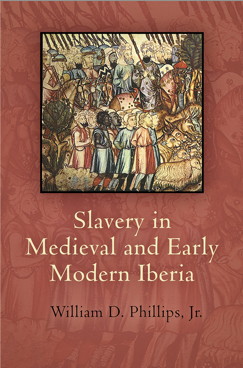
BOOK: Slavery in Medieval and Early Modern Iberia
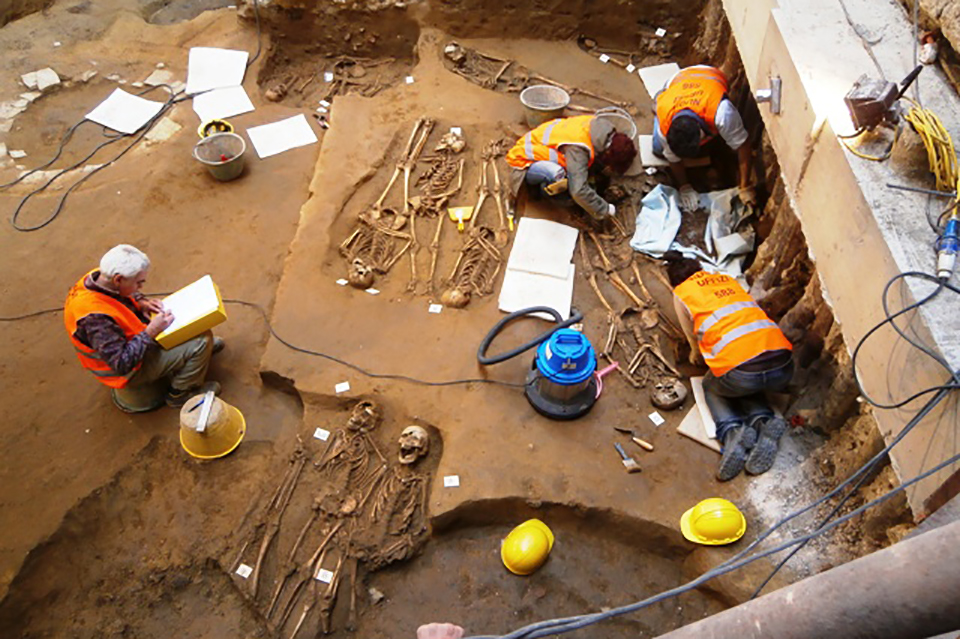
ARCHAEOLOGY: Sixty skeletons buried in a graveyard from the 5th – 6th century have been found in Florence

Water is life. Individual organisms, social formations and cultural acheivements all depend on Water. It is used in both pragmatic and symbolic contexts. Being a life-sustaining as well as destructive force, water connects and divides, absolves and dissolves. Society as a whole and individual institutions alike need to engage with and adapt to these ambivalent aspects of water. As a natural element, water provokes cultural reactions in regard to its utilization, evaluation and symbolism. The different functions water fulfills in the natural world are also addressed and negotiated in literature and visual arts.
Please send proposals before the 28th of februar to wasser2015@kps.unibe.ch
Prof. Dr. Gelinde Huber-Rebenich
Institut für Klassische Philologie
Universität Bern
Länggassstrasse 49
CH-3012 Bern
Water in Medieval Culture – The 16th Symposium of the Mediävistenverband.
University of Bern
22.03.2015 – 25.03.2015
CFP (Deadline): 28.02.2014

23.06.2014 - 24.06.2014 - The Mendicant Convents and Land in Central Europe
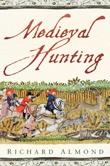
Medieval Hunting
By Richard Almond
The History Press 2011
ISBN: 9780752474625 (E-book)
ISBN: 9780752459493
Hunting was a major economic and leisure activity throughout the European Middle Ages, and while aristocratic practices have featured in studies of romantic and narrative literature, hunting in its wider sense, across the social spectrum with attendant male and female roles, has larged been ignored by modern medieval historians. Richard Almond’s study brings vividly to life the universality and centrality of hunting to medieval societies, both as an economic necessity and as an expression of medieval humanity’s amost atavistic sense of oneness with nature. Medieval Hunting dispels some of the myths and misunderstandings about hunting, including the persistent view that it was exclusively an aristocratic pursuit and a male one at that. Using a wide variety of contemporary textual and art historical evidence, Richard Almond demonstrates convincingly that hunting, including fishing and all manner of poaching, was enjoyed by all classes, and by women as well as men.

RESEARCH AND POETRY: Gaelic poetry from the 15th century paints a vivid picture of a flooded Welsh landscape...
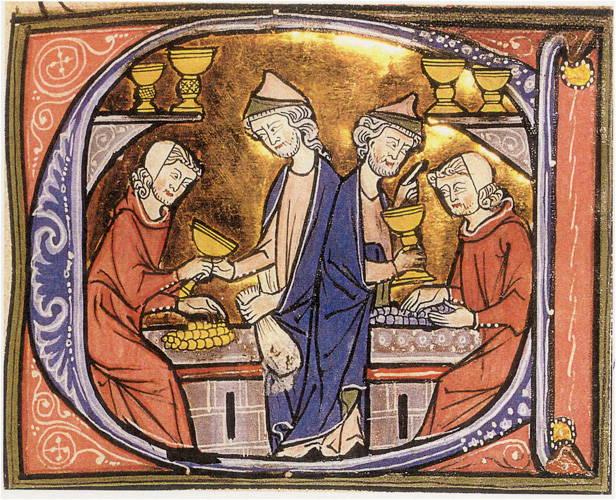
RESEARCH: Guidatica - or safe-conducts - were important instruments in letting commerce in Medieval Spain run smoothly...
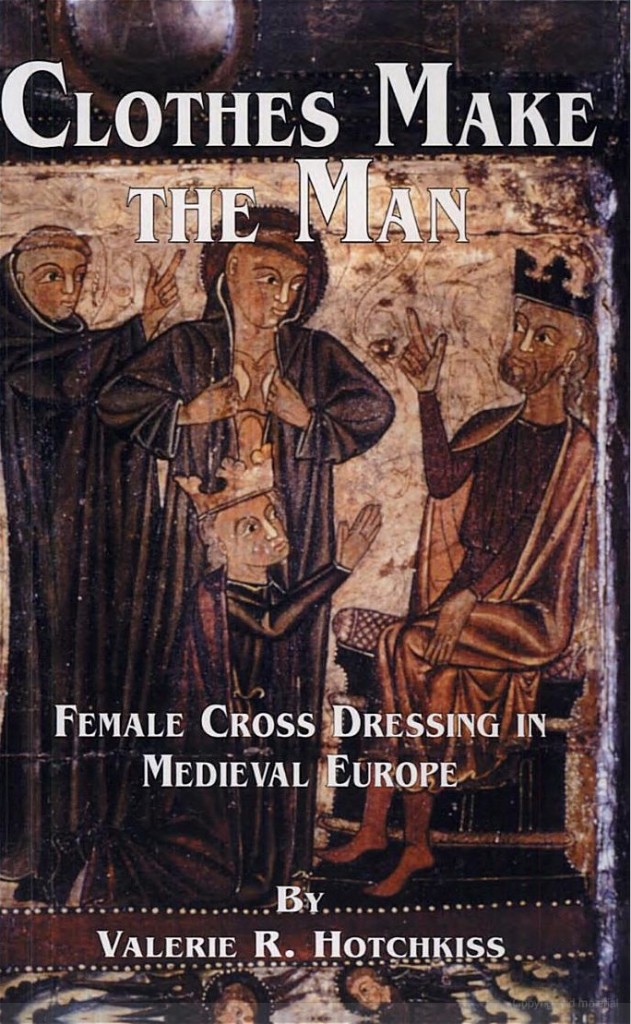
Clothes Make the Man: Female Cross Dressing in Medieval Europe
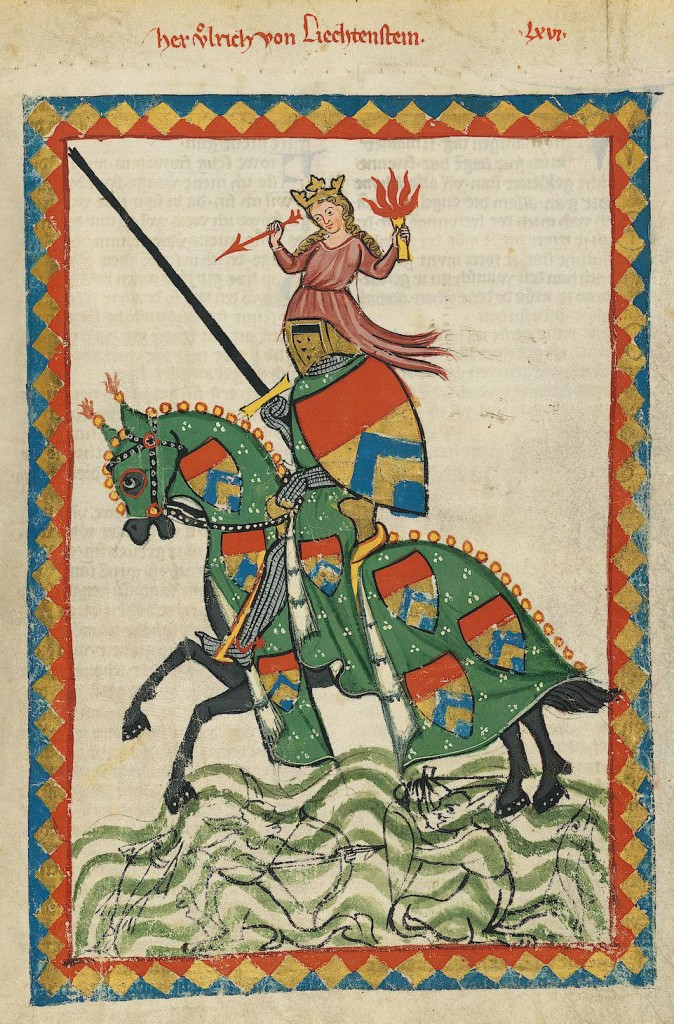
Transvestite Knights: Men and Women Cross-Dressing in Medieval Literature