NEW RESEARCH: Market Failure during the Great Famine in England and Wales (1315 – 17)...

NEW RESEARCH: Market Failure during the Great Famine in England and Wales (1315 – 17)...

We are pleased to announce the call for papers for Borderlines XVIII: Power and Influence in the Medieval and Early Modern World. This conference will be held in University College Cork, 4-6 April 2014. Proposals for both papers and panels are welcomed from postgraduate and postdoctoral researchers in the fields of both Medieval and Early Modern studies. This interdisciplinary postgraduate conference is kindly funded by the School of History, the School of English, the College of Arts, Celtic Studies and Social Sciences Graduate School, and the Forum for Medieval and Renaissance Studies in Ireland
The theme of this year’s conference will focus on the concepts of power and influence. From political thought to literary authority, the matters of power and influence, in both the Middle Ages and the Early Modern period, form a consistent presence. Their function and interpretation vary and when examining the issue of power, Foucault’s statement that “power must be analysed as something which circulates, or rather as something which only functions in the form of a chain” provides us with the starting point where we can explore the influences of power on these earlier societies.
This conference will explore and extend current perceptions of the roles of power and influence in both Medieval and Early Modern settings and invites papers that address the social, historical, literary, religious and cultural significance of these roles. We welcome papers from researchers in the fields of Anthropology, Archaeology, Codicology, Drama, Digital Humanities, Folklore, History, History of Art, Geography, Languages, Literature, Music, Paleography, Philosophy and Theology. Topics may include (but are not limited to):
• Political power and its structure
• Class system
• Physical power: combat and warfare
• Lack of power and issues of liminality
• Gender roles
• Authority in religion and religious groups
• Power: its presence and absence in society
• Literary authority
• Commerce and economics
• Place and territory
• Depictions of power and powerlessness in art and literature
Abstracts of 250 words plus a short biography for a 20-minute paper are welcomed from postgraduates (MA, PhD and Postdoctoral students), as are proposals for panels, and should be submitted by Friday 31 January 2014 to borderlinesxviii@gmail.com.
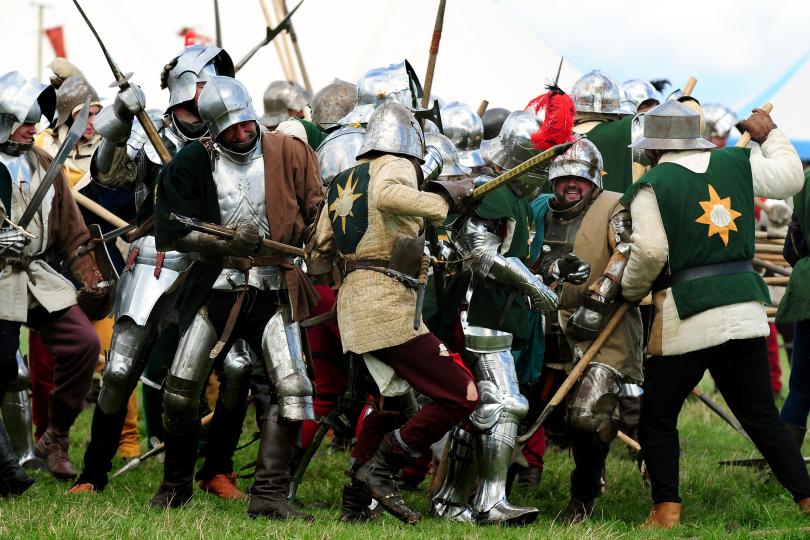
A new course offered for free by the University of Leicester in association with FutureLearn builds a picture of the England that Richard III inhabited in the 15th century—and comes from the scholars in archaeology, history and literature who helped uncover the monarch, whose remains were found underneath a car-park in Leicester in 2012. Over 10,000 people signed up to the first release of the course, and interest in the course has been so high that similar numbers are expected for the second release.
The course, which is already fully booked, will explore a time that saw huge upheavals, including savage dynastic warfare, shifting allegiances among a powerful aristocracy, and significant depopulation. Students will also learn about how workers become more prosperous as wages rose, and how introduction of printing transformed access to literacy and books.
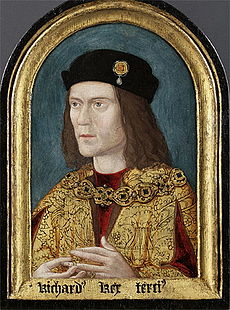
The six week course, starting on the 25th of November, will cover a different feature of Richard III’s England each week, including:
They are no entry requirements, but the course will be taught by leading academics in the field. It will entail about two hours of study a week.
“We think we’ve developed a course that will really enhance your interest and understanding of the period,” said Deirdre O’ Sullivan, Lecturer in Medieval Archaeology in the School of Archaeology and Ancient History. “As well as the way in which scholars go about identifying the questions that need to answered and bringing evidence to bear on them. There are many controversies about the period and we hope that by the end of the course you will armed with enough knowledge to formulate your own views of the credibility, or otherwise, of some of the theories around.”
The course is a MOOC—a Massive Open Online Course, delivered online to enable anyone to enjoy learning—wherever they are, and whether they are enrolled at university or not. They are offered in association with Futurelearn, which is owned by the Open University and currently launched in beta form.
FutureLearn, set up in December 2012, offers free MOOCs in partnership with 23 UK universities and three international institutions, along with the British Museum, British Library and British Council.
This MOOC is the first such course offered at the University.
“At Leicester we’ve got a lot of experience in delivering distance learning courses”, said Deirdre O’Sullivan, “We run a full set of programmes at master’s and undergraduate level, and we’ve been doing this for a long time, so we think we understand the needs of distance learning students.”
Please note that all places are currently filled on this release of the course. Applications for the next release are open; the next course will start in midsummer 2014.
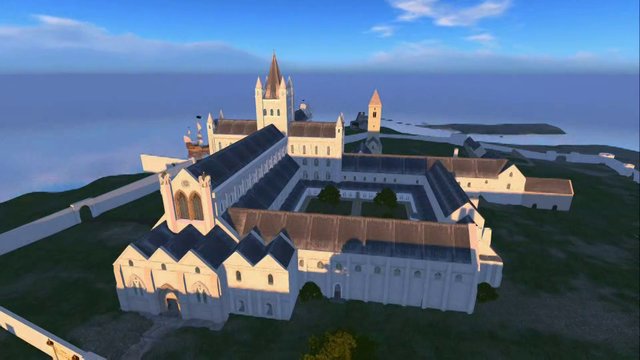
Review: Archaeologists, historians and computer scientists at St. Andrews University is busy exploring new technology to create open worlds for time-travellers
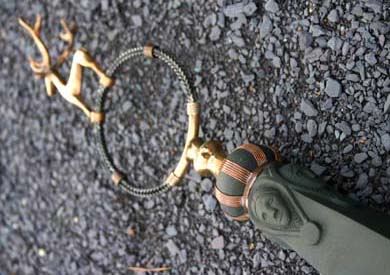
RESEARCH: Might the whetstone or sceptre from Sutton Hoo be a touchstone?...
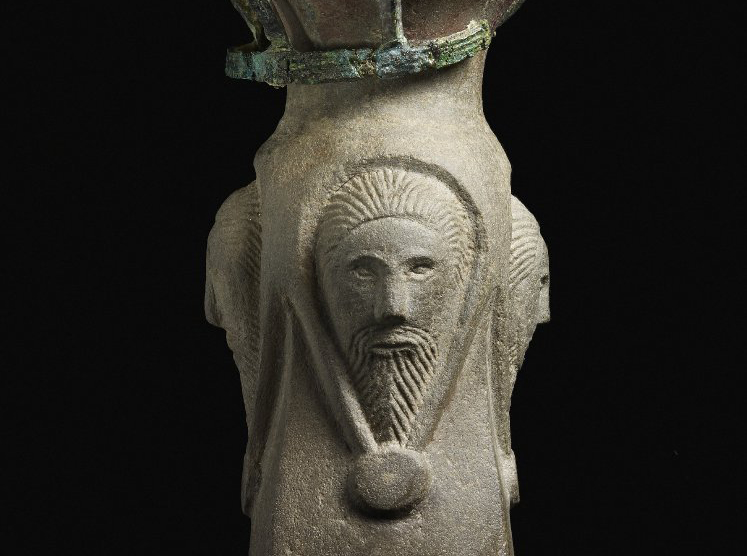
REVIEW: A reconstruction of the whetstone or scepter from Sutton Hoo has yielded new information…

Silk has been found in abundance in Viking Graves witness to a lively long-distance trade with Persia...
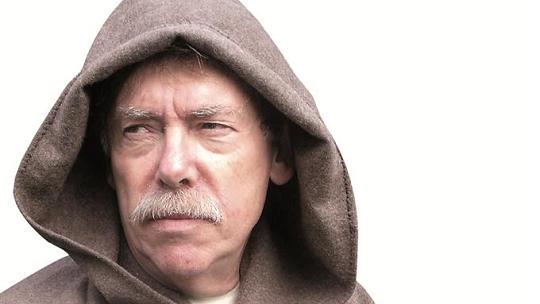
Three months after the foundation stone was laid for Campus Galli, the construction of the medieval monastery is bankrupt...

These Fragments is a blog written by Toby Martin, who has recently acquired a post as a postdoctoral junior research fellow at the University of Oxford. The title of the project is “Origins of a European Community. Creating identity and Networkd with dress in Post-Roman Europe”
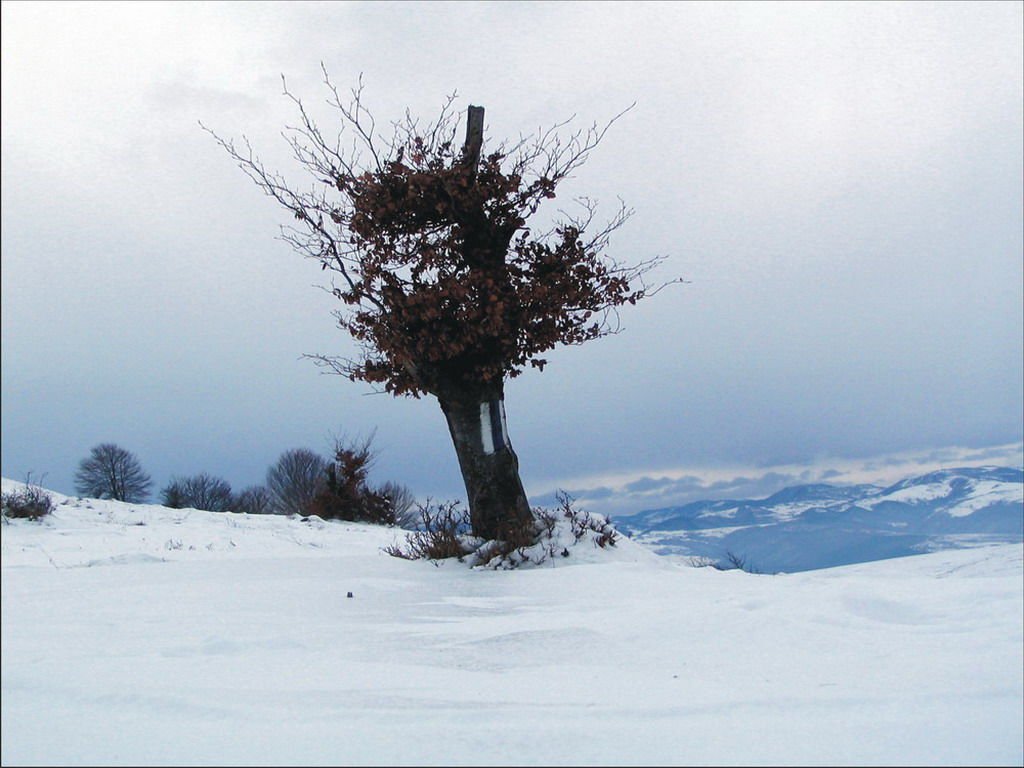
NEW RESEARCH: Black Death Predated 'Small World' Effect, Say Network Theorists...
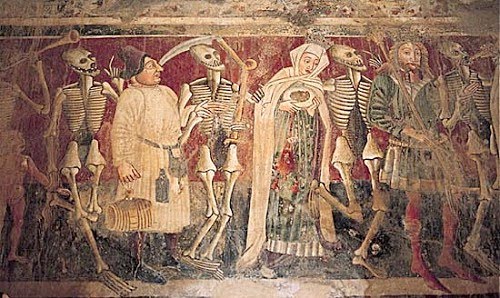
Did Yersinia Pestis cause Black Death? Or was it another plague? The jury is still out…
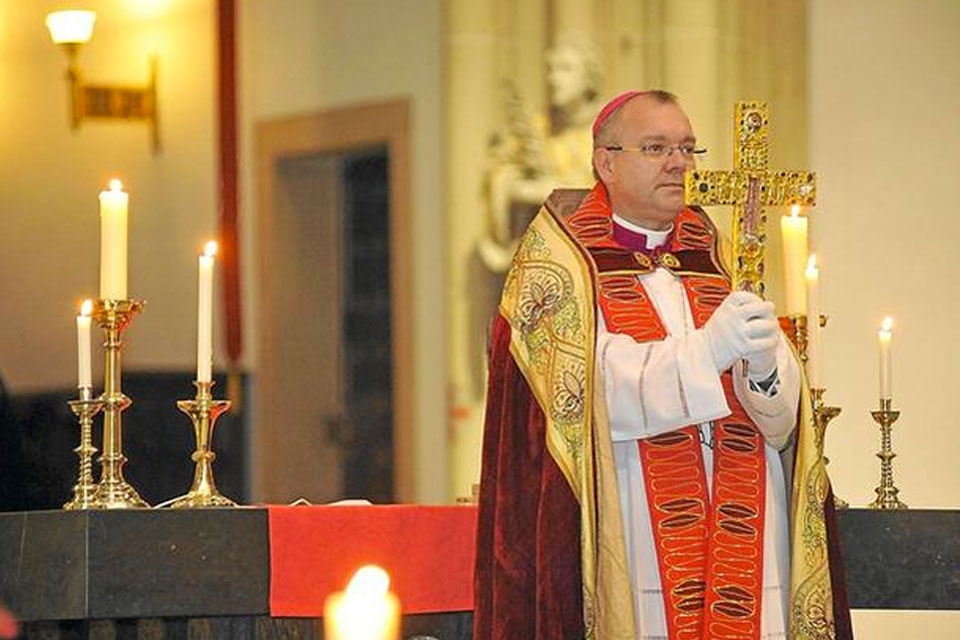
A priceless Salian Cross from 1050 AD has been stolen from the St. Nicomedes Church...
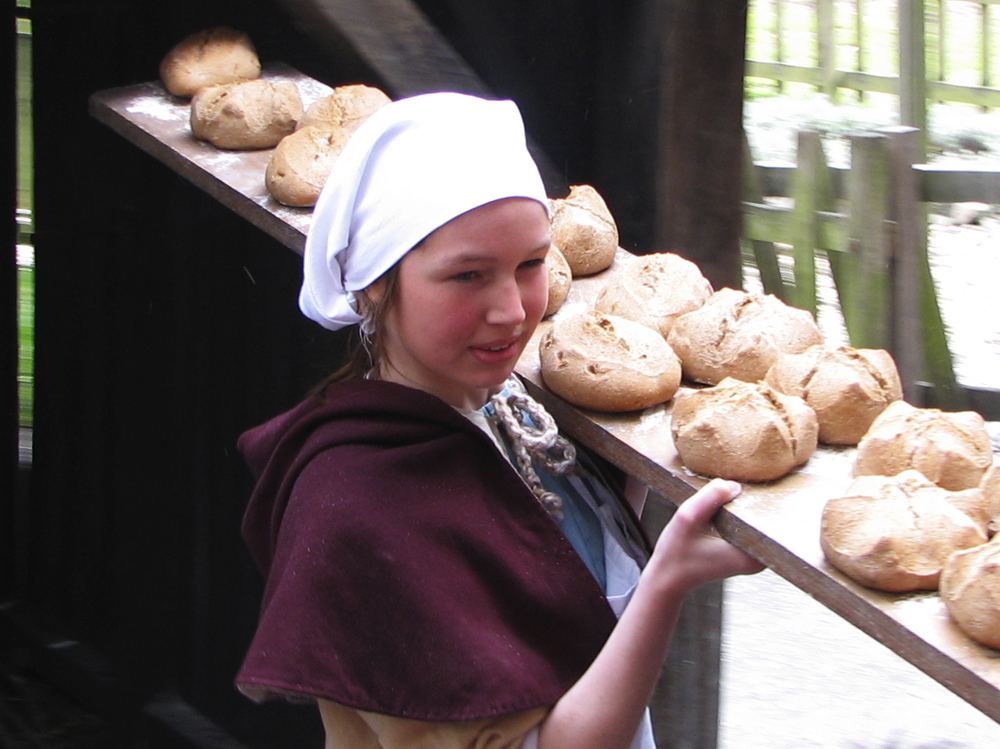
Wish to bake your own medieval soul cakes? Get the recipes here for farced wastels and poor knights...
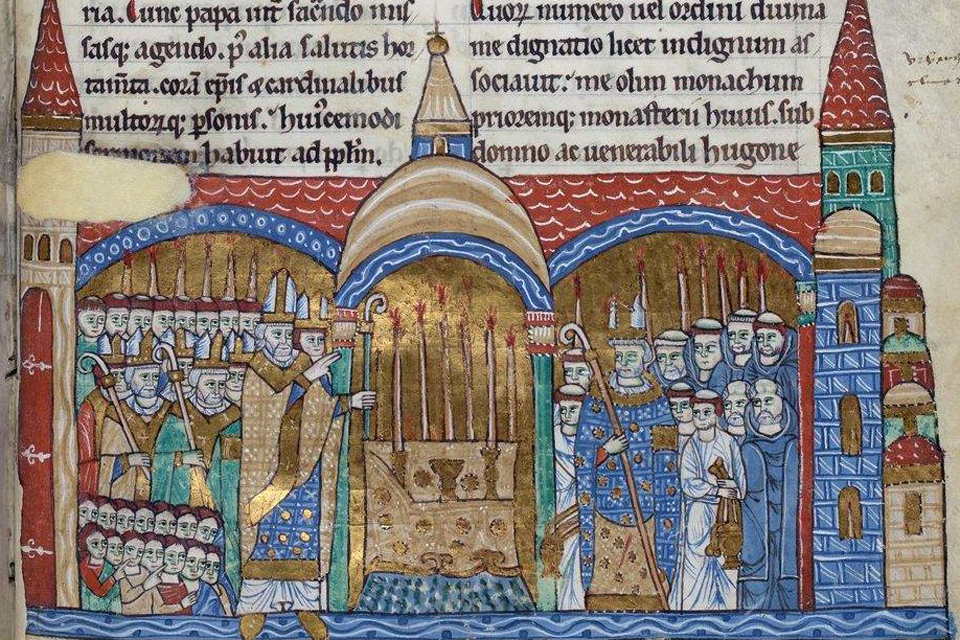
Between 1024 and 1033 the monks at Cluny began commemorating the dead souls on the day after All Saints
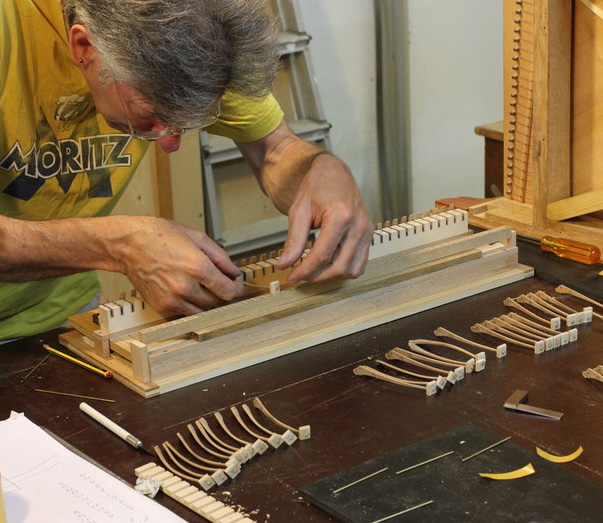
Medieval keyboard instruments like the clavisimbalum were popular in the 15th and 16th century...
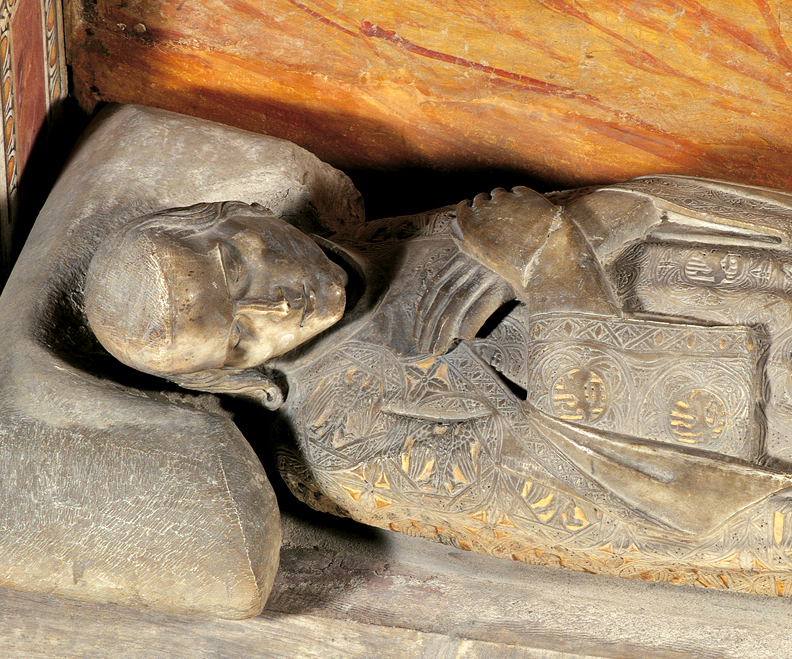
The tomb of Henry VII in Pisa has revealed a fabulous 14th century silken shroud worked with lions ...