A new book tells the story of the Battle of Maldon AD 991and explores the famous poem, which framed the devastating event as a heroic and epic tale.
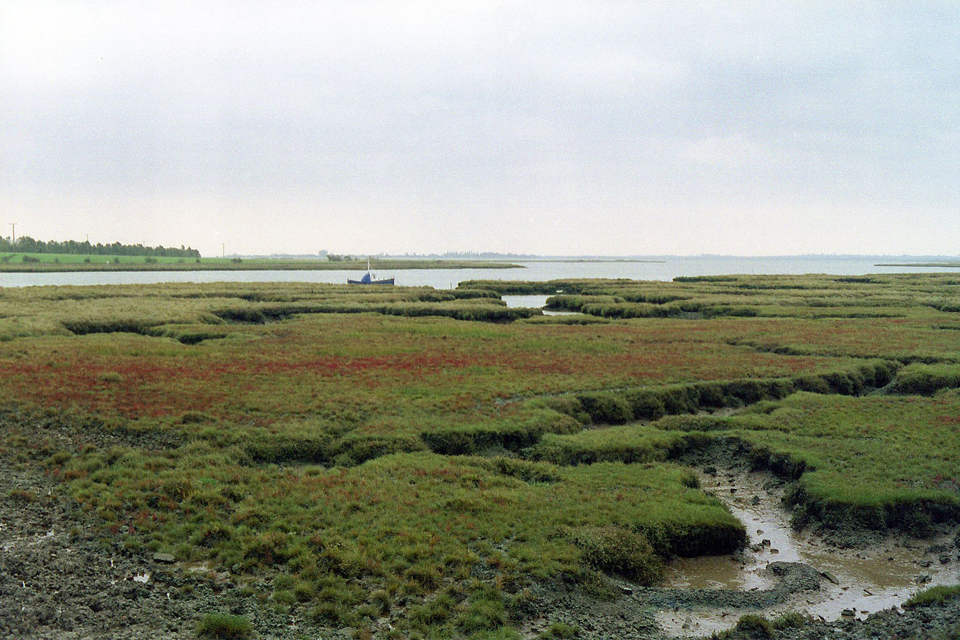
A new book tells the story of the Battle of Maldon AD 991and explores the famous poem, which framed the devastating event as a heroic and epic tale.
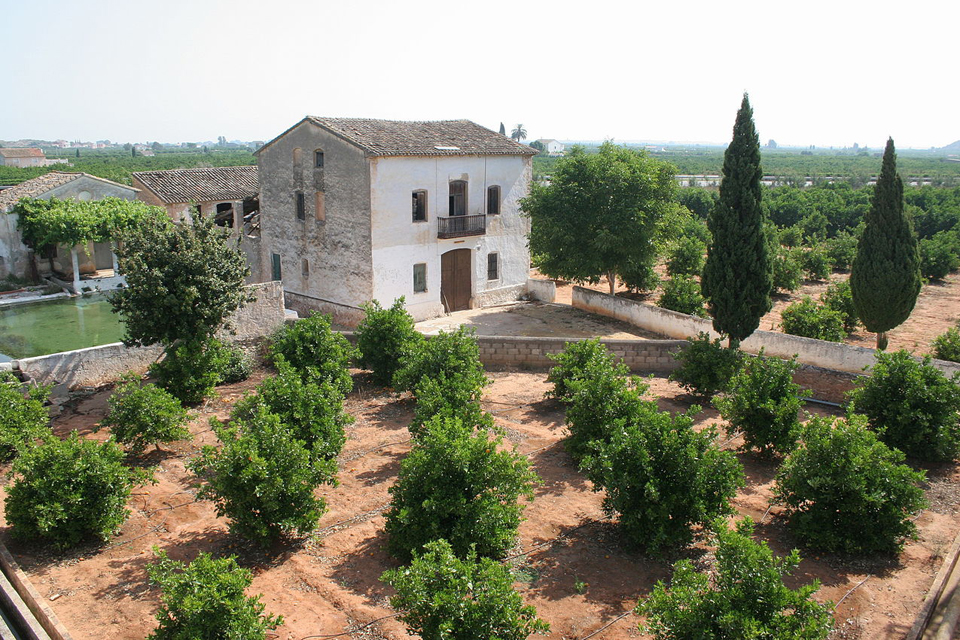
In 1974 the historian Andrew Watson published an influential article in which he coined the phrase: The Arab Agricultural Revolution. How has this thesis fared? What do we know today about gardening in Early Medieval Iberia?
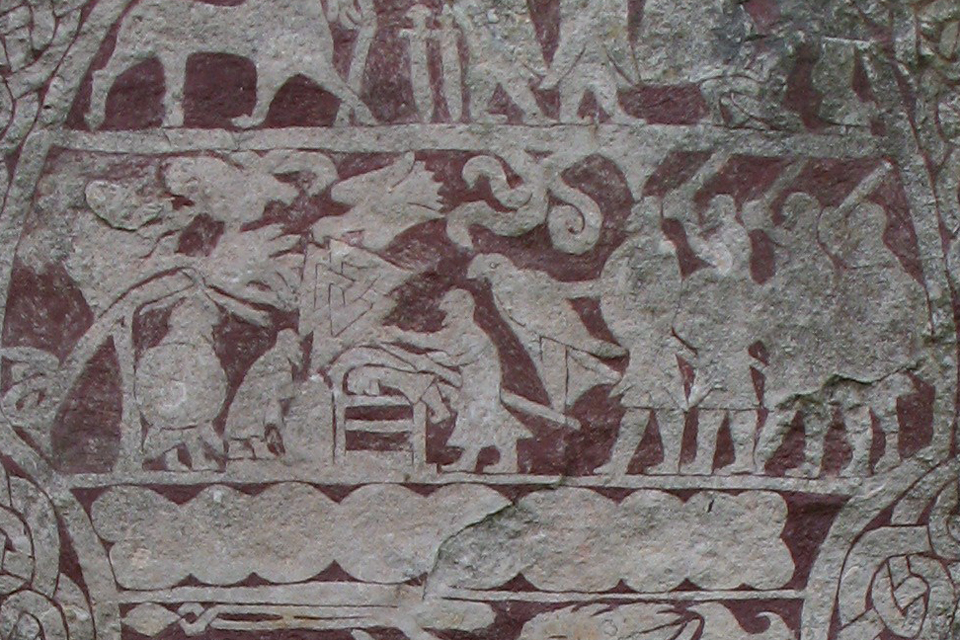
For the last thirty years archaeologists have excavated at Gl. Lejre, discovering an impressive series of seven great halls, succeeding each other for 500 years.
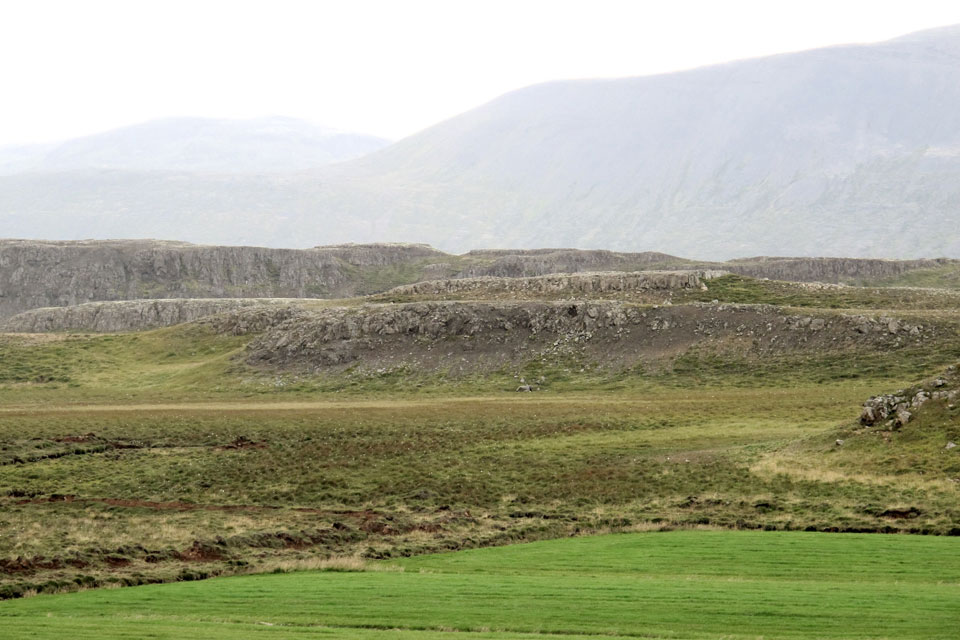
Detailed history of the 9th-11th century settlements at Hegranes explores the ecological and social history of Early Iceland
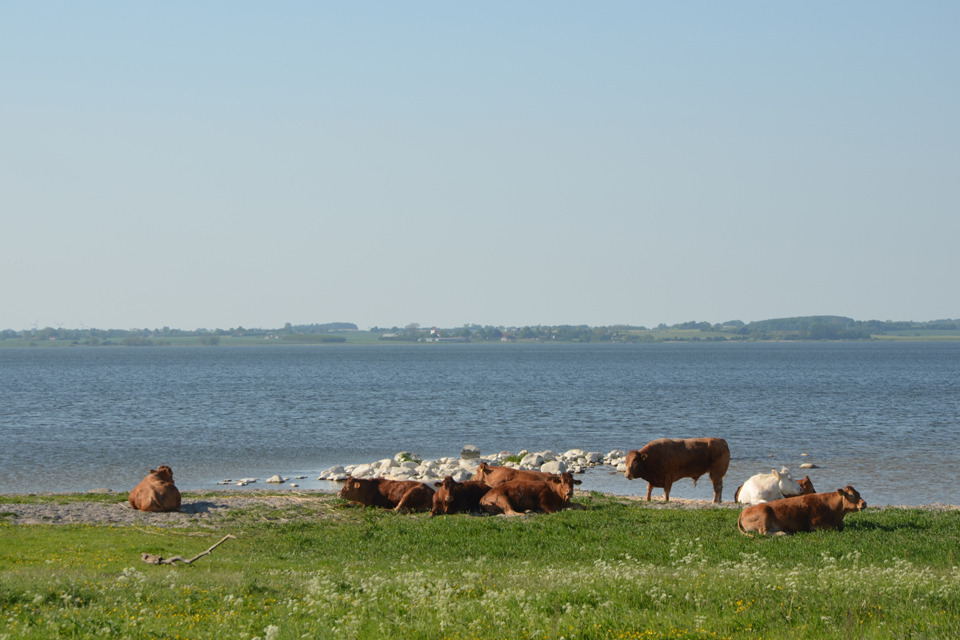
Right on the west bank of Lake Tissø in Western Zealand in Denmark, archaeologists has excavated a significant part of what turned out to be a major Viking manor.
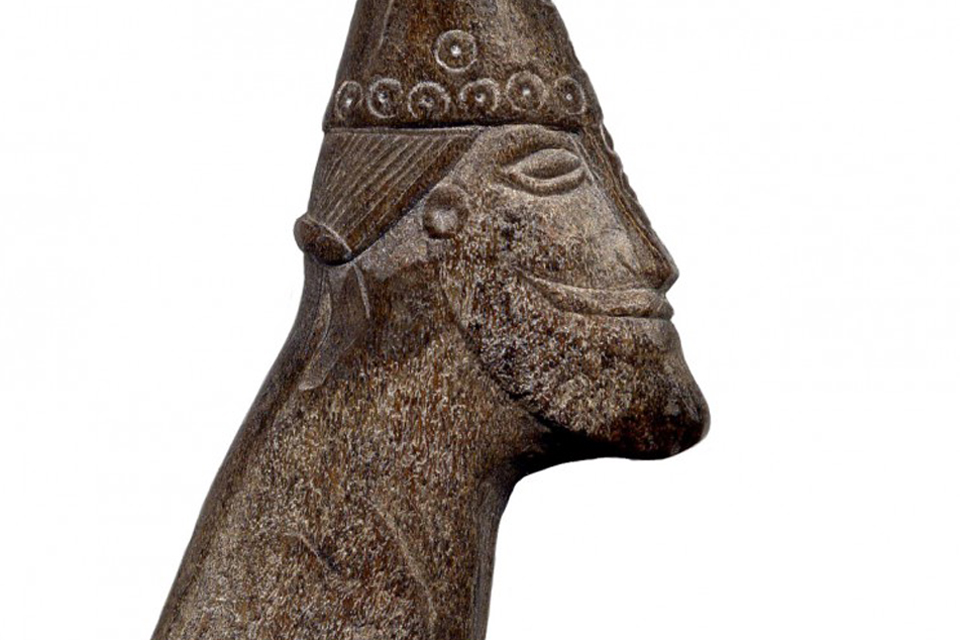
The first town in Sweden, Sigtuna may have been the prominent crucible of the early Swedish nation state
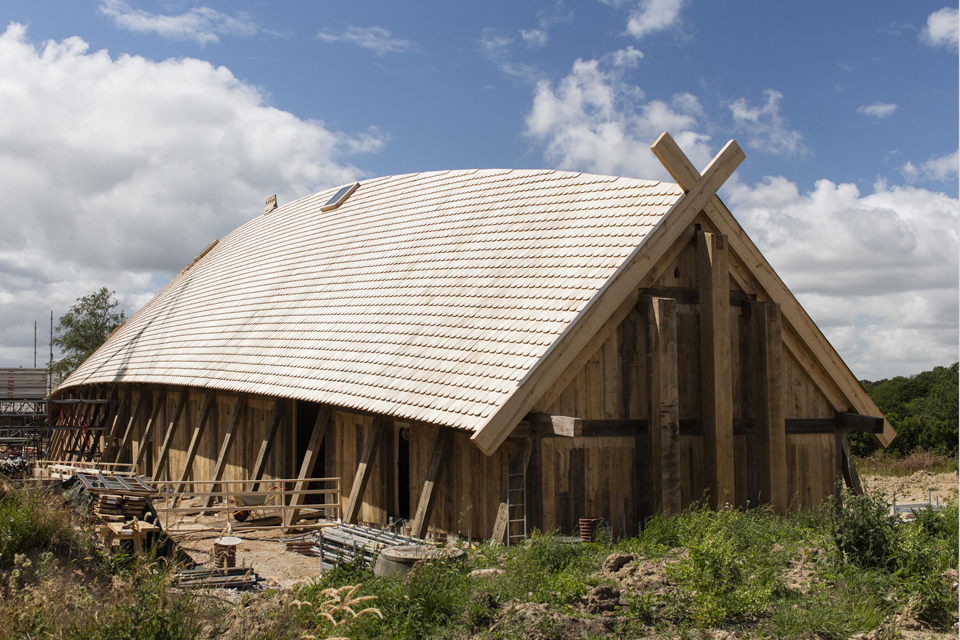
From Late Antiquity to the High Middle Ages, halls were the central focus of elite residences in Northern Europe
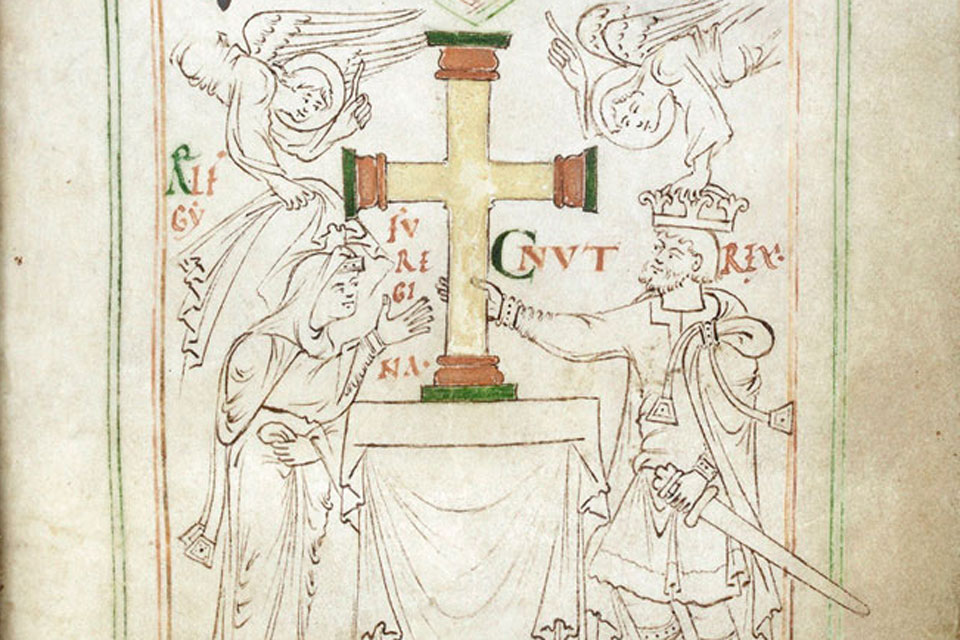
A new project by designer Jim Lyngvild aims to visualise our Viking kings and queens. But what did they really look like?
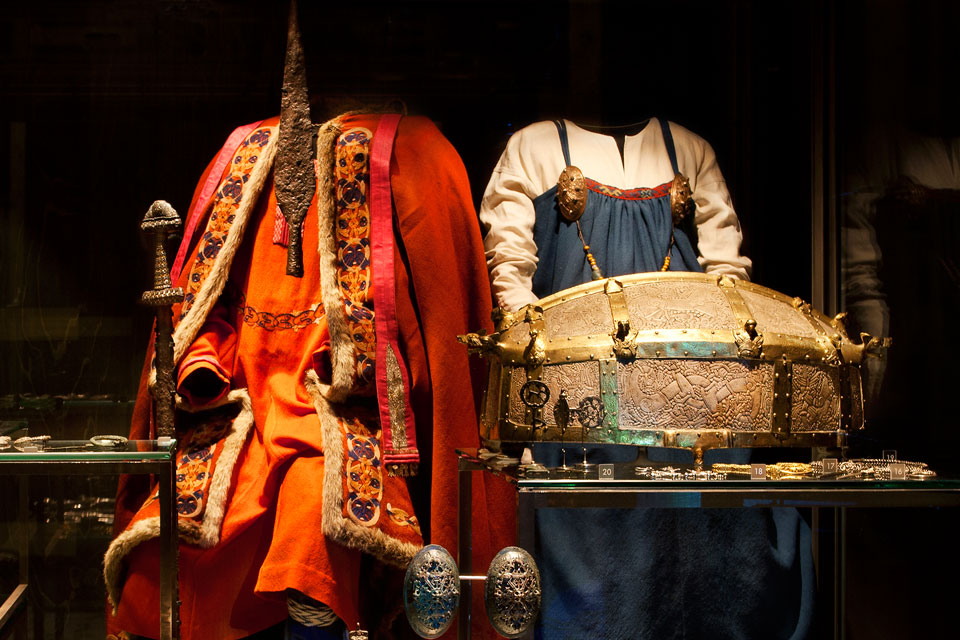
What did Viking clothes and outfits look like? A large grant supports archaeologists and textile researchers exploring and recreating authentic textiles and dresses
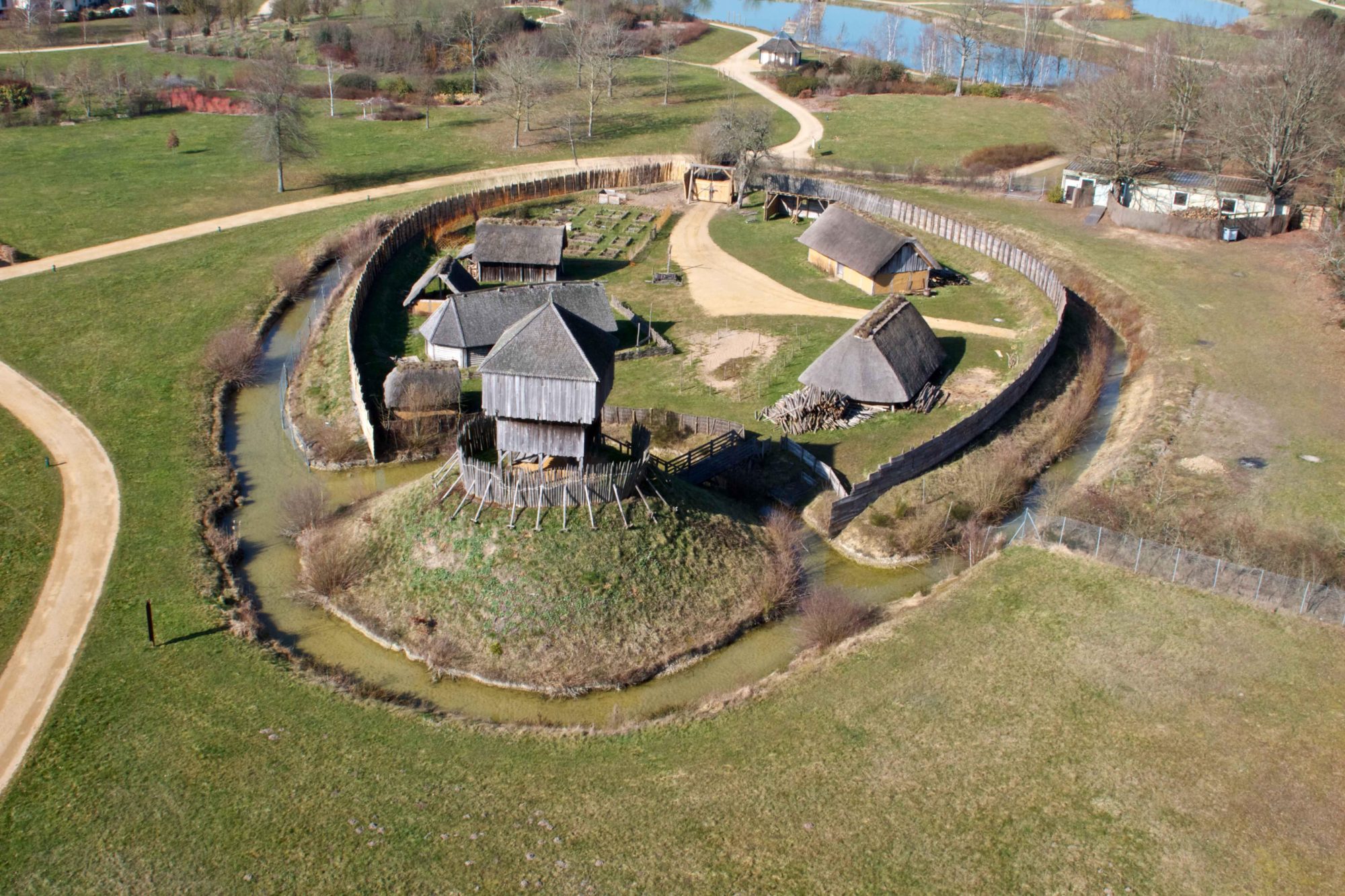
Europe in the Tenth Century is commonly allowed to stretch from 890 to 1030. Named since the 15th century as the “Century of Lead and Iron”, it was characterised by a significant shift from centre to the periphery, from France to Germany.
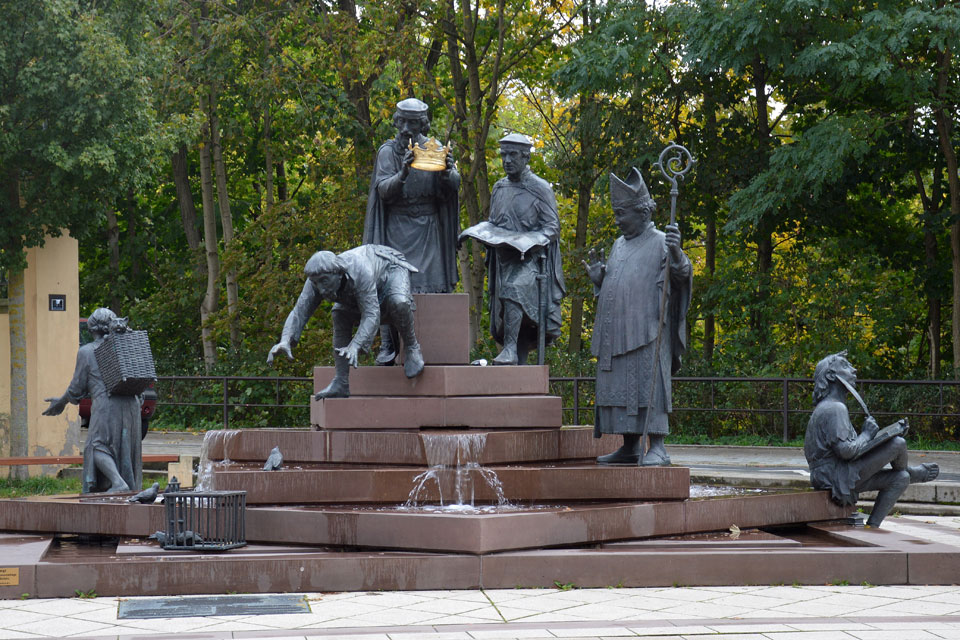
How did Henry the Fowler and his son, Otto the Great, turn Germany into the political centre of 10th century Europe? By besting the Magyars? Or by more traditional mythmaking? New book explores the various sources and their role in the later historiography.
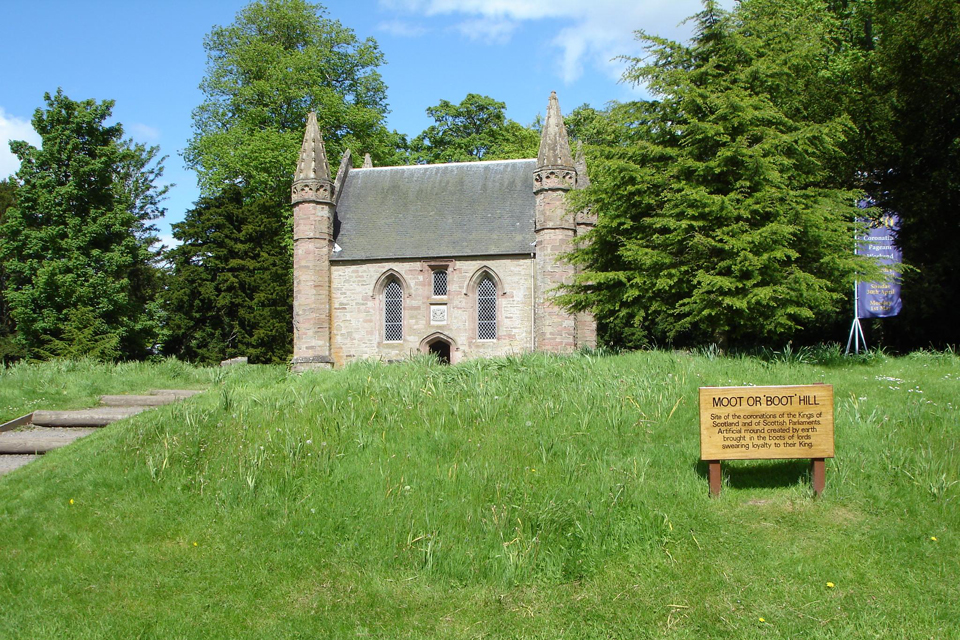
Scone is best known for the Stone of Scone, also known as the Stone of Destiny or the Stone of Coronation. Less well known is that Scone was the primary ceremonial and legislative gathering place in Scotland. Recently, the results from extensive archaeological excavations were published.
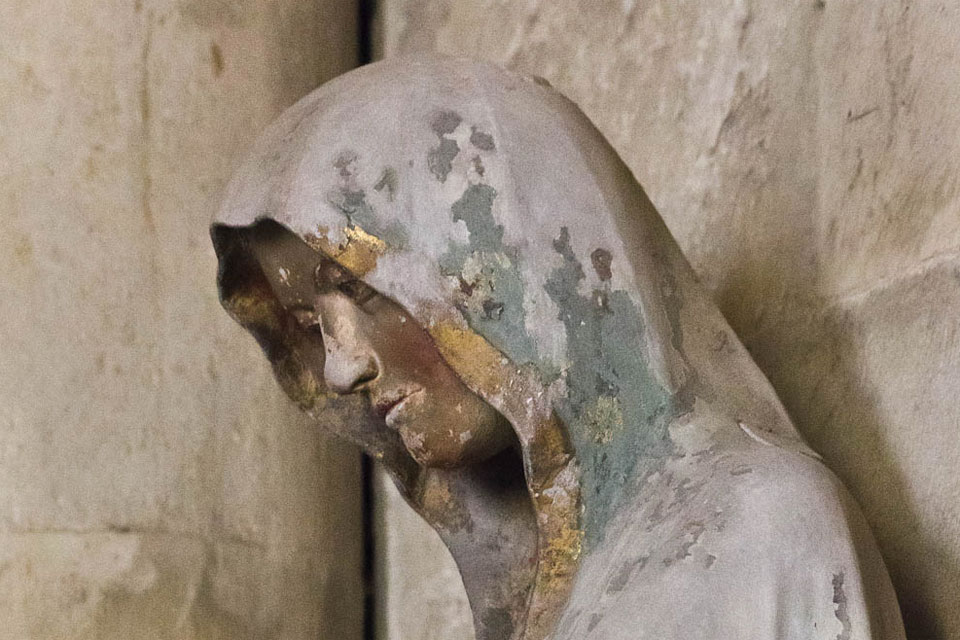
This year the Romanesque Route in Sachsen-Anhalt celebrates its 25th anniversary. In connection with the celebrations, three exhibitions have been organised. Also, a new Cathedral Museum in Magdeburg is scheduled to open its doors this autumn.
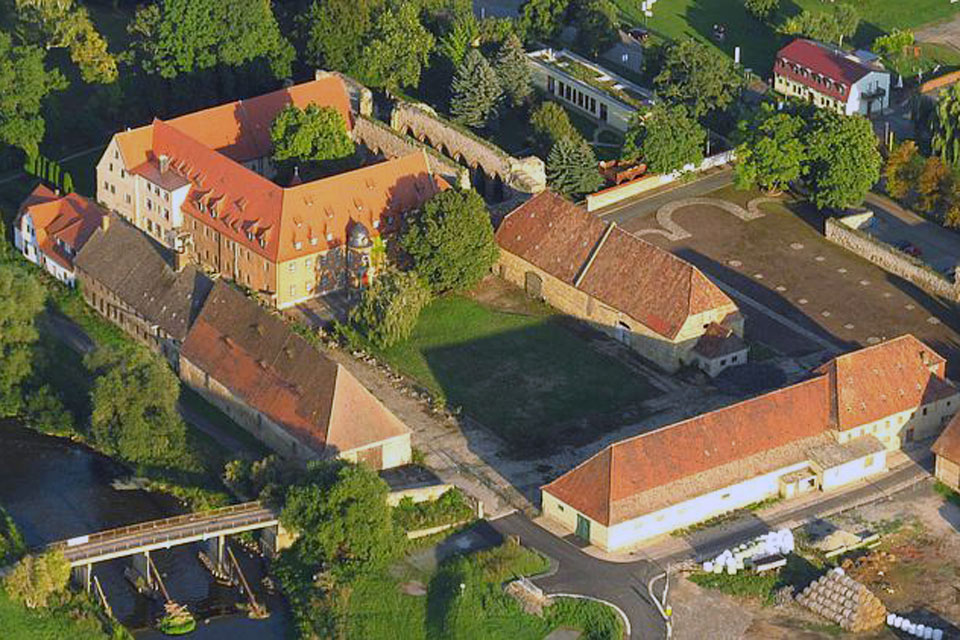
Memleben, one of the royal centres in Ottonian Germany is located at the river Unstrut. Founded in the 8th century, its heyday fell in the late 10th century, when the last Ottonians briefly planned to turn the place into a memorial shrine for their dynasty
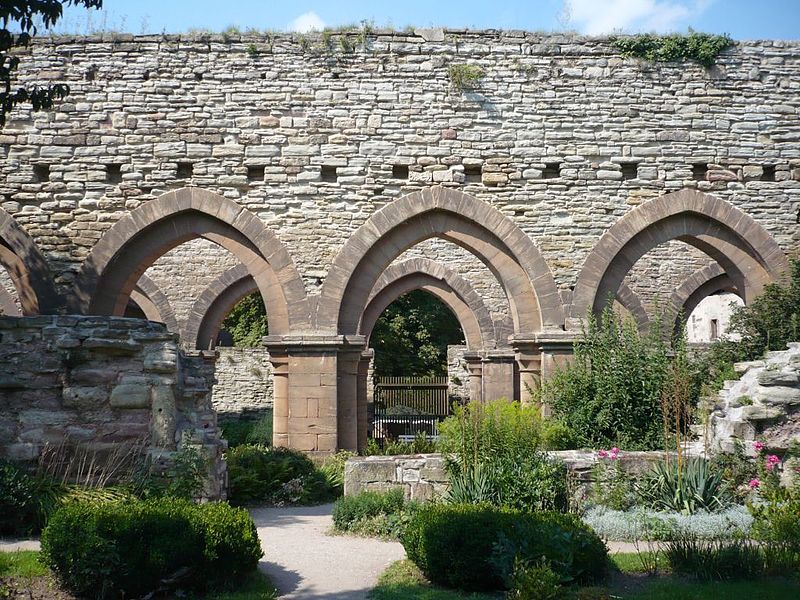
Knowledge about the Medieval Royal Palaces in Sachsen-Anhalt is sporadic. New publication aims to remedy this
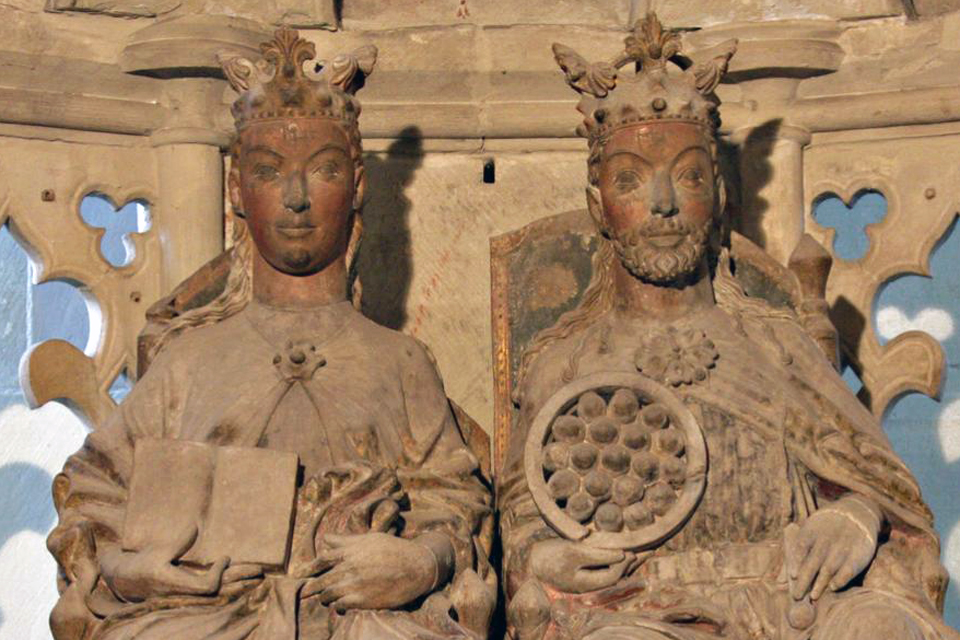
In 962 Otto the Great was crowned emperor by the Roman Pope...