The City Museum in Barcelona has remodeled its exhibition devoted to the period from Late Antiquity and into the 8th century: the Visigothic period
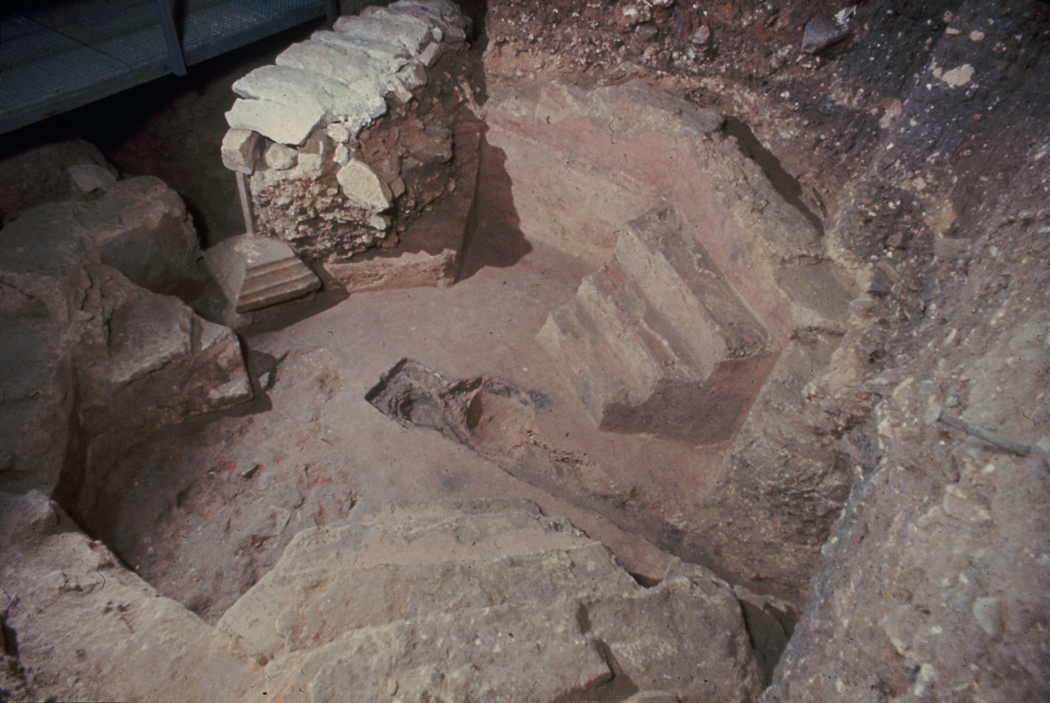
The City Museum in Barcelona has remodeled its exhibition devoted to the period from Late Antiquity and into the 8th century: the Visigothic period
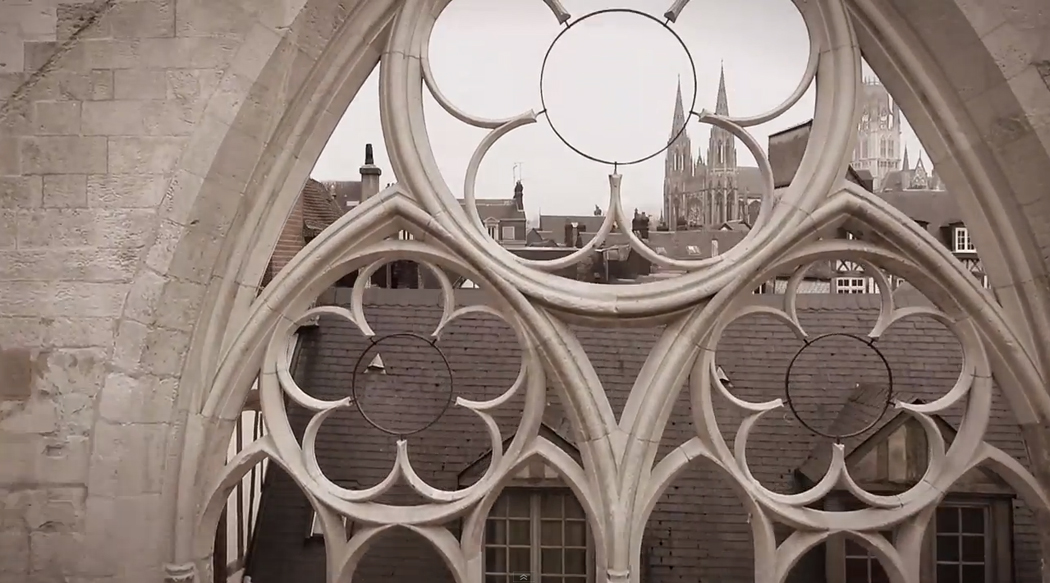
Next month a Joan of Arc Installation opens in Rouen. It appears she is set up to surpass Madame Tusseauds and turn her into a digitized saint

For the first time in a hundred years the private Thomée Collection, containing priceless medieval and renaissance art, is on show in Aachen
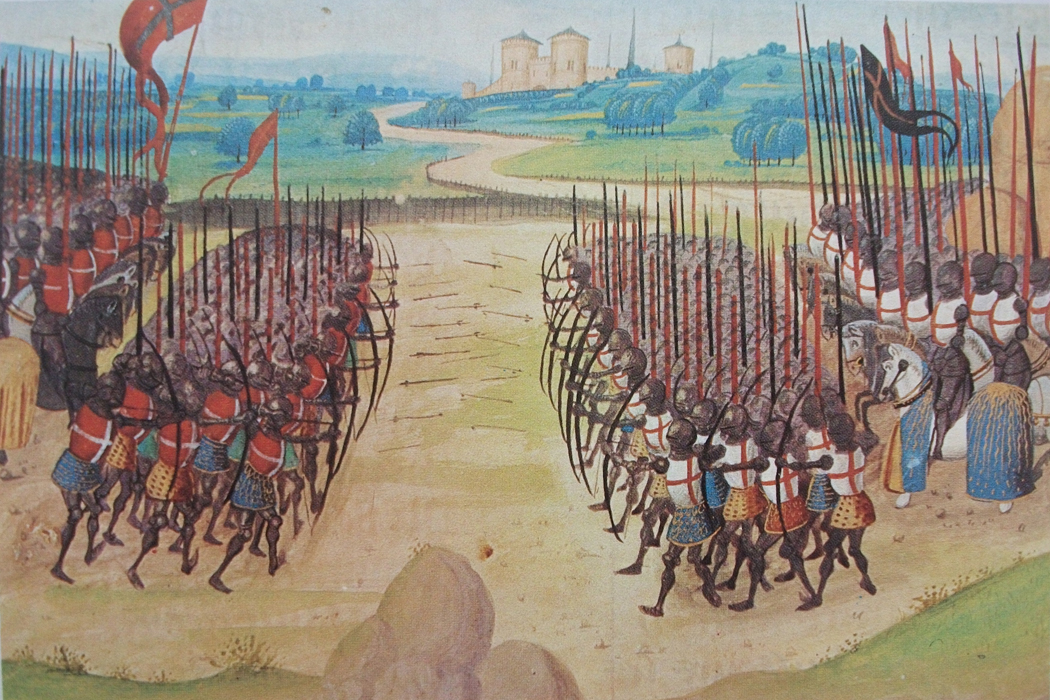
The battle at Agincourt in Nord-Pas-de Calais is famous for the heroic fight between the outnumbered English archers and the French iron-clad chivalry. This year England and France commemorates the battle.
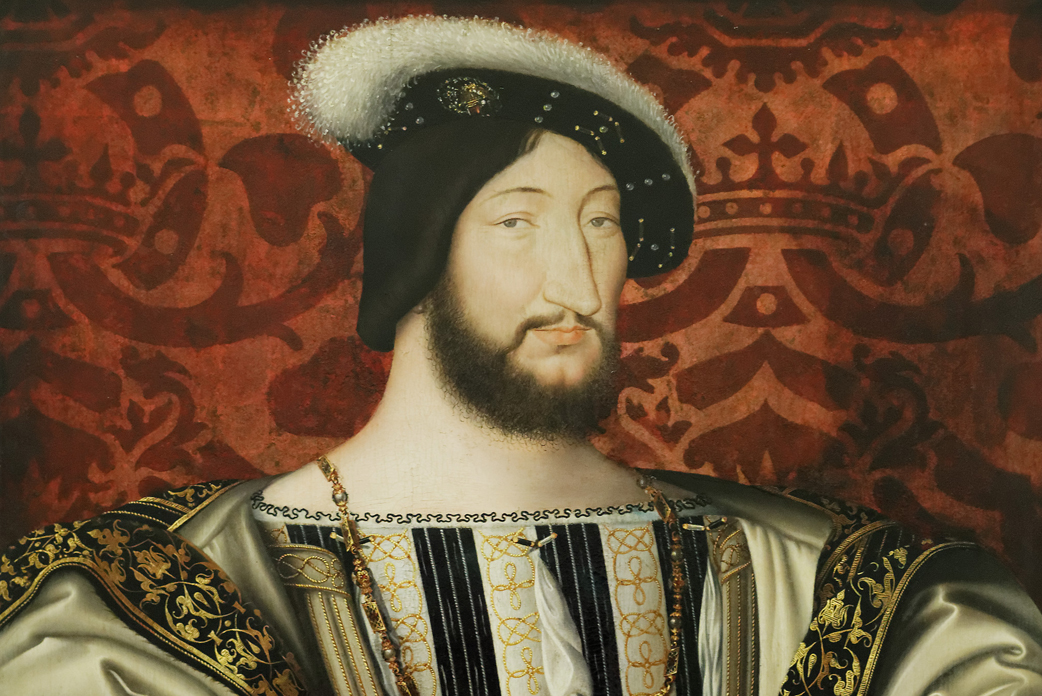
2015 France celebrates the 500-year anniversary of the coronation of Francis I in Reims
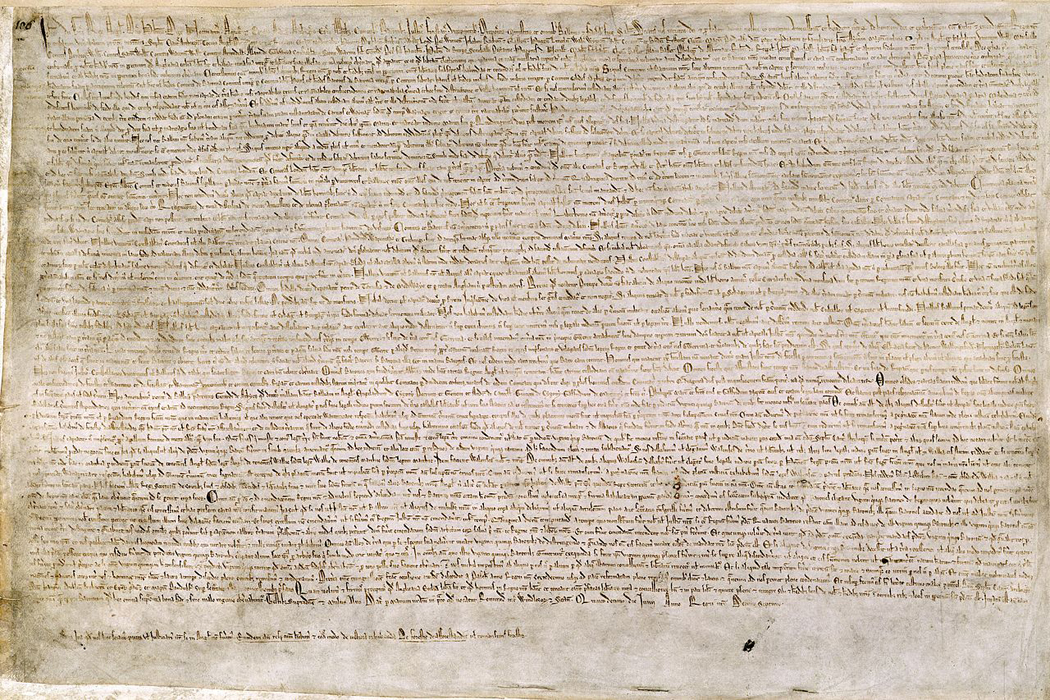
2015 England and with it large parts of the Anglo-Saxon World is set to celebrate the 800-year anniversary of Magna Carta. A spat of books are in the crucible
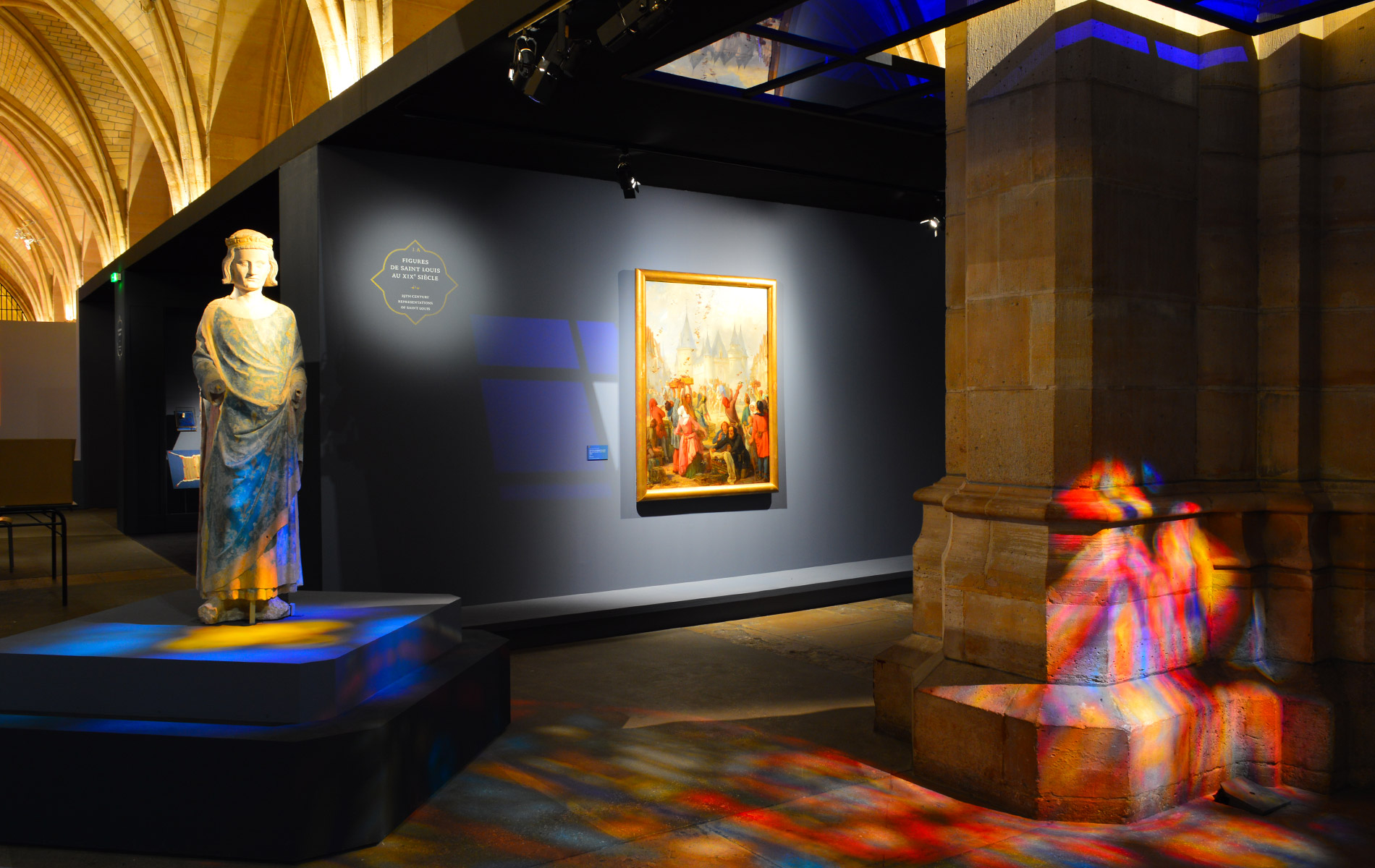
Louis IX (1214 – 1270) was an intriguing man. This year France celebrates his 800-year anniversary with a very important exhibition in Paris
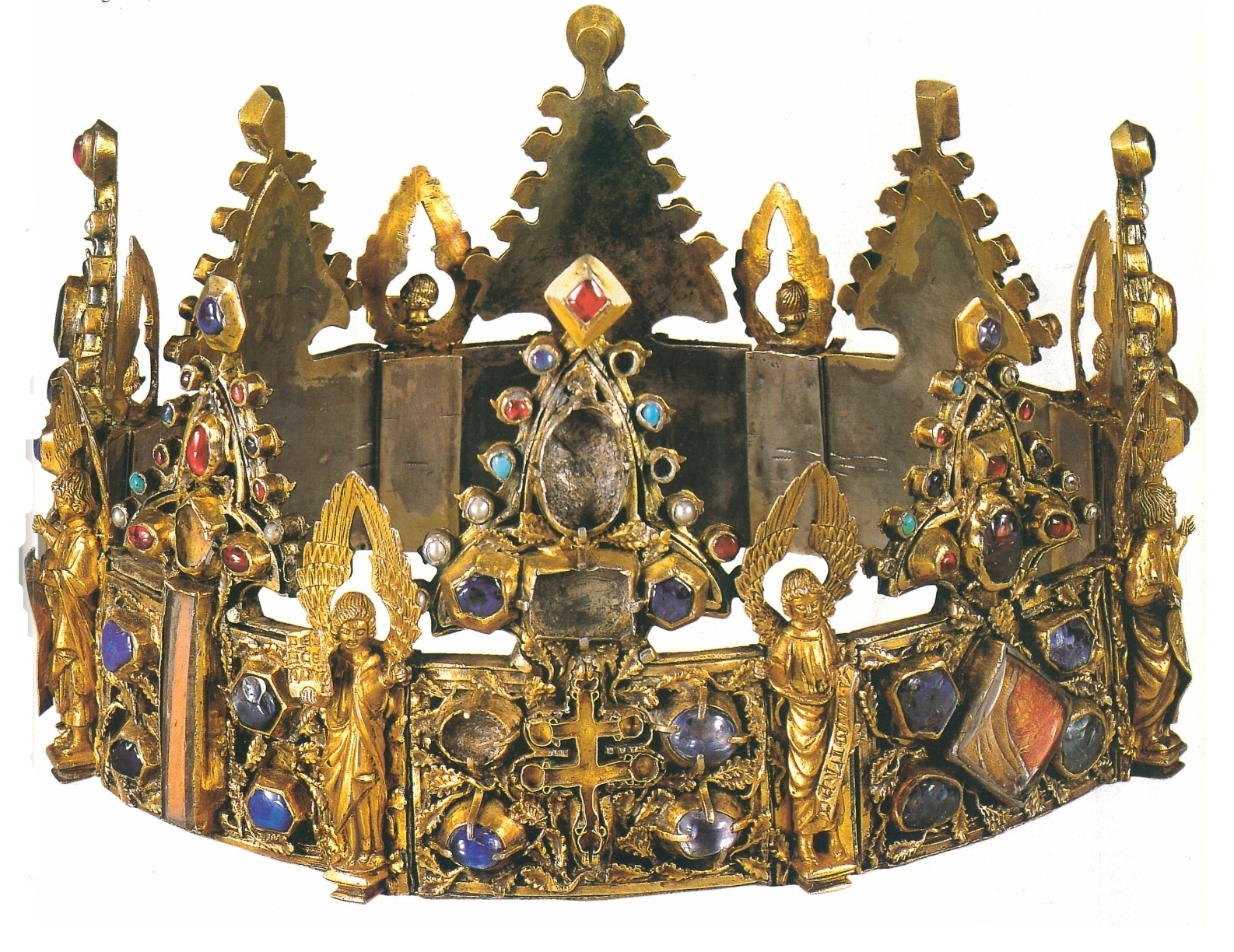
In connection with the grand exhibition in Paris celebrating the 800-anniversary of Saint Louis, a large and beautiful catalogue has been published
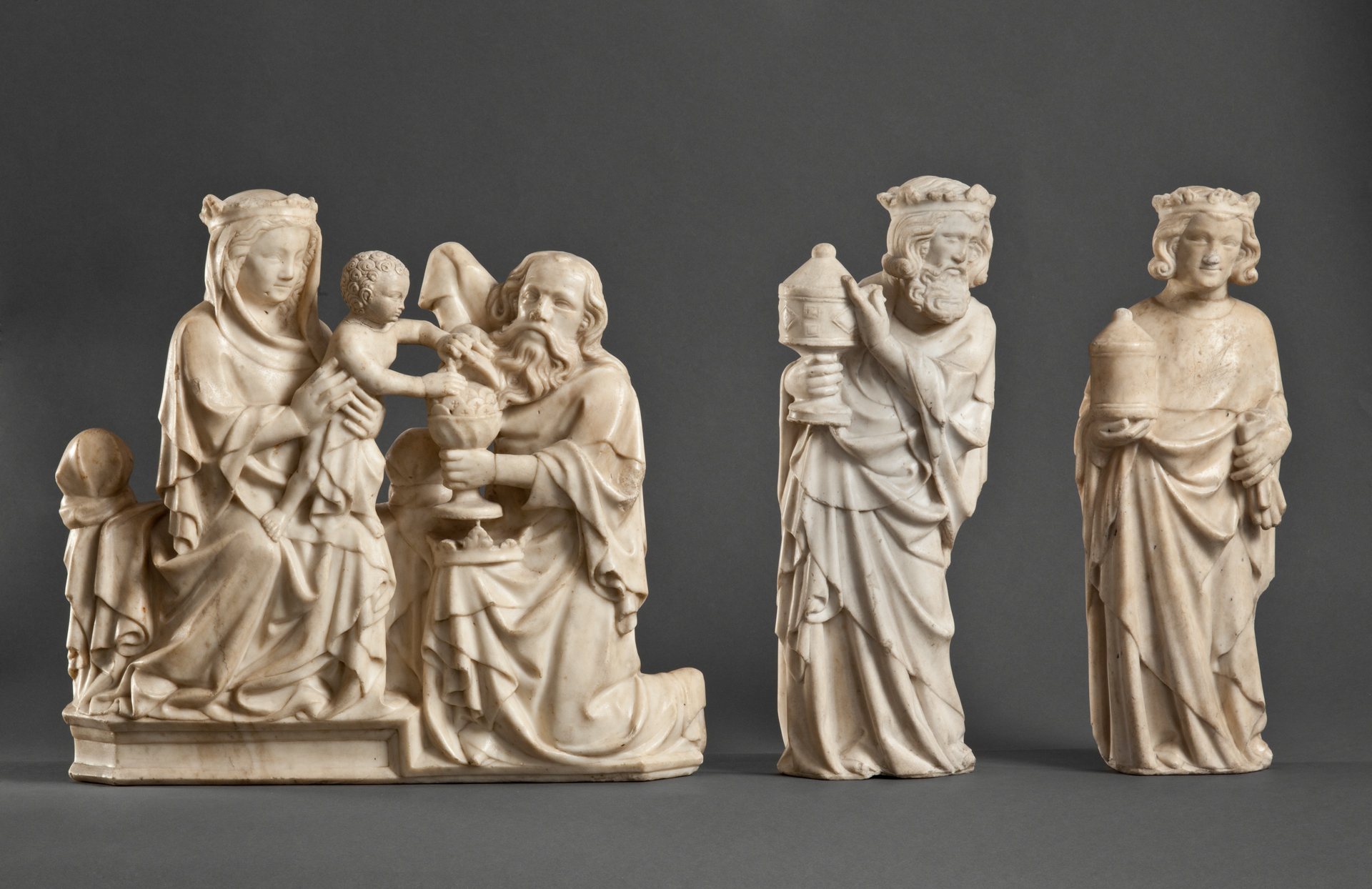
The city of Cologne in Germany has been celebrating its magnificent trademark – the Three Magis – all year. The occasion is the 850th anniversary of the arrival of the relics in the city.
The remains of the Magi were brought to the Cathedral in Cologne in 1154 after having been pillaged from the Italians by the Archbishop Rainald of Dassel. During the Middle Ages their relics transformed the city into one of the most beloved pilgrimage centres in the Western World. This year the city celebrates the 850-anniversary with a series of events and several exhibitions.
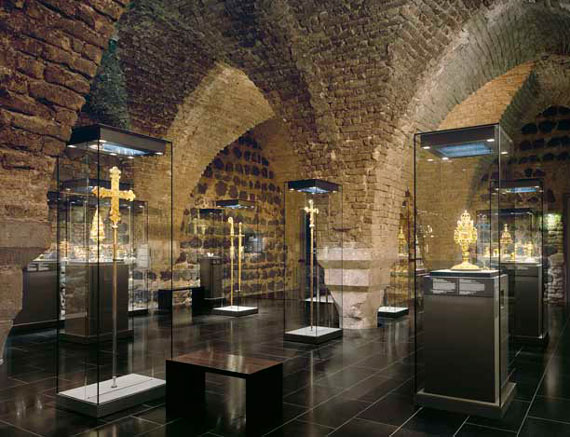
The Cathedral in Cologne, where the relics of the three Magi are still revered, celebrates the anniversary with an exhibition focusing on the history of the veneration of the three saints. This is accomplished by showing the different locations of the famous reliquary by Nicholas Verdun in the Cathedral as well as exhibiting the impressive collection of other golden treasures belonging to the Cathedral. In the entrance hall to the Domforum visitors may get an introduction to the full story. In the library a series of manuscripts are exhibited, amongst those the Limburger Evangeliar.
Foremost, however, an exhibition in Museum Schnütgen on “The Magi” tells the story and shows the art, which these three symbols of generosity stimulated.
The earliest piece of art in the exhibition is a 3rd century tomb slab from the Vatican Museum; one of the most recent is an 18th century Neapolitan nativity scene with about 300 figures from the Diözesanmuseum (Diocesan Museum) in Freising . Whether it is a 5th century ivory diptych from the Milanese Cathedral Treasury, marvelous 10th and 11th century Ottonian book illuminations from libraries in Bremen, Rome and Göttingen or a unique 14th century Madonna from the Metropolitan Museum in New York – practically all of the exhibited works are in and of themselves worth a trip to Cologne.

The earliest reliefs and objects still adhered to the traditions set by ruler portraits from the Antiquity. However, the scene soon became imbued with almost fairytale-like qualities. The Wise Men mentioned in the Gospels became kings and the Virgin Mary in the stable of Bethlehem was transformed into a sumptuously clothed queen sitting upon a throne, while her divine child received both adoration from the shepherds and gifts from the Magi.
Since the 10th century at the latest the representation of the Mother of God sitting on the “Throne of Wisdom” became one of the most important cult images to grace the interior of churches. Highlights in this section of the exhibition are precious examples of wooden and ivory sculpture, but also the stone Romanesque choir screens from the Rheinisches Landesmuseum (Rhenish State Museum) in Bonn.
The central theological significance of the Adoration of the Magi is reflected in compositions depicting them next to scene of Crucifixion. The two themes were often placed in juxtaposition to each other, be it on a 12th century book cover or in 14th and 15th century panel paintings. The exhibition features a number of especially ornate examples.
Many representations also use the star as a leitmotif to embody the cosmic dimension of Christmas. These include the mitre from Sainte-Chapelle in Paris, one of many loans from the Musée de Cluny, and a diptych from the Museo del Bargello in Florence.
Royal affluence, oriental splendour and exotic paraphernalia came to predominate later on, particularly in paintings from the late 15th and early 16th centuries. The exhibition shows this by exhibiting prominent works from all over Europe. Several valuable and rare textiles and works of goldsmiths, among them pieces from the Musée des Tissus in Lyon and the Grünes Gewölbe (Green Vault) in Dresden, make it possible to experience three-dimensionally objects like those portrayed in the paintings.
An extensive catalogue has been published for the exhibition, also in English. It can be purchased at the museum for the special price of 39 €, in stores for 49.90 €.
Die Heiligen Drei Könige. Mythos, Kunst und Kultur
Cologne, Museum Schnütgen
25.10.2014 – 25.01.2015,
Caspar – Melchior – Balthasar. 850 Jahre Dreikönigenverehrung im Kölner Dom
Cologne Cathedral
19.07.2014 – 25.01.2015
1164 -2014 in Köln. Reich Beschenkt…
Der Schrein der Heiligen Drei Könige
Anbetung der Heiligen Drei Könige vom Hochaltar des Kölner Domes, Köln, um 1310-1322, Museum Schnütgen, Köln © RBA / W. Meier
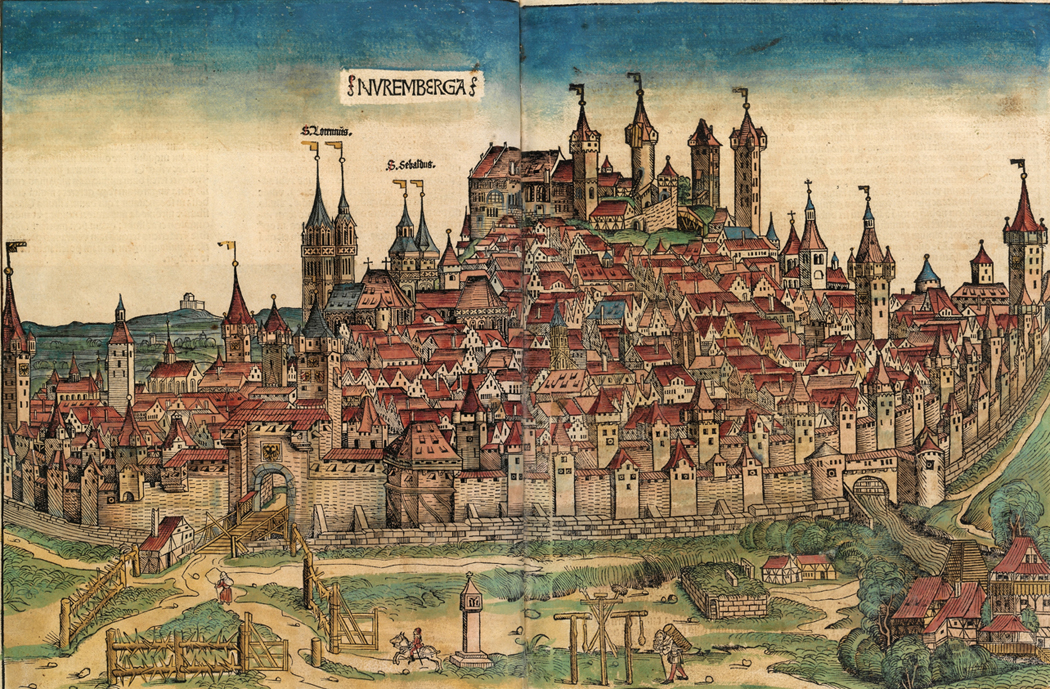
An exhibition in Heidelberg - with beautiful pictures - shows magnificent manuscripts from the transition between handwritten and printed books
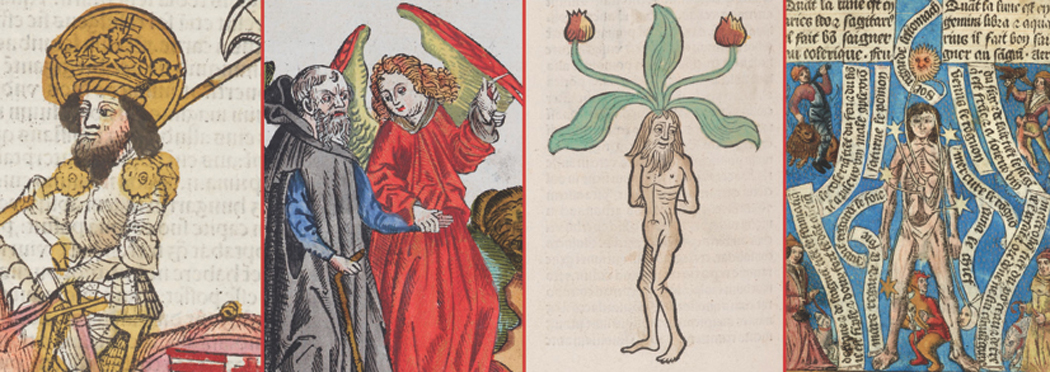
Private Lives in Print: The use and abuse of books 1450-1550 is the title of a new exhibition in Cambridge University Library
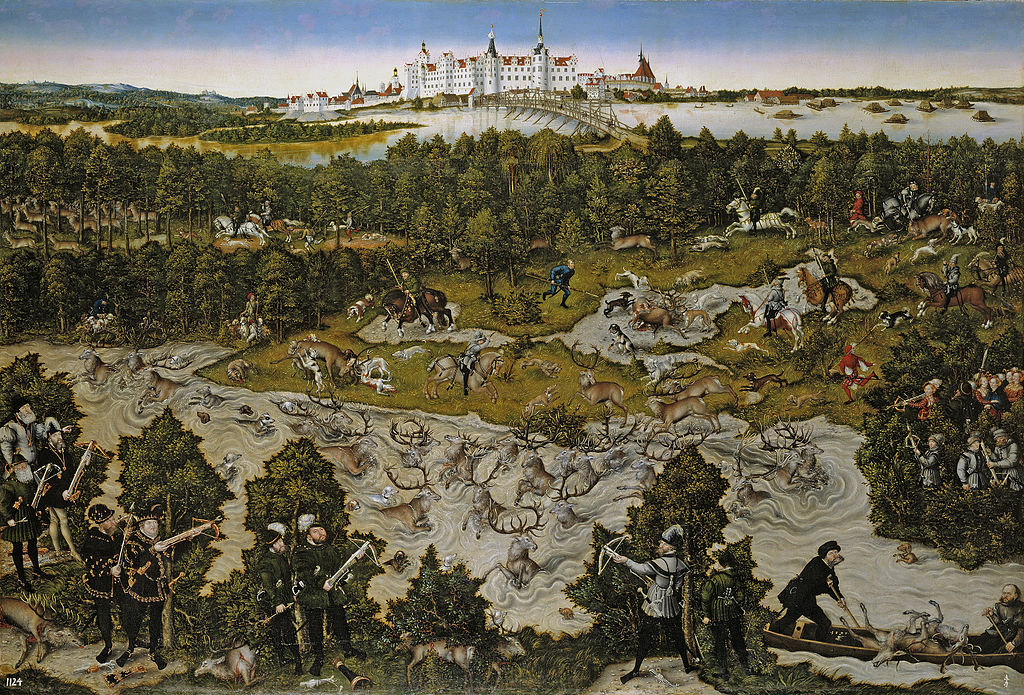
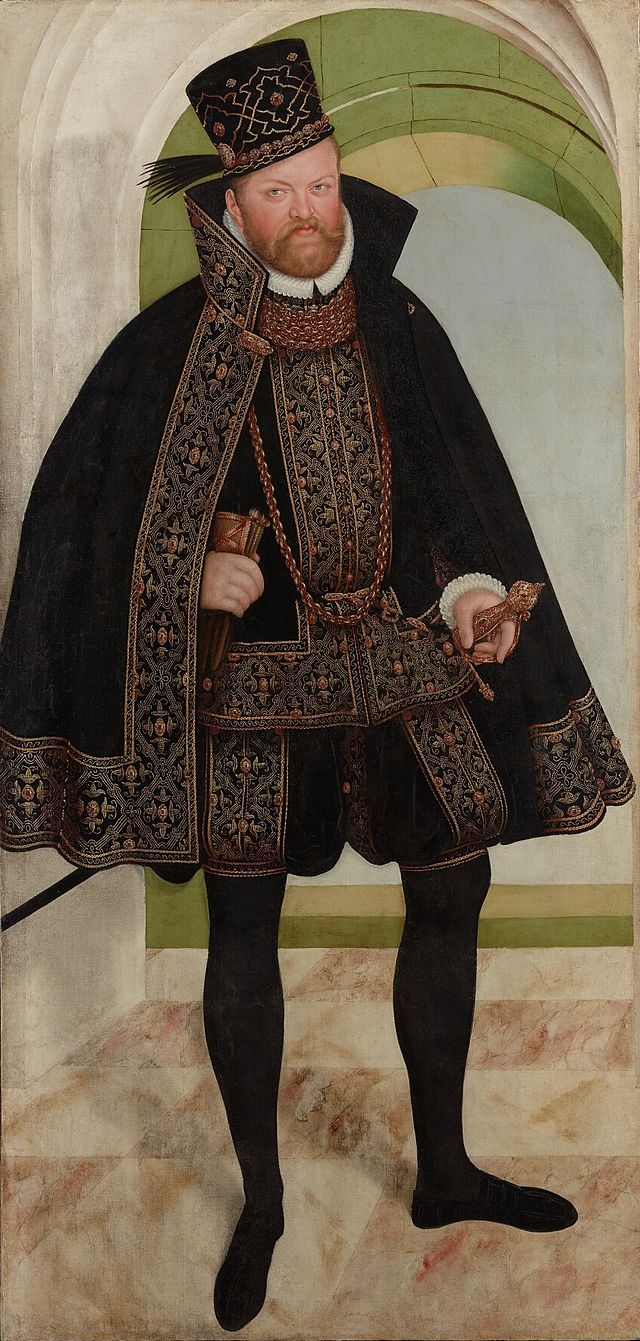
The Reformation may have started when Martin Luther posted his 95 theses on the church-door in Wittenberg in 1517. However, without the backing of the German princes the Reformation would never have taken place. Center of this movement was the small renaissance town, Torgau, where the castle of Hartenfels was home t
o the Duke of Saxony. Here the first protestant church was built (in the chapel of the castle) and here the wife of Luther was buried.
The exhibition is mounted in the castle, which has undergone a series of restorations in the last decade.
The Reformation permanently altered not only the religious landscape of Europe but also its political map. The publication in 1517 of the 95 Theses affected every aspect of life and every section of society. Its impact was due in no small part to the Protestant princes who championed Luther’s teachings. The picturesque Renaissance town of Torgau on the Elbe, with its castle, Schloss Hartenfels, was the political centre of the Reformation. Martin Luther preached here and consecrated the castle chapel as one of the very first new Protestant church buildings. Once the residence of the electors of Saxony, Torgau is the authentic setting for the first national special exhibition to commemorate the Reformation.
On the occasion of the Luther Decade the exhibition connects this historical location with unique objects that illustrate the Reformation period. In an exhibition space measuring more than 1,500 m², it explores various aspects of the political history of the princes and their self-image during the Reformation, extending from 1515, when the plenary indulgence was proclaimed, up to 1591, when the Union of Torgau was formed. Paintings, treasury objects and ornate suits of armour, along with numerous other historical exhibits, provide a vivid impression of the interplay between politics and the Reformation and open a window on the age of confessional division.
The exhibition is organised by the Staatliche Kunstsammlungen Dresden in cooperation with the “City of Torgau. Federal President of Germany, Joachim Gauck is protector of the exhibition.
Luther and the Princes. The Public Portrayal and Self-Image of Rulers in the Age of Reformation
Torgau 15.05.2015 – 31.05.2015
Christoph of Württenberg – a Renaissance Prince in the Age of the Reformation
Stuttgart, 24.10.2015 – 04.03.2016
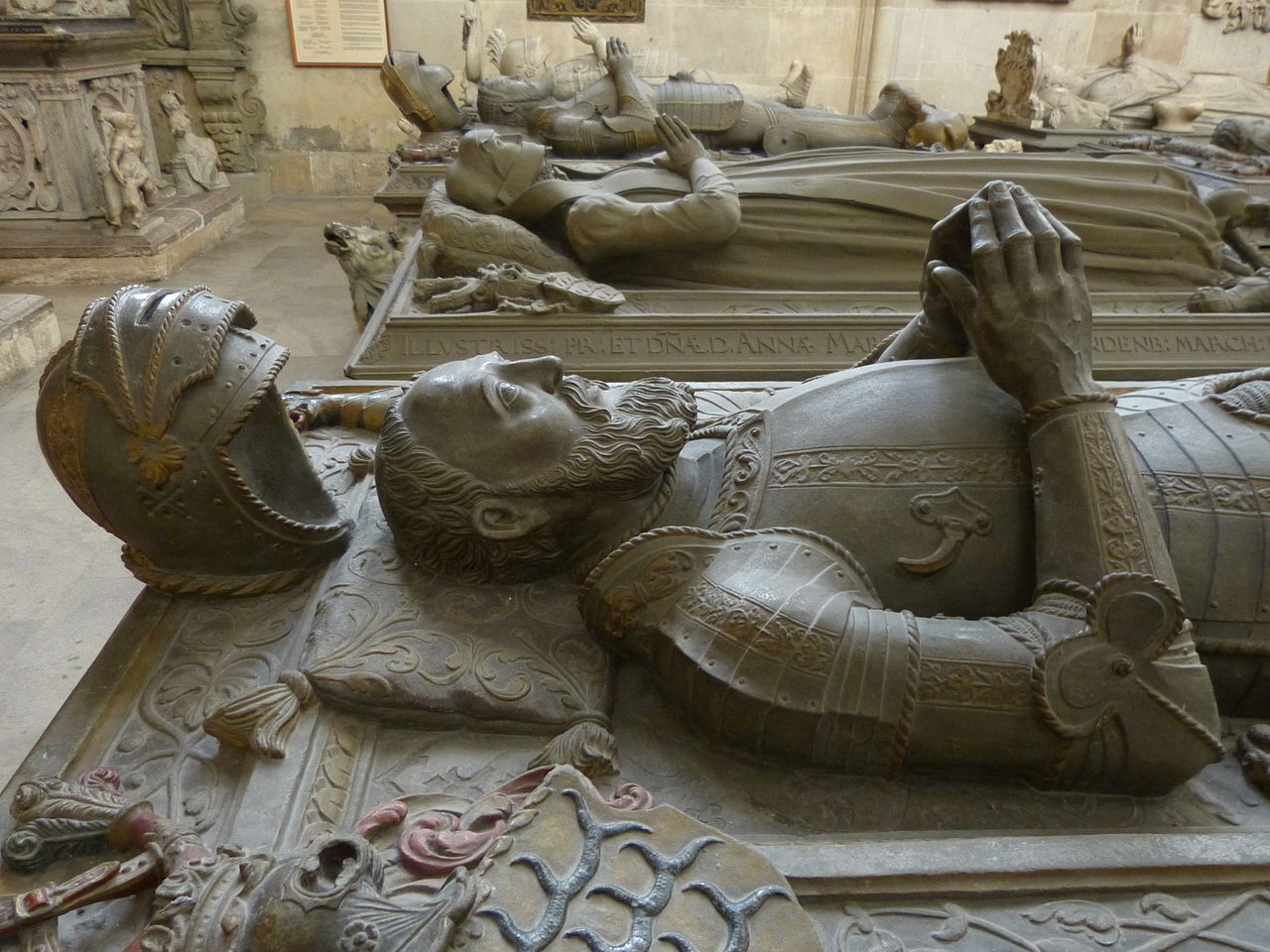
2015 Stuttgart celebrates the birth of the renaissance duke, Christoph of Württemberg, who invoked the reformation there.
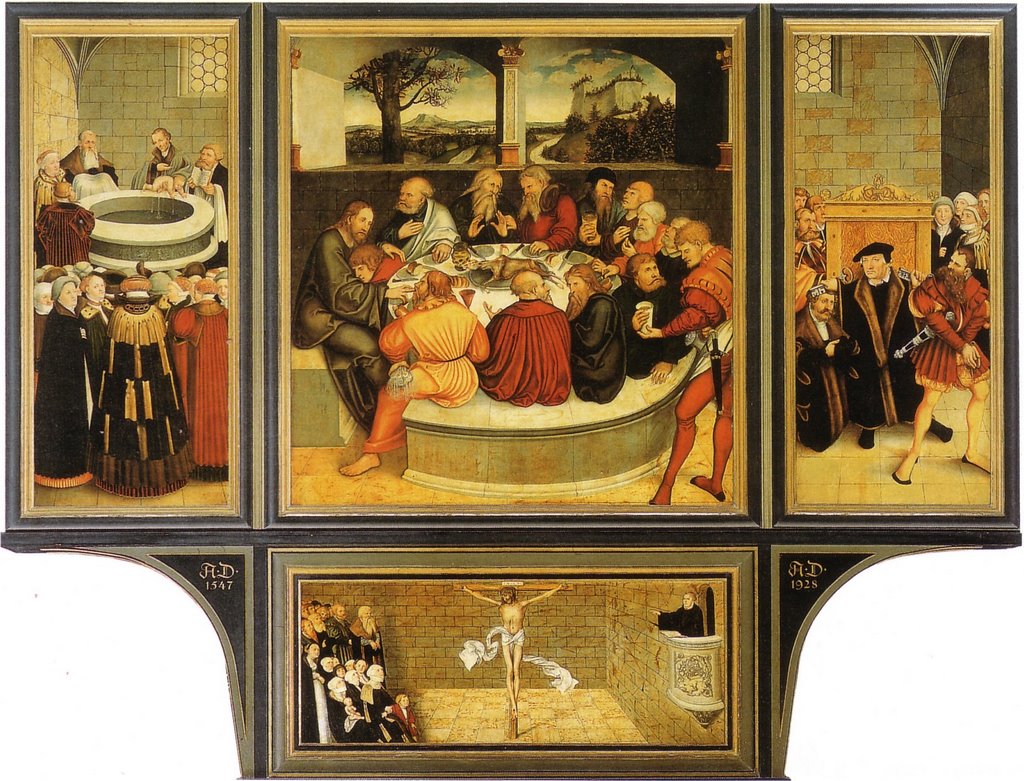
Cranach the Elder is known as the artist, who through his friendship with Luther turned into the “visualizer” of the reformation. His son, Cranach the Younger, was also a painter. Born in 1515 in Wittenberg he continued the work of his father.
In memory of his birth in 1515 one of the major exhibitions in Germany (one of the so-called “Landes-ausstellungen”) will be mounted by Sachsen-Anhalt and Thüringen next summer.
It is the first worldwide exhibition, which dedicates itself to the life and work of this painter. The exhibition will open at 7 different original locations: Lutherstadt Wittenberg, Dessau, Wörlitz, Eisenach, Gotha, Weimar and Erfurt. Other places may also be included in the itinerary.
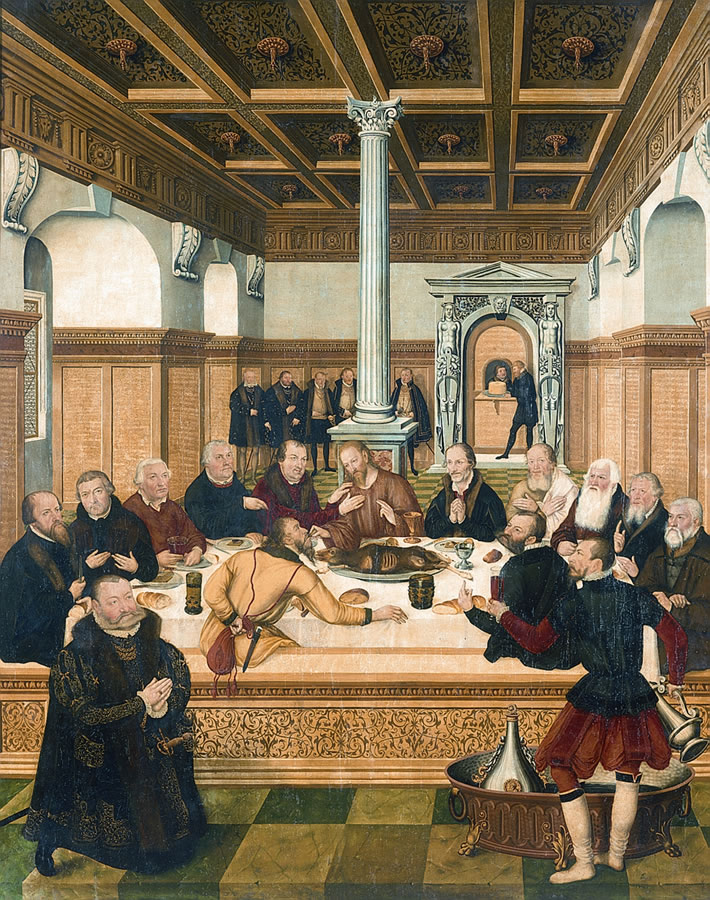
In Wittenberg the exhibition tells the story of the life and work of Lucas Cranach the Younger. It presents him as a facet-rich personality: as prudent head of the family, as city treasurer, intelligent mayor and an energetic entrepreneur. Above all, however, it presents the artist Lucas Cranach as a royal contractor, as painter of reformatory altars and epitaphs, as an excellent portraitist and a highly talented draughtsman. In the years of the confessional conflicts after Luther’s death he made an important contribution for the propagation of the new faith. His societal portraits show how calculated he knew to utilize his pictorial possibilities. Up to his death in 1586 Lucas Cranach the Younger led one of the largest and most productive work of art studios of Europe in Wittenberg. He was a skillful artist who understood his craft and acted in the midst of a large personal and vocational network. Great works of art from German and international collections as well as exciting medial representations convey these connections. They enable the long time overdue discovery of Cranach the Younger as a widely unknown master from Wittenberg. The exhibition is to be seen at the Augusteum, the front building of the Lutherhaus.
Another venue in Wittenberg is the church of St. Mary, which holds numerous original paintings of Lucas Cranach the younger. For the exhibition in “Cranach’s Church”, Cranach’s works of the Town Church St. Marien are extravagantly restored, first of all the well-known Reformation Altar, on which Lucas Cranach the Younger together with his father worked. Further important works are the epitaphs for Johannes Bugenhagen and Paul Eber, the latter better known by his title “Der Weinberg des Herrn” (“The vineyard of the Lord”). The works are considered as particularly important testimony of Reformation history. Additional elucidations and texts complete the exhibition. The Cranach Altar in the church of St. Mary in Wittenberg has recently been restored. The result will be unveiled in Wittenberg on the 31st of October.
The city of Dessau was closely connected with the reformation and the Cranach family often visited the town, which lies 35 km. from Wittenberg
With the impressive epitaphs in the Church of St. John, with the famous Dessauer “Fürstenaltar“ (“Princes’ Altar”) and other major works of Cranach the Elder as well as other masterpieces of old German painting and graphics from the Anhalt Art Gallery in Dessau, the exhibition draws a multifaceted image of the background for the art of the younger Cranach.
Prince Franz of Anhalt-Dessau (1751 – 1817) was an avid collector of the work of both Cranach the Elder and Younger. All in all he acquired 20 works, which will be displayed in accordance with the original hanging scheme.
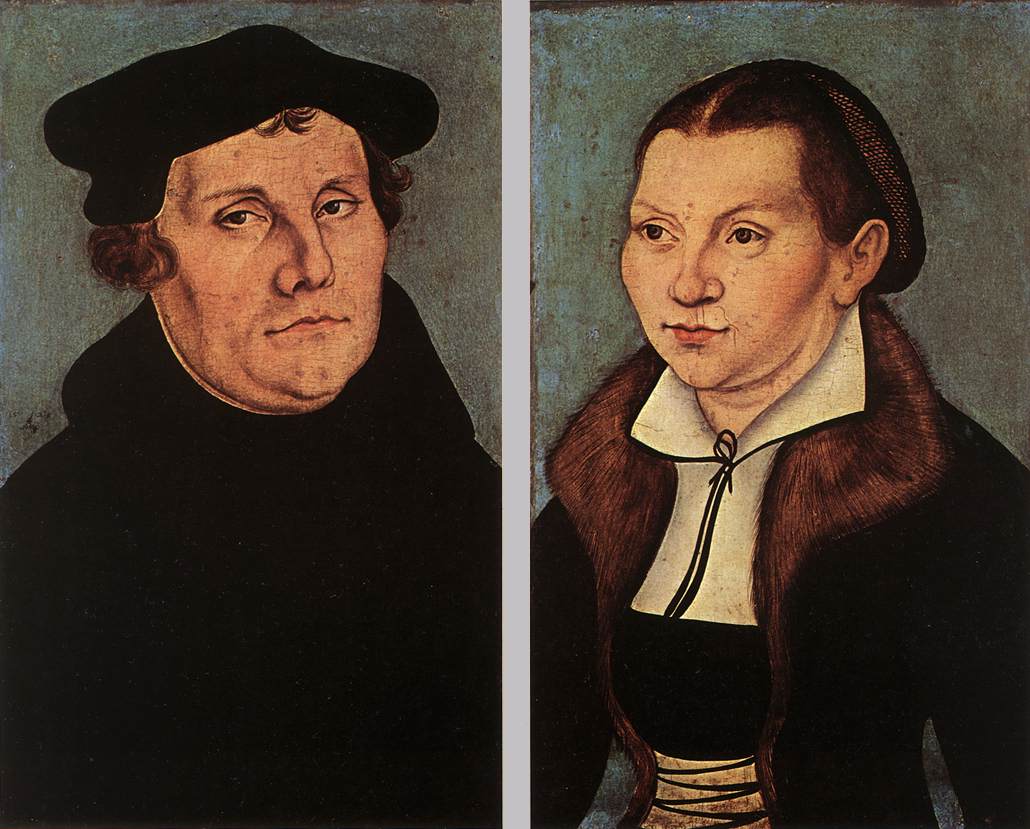
Between 1520 and 1546 seven different graphic and painted portrait models of Martin Luther developed in the workshop of Cranach the Elder and Younger.
All these portraits served as both propaganda and documentary and were deliberately used for didactic purposes. The portrait of Luther thereby assumed a substantial function as ambassador for the reformatory program and a complete illustration of his biographical background.
The exhibition presents this typology but is also concerned with the organization of the Wittenberg workshop. Painted and graphic portraits of the monk and reformer were focal points, which were supplemented by portraits of other contemporaries. The exhibition aims to show that the Luther portrait has remained current in contemporary art up to today.
The focus of the Cranach exhibition in Weimar are the particular rich collection of paintings, designs, prints, graphics, book art and much as well as the unique winged altar in in the church St. Peter and Paul (Herderkirche). Completed in 1555 it represents one of major works of reformatory art. The exhibition especially explores this altar donated to the memory of Johann Friedrich the Magnanimous and Sibylle von Cleve and other works from the Cranach workshop created for the Ernestinian court.
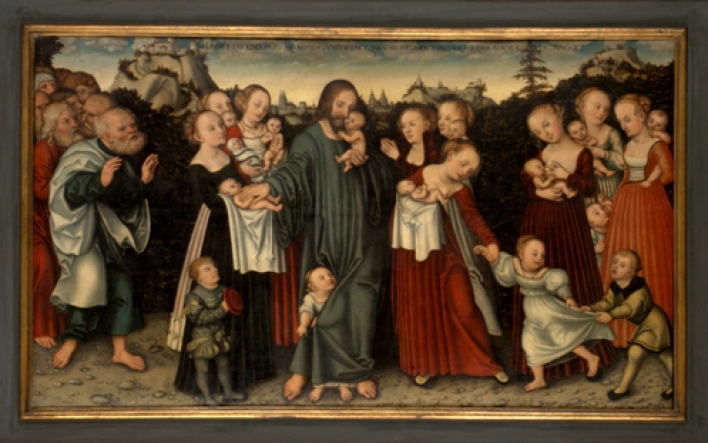
Within the decade of Luther the 500th Birthday of Lucas Cranach the Younger provides the opportunity to delve into the early modern period and the beginning of the Reformation. Emphasis of the prodigious special exhibition in the Herzoglichen Museum (Ducal Museum Gotha) will be the official character of the Cranach workshop in the service of the Elector of Saxony and the Reformation. The exhibition explores how political messages of the Ernestinian dynasty and the teachings of Luther were illustrated. The extremely productive Cranach workshop developed new image concepts. By means of top-notch works from international collections the productivity and innovative strength of Cranach family will be demonstrated. An exciting look at an early form of “picture propaganda” that allows a new view of old German painting.
The museum in Erfurt highlights the pictures in the Erfurter Cathedral, which originated in 1506. In Erfurt a unique dual-confessional culture developed between town councillors and the prince bishop. This lead to a dispute carried out not only through to word and scripture, but also through “images”. The exhibition explores the theological, liturgical and culturally historical background and places them in the context of the emerging reformation.
Lucas Cranach the Younger – Discovery of a Master
Wittenberg 26.06.2015 – 01.11.2015
Lucas Cranach and the Old German Painters
Johannbau in Dessau-Rosslau, 26.06.2015 – 01.11.2015
Cranach in the Gothic House in Wörlitz
Wörlitz, 16.05.2015 – 04.10.2014
The Luther Portraits of the Cranach Workshop
Wartburg 02.04.2015 – 19.07.2015
Controversy and Compromise
Angermuseum Erfurt 16.05.2015 – 23.08.2015
Cranach in the service of the Court and the Reformation
Gotha 20.03.2015 – 19.07.2015
Cranach in Weimar
Schiller Museum 03.04.2015 – 14.06.2015
In connection with the focus on Cranach twelve German cities have come together to develop a Cranach-Route: Kronach, Coburg, Nuremberg, Lutherstadt Wittenberg, Dessau-Rosslau, Meissen, Neustadt and der Orla, Gotha, Erfurt, Schneeberg, Eisenach, Weimar.
In connection with the route a booklet has been made available:
In the Footsteps of Cranach. A Journey of Discovery.
Serpent and the Lamb. Cranach, Luther and the Making of the reformation
By Stephen Ozment
Yale University press 2011
The Cranach Digital Archive (cda) is an interdisciplinary collaborative research resource, providing access to art historical, technical and conservation information on paintings by Lucas Cranach (c.1472 – 1553), his sons and his workshop. The repository presently provides information on more than 1,100 paintings including c. 10,400 images and 790 pdf documents from 146 contributing institutions as well as 150 digitized and transcribed archival documents and 2,750 literature references.
Started in 2009 the project is in its second phase (2012 – 2014). In this period the CDA aims to expand the existing network, to develop the shared infrastructure and to increase its content in order to build the foundations for an innovative, comprehensive and collaboratively produced repository of knowledge about Lucas Cranach and his workshop that will be significantly different from the traditional model of the single-author catalogue raisonné.
The Cranach Digital Archive is a joint initiative of the Stiftung Museum Kunstpalast, Düsseldorf and Cologne Institute of Conservation Sciences / Cologne University of Applied Sciences in collaboration with nine founding partner institutions, 19 associate partners and many project contributors. The project is funded by the Andrew W. Mellon Foundation.
Cranach.net is the interdisciplinary research-wiki, which functions as a virtual Cranach Institute. The aim is to further research into the work of Lucas Crananch the Elder, his sons and their workshops. Another project is directed towards developing a comprehensive catalogue of their works (Corpus Cranachs).
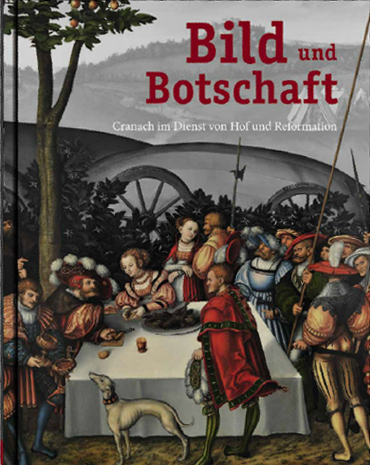 Bild und Botschaft: Cranach im Dienst von Hof und Reformation
By Stiftung Schloss Friedenstein Gotha
Morio 2015
ISBN-10: 3945424097
ISBN-13: 978-3945424094
Lucas Cranach the Elderer belongs among the most important German artists of the Renaissance. Hundreds of works bear witness to the many topics, which were touched upon by Cranach and his workshop For more than five decades the painter was in the service of the powerful Electors of Saxony, for which he decisively visualized the Protestant ideas. This richly illustrated catalogue explores the question of how Cranach came to characterize the triumph of the Reformation in such a decisive manner. The catalogue presents more than 100 major works from international collections. It also presents numerous essays from internationally renowned Cranach-experts.The catalogue is published on the occasion of the exhibitions mounted by the Foundation Schloss Friedenstein Gotha and the Museums in Hessen Kassel in the Cranach-year 2015.
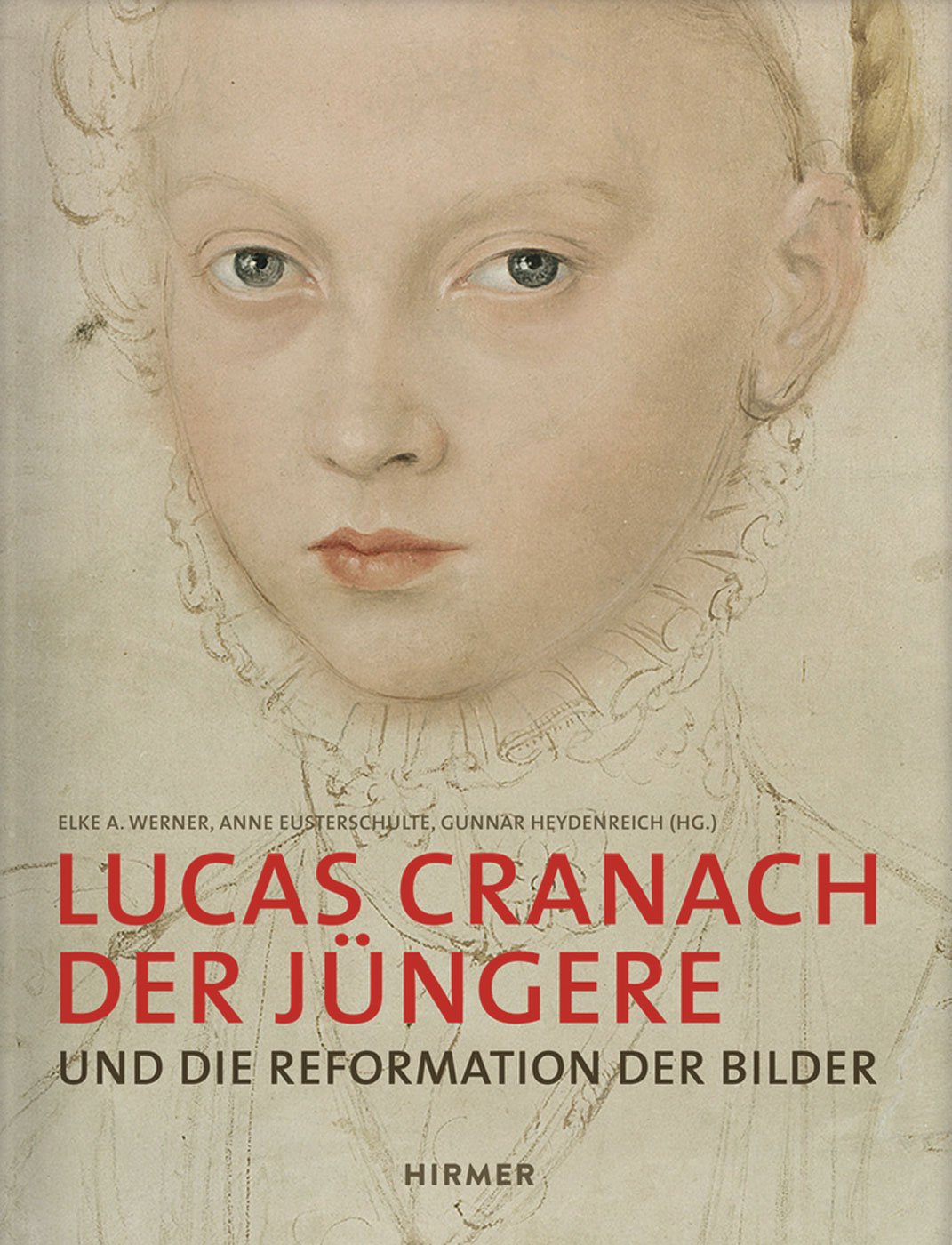 Lucas Cranach der Jüngere: Und die Reformation der Bilder
By Anne Eusterschulte, Gunnar Heydenreich and Elke A. Werner (Eds.)
Hirmer 2015
ISBN-10: 3777423688
ISBN-13: 978-3777423685
To celebrate the 500th birthday of Lucas cranach the Youngerer , international experts gathered at a symposium in order to trace a comprehensive as nuanced picture of the life and work of the artist . This book documents the results and opens up for new perspectives on the innovative artist, businessman and politician, who with great insight responded through his portraits, profane histories and religious themes to the profound changes of his time.
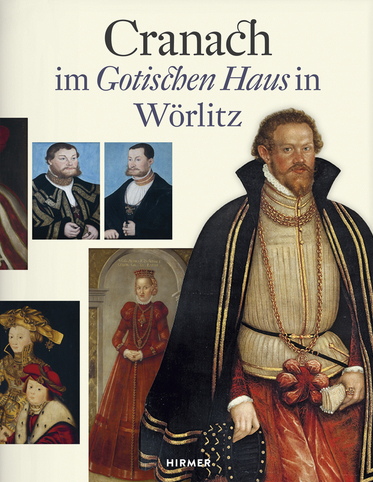 Lucas Cranach: Im Gotischen Haus in Wörlitz
By Kulturstiftung Dessau Wörlitz and ed. Dr. Wolfgang Savelsberg
Hirmer 2015
ISBN-10: 377742398X
ISBN-13: 978-3777423982
Leopold III, prince of Anhalt – Dessau (1740 – 1817) collected almost 600 old master paintings, called the Gothic house collection. This collection was hung in the Gothic House in the Wörlitzer Park.The core was one of the first Cranch collections in the world. This collection has been carefully reconstructed and hung in its original surroundings. This volume contains articles by art historians, who provides an insight into the reception of the paintings and their dynastic and religious significance, which is stressed by the original context.
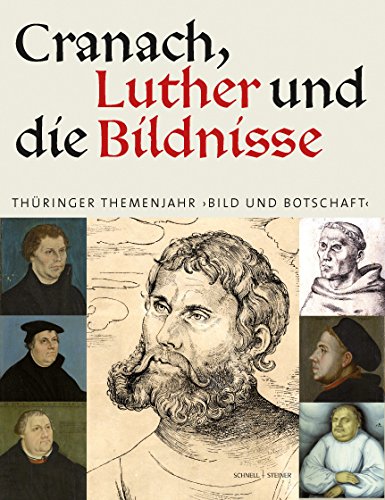 Cranach, Luther und die Bildnisse: Thüringer Themenjahr “Bild und Botschaft”
By Günter Schuchardt and Grit Jacobs
Schnell & Steiner 2015
ISBN-10: 3795429773
ISBN-13: 978-3795429775
In 1520 the Wittenberg Cranach workshop created 46 portraits of Martin Luther. The volume presents the different portraits and how the workshop organized itself in order to take on this job. The book focuses on portraits of the reformer and how they came to visualize the reformer for centuries to come. In the 1520s radical movements led to widespread iconoclasm directed against idolatry and the practice of the veneration of saints. Martin Luther, however, did not rejected images but found them useful, when they contributed to the understanding of the texts and his teachings. His own portrait served to enforce the Reformation as an instrument of propaganda and documentary image and didactic purposes. The portraits of Luther took over as ambassador of the reformatory program and illustration of his biographical career an essential function. The book appears as a contribution to the Cranach-year 2015
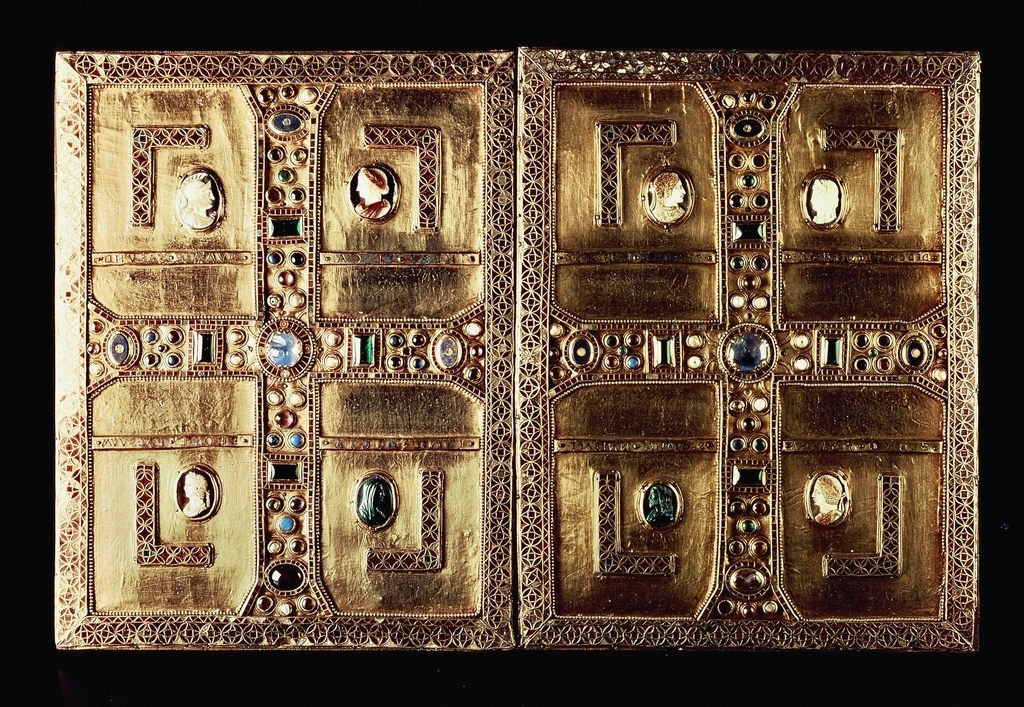
New exhibition - Popes 2017 - is being planned in Mannheim. The point is to make room for Catholic presence at the reformation festivities 2017.
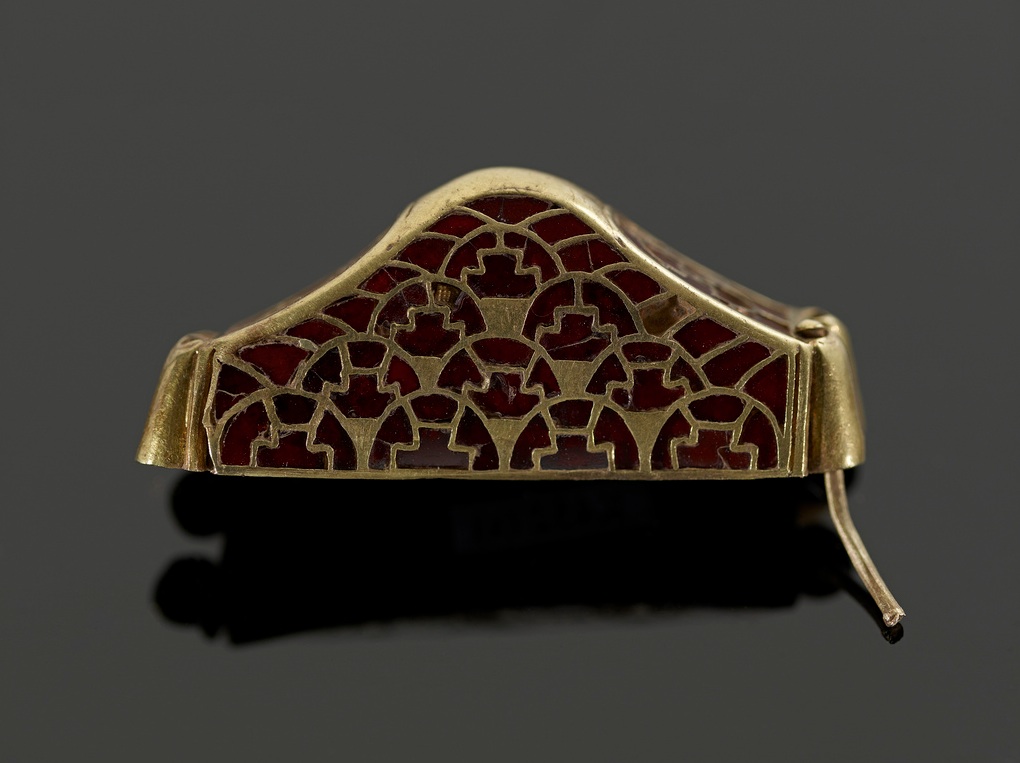
A new gallery uncovering the fascinating story of the Staffordshire Hoard opens at Birmingham Museum & Art Gallery.