Doom-scrolling is the modern version of the medieval murals, tapestries, and liturgies, which acted as backdrops for the Church’s staging of the apocalyptic horrors of the end of times.
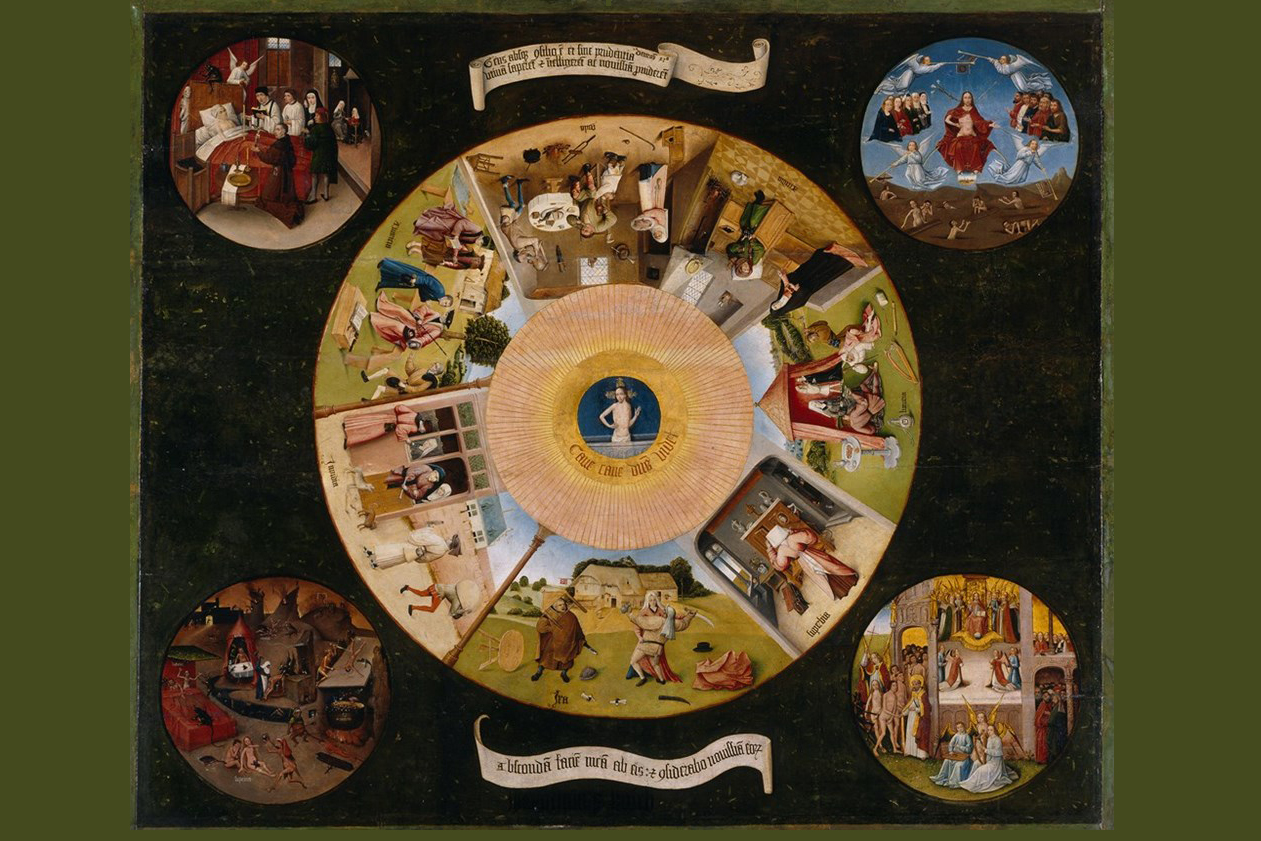
Doom-scrolling is the modern version of the medieval murals, tapestries, and liturgies, which acted as backdrops for the Church’s staging of the apocalyptic horrors of the end of times.
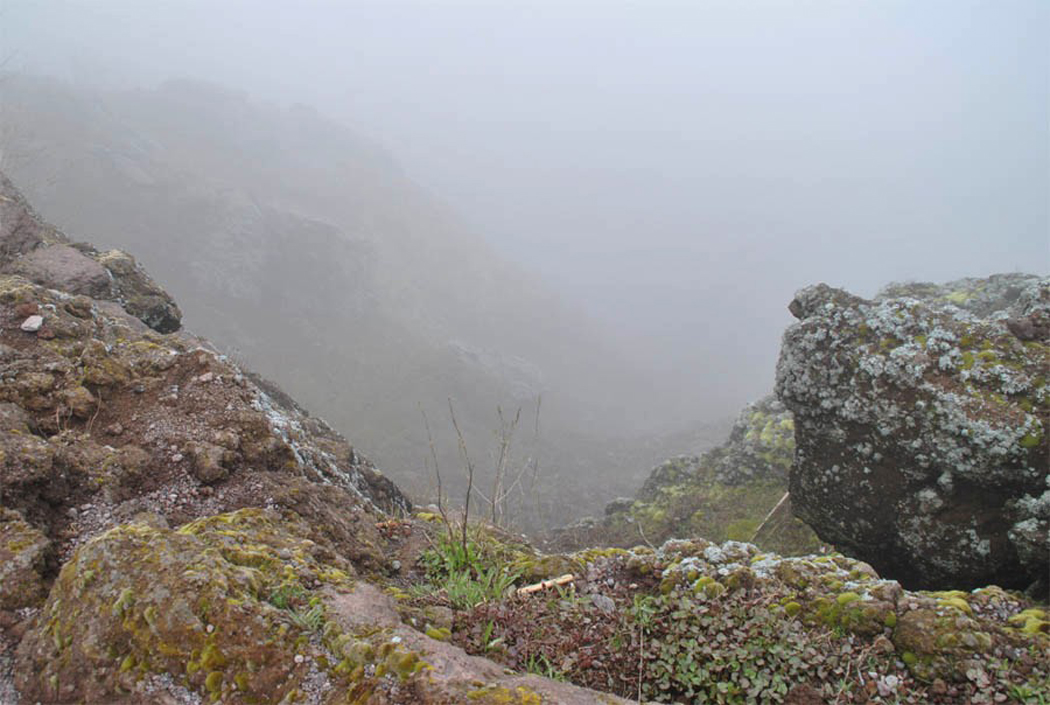
Natural disasters in the Middle Ages were met with resilience in a number of different ways: migration, rebuilding, re-settlements.
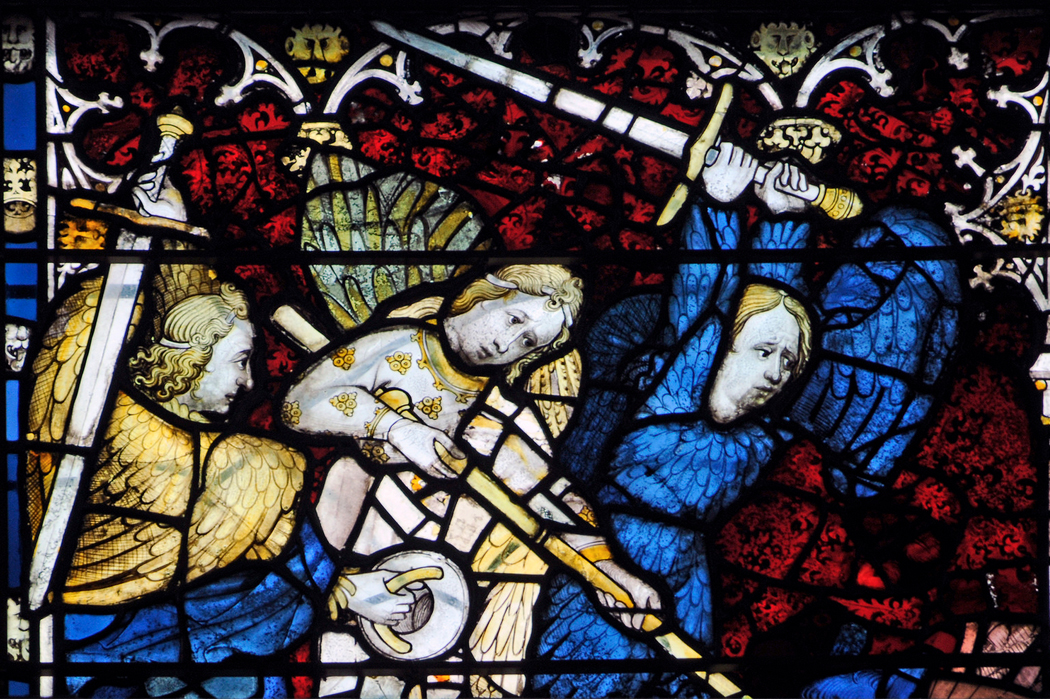
York Apocalypse panel back in Minster after restoration

Apocalyptic thinking was a common topic in Late Antiquity, reaching into the early Reformation. The following lists recent books outlining the history behind the topic and its different forms of artistic renditions.
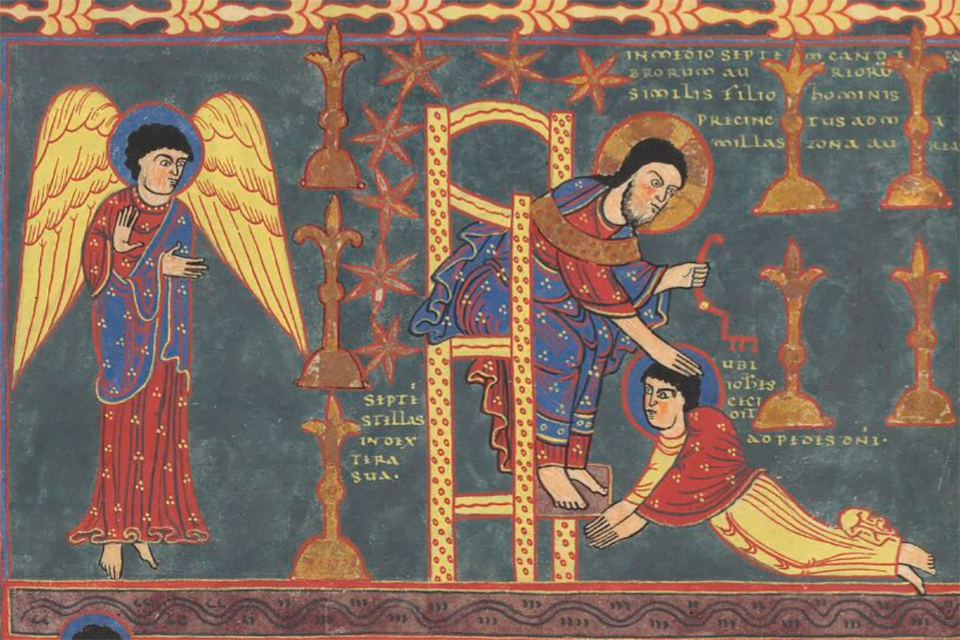
In the late 8th century, Beatus from Southern Spain found refuge in the Picos de Europa at one of the royal outposts in the fragile Asturian kingdom. He is famous for his artistic legacy, the Beatus' Apcalypses.
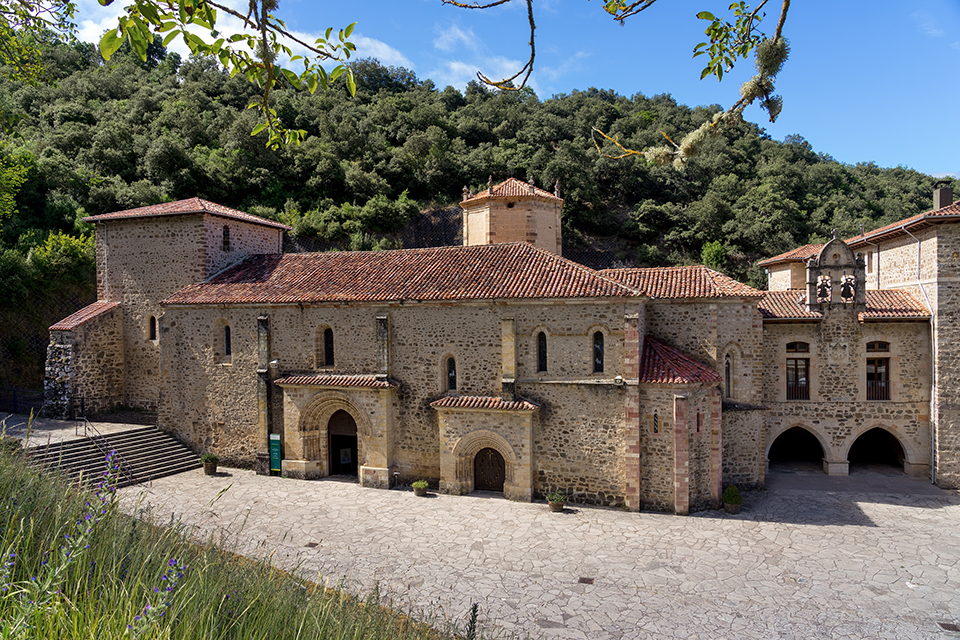
The monastery of Santo Toribio de Liébana, dating back to the 6th century, stands as one of the most significant religious sites in Northern Spain, nestled within the dramatic landscape of the Picos de Europa mountains.
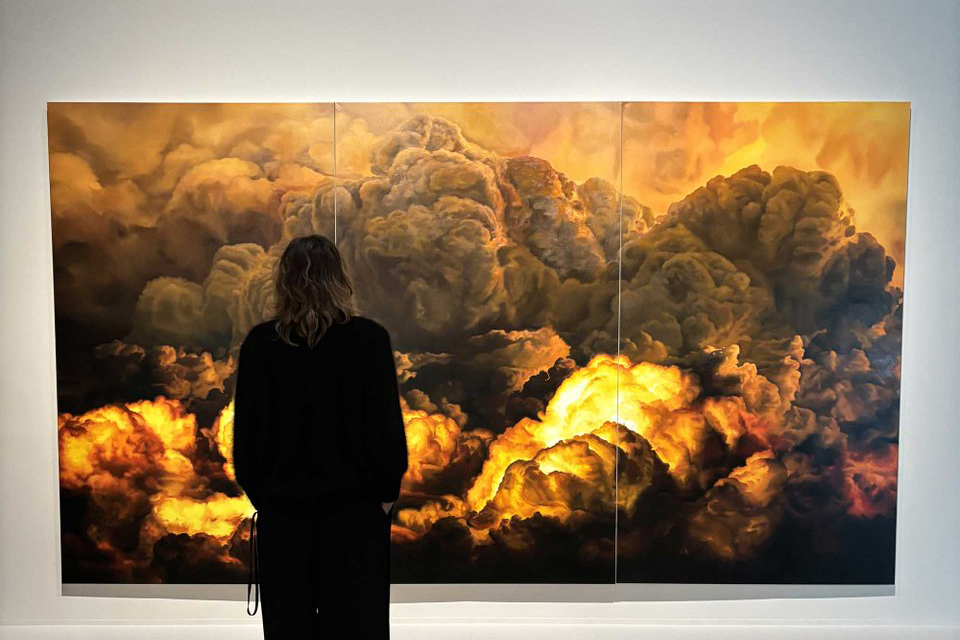
New exhibition in Paris at the Bibliotheque Nationale Française enlightens us about the history of our apocalyptic thinking in the past and present
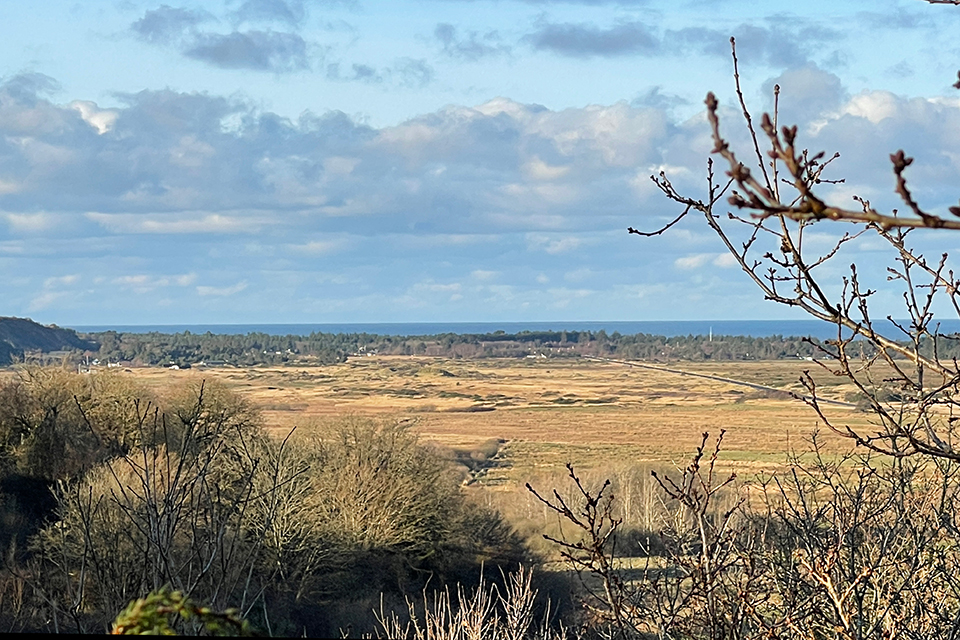
During the first millennium, northern and eastern Europe was sparsely populated and devoid of anything but wilderness. How did it feel to live in this medieval world?