In January 2025, a major programme of conservation and research began on the tomb of Otto the Great in Magdeburg Cathedral as serious deterioration had been discovered
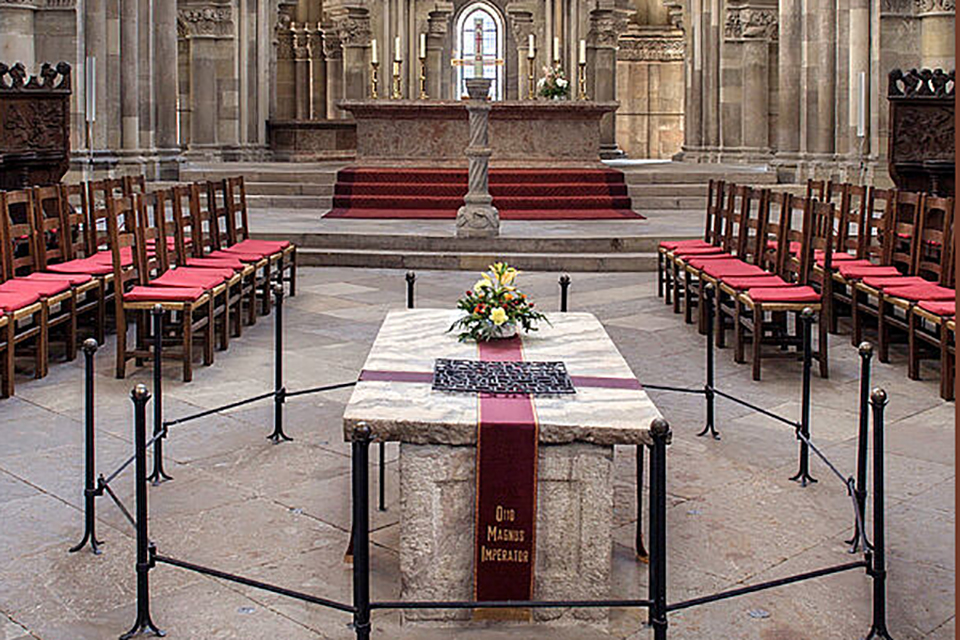
In January 2025, a major programme of conservation and research began on the tomb of Otto the Great in Magdeburg Cathedral as serious deterioration had been discovered

Not only do we possess what is likely an eyewitness account from AD 973 of the death of Emperor Otto the Great, but recent studies of his remains might fit the description.
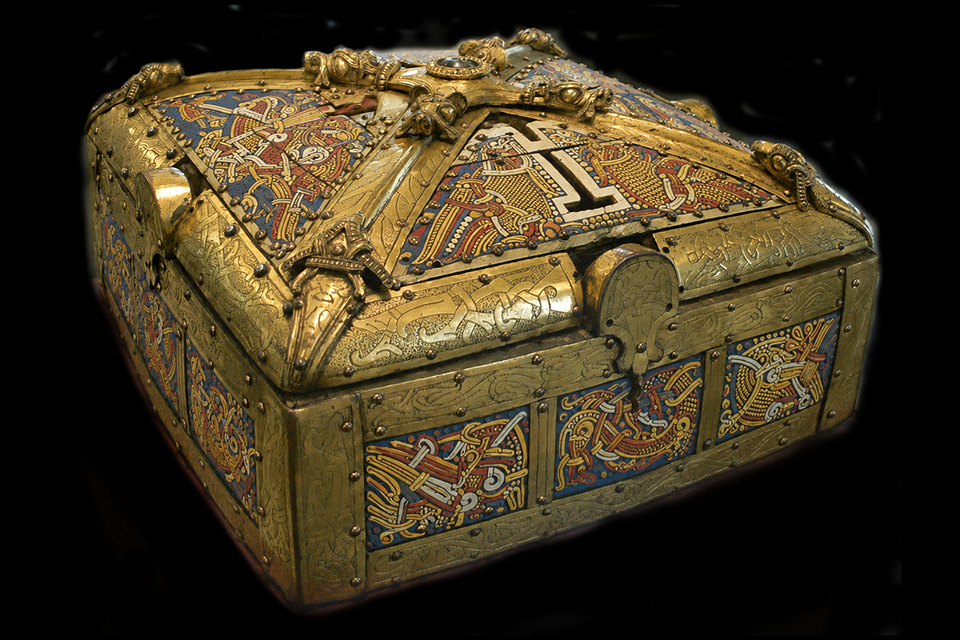
Could the Bamberg Shrine have been a diplomatic gift presented to Otto the Great by the emissaries of the Danish king at Quedlinburg in AD 973?
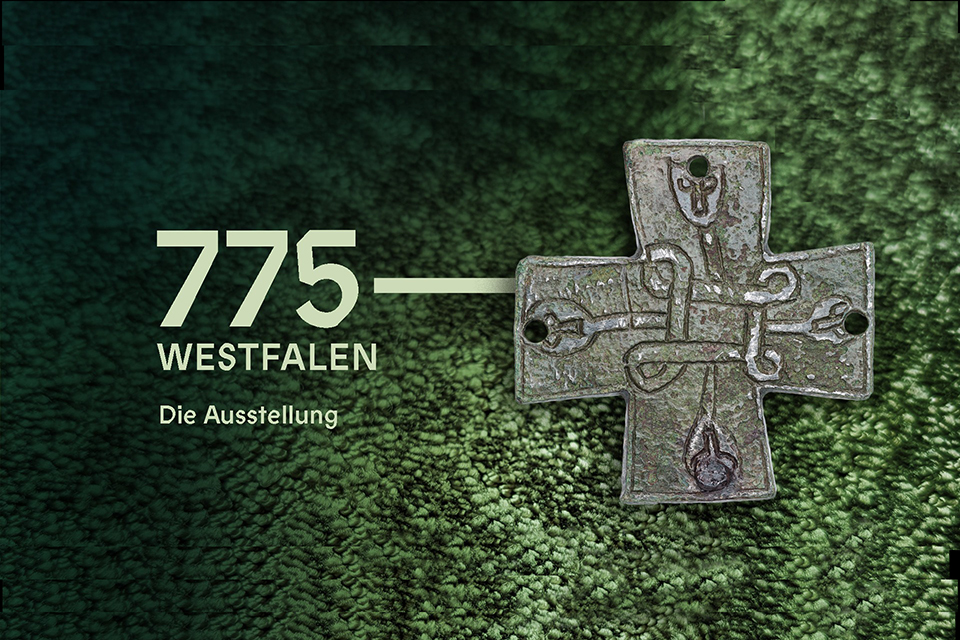
Westphalia celebrates 1250 years of its history and remembers the Saxon Wars and its Carolingian heritage

In 775, Charlemagne dispatched an army into Saxony, part of which ended in the battle at Braunsberg on the brinks of Weser in 775. Exhibition tells the story of the Saxon Wars from a local perspective
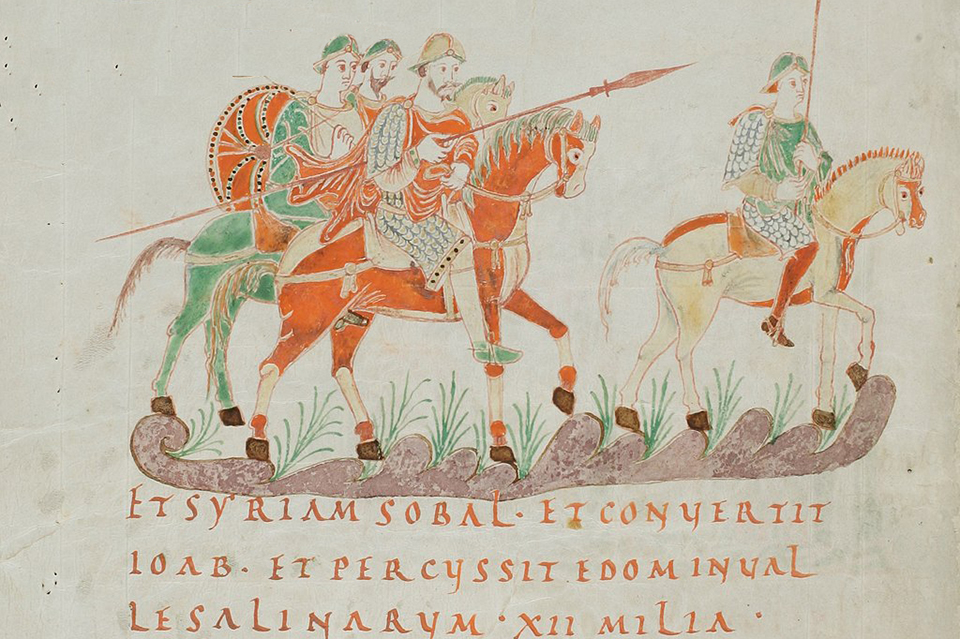
The conflict between the Saxons and the Franks during the late 700s and early 800s wasn’t just a random clash. Inflamed by a missionary zeal, it resonates in the 21st century

Thietmar of Merseburg was bishop of the diocese of Merseburg from 1009 to 1018. Famous for his Chronicle, he was one of the most important historians of the Ottonian period

Heinrich II (973 (978)-1024) – famous for his foundation of Bamberg – was the last Ottonian to rule Germany and the Holy Roman Empire.
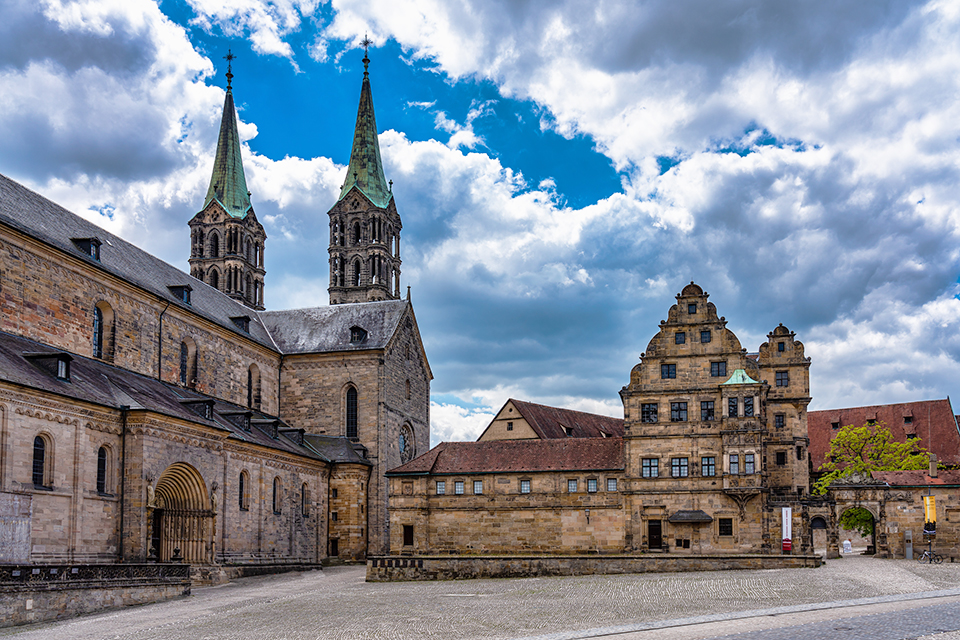
Nestled in the north of Bavaria, Germany, the city of Bamberg stands as a testament to centuries of history, culture, and architectural beauty.

The 10th-century German queens set their mark on politics in different ways. The last queen, Kunigunde, primarily played the role of dynastic bridgebuilder.

What kind of daily life did Heinrich II and his beloved Queen Kunigunde experience at court? And how did this compare to the ordinary lives? In the city of Bamberg, in the countryside, and among their Slavic neighbours?

Bamberg will host an important exhibition in the autumn 2024 focusing on the daily life at the imperial court of Henry II and Cunigunde

After 1007 Bamberg castle was rebuilt as a modern cathedral and palace complex. Likely, it turned out to be an ideal prototype for other similar building projects at Paderborn, Goslar and elsewhere

On Heinrich II’s birthday in 1012, the abbot at Seeon presented the German king with a panegyric, commonly known as the Carmen Bambergense.

Bamberg lies at the centre of the former Bavarian Nordgau at the confluence of the Regnitz and the Main, surrounded by a forested and hilly landscape

In 1002, Otto III died at Paterno near Civita in Italy. With no direct descendants, the succession was fraught with tensions. Duke Henry of Bavaria caught the upstream.