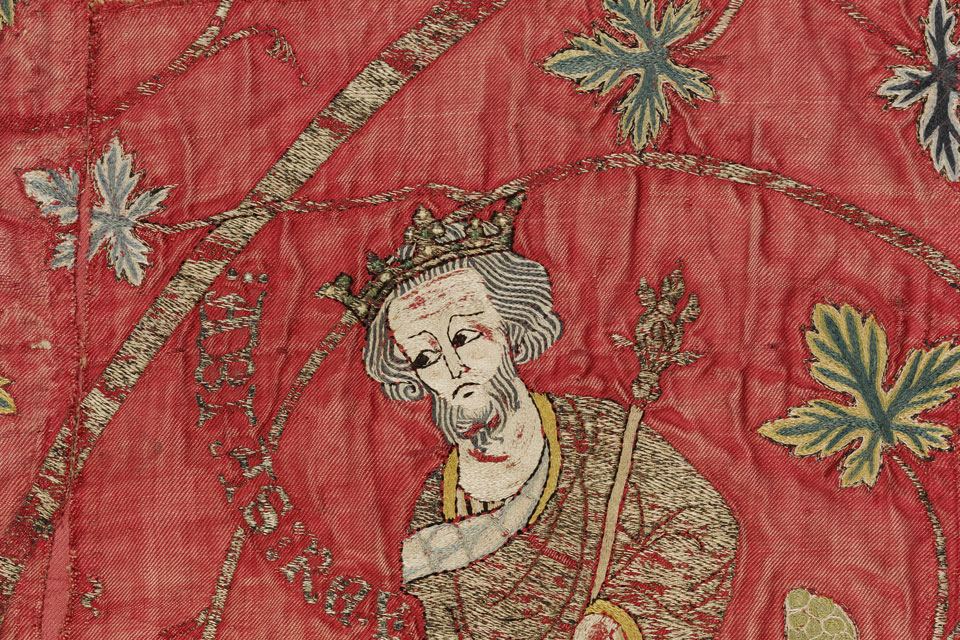
From 1250 - 1350 English embroidery - Opus Anglicanum - made queens, kings and popes very avaricious. Catalogue to exhibition 2016 tells the story
‘Medieval Histories’ offers medievalists all the news about exhibitions, books, research, archaeology, travel-tips and much more from the Medieval World
From 1250 - 1350 English embroidery - Opus Anglicanum - made queens, kings and popes very avaricious. Catalogue to exhibition 2016 tells the story
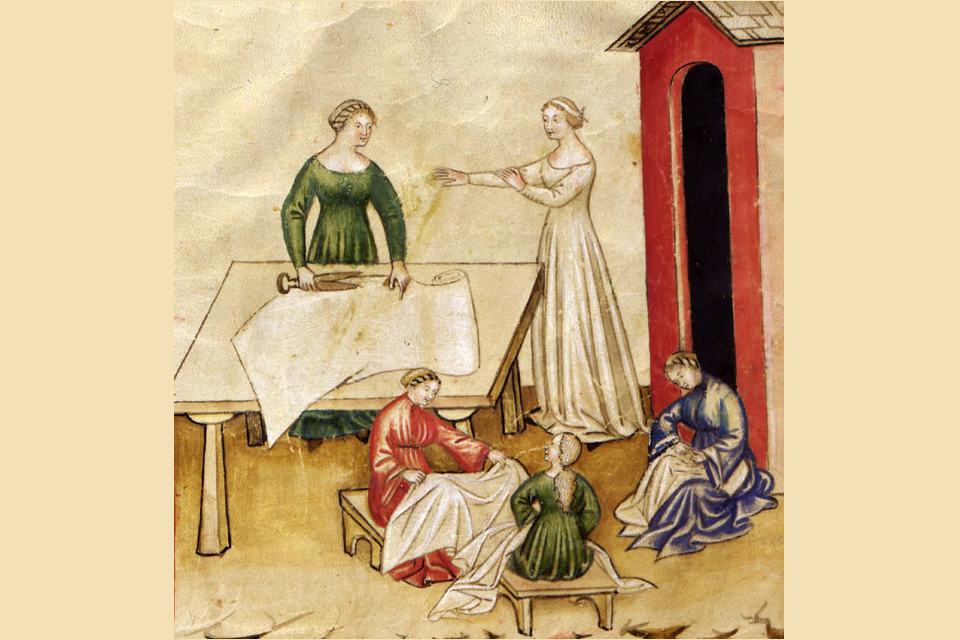
At some point at the end of the 13th century luxury silk industries emerged in Paris. Sharon Farmer tells the story in a new book out in November 2016
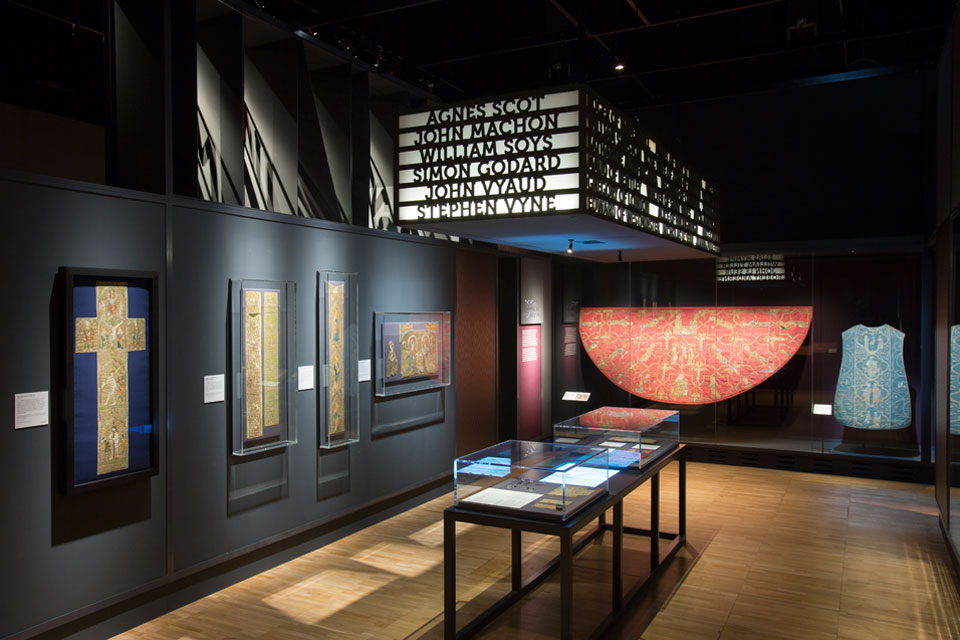
Popes, Bishops, Abbots, Kings and Queens! All were willing to do anything to lay their hands on the sumptuous English embroideries - Opus Anglicanum
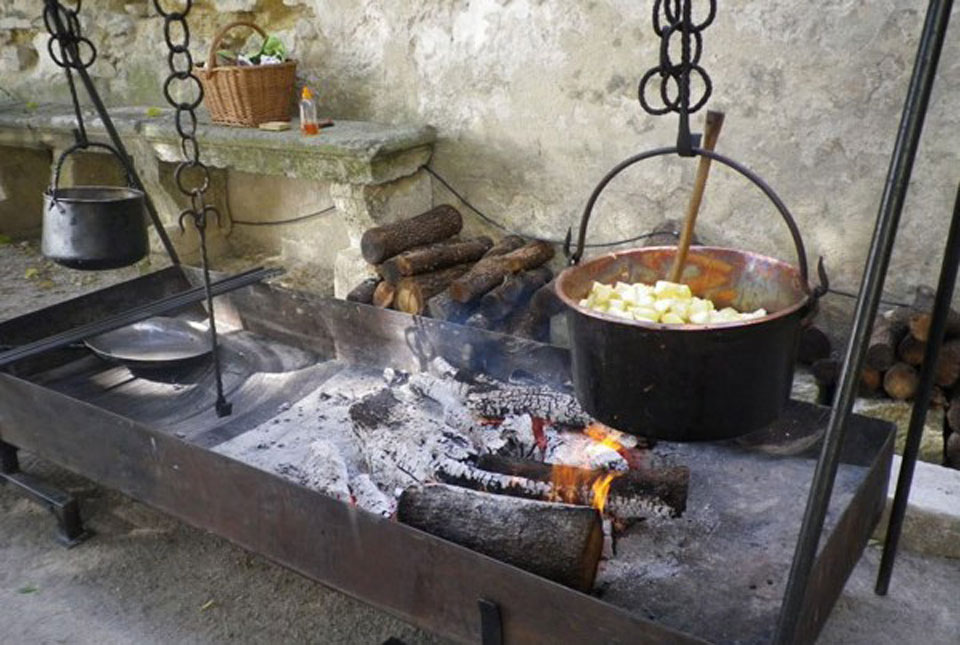
In the Early Middle Ages eels were abundant and served as comfort food for hungry peasants. Later it turned into a very expensive delicatessen.
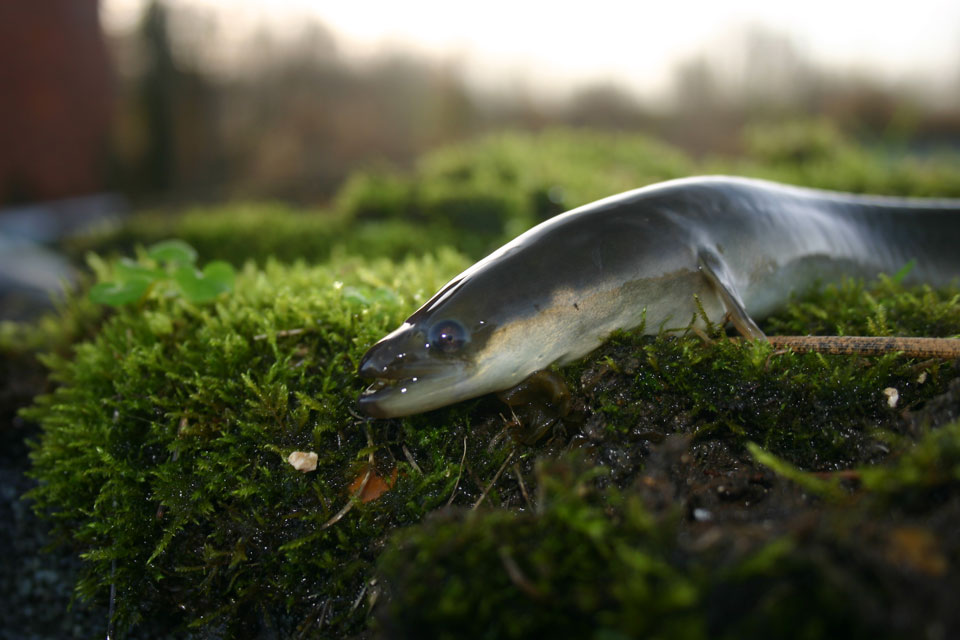
The eel is a curious animal. Now listed on the international red list of threatened species, it used to be the ubiquitous food for small holders and poor peasants in the early middle ages
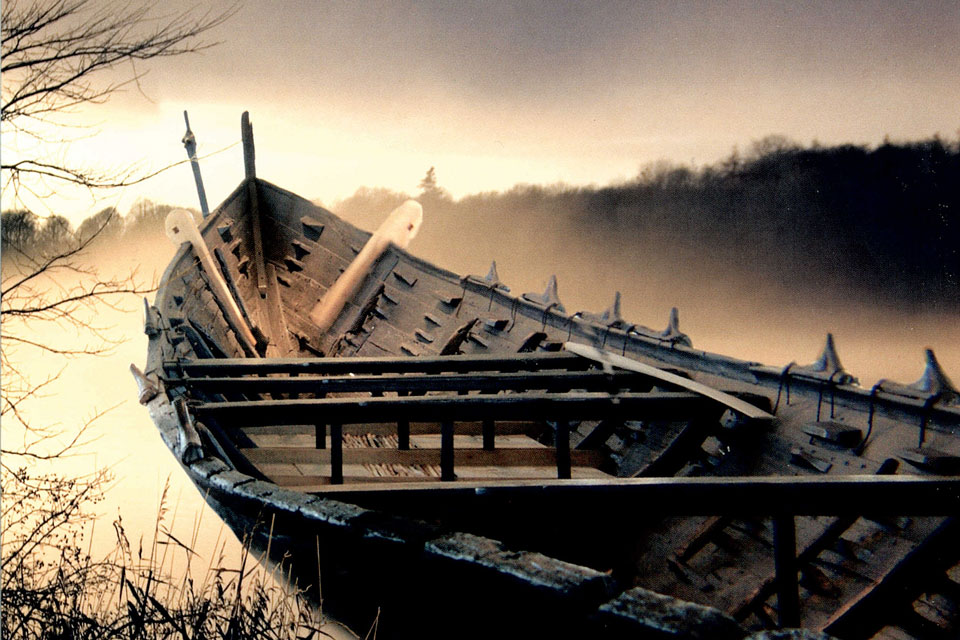
On the edge of the Fenlands at Oikington an Anglo-Saxon man named Hoch built a farm sometime in the 5th century. here, his family was buried
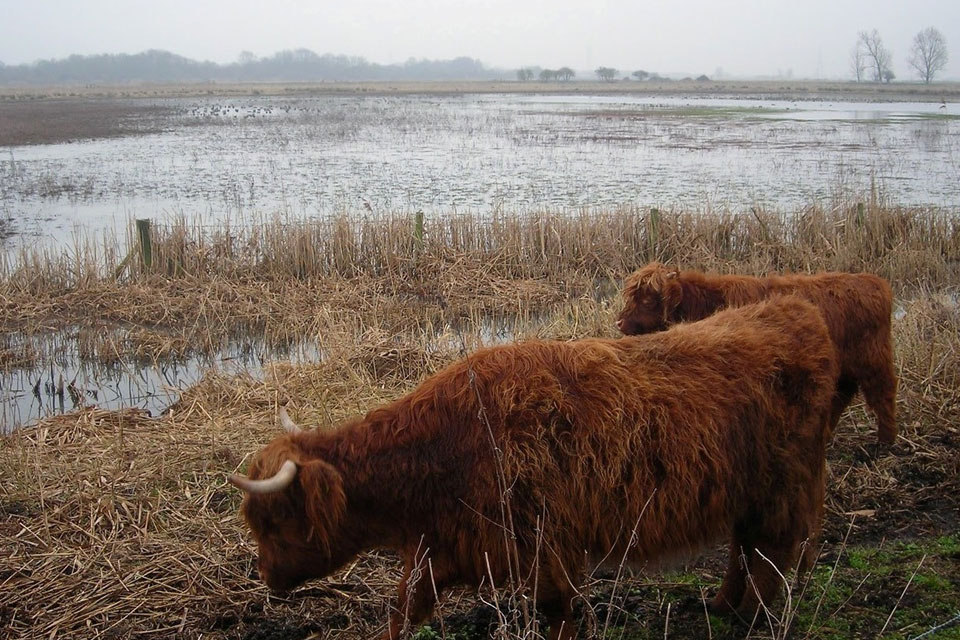
New studies of the use of the fluid landscape in the Early Medieval Fenlands point to a continuity in the settlement-structure from pre-Roman times
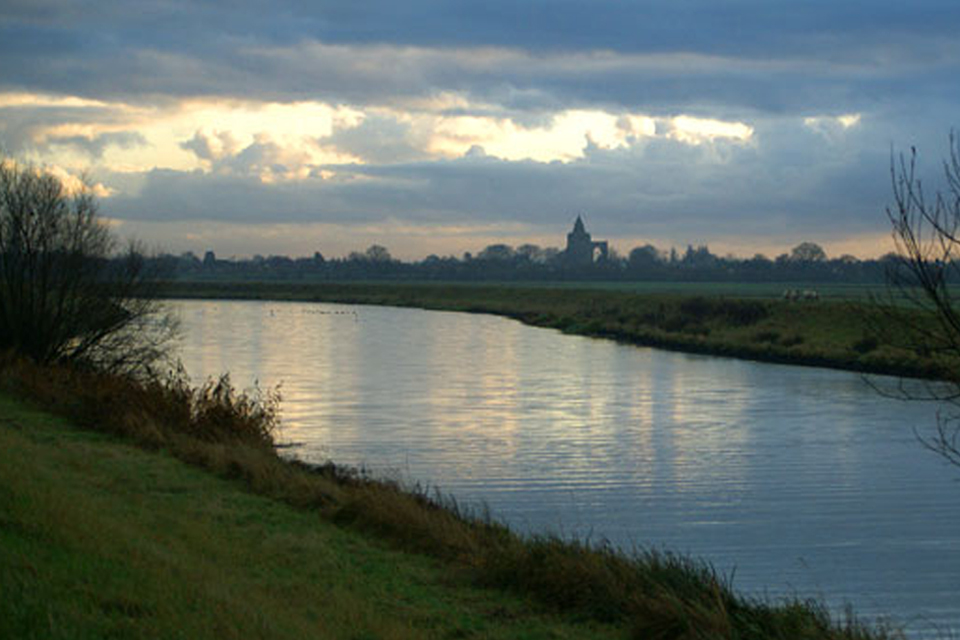
The Anglo-Saxon hermit, St. Guthlac, had a career reaching from aristocratic warrior over monastic visionary to patron saint of Crowland Abbey
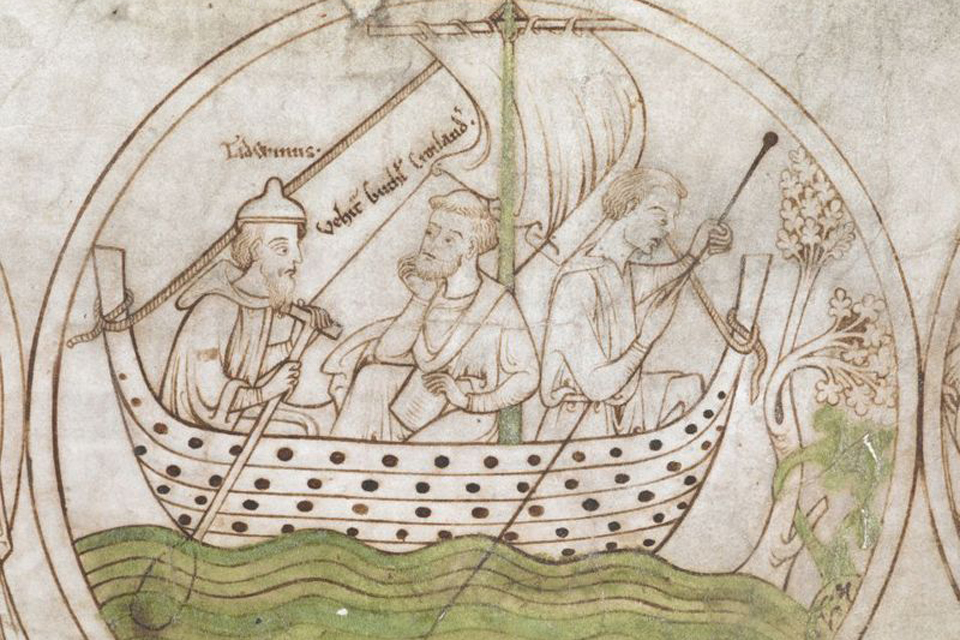
For a long time a number of research projects have explored the culturally fluid landscape of the Medieval Fenlands in Eastern England. New book tells the story
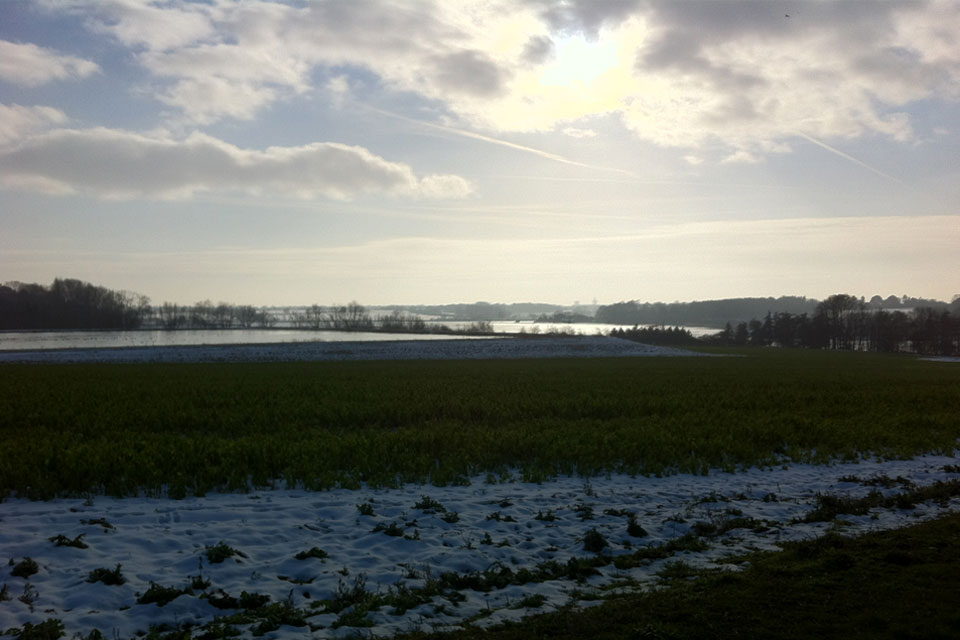
Rendelsham is located five km north-east of Sutton Hoo and known as an early Anglo-Saxon emporium. Recently a royal mead-hall was discovered there
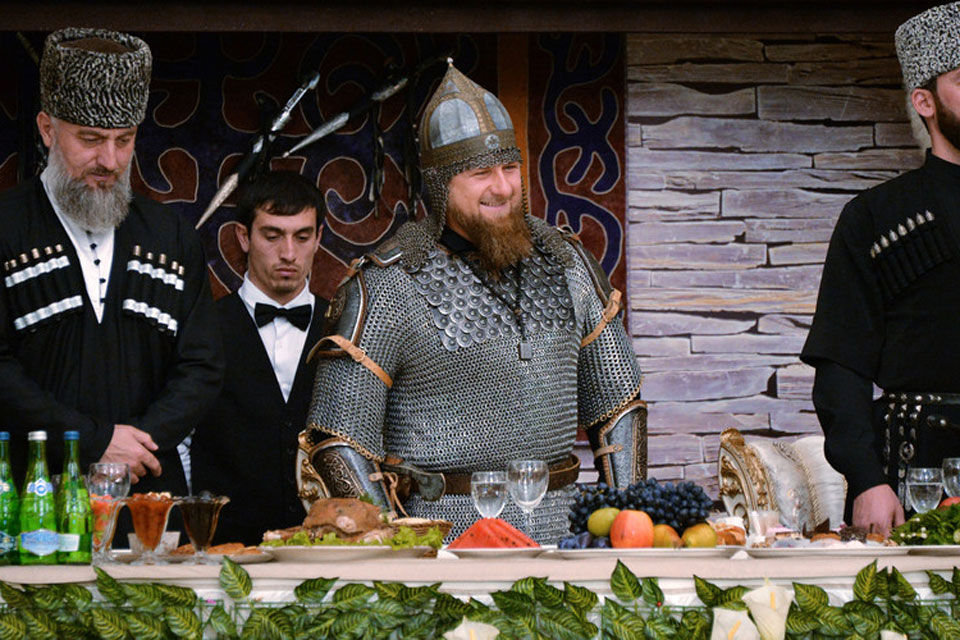
Ramzan Kadyrov, dressed in medieval armour, celebrated the winnings of Putin by 98% at a medieval style party in Grozny in the Russian republic of Chechnya
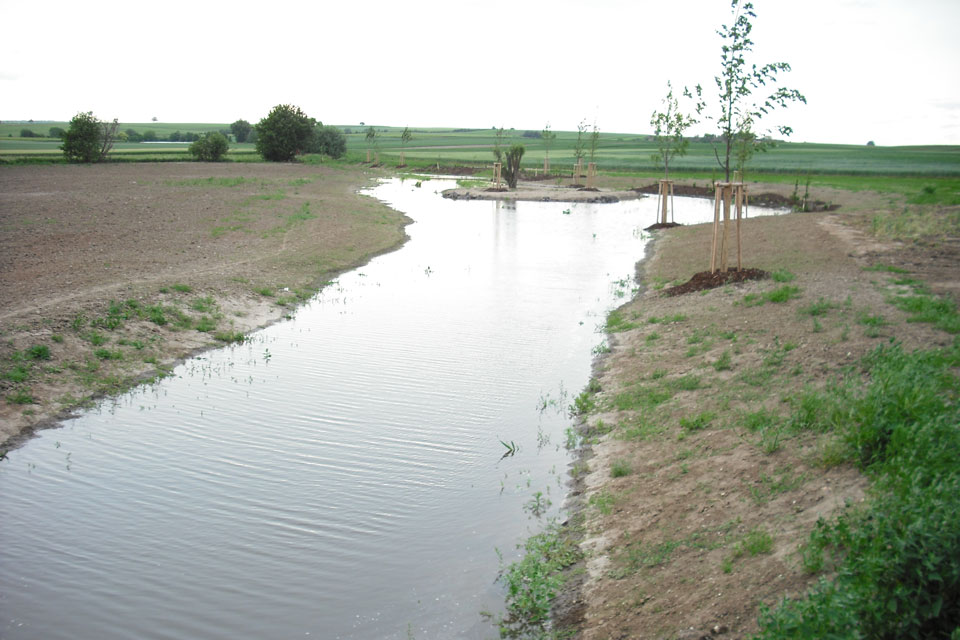
Tracing residential mobility trough isotopic analysis demonstrates once more that grave-goods and funeral practice cannot be used as ethnic markers
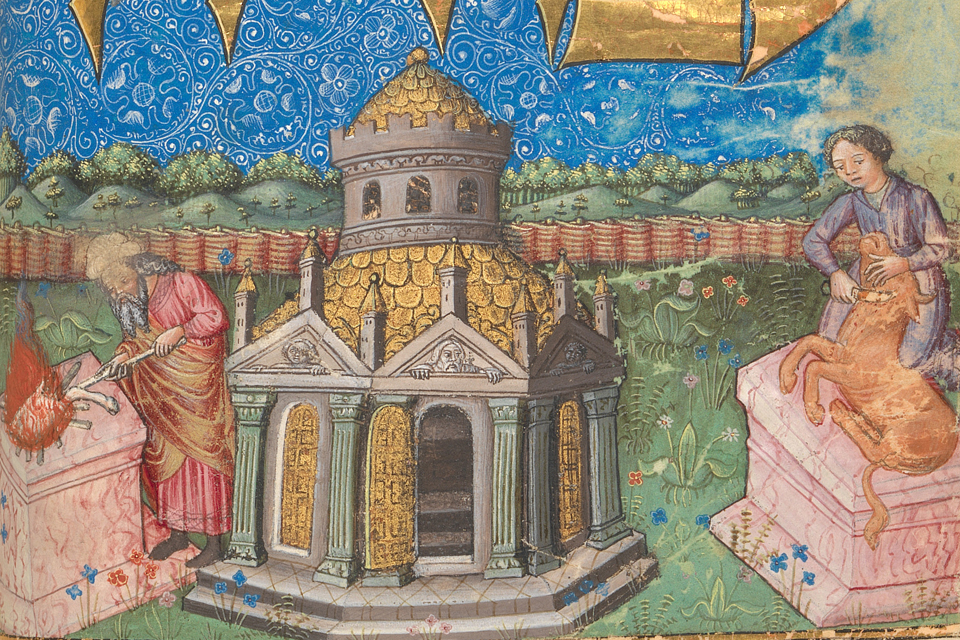
Exhibition at the Met shows the art, the religious fervour and the inspiration, which medieval Jerusalem offered to Jews, Christians and Muslims 1000 - 1400
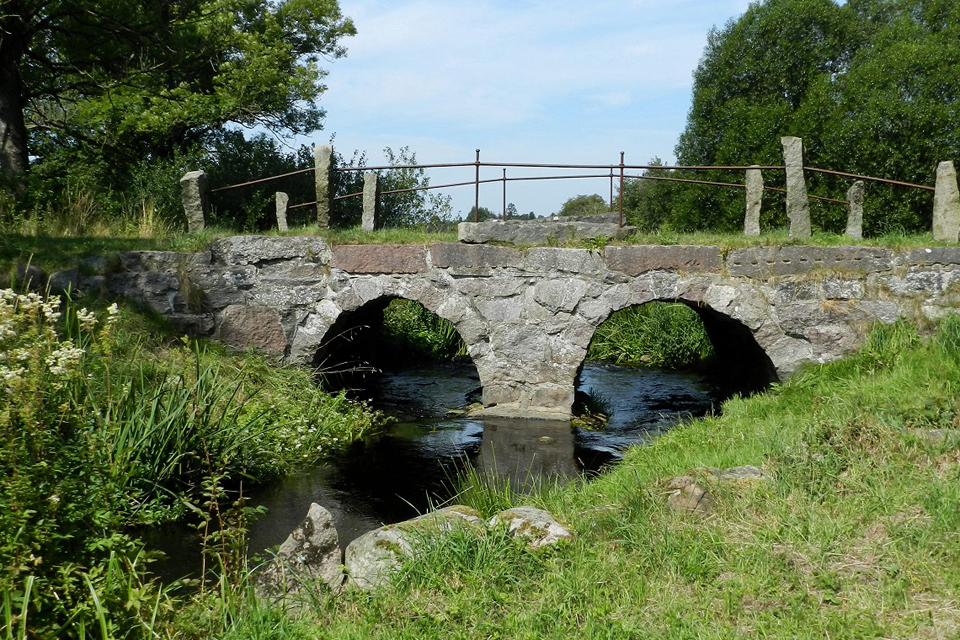
The Power of the Harp is a medieval ballad attested in a Danish, Swedish, Norwegian and Icelandic. It tells the story of a frightful fall of fair maiden from a stumbling palfrey and into a river.
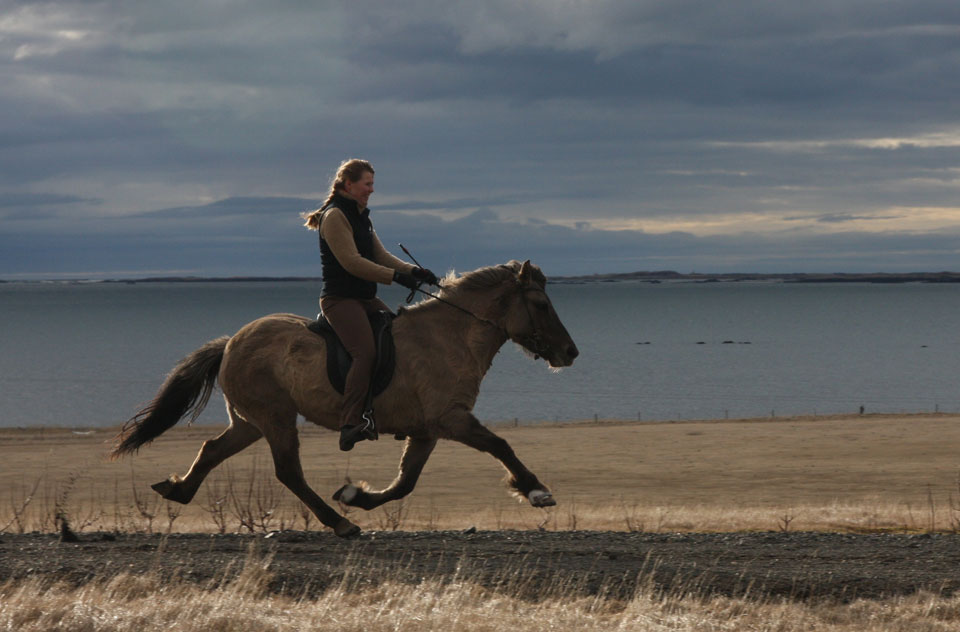
Icelandic Viking horses are known for they ambling gait. Following the gene, scientists now suggest that the first Icelandic horses were in fact English
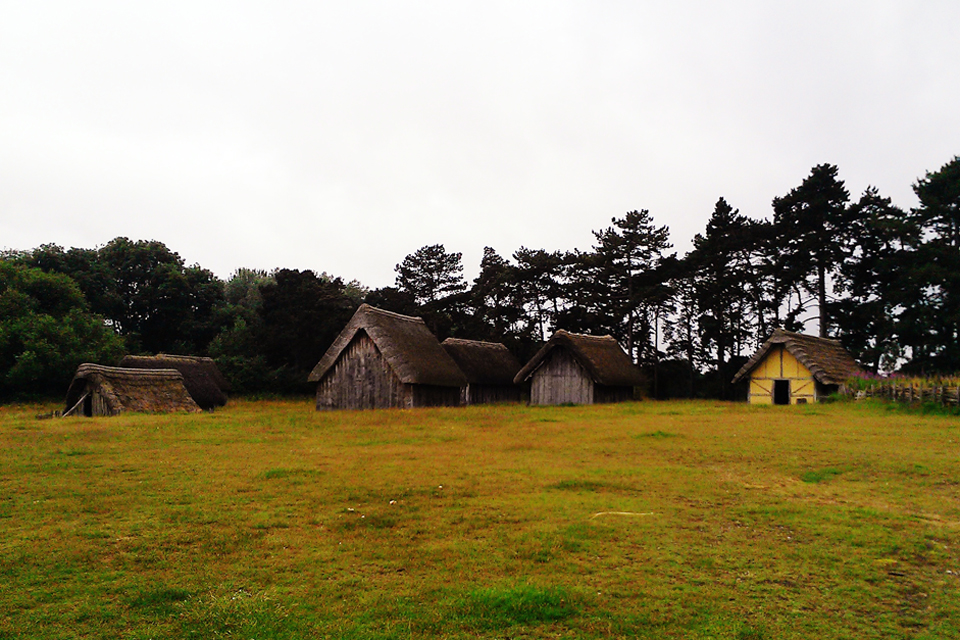
Bede used charters and other written documents while writing his histories. Careful sifting of the evidence reveals that he also used a now lost "Tribal Hidage".